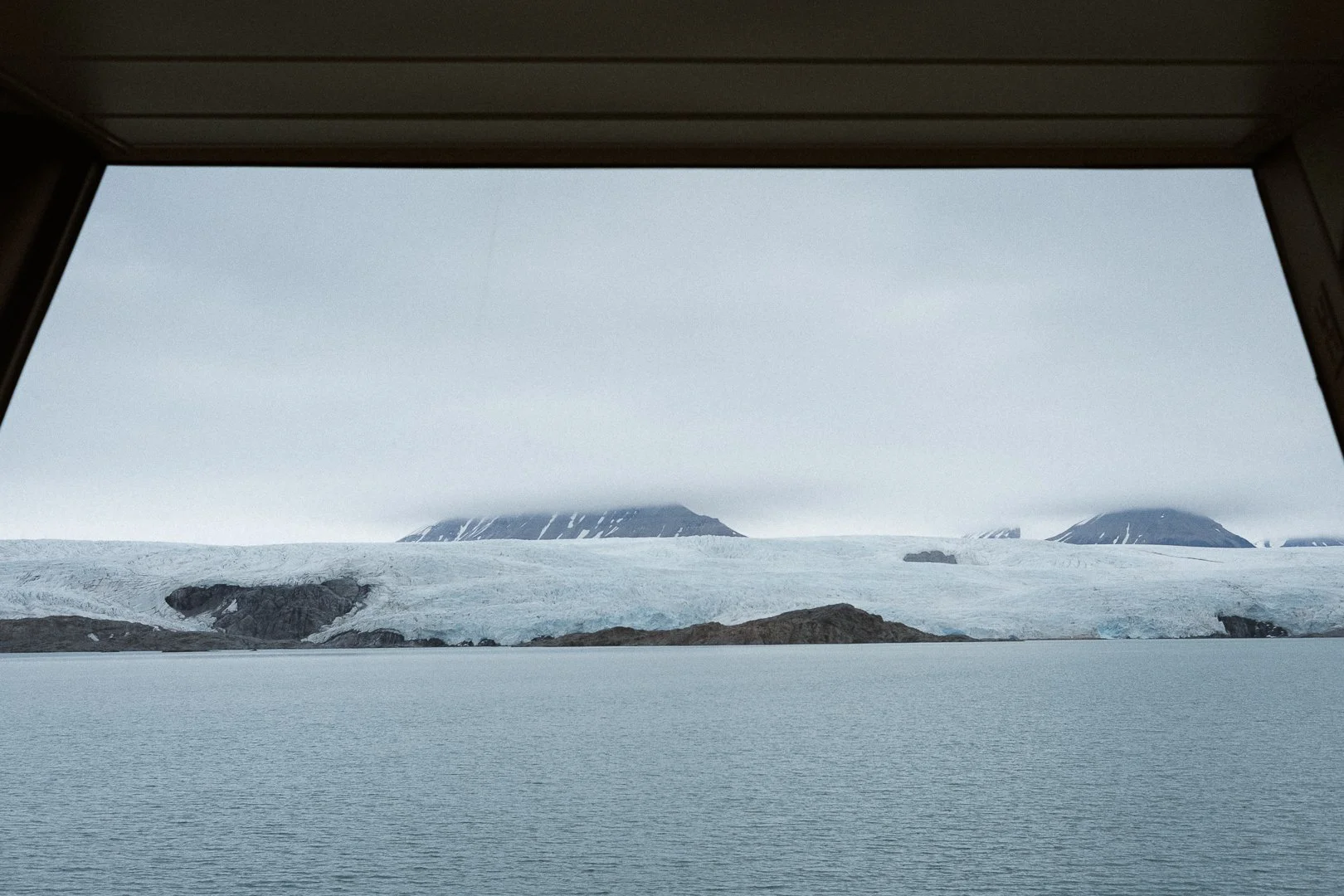
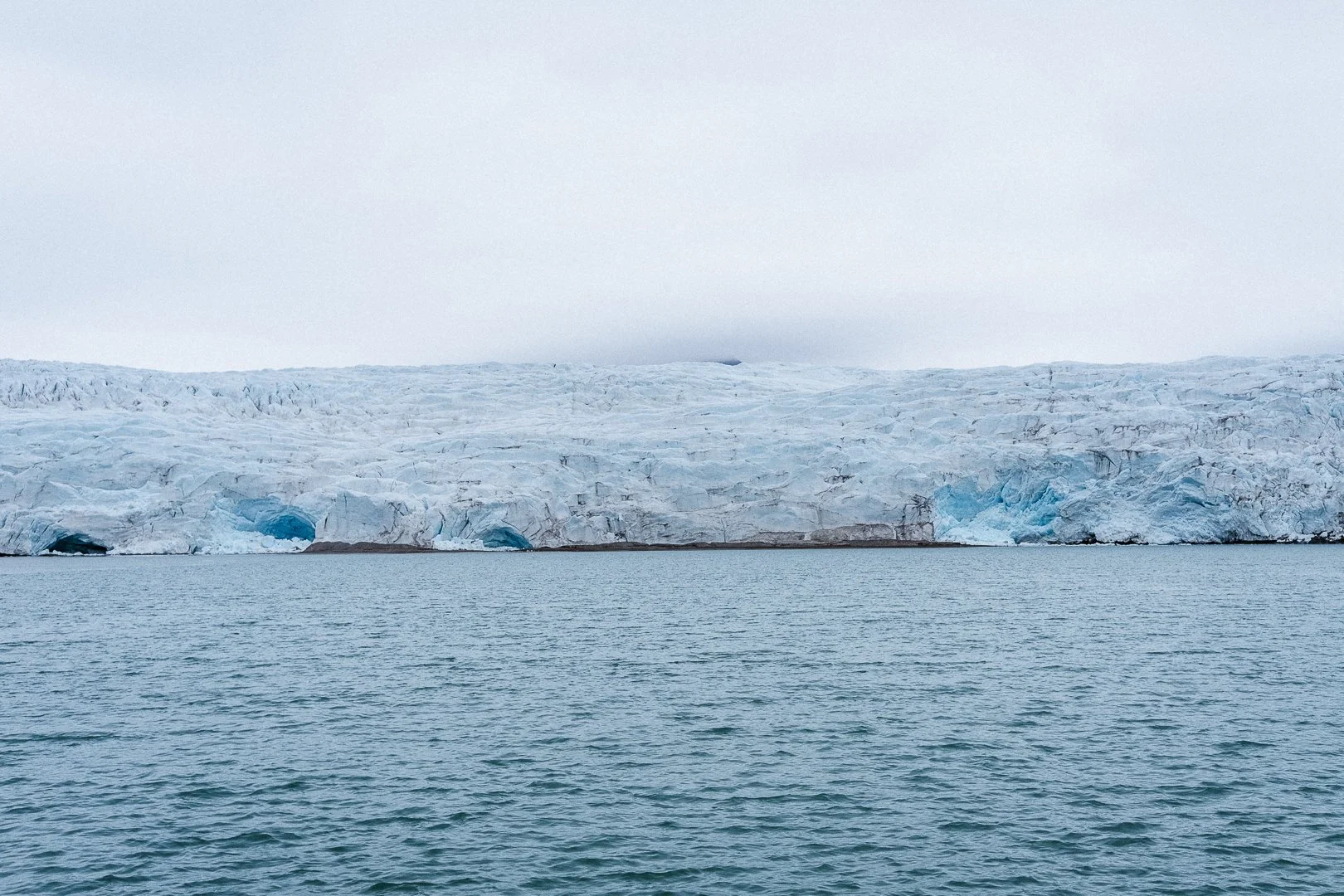
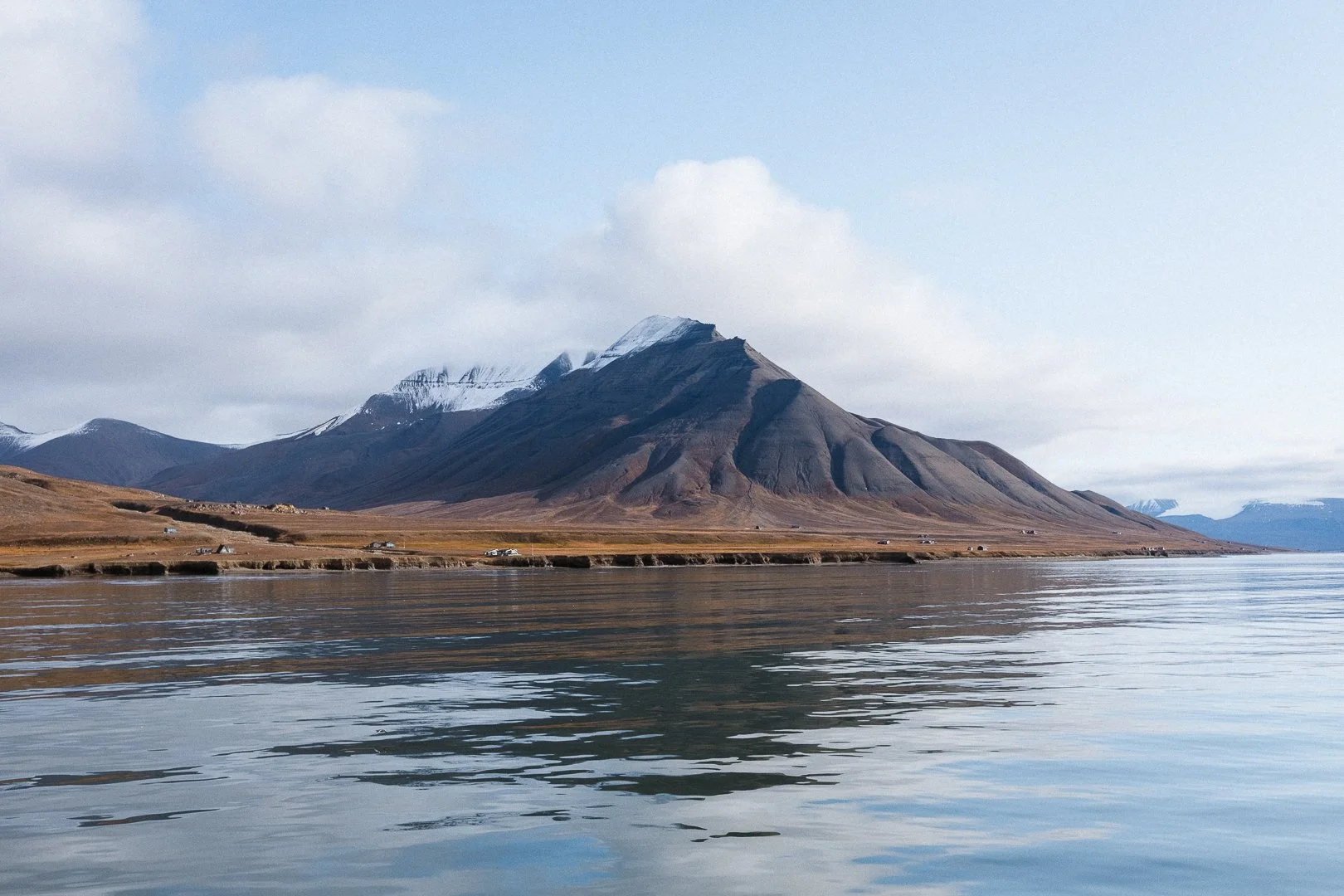
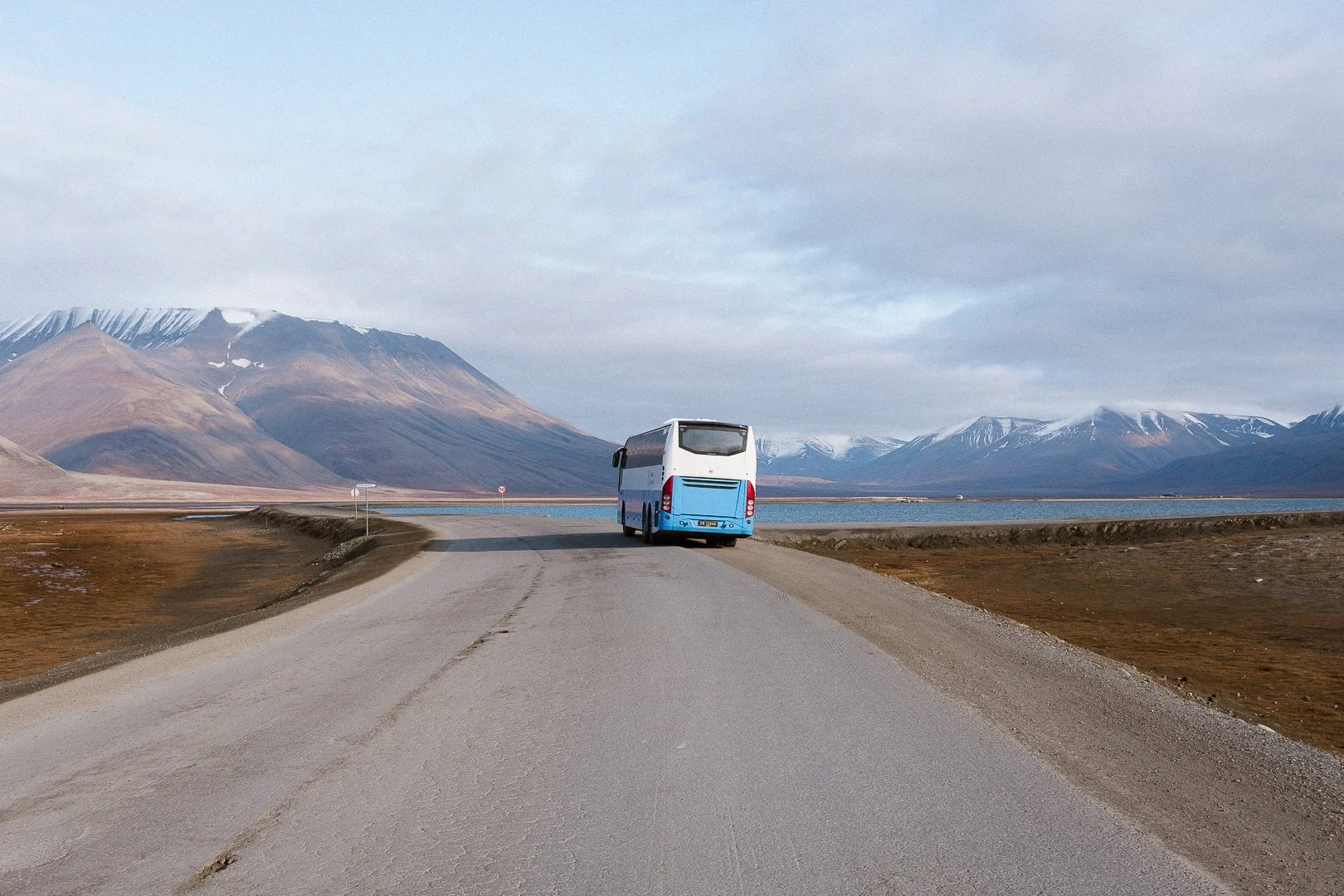
Svalbard - photographing the end of the world
A few days ago, my partner and I returned from a short trip to Svalbard.
There were a few challenges that came up on my bingo card during this trip. We failed at the first one, trying our best to resist the smell of cinnamon rolls on every corner. Avoiding being eaten by a polar bear, however, succeeded.
I’ll talk about others in today’s post.
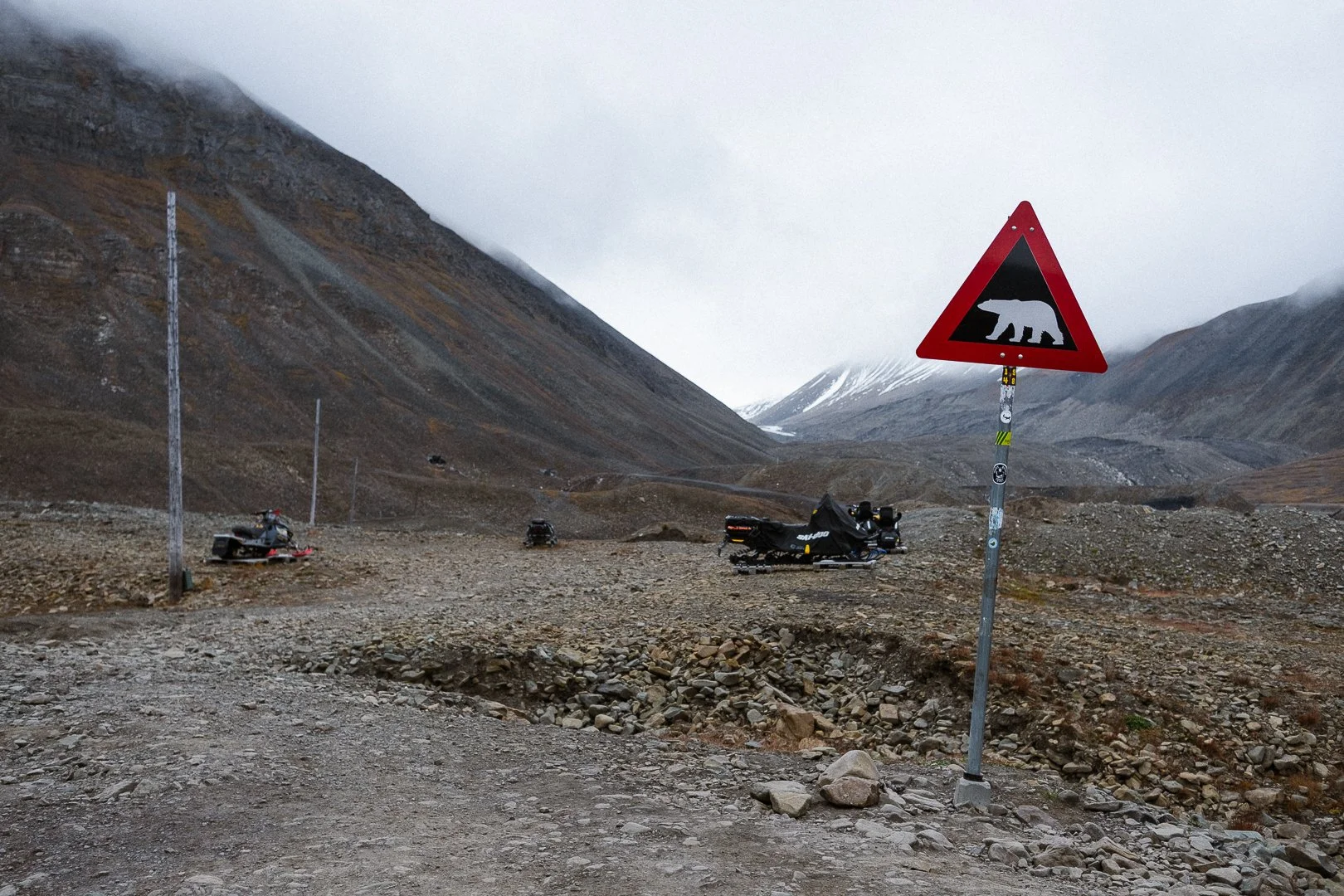
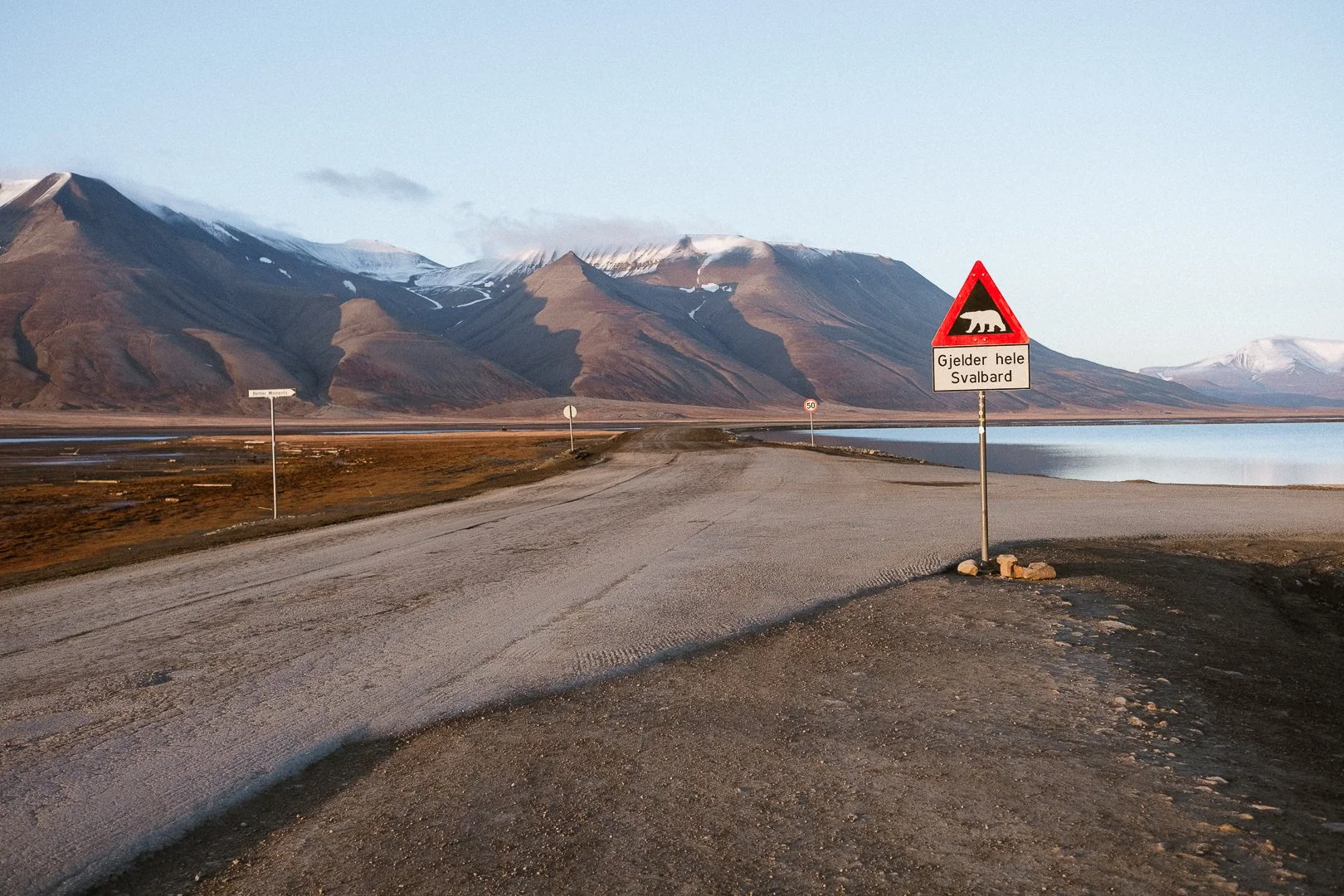
Is going to Svalbard risky (polar bears)
The name Svalbard refers to the entire archipelago. However, to be more precise, I should clarify that a stay on Svalbard is most often limited to the town of Longyearbyen, the northernmost city in Europe.
It’s the only place in the entire Svalbard archipelago where you don’t need to carry a rifle for protection against polar bears.
That doesn’t mean that even within the town limits, possible encounters can be ruled out.
Leaving the town on your own is highly not recommended and should only be done in the company of a trained guide.
To be honest, I do like pushing boundaries sometimes, but this time I had absolutely no desire or courage to put my life at risk for the sake of an adventure. The struggle was actually real.
But if you’re reading this, it means I managed to write it, which means our guides did a great job, and polar bears did even better by not showing up.
Photographing Svalbard in the midnight sun
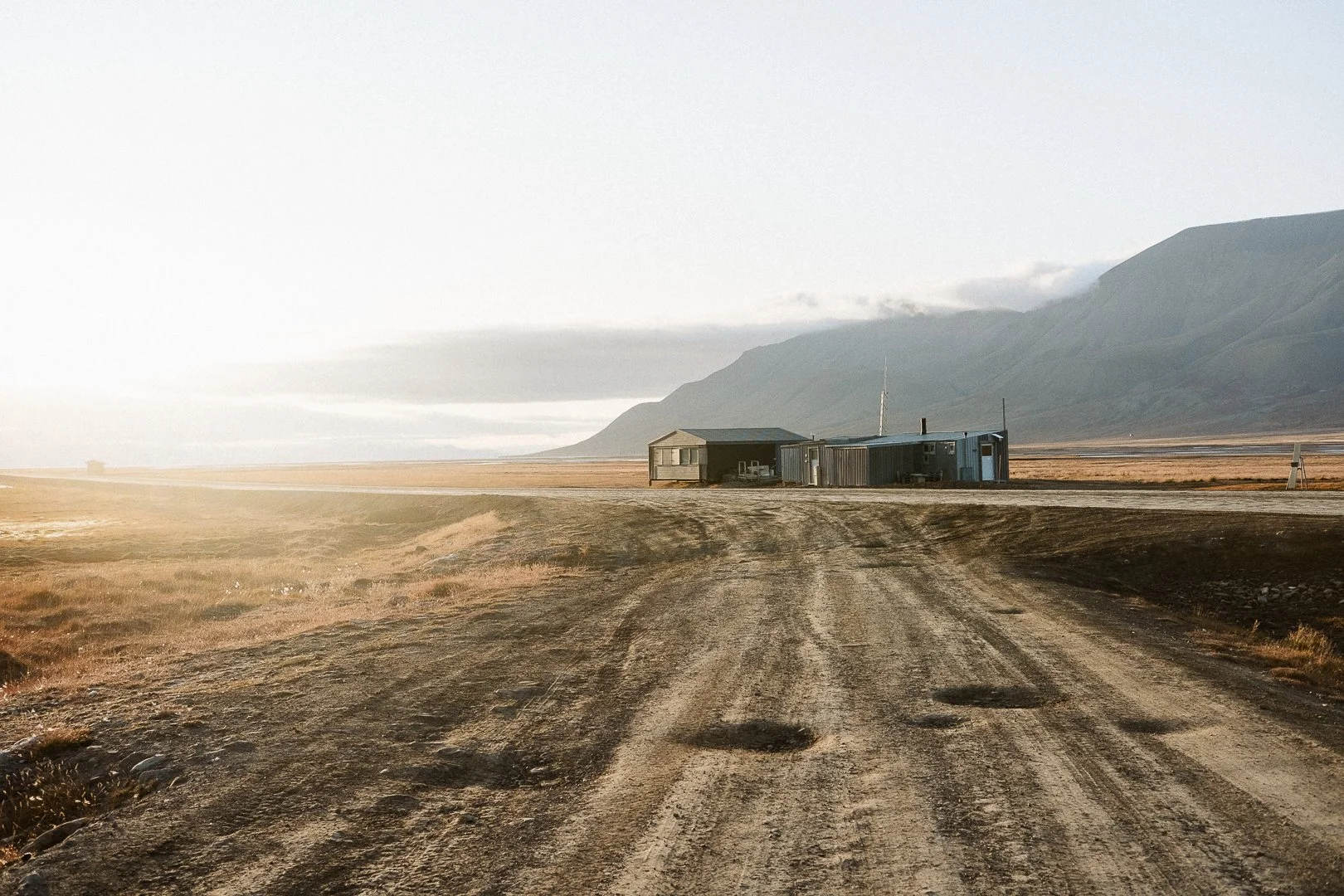
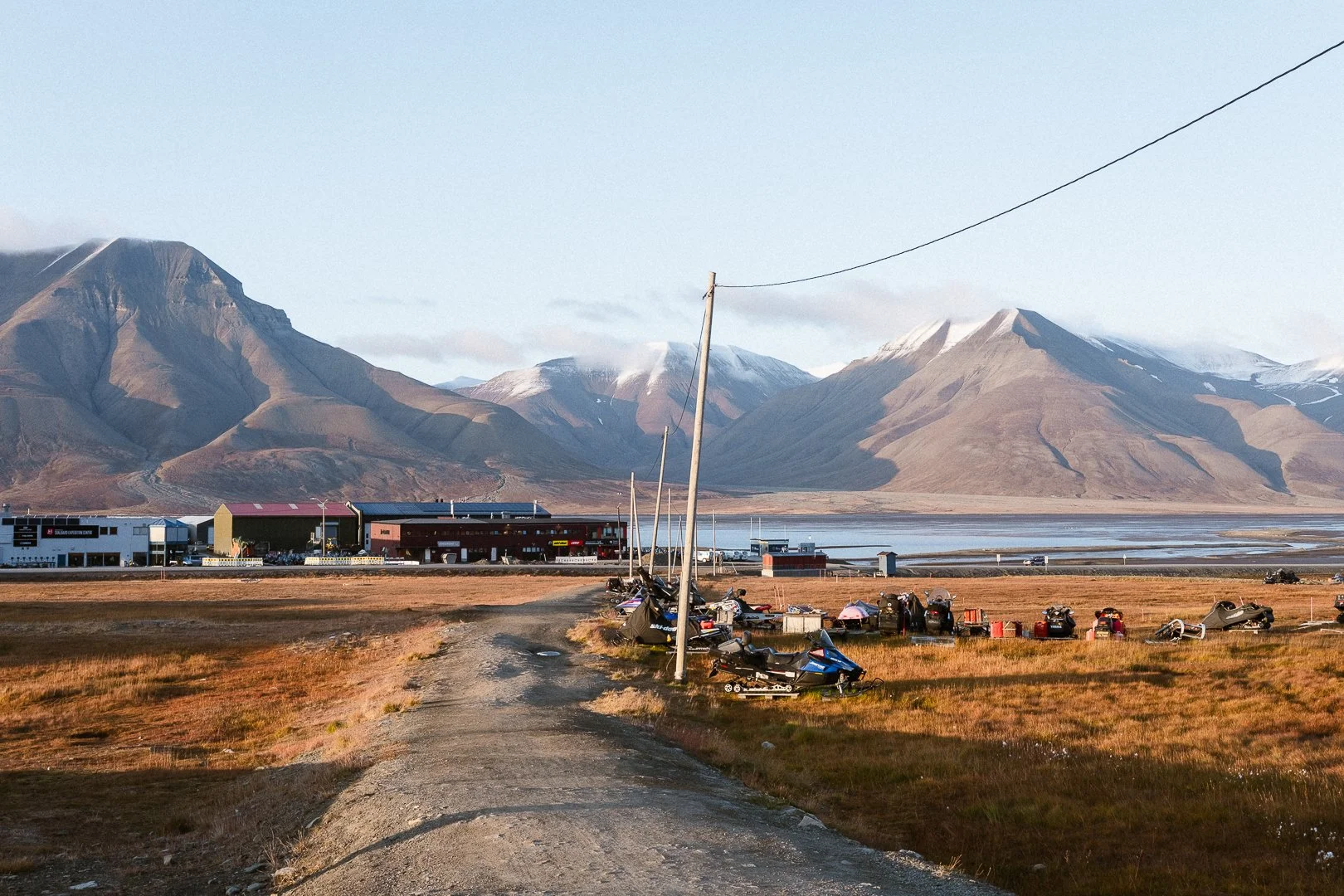
Since we arrived at the very end of the midnight sun season, we certainly couldn’t complain about a lack of light. The sun didn’t set for a second during our stay.
And in fact, for most of the day, it was actually too good. It turned out too much of golden light might work against you.
Of course, golden hour is better than no light at all, but it’s not exactly my favorite.
A luxury problem, I know.
It can also be tricky when it’s bright all the time and you don’t want to do anything other than walk around and take pictures.
Luckily, in many places in Norway there seems to be this tradition of free coffee refills. Never ending coffee supplies saved us many times from falling asleep during a day.
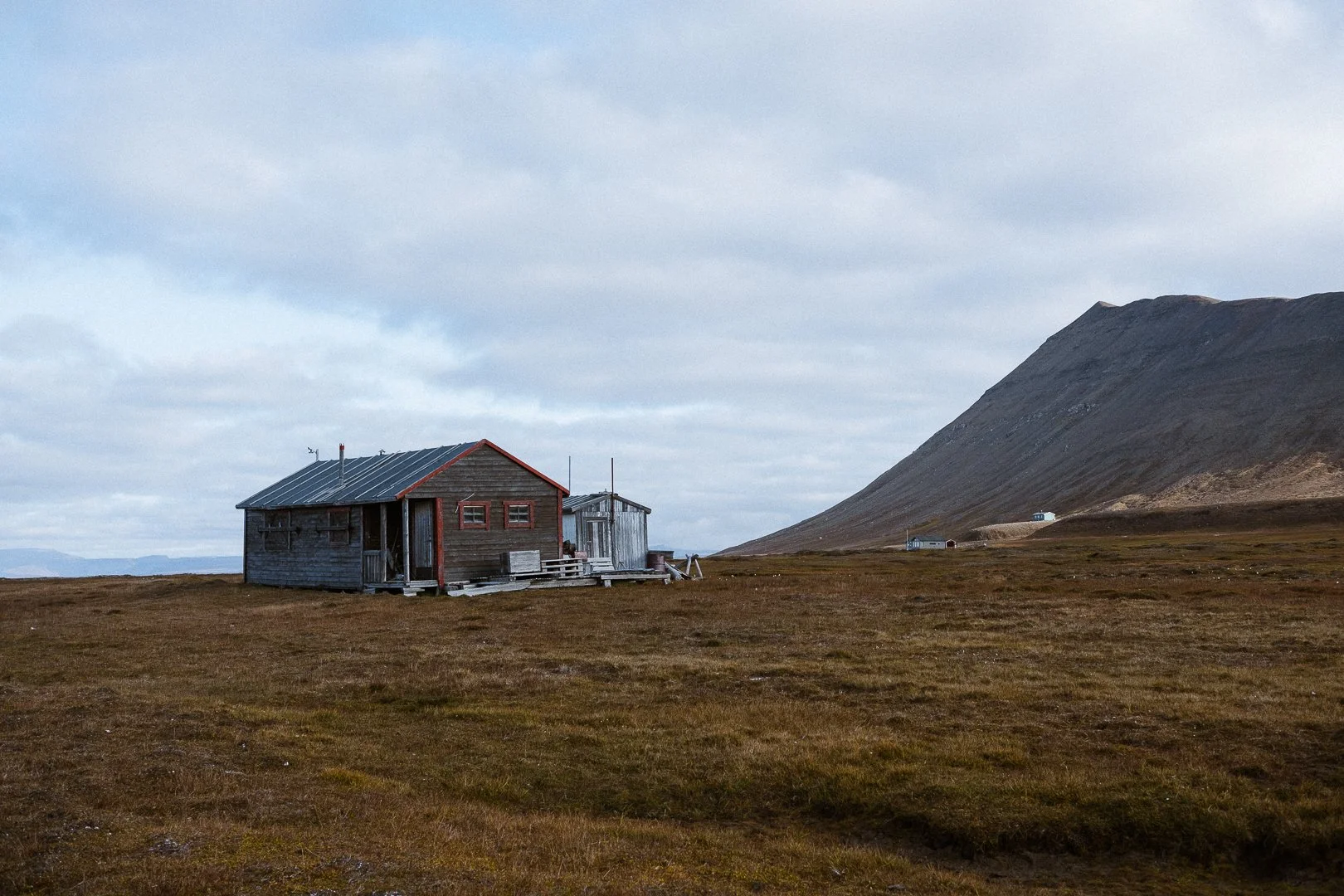
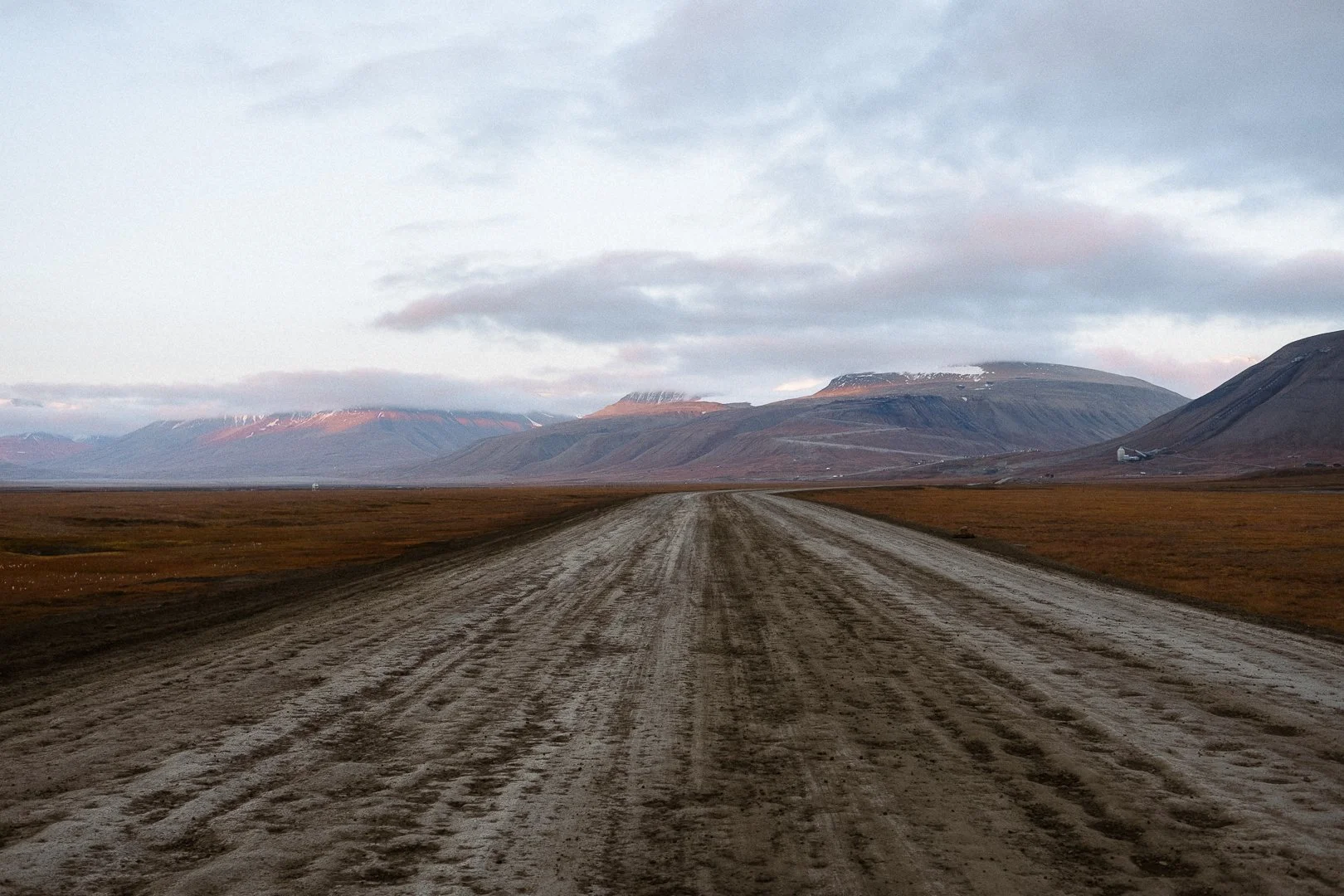
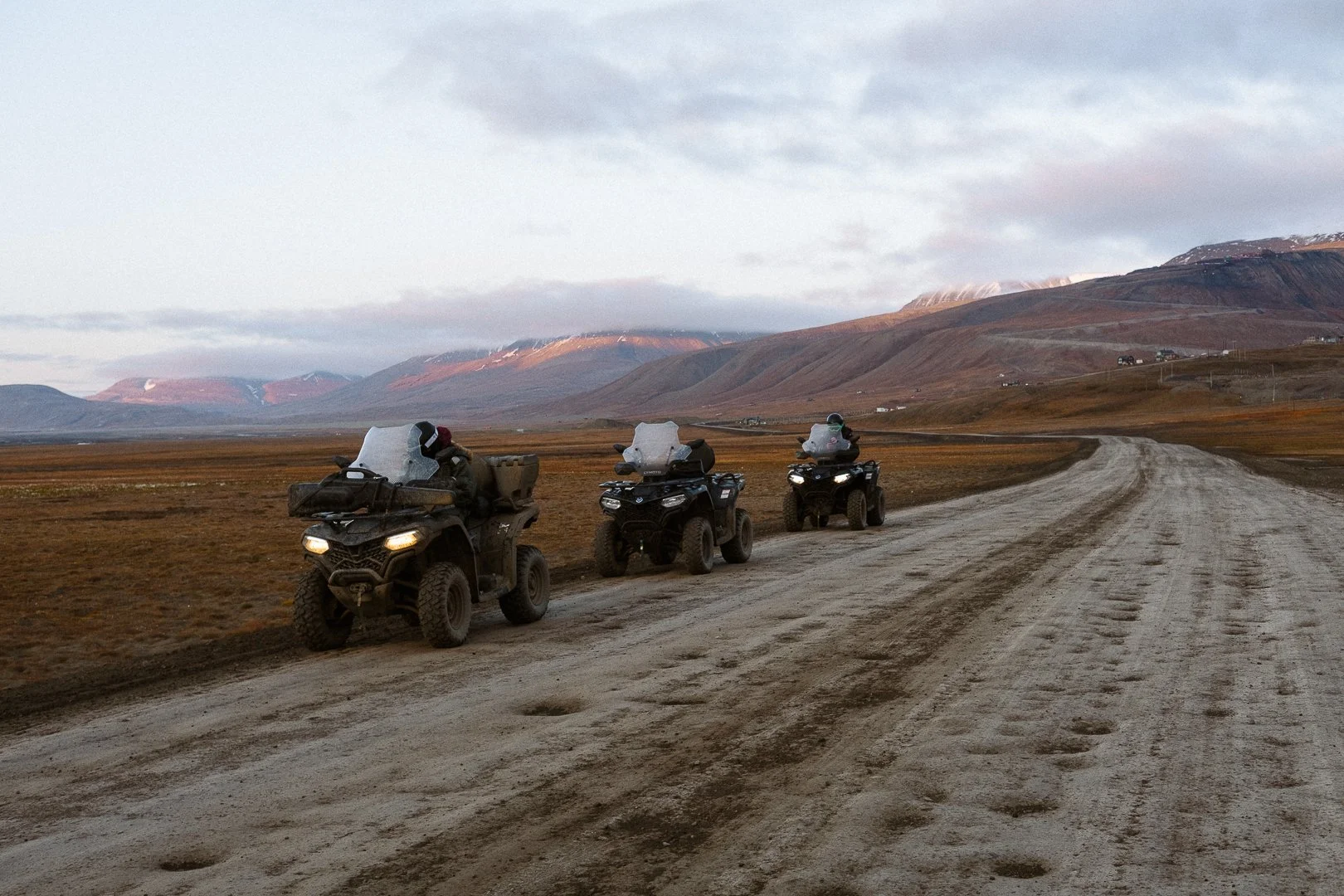
I was also lucky that the weather changed several times during our stay, and we also got some cloudy, moody conditions.
Short trip struggle - what I actually photographed
We spent just about four days in Svalbard. A longer stay in Svalbard would be quite demanding financially.
It’s simply impossible to fully capture the character of such a unique place in such a short time, even when staying within such a small area.
Most of my travels and photo trips in recent years have been like this - short and intense. Simply put, as a homebody, I love travelling but I prefer it this way to spending long periods away from home.
At some point, I realised there was no point trying to create complex storytelling or practise a serious, real documentary photography when I arrive somewhere completely unfamiliar to me, sometimes even somewhere as exotic as Svalbard.
I don’t even try.
Instead, I take pictures of things and scenes that intrigue me for some reason. I listen only to my intuition. If something makes me stop, it means it’s worth photographing. If something interests me, then it’s interesting.
Even if only to me.
This often leads to situations where my travel companions or my partner roll their eyes and express their concern over my life choices and the fact that I deliberately skip the popular landmarks in favour of exploring, for example, local dumps and sketchy neighbourhoods.
Something you often have to deal with as photographer at some point.
Longyearbyen - a pain in the minimalist’s ass
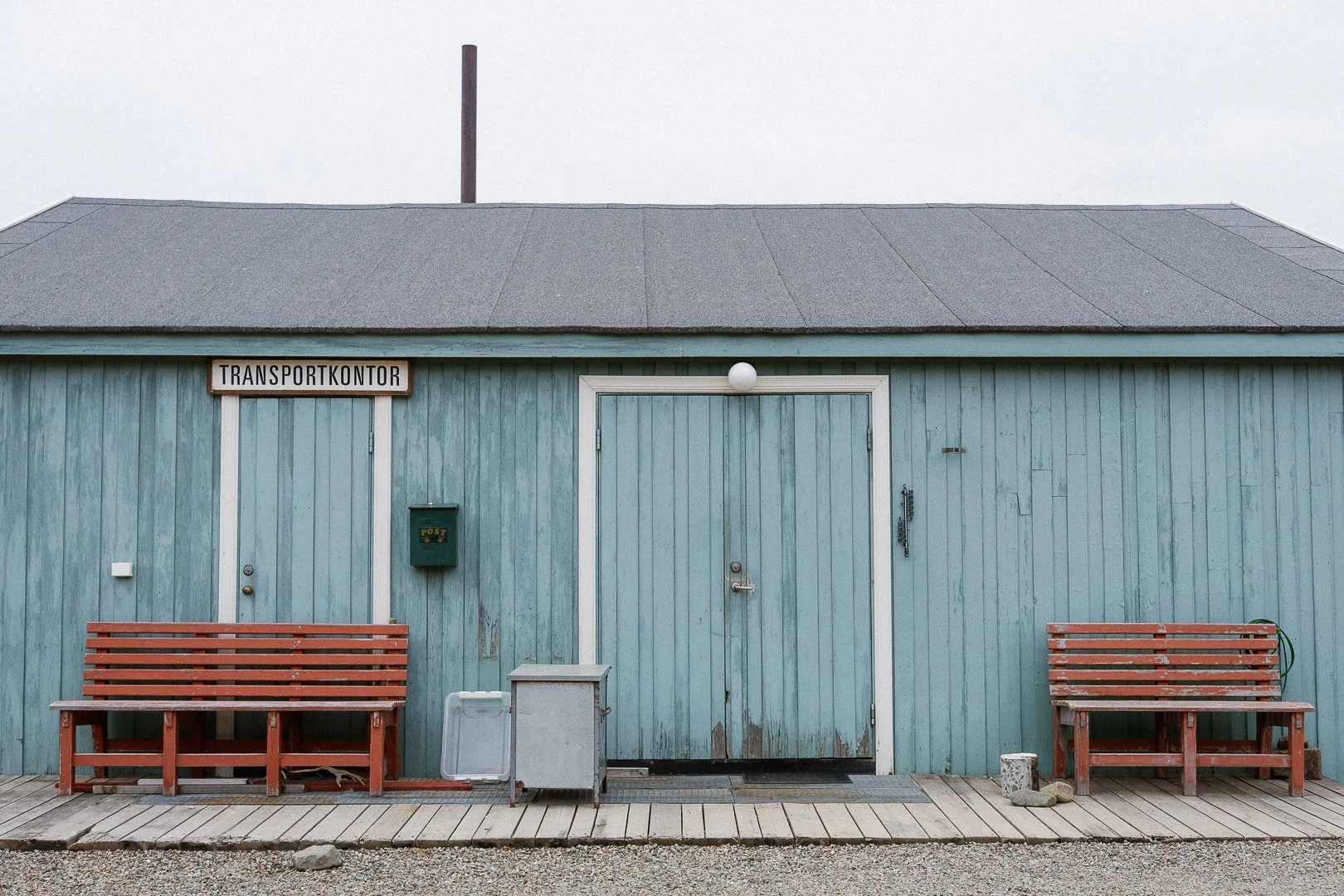
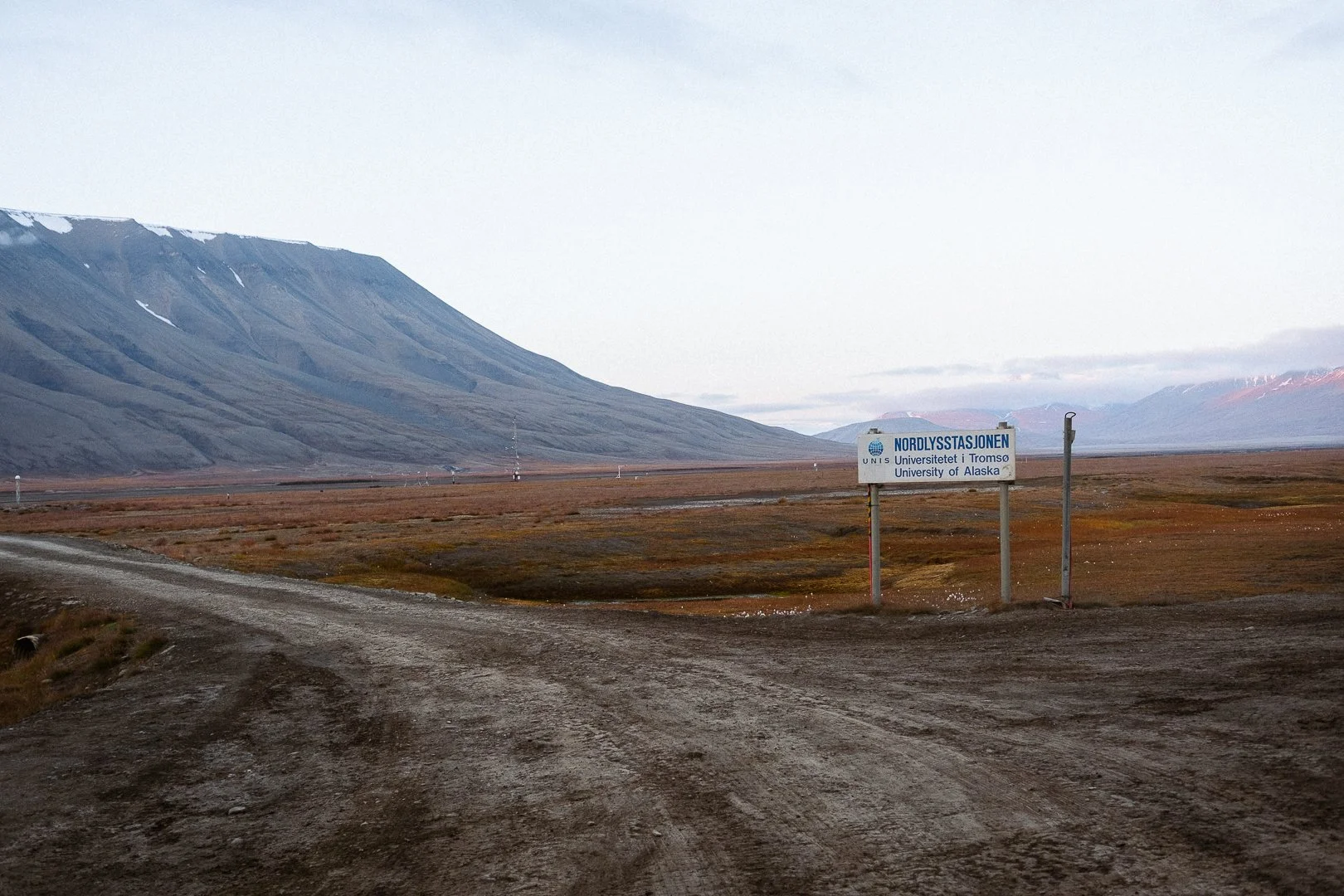
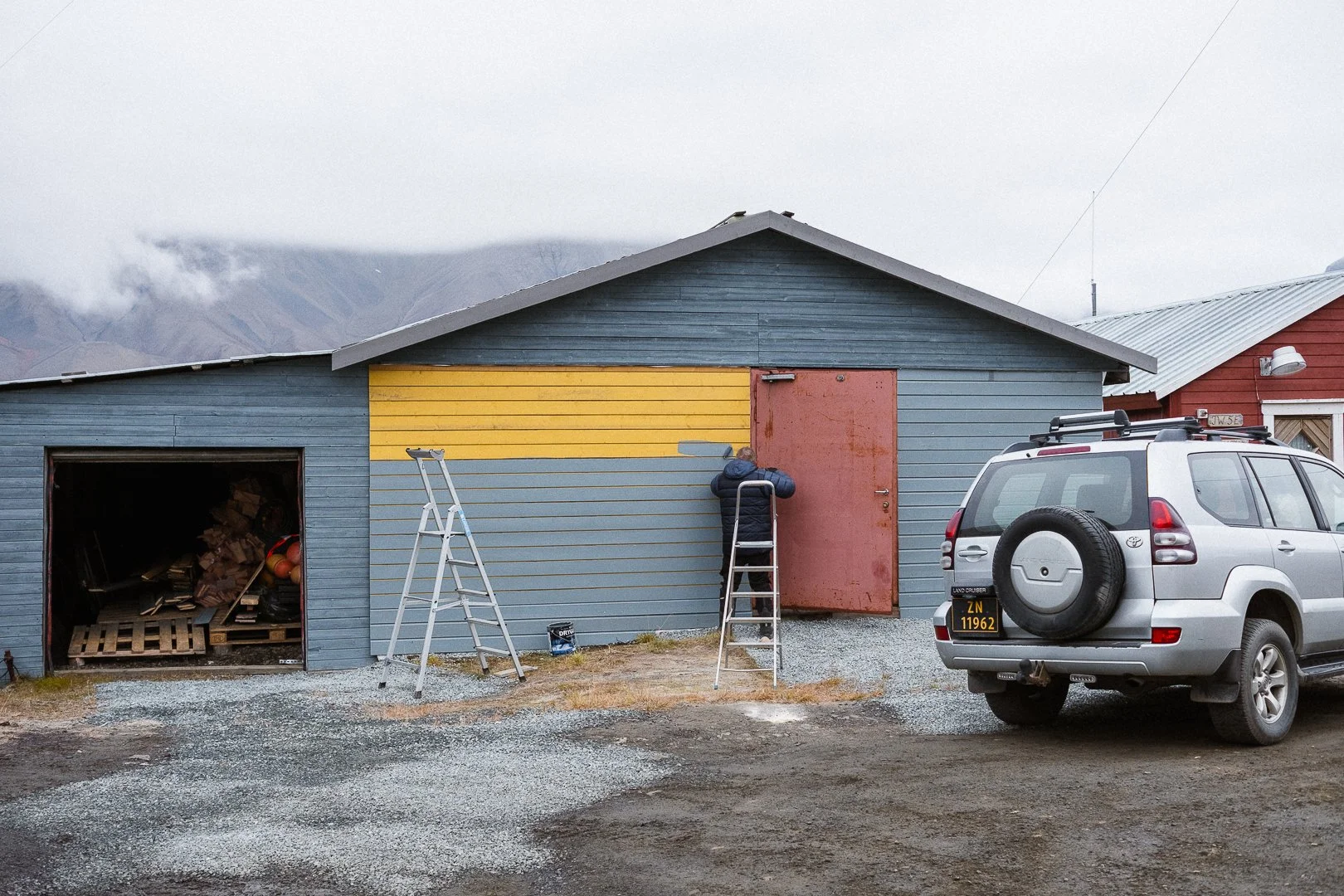
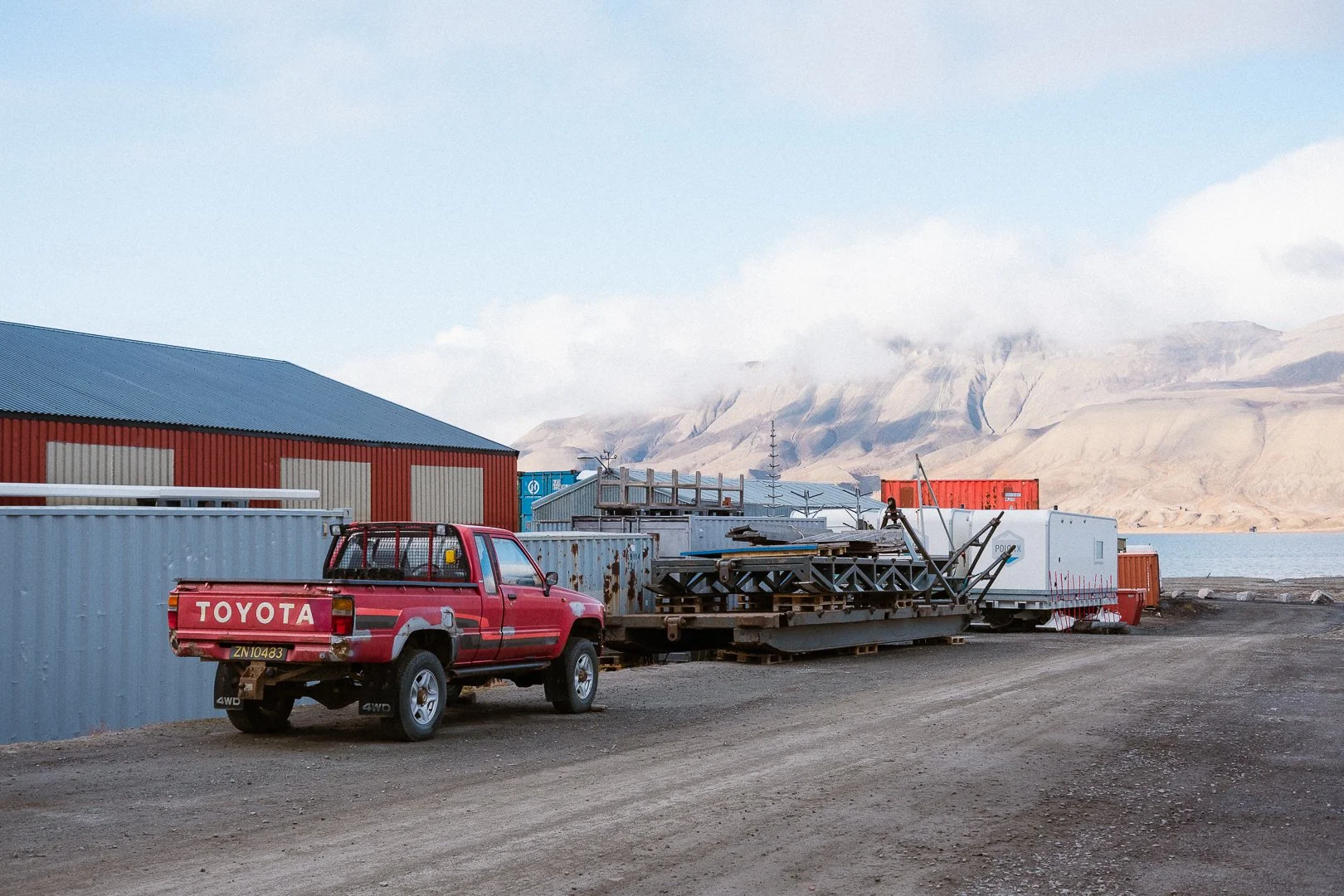
Longyearbyen is a place where there are definitely more interesting and sketchy little corners than popular landmarks.
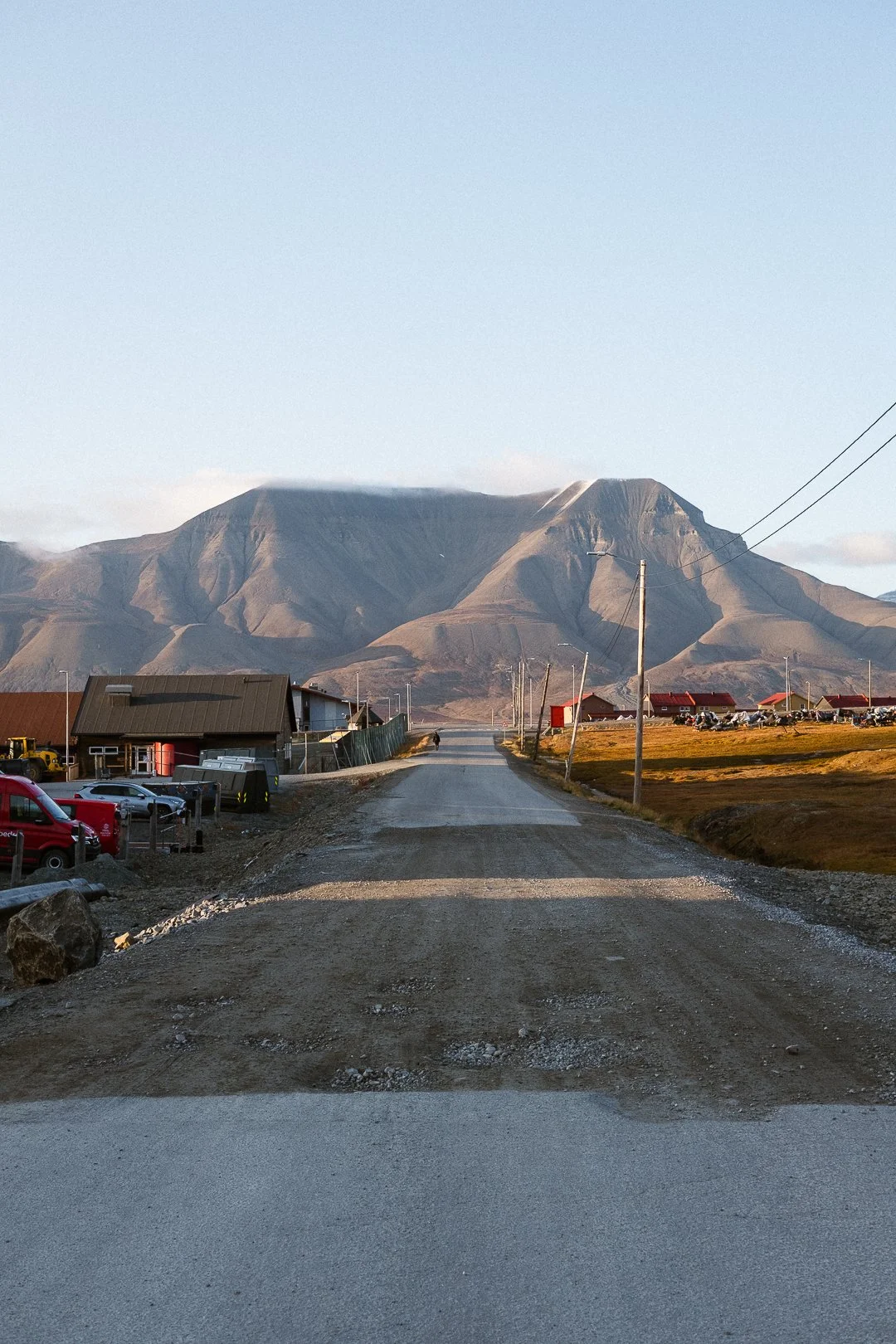
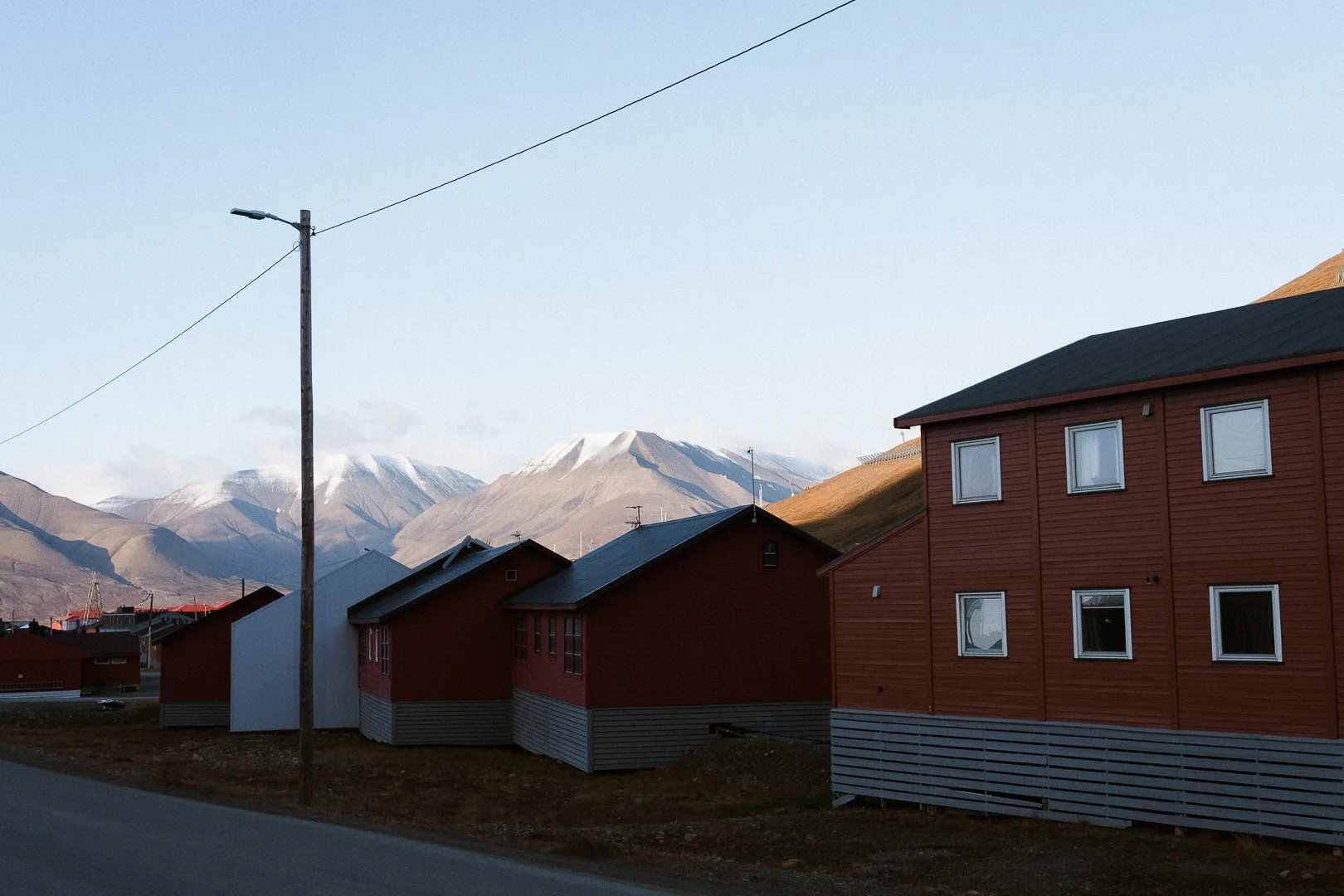
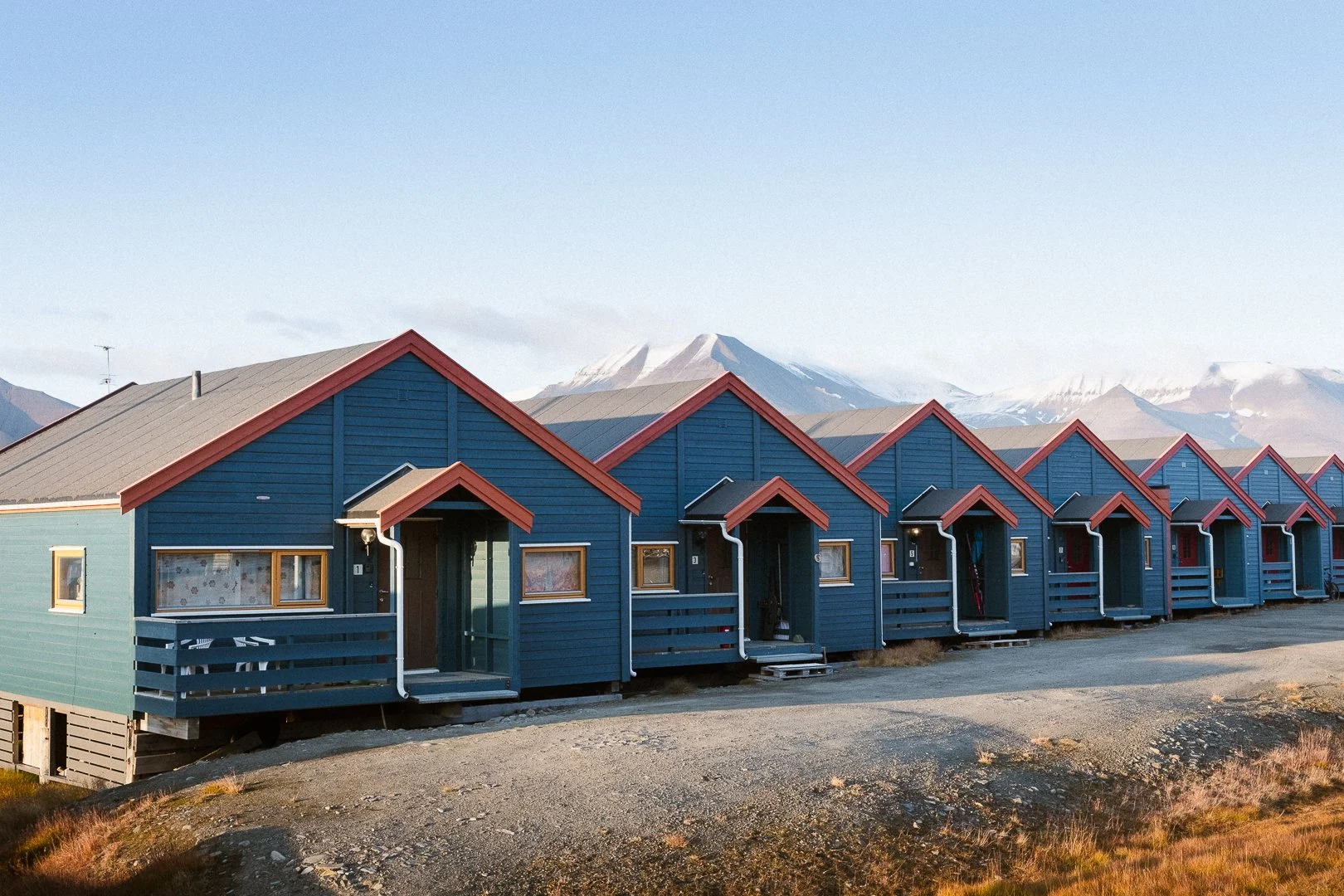
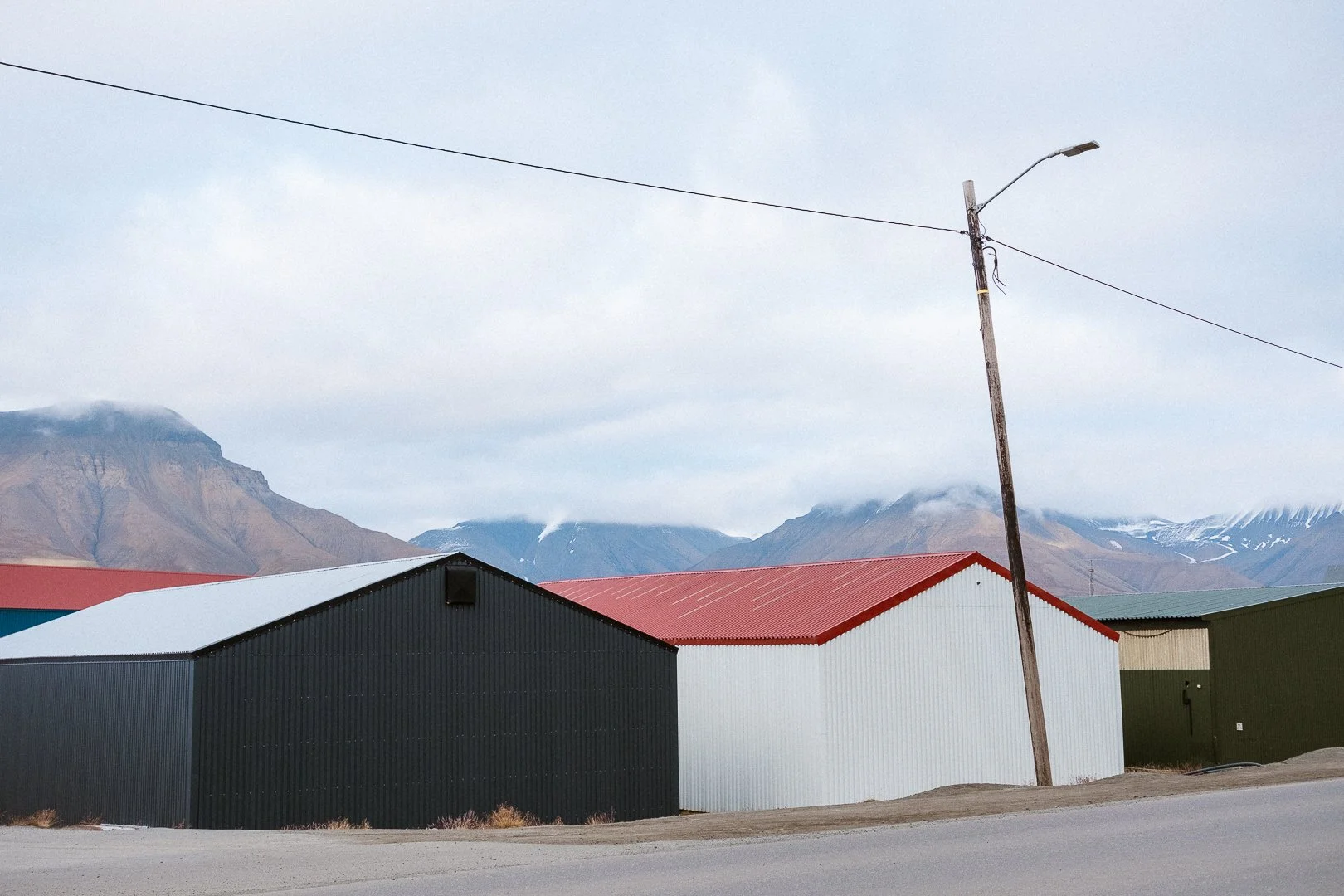
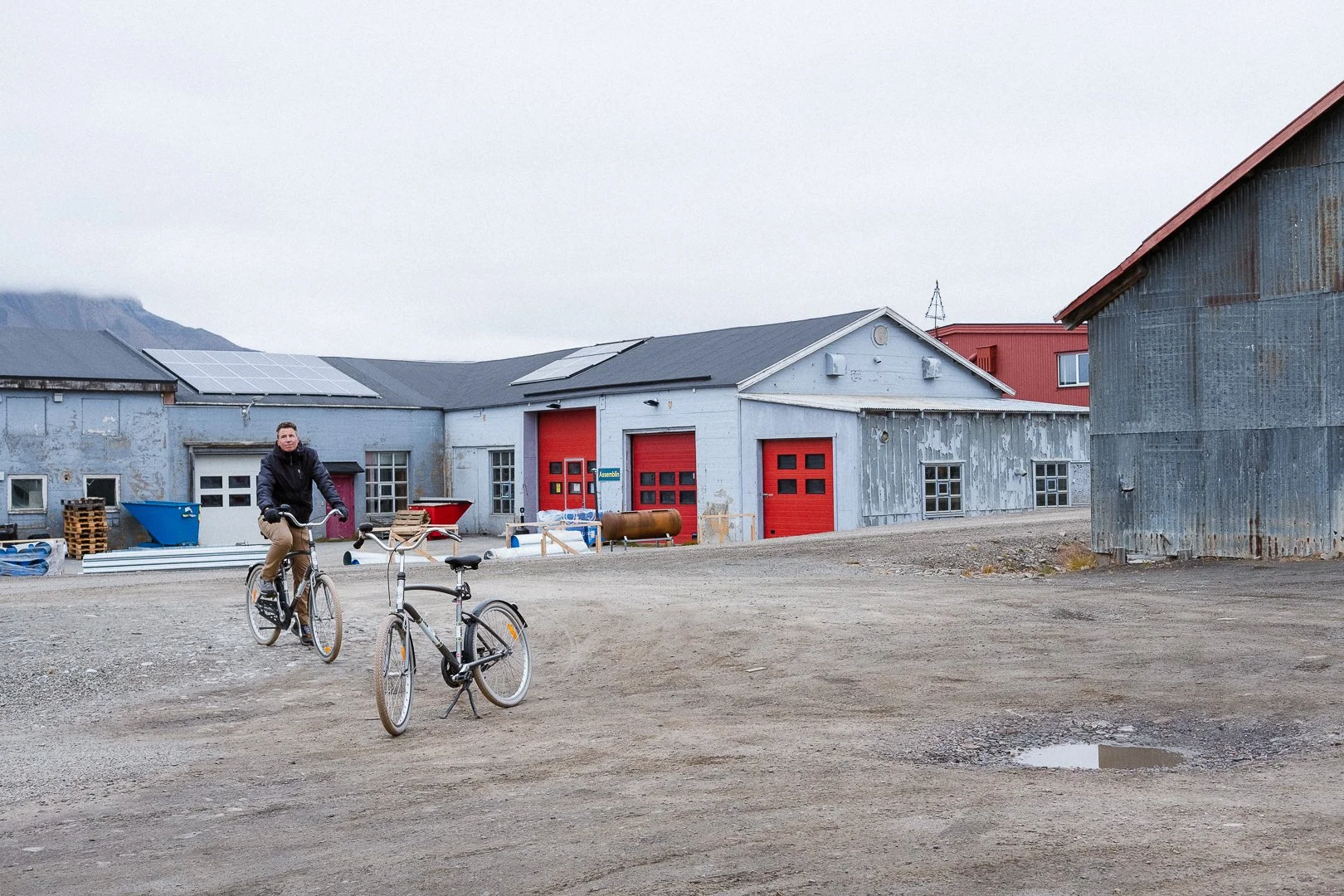
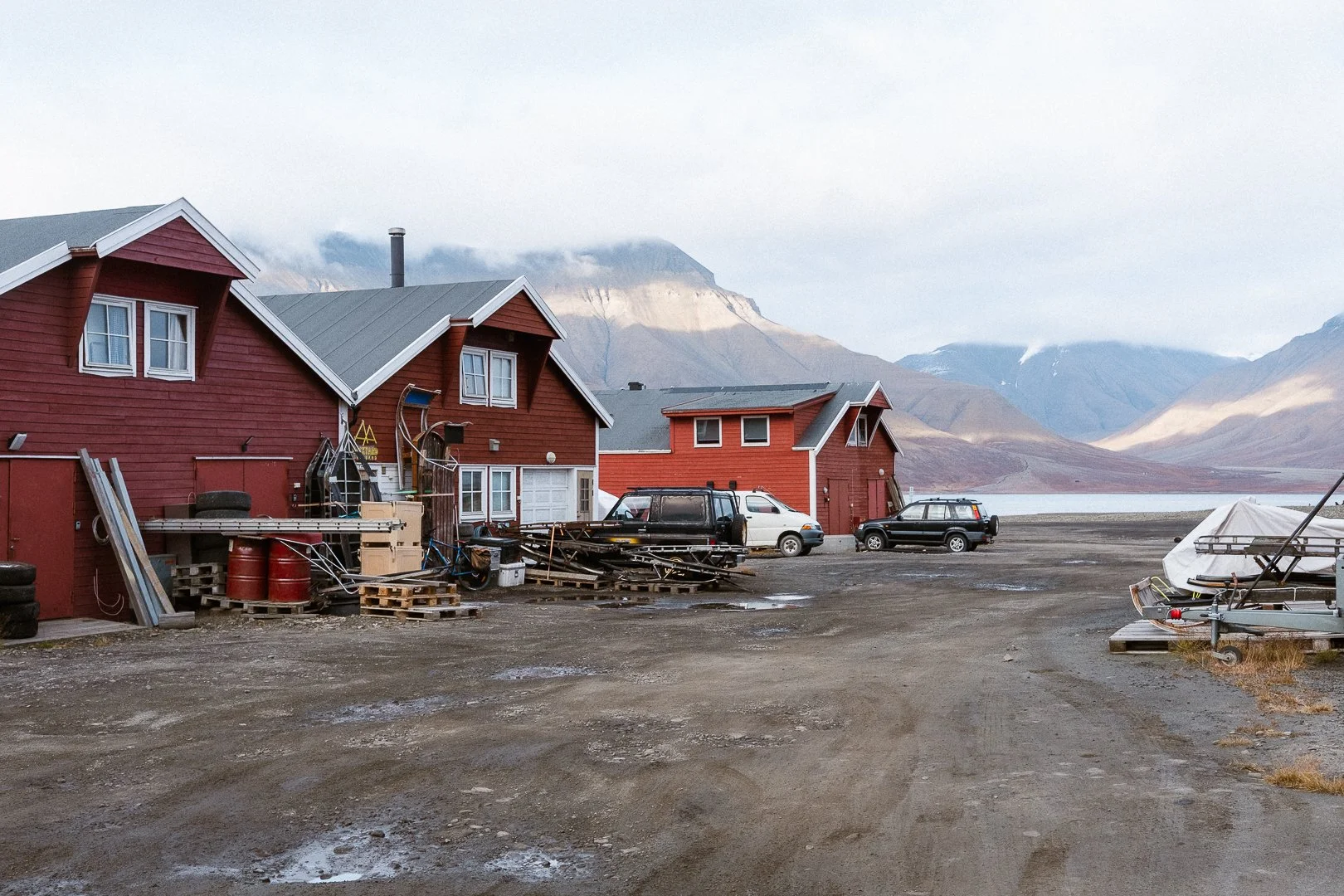
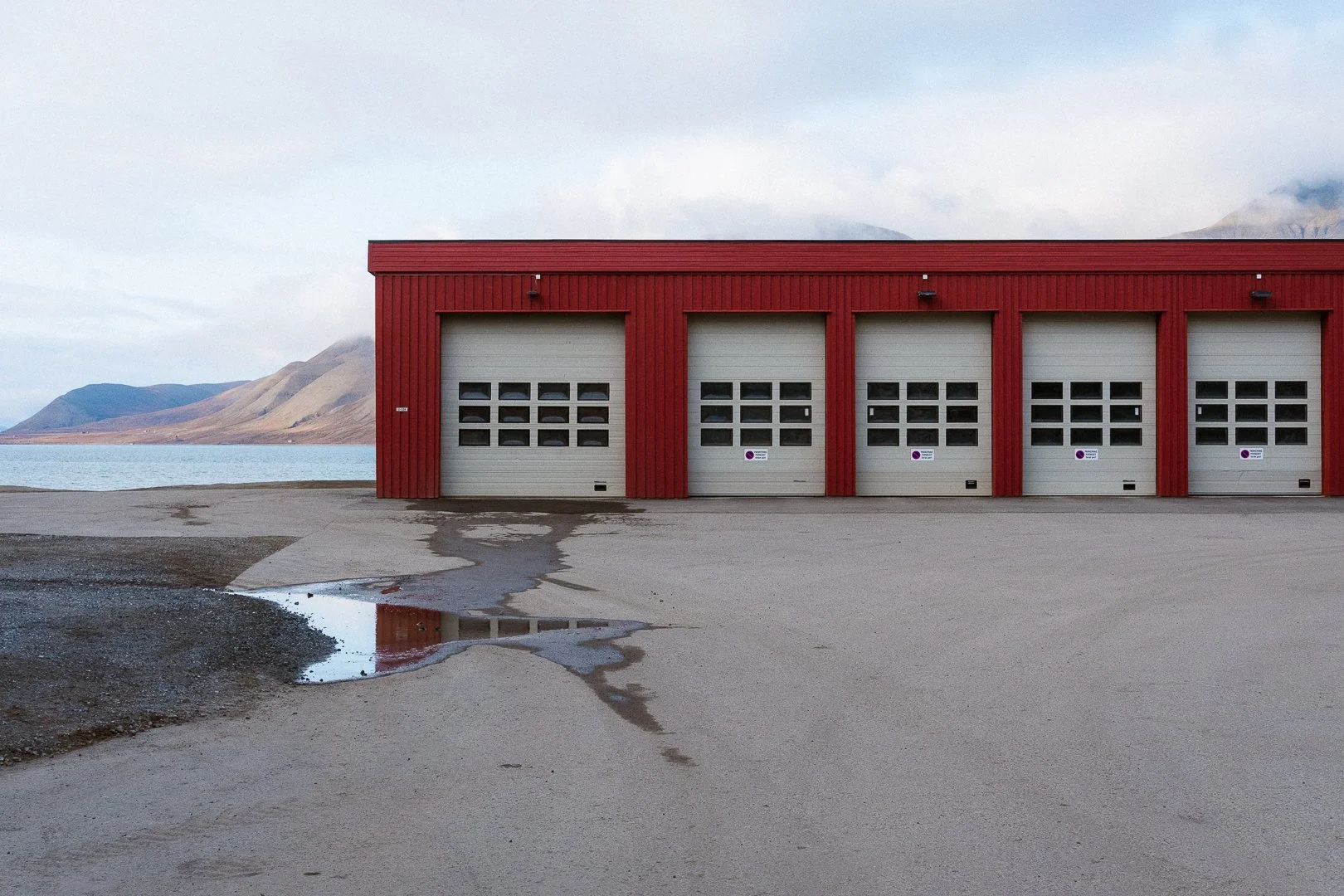
The place has a kind of paradox to it. From a distance, it looks very orderly, and the layout of the buildings has some sort of a distinctive geometric quality.
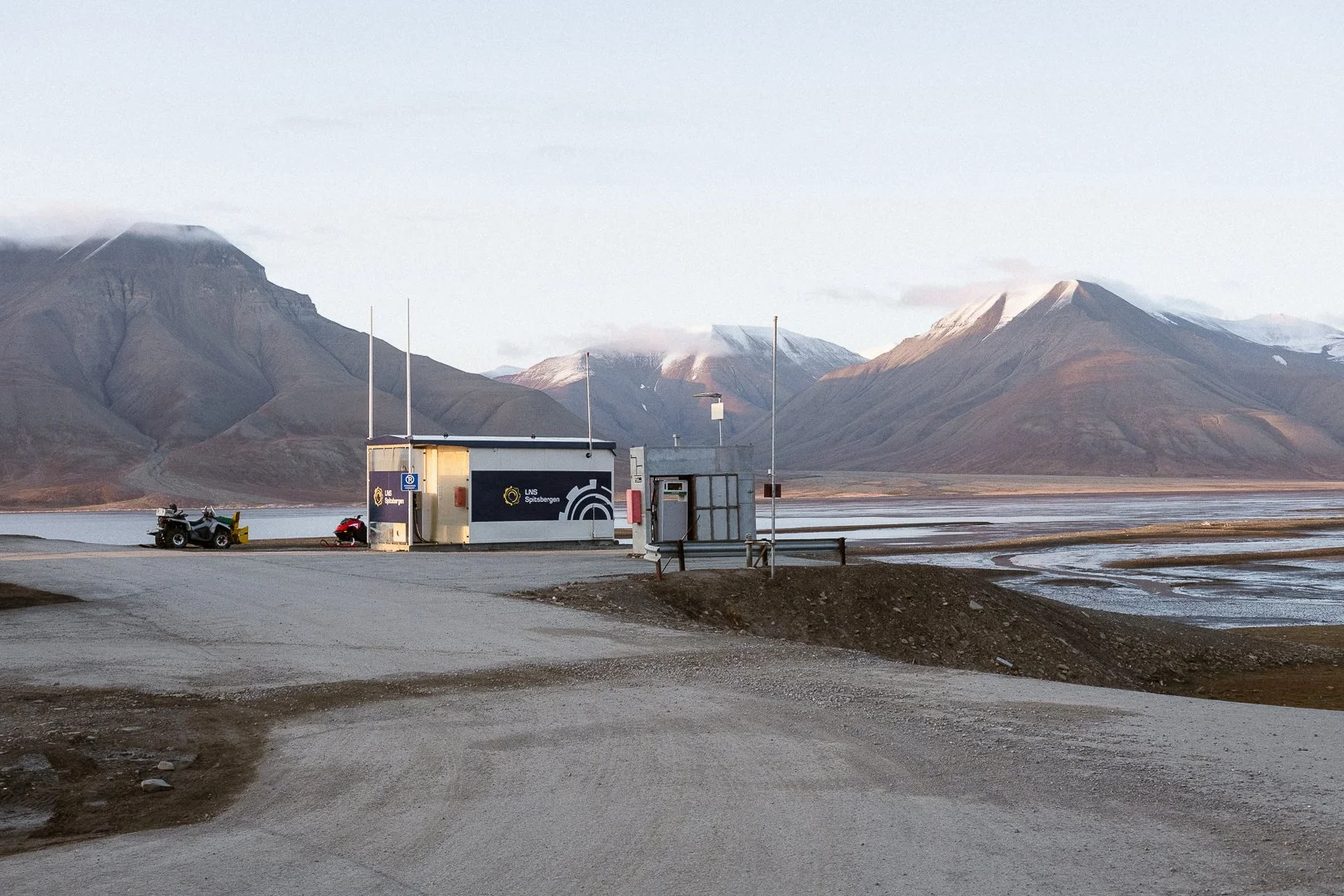
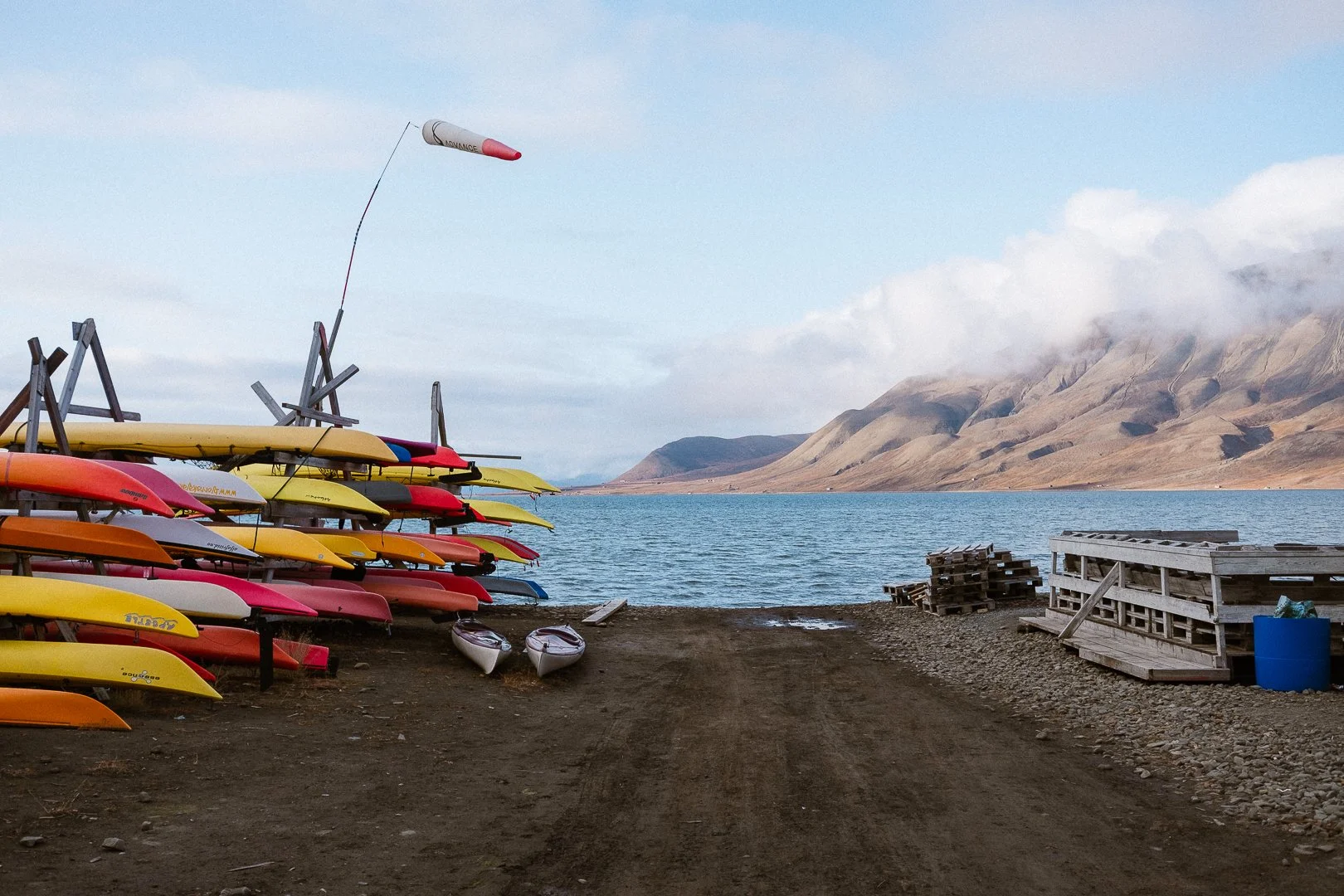
Up close, however, it is full of somewhat messy details: thousands of snowmobiles that are literally everywhere, pallets, old cars, and all sorts of other clutter.
I bet it looks way different in the winter. Perhaps it is a reason to come back one day.
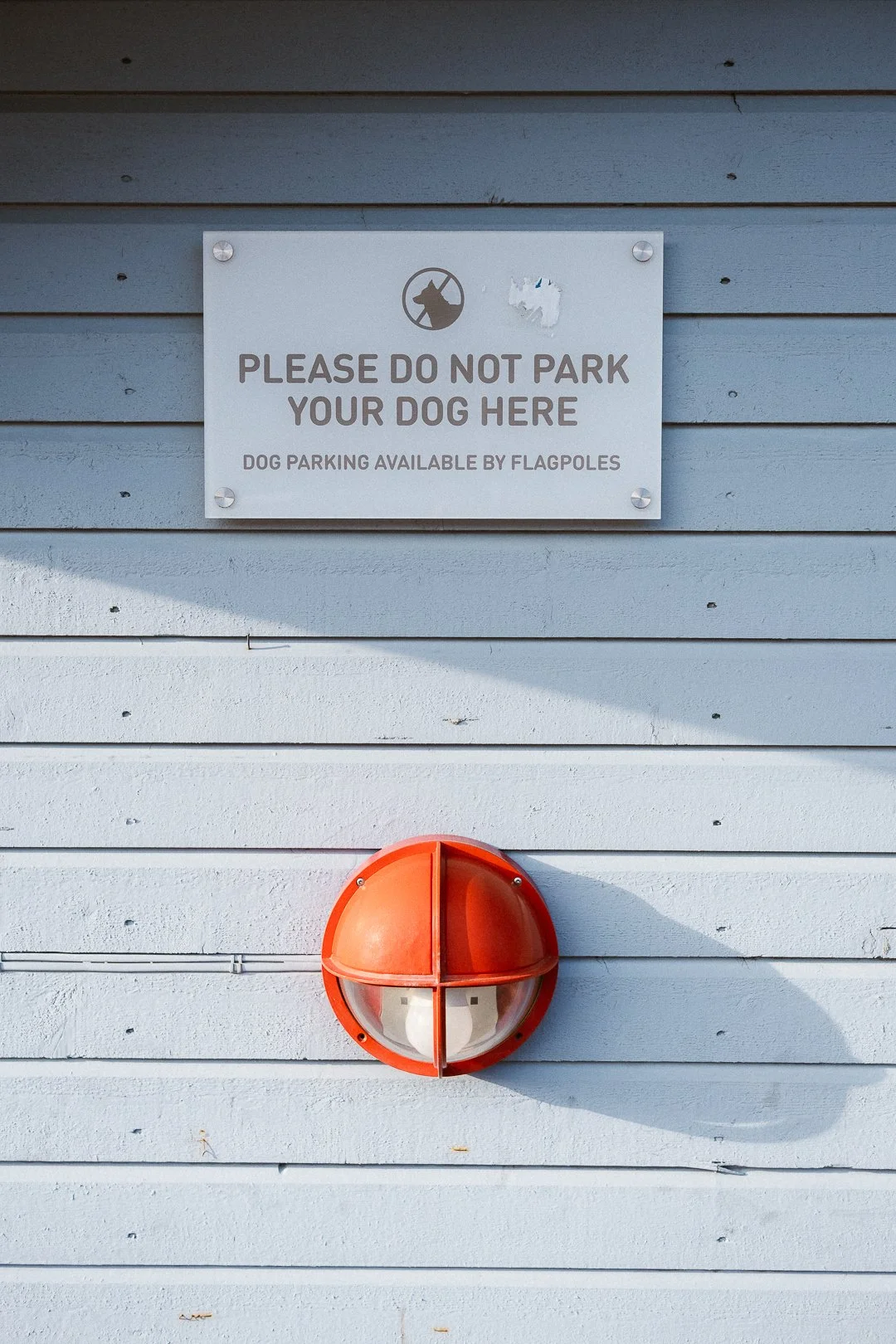
Anyway, now, in the summer, finding minimalist, clean compositions among all these little corners was a challenge.
An ultra simple setup for a trip to Arctic
The choice of gear I took with me on this trip helped a little with that.
As you might already know, my go-to camera is the Fujifilm X100V. For the past year and a half, it has been the only camera I’ve used 99% of the time.
A week before leaving for Svalbard, I decided to buy a backup camera. I didn’t want to travel this far without having a backup in case something went wrong.
After considering several models, I decided on the Fujifilm X-T3. To some, it might be a slightly outdated camera. I didn’t care. I mean, I don’t care about the newest and greatest gear. I just wanted something reliable.
I paired it with 27mm lens. It was a bit of a step outside my comfort zone, because my favourite focal length is definitely 23mm - the equivalent of 35mm on a full-frame camera. I didn’t want to duplicate that focal length, though.
40mm lens advantage
The 27mm, equivalent to 40mm on full frame, gives you a perspective that is very close to what the human eye sees. Some people describe it as a “passerby” point of view.
It took me a little while to get used to this new view through the viewfinder, but ultimately, it turned out to be a great choice.
That slightly tighter perspective helped me focus on what really mattered.
Eventually I photographed the whole trip with 27mm.
I had to work a little harder when it came to typical landscapes or wildlife in open spaces, but ultimately, I’m not really a typical landscape/wildlife photographer anyway, so I had to find my way. This focal length turned out to be a perfect fit for me.
As for the X-T3… I enjoyed photographing with this simple set so much that, who knows, the X100V might be in a slight danger. At least for now.