
Minimalist photography gear - why less is enough
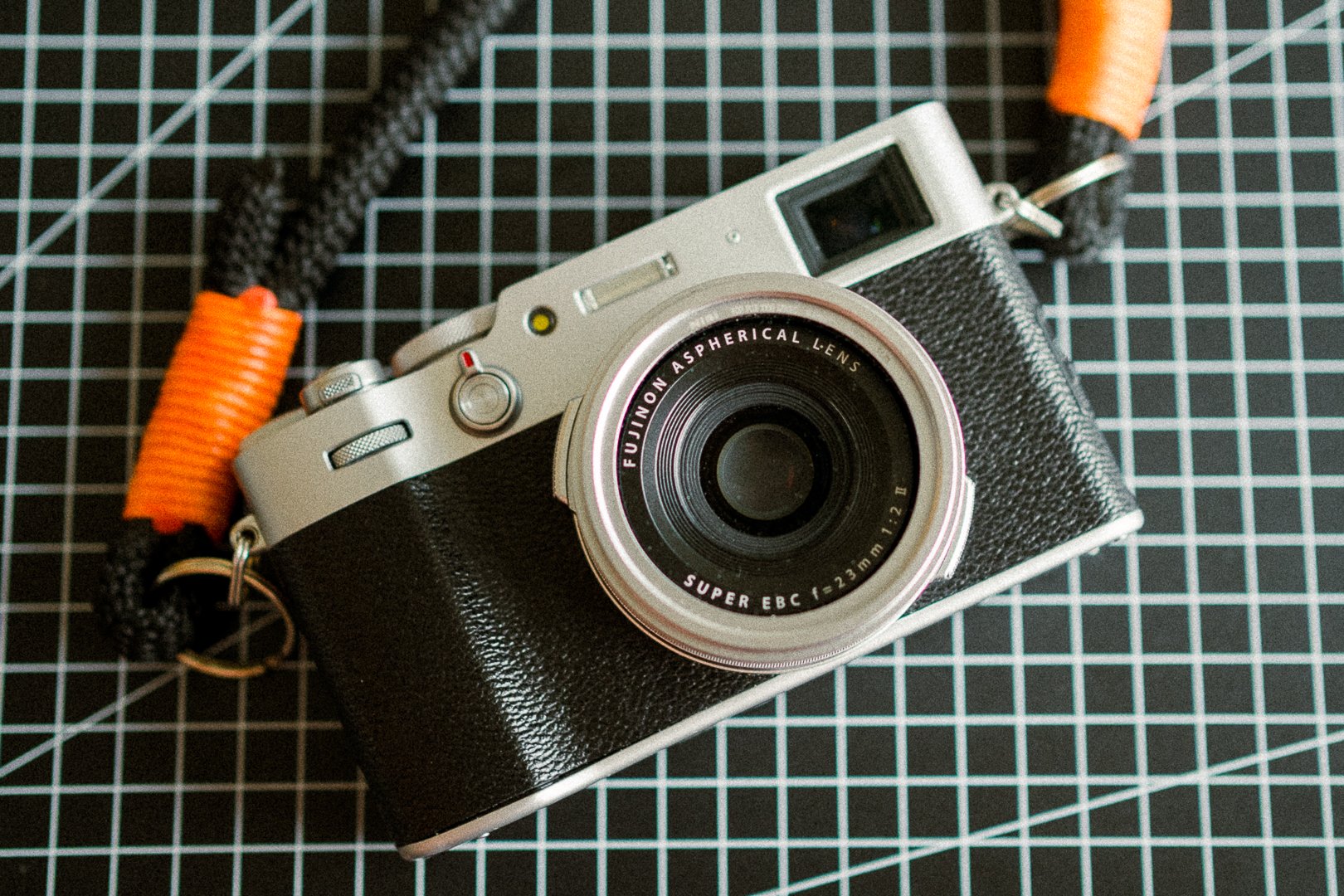
I remember my first trip to Portugal, staying in the countryside, years ago. As a runner, I enjoyed seeing the locals running along the coast. Turned out, what they needed to run was - yes - legs.
No quick-drying, high-tech, thermoregulating outfits. No sport watches measuring heart rate, pulse, or blood pressure. No shoes for every terrain, phone armbands, energy gels, protein bars, compression socks, gadgets, apps, GPS, or AI.
Just legs. Dressed in running shoes and sweatpants.
And the act of going out to run.
My journey toward a minimal photography setup
In a relatively short period of time, I sold a large amount of gear.
I got rid of my Sony A6400 with lenses and the waterproof housing, DJI drone and the entire set of Sony A7III lenses ranging from 24 to 400mm. I also sold my Manfrotto tripod, Thule backpack, packing cubes, Peak Design backpack clips, a few filters, and various small accessories.
Nope, I wasn’t in financial trouble. Following my principle of only keeping what I use regularly or what genuinely brings me joy, I had to part with a significant amount of gear.
My current minimal photo kit
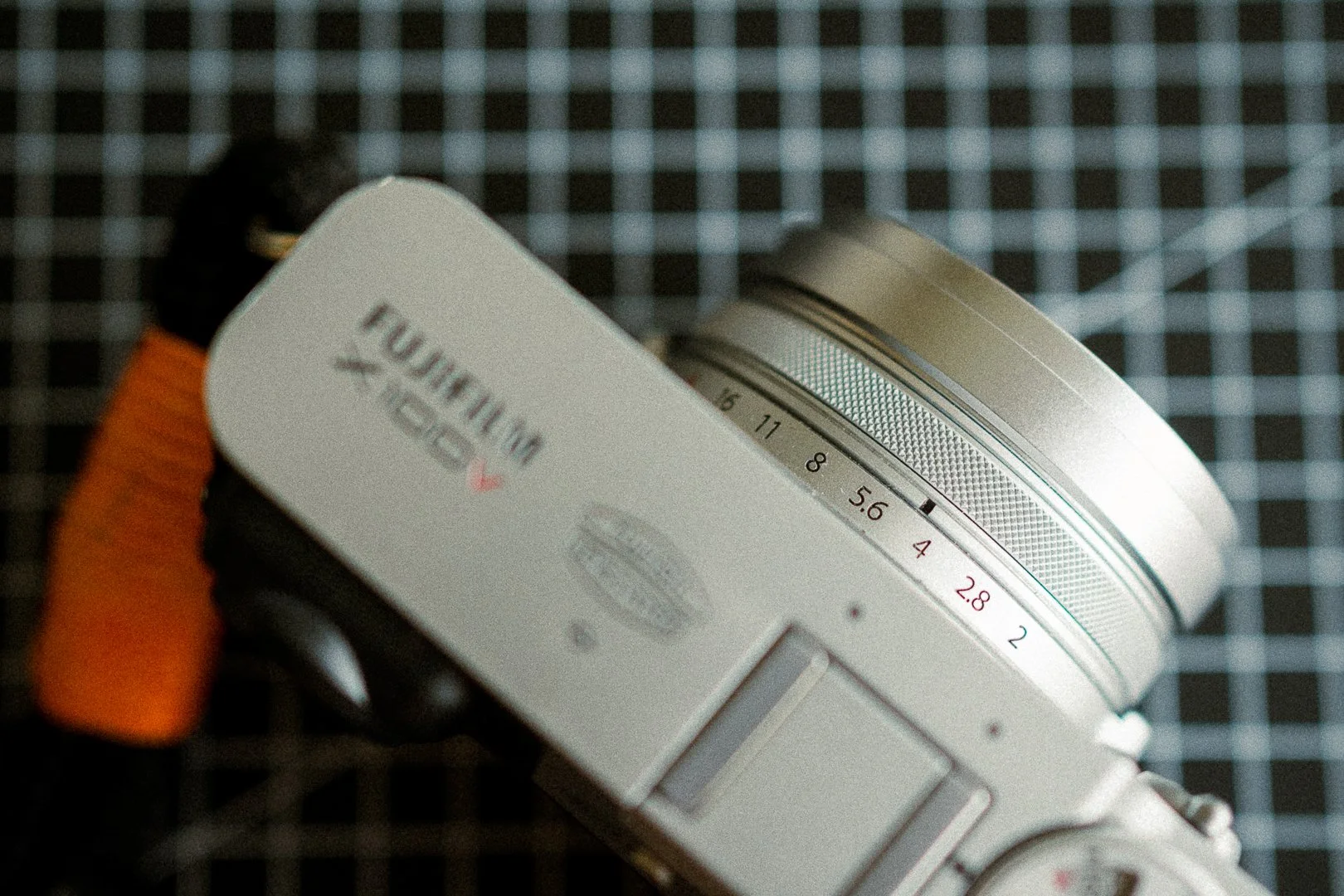
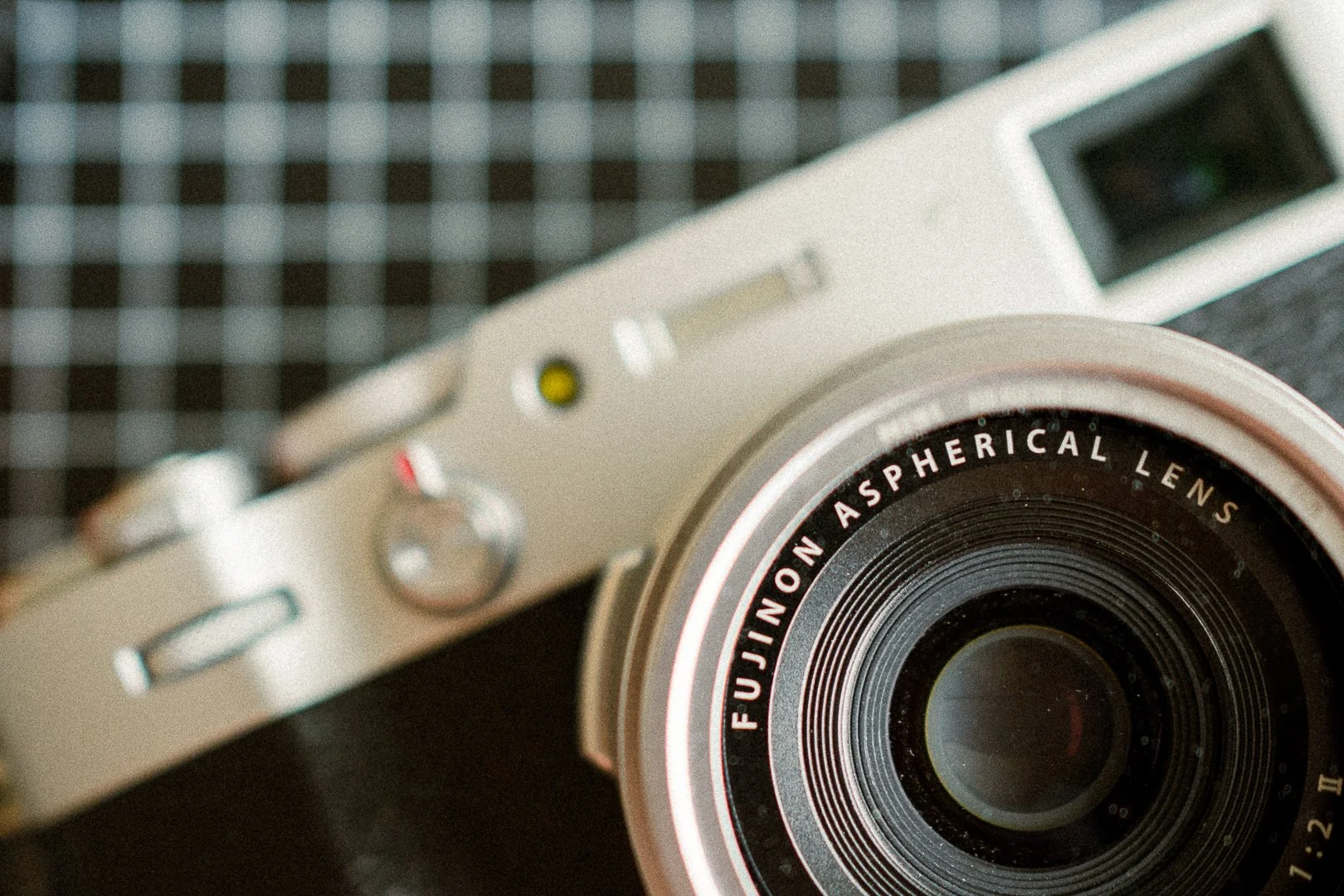
I kept only the 35mm and 55mm lenses for my Sony A7III. And of course, my everyday camera — the Fujifilm X100V.
Since getting the X100V, my Sony - once the main camera - has basically been demoted to backup. A luxury backup.
What’s left, besides the cameras and lenses: a couple of cloths and lens wipes, a shoulder strap. Extra cards and batteries - those are non-negotiable.
At this point, I don’t even have a dedicated camera bag anymore. My regular shoulder bag is enough.
I did a bit of cleaning up in my photography cabinet and looked at it with relief. Boy, oh boy, how liberating it was! It just turned out that in photography - just like in life - less is more.
This shift goes beyond gear and connects to a broader idea of minimalism in photography. I explore this in more depth in my complete guide to minimalism in photography — everything I have learned.
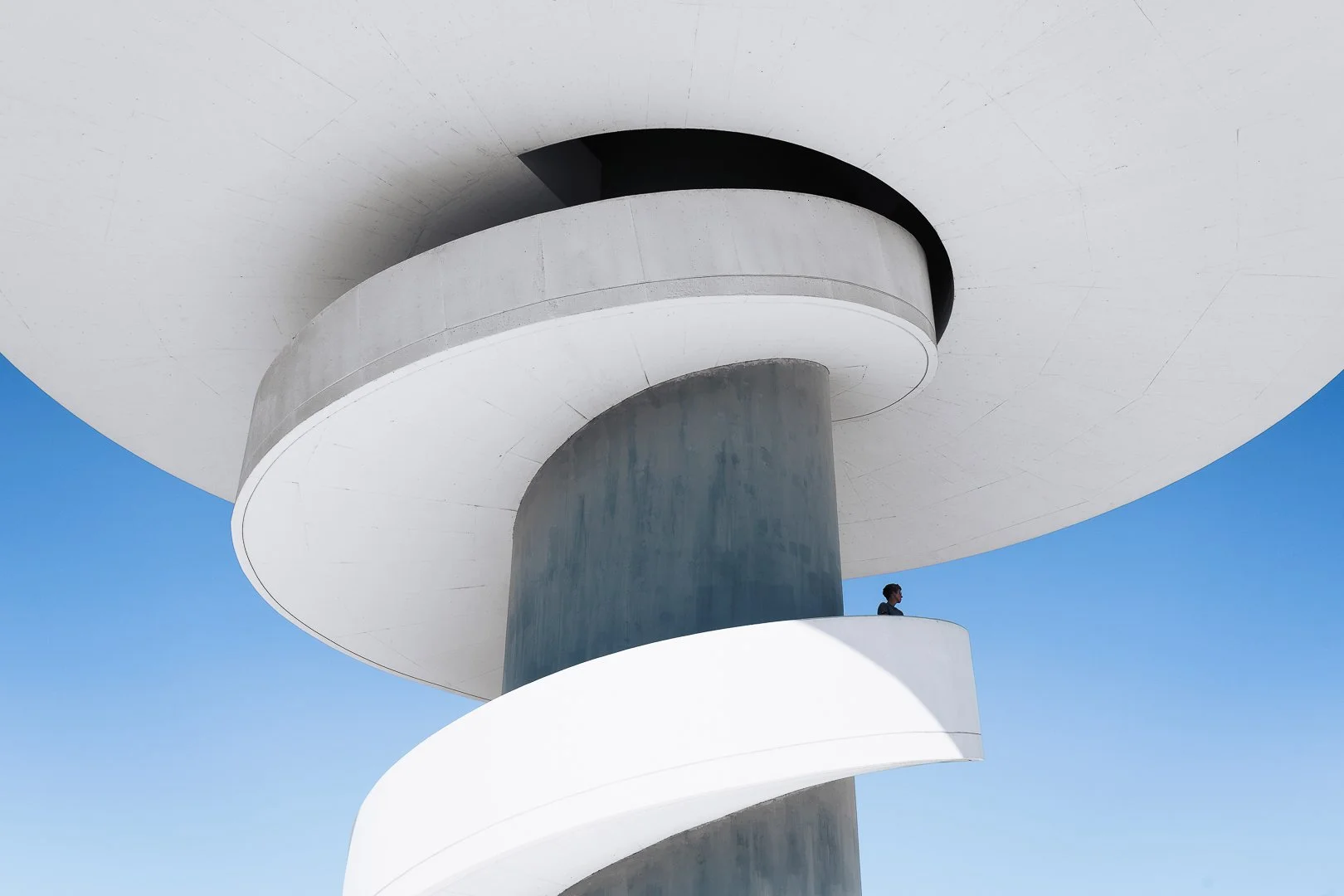
Less gear, more focus
Let me say this again: the X100V meets all my current requirements for what a camera should do. It works. It takes pictures. And holding it in my hands brings me real joy and pleasure.
I’ve also come to appreciate its limitations (like the slower handling due to its build and menu structure).
They’ve forced me to slow down and really nurture what brings me the most satisfaction in photography: presence, the here and now, curiosity, observation.
That - and good light - is, in my opinion, the only recipe for making satisfying images and enjoying the process.
Not piles of gear that break your back, clutter your home, and eat away at the budget you could put toward more important things.
I highly recommend taking a close look at your gear and doing a bit of honest reflection.
What do you actually use? What genuinely brings you joy? What could you live without? And is there anything that might be standing in the way of your photography?
Maybe something makes you hesitate instead of instinctively reaching for your camera - thinking about which filter to use, while the scene you wanted to capture quietly disappears forever.
The Psychology Behind Gear max- and minimalism
Never in history have we had so much as we do now. And I have no doubt that most of what we own is completely unnecessary - bought on impulse, driven by the temptation of having something newer, better, or more advanced.
Somewhere along the way, we became slaves to kilograms of gear we carry from place to place, bending our backs under the weight, slowly taking away the joy of hiking and shooting outdoors.
And at some point, I think we stopped believing that this is what photography is supposed to feel like, and yet we let influencers and marketing specialists pull the strings.
Been there, done that. And I never want to go back.
All of this gear should be a tool, not an end in itself. Loads of equipment should not be something to admire. If anything, owning one camera body and one or two lenses might be far more inspiring.
It’s easy to fall into the “what if I need it” mindset. But in reality, the psychology behind letting go of gear is the same as with unworn shoes. If they sit in your closet, it means you’ll probably never wear them. If you’ve worn them once or twice but never loved them enough to truly break them in, it’s better to bring them to local charity shop.
benefits of minimal photo setup
Paradoxically, reducing your gear to the absolute minimum (without being extreme, just honest with yourself) is not a limitation.
It not only helps you focus on the process, but also contributes to the development of your style. Consistently using one favourite focal length has a huge impact on the visual identity of your images. Your photos start to feel cohesive, more intentional, especially when combined with a simpler approach to composition, color, and space, you learn quickly how to simplify your images.
And at some point, you may realize you can’t imagine shooting any other way.
Have you heard of “choice overload”? You forget about it the moment your lens selection is reduced to the ones you truly use and love. When a scene appears in front of you, you don’t waste time deciding which lens or body to pick - you just shoot.
Not to mention that packing for photo walks or trips becomes infinitely easier and completely stress-free.
Final thoughts - minimalism as creative luxury
Minimalism, to me, is about making space for what’s important. It’s a shift that runs through everything: how I shoot, what I choose to keep, and what I decide to leave out.
I’ve come to see minimalism as a new luxury — not in a material sense (although my wallet definitely notices it), but as something that brings clarity and calm into the creative process.
It’s artistic freedom, comfort, and ease.
Want to learn how subject, colour, and composition can help you create minimalist photographs? Explore it in my free guide: