
What makes photographer’s life easier
I've experimented with different kinds of art in my life. Everything from writing, to experimental theatre and performance. For a few years, I was also professionally involved in the music scene.
All these forms of art have one thing in common - very often, creative work is driven by some kind of mystical (or not) weltschmerz.
You could probably even say that some of them wouldn't be invented without the existential struggles.
Photography, on the other hand - at least for me - has very little to do with that.
I mean, unless you practice within some serious and dystopian niche, like war or environmental photography, or you document important social problems and tragedies - photography, at least for me personally, is basically an innocent hobby.
Its goal is pretty simple: to make satisfying pictures.
By definition, this should be a pure source of joy and pleasure, right?
I mean, it is. As long as everything goes according to plan.
So today I'm going to go through my list of a few things that help me avoid a lot of headaches, problems and disappointments.
And, simply put, they make my life as a photographer much easier.
Knowing where to go - planning a day before
I appreciate slow mornings. Knowing where to go the next day helps me to keep the pace low: I don’t have to stress, hurry and do the research in a very last moment, in panic.
I simply need time to enjoy my coffee and breakfast to be able to enjoy the rest of the day.
It doesn’t mean I don’t change plans. Sometimes I do but never really drastically.
Knowing where to go and how to get there when on the photo trip
As I mentioned in my last post, most of my travels and photo trips are short and intense.
There is often no time to waste and I like to squeeze every trip like a lemon.
Therefore I plan the whole thing very carefully. Some might say even too carefully, but this is how it works for me.
It doesn’t mean that I have to rush though. Often knowing where I want to go spares time and helps a lot to keep the pace on the comfortable level. There is often enough time for improvisation or spontaneity.
When I know what is the plan for the rest of the day - instead of figuring out what to do, I can focus on what’s important.
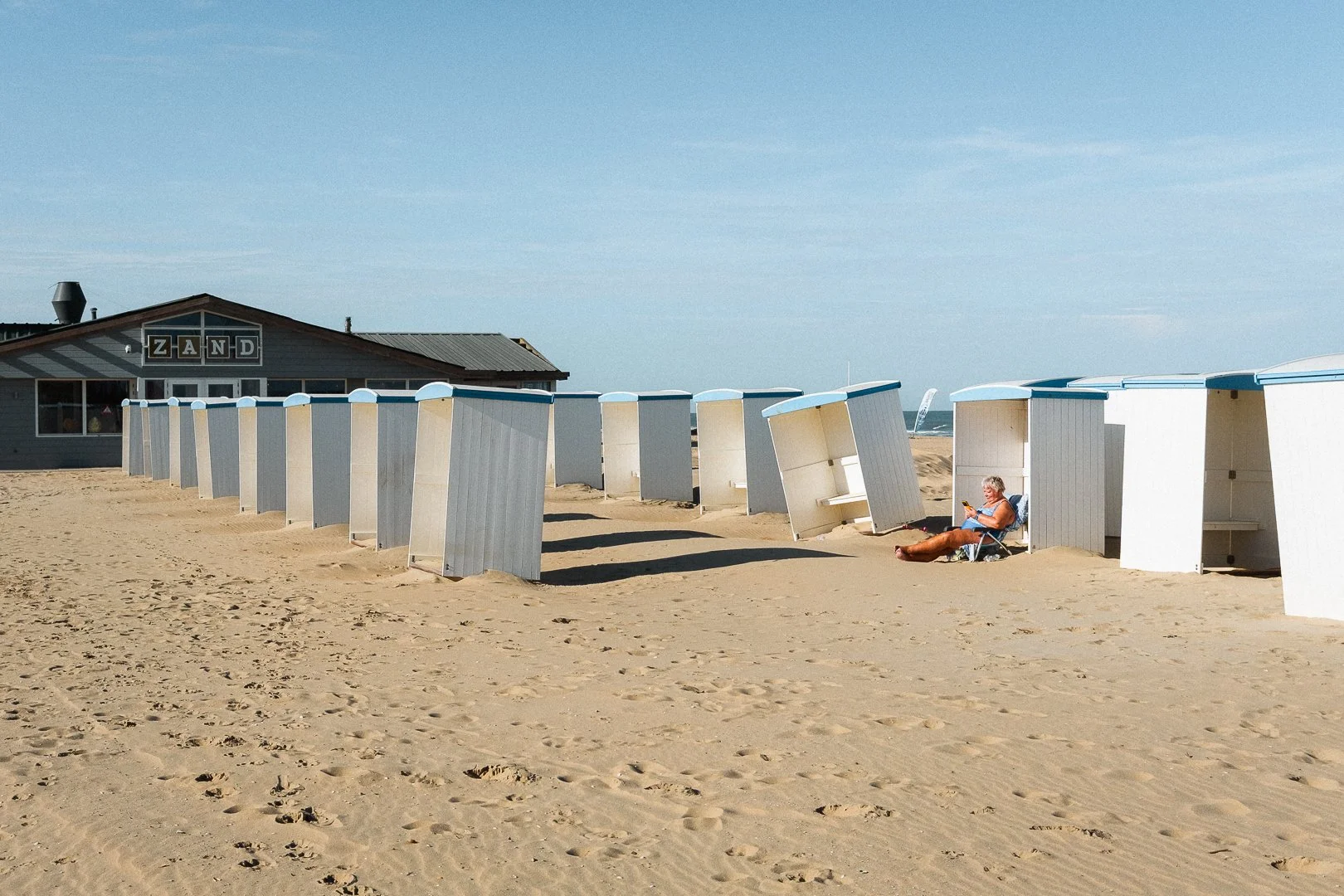
Shooting solo - no group photo walks, no partner
This one sounds bad but it is true.
First of all, I’m a full time introvert, so I feel at my best in my own company.
Second, solo shooting helps me to focus. I am not getting distracted or influenced by others and I can simply doing my thing.
And as for travelling with my partner… We enjoy travelling together, but when it comes to photography on the trip it can be challenging for both of us…
Lon hates stopping every 10 meters and waiting for me, and I also don’t feel comfortable rushing and feeling guilty.
Therefore when we’re on the longer trip together, when possible, I take my time and go out to shoot on my own. It gives +10 to keep our mental health and a general state of our relationship on a stable level.
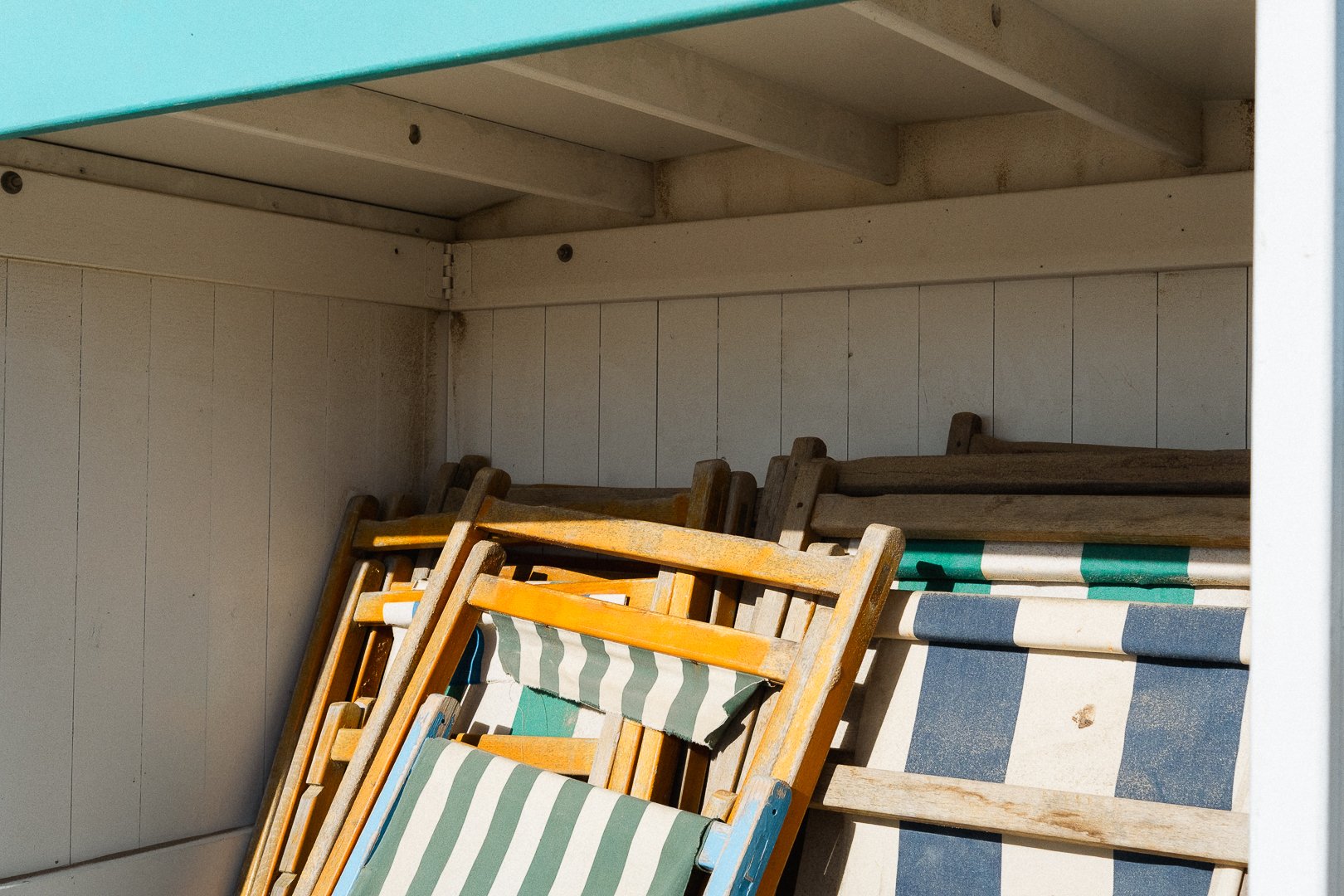
Knowing what to shoot - having a project with some framework around it
When I started, it happened to me a lot that I arrived at the location and I was walking around searching for something interesting to shoot. Often it was frustrating.
Starting several photo projects gave me a sense of direction and helped me to avoid that frustration.
When I have a more or less clear idea what my project is about, there’s only one goal - finding frames that would fit the concept.
There is that belief that when you start focusing on something, you will find it everywhere.
Having a photo project in mind works the same - soon you notice that the images happen just like that in the front of your eyes.
If you struggle with this one - I made a simple photo project starter kit that will help you get started on your own project.
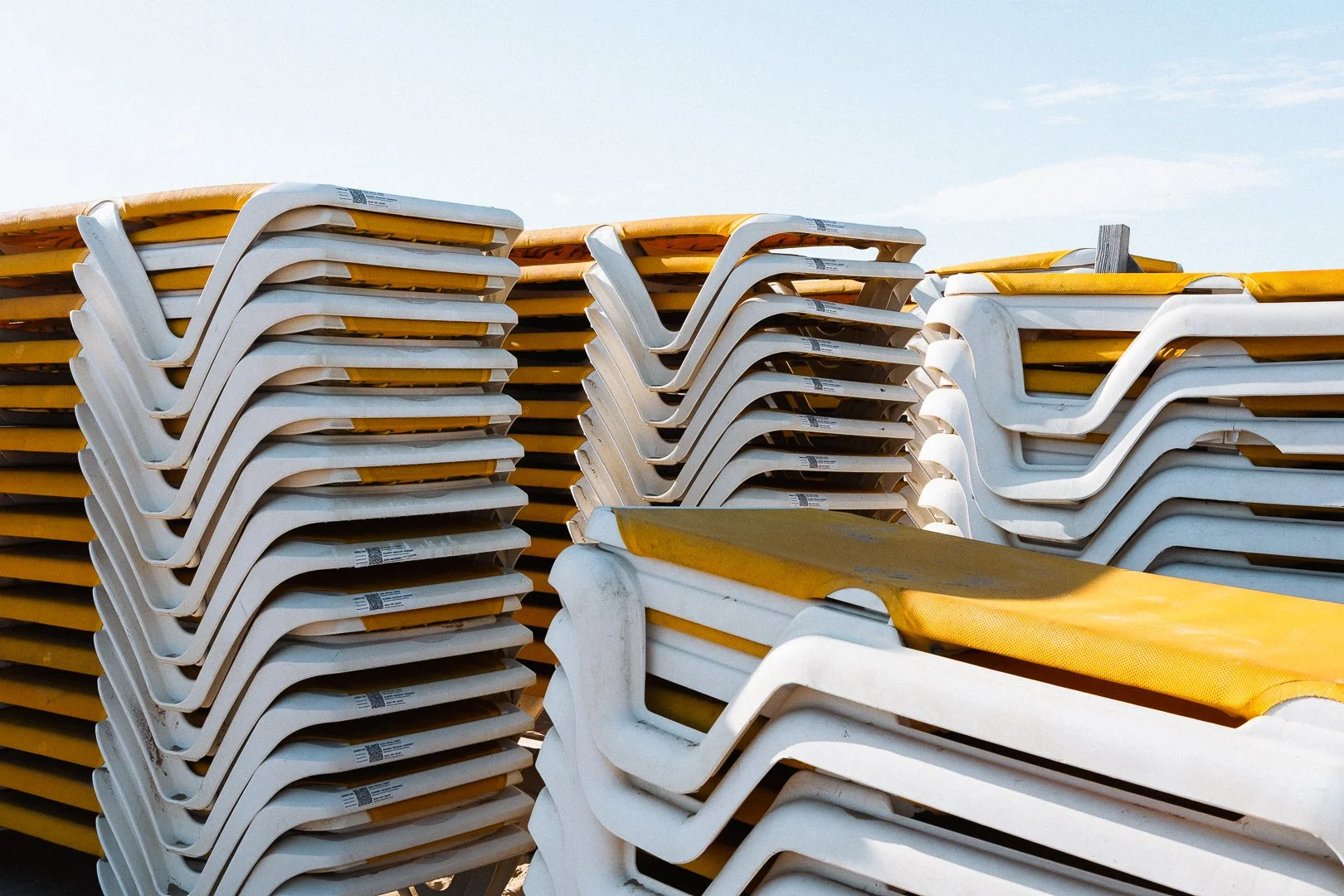
Less gear - less carrying, less caring and way more shooting
I started my photography and soon I ended up with a whole backpack of gear, including the lenses that covered a huge range of focal lengths from 24 to 400mm.
When after some time I moved to one small camera with one small lens, my life became way easier.
I don’t even have a dedicated photo backpack anymore. Everything I use on a daily basis fits in my daily shoulder bag.
And the advantages? First of all, I can walk for hours without being exhausted. That means shooting longer and getting more and nicer pictures.
But most of all, decision making friction doesn’t rule my life anymore. I take what I have and I don’t have to think which lens would suit me today better. One headache less.
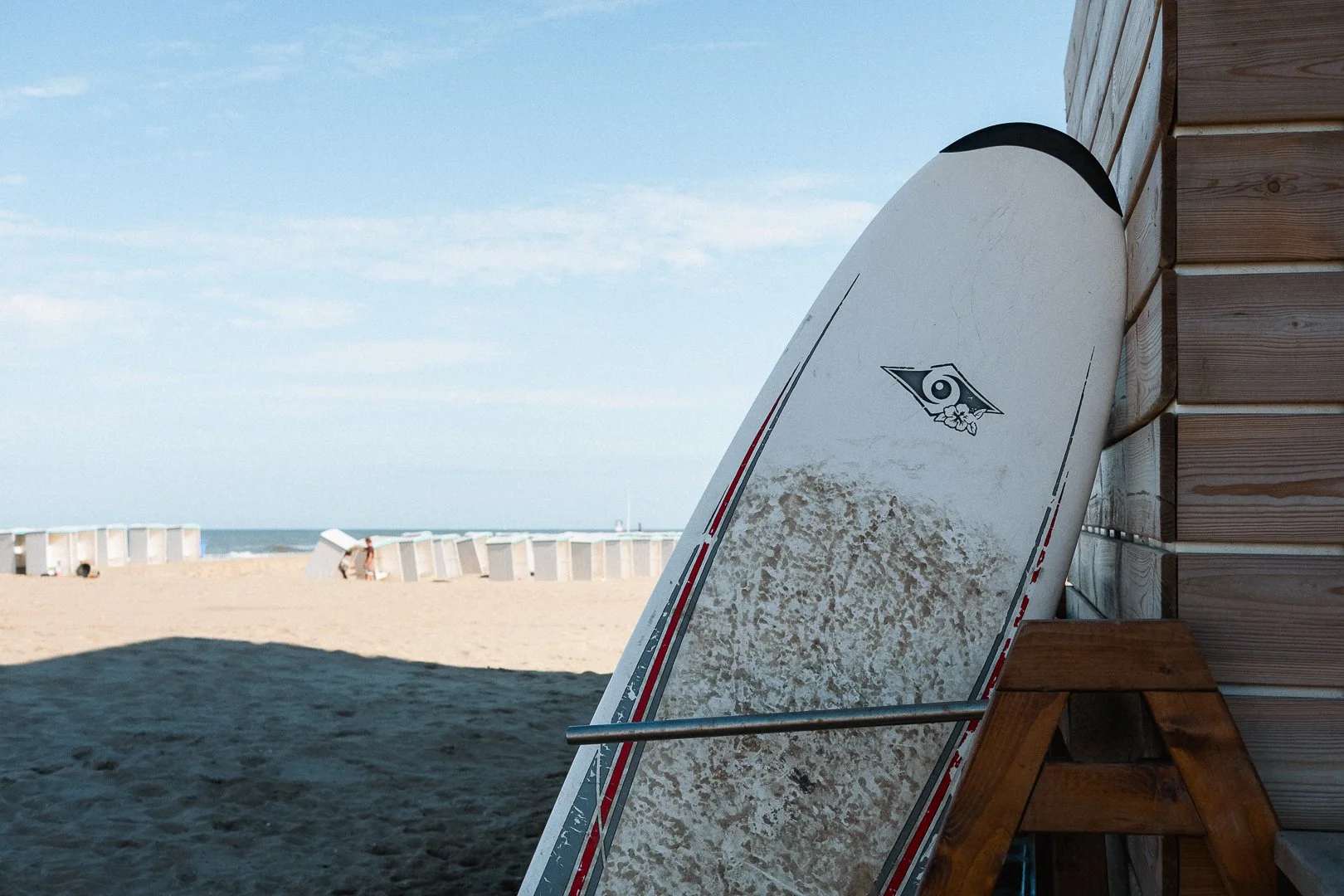
Gear that is a pleasure to use
A big one. I am guilty of purchasing a camera that had great marketing at that time: Sony A7 mark III. I used it for a couple of years and I was happy with it.
Don’t get me wrong, even today it’s still a great camera.
But only when I got Fujifilm x100V did I realise what it means to have a piece of gear that you really cherish every single day.
It’s like driving a dream car. When you have one, you will always find an excuse to go for a ride.
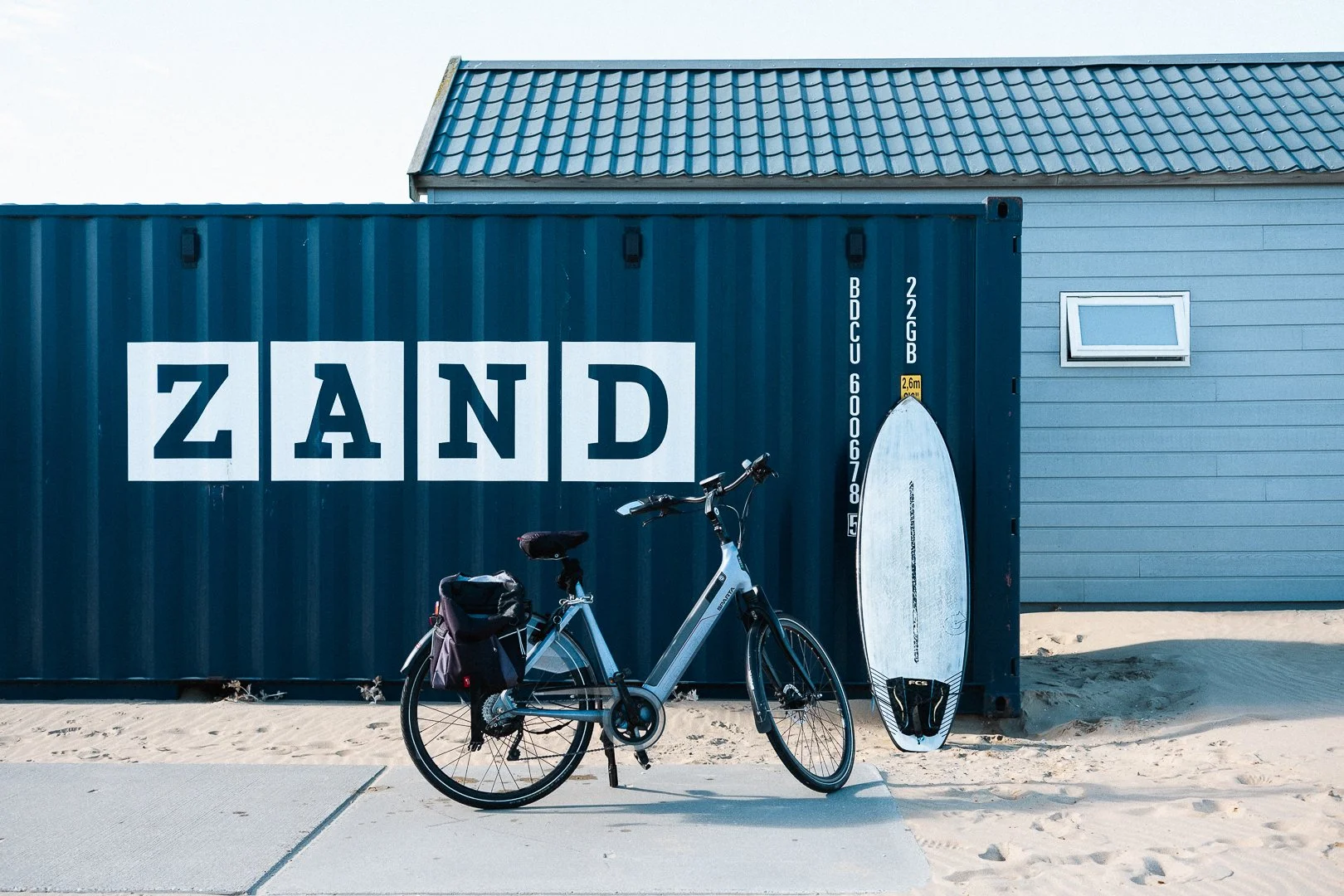
Knowing my gear and its capabilities
Kind of basic thing.
Most of the time I shoot in aperture mode. It’s pretty much a straight forward kind of shooting and there is nothing really complicated about that.
But when the scene requires a fast reaction from my side and switching to other mode, or changing any setting - it can be a pain in the ass if you don’t know your camera enough to act quickly. Missing the shot is never a pleasure.
Having reliable accessories - memory cards, batteries, laptop and so on
I just don’t want to get stuck in any part of the process. As simple as that.
It doesn’t mean that I use the newest and the best gear there is. Far from that actually.
A big part of my gear is second hand.
But if I buy something, especially new, I make sure it meets the minimum of my technical or practical expectations.
There is a saying - who buys cheap, buys twice. I’ve learned that sometimes it is worth investing in a decent gear that will be a source of pleasure rather than frustration.
Having side goals - like publishing a photo book, growing you tube channel, working with a dream client
Have you ever started running?
When you eventually start taking the whole training seriously, and maybe even join a running club, the first thing you learn is that you need a goal.
To stay motivated and consistent, to have a purpose and direction, to fight the weaker days when the whole thing gets harder etc. It is easier when you have something on the horizon that you’re aiming for.
Not having too much expectations from the location
There is only one way to avoid disappointments - having not too many expectations.
It happened to me a lot when I headed to some location with a shot list in my head.
I imagined all kinds of frames, that were a mixture of inspiration I soaked from what I’ve seen online or in photo books and my own approach and style.
And sometimes, or very often actually, I would come home with nothing.
The pressure I put on myself was so high, that I didn’t manage to simply let it go and enjoy the whole thing.
I’ve learned to have no expectations, and instead - to turn on the senses and curiosity. This plus intuition is almost always enough to get some cool shots.
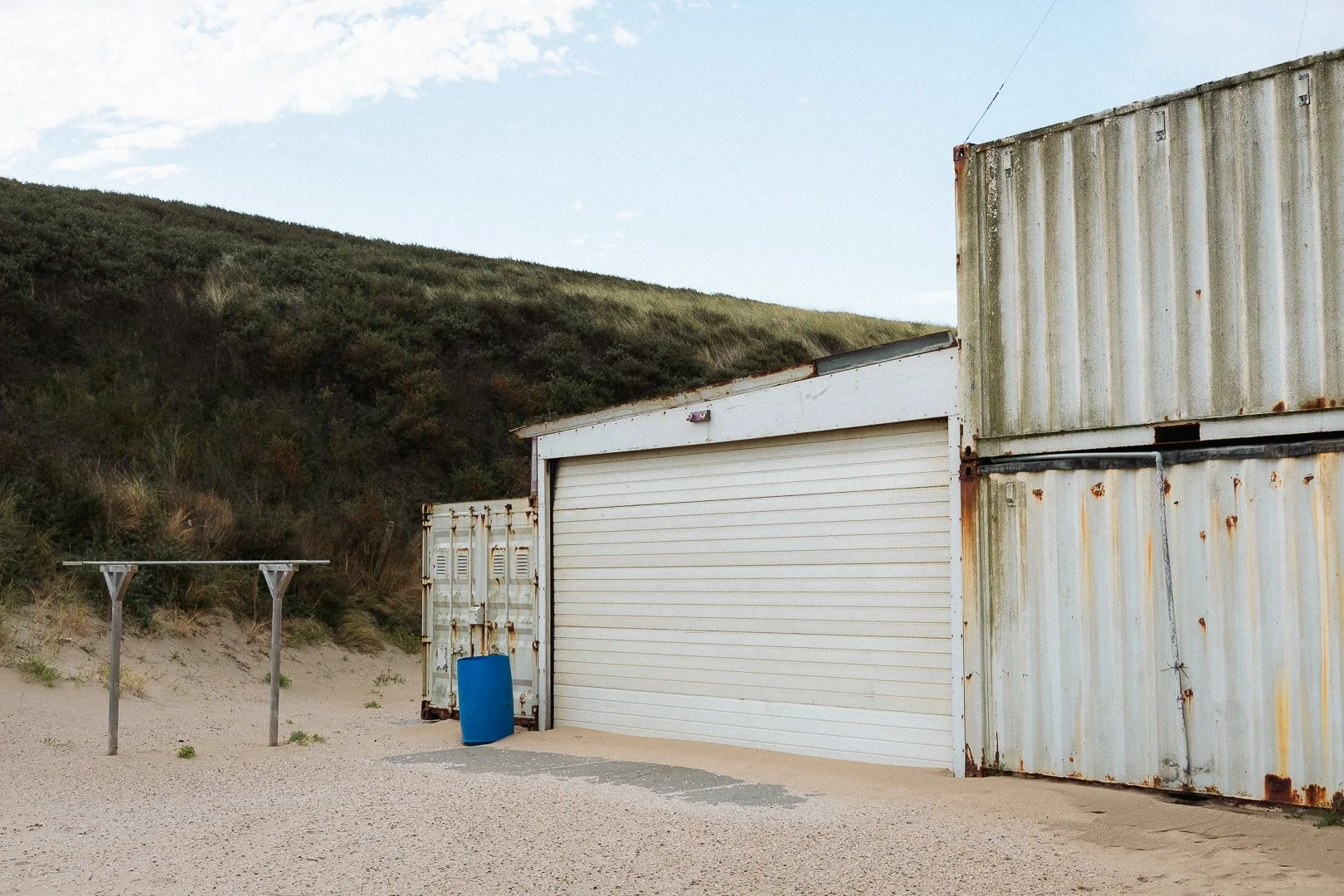
Having a few go-to places when feeling uninspired
It happens sometimes that I feel completely uninspired. The weather is good, the light is good, I have time, I could go out and shoot, but somehow I feel like a lazy potato and want to stay home.
This is when I reach out for one of my rules - when you don’t feel like doing it, it means you should do it anyway.
In such a case I chose to go somewhere familiar and simple. Most often is the nearest beach.
I simply know that I will always get a few nice shots over there, and even if not - I will have a good time wandering at the beach.
This removes the risk of getting grumpy because of staying home and not taking advantage of the weather. And it gets me outside, which is never a bad thing.
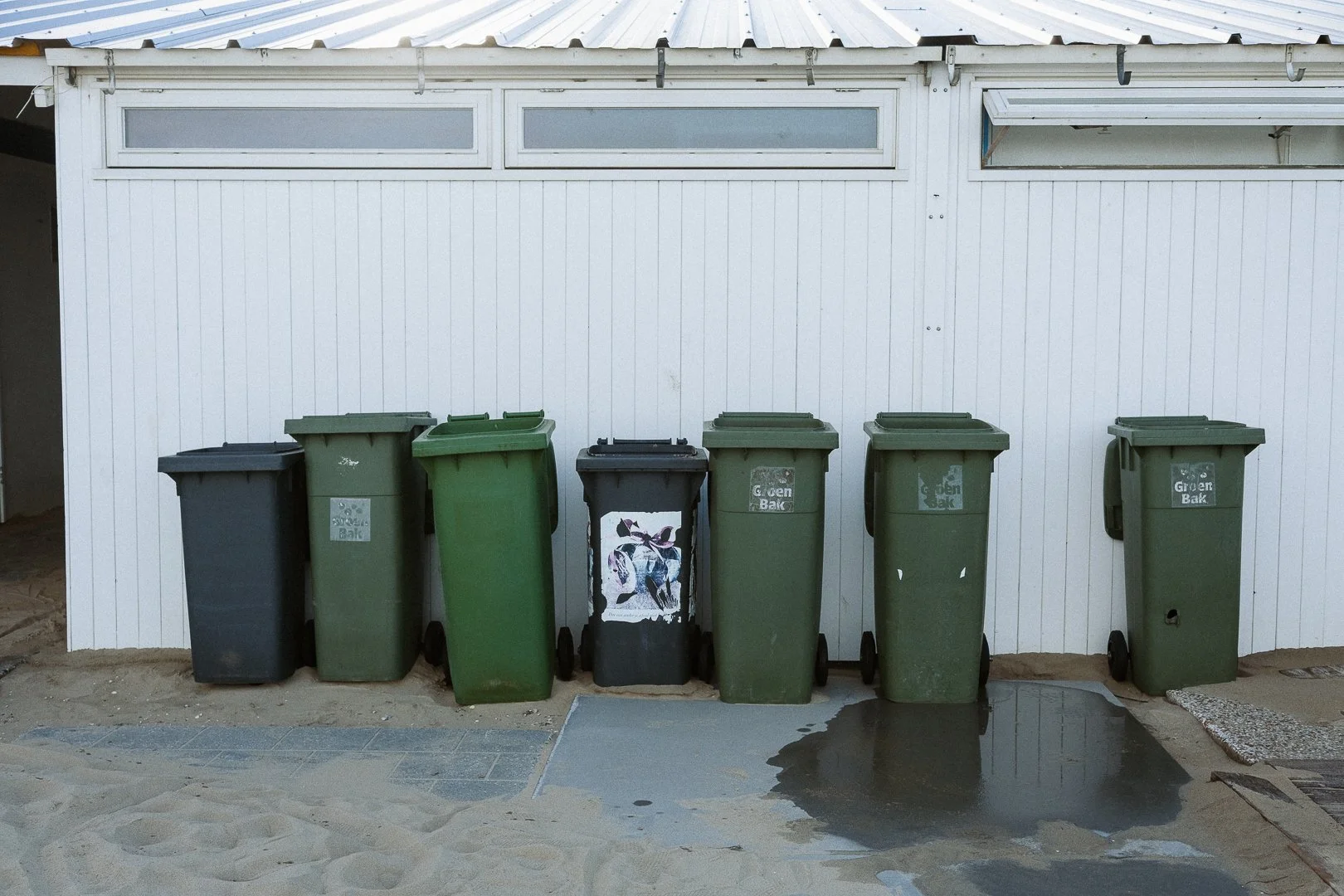
Taking a break to avoid a burn out
But there are times that I don’t go out and don’t shoot.
It luckily never takes longer than two-three weeks. But when I feel like there is no force that can get me out - I listen to it and do something else instead.
Often I do things that are related to photography anyway - I work on my blog, I read my photobooks, I watch YouTube.
And to be honest, watching other photographers shooting makes me wanna go out almost instantly.

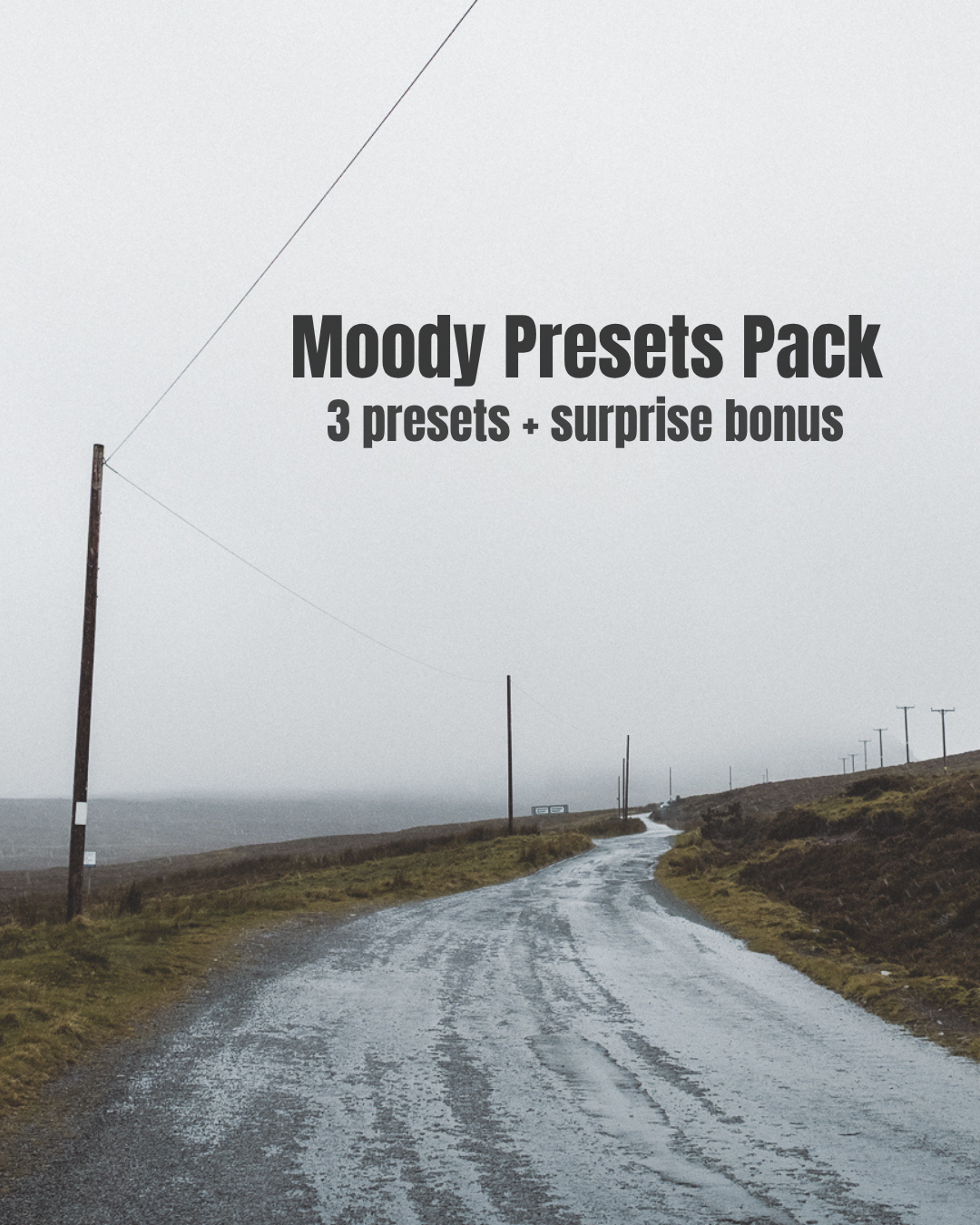

For Grainy Textures, Nostalgic Vibes, Moody Tones, Timeless Black & White, and Better Everyday Photos.
Give your photos character, atmosphere, and a touch of analog feeling with this carefully curated ultimate Preset Bundle.
Combining 12 versatile presets with 4 practical editing tools, this bundle is designed to help you create a consistent look while giving you plenty of room to experiment.
Perfect for:
film-inspired photography
moody and atmospheric images
timeless black & white photos
everyday photography & personal projects
portraits, street, travel & documentary work
creating a more consistent visual style
What’s Inside:
12 Lightroom presets (5 x grainy, 3 x moody, 2 x b&w, 2 x vintage)
4 practical editing tools
step-by-step instruction included
Works on Lightroom Desktop (paid version) & Mobile (free app).
Includes both .XMP and .DNG files for easy installation.
Plug & Play Simplicity
Whether you're new to editing or a seasoned creative, these presets are effortless to use. No technical know-how required — just one click, and your photo gets that soft, film-inspired glow.
Want to make it your own? These presets are a beautiful starting point to fine-tune color, grain, and mood.
Happy with the vibe? Leave it as is - they also work as a perfect final edit.
Why You Will Love Them:
nostalgic and cinematic, without being overly dramatic
adds warmth, depth, and timeless color grading
moody, cinematic tones in seconds
elevate your IG feed, travel blog, or portfolio
consistent aesthetic across all your photos
works with both RAW and JPEG files
Pro Tips:
adjust exposure and temperature depending on lighting
increase or decrease grain to suit your personal style
works beautifully with backlit photos, blue hour, and even cloudy light
Instant Download – Lifetime Use
Once you purchase, you’ll receive an instant download link with everything you need to start editing today.
Please note that since it is a digital product, purchases are non-refundable. However, if you experience any issues, feel free to get in touch - I’m always happy to review situations individually and help where I can.
By buying my presets you support this blog enormously. Thank you.