
How I turned a photography project into a zine
Some time ago, I wrote about how to start and continue a photography project.
A natural next step in the evolution of such a project is printing your work.
I've already written about how much printing photographs can add to the creative process, but this time I'd like to take it a step further and talk about creating your first zine, or maybe even your first photobook.
If, like I once did, you think making a zine is simply a matter of picking a few dozen of your favourite photographs and arranging them in a more or less random order, this article is for you.
Start with a photography Project
The idea for a zine should, of course, start with a photography project.
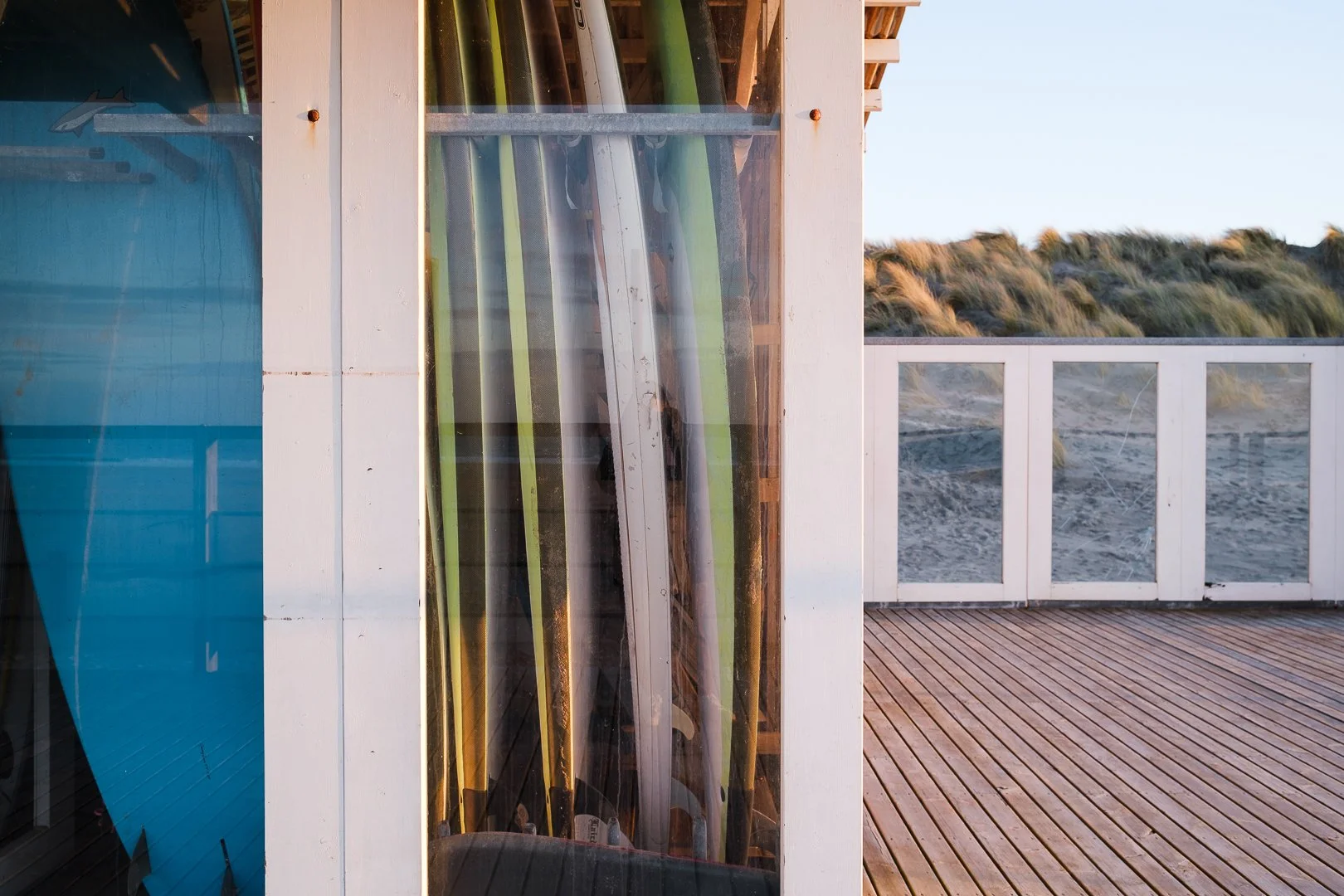
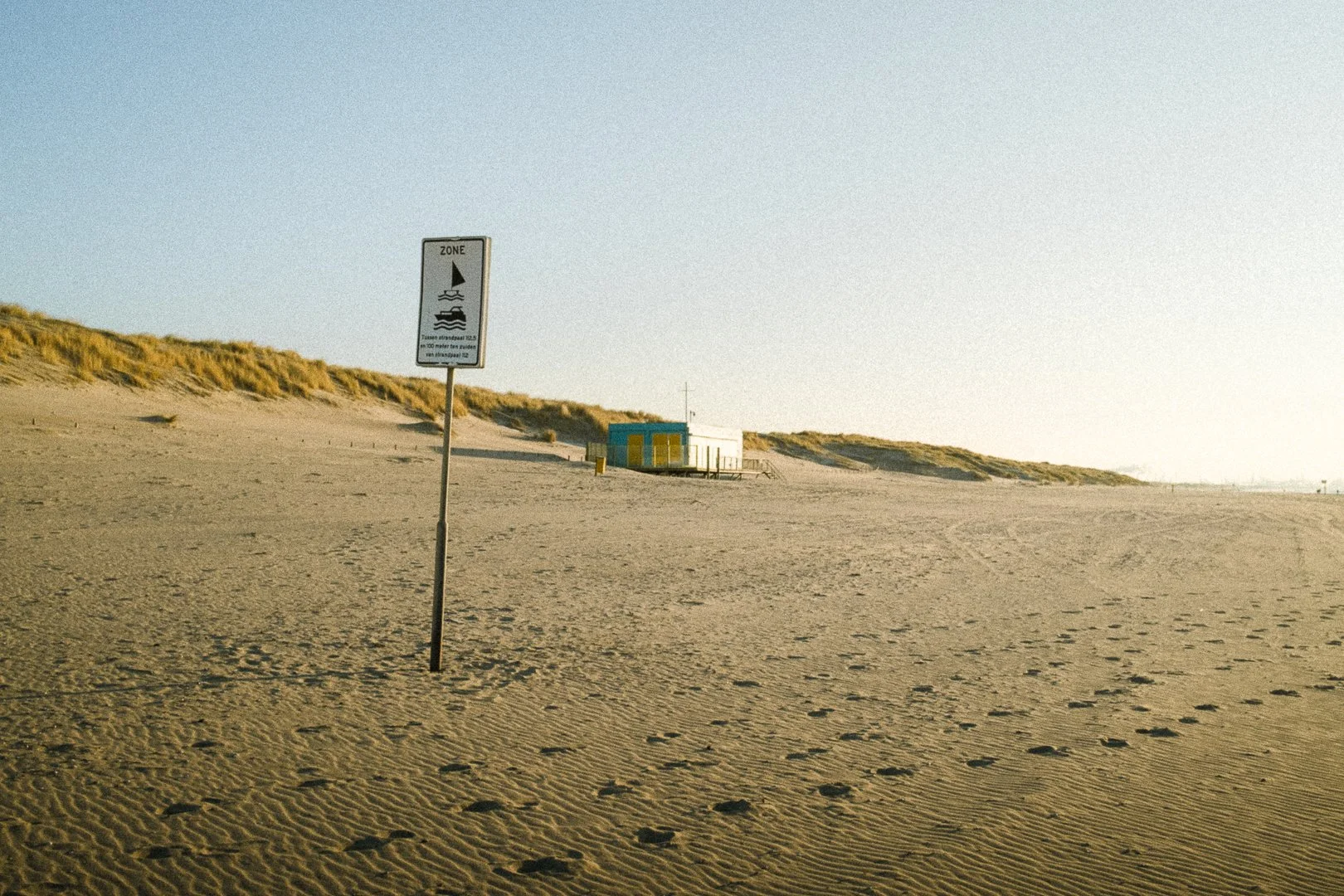
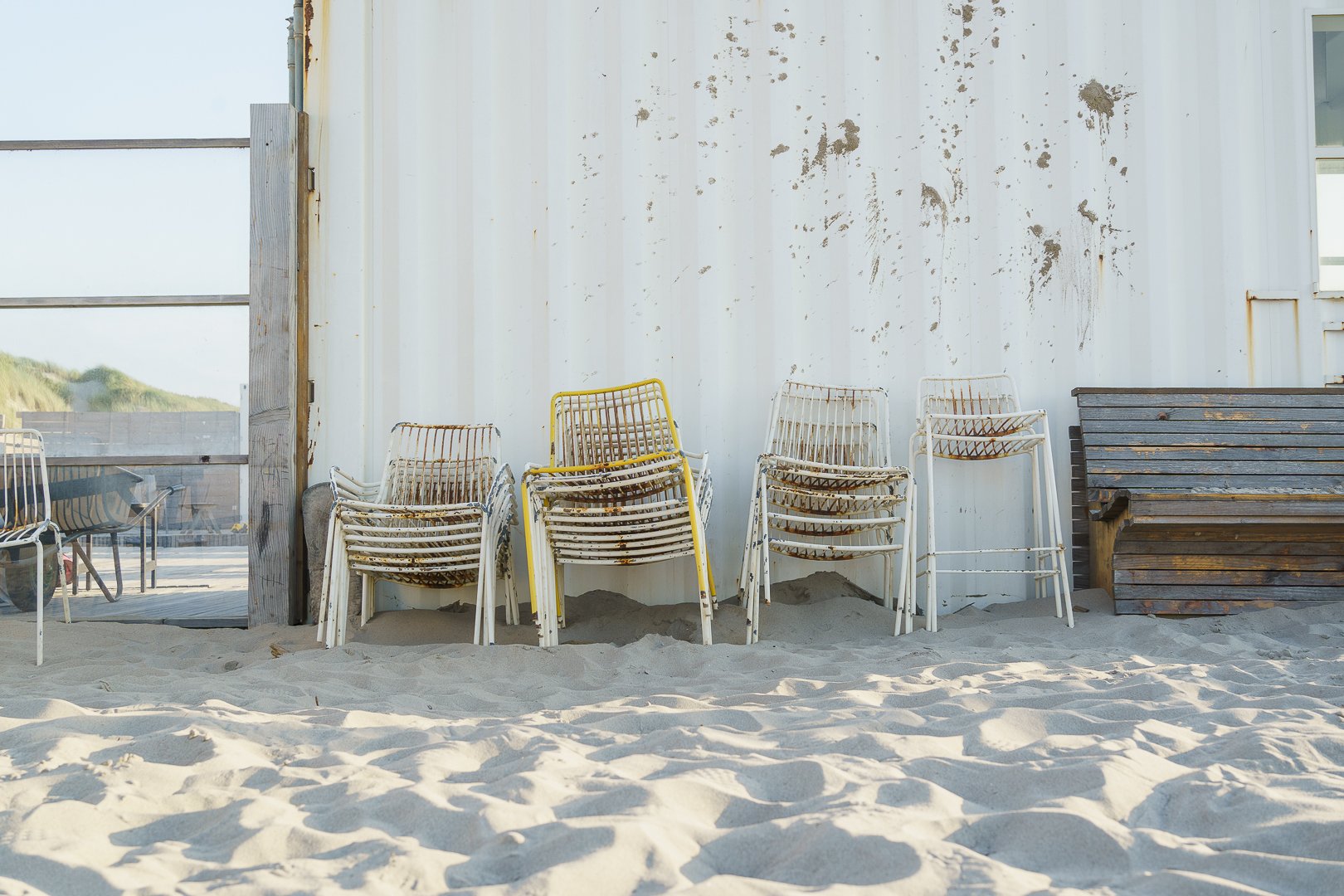
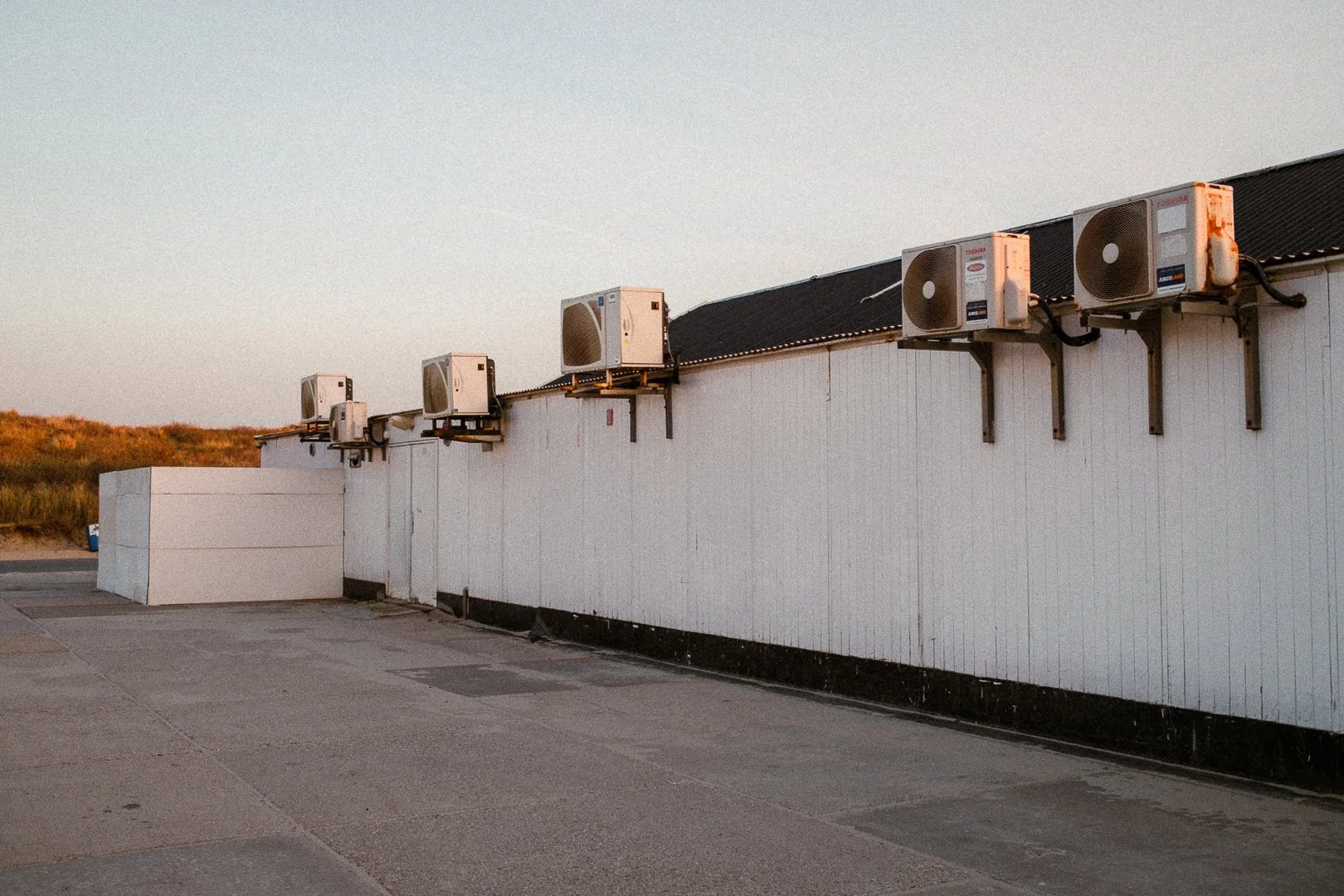
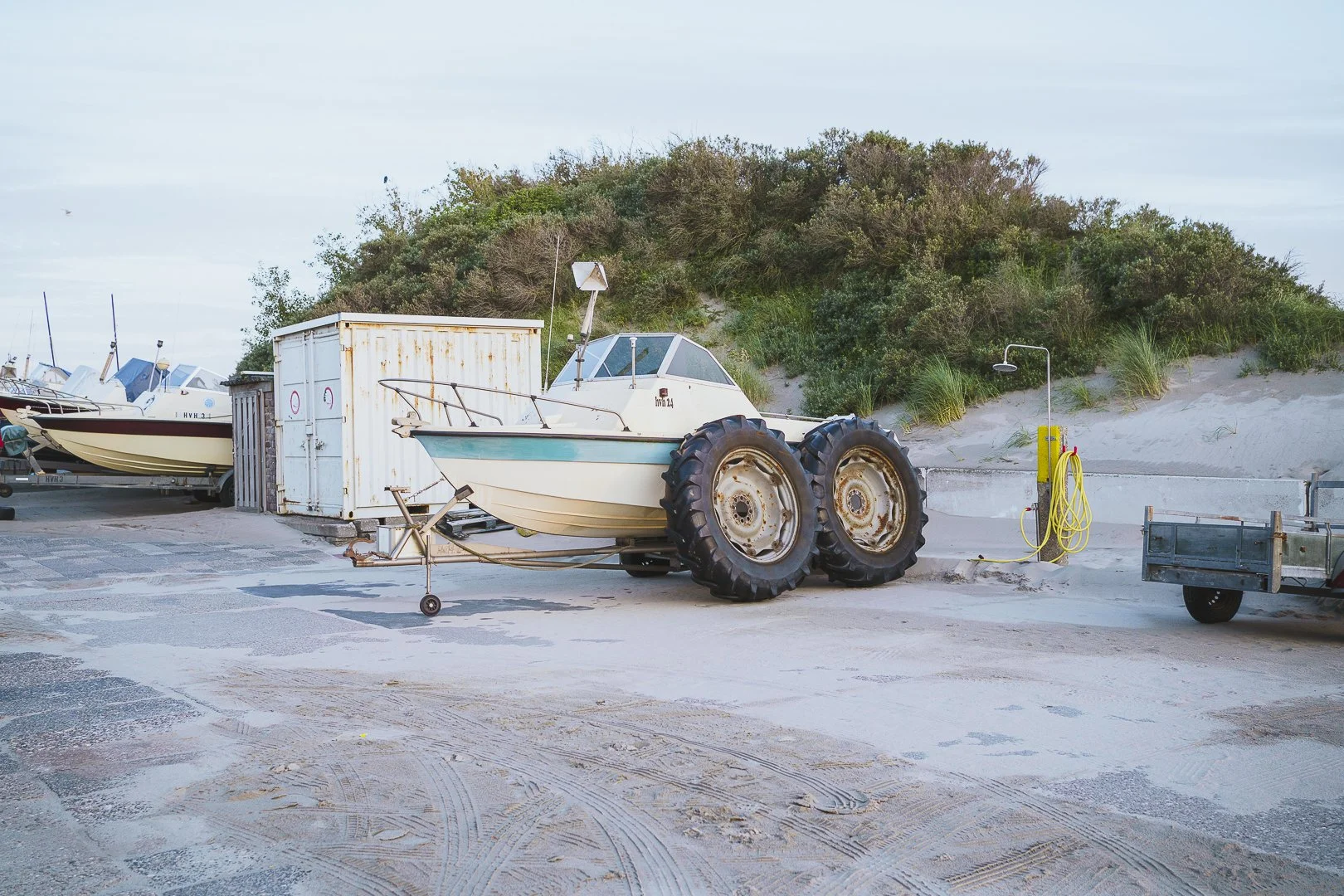
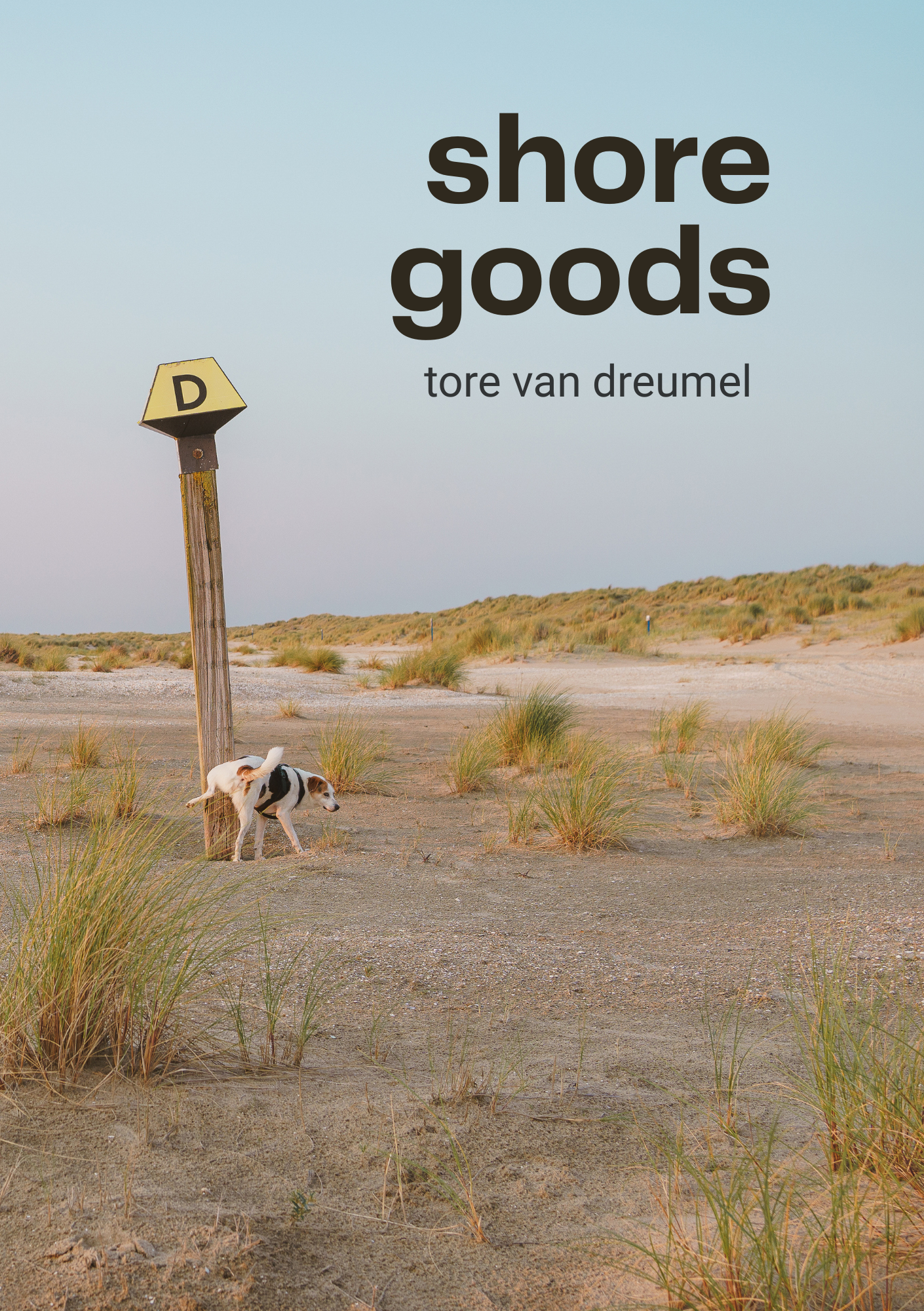
My main project, Shore Goods - a series of photographs from the North Sea coast - has evolved and grown significantly over the years, and along with it came my desire to give it a physical form.
But the idea of creating a photo book was both exciting and intimidating at the same time. So, I decided to start with something smaller.
My first choice was a digital zine, but after discussing the idea with friends and fellow photographers, I decided to take one small step further and release a printed version in A5 format.
A digital version would be made as well.
The idea was for the physical zine to be available exclusively to photographers and makers of all kinds, with the intention of exchanging work.
I think it’s a great way to support each other and create a form of mutual promotion.
The digital version is available to everyone and is, by design, the best and most straightforward way to support this blog and my work. The income from zine sales will probably end up in my car’s fuel tank, helping me continue this project.
And as for the photo book - I hope its time will come eventually.
Defining a concept Behind the Zine
A zine can be a publication of an entire project or a summary of it, but it is always an attempt to tell a story. And that story should exist in your mind before you begin working on the publication.
At this point, Shore Goods project consists of a few thousand photographs from the Dutch coast.
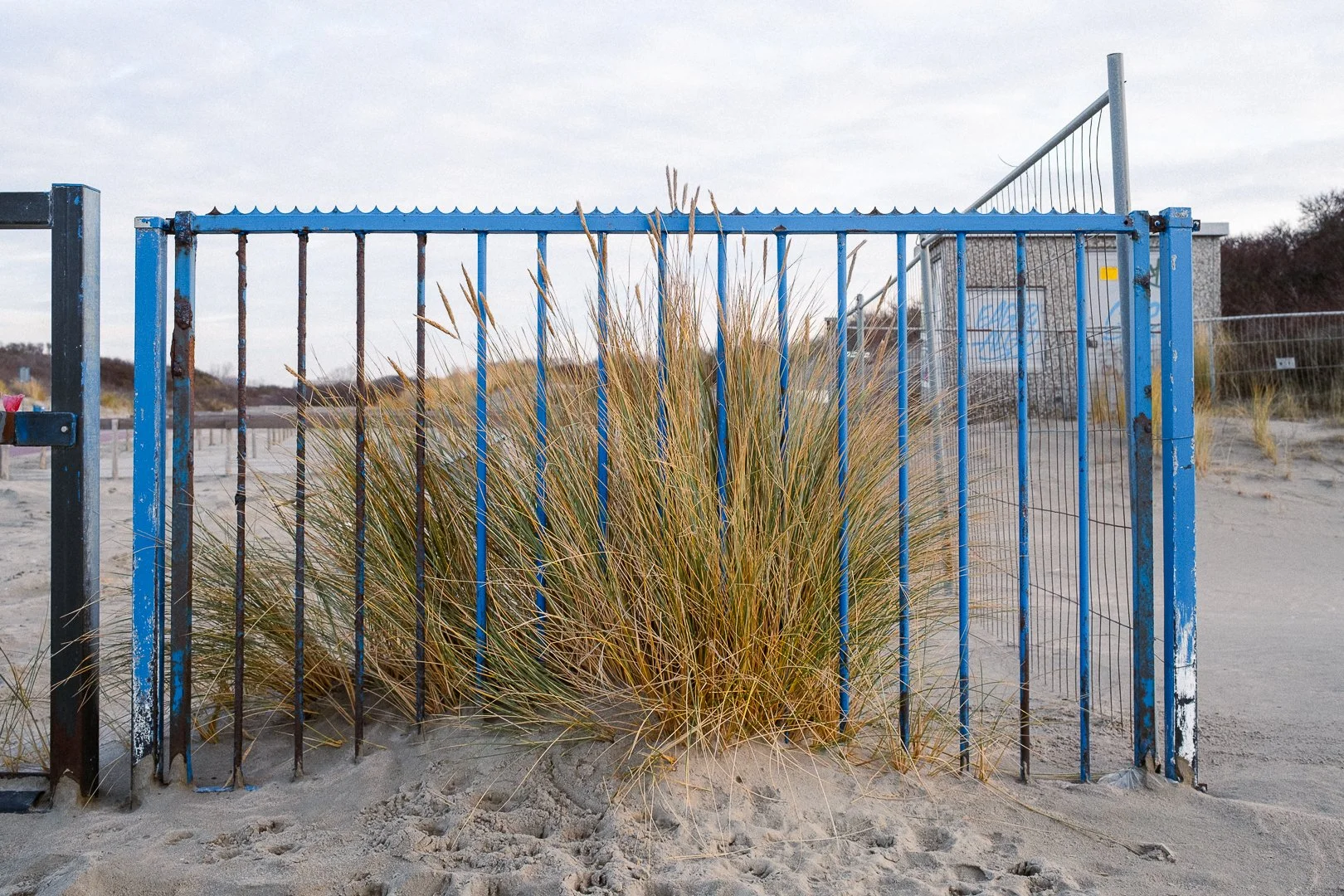
The subject matter is focused more on the coastline itself rather than the sea and the images differ both in form and style, as they were created over a period of 3–4 years.
My concept for the first issue of Shore Goods zine was an attempt to introduce my work documenting life on the coast, an ever-changing landscape shaped by humans and nature.
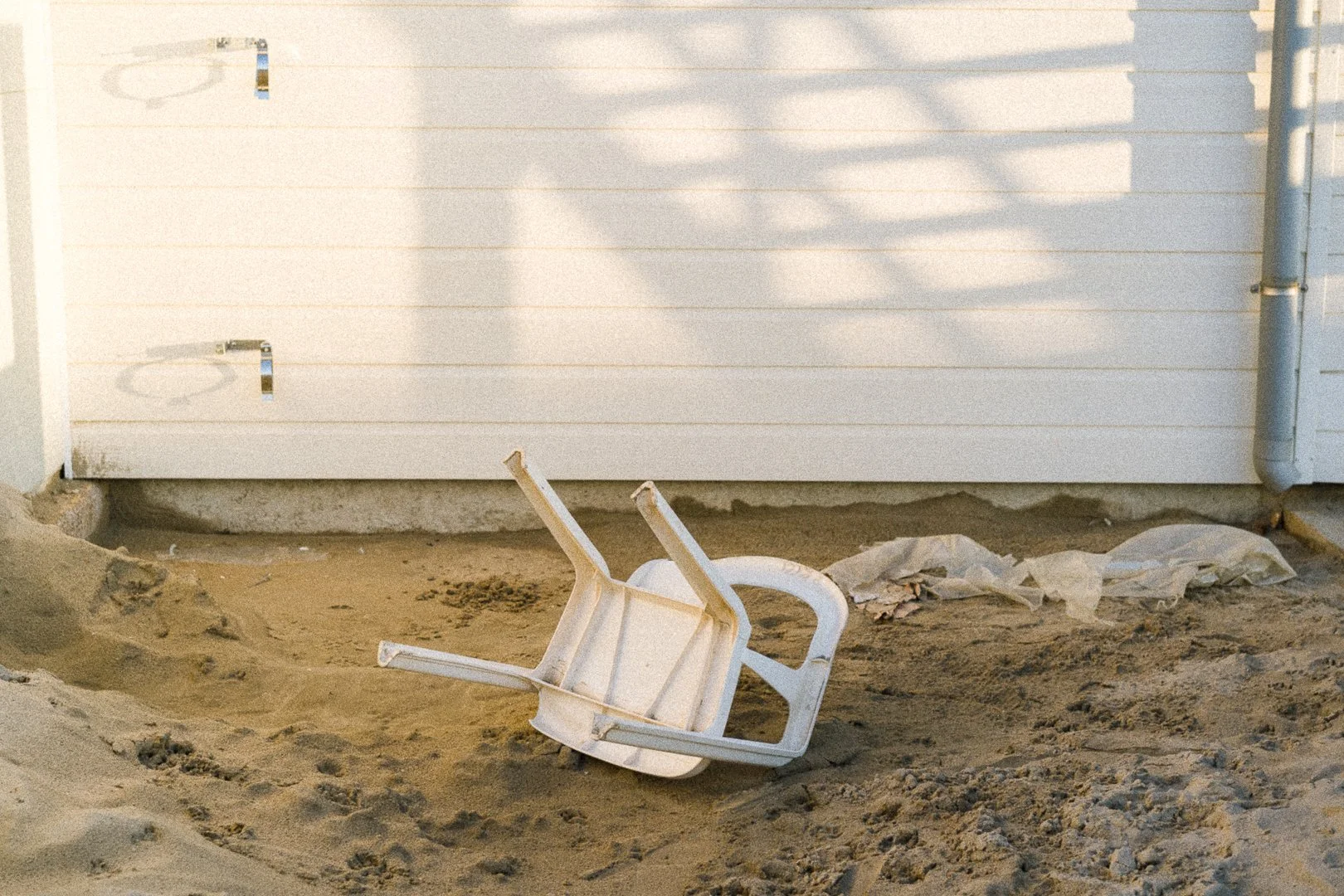
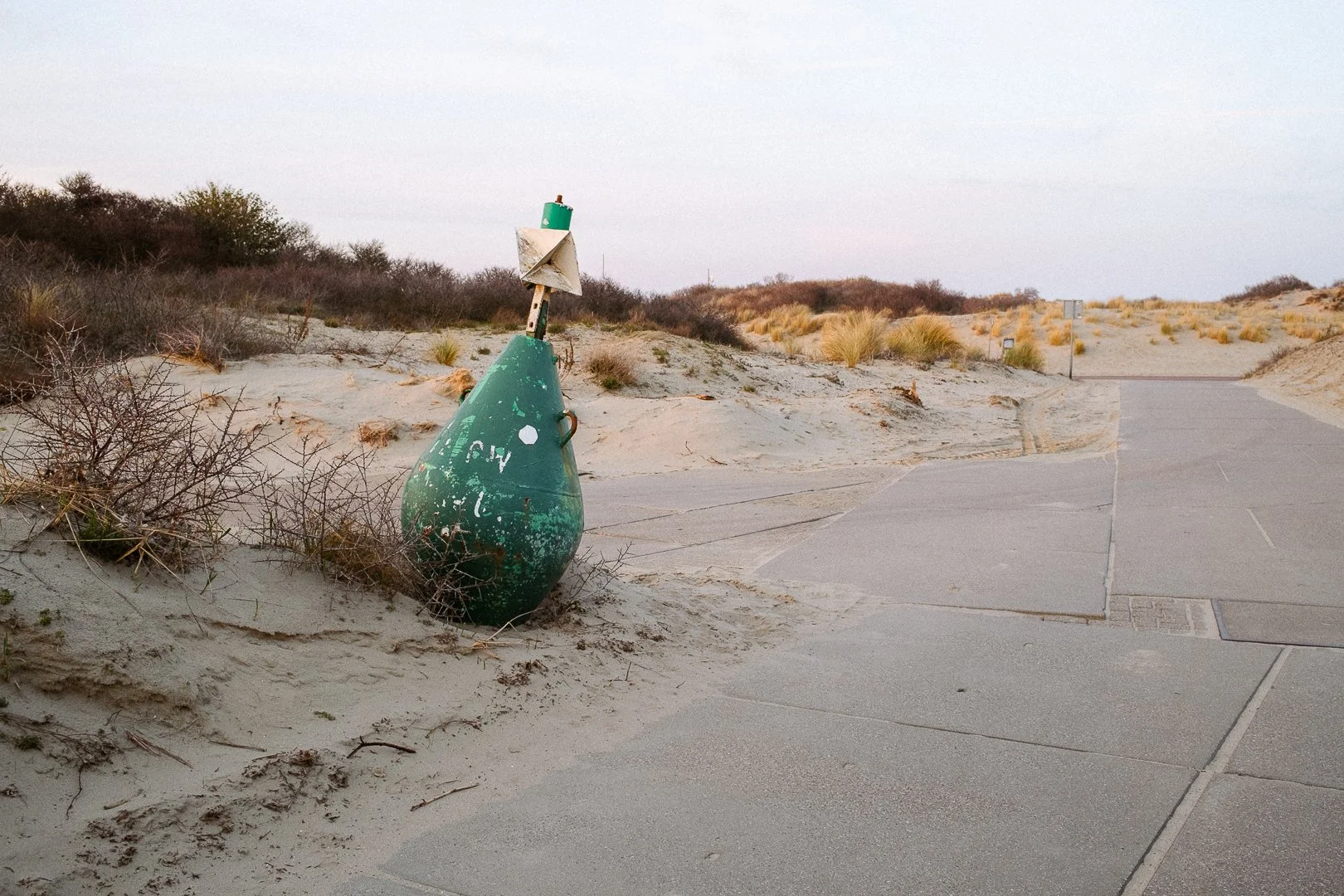
I wanted to combine a pinch of visually pleasing seascape photographs with something that is more characteristic of my style: not necessarily beautiful artefacts, beach houses scattered chaotically across the dunes, random objects left behind by people on the shore, and traces of natural forces.
I had one rule from the very beginning: no Instagram bangers, no dramatic landscapes, no perfect light, and no obsession with technical perfection.
This idea evolved slightly throughout the process of creating the zine, but its core remained the same.
Pre-selecting pictures
I made the pre-selection based on the principles described above.
A few dozen pages gave me space to choose only a fraction of the photographs I wanted to see out in the world.
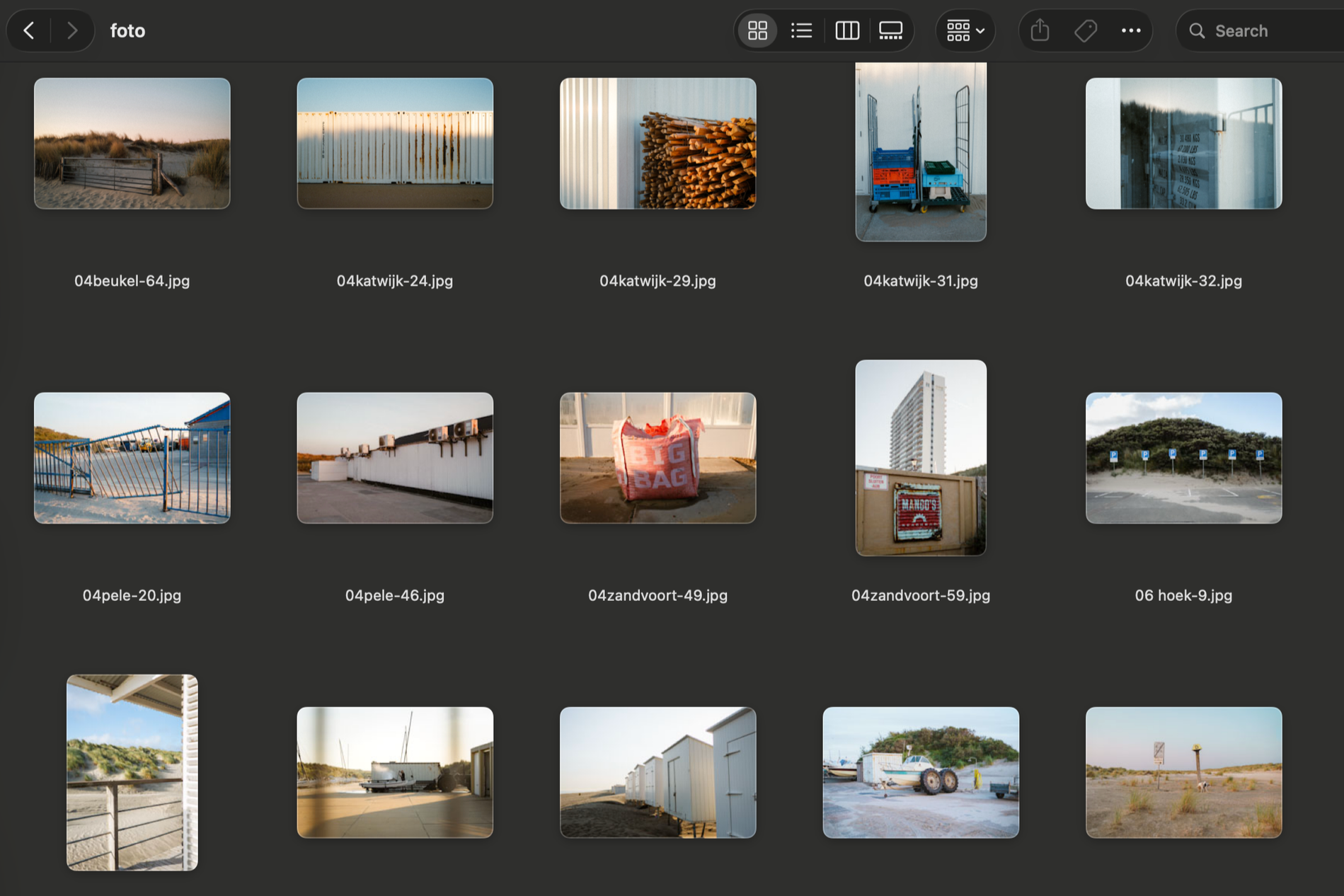
Day after day, I went through my folders and moved the images that caught my eye and spoke to my intuition into a dedicated catalogue.
During this pre-selection stage, I chose around 50 photographs. This was also the point where my editing work on the computer came to an end. I only returned to my laptop to print the photographs and later, when it was time to work on the design.
Contact Sheets in a next editing step
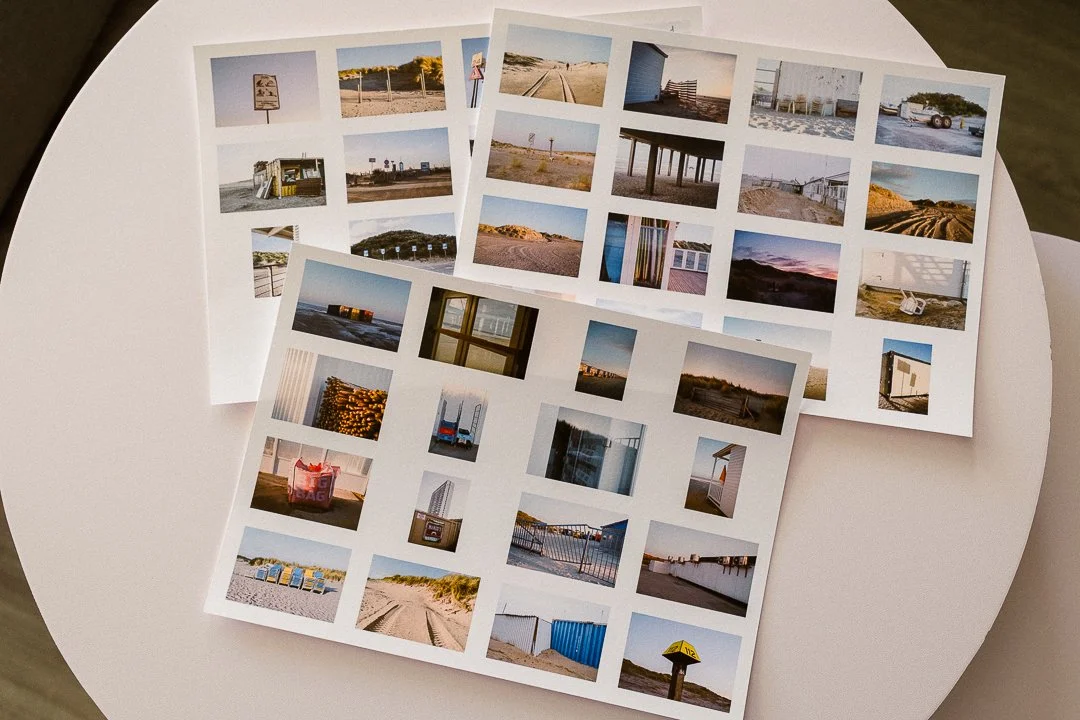
The next step was printing contact sheets containing small thumbnails of the photographs.
It is a great way to look at the entire body of work from a completely different perspective. When reviewing images on a computer screen, it is easy to focus on individual frames.
Contact sheets, however, allow you to see the bigger picture - the recurring motifs, and connections between photographs.
This is also the moment when editing truly begins.
At this stage I would no longer evaluate photographs only as individual images, but think about how each of them worked within the context of the entire zine.
Small Prints + Selection
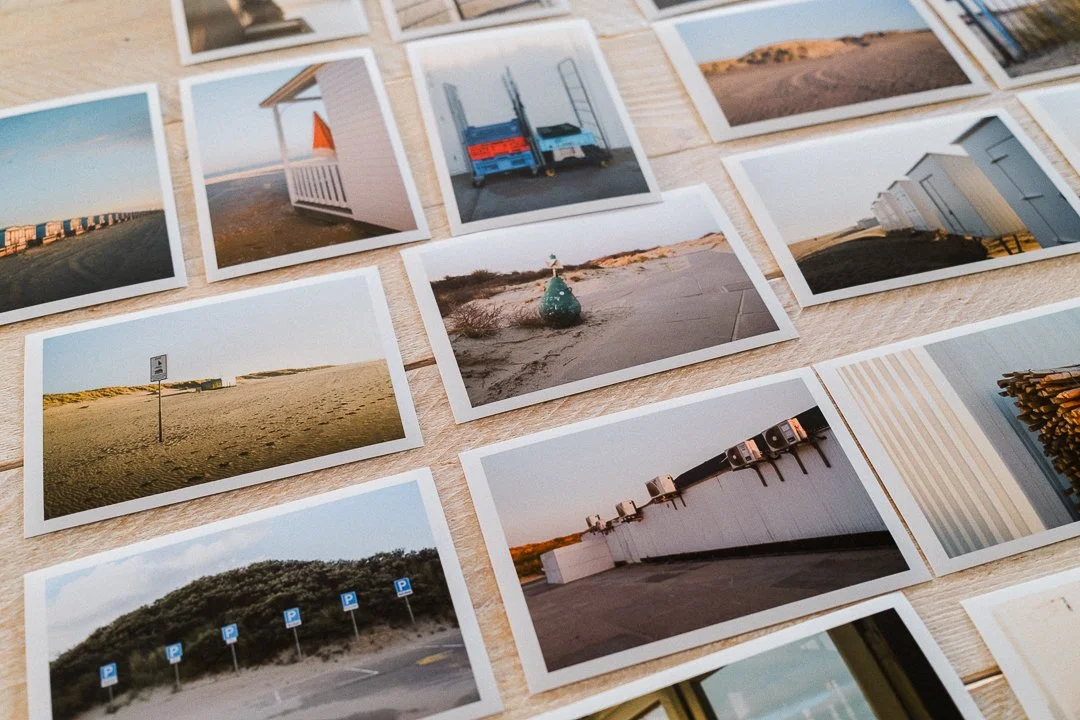
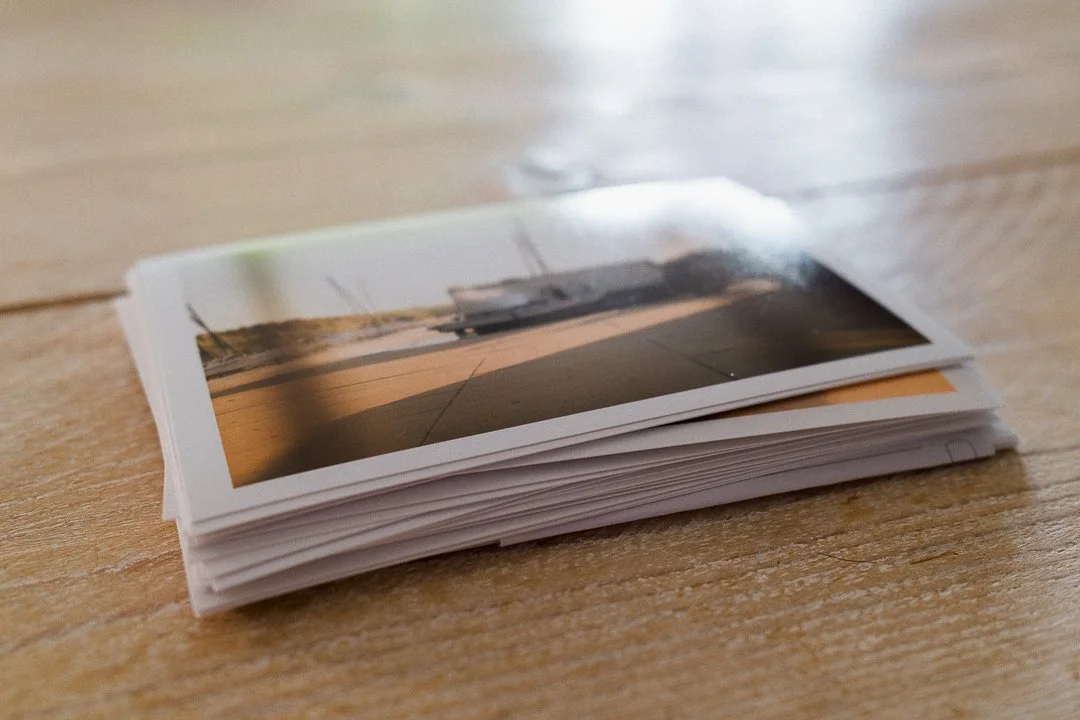
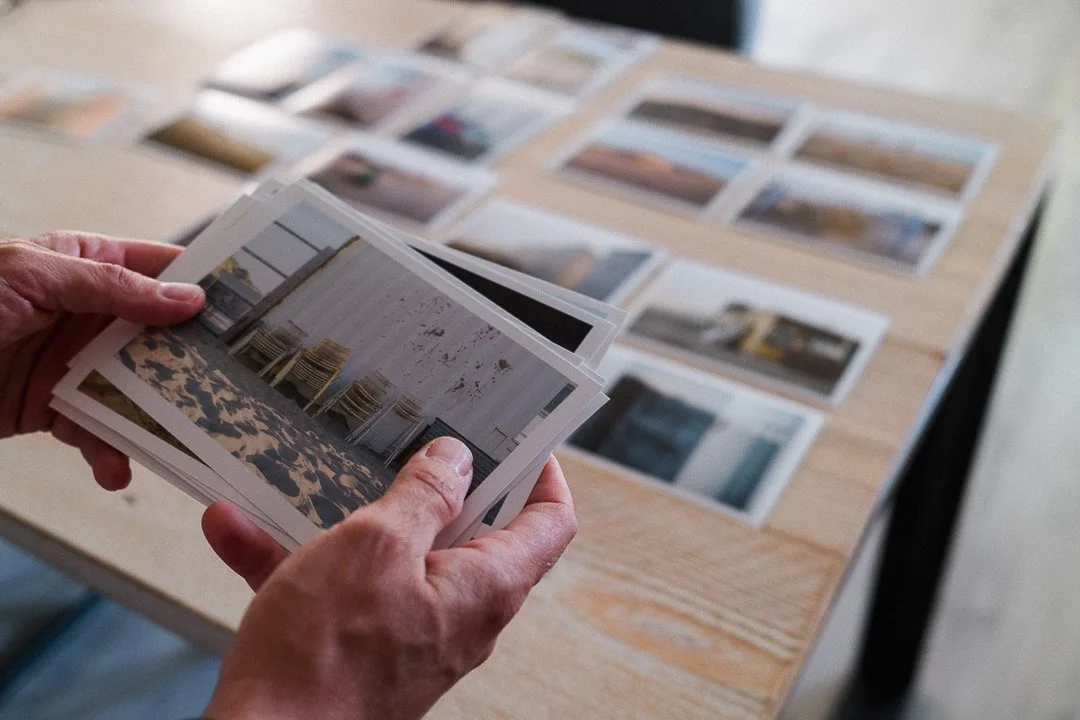
After the first selection, it was time to print the photographs that had passed the initial stage on the contact sheets, in a 10 × 12 cm format.
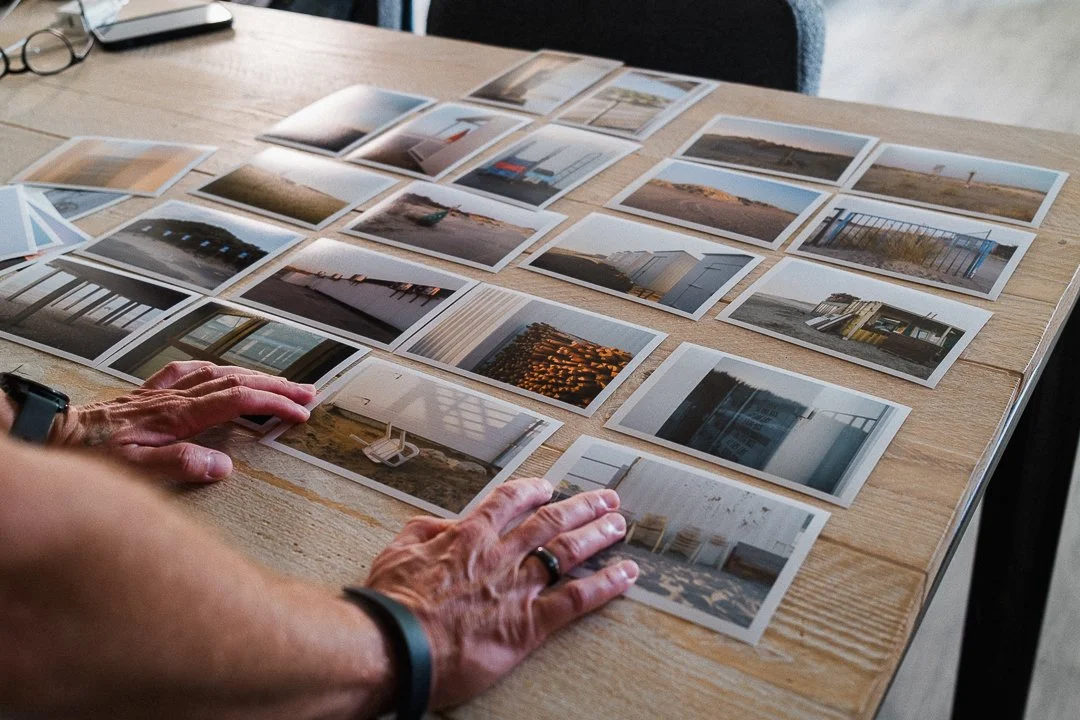
I spread all the photographs across the table so I could see the entire body of work not as files on a screen, but as a collection of real images that could be placed next to each other, moved around and rearranged.
I started experimenting with pairing photographs and looking for relationships between individual frames. Sometimes the connection was obvious - a similar shape, color, or recurring motif.
Other times, the images worked together because of contrast and the tension created between them.
At this stage, I also started paying much more attention to color and the rhythm of the entire zine. I didn’t want any color standing out or one image dominate the rest.
This was also where I had to make some of the hardest decisions and remove photographs that I genuinely liked, but that simply no longer felt right within the context of the entire project (or the ones that felt repetitive).
Sequencing a photo zine
Sequencing turned out to be the most difficult stage of the entire process.
I decided to give myself some time before arranging the photographs into their final order. I needed a moment to step back and understand what story was actually trying to emerge from it.
I skipped the idea of arranging the photographs into pairs. Instead of a series of combinations, I started looking for a more linear narrative - a story with a beginning, a development, and an ending.
Two particular photographs became reference points for me. One opened the entire project, while the other brought it to a close.
Between them, I tried to build a flow that would guide the viewer through the images in a natural way.
I arranged the photographs in different orders many times. I moved them around, swapped their positions, removed them, and returned to previous versions.
The whole process took several days and required constant balancing between intuition and conscious decision-making.
I feel that sequencing never truly ends. Even after finishing the zine, I know there are an infinite number of possible arrangements and stories that could be told using the same photographs.
The final version is therefore not the one correct solution, but rather one of many possible paths.
Design and the Cover
I am not a graphic designer, so when it came to the design stage, I wanted to keep the entire process as simple as possible.
My main goal was to make sure that the design did not distract attention from the photographs.
I created both versions of the zine - the digital version in a 1:1 format and the print-ready A5 version - using the premium version of Canva.
From the beginning, I knew I wanted to maintain a minimalist character.
A white background, plenty of breathing room between images, a consistent, very simple layout, and a carefully considered balance between horizontal and vertical photographs were meant to create a calm space where the images could exist without unnecessary distractions.
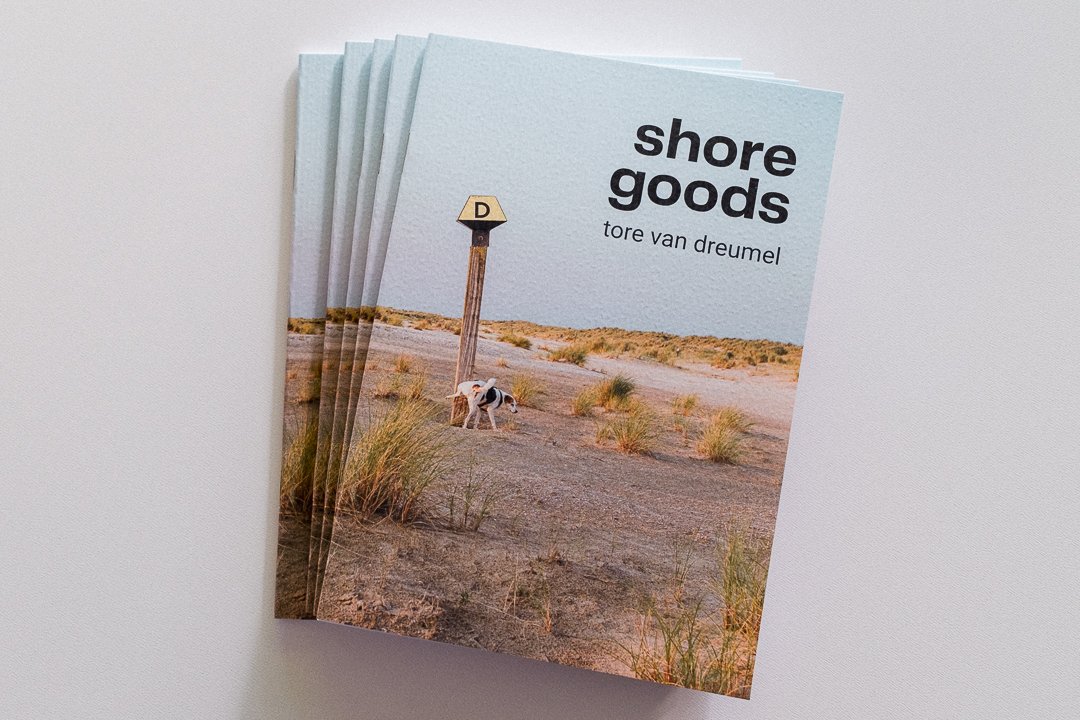
The cover design was a natural continuation of this approach. It simply had to feature my favorite photograph of all time - the image of my dog peeing on beach signs.
I am aware that, taken out of context, this photograph might be a little confusing, but that was also part of the feeling I wanted to create.
zine Distribution
After I sent the finished project to the printing house, I made the digital version of the zine available on my website.
Distribution was not something I started thinking about only after completing the zine. As I mentioned earlier, I had a the plan at the very beginning of the process.
Throughout the entire process, I shared different stages of the project on social media. As a result, several people had already expressed interest in owning a copy of the zine and exchanging it for their own publications.
Yesterday I received the printed copies.
I have to say it’s a very satisfying feeling, to hold my own work in my hands, in such a tangible form.
People who showed interested will be contacted soon and I will also send an update from the battle field to my mailing list.
So, if you also create zines, books, prints, or other physical forms of work and would like to exchange projects - hit me with a message. I am always happy to see what other makers are working on.
If, on the other hand, you would like to support my work and own your own copy of Shore Goods, the digital zine is the best way to do so and it’s available for purchase on my website. See the link below.
Thank you and see you in the next one!
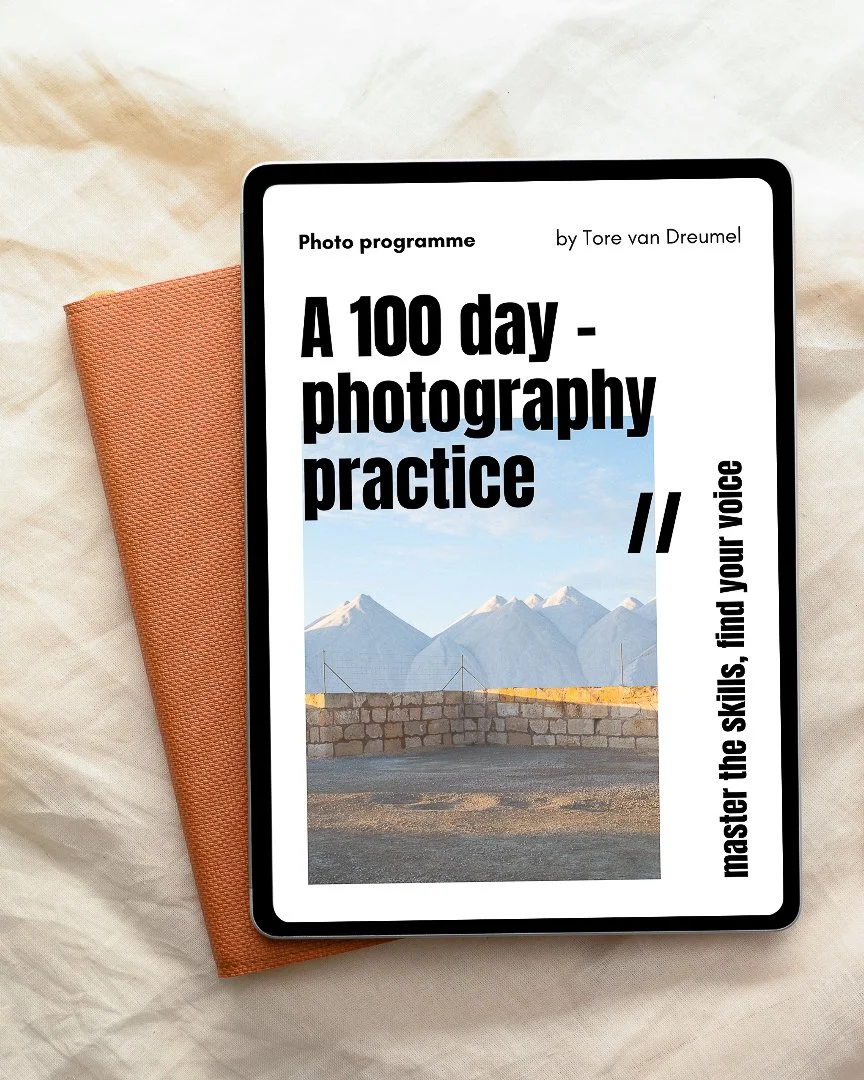

For Grainy Textures, Nostalgic Vibes, Moody Tones, Timeless Black & White, and Better Everyday Photos.
Give your photos character, atmosphere, and a touch of analog feeling with this carefully curated ultimate Preset Bundle.
Combining 12 versatile presets with 4 practical editing tools, this bundle is designed to help you create a consistent look while giving you plenty of room to experiment.
Perfect for:
film-inspired photography
moody and atmospheric images
timeless black & white photos
everyday photography & personal projects
portraits, street, travel & documentary work
creating a more consistent visual style
What’s Inside:
12 Lightroom presets (5 x grainy, 3 x moody, 2 x b&w, 2 x vintage)
4 practical editing tools
step-by-step instruction included
Works on Lightroom Desktop (paid version) & Mobile (free app).
Includes both .XMP and .DNG files for easy installation.
Plug & Play Simplicity
Whether you're new to editing or a seasoned creative, these presets are effortless to use. No technical know-how required — just one click, and your photo gets that soft, film-inspired glow.
Want to make it your own? These presets are a beautiful starting point to fine-tune color, grain, and mood.
Happy with the vibe? Leave it as is - they also work as a perfect final edit.
Why You Will Love Them:
nostalgic and cinematic, without being overly dramatic
adds warmth, depth, and timeless color grading
moody, cinematic tones in seconds
elevate your IG feed, travel blog, or portfolio
consistent aesthetic across all your photos
works with both RAW and JPEG files
Pro Tips:
adjust exposure and temperature depending on lighting
increase or decrease grain to suit your personal style
works beautifully with backlit photos, blue hour, and even cloudy light
Instant Download – Lifetime Use
Once you purchase, you’ll receive an instant download link with everything you need to start editing today.
Please note that since it is a digital product, purchases are non-refundable. However, if you experience any issues, feel free to get in touch - I’m always happy to review situations individually and help where I can.
By buying my presets you support this blog enormously. Thank you.