
Photography close to home - how to turn your surroundings into meaningful work
Table of Contents
1. What to photograph?
2. Why photographing close to home can make you a better photographer
3. Why photograph your neighborhood in the first place
4. When to travel and when to stay close to home
5. The one photo a day challenge
6. How to find your subject matter in your neighborhood
7. How to avoid getting bored when photographing familiar places
8. How to turn photography close to home into a long-term project
9. Final thoughts
I think almost everyone who picks up a camera for one reason or another eventually runs into this question.
Once you've done photographing your family, pets, friends, holidays, and everything else around you, and you've developed a decent understanding of how your camera works and what it can do, the question inevitably appears:
What to photograph?
And while the answer to this question is very near, we tend to search far away (isn’t it a bit of a universal human thing?).
If you search for phrases like “best photography locations,” you'll mostly find the same well-known destinations: Iceland, the Lofoten Islands, the Dolomites, and other exotic landmarks.
Someone new to photography could easily get the impression that these places define what “good photography” is supposed to look like.
The world has become smaller. Thanks to social media and easy access to images from every corner of the globe, we're constantly bombarded with photographs from these kind of places.
The result? Saturation and repetition.
It can feel as creating something that truly stands out is becoming increasingly difficult - because if you're photographing exactly the same places as everyone else, it actually is.
I don't want to demonize travel photography. In fact, I love going on photography trips myself.
I simply want to point out that the answer to finding the most unique photographic subjects is, as is often the case, remarkably simple - and much closer than you think.
It's your closest environment.
Why Photographing close to home Can Make You a Better Photographer
Photographing close to home is one of the most underrated directions in photography, especially in an era dominated by Instagram and travel-focused trends.
More than that, your everyday surroundings offer enormous opportunities for photographic growth. Arguably far greater than travel does.
That idea may not sound particularly exciting or glamorous, but you'll understand it once you stop thinking of photographing your neighborhood as a backup plan for travel.
Photographing the same place regularly allows you not only to understand that place better, but also to build a relationship with it.
It enables you to reach a master level of understanding when it comes to light, weather conditions, and the ever-changing character of a landscape.
It's also an opportunity to develop your own photographic style instead of recreating the popular compositions you've already seen online.
In this article, I'll show you what to photograph close to home, how to discover interesting photo locations in your area, how to use your everyday surroundings as a tool for photographic growth and turn it into a meaningful body of work.
If you're struggling to find subjects to photograph, or you've fallen into the trap of constantly needing to travel because you can't find inspiration in everyday life, this article is for you.
Why Photograph your neighborhood in the first place
Our most familiar places are not only not boring - they are, in a way, exotic.
They're exotic because they're unique and unfamiliar to anyone who lives in the different part of the world.
We're naturally drawn to places whose aesthetics feel new to us. We seek novelty. That's why a photograph of an ordinary storefront in Japan can seem fascinating if you live on another continent.
The storefront around the corner from your house probably doesn't spark the same reaction, does it?
Yet every town, every neighborhood, has its own character and visual identity that cannot be replicated anywhere else. That is precisely what makes it unique, exotic, and worth your attention.
And just think about it: no one else across the globe has an access to those scenes which you see every day and which you can master until the end of time.
From a photographic perspective, the value of a place is directly proportional to the amount of time you spend exploring and appreciating it. When you stay in one place long enough, you begin to see more.
Personally, I think it is one of the biggest advantages of shooting close to home.
This is where you can create photographs that are truly authentic and personal.
From my own experience, it's the best place to begin your journey in photography.
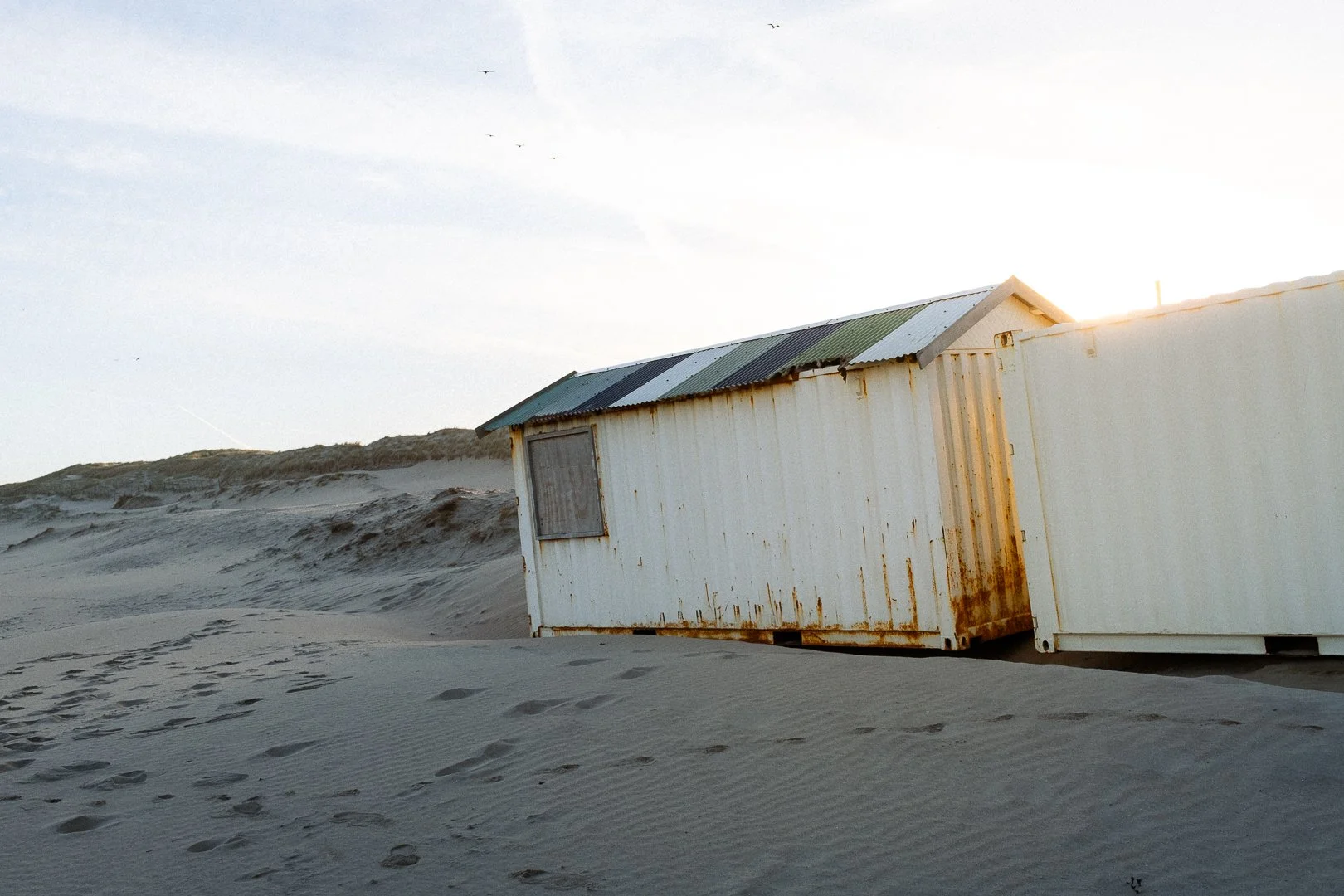
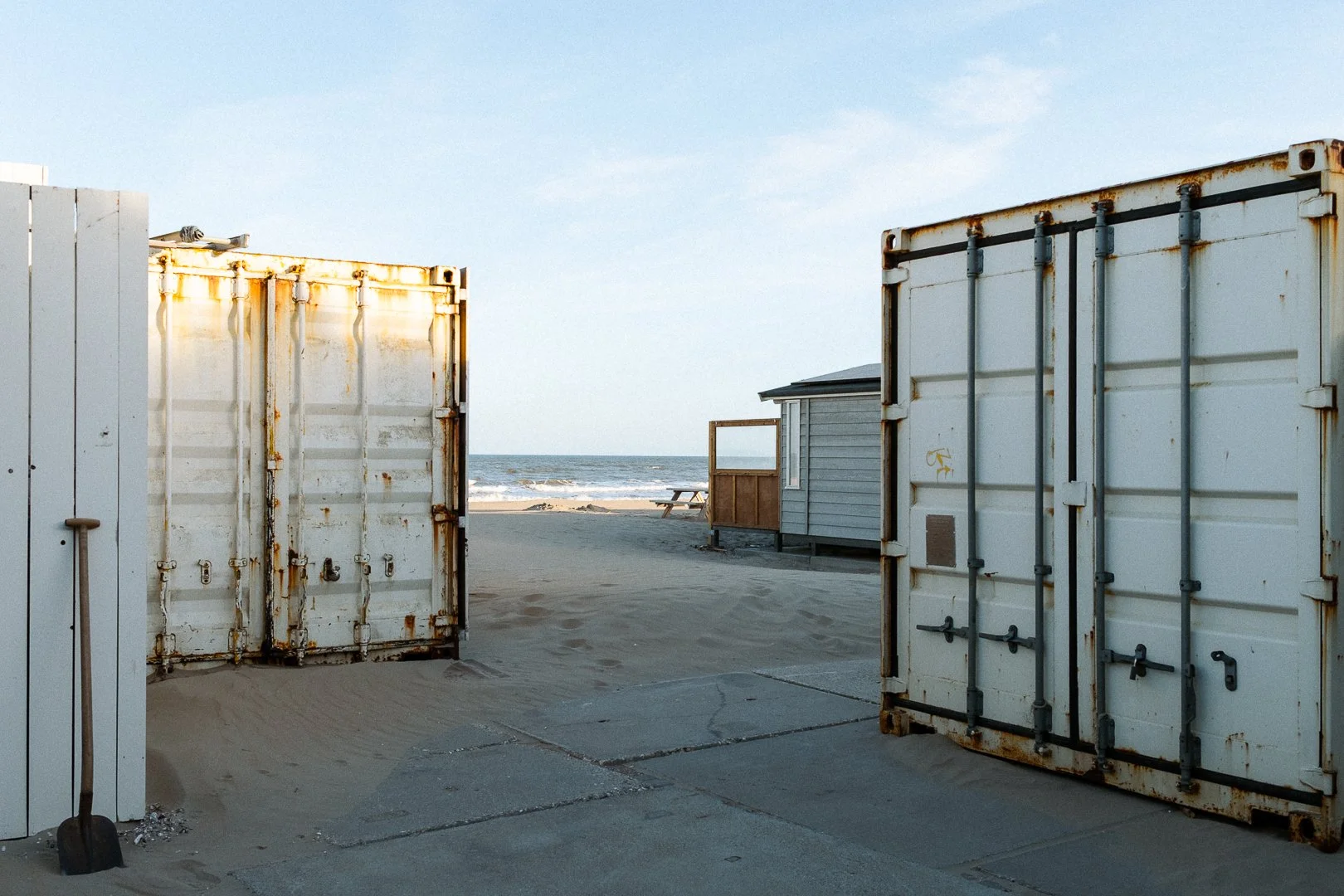
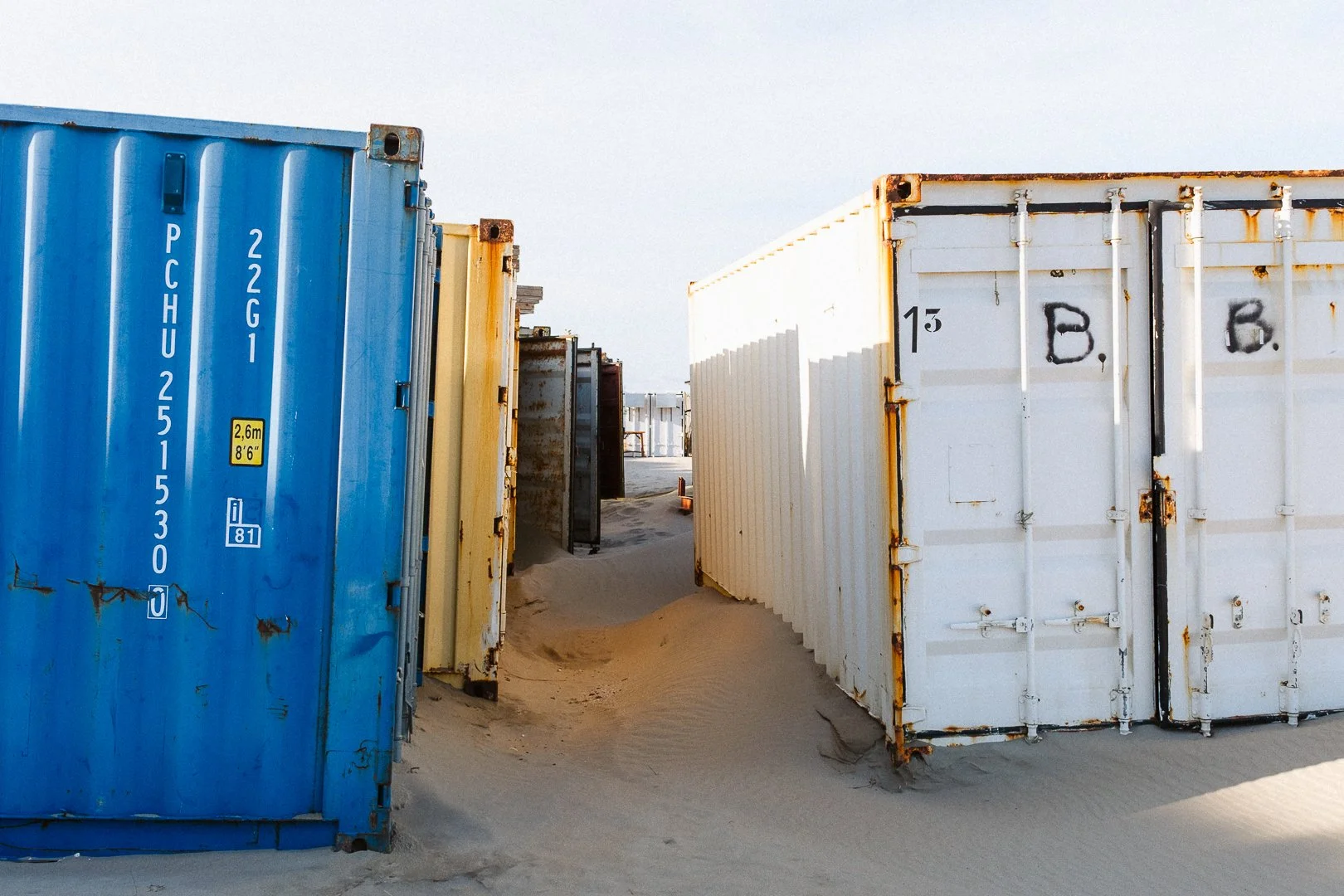
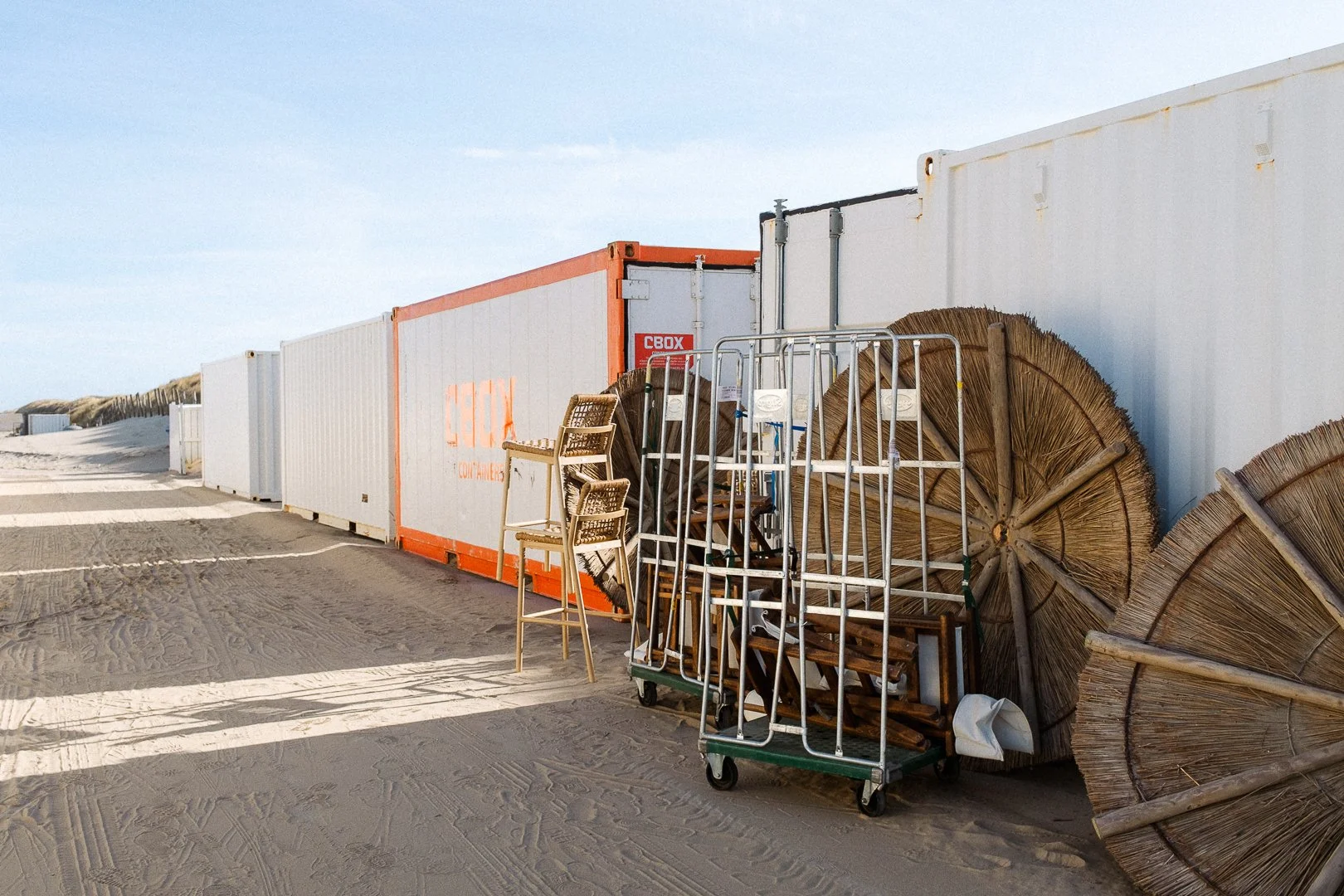
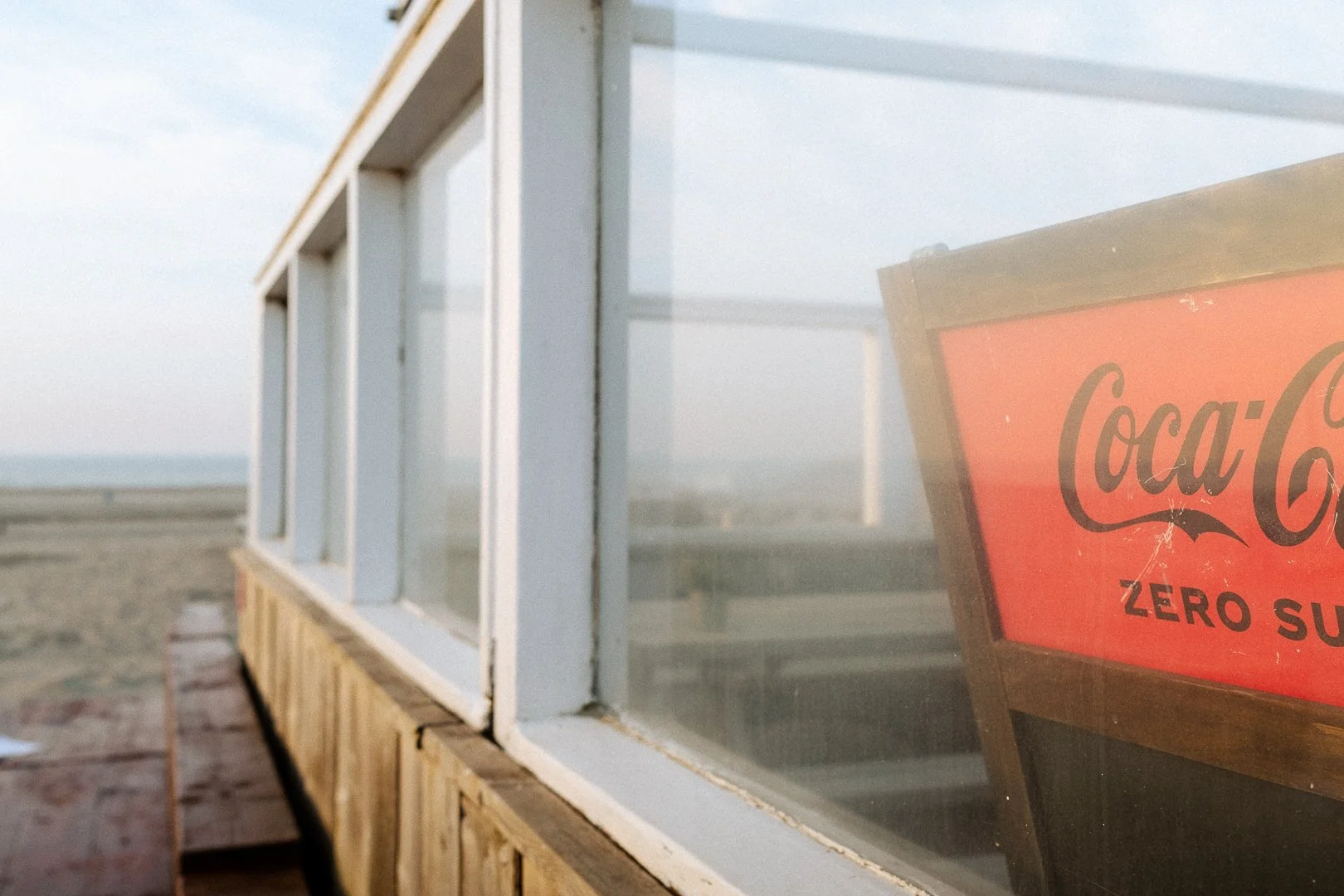
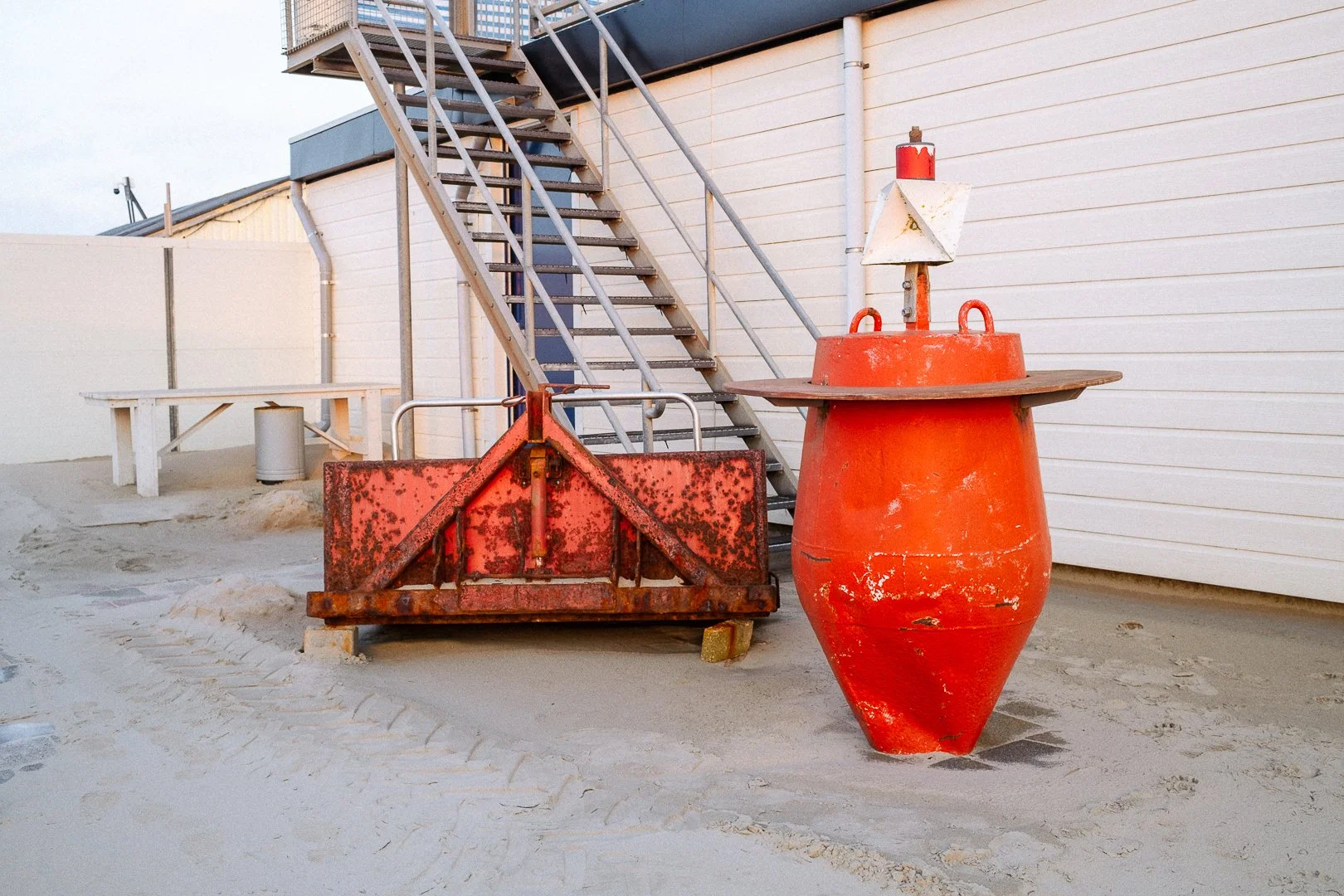
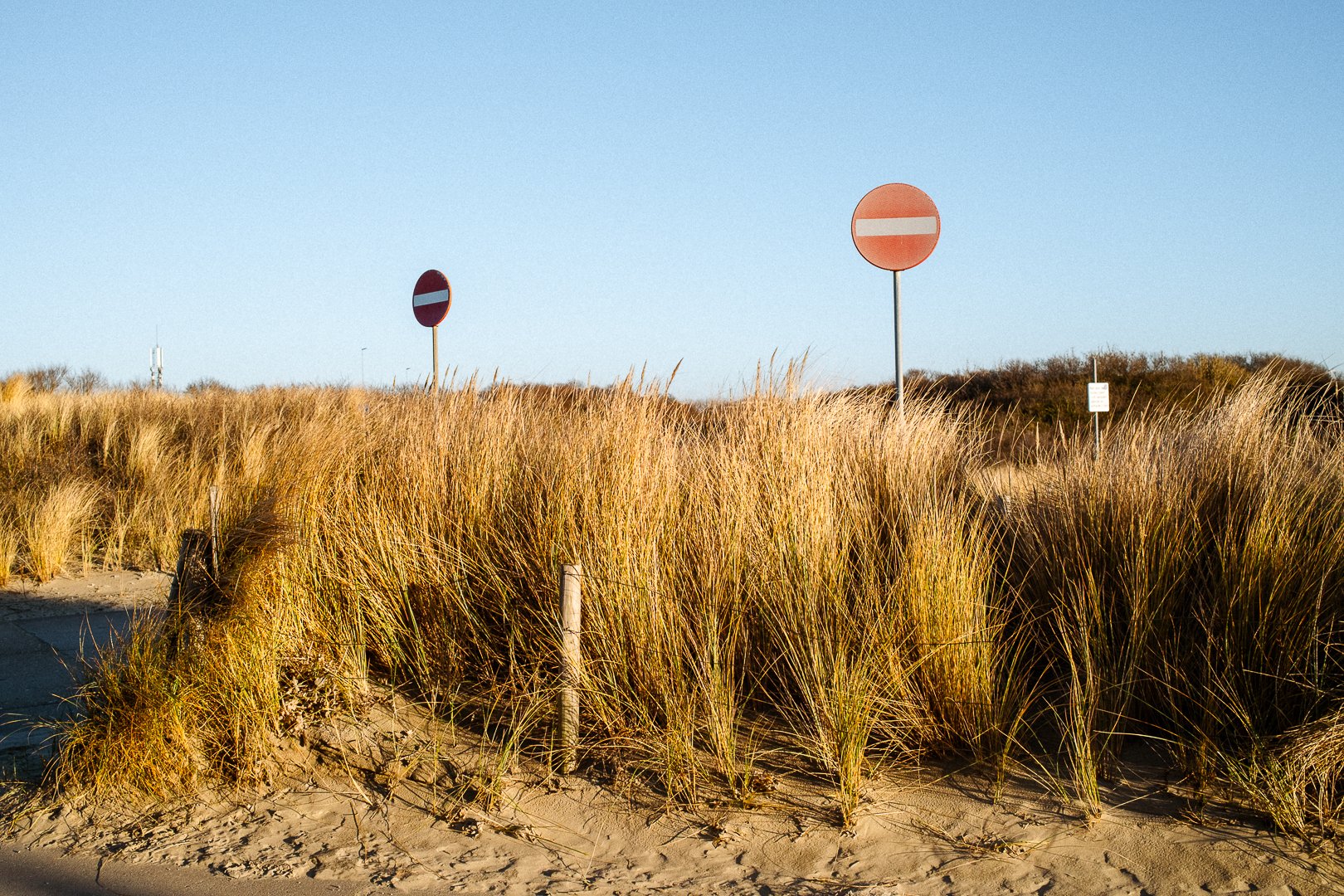
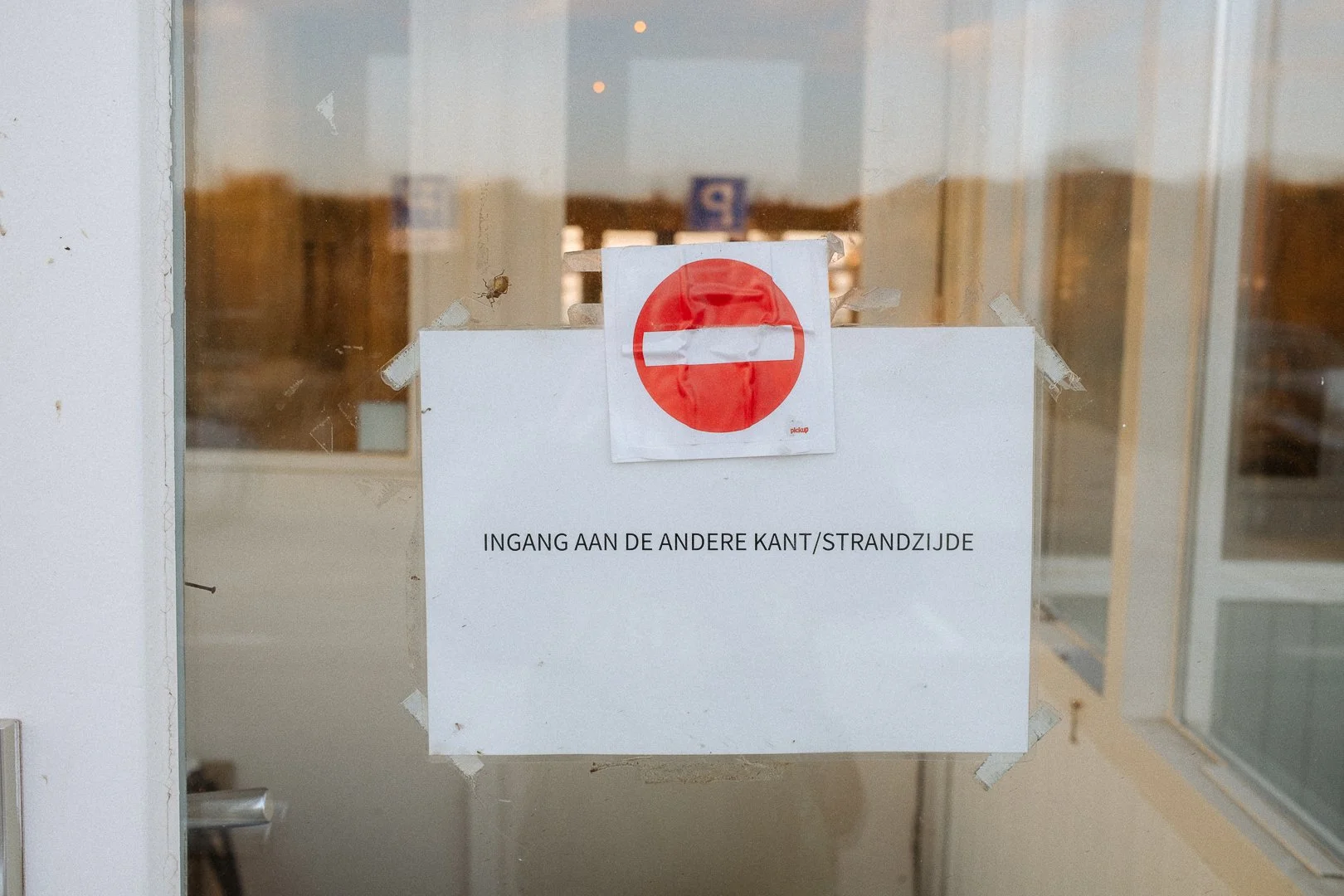
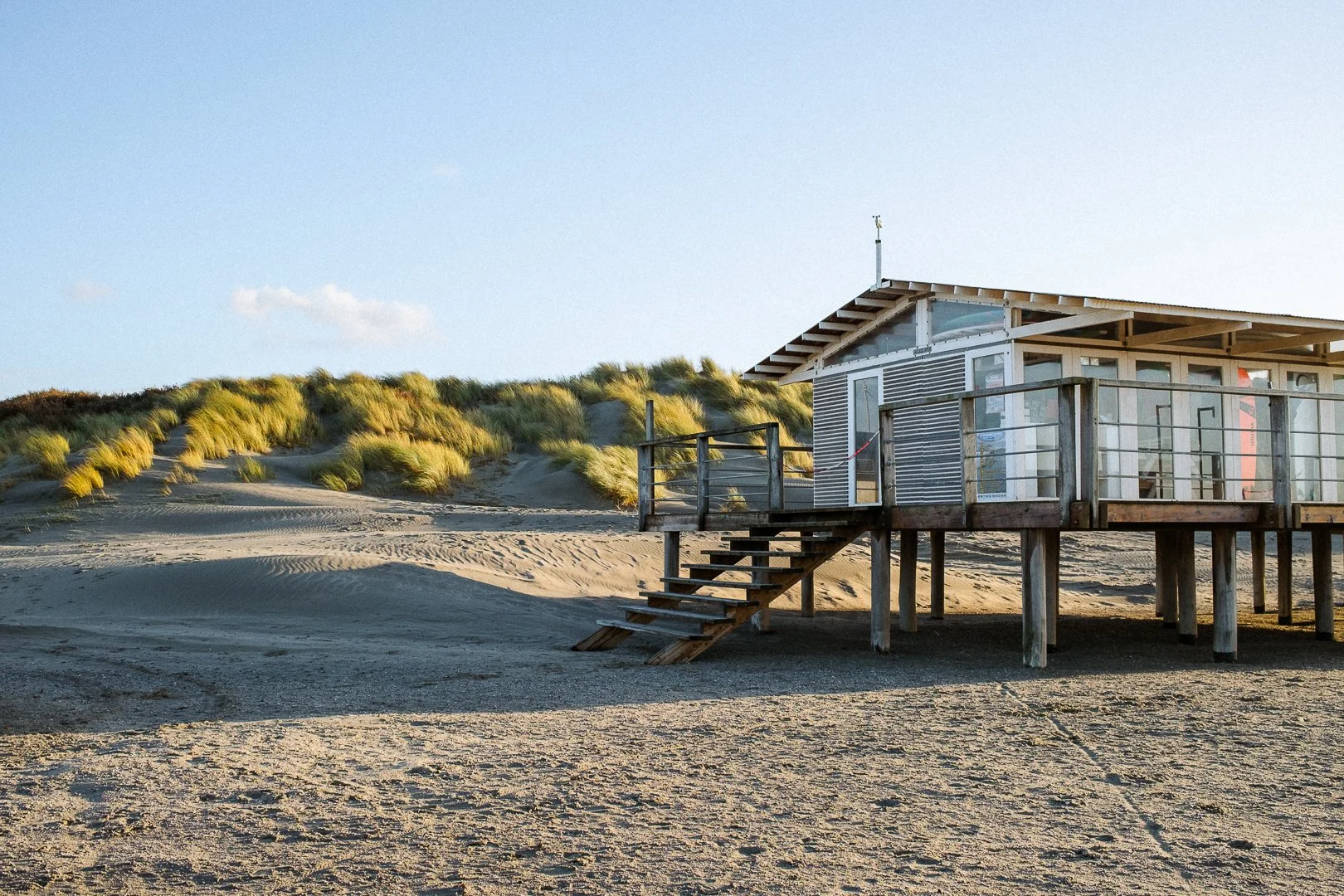
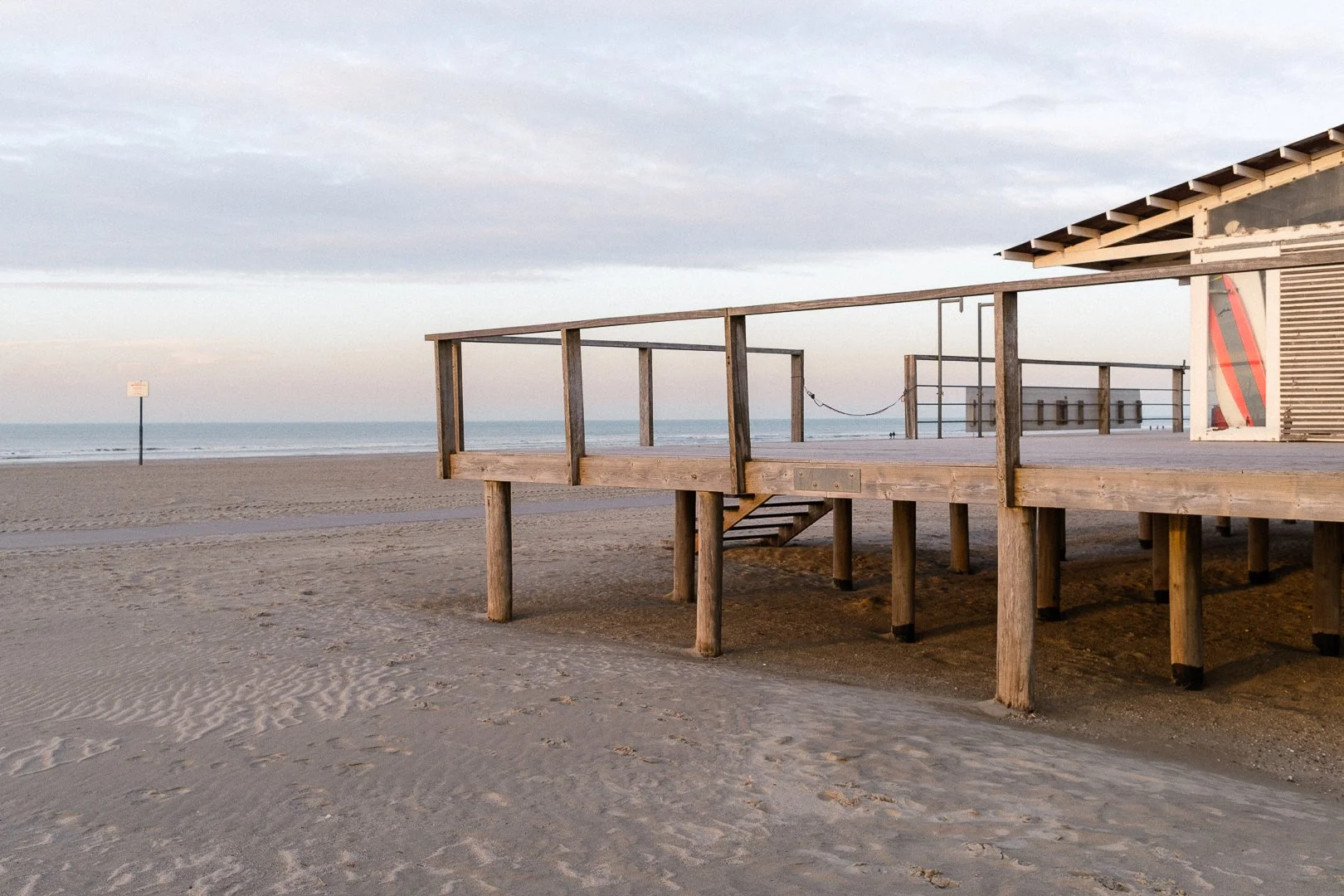
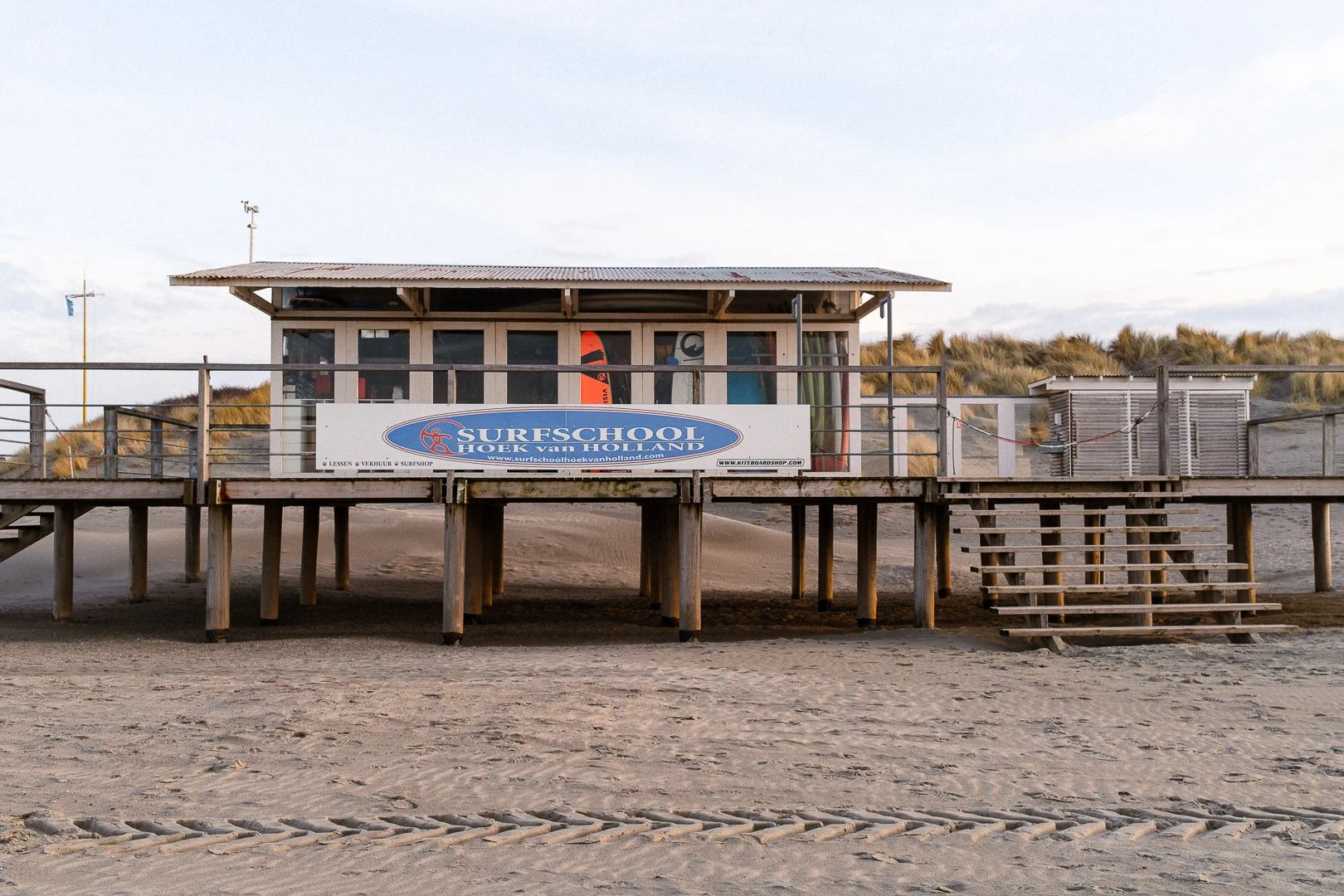
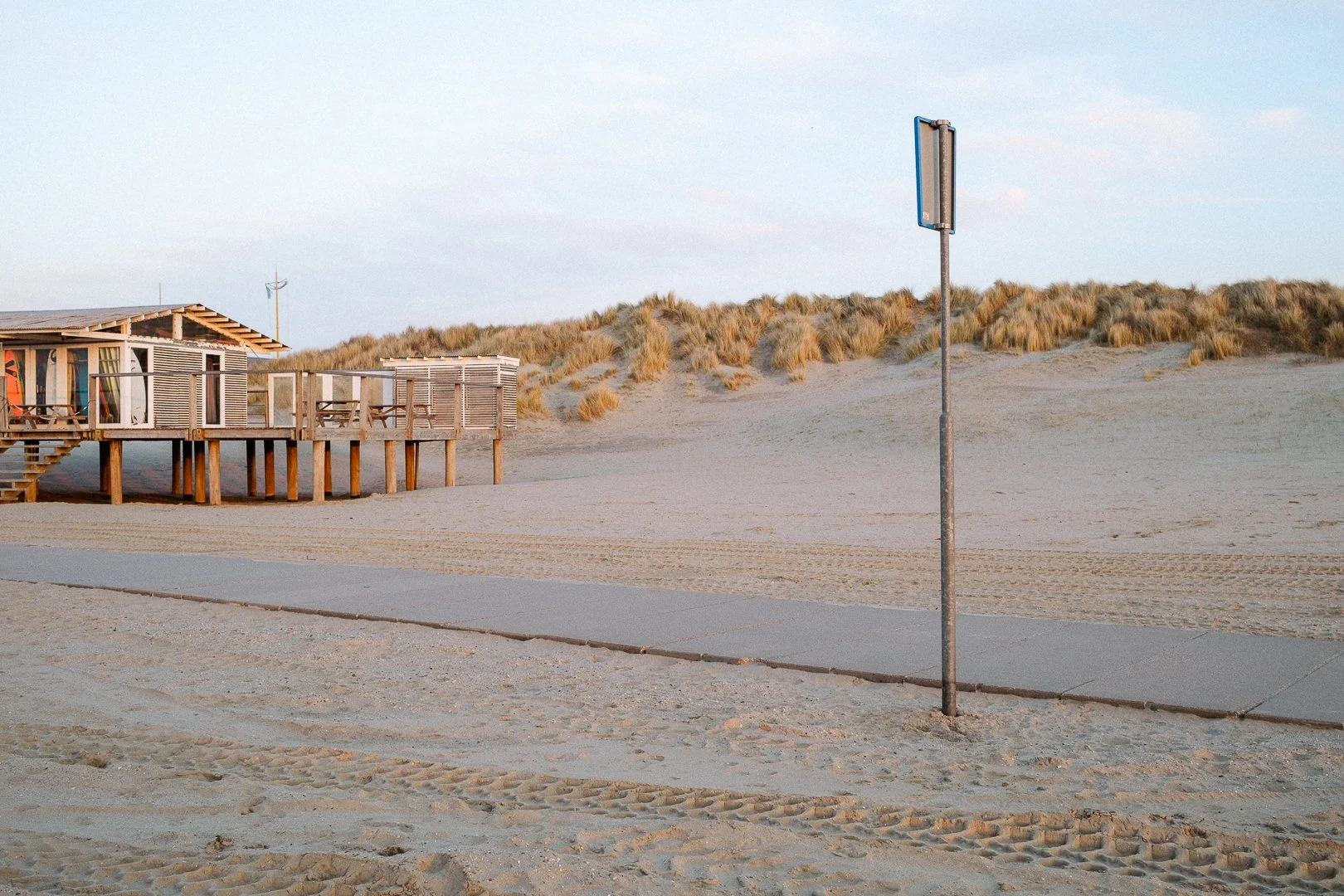
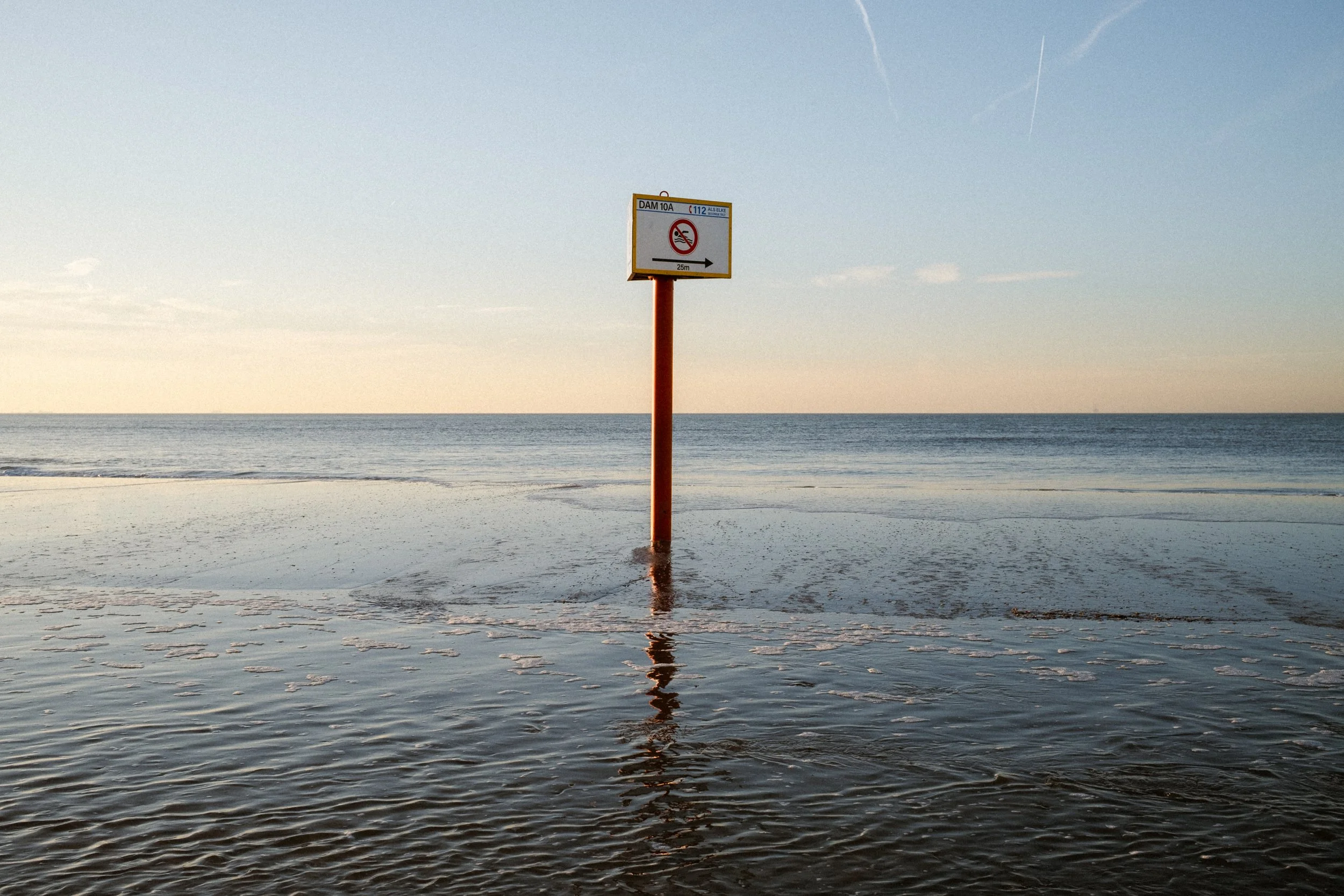
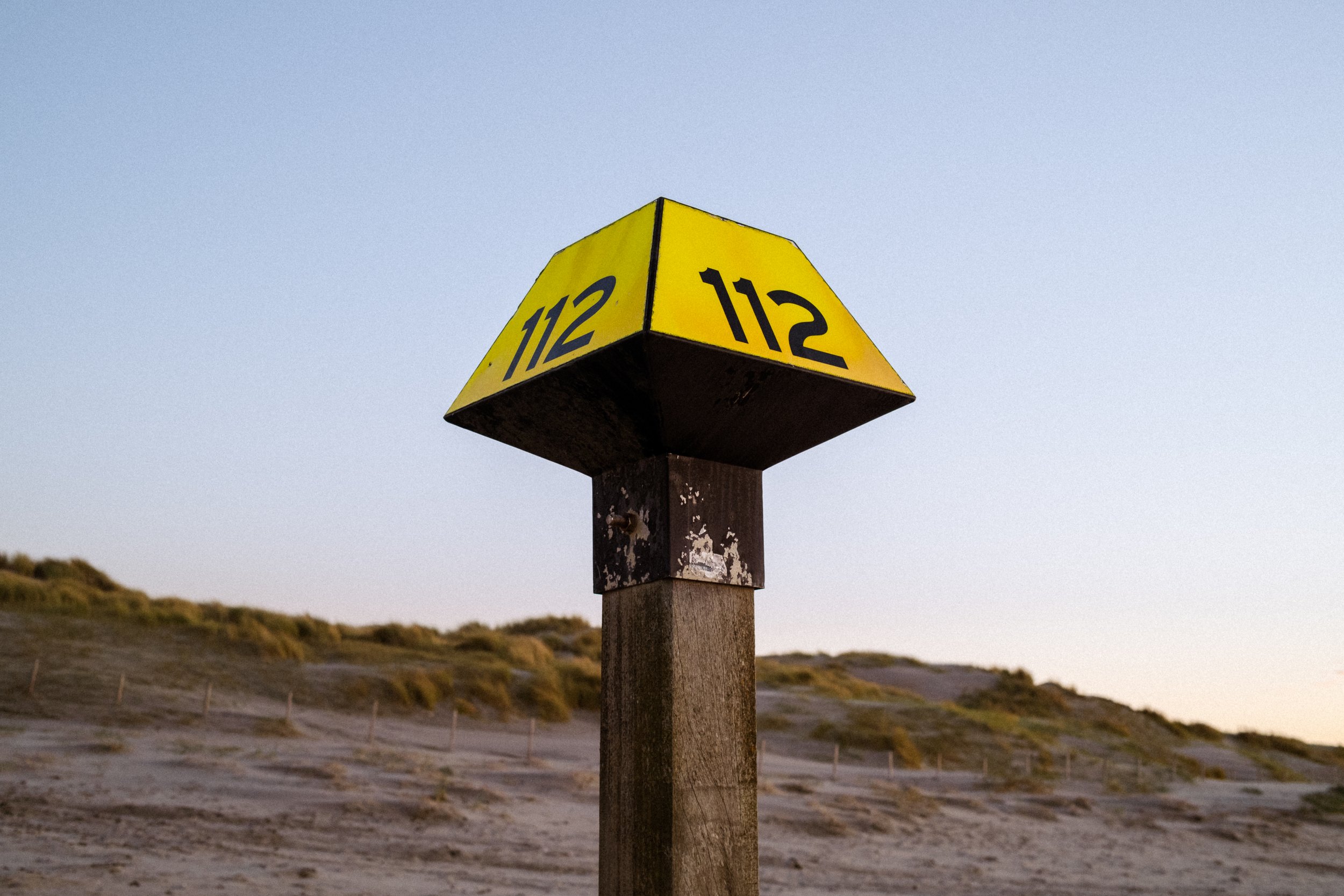
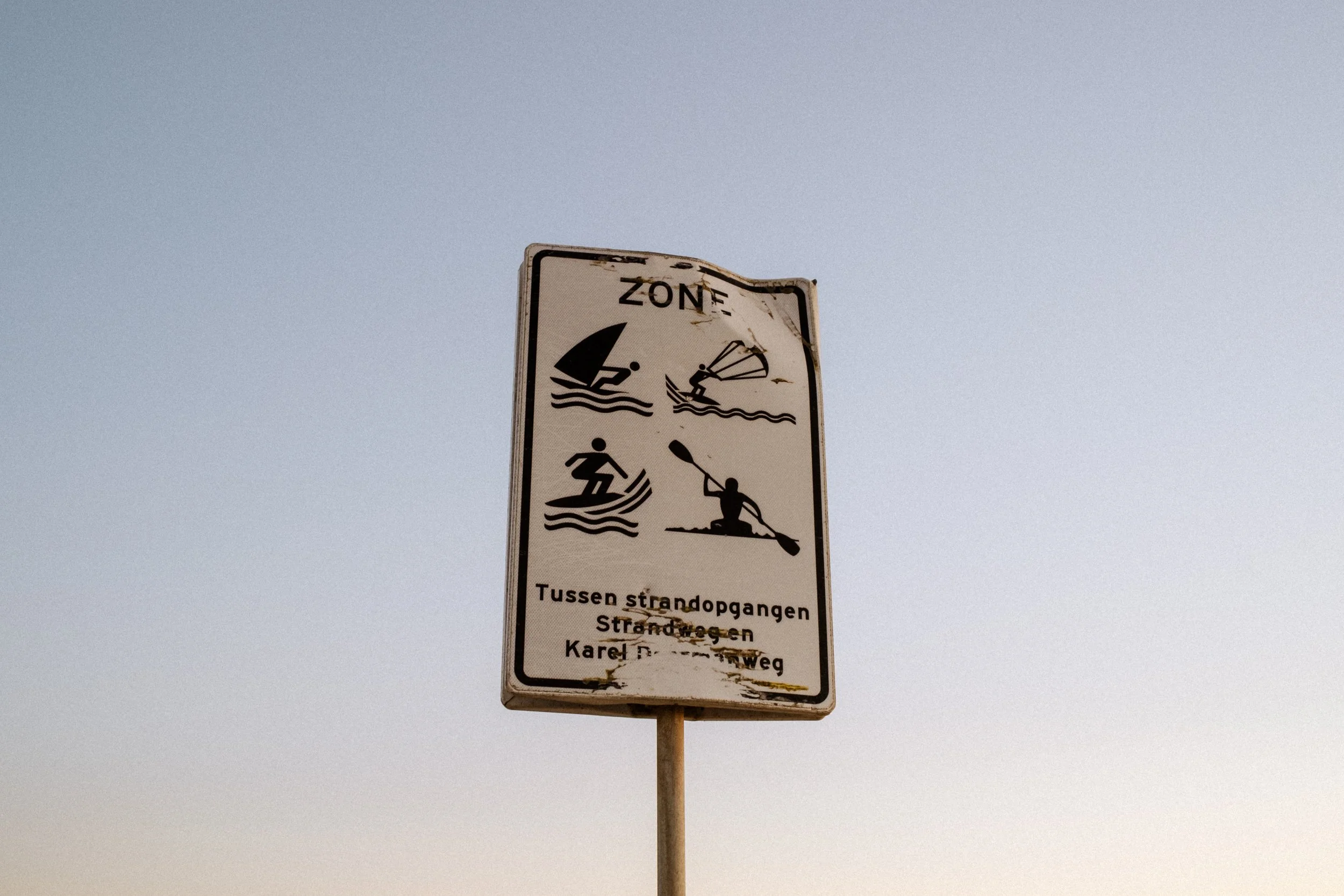
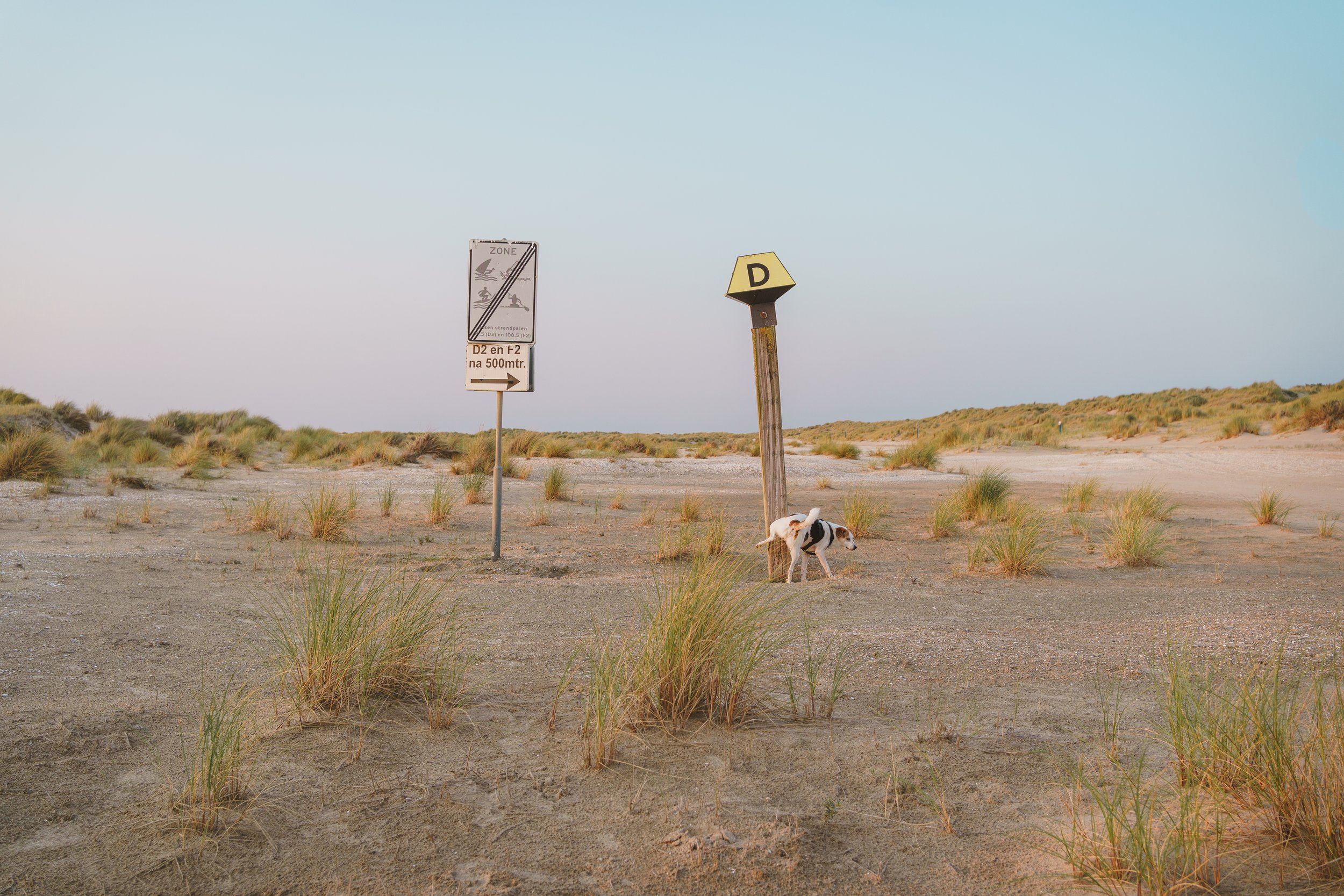
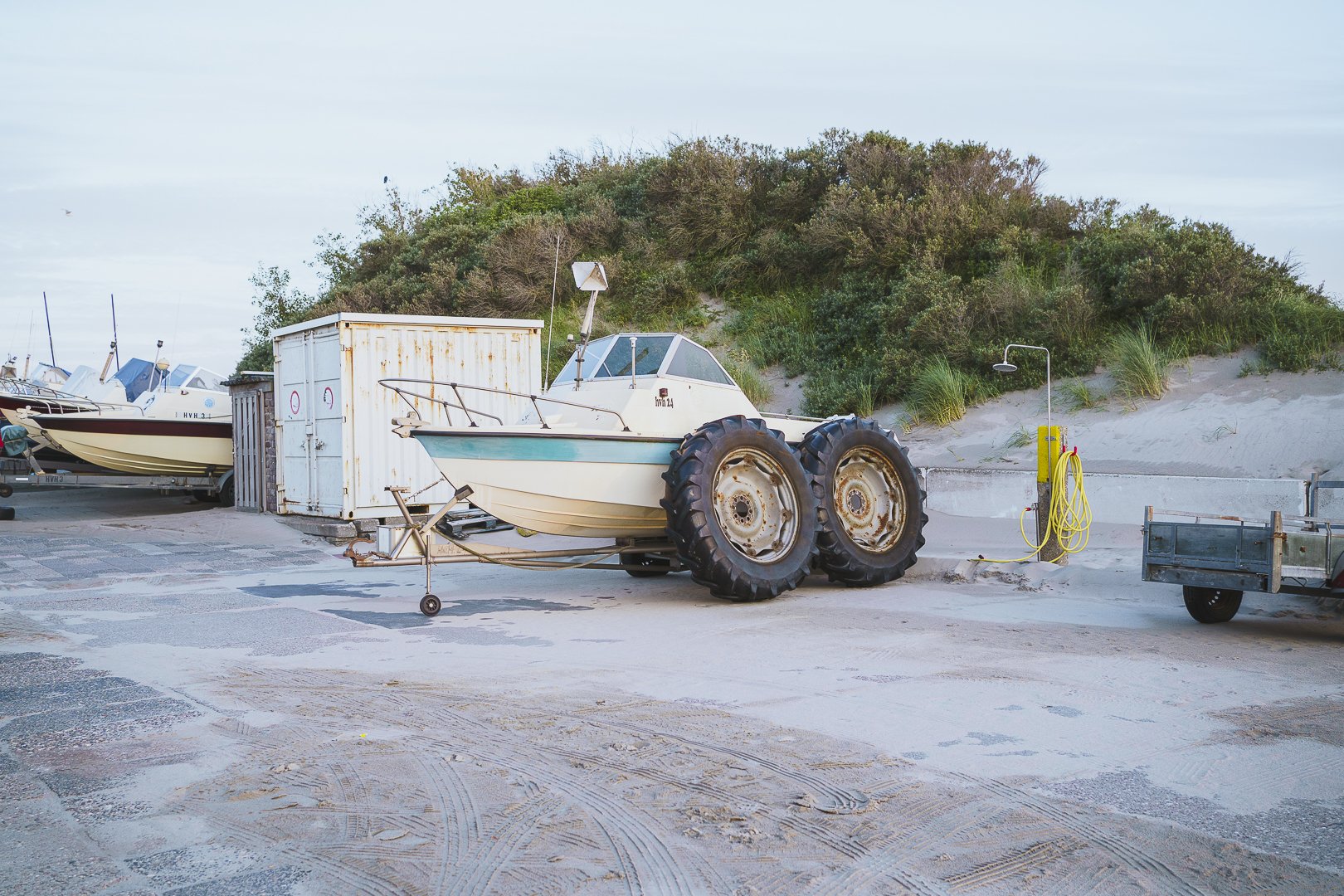
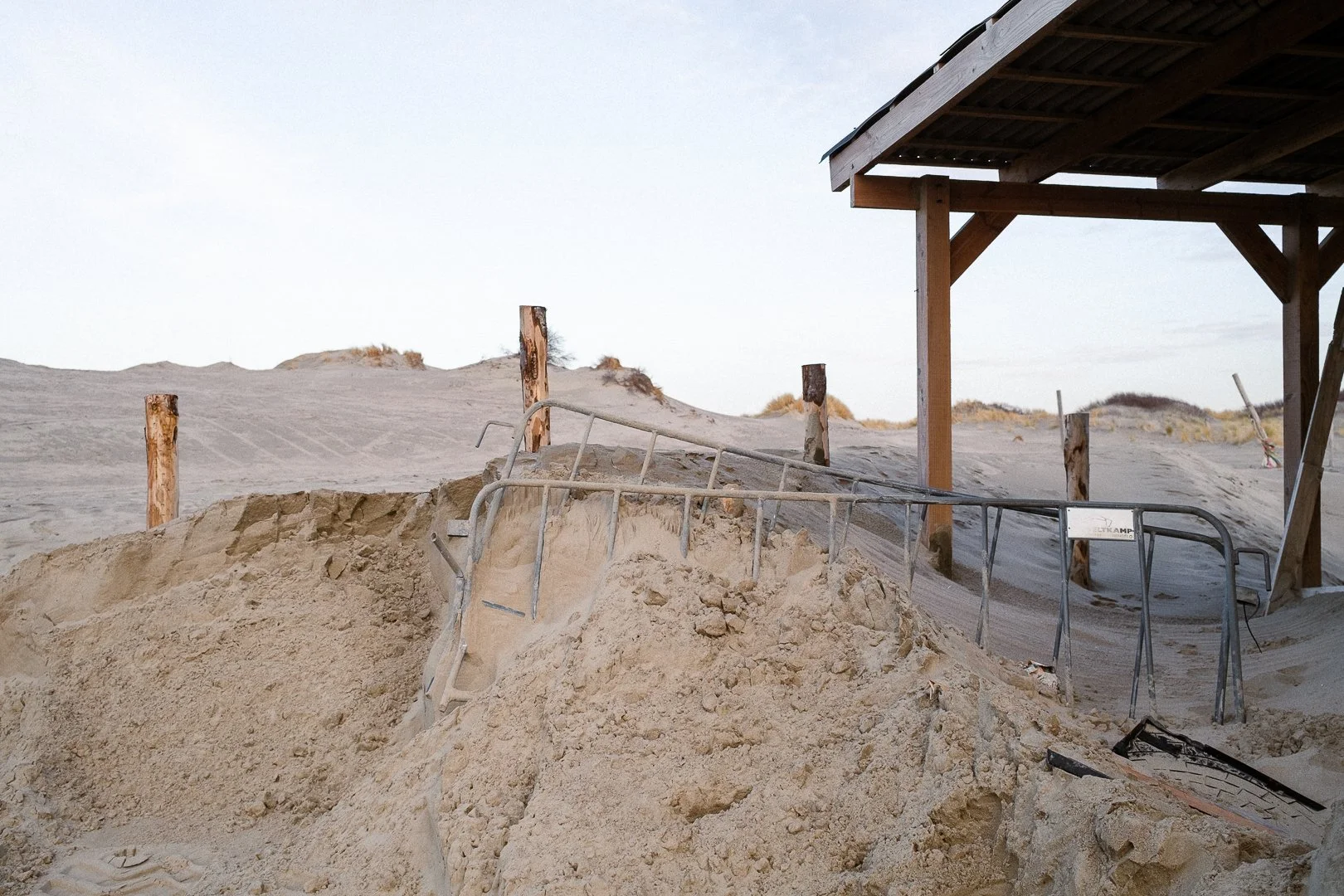
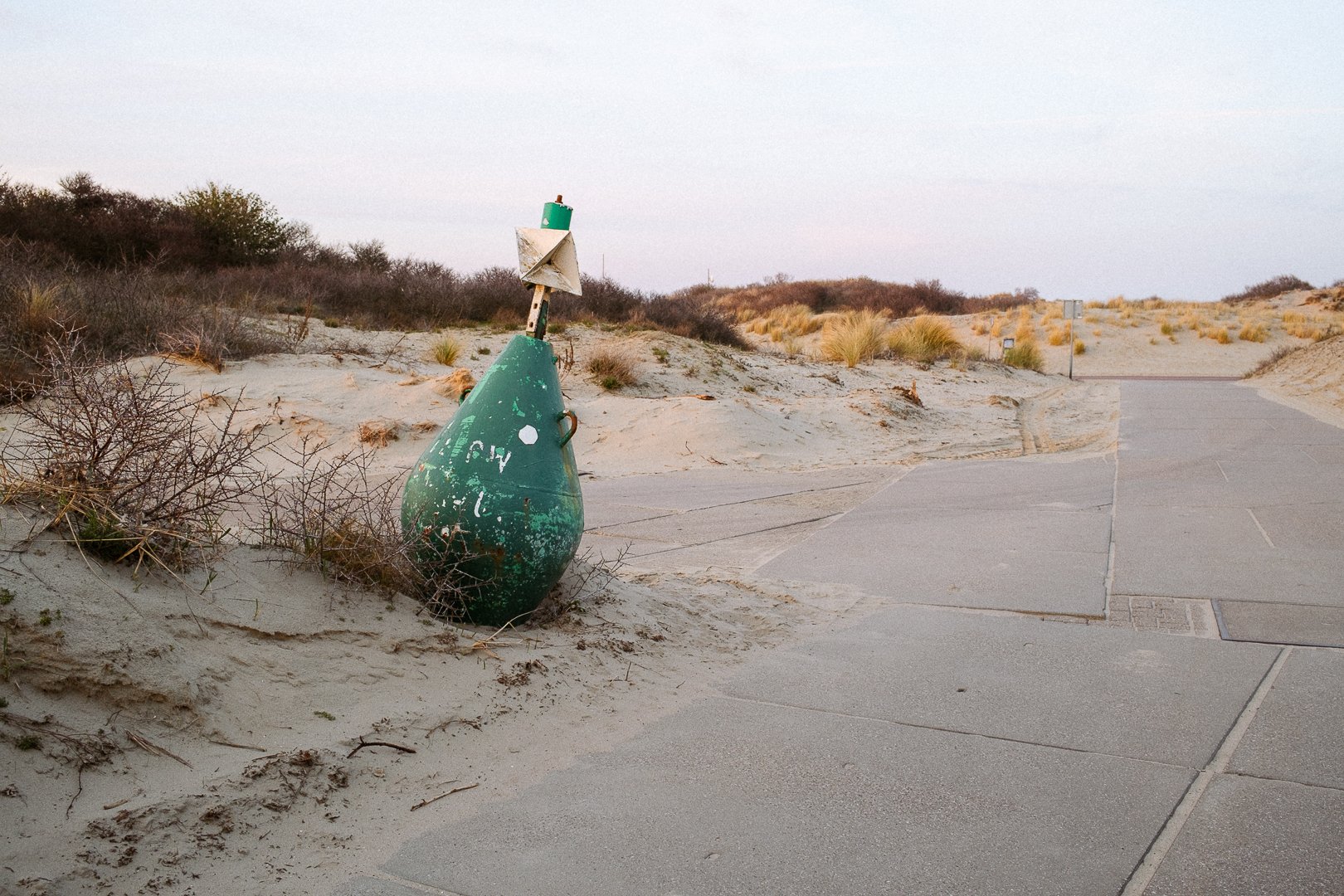
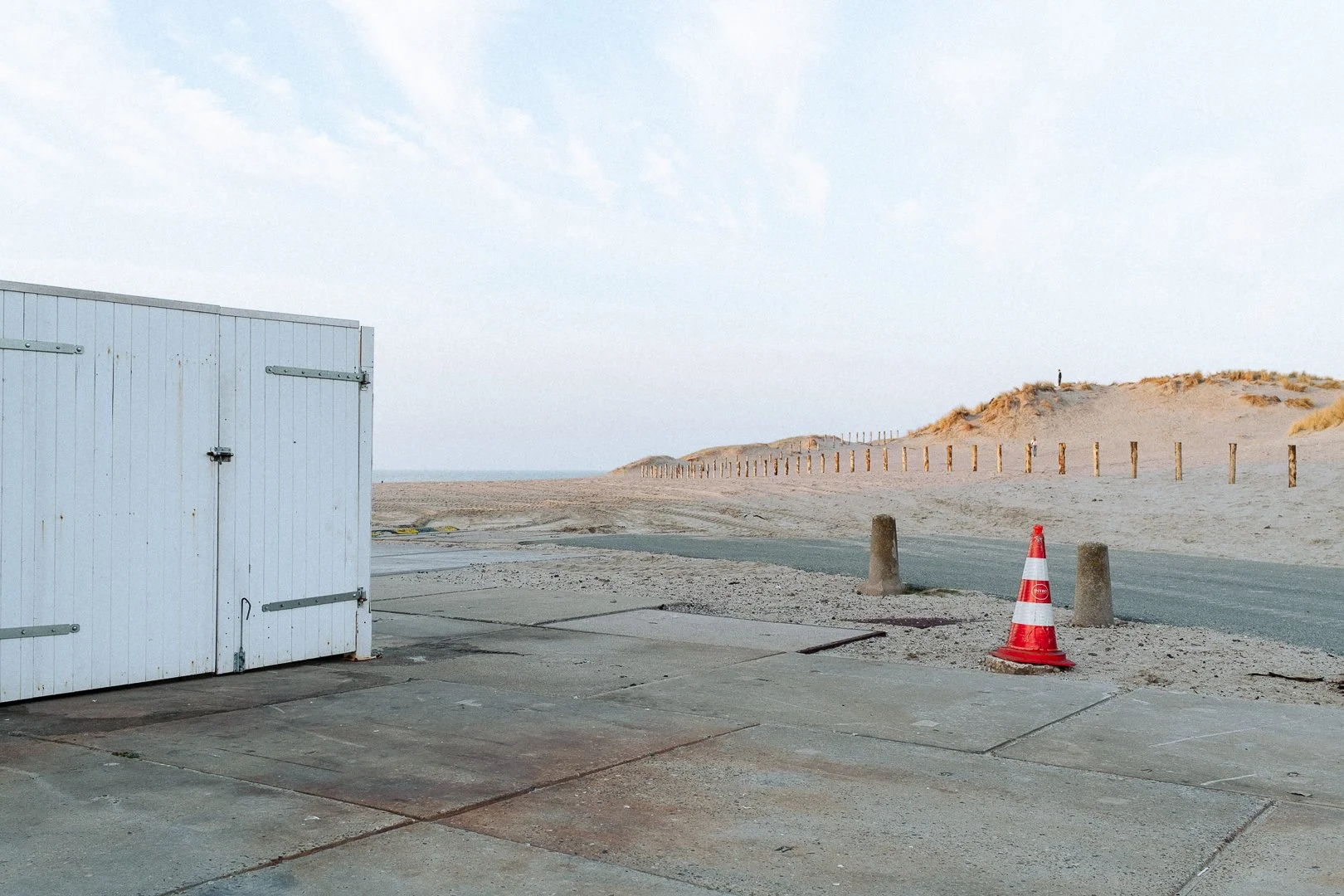
The turning point for me came when I started Shore Goods project - a personal exploration of a stretch of coastline just fifteen minutes from my home. No spectacular viewpoints and dramatic landscapes. This place, yet beautiful, has not much from famous Instagram hotspots. Actually, at first glance, Dutch beaches can feel repetitive.
Over time, an attempt to document life on the coast evolved into the long-term project.
Through it, I learned to see and work with what I have around me every day. More importantly, I learned to fully appreciate it.
This altogether is something I never managed to achieve during any of my travels.
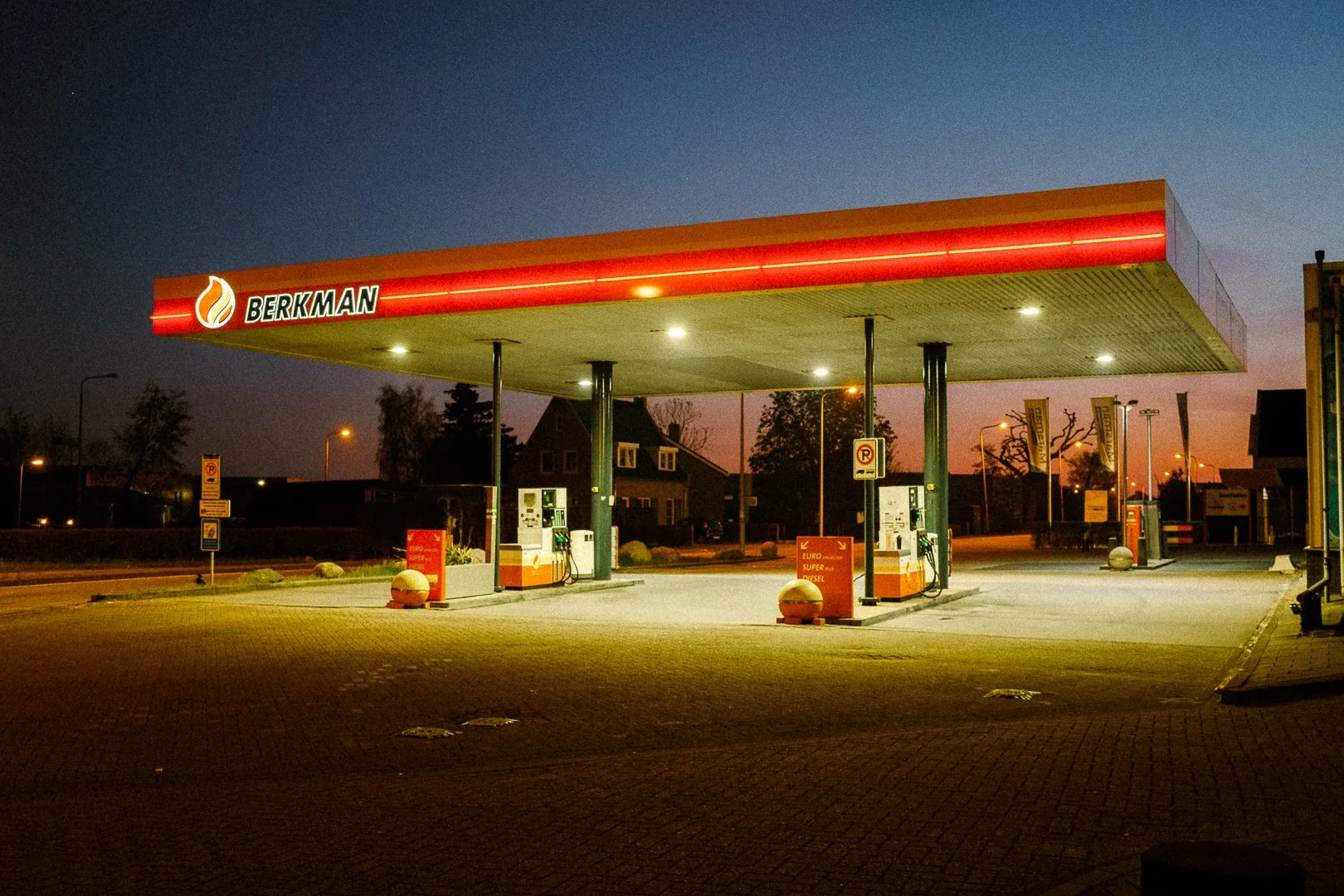
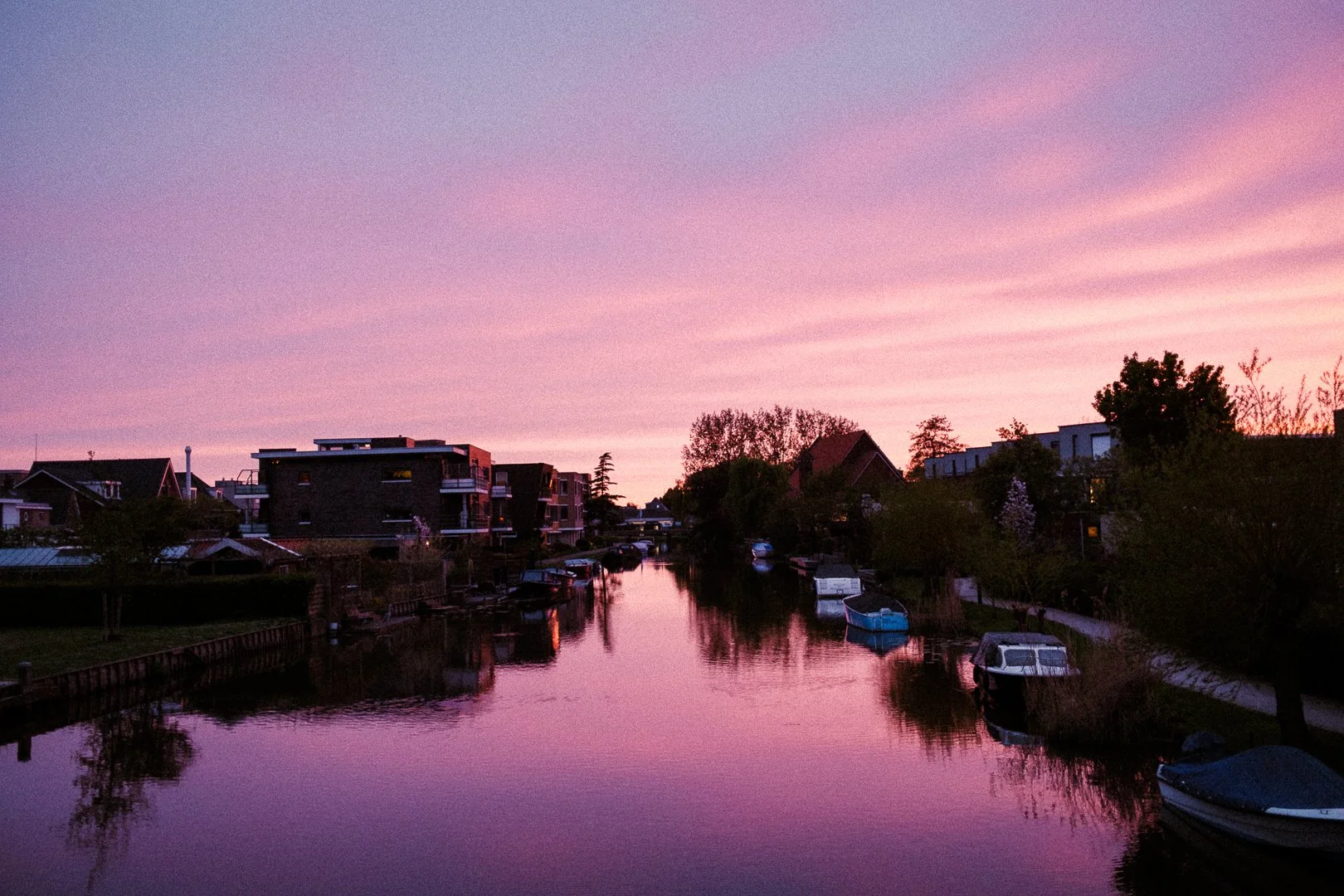
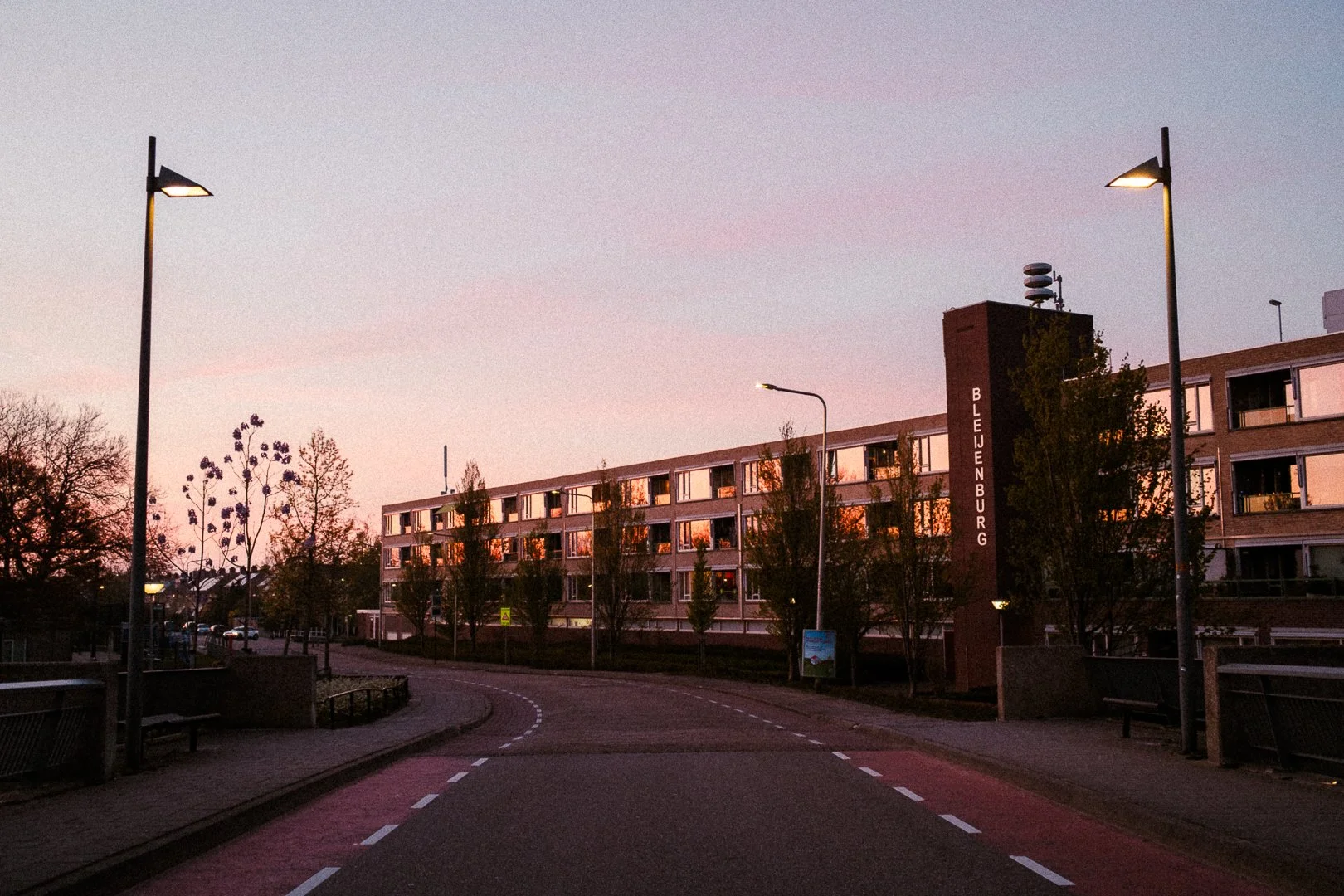
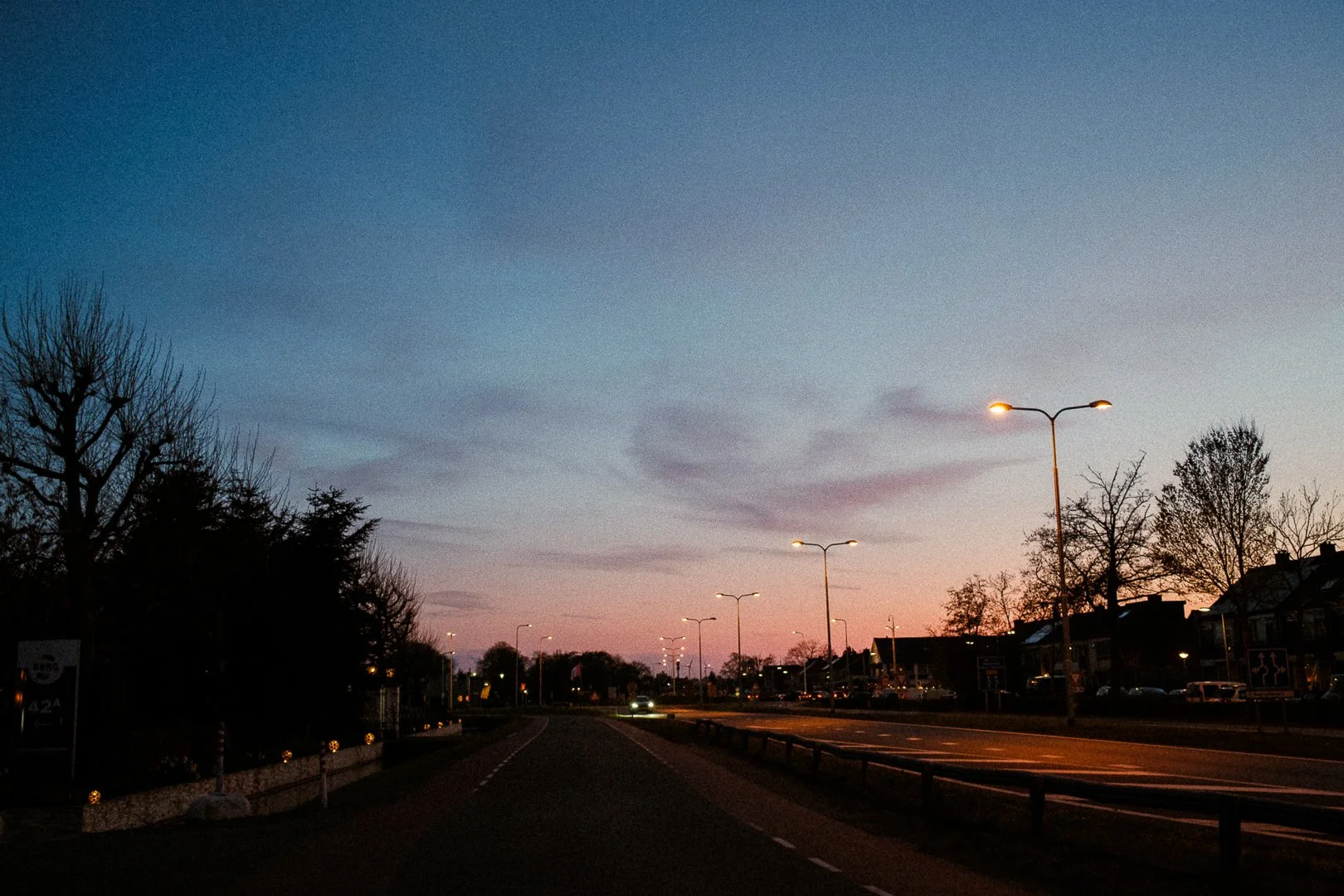
When to Travel and When to Stay Close to Home
Traveling for photography reasons can be incredibly inspiring. New places naturally spark curiosity, pull us out of our routines, and encourage us to pay closer attention to the world around us.
But if you only pick up your camera when you're away from home, it's easy to fall into the belief that good photographs depend on extraordinary locations.
This article isn't about choosing between travel and staying home.
The most rewarding results often come when the two approaches complement each other. Travel can provide fresh energy and new perspectives, but photographing local places is what most often teaches patience, consistency, and the art of seeing with intention.
Your neighborhood will accelerate your growth as a photographer over a long term.
Traveling, even to nearby places, exposes you to different views and inspire fresh ideas. It challenge you as it puts you in the front of different circumstances and scenarios.
Getting away from time to time can be incredibly inspiring, but the photographs that have shaped me the most were usually made much closer to home.
We all learned to appreciate simple things during the pandemic. A sunrise or sunset outside the city, a walk or a bike ride around the neighborhood, two weeks of a staycation. It was exciting, right?
But when the world opened up again, it turned out that what once felt special - because it was all we had - suddenly wasn't enough anymore.
I wasn’t different. The reopening of airports and borders triggered an immediate wave of travel hunger and execution of long-postponed plans. Once a camera became part of those trips, my calendar quickly filled with all kinds of trips.
After some time, I started questioning whether those choices were actually serving me. In fact, travel has never contributed as much to my growth as frequent, intentional photo walks around my seemingly ordinary corner of the world.
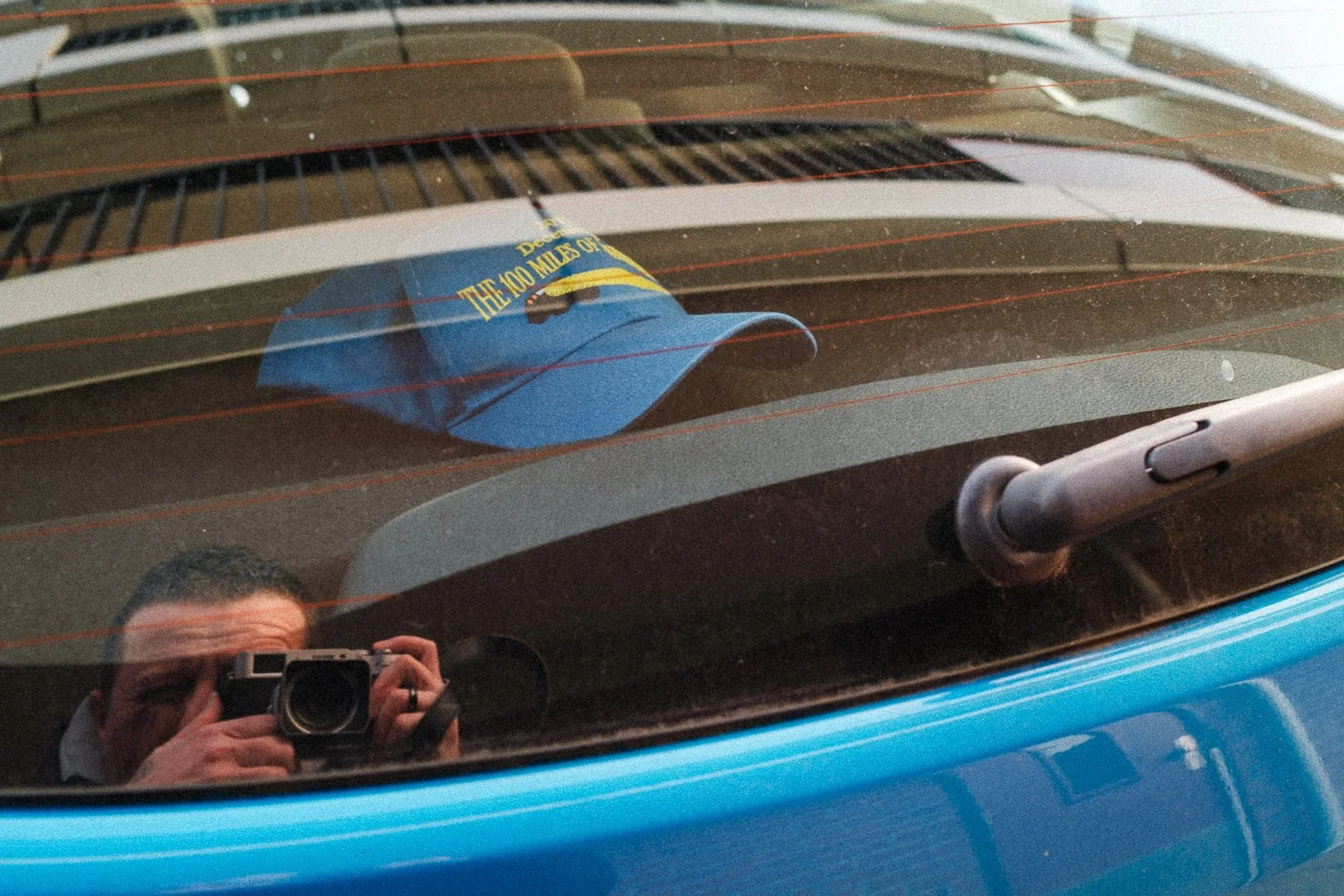
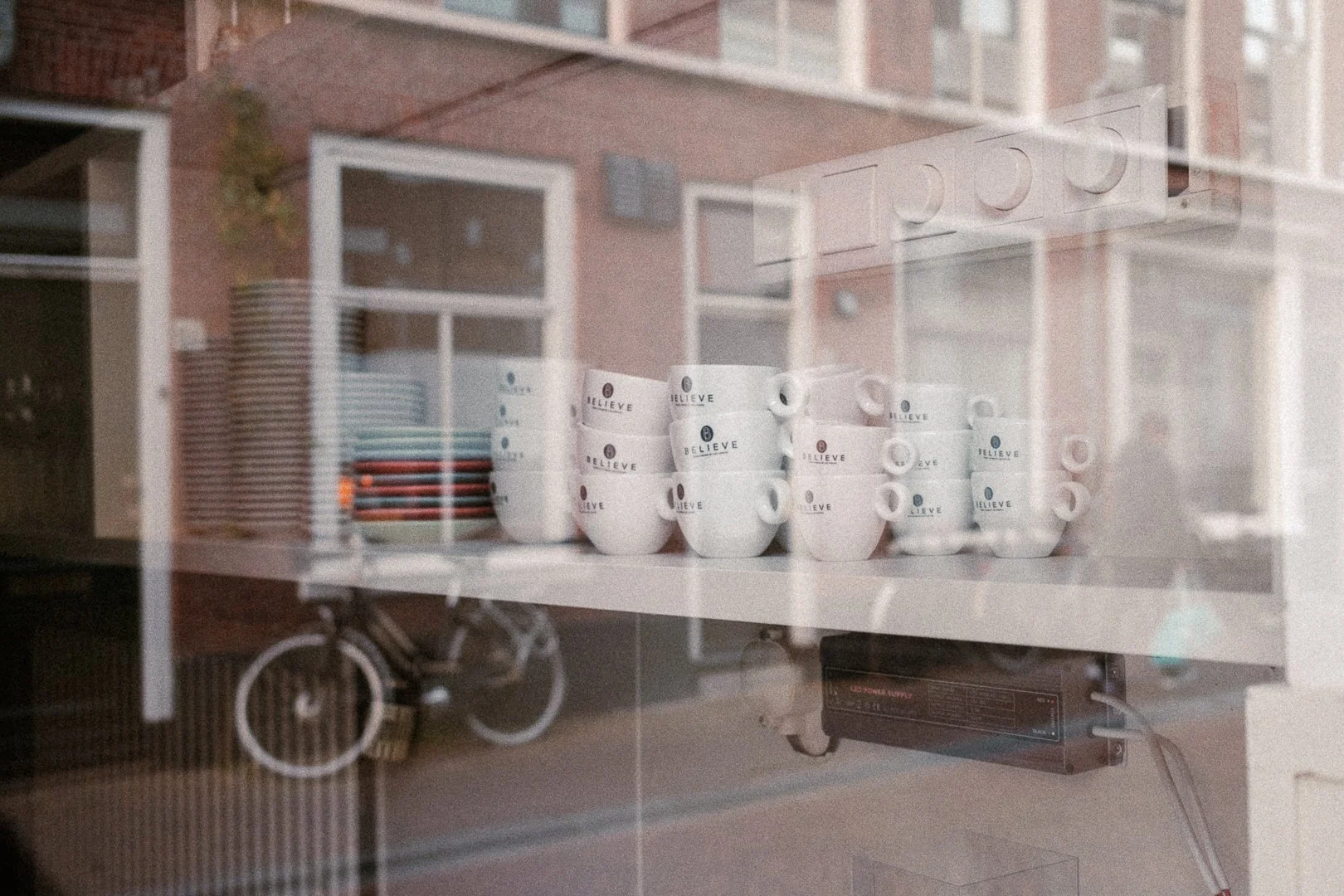
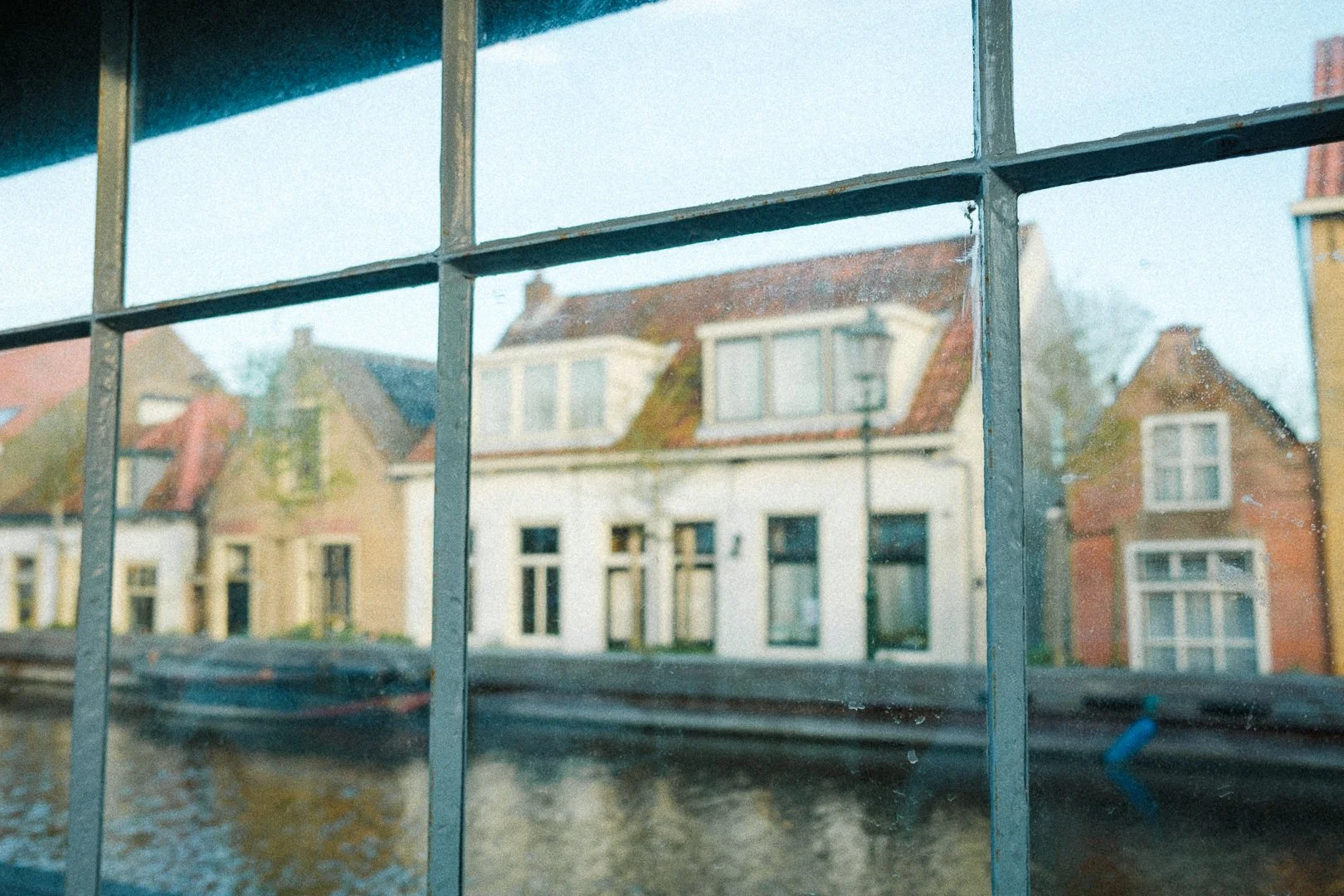
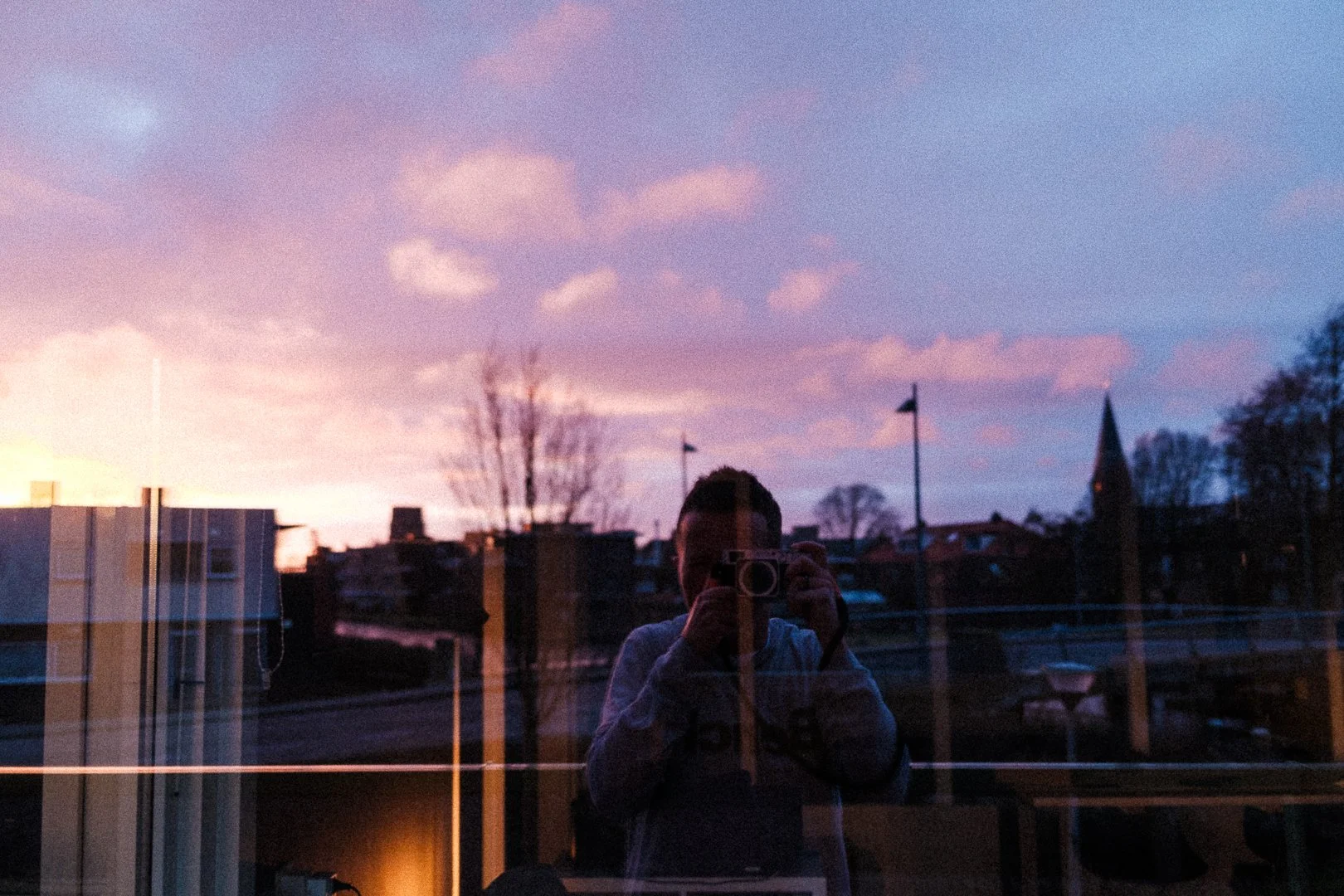
Especially the challenge I took on last year: one photo a day.
The one photo a day challenge
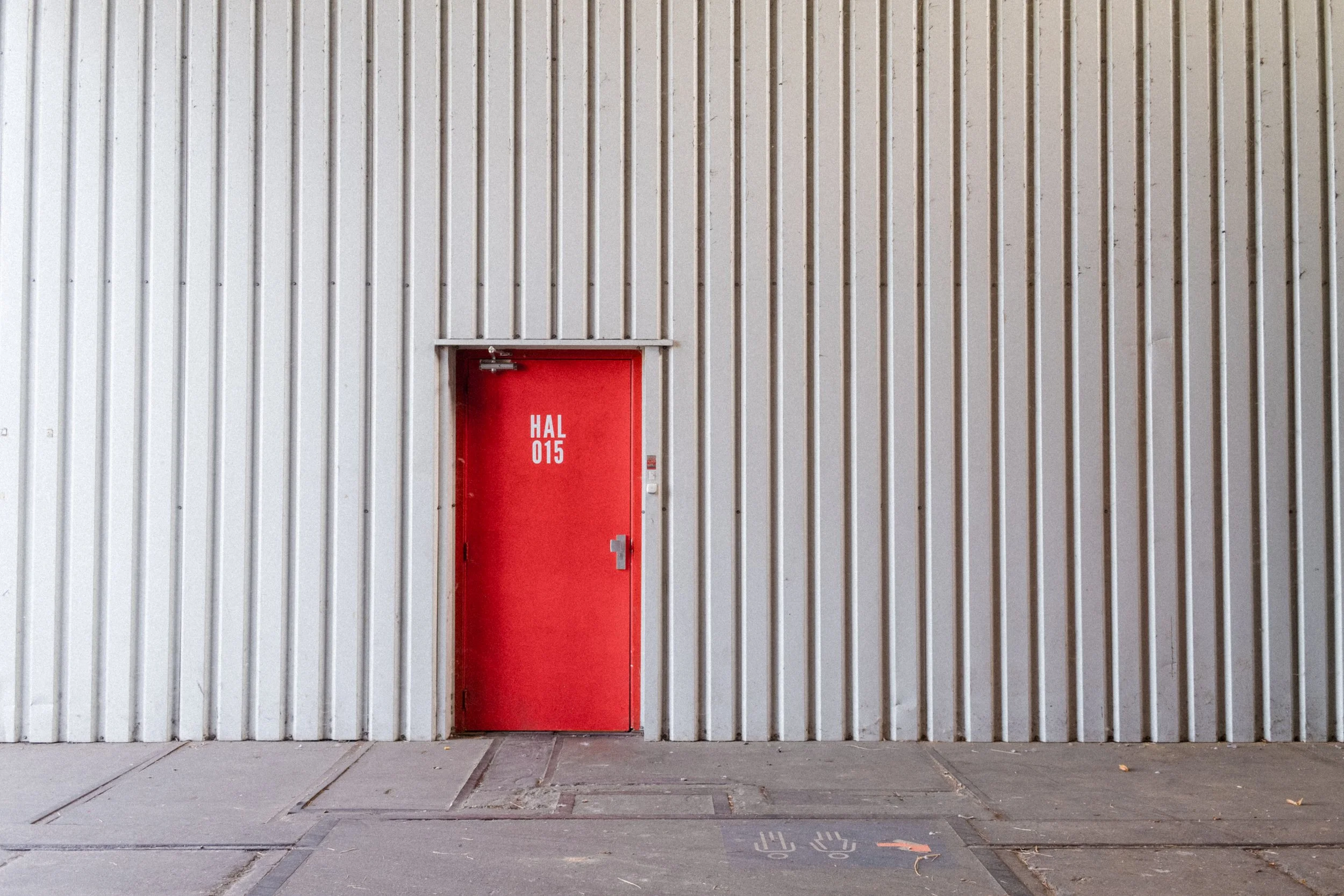
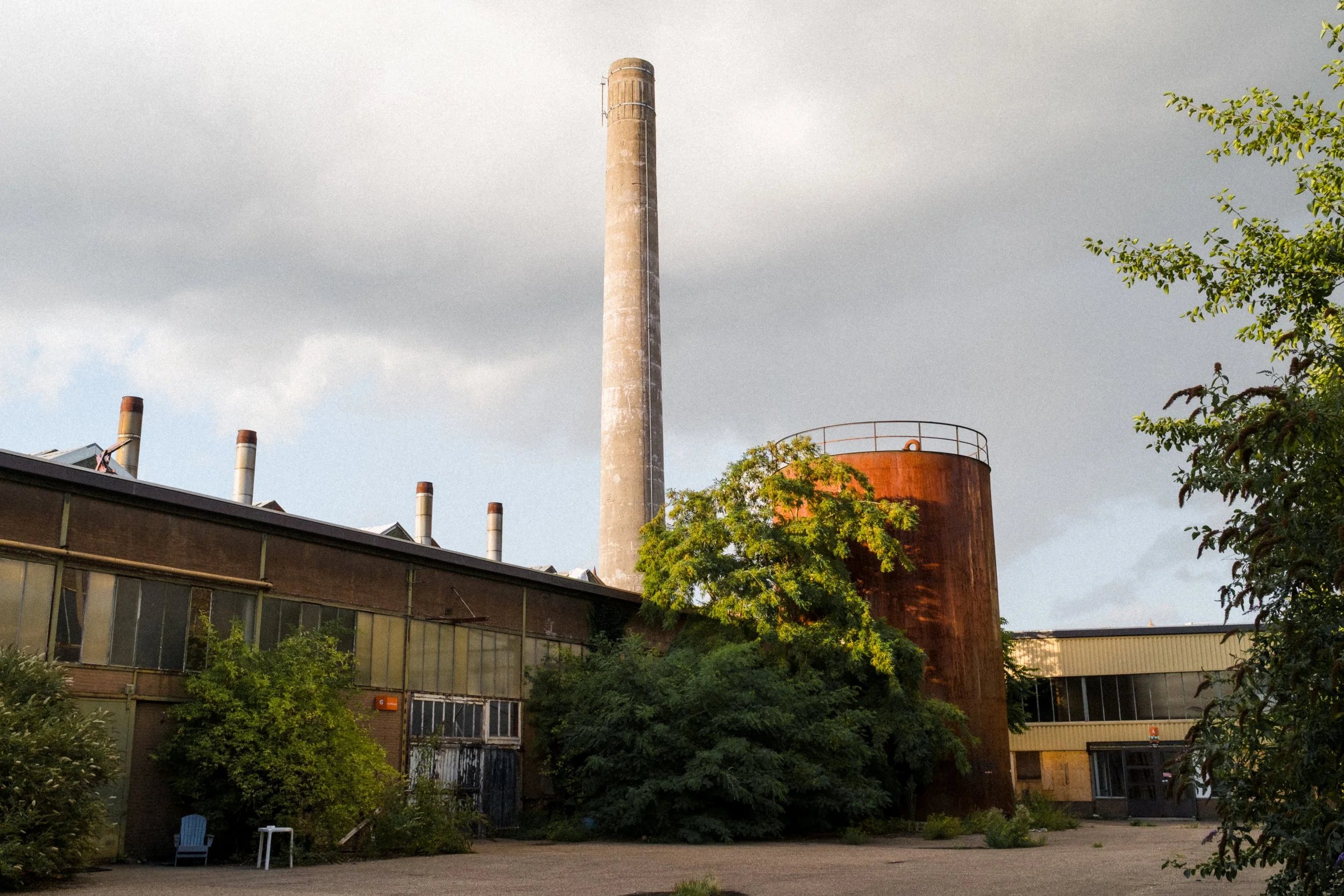
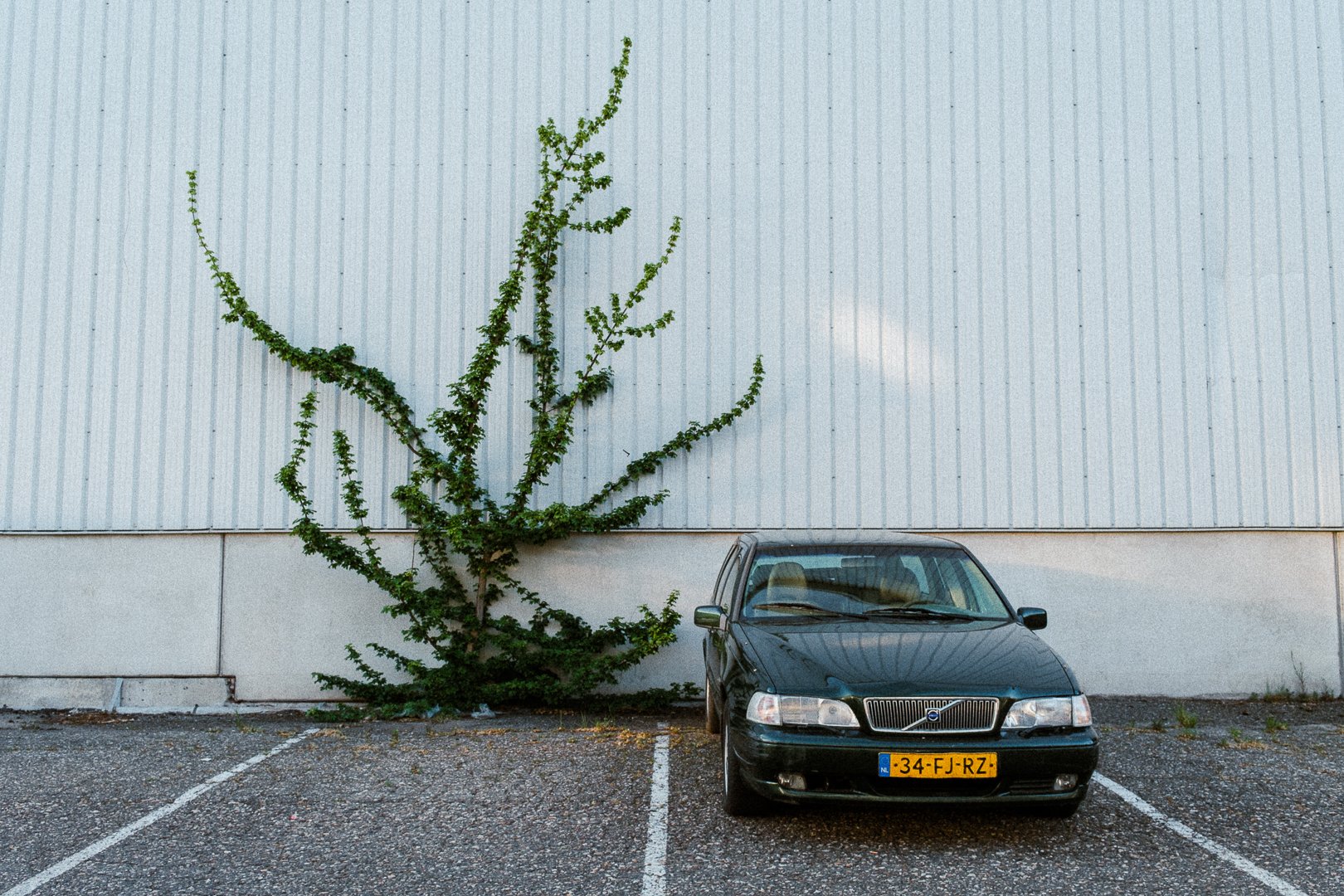
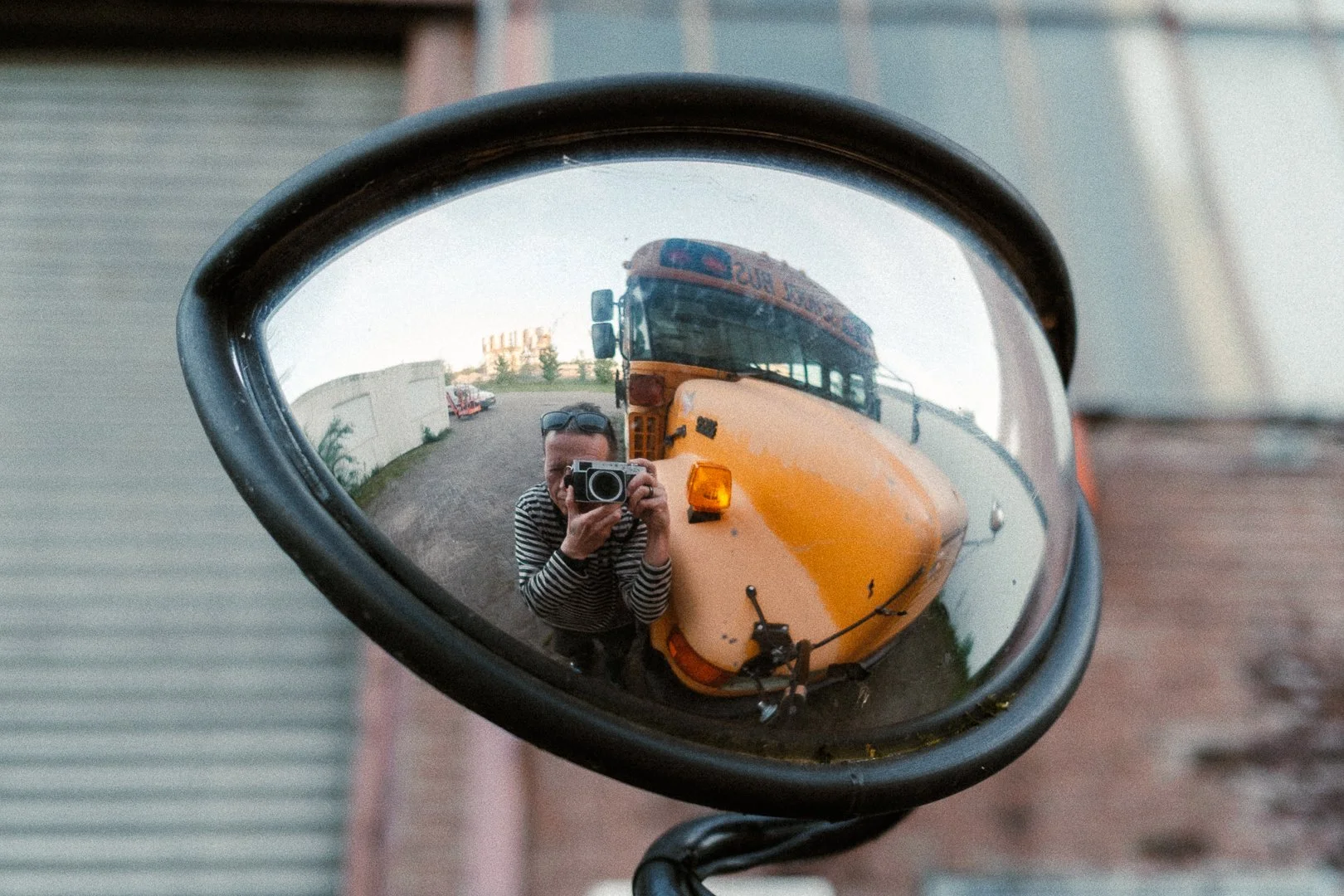
Regularly photographing my everyday life, the reality of the small town where I live (which isn't even technically a town), and the surrounding area, changed my photography forever.
It also changed my relationship with the place I call home.
I'll say it again, even if it sounds cliché: treating my surroundings as something important and irreplaceable brought a renewed sense of freshness and gratitude into my life.
In a world where unpredictable things happen all the time, the simple fact that you can walk out of your front door and explore your surroundings takes on a different meaning once you realize that this freedom should never be taken for granted.
Suddenly, the same streets begin to feel different.
Every time I leave the house with a camera, that feeling returns. Every time I come home with a few keepers, it becomes even stronger.
Ordinary places can become a source of visual excitement, too.
All those walks through places I know by heart have become more than an exercise in noticing and appreciating. They have become a way of understanding the reality I live in and move through every day. Every press of the shutter gives new meaning to the most ordinary details.
How to Find Your Subject Matter in Your Neighborhood
One of the biggest challenges in this approach to photography isn't finding an interesting location - it's finding a subject.
When we walk past the same streets, buildings, and landscapes every day, it's easy to dismiss them as too ordinary to deserve our attention. Yet it's often in these familiar places that the most compelling stories and the most personal photographs can be found.
A good starting point is to ask yourself what naturally draws your attention.
For some photographers, it's people and their daily routines. For others, it's architecture, nature, light, changing weather, or the small details that most people overlook.
You don't need to photograph everything.
In fact, the more narrowly you define your interests, the easier it becomes to build cohesive bodies of work and develop your own style.
An interesting subject doesn't have to be spectacular.
Anything that catches your attention, when lit and framed well, can tell a unique and intriguing story.
As long you find it interesting yourself.
A local forest, a residential neighborhood, a beach, your daily commute, or even your own home can provide enough material for months (or years) of photography.
The best projects often emerge not from searching for extraordinary places, but from returning to the same locations over and over again and observing how they change with time, weather, and the seasons.
If you're looking for more specific ideas, I've put together a separate article on where to find photography subjects close to home.
There you'll find ideas that work equally well for a short walk with a camera or as the foundation for long-term photographic projects and series.
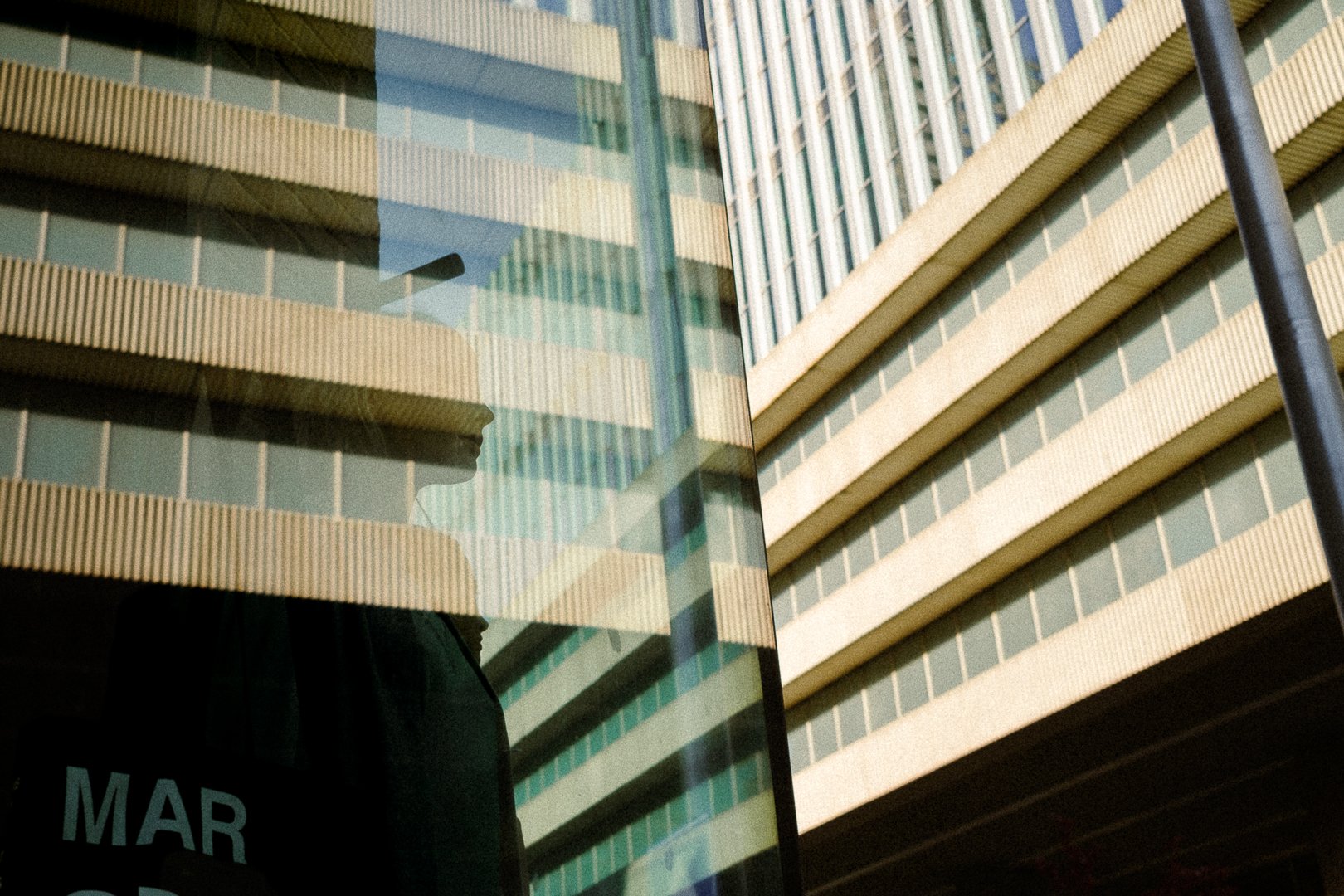
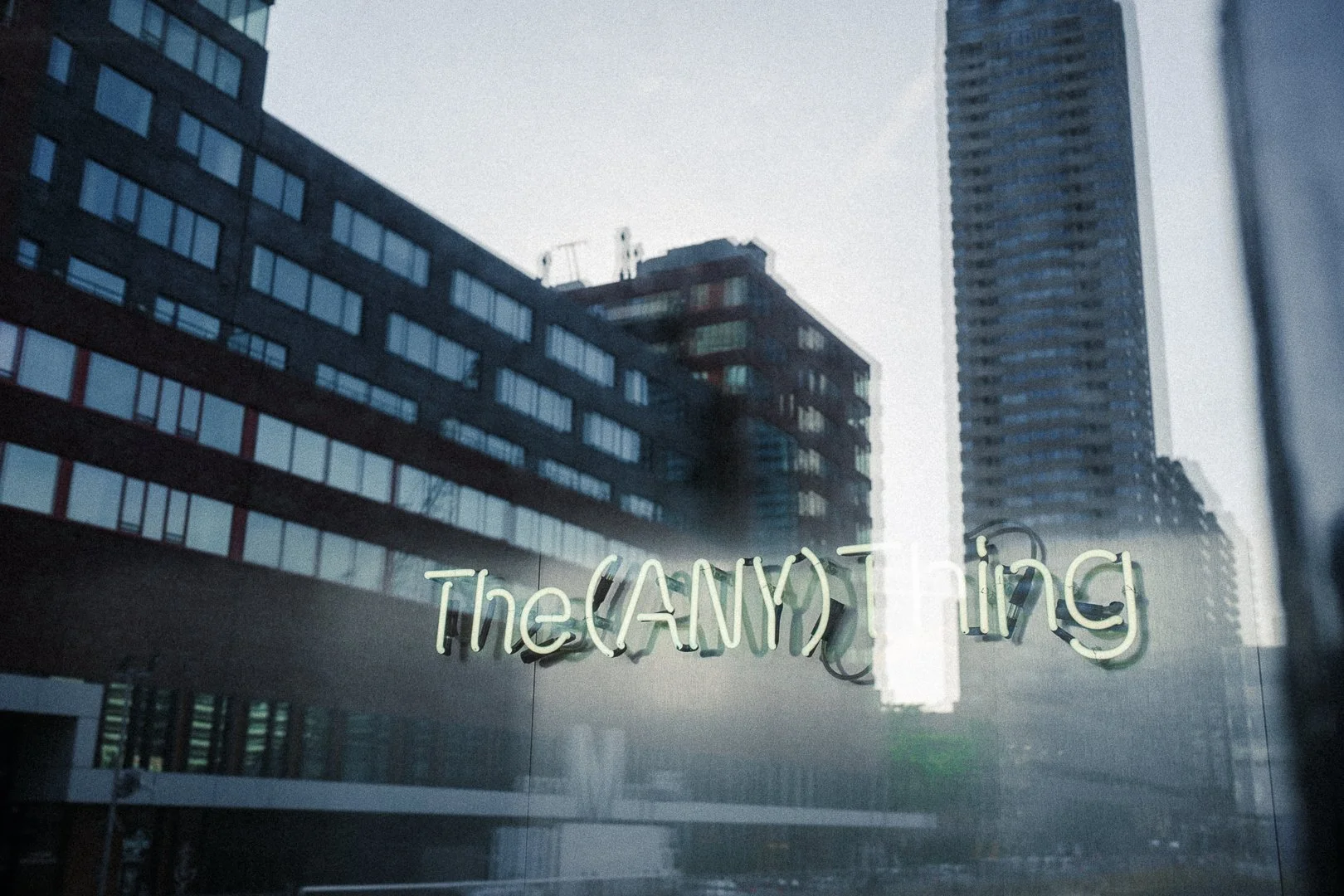

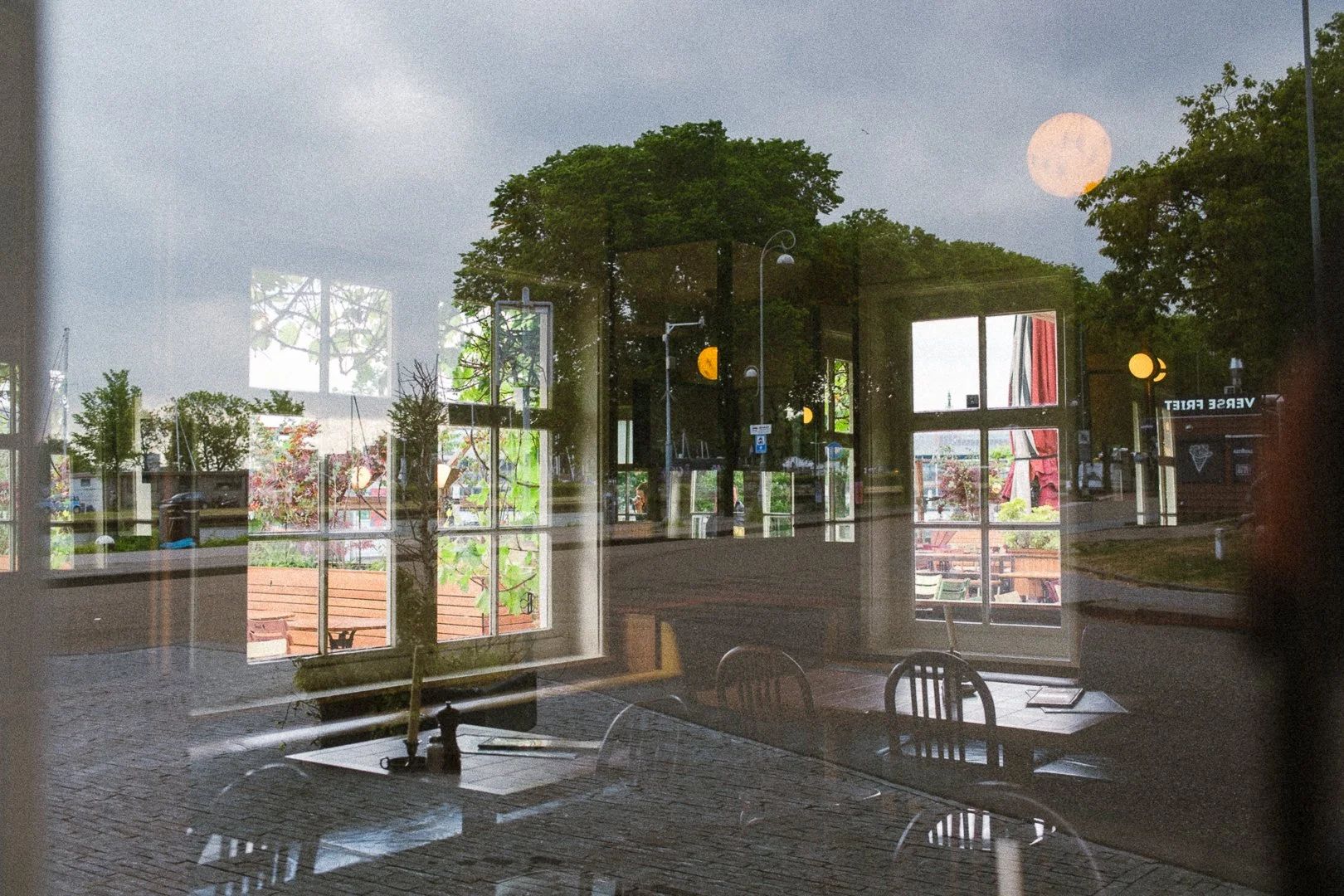
How to Avoid Getting Bored When Photographing Familiar Places
One of the most common reasons photographers lose interest in their local area is the belief that they've already seen everything there is to see.
Paradoxically, the solution is rarely to look for new places. More often, it's about finding new subjects within the same places.
Another effective approach is to impose limitations on yourself.
Photographing a single location for a month, using only one specific piece of gear, or focusing on one specific subject forces you to observe more carefully and approach familiar spaces with greater creativity.
As I wrote in my article on how creative constraints can improve your photography, limitations are often the catalyst for new ideas rather than obstacles to them.
Another way to keep this approach engaging is to think about it from a long-term perspective.
My Shore Goods project didn't grow because I constantly discovered new locations. Quite the opposite. For years, I've been returning to the same beaches and the same stretches of coastline.
Those repeated visits allowed me to notice things I would never have seen during a single outing.
The light, the weather, the changing seasons, and even my own emotions at different stages of life continually altered the way I experience those landscapes. The landscapes themselves are constantly changing too.
That's why repetition is best viewed not as a limitation, but as a tool.
Every walk becomes an opportunity to notice something new.
Eventually, you stop photographing the place itself and begin photographing your relationship with it. This idea became one of the foundations of my approach to photographing my surroundings and to long-term photographic projects.
How to Turn Photography close to home into a Long-Term Project
If you regularly photograph your local area, sooner or later you'll notice certain themes beginning to repeat themselves.
Perhaps you keep returning to the same place. Maybe you find yourself documenting your neighborhood, or you're drawn to the people connected to a particular place.
These recurring interests are often where a photography project begins.
One of the greatest advantages of photographing close to home is the ability to return to the same subject again and again. You're not limited by a few days of vacation or a brief stay in a new location. You can observe changes unfolding over weeks, months, or even years.
As a result, your photographs begin to tell a deeper story than a single striking image ever could.
In reality, many of the most compelling photography projects are not created during distant travels but within the photographer's immediate surroundings.
Knowing a place allows you to work more intentionally, develop your own visual language, and build a cohesive body of work around a subject that genuinely interests you.
If you'd like to learn how to recognize the potential of a project, give it direction, and stay motivated over the long term, read my guide on how to start your own photography project.
Inside, you'll find practical advice to help you transform a collection of local photographs into a more cohesive, intentional, and meaningful body of work.
Final thoughts
The biggest obstacle in photography is rarely a lack of interesting places. More often, it's the belief that inspiration exists somewhere else.
Travel can be exciting, refreshing, and creatively valuable. But if you rely on new destinations to stay motivated, you're missing one of the most powerful opportunities for growth as a photographer.
Your local surroundings offer something that travel rarely can do: the chance to build a relationship with a place.
By returning to the same streets, beaches, neighborhoods, and landscapes, you begin to notice details that would otherwise remain invisible. You witness subtle changes in light, weather, seasons, and daily life.
Over time, photographing your neighborhood becomes about much more than documenting a place. It becomes a way of understanding your environment, refining your visual language, and creating work that is uniquely your own.
By practicing it you might find that the place you've seen a thousand times still has something new to offer.
Wherever you go, there you are.
Want to start a photography project?
If you’ve been thinking about making a photo project but don’t quite know where to start, I put together a free Project Starter Kit to help you turn a vague idea into something you can actually work on.
It includes a few simple exercises to help you find a starting point, define your idea and get out there and make the first pictures.