
How to start your own photography project
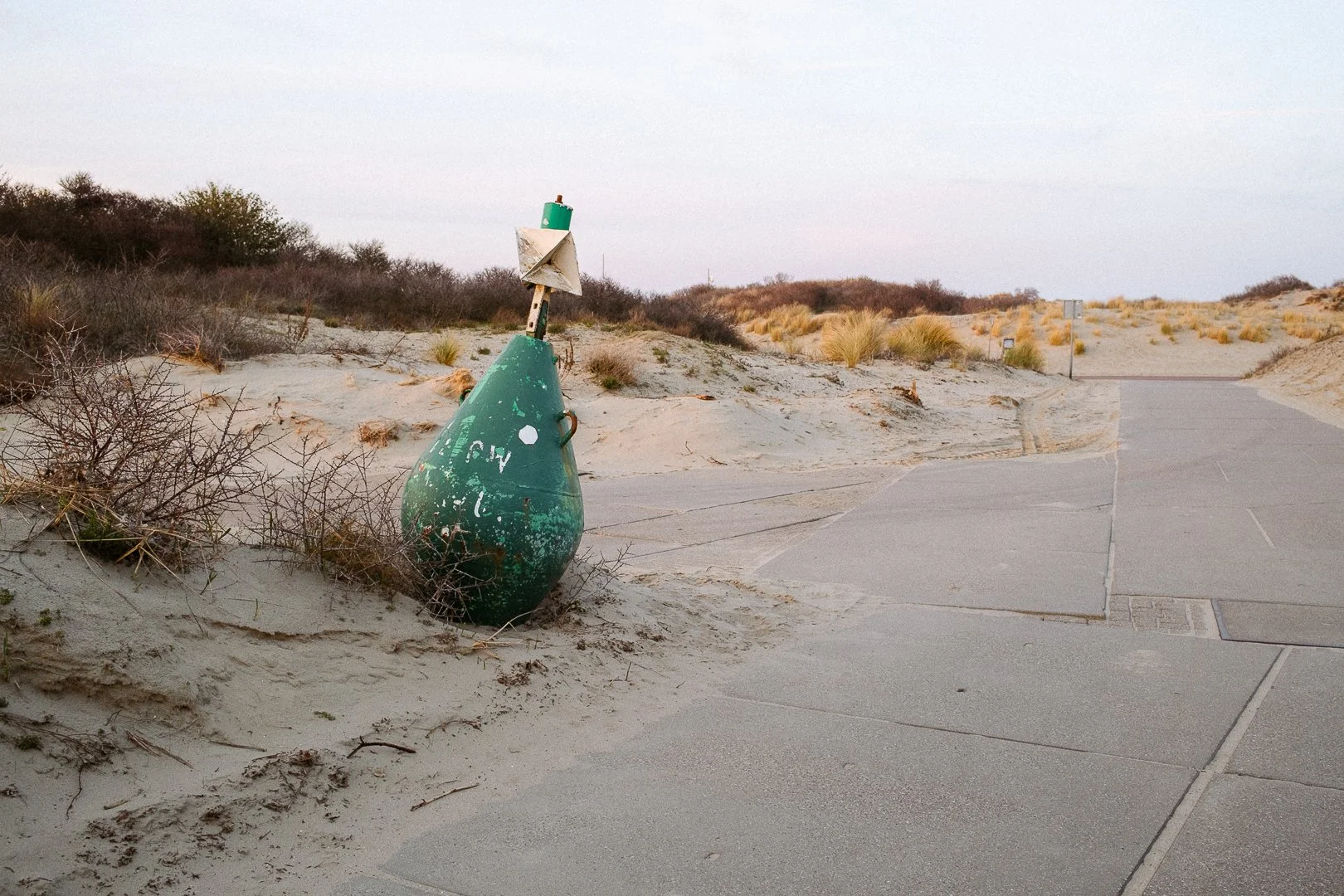
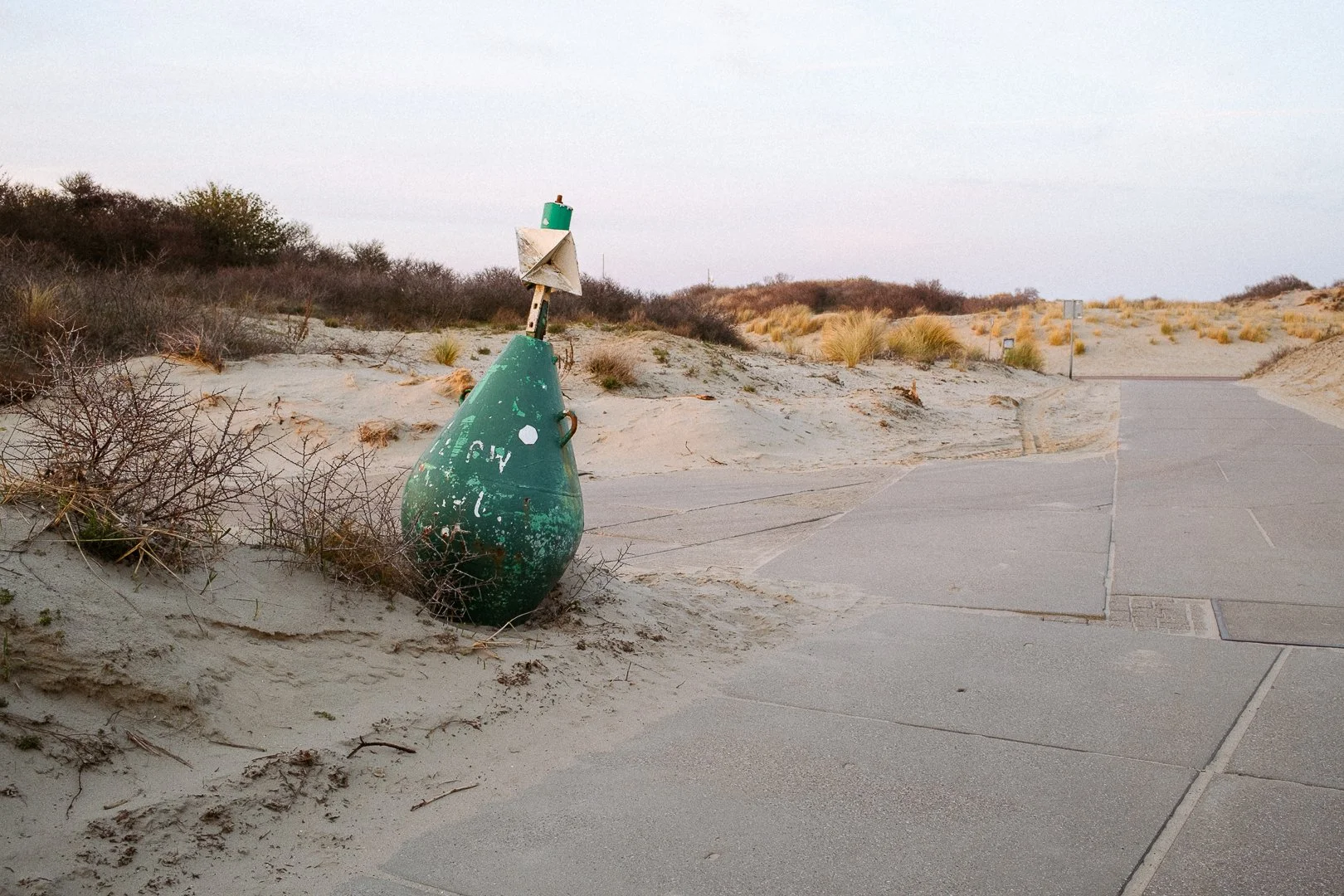
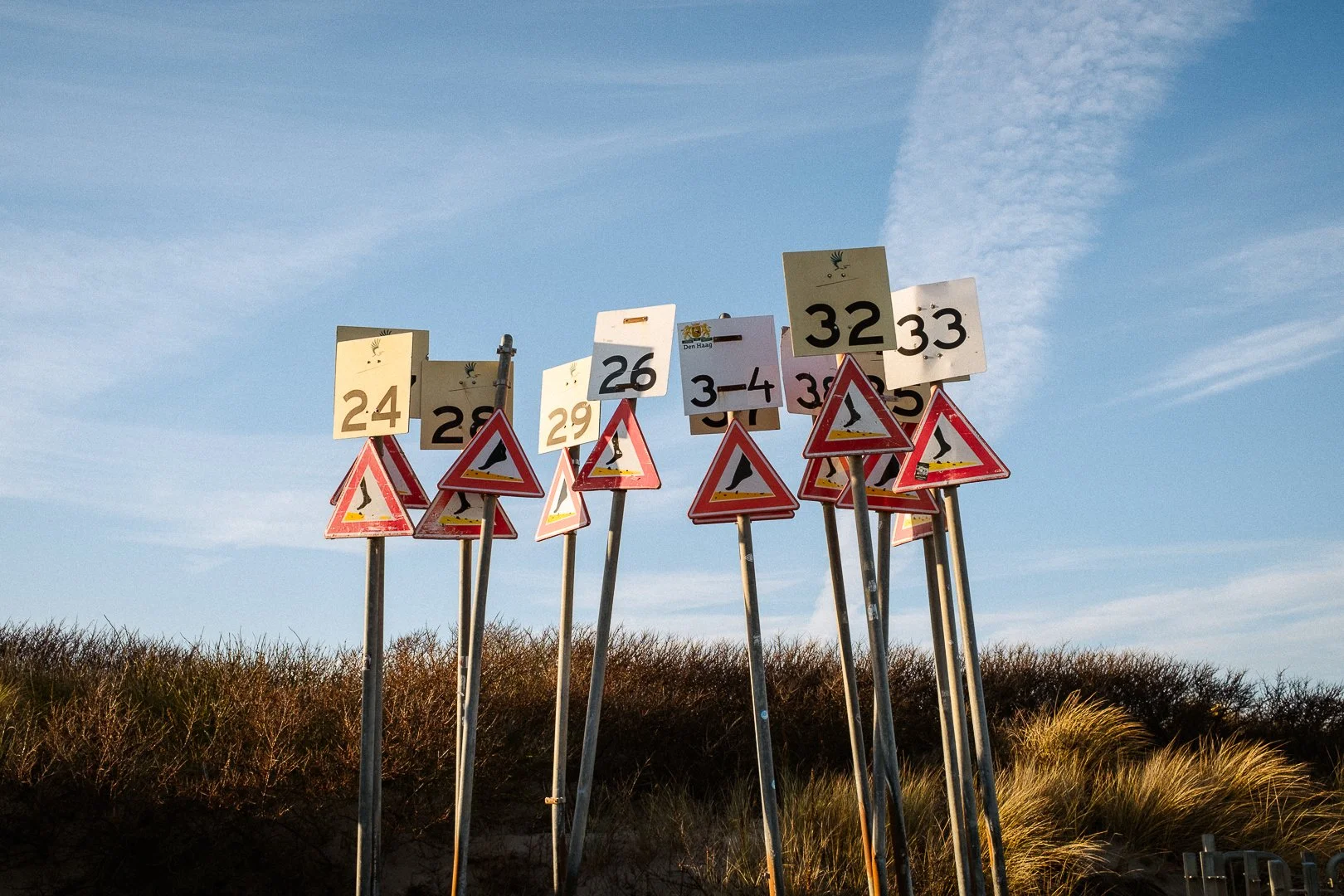
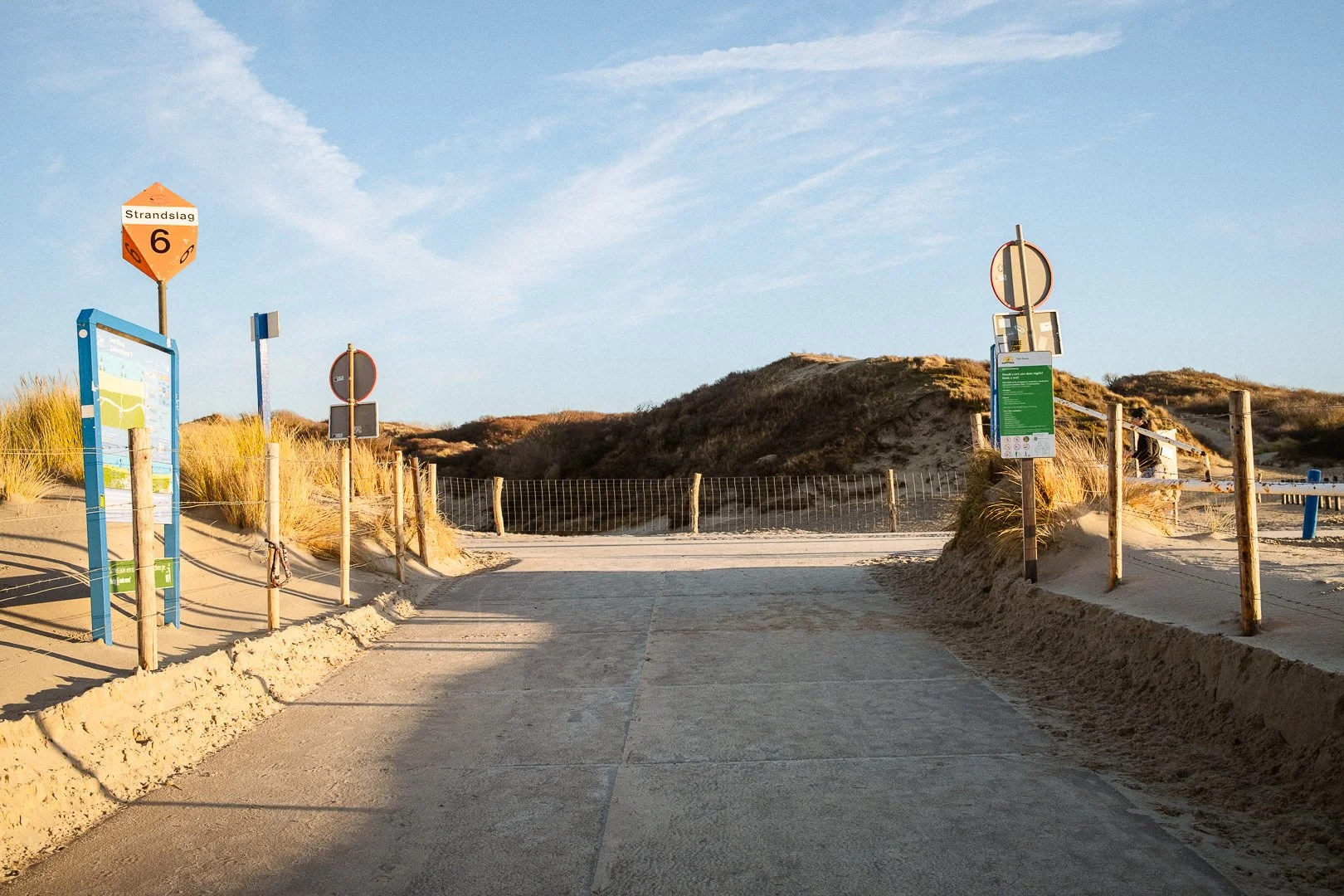
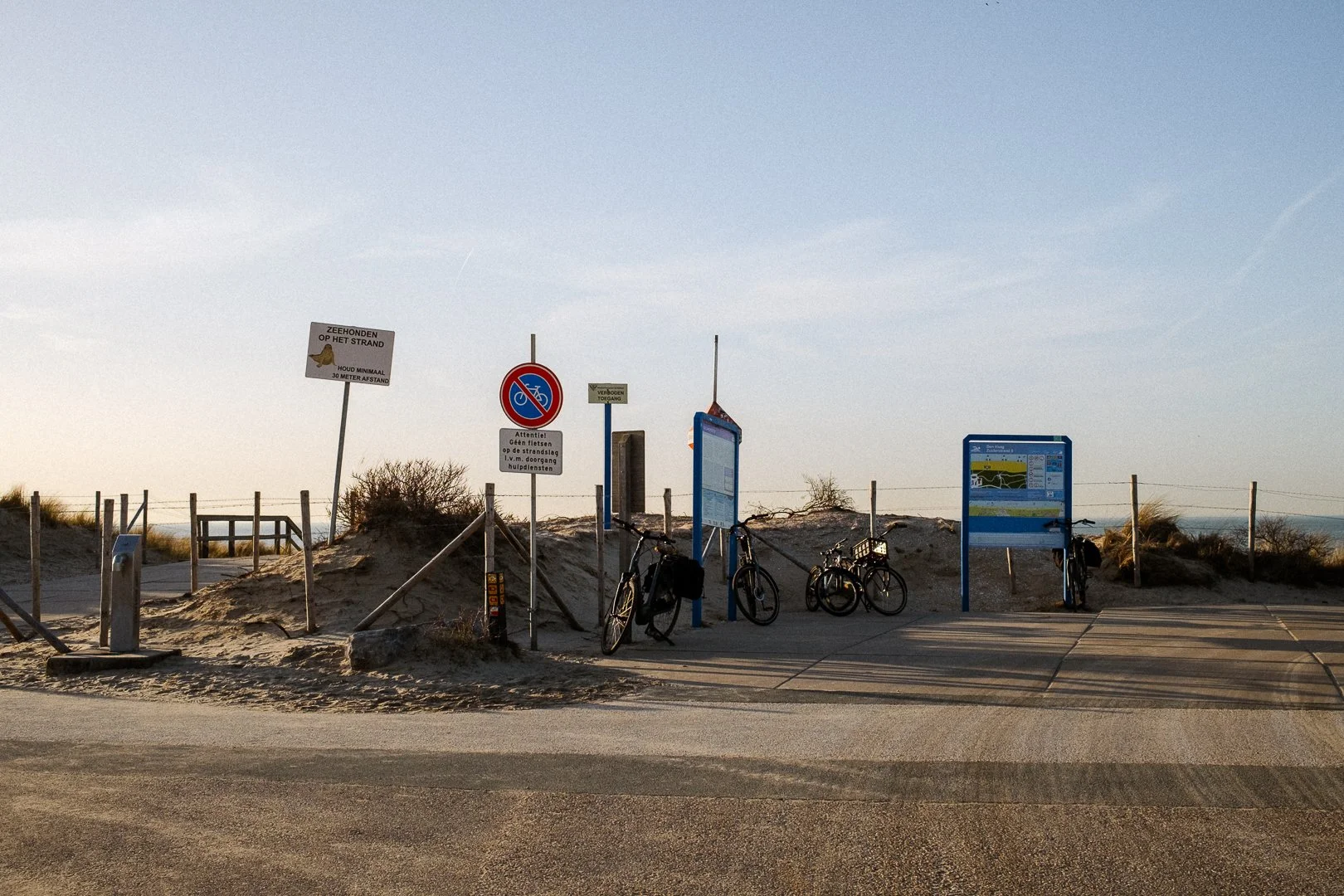
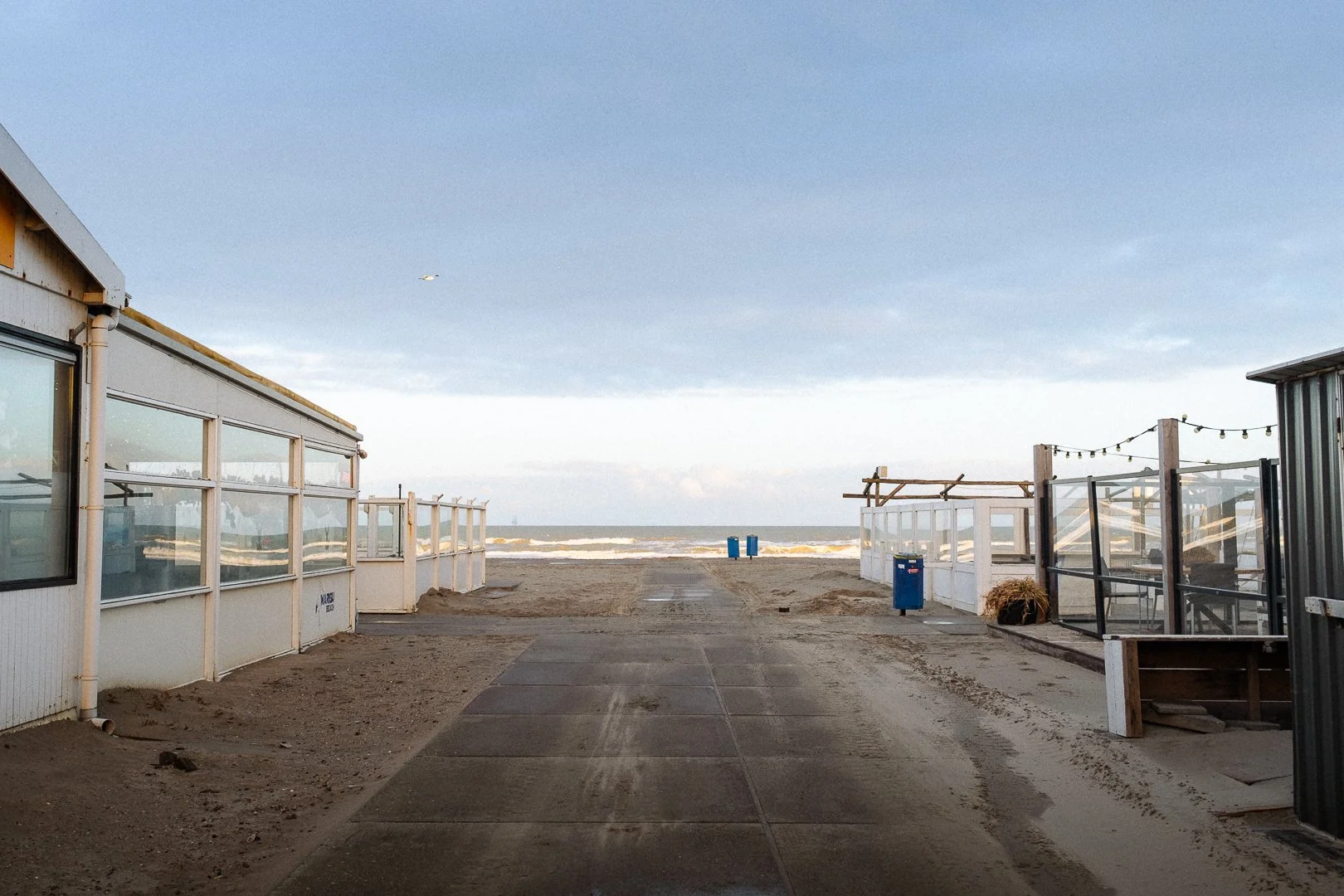
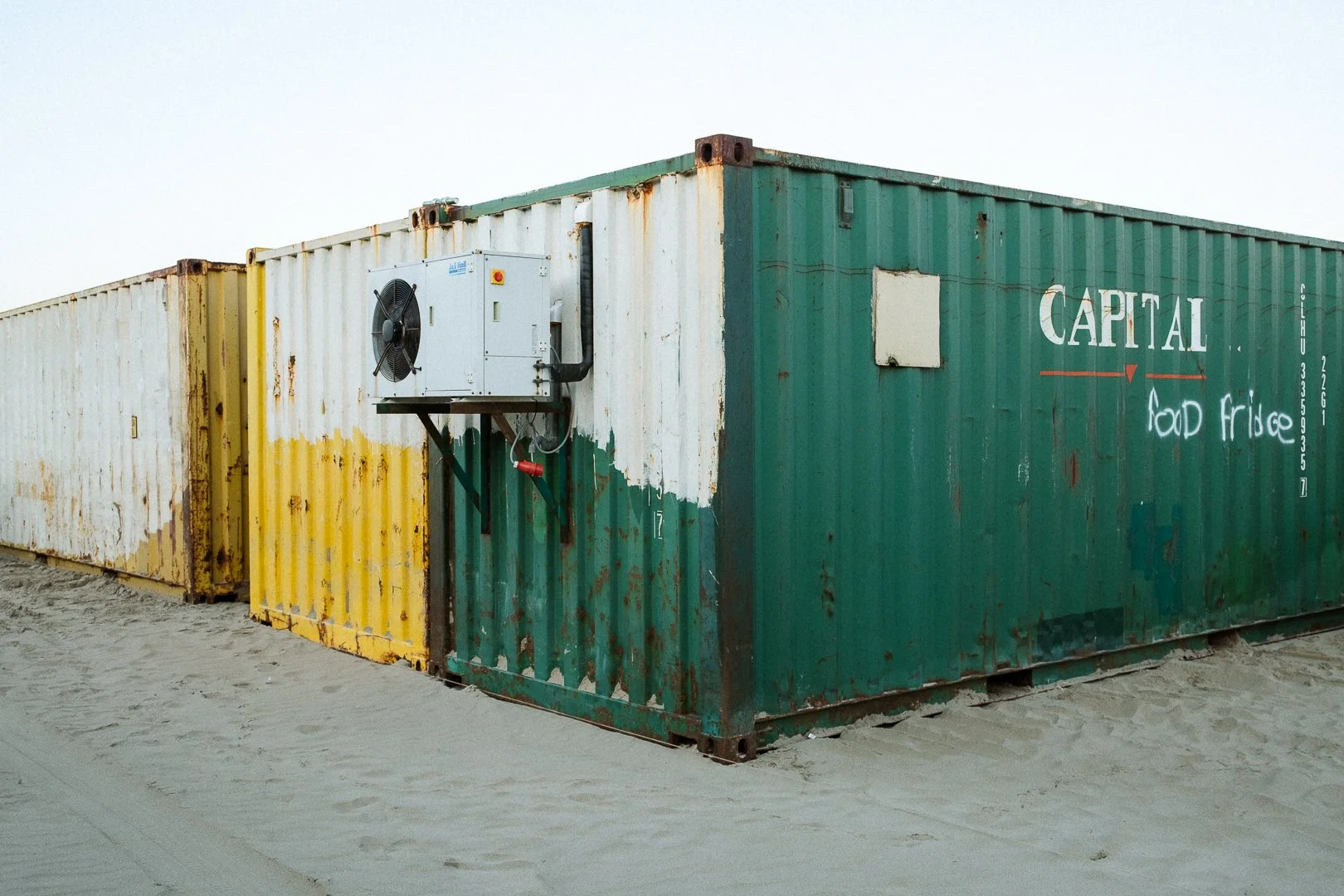
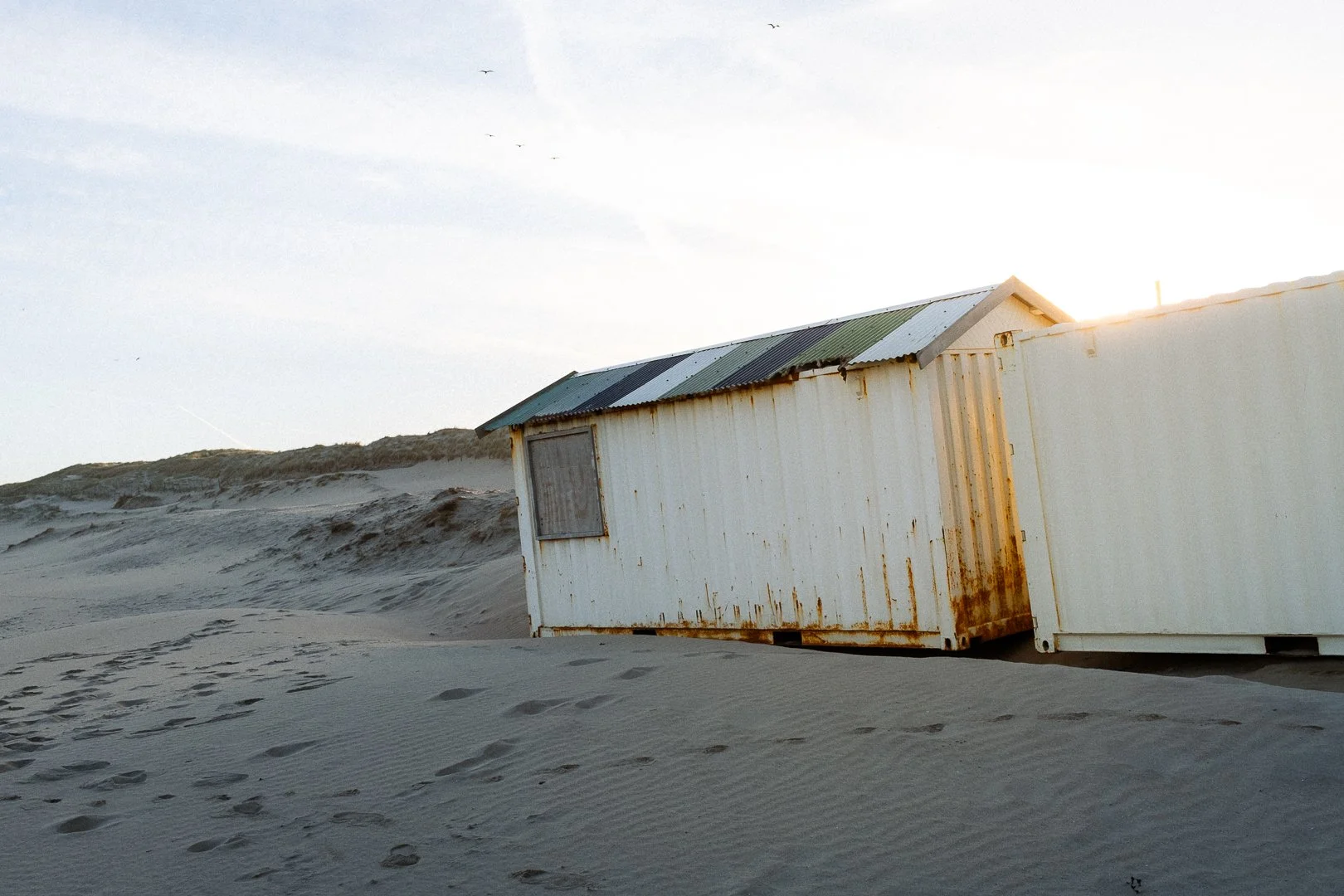
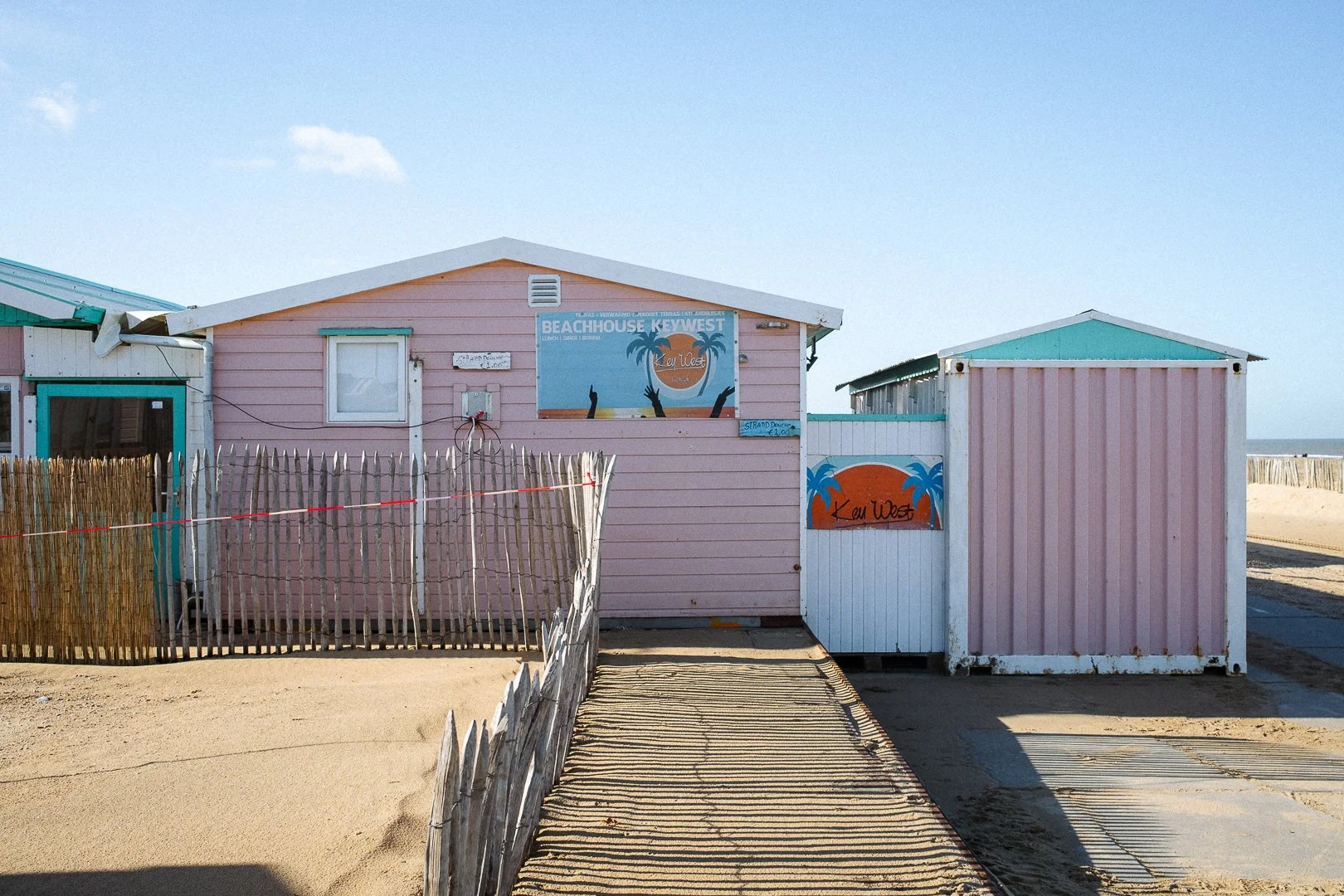
I have often mentioned on this blog my ongoing photography project, which originally started under the name The North Sea, and later received a new name and identity: Shore Goods.
I have written about the behind the scenes of this project here and there, but I would like to gather everything I’ve learned in the hope that it might help someone create a plan for their own photography project.
Shore Goods is not the only project I am currently working on, but it is the only one that has been made public.
Over the years, it has also gone through so many transformations that it is a perfect example of what a single small idea can evolve into.
The North Sea was born out of a need to photograph systematically and close to home, with some overarching purpose. Largely inspired by the coastal work of Wojtek Radwanski from Baltyk, Nevin Johnson, or Robert von Thaden, I happened to go out with my camera to the beach more and more often and tried my hand at coastal photography.
These were my early days in photography and, to be honest, those photos were terrible.
But I didn’t get discouraged and decided to shoot more often and more intensely.
During the first one to two years of The North Sea, I tried almost everything. In a short time, I expanded my gear with a new camera, a drone, then another camera, and a water housing for it. The beach became my second home.
I photographed the beach from the air, tried surf photography, experimented with abstract water photography, and did lifestyle shoots on the beach…
Looking back, I think my photos were still terrible, and it’s no wonder that my attempts at constantly new genres felt like failures.
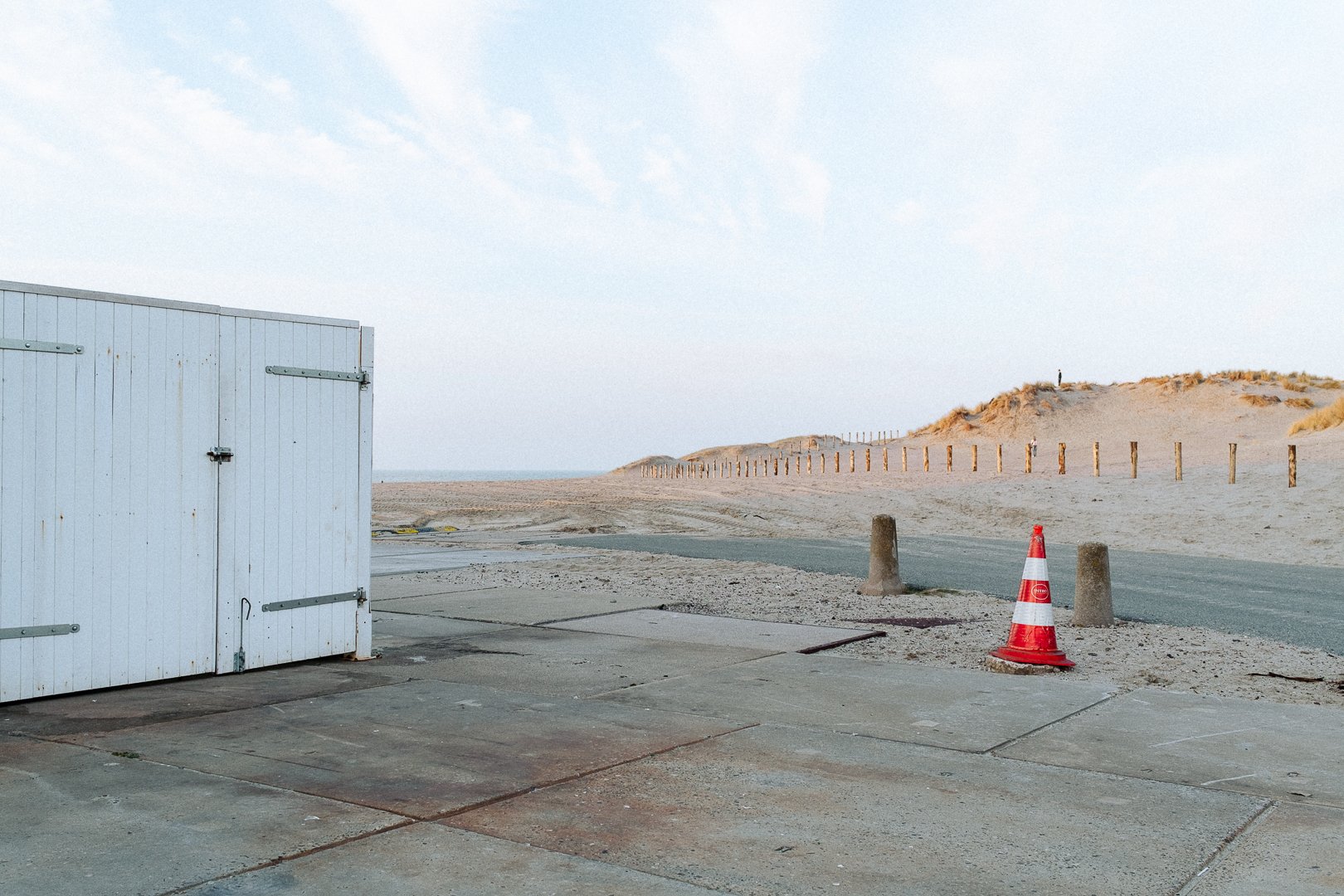
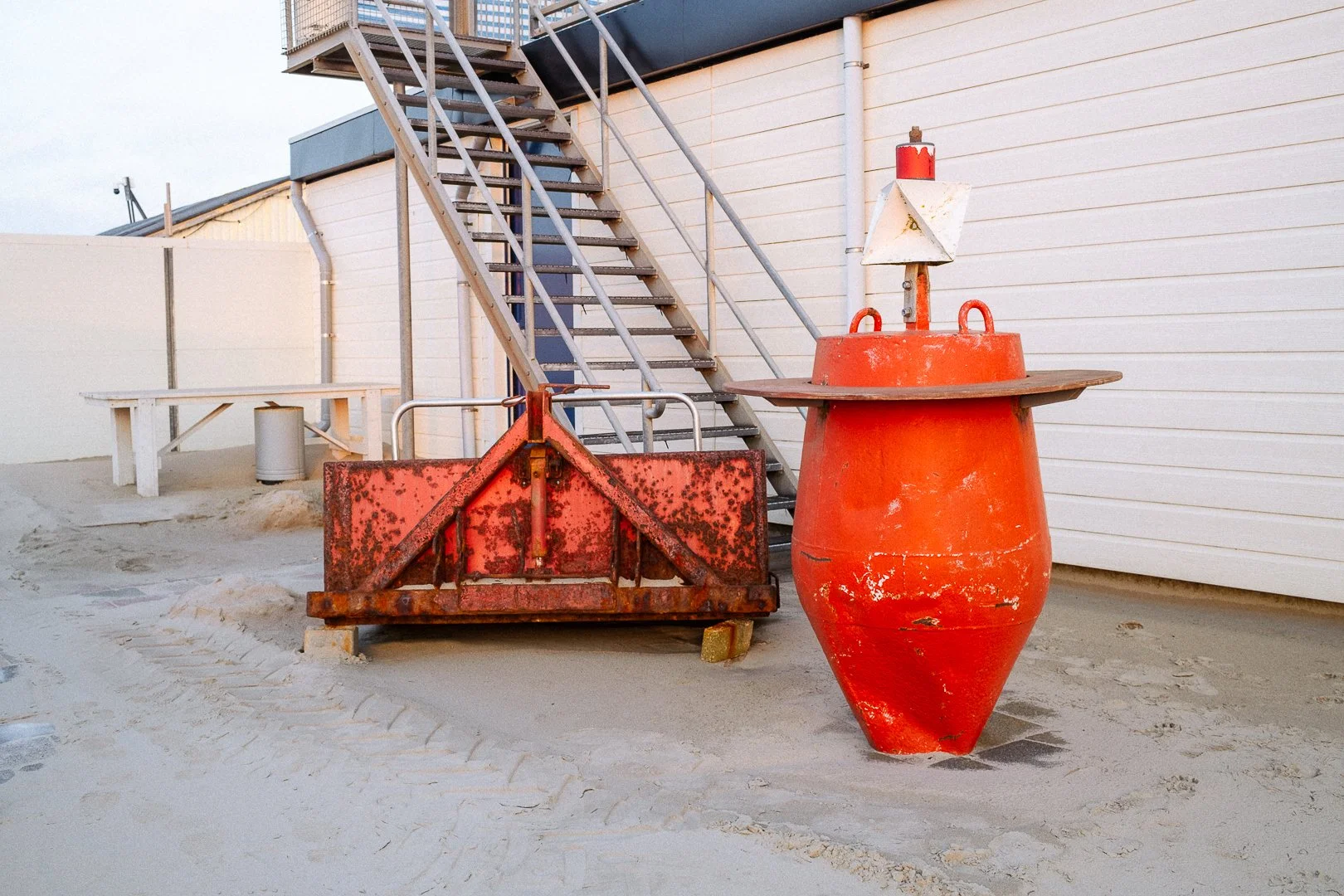
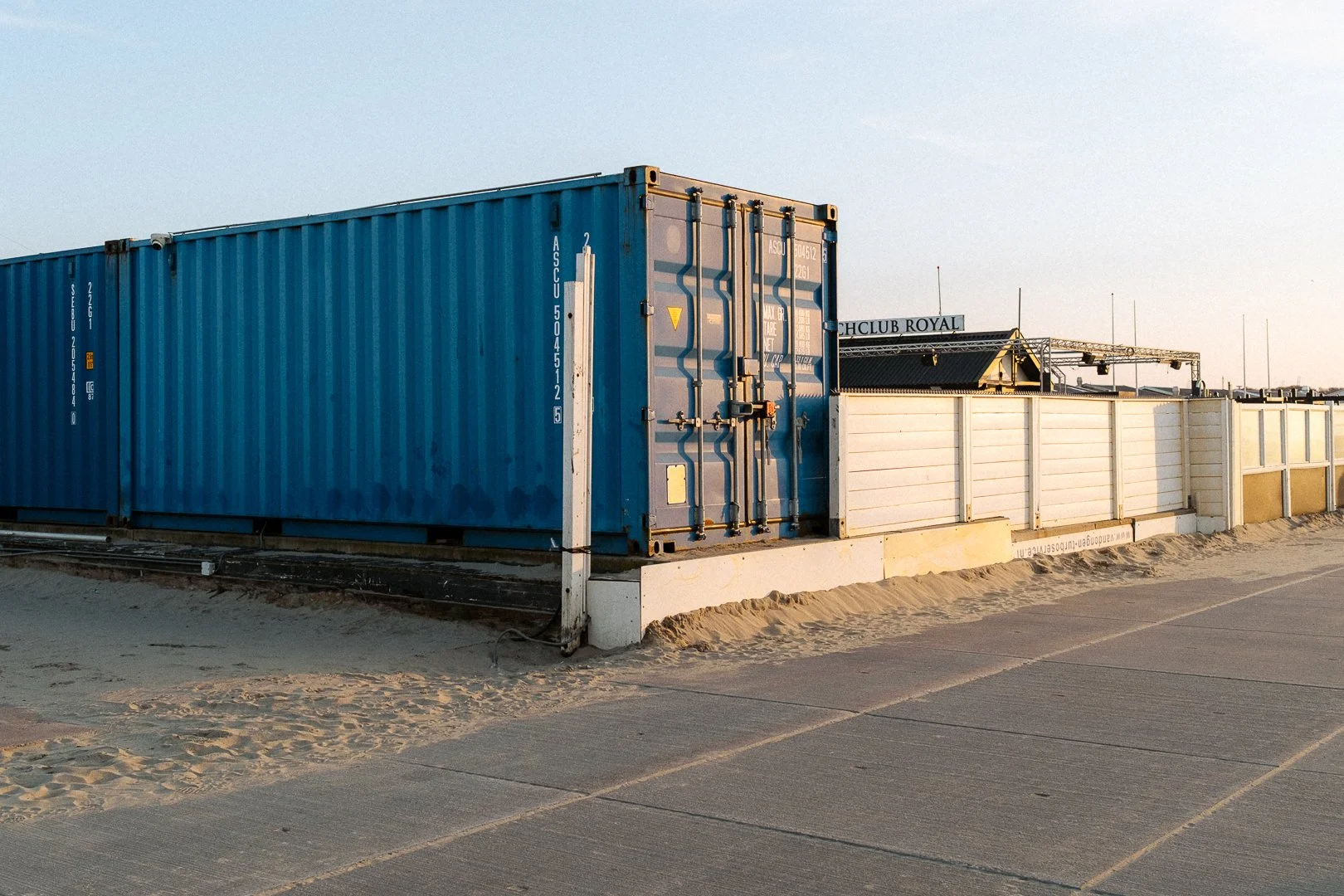
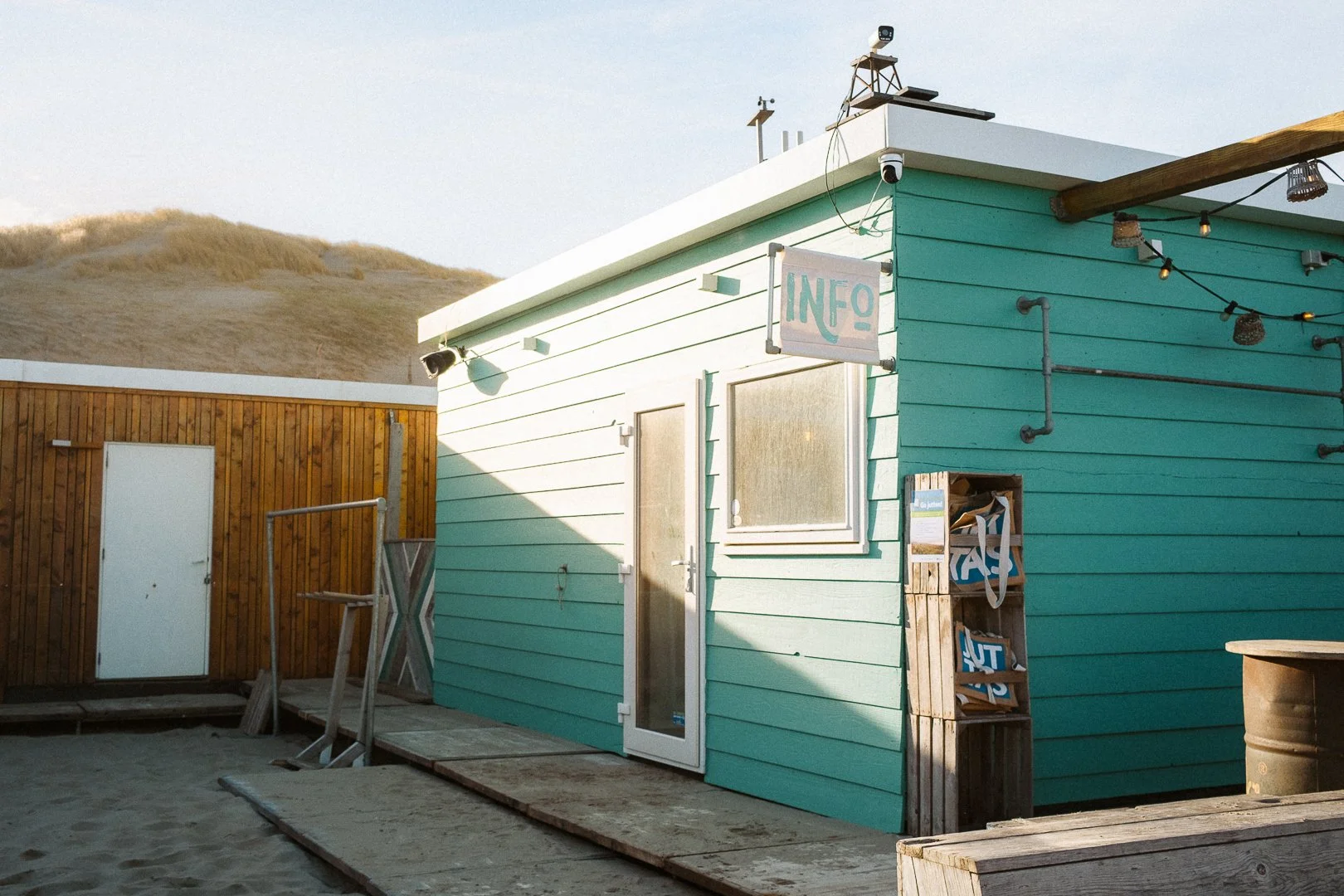
But at some point, something clicked. I gave up all the fancy gear for one small camera and focused on documenting messy, unpolished, surfy boho beach vibes that had always attracted me.
And that’s when it started to take a satisfying shape.
Why it’s worth working on a photography project
Starting this entire endeavor was probably one of the best things I’ve done for my photography.
A single photograph can be powerful and evocative, but its message is inherently limited to one moment. A photography project expands that perspective, relying on a sequence of images that together form a more complex and multi-layered narrative.
Restricting photography to single images feels to me like an aspiring writer would produce only one sentence at a time - rather than building a full story with a beginning, confrontation, and resolution.
Building a coherent body of work is a different state of mind.
Sequencing images allows you to show context, rhythm, variation, and tension - things that cannot be captured in a single frame. This way of working leads to more complete storytelling, not through one image, but through the relationships between them.
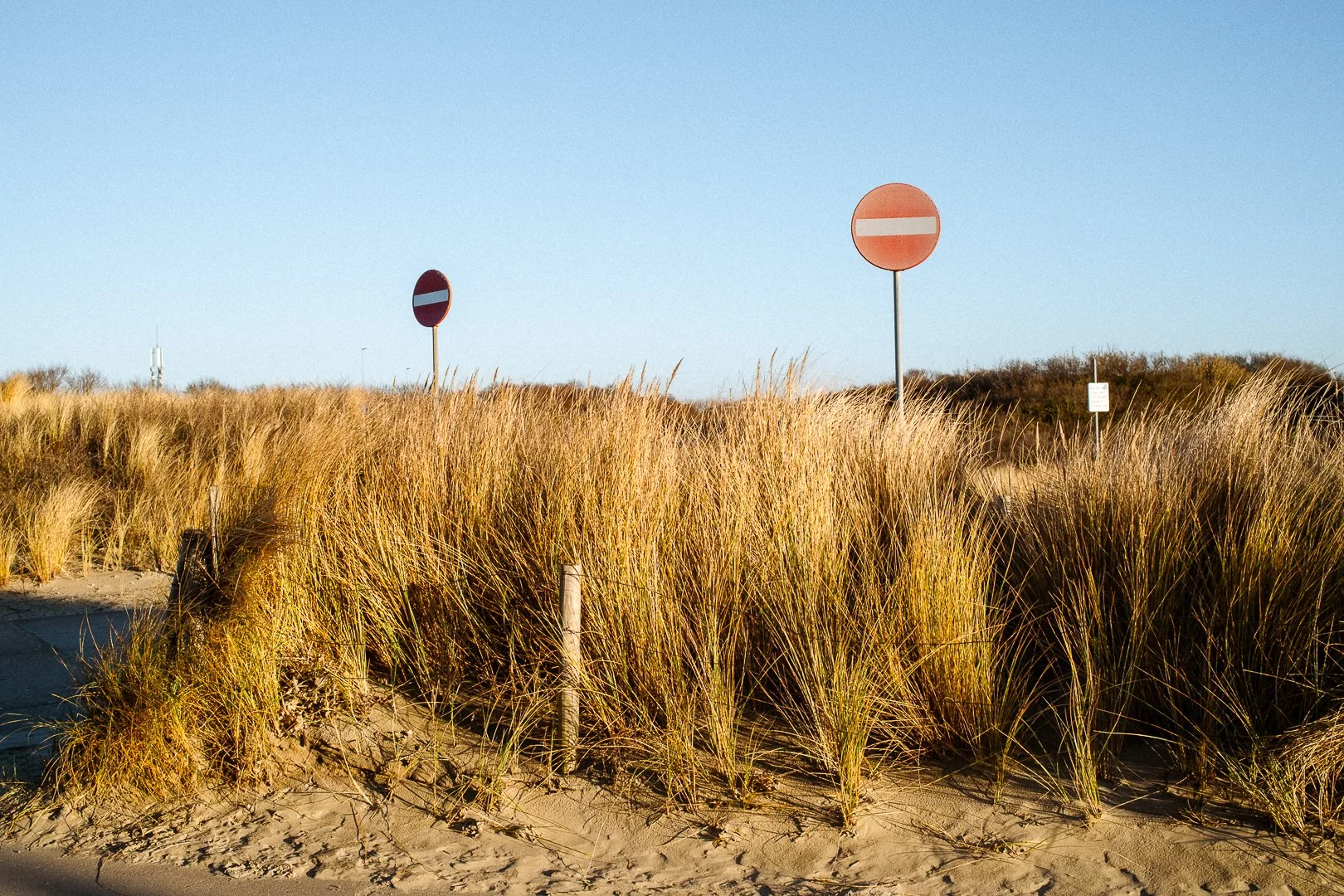
Choosing a photography project theme
The choice of a photography project idea should come from what genuinely interests you. The strongest series emerge when the subject feels close to you and naturally keeps drawing your attention.
If something sparks curiosity, makes you linger longer, or pulls you back to the same place with your camera - that’s where the potential lies. Working on such a project becomes not just a task, but a process that brings satisfaction and allows you to create more authentic images.
An equally important aspect is the practical one - photographing close to home, in easily accessible places, provides continuity and allows you to return to the subject without much effort. This way, you can observe changes, work with no rush, and develop the idea at your own pace instead of relying on trips or rare opportunities.
It is often this consistency that builds the strongest projects, because it gives you time to deepen your perspective and discover things that were not visible at the beginning.
Working on a project near your home also increases the chances that you will actually complete it.
Your choice of idea should also depend on whether you can sustain it over time. If the subject quickly runs dry or requires constant improvisation just to produce another image, it may be a sign that it won’t support a longer series.
Starting a photography project doesn’t always require a big idea or a distant destination. More often, it begins with something simple you keep noticing in your everyday surroundings.
When you give that interest time and structure, it slowly turns into a body of work that reflects how you see the world.
In my guide to photographing your surroundings, I explore how working close to home can help you develop ideas like this and turn them into meaningful long-term photographic projects.
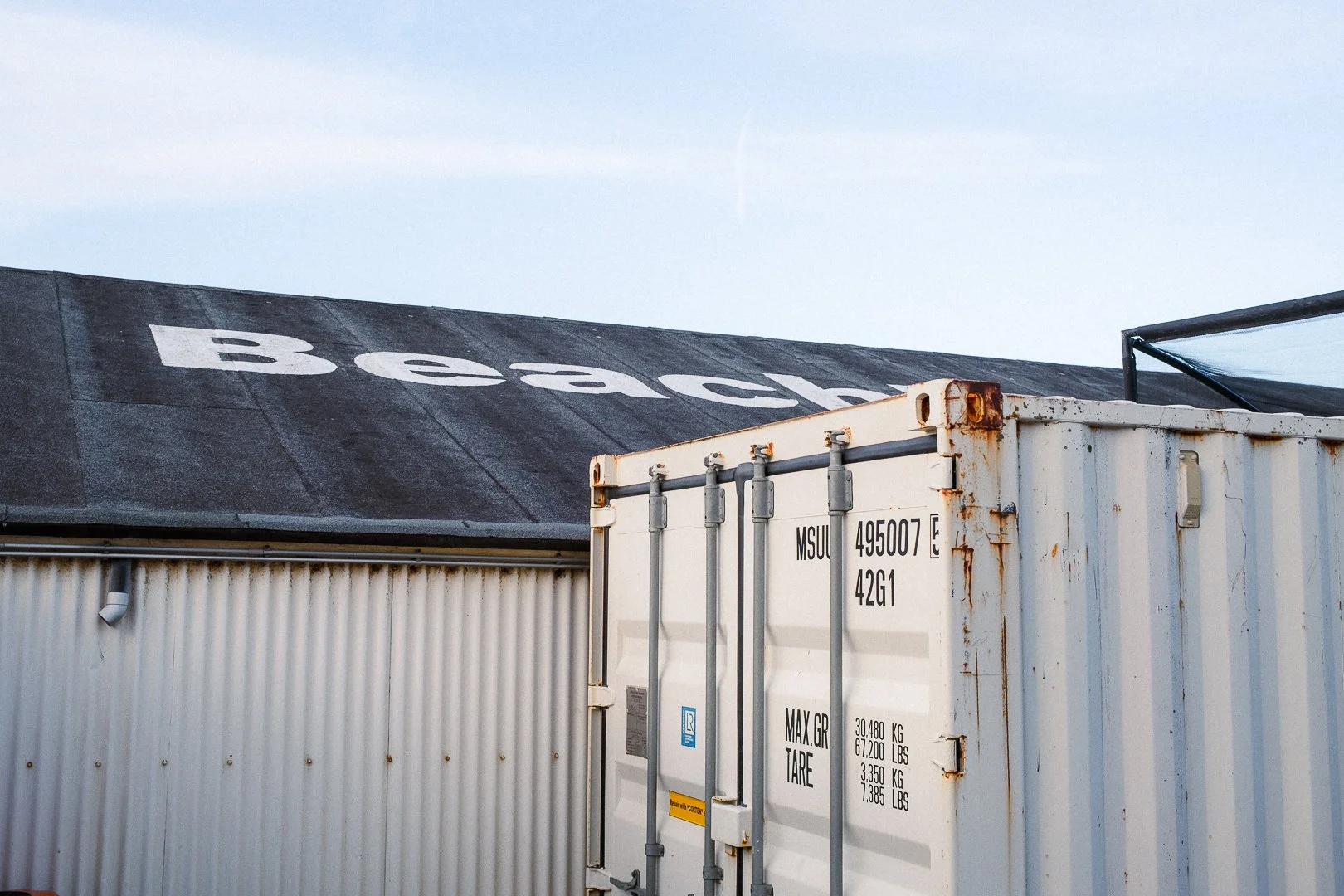
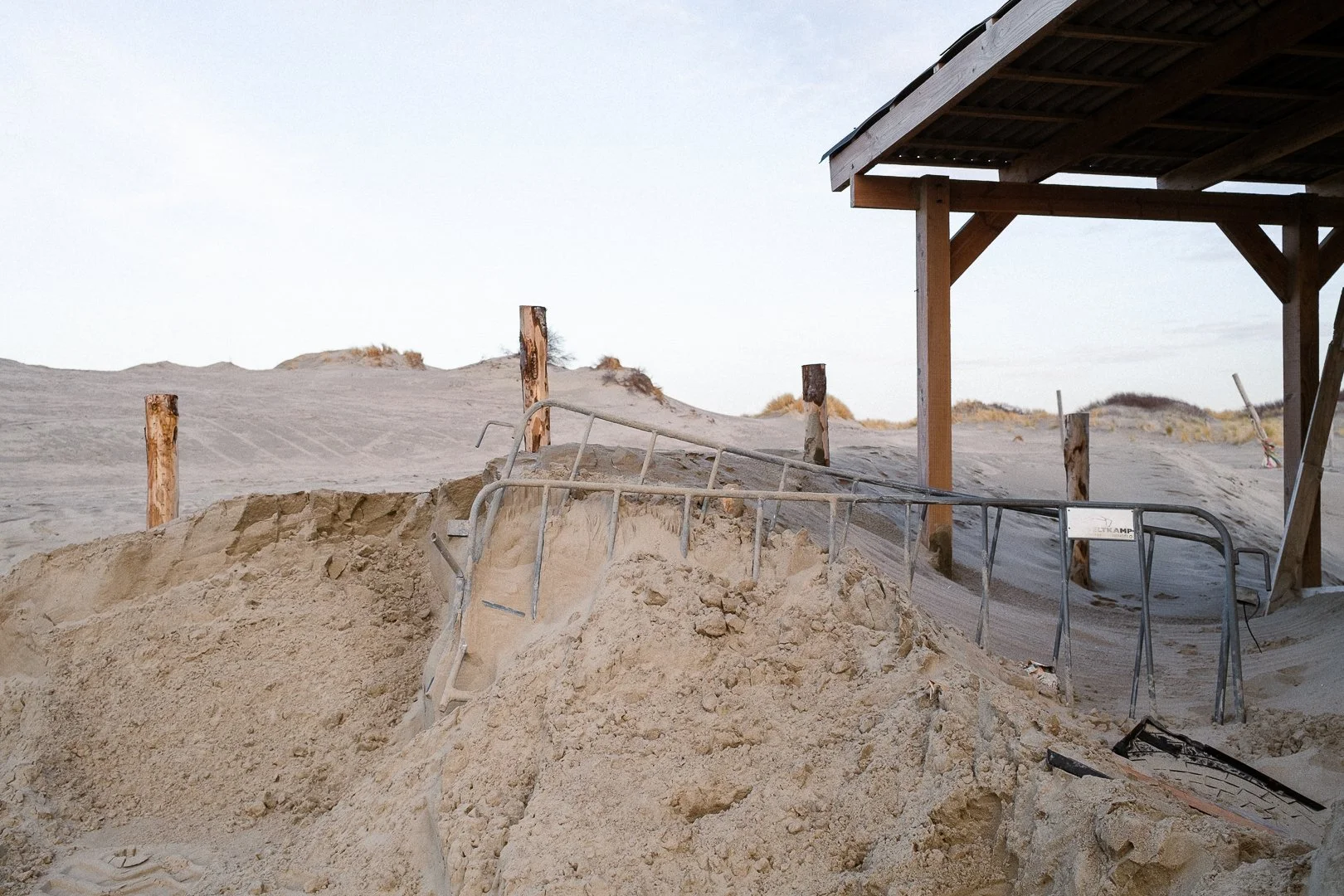
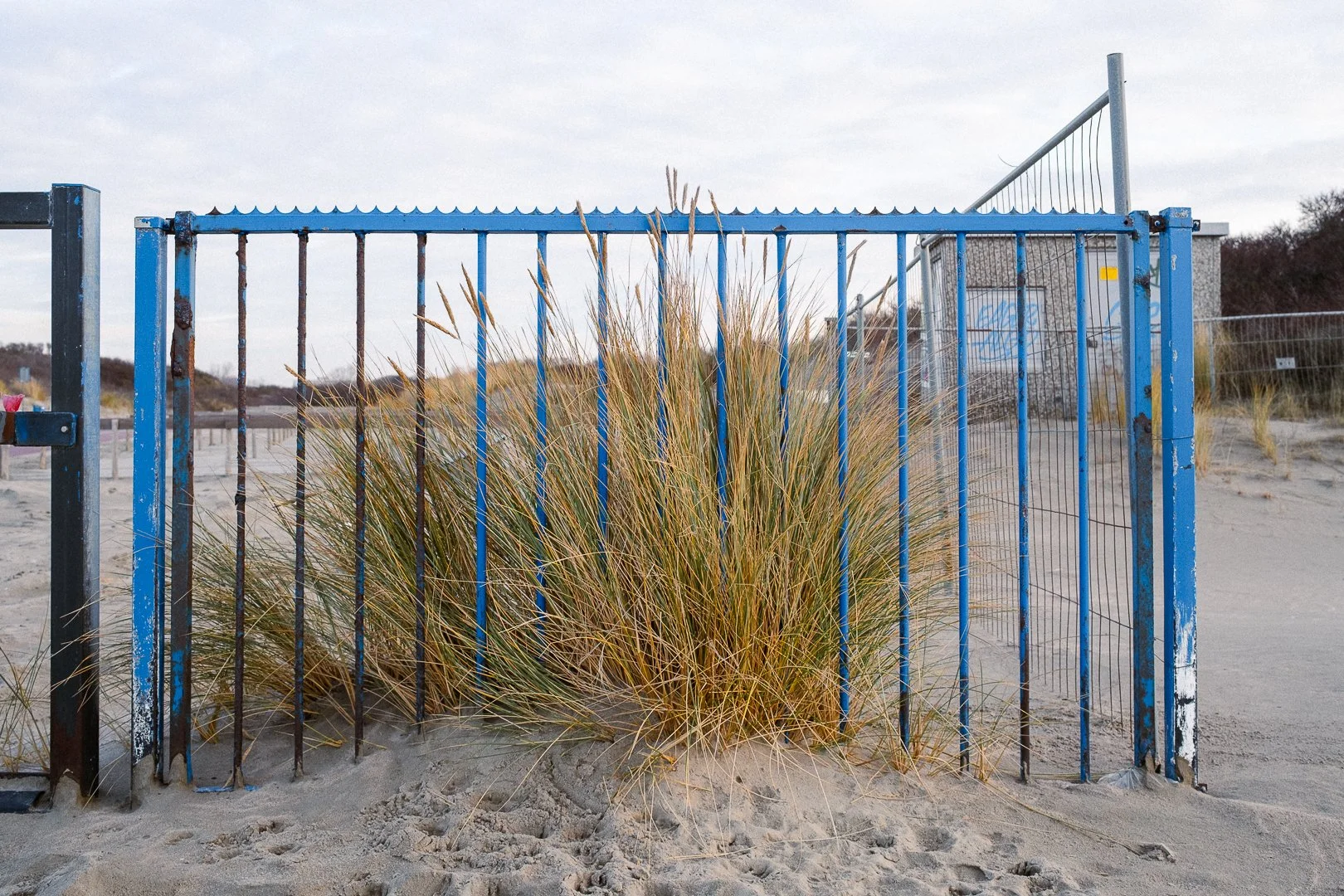
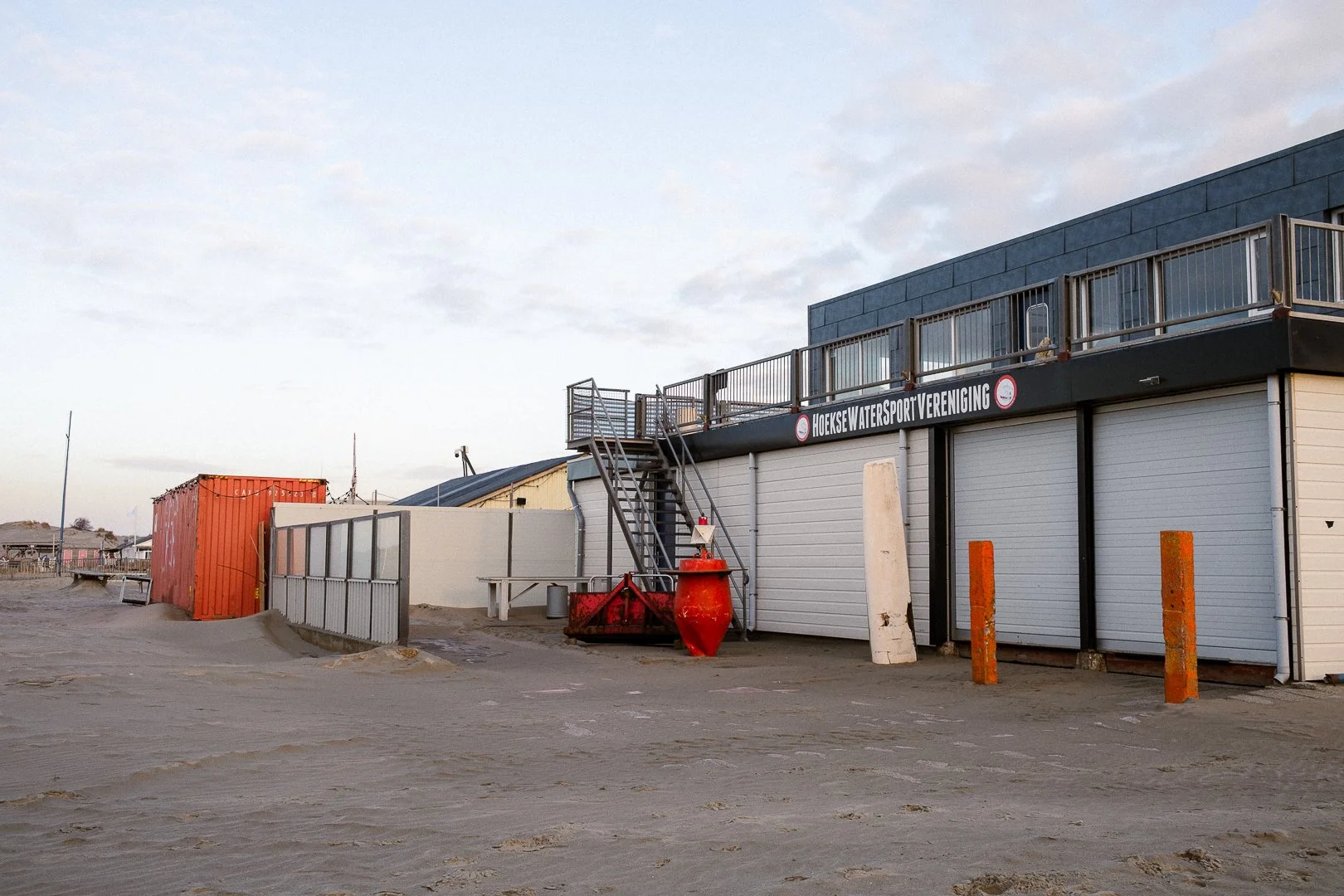
Starting a photography project
The biggest obstacle at the beginning is not the lack of an idea, but the expectation that it should already appear fully formed.
In practice, a photography project only truly begins at the moment of action, when you go out with your camera and make the first frames, even if you don’t yet have a clear direction.
These early images act as a test: they show what actually attracts you and what works visually. Instead of planning endlessly, it is better to treat photography as a series of experiments that gradually narrow down the subject.
Shooting only once in a while does not create momentum for anything to take shape. You easily end up starting from scratch each time.
When you return to the same subject frequently, you automatically begin to notice details that previously went unseen and develop your own working rhythm.
Even short but consistent outings with a camera make the project stop being a collection of random images and turn it into a process that evolves together with the way you see.
Giving direction to a photography project
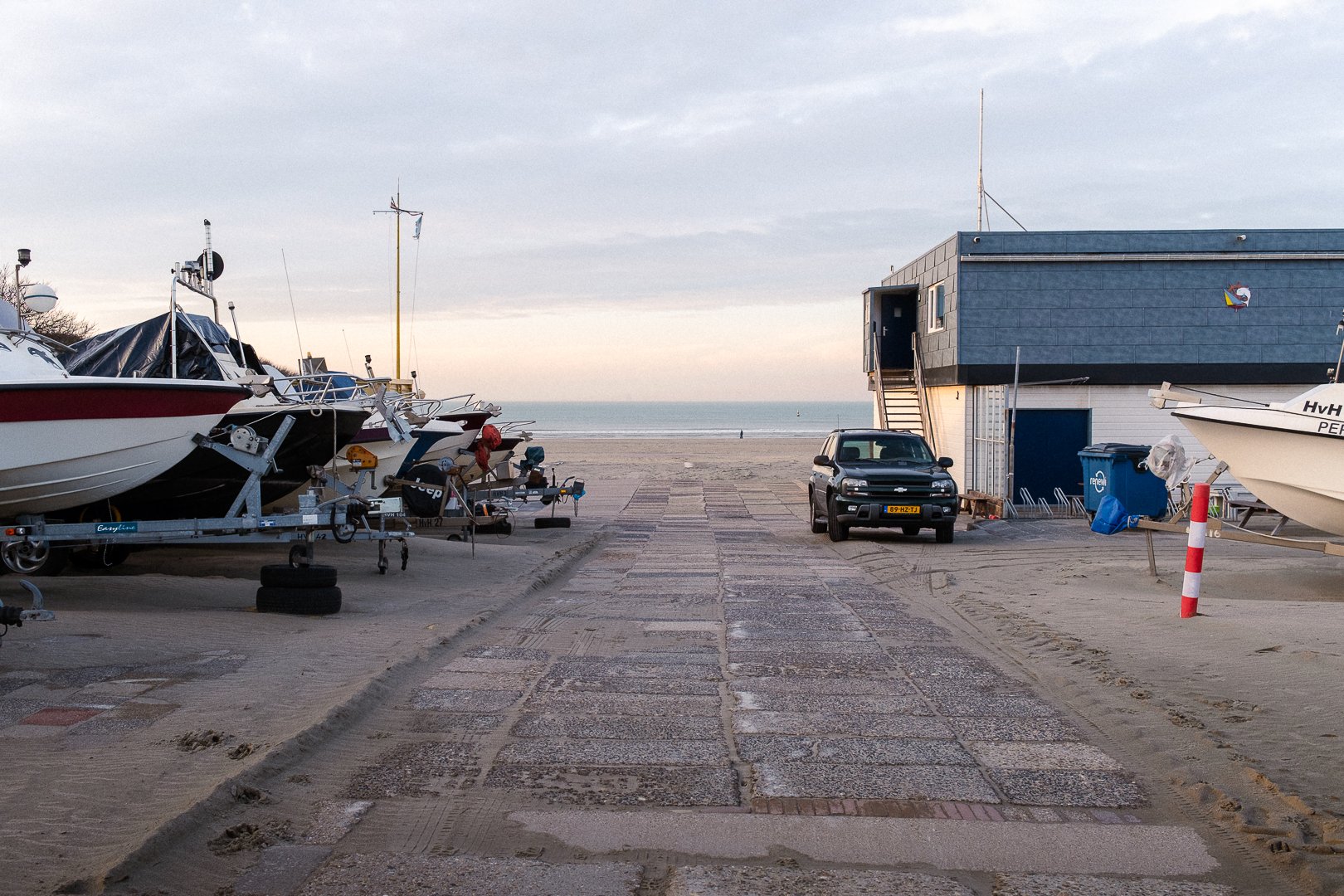
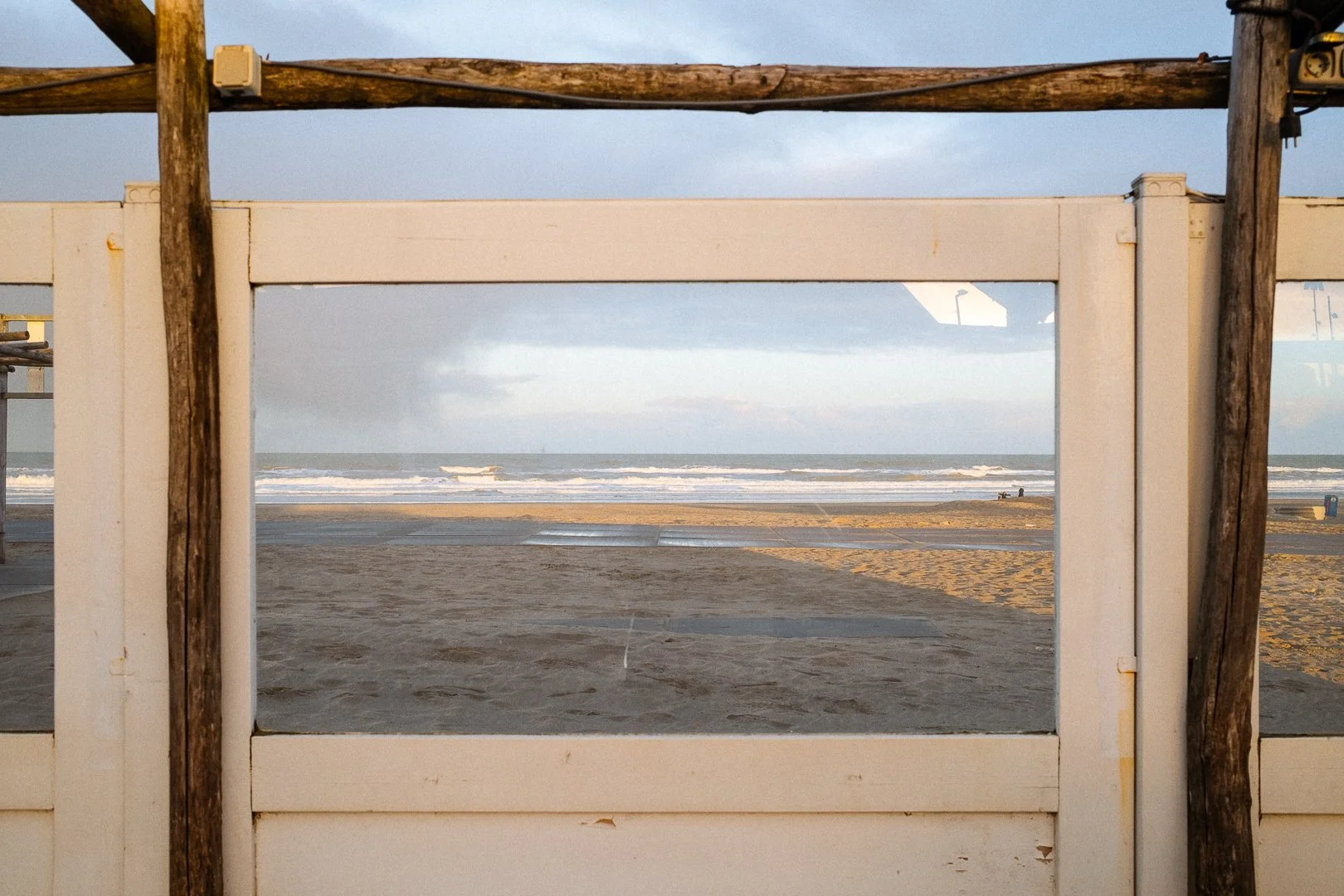
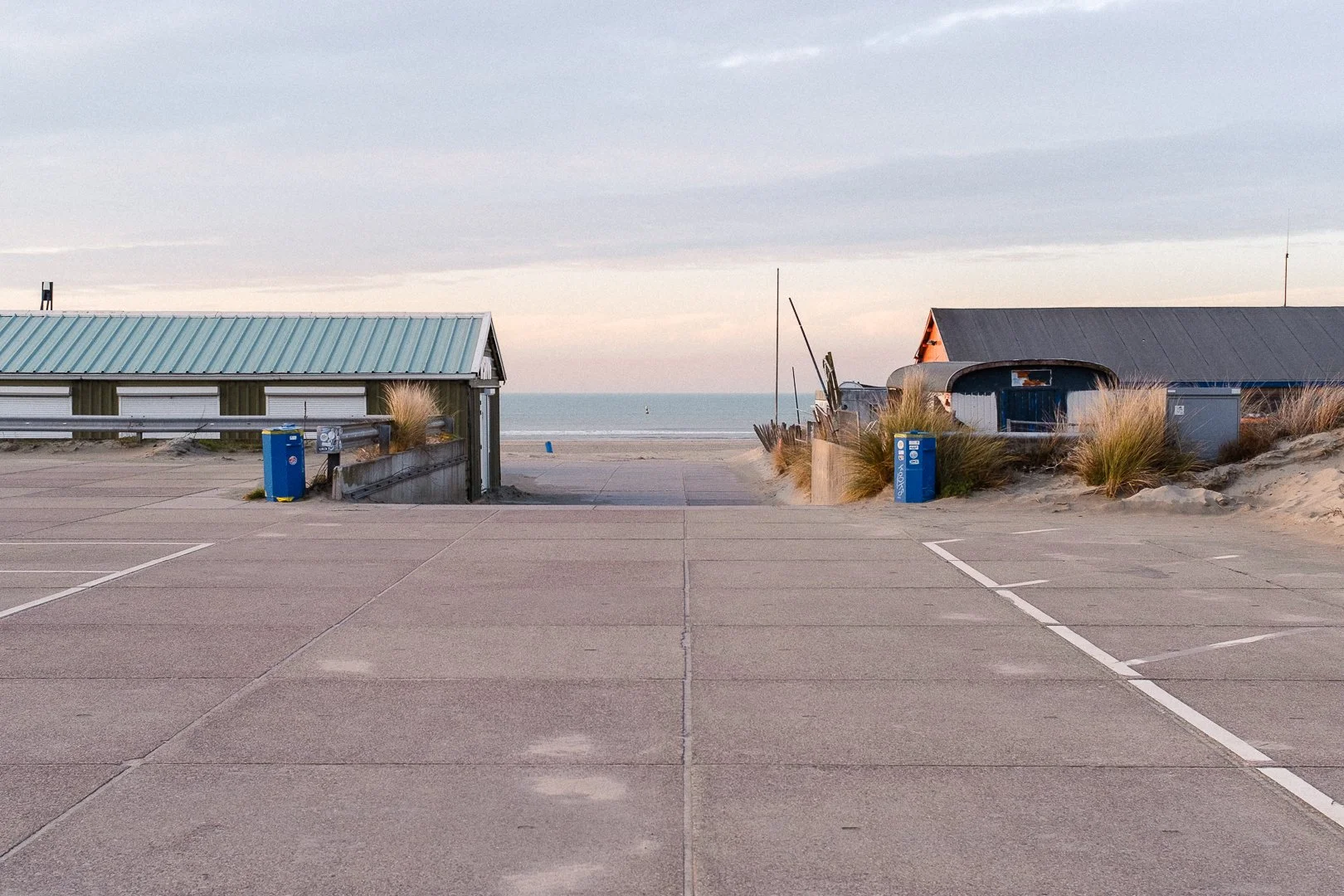
I think - based on my own experience - that this often happens organically. Direction does not always appear at the beginning as a clearly defined plan, but emerges during the act of photographing, when you start noticing recurring motifs, light, or ways of framing.
Over time, certain choices become more intuitive, while others naturally fall away. It is worth observing this process and consciously reinforcing it, by following what is already appearing in your work.
Although, a photography project needs a simple guiding principle that can lead you through the process. Without it, it is easy to fall into randomness and lose coherence between images.
Such a constraint does not need to be complicated. In fact, the simpler it is, the better it works.
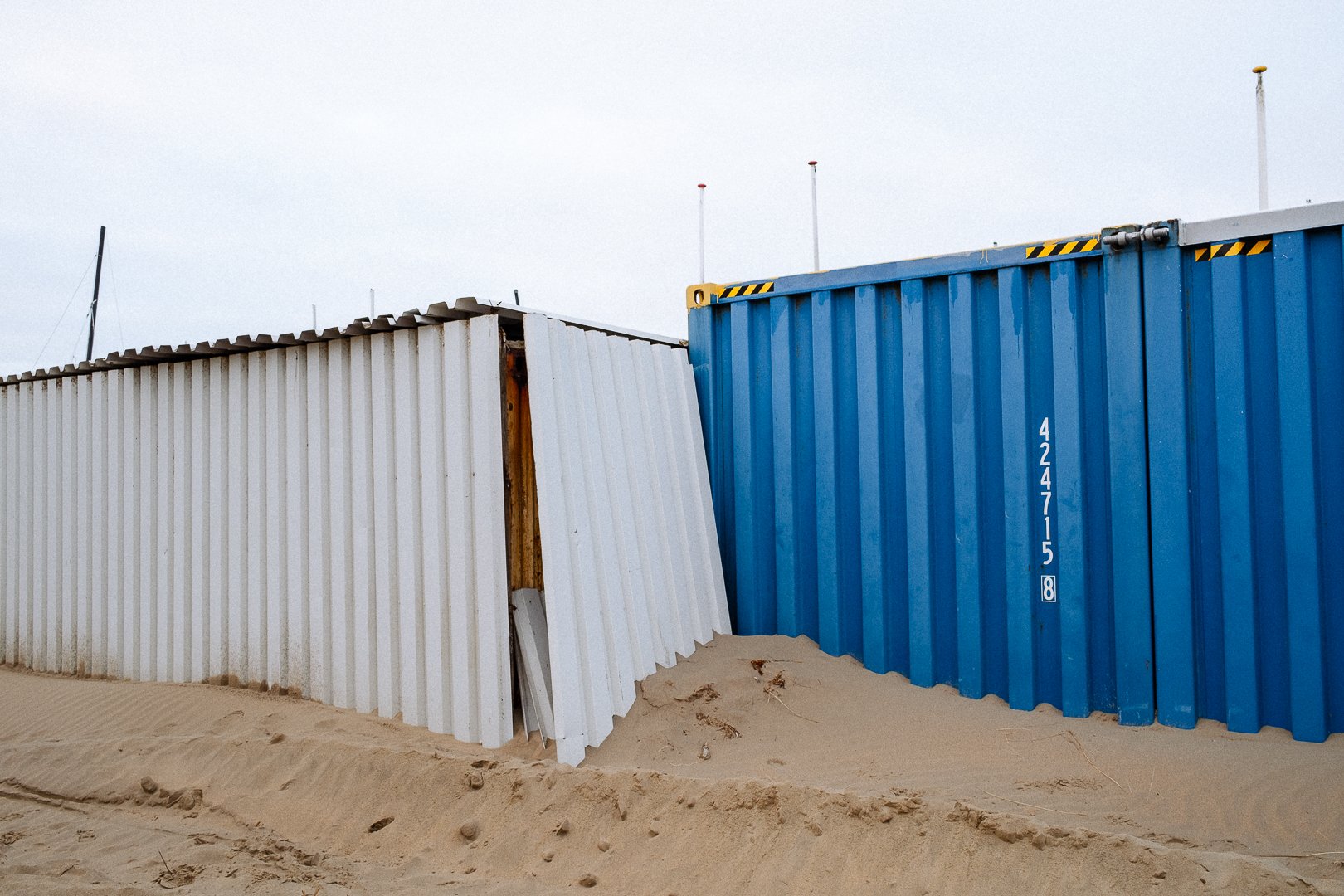
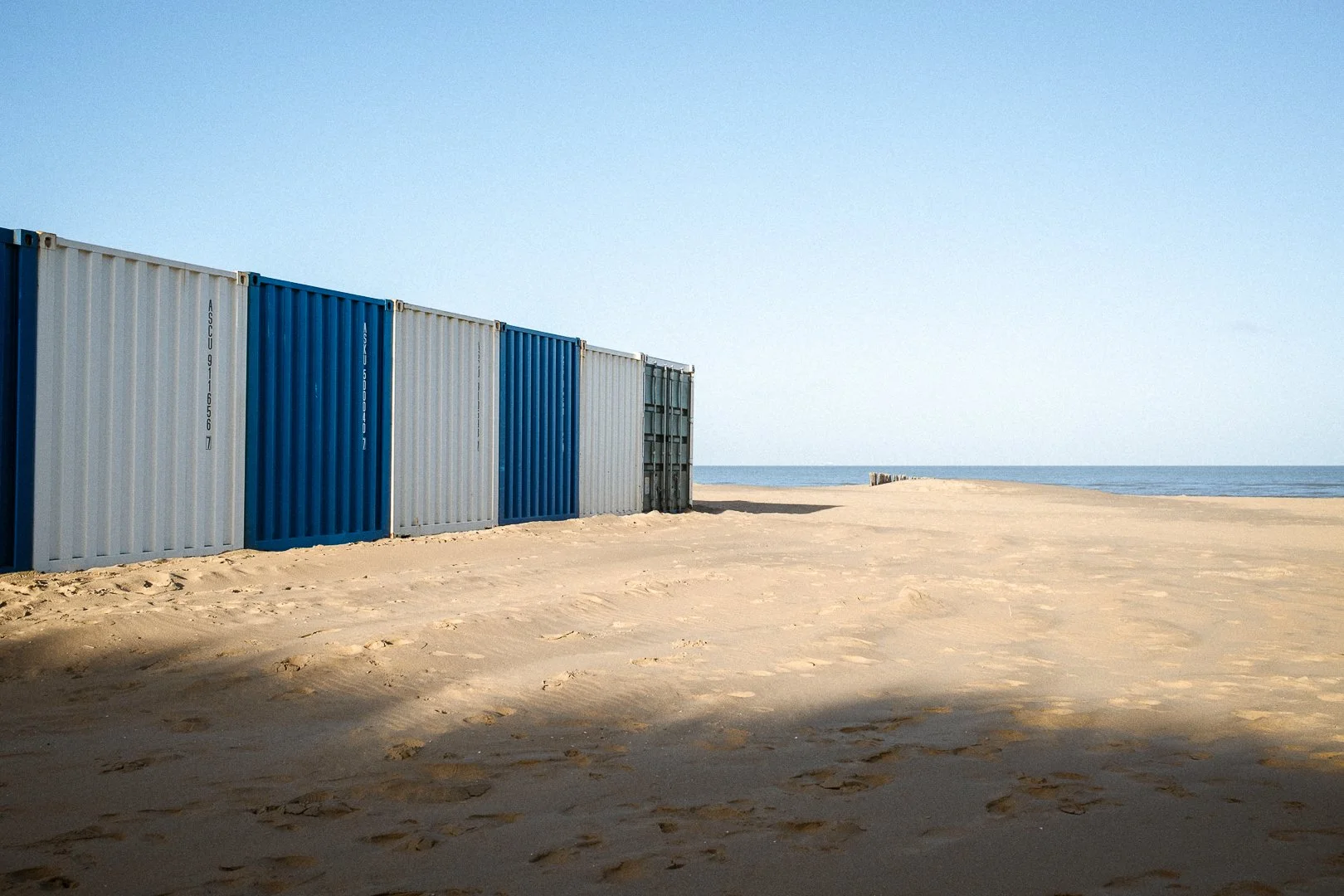
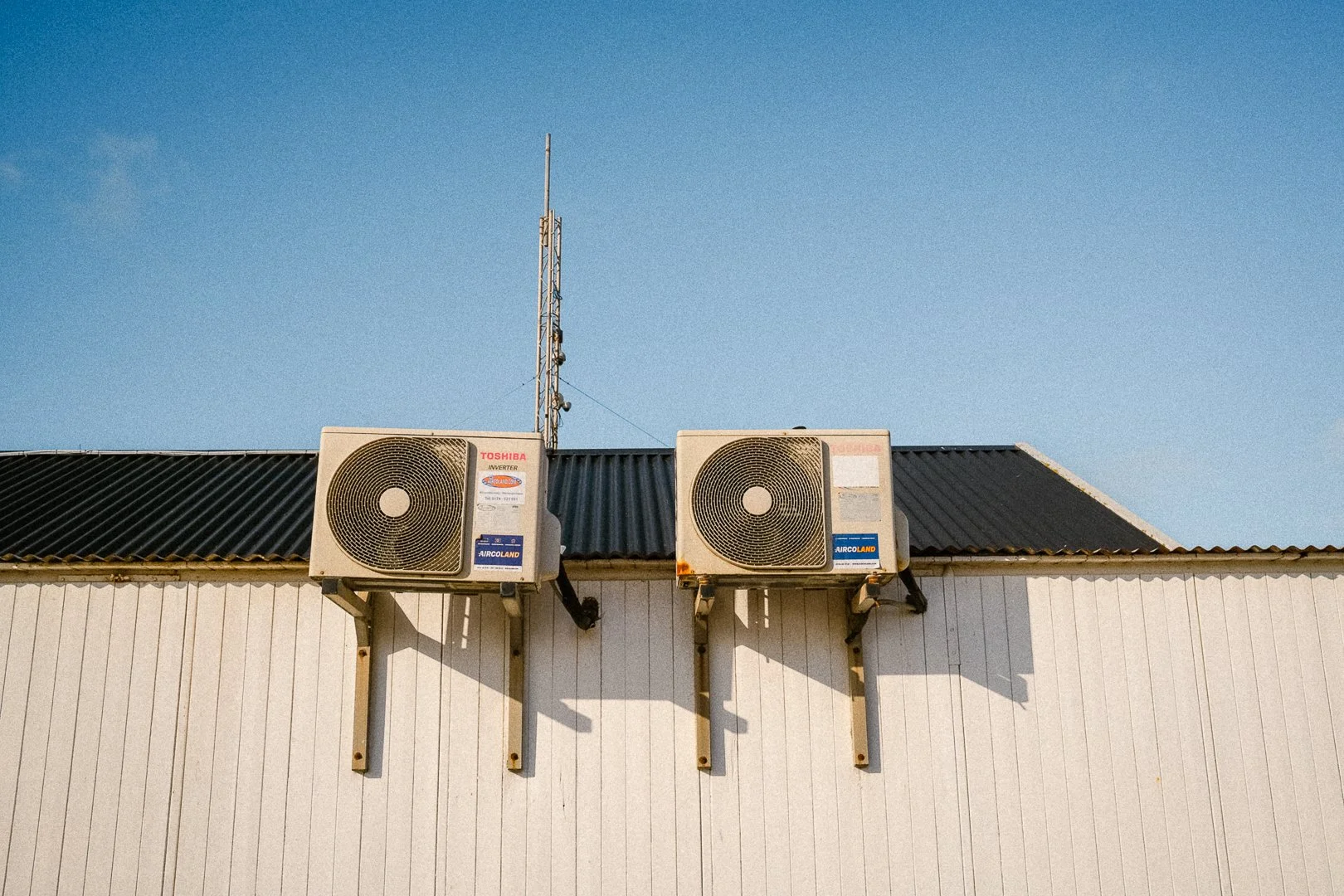
It can relate to place, time, perspective, or the way you photograph. For example: one specific location visited regularly, shooting only at a certain time of day, sticking to a single focal length, or using a specific medium (e.g. digital vs. film).
This makes every decision easier, because you have a clear point of reference.
Importantly, constraints do not limit creativity, they structure it. Instead of trying to capture everything at once, you begin to notice more within a chosen direction.
Developing a photography project
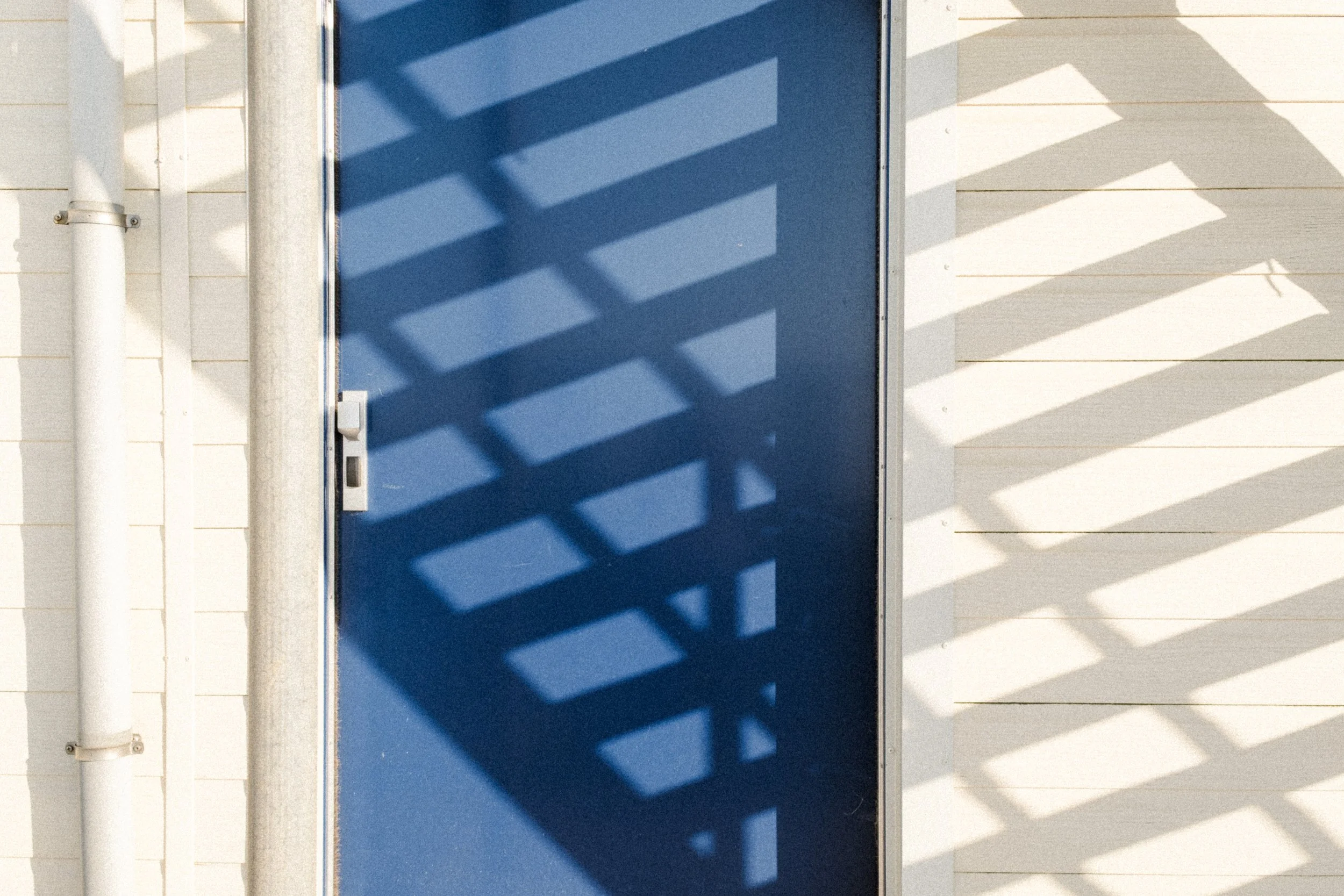
A key moment in the development of a project is carefully reviewing your own images and looking for repetition.
It is precisely the recurring motifs - subject matter, framing, light, specific locations, or emotions - that naturally begin to narrow the direction of the work.
Suddenly, you start discovering the project within what you have already done.
Selection and analysis of the material allow you to filter out random shots and focus on what actually builds coherence within the series.
At the same time, it is important to understand that a project does not need to be finished right away.
Its form changes over time and through successive sessions, it evolves rather than being created in a single, fixed moment.
Initial assumptions often turn out to be too broad or inaccurate, but this is not a mistake, only part of the process.
By giving yourself space for development, you allow the project to mature alongside your way of seeing, becoming more conscious and precise with each stage of work.
Selection and editing are the moments when the project truly starts to take shape.
It is not just about choosing the “best” images, but above all about deciding which ones actually contribute to a shared story.
Often strong individual frames lose their power if they do not fit the rest, which is why it is crucial to view the series as a whole rather than a collection of independent images.
In practice, this means comparing images with one another, looking for rhythm, repetition, and contrasts that strengthen the narrative. Removing frames that disrupt coherence can be difficult, but it is exactly this process that allows the project to become clearer and more intentional.
Here, printing your work can help you immensely.
When and how to finish a photography project
A photography project often doesn’t end in a single, clearly defined moment.
More often, it closes itself when you start feeling that you have already said everything you wanted to say on a given subject, or that further images begin to repeat the same ideas without adding a new layer.
It is the moment when individual frames start to form a coherent whole, ready to be shown or simply set aside for a while.
A well-executed project also leaves space, both for interpretation and for new, different stories that will naturally emerge later.
But it can also simply continue.
Shore Goods for example is not a project with a clear endpoint. It can continue as long as the coastline itself continues to change. The shore is constantly shaped by human and nature inteference, and that ongoing process naturally creates new situations to photograph.
Because of that, I don’t have a real need to “finish” the project in a traditional sense. It can be paused, revisited, or expanded over time, depending on how both the place and my perspective evolve.
In that way, Shore Goods is less a closed series and more an ongoing body of work that develops alongside the everchanging landscape.
Perhaps that is also the most important thing to remember: a photography project does not have to be complete, or definitive. It only is a win when it reaches a point where you feel ready to let it exist outside of your camera and your hard drive.
If you would like to see how I turned this particular project into a physical publication, I wrote more about the process of making the Shore Goods zine here.
Want to start a photography project?
If you’ve been thinking about making a photo project but don’t quite know where to start, I put together a free Project Starter Kit to help you turn a vague idea into something you can actually work on.
It includes a few simple exercises to help you find a starting point, define your idea and get out there and make the first pictures.