
Storytelling in photography - you only need three photos
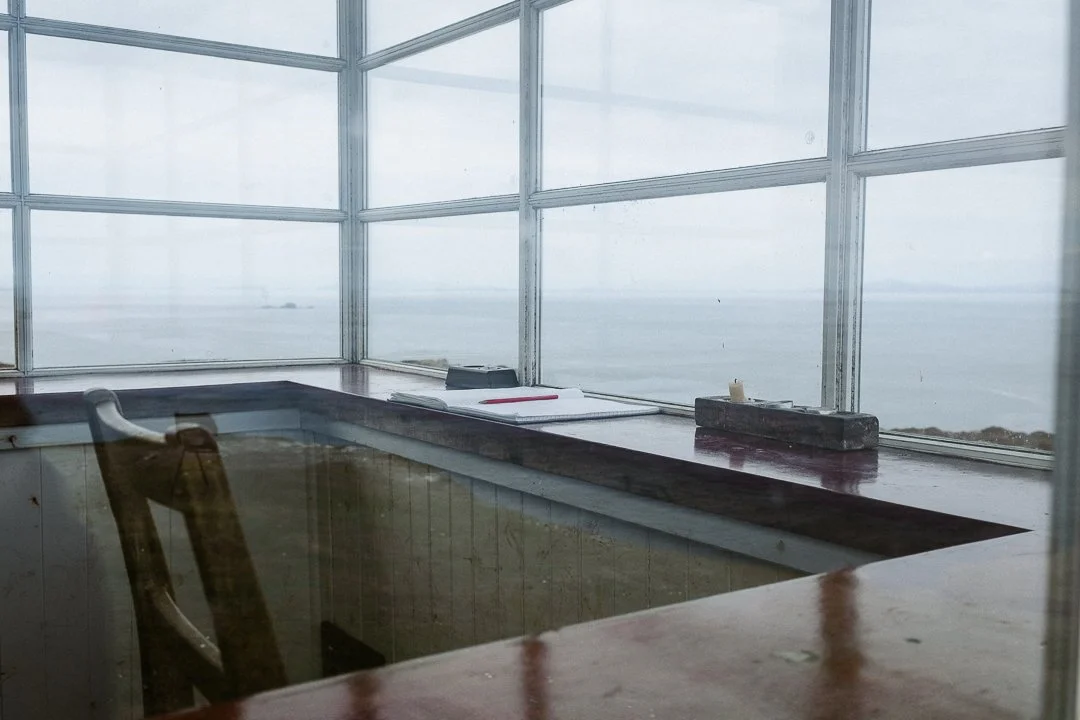
When photographers talk about visual storytelling, the conversation quickly moves toward long-term documentary projects, photo essays, and carefully sequenced bodies of work. While these are all valid forms of storytelling, they can make the concept feel intimidating, especially if you're simply heading out with a camera for a walk, a city trip, or a weekend by the sea.
The reality is much simpler.
One of the most effective storytelling frameworks comes from filmmaking, where scenes are often built using three types of shots: a wide shot, a medium shot, and a close-up. Together, these perspectives provide context, show the action, and reveal the details.
The same principle works remarkably well in photography.
Whether you're interested in street photography, travel photography, documentary photography, or reportage, these three images are often enough to tell a complete story.
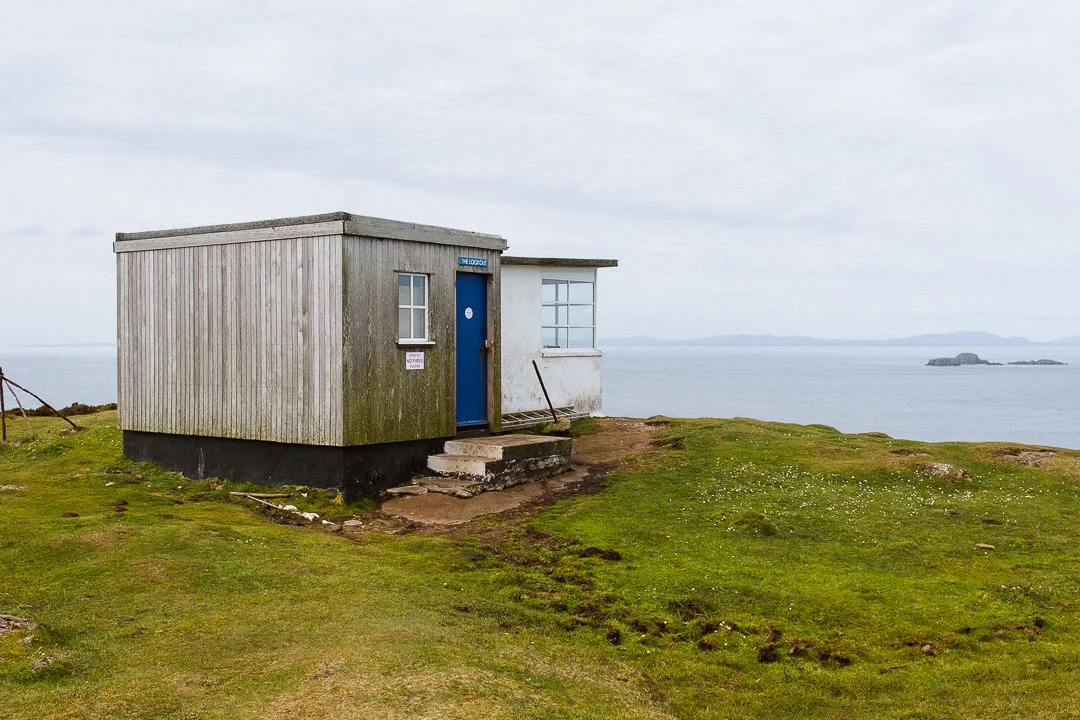
The wide shot: establishing the scene
Every story needs context.
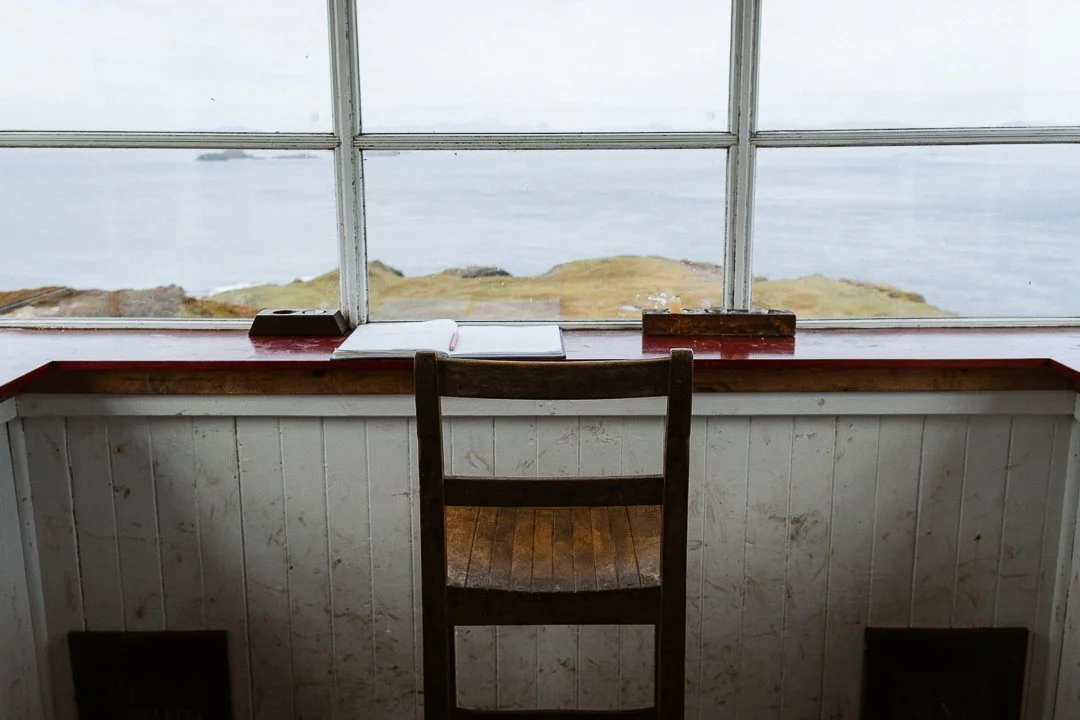
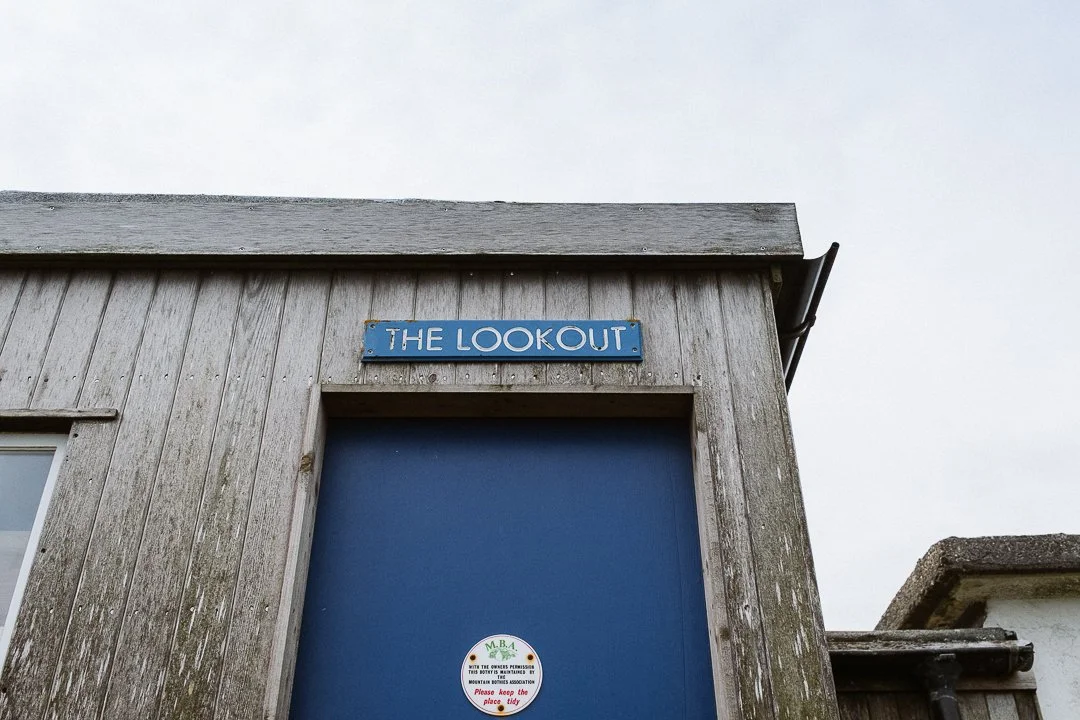
The wide shot introduces the environment and helps the viewer understand where the story takes place. It establishes the setting before drawing attention to a particular subject.
Imagine photographing a fisherman in a harbor, a surfer walking toward the sea, or a street performer in a busy square. The wider image shows the relationship between the subject and their surroundings.
Without this photograph, viewers often have to guess where the story is happening.
In visual storytelling, the wide shot acts as an introduction.
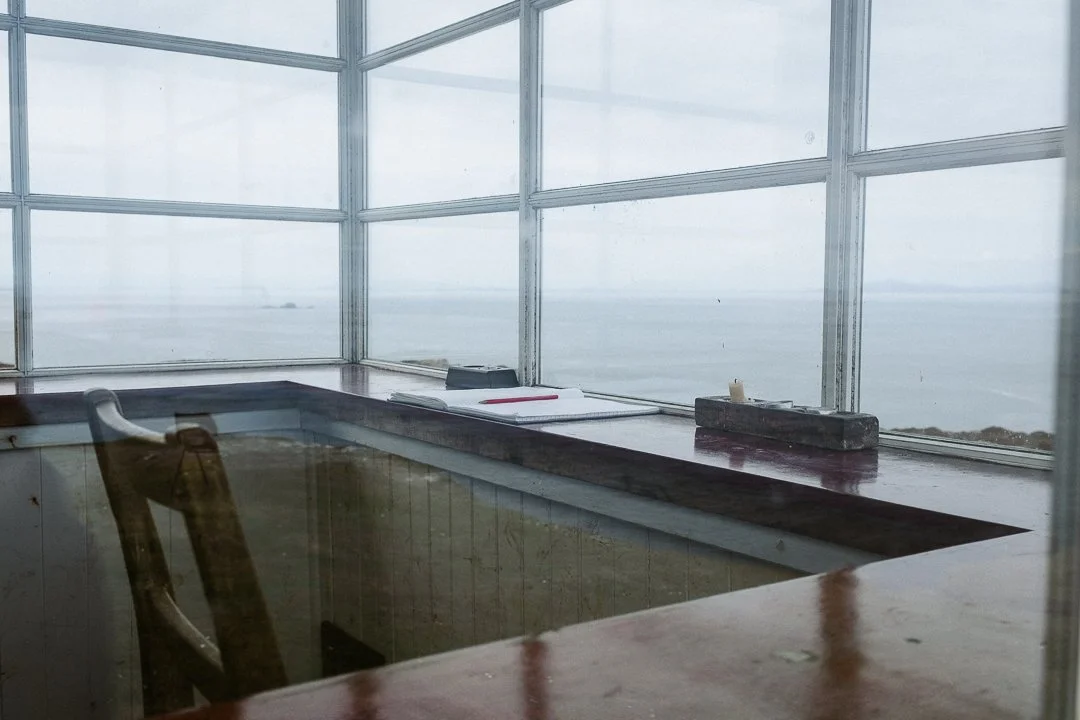
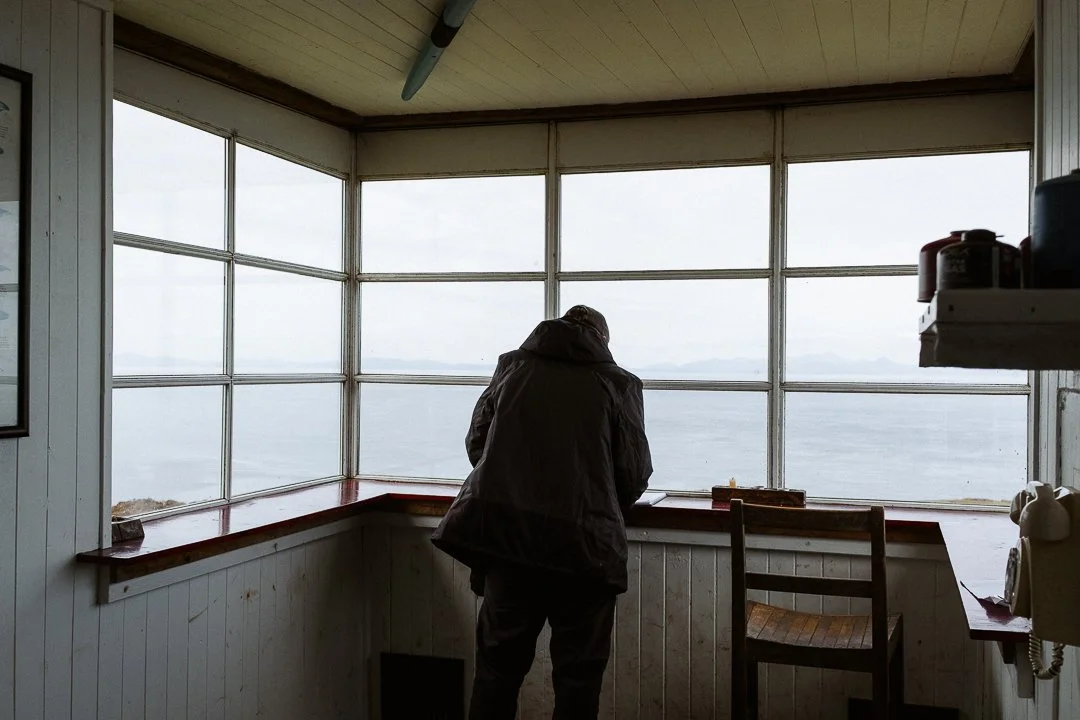
The medium shot: showing the main subject
Once the scene has been established, it's time to move closer.
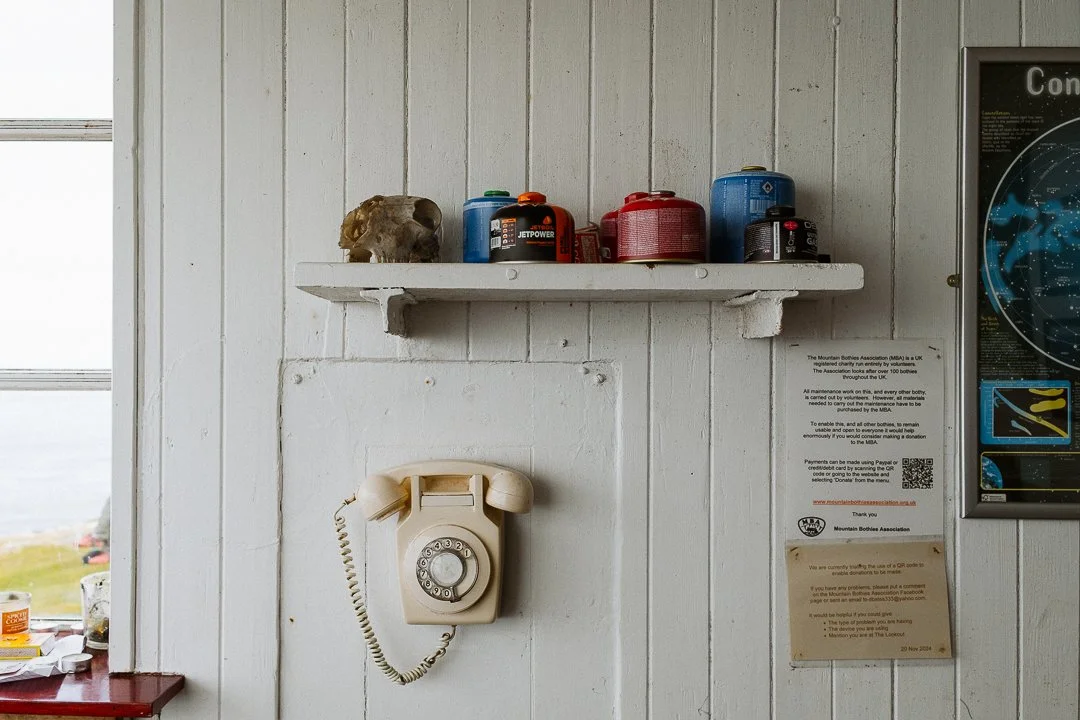
The medium shot focuses on the subject while still preserving some of the surrounding environment. It often becomes the image that carries the narrative forward because it clearly shows what is happening.
If the wide shot provides context, the medium shot provides information.
This approach is particularly useful in travel photography and documentary photography, where the relationship between people and places is often an important part of the story.
Rather than isolating the subject completely, the medium shot keeps them connected to their environment.
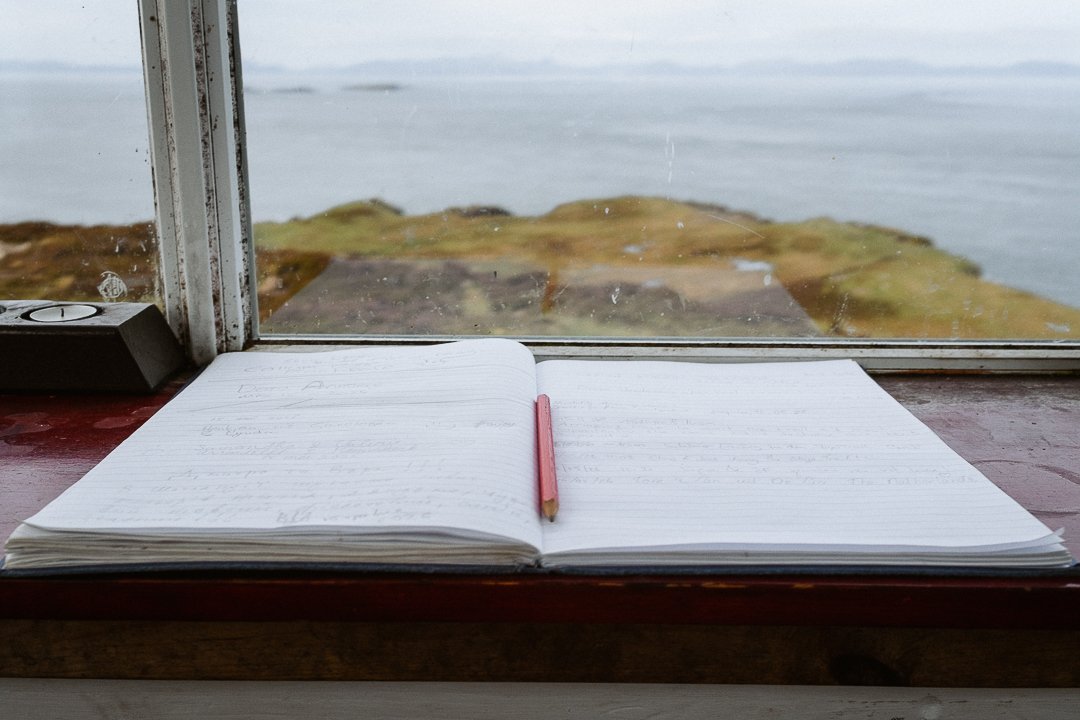
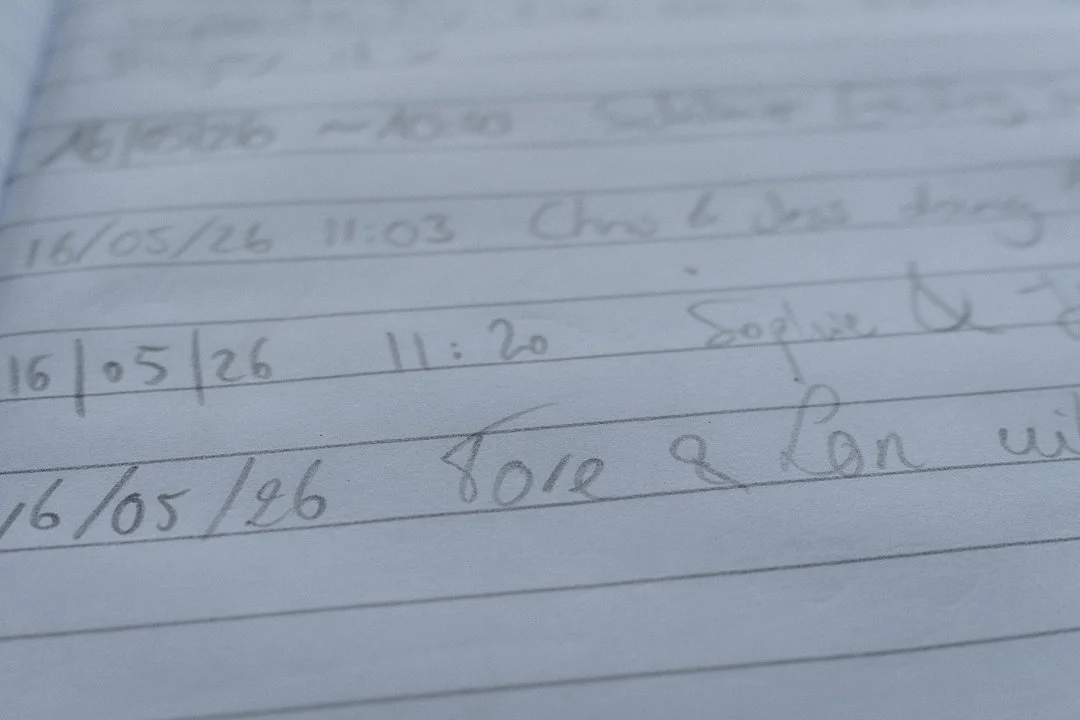
The close-up: capturing details that strengthen the story
The final piece of the puzzle is the close-up.
This is often the image photographers forget to make.
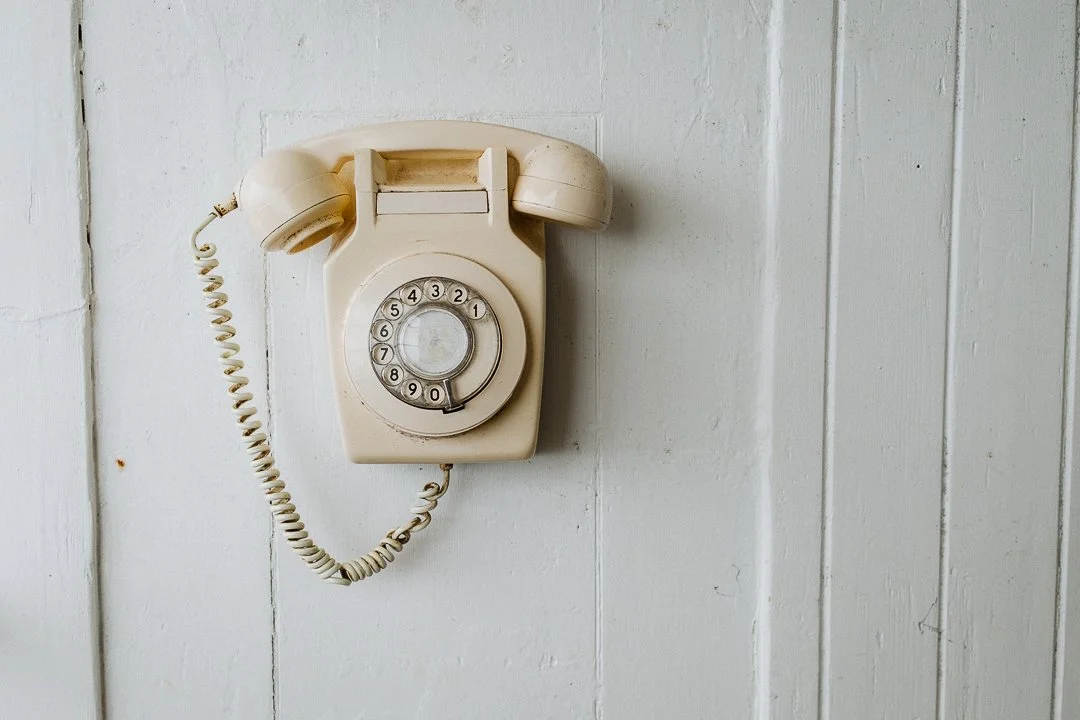
After capturing the scene and the subject, it's tempting to move on. However, details are often what make a story feel complete.
A weathered hand holding a fishing net.
Sand clinging to someone's feet after a swim.
Fresh produce arranged on a market stall.
These photographs may not tell the entire story on their own, but they add depth and richness when combined with wider perspectives.
Good storytelling in photography often depends on these small observations.
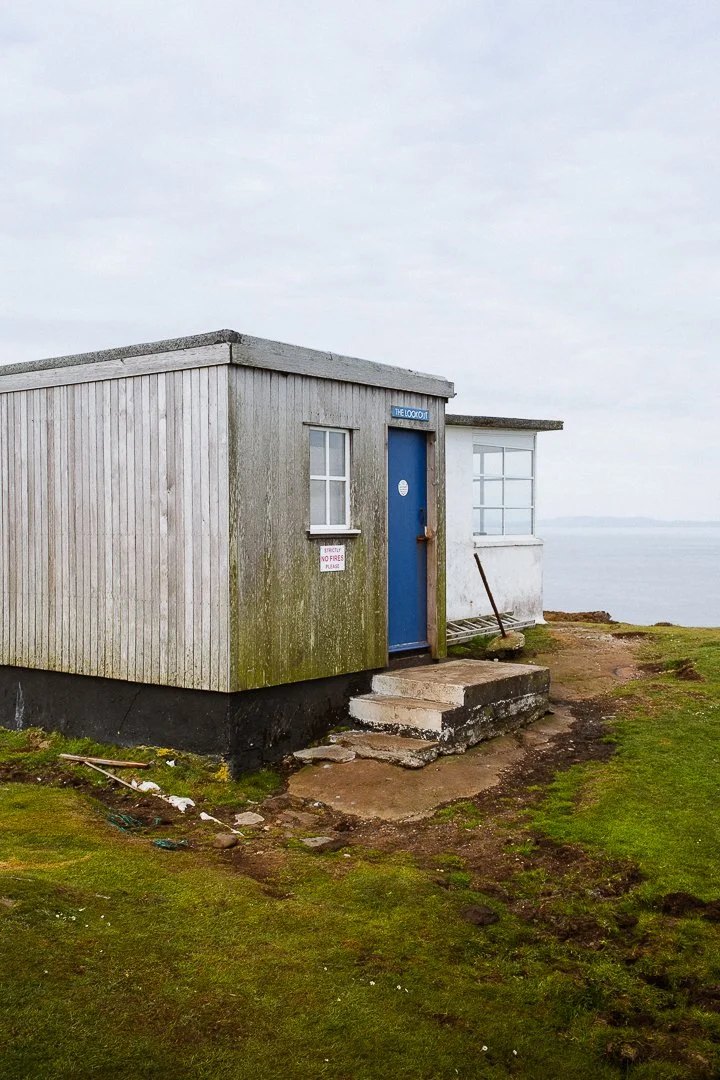
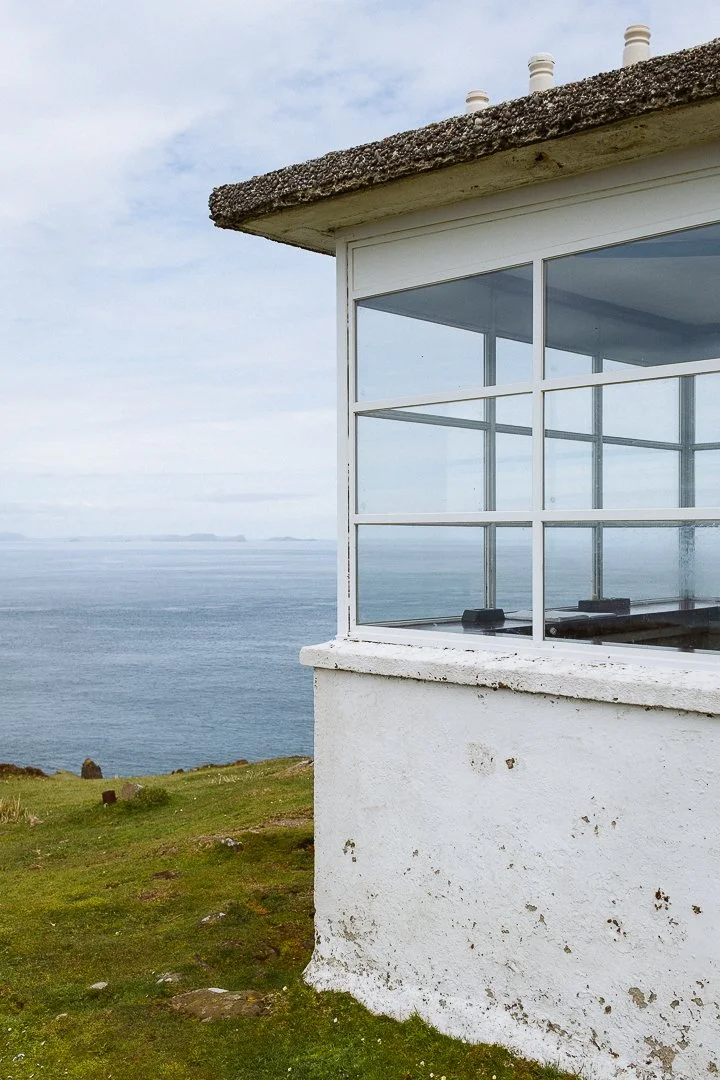
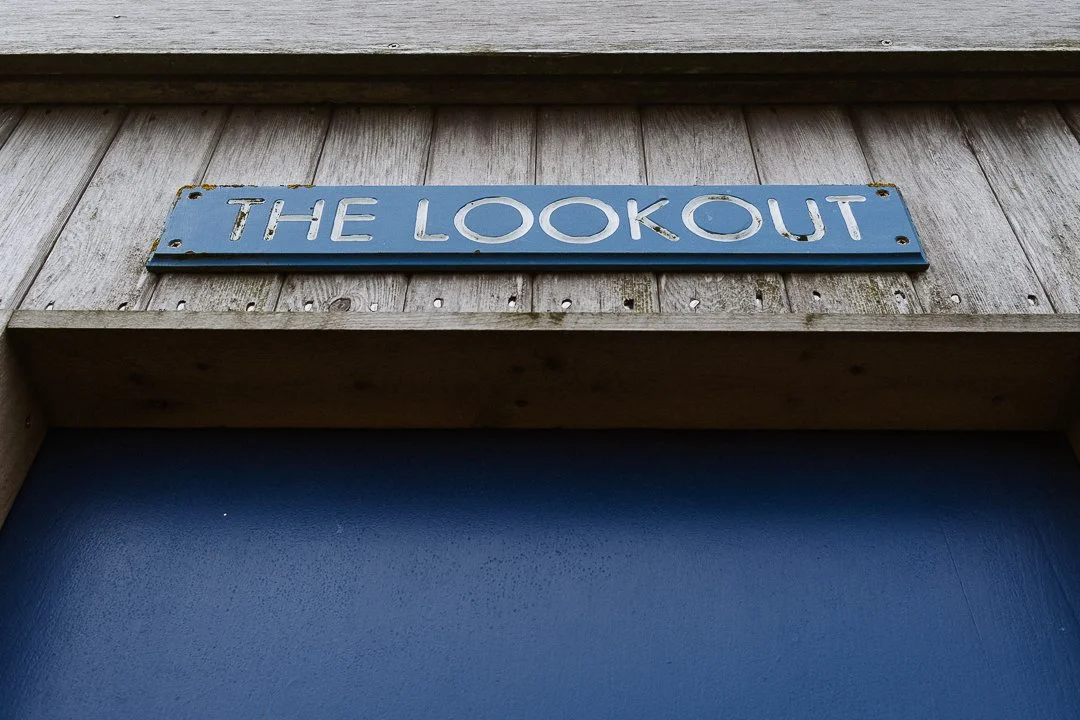
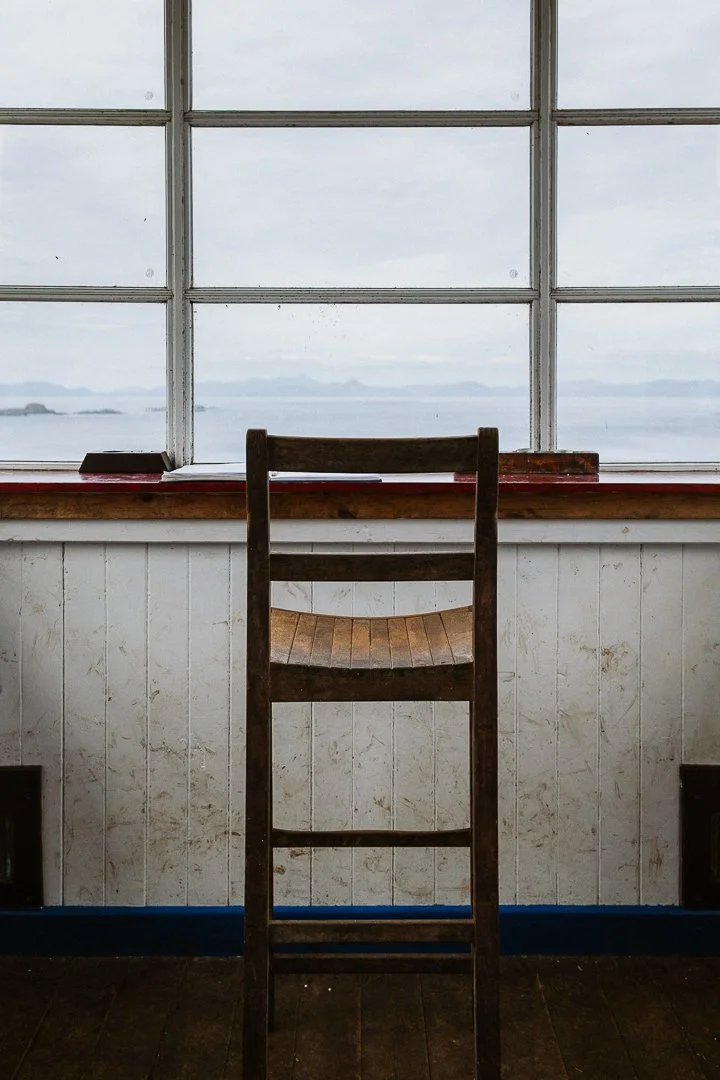
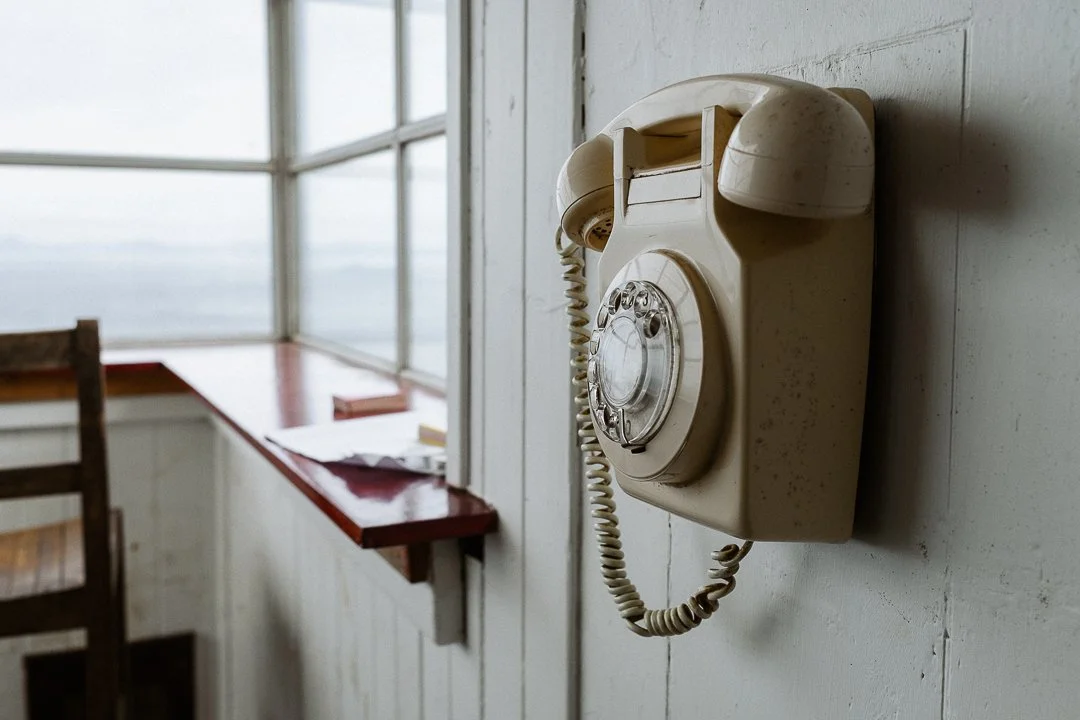
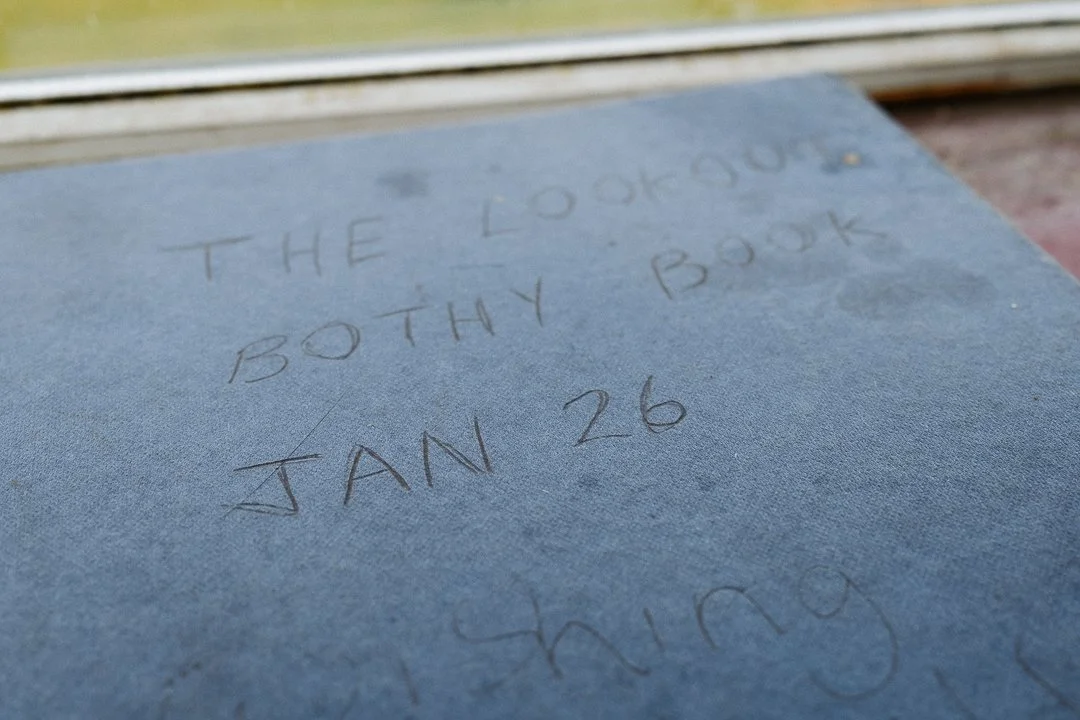
Why the wide, medium, and close-up framework works
One of the reasons this framework is so effective is that it encourages photographers to spend more time with a scene.
Instead of making a single photograph and moving on, you're challenged to explore the subject from different distances and perspectives.
This naturally leads to stronger storytelling.
The framework also works across multiple genres:
street photography
travel photography
documentary photography
reportage photography
lifestyle photography
personal projects
The subject may change, but the structure remains the same.
The next time you find an interesting scene, don't stop after making a single image. Together, these three photographs often tell a stronger story than any single image ever could.
The photos featured in this article were taken at the Lookout bothy on the Scottish island of Isle of Skye.

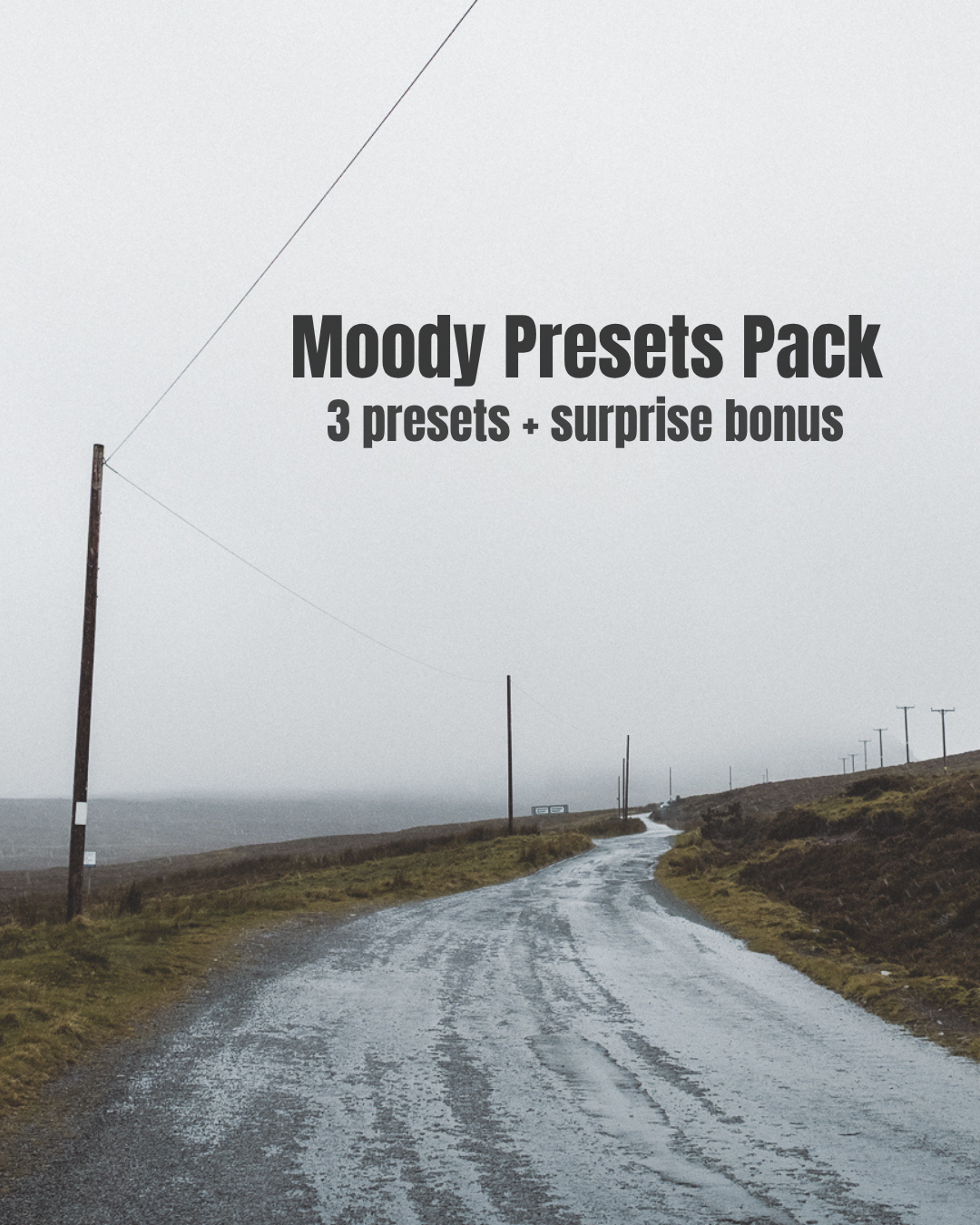
For Grainy Textures, Nostalgic Vibes, Moody Tones, Timeless Black & White, and Better Everyday Photos.
Give your photos character, atmosphere, and a touch of analog feeling with this carefully curated ultimate Preset Bundle.
Combining 12 versatile presets with 4 practical editing tools, this bundle is designed to help you create a consistent look while giving you plenty of room to experiment.
Perfect for:
film-inspired photography
moody and atmospheric images
timeless black & white photos
everyday photography & personal projects
portraits, street, travel & documentary work
creating a more consistent visual style
What’s Inside:
12 Lightroom presets (5 x grainy, 3 x moody, 2 x b&w, 2 x vintage)
4 practical editing tools
step-by-step instruction included
Works on Lightroom Desktop (paid version) & Mobile (free app).
Includes both .XMP and .DNG files for easy installation.
Plug & Play Simplicity
Whether you're new to editing or a seasoned creative, these presets are effortless to use. No technical know-how required — just one click, and your photo gets that soft, film-inspired glow.
Want to make it your own? These presets are a beautiful starting point to fine-tune color, grain, and mood.
Happy with the vibe? Leave it as is - they also work as a perfect final edit.
Why You Will Love Them:
nostalgic and cinematic, without being overly dramatic
adds warmth, depth, and timeless color grading
moody, cinematic tones in seconds
elevate your IG feed, travel blog, or portfolio
consistent aesthetic across all your photos
works with both RAW and JPEG files
Pro Tips:
adjust exposure and temperature depending on lighting
increase or decrease grain to suit your personal style
works beautifully with backlit photos, blue hour, and even cloudy light
Instant Download – Lifetime Use
Once you purchase, you’ll receive an instant download link with everything you need to start editing today.
Please note that since it is a digital product, purchases are non-refundable. However, if you experience any issues, feel free to get in touch - I’m always happy to review situations individually and help where I can.
By buying my presets you support this blog enormously. Thank you.