
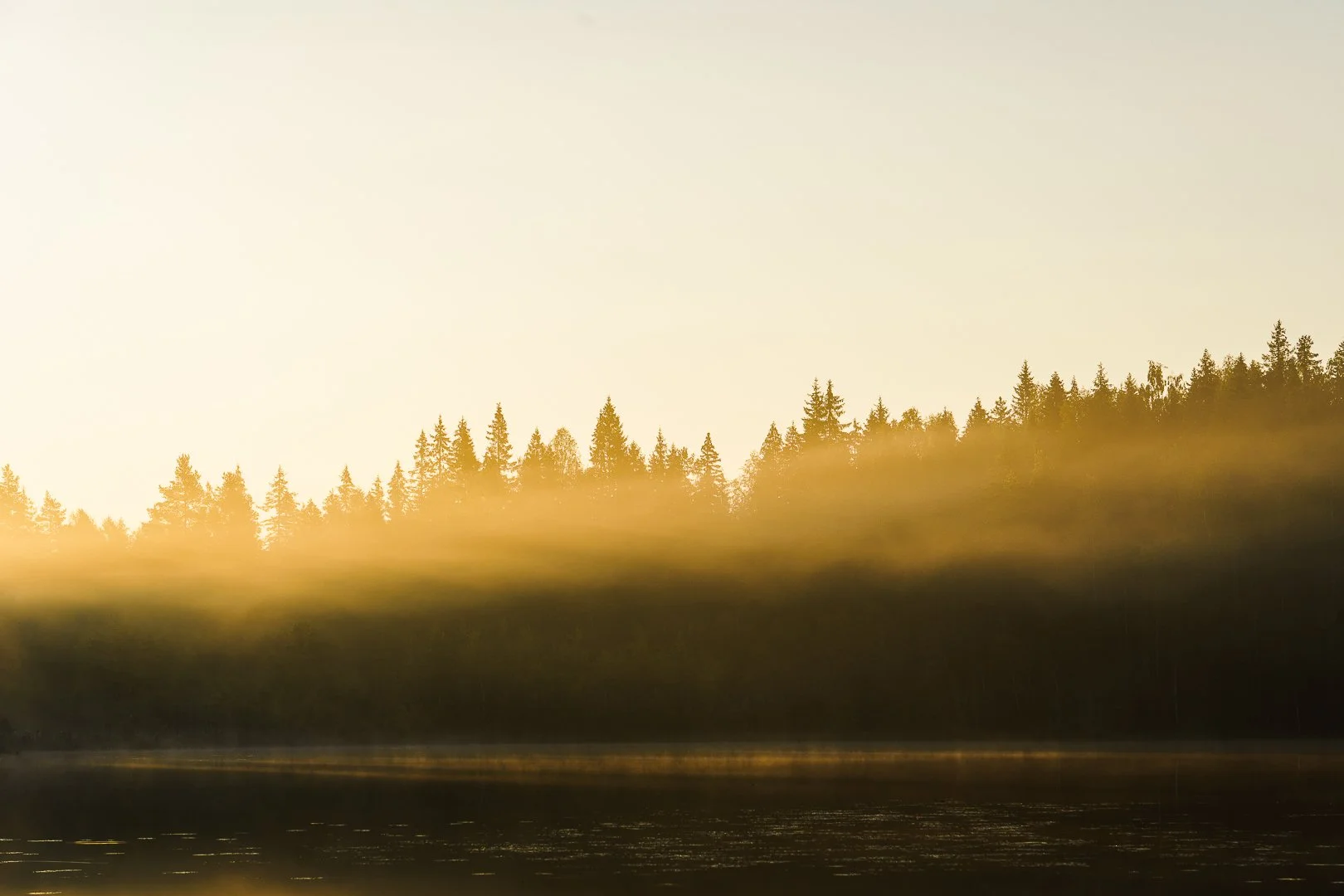
At a time when writing was my primary form of artistic expression, I came across a statement by one of my favourite authors, Kurt Vonnegut.
“When you tell a story, every sentence should serve a purpose — either to reveal new information or to move the action forward, not just to fill space on the page. It should intrigue the reader enough to make them want to turn the page and keep reading.”
Vonnegut’s books, condensed, written in a simple, often ironic language, yet deeply philosophical, had a strong influence on shaping my own expression.
As I began to develop in photography, it was a natural step to start removing unnecessary elements from my images and to tell stories in a more simple, condensed way.
I started to explore and experiment with a minimalist approach, which gradually became an important element of my style.
It quickly became clear that minimalism in photography is not just a visual style, but a way of training attention - of reducing noise and focusing on the essence of the medium.
In my case, that essence lies in appreciating the entire process, not just the moment of pressing the shutter. But minimalism can go far beyond that.
What is minimalist photography
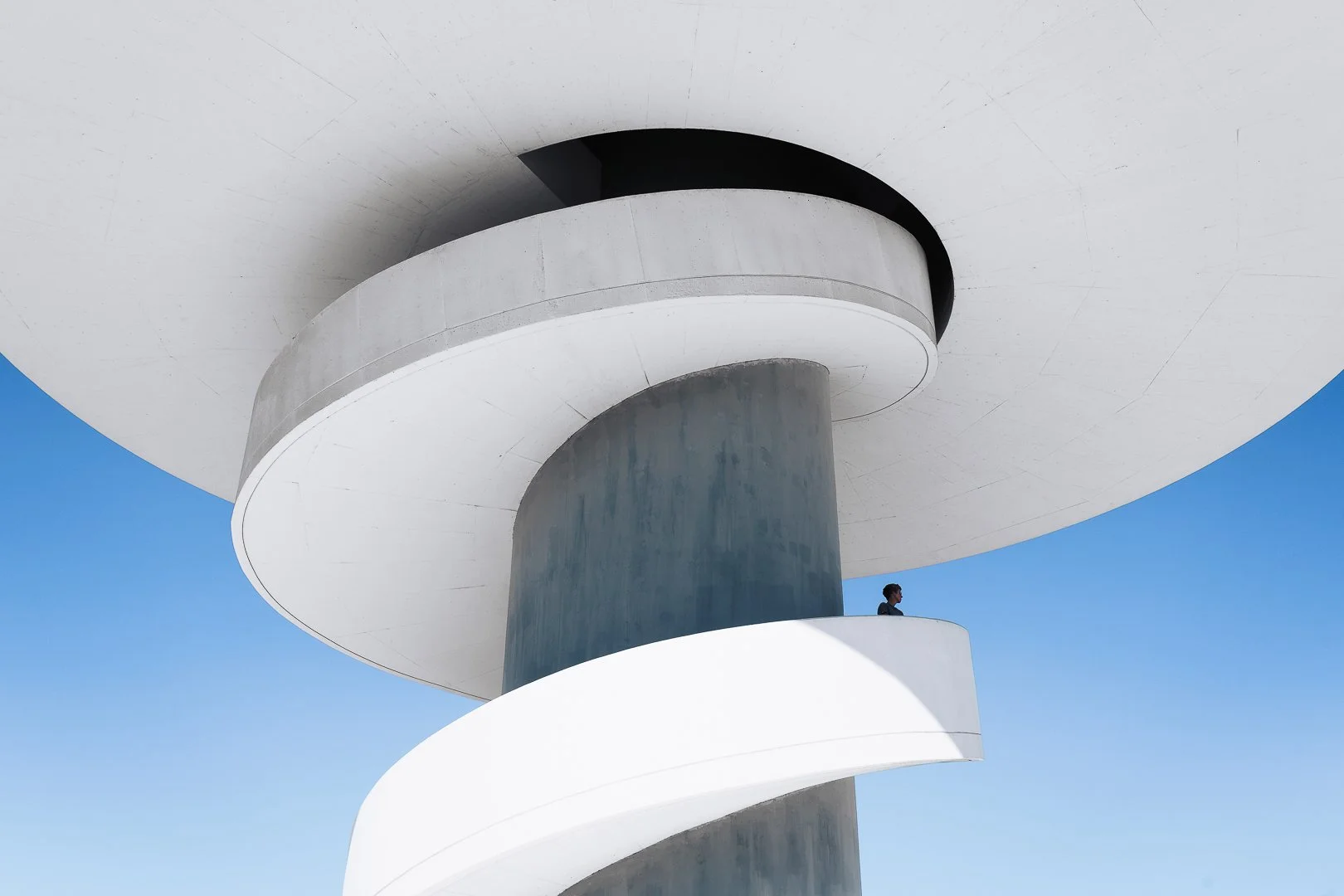
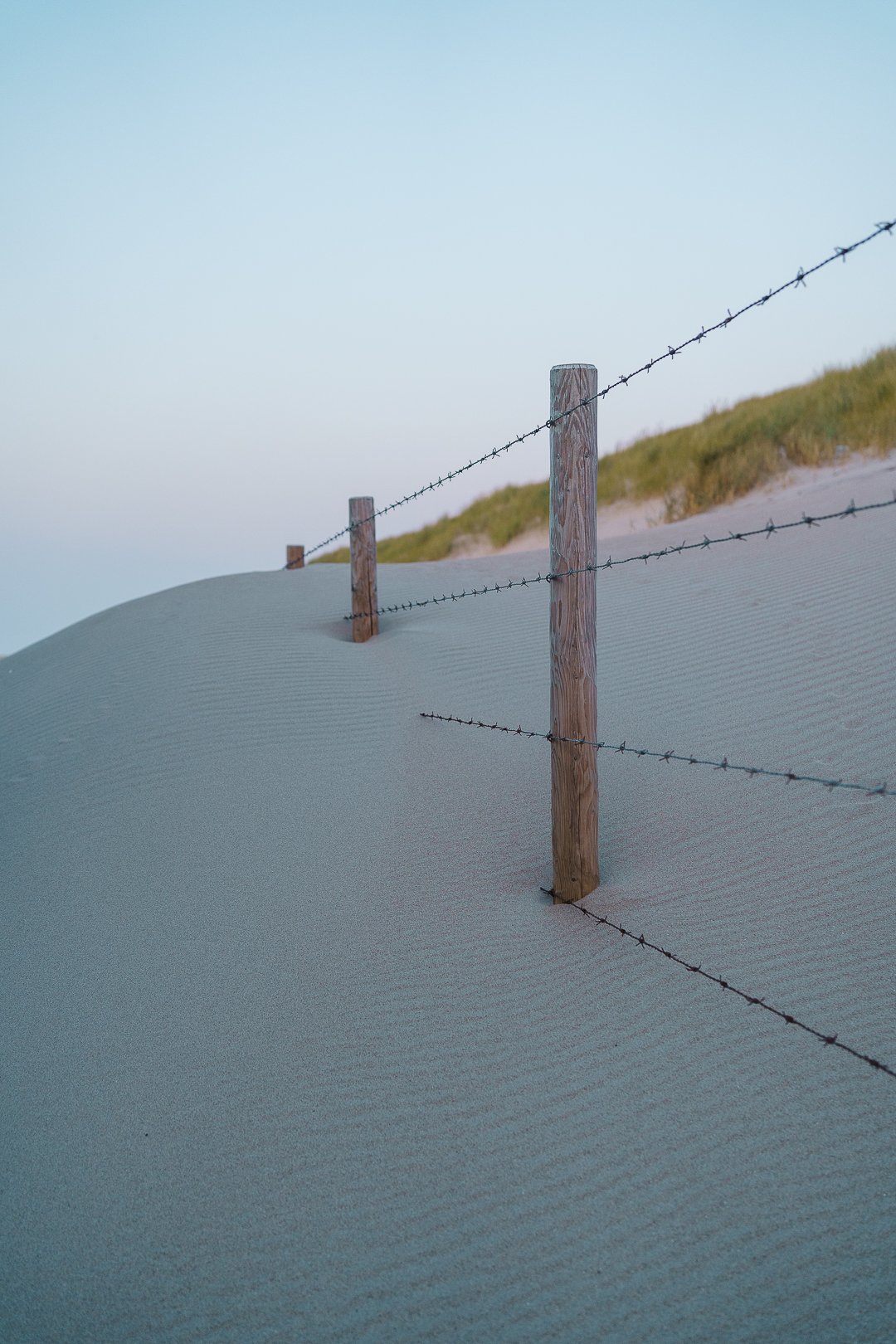
Minimalist photography is about capturing the essence of a scene or a story - much like in writing, without unnecessary ornament. It emphasizes simplicity and removes distractions, allowing the image to communicate with as little as possible.
It’s a way of saying more with less. Reducing the frame to only what matters, and letting that carry the weight of the photograph.
Regardless of the genre - whether it’s portrait, architecture, landscape, or everyday, mundane scenes - a minimalist approach helps create images that feel more focused and intentional.
Without visual noise or fillers, the subject becomes clearer, and the message more direct.
The point where the subject is clear, and nothing competes for attention, is where minimalist photography begins to work.
The real fun starts when a simple composition and an obvious subject are used to create something less obvious.
Because an image doesn’t have to explain itself completely. One that leaves space for interpretation, raising questions rather than answering them outright, is often stronger.
What is the power of minimalism
We live in a world that throws an overwhelming amount of stimuli at us every single day, in every possible form.
Only highly conscious individuals are able to consistently resist this constant flood of content. The average mind, by the end of the day, feels completely saturated, filled to the brim with loud, highly saturated noise.
At some point, I realized I didn’t want to expose my mind to that any longer.
I made a deliberate decision to filter what I consume, and to resist the constant pull toward more - more content, more items, more distractions.
I felt a strong need to step away from that noise.
And that’s when less is more in my photography started to take on a broader meaning.
It moved beyond composition and into other areas - less gear, less friction, less consuming and less oversharing.
And over time, that naturally led to something else: more intentional shooting, more focus.
I look at minimalism in photography from two angles: the formal side - subject, composition, colour and space - and the practical one - how we use our gear, find subjects, work and edit. This is what this article is about.
Formal minimalism in photography
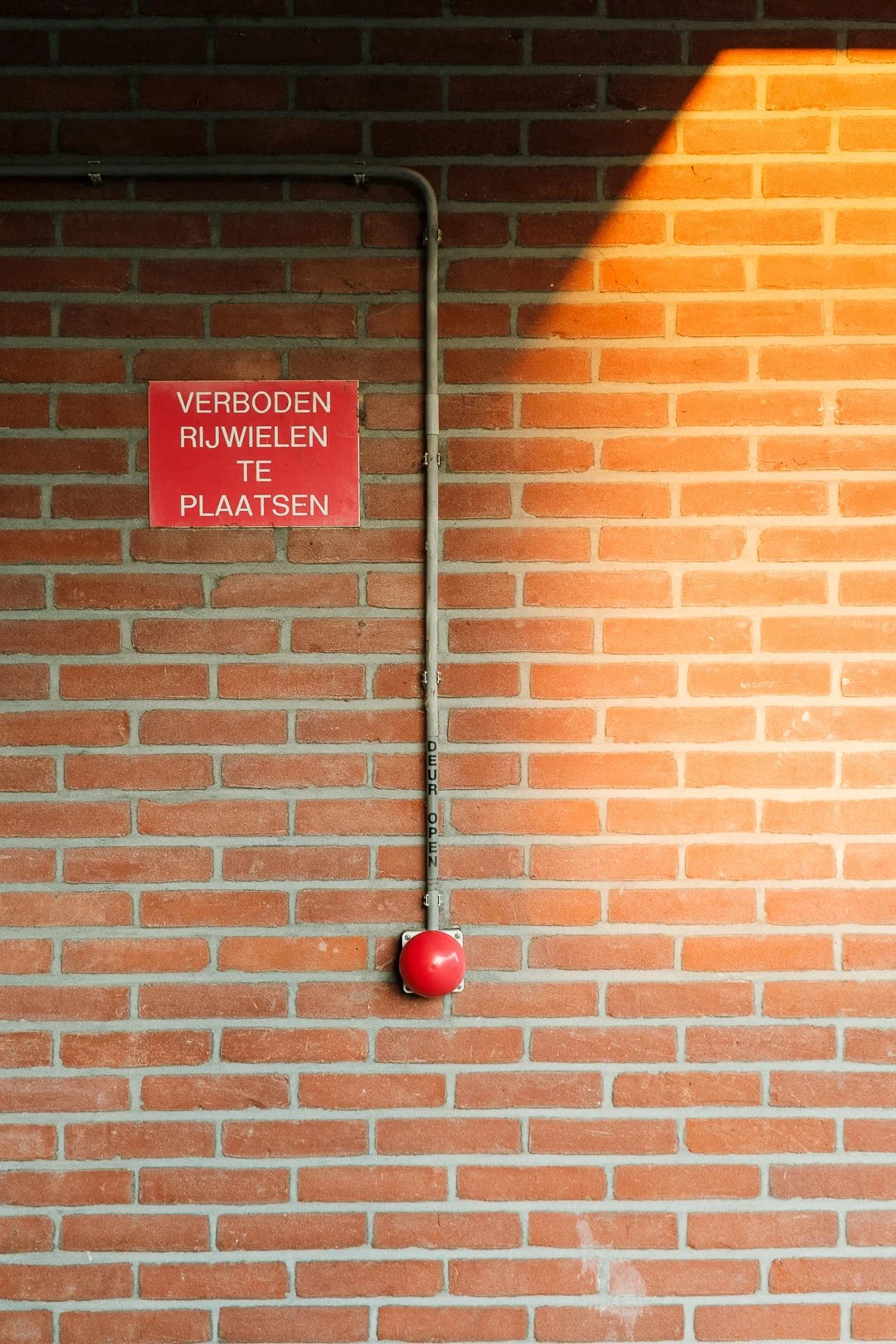
Subject in minimalist photography
In minimalist photography, clarity is everything. It requires a deliberate decision - what to keep, and what to let go of.
The image should be built around one main subject. Anything beyond that often turns into noise. Whatever remains in the frame should support the subject, guiding the viewer’s attention toward it.
And much like in Vonnegut’s writing - if something doesn’t contribute to the story, it doesn’t belong there.
The subject itself doesn’t have to be exotic or complex to be compelling to hold attention.
Composition in minimalist photography
Composition is the structure beneath every image. In minimalist photography, it becomes even more important because there are fewer elements to rely on.
There is no room for unnecessary visual noise.
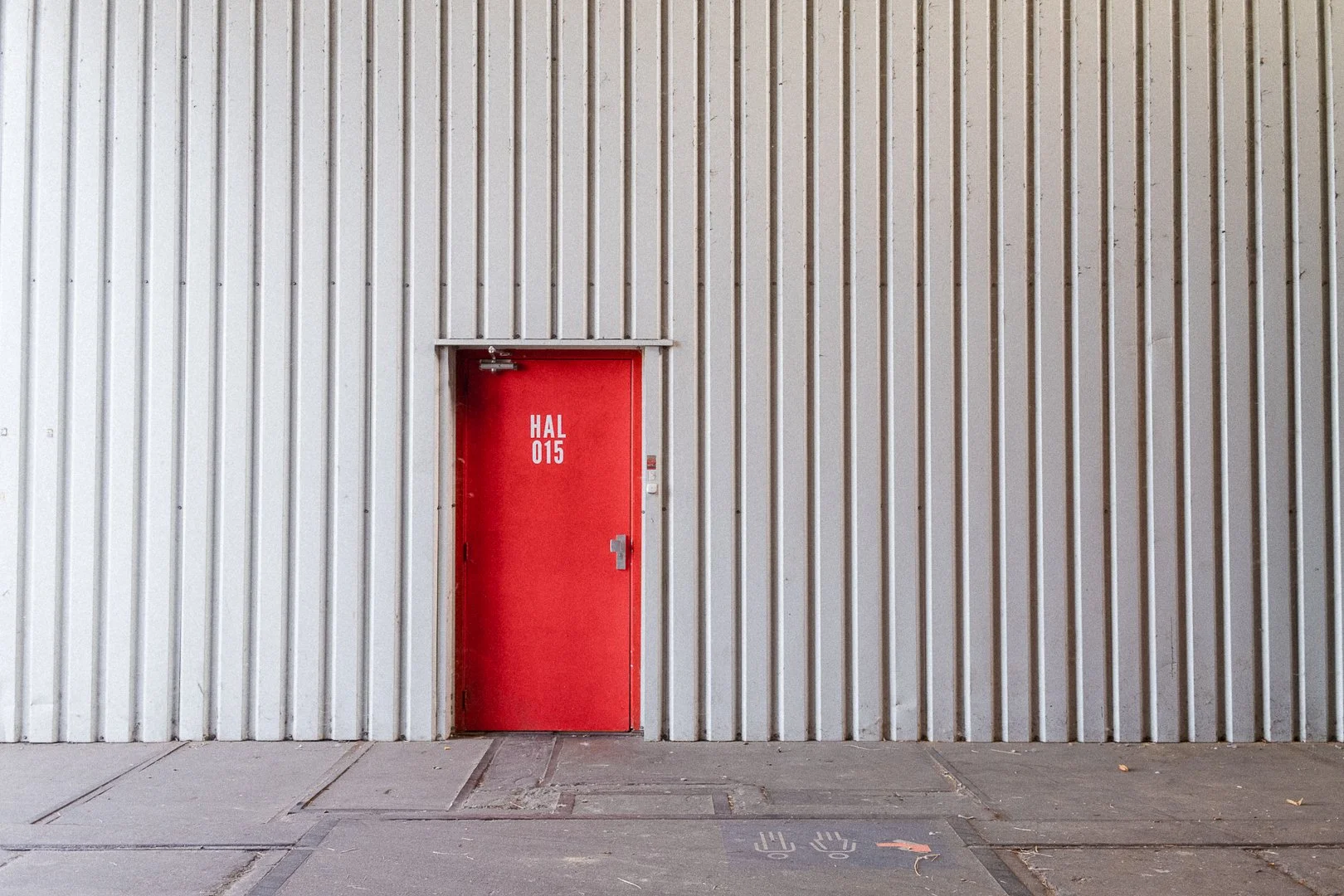
A few simple principles can help create clean, intentional compositions. The subject sits where it belongs - whether centered for calm or placed off-axis to add quiet tension.
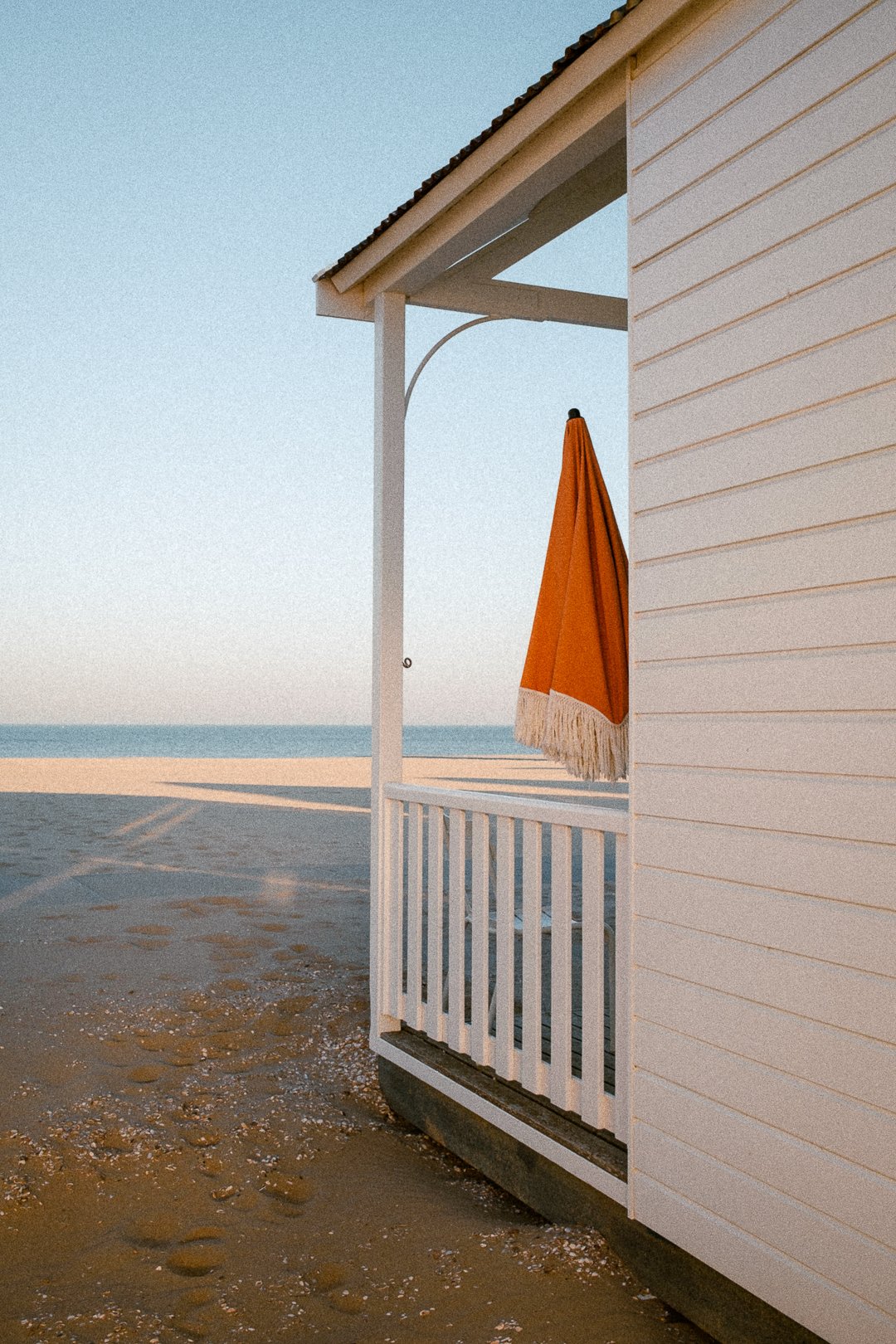
Colour in minimalist photography
Colour is more than decoration. It builds atmosphere.
A limited colour palette creates focus and defines mood. It calms the image, directs the eye, and gives the subject more weight.
When you reduce the palette to one or two dominant tones, the frame becomes more intentional and visually controlled.
Sometimes, the absence of strong colour says even more.
In minimalist photography, colour is never neutral. Every choice either strengthens or disrupts the simplicity of the frame.
Negative space in minimalist photography
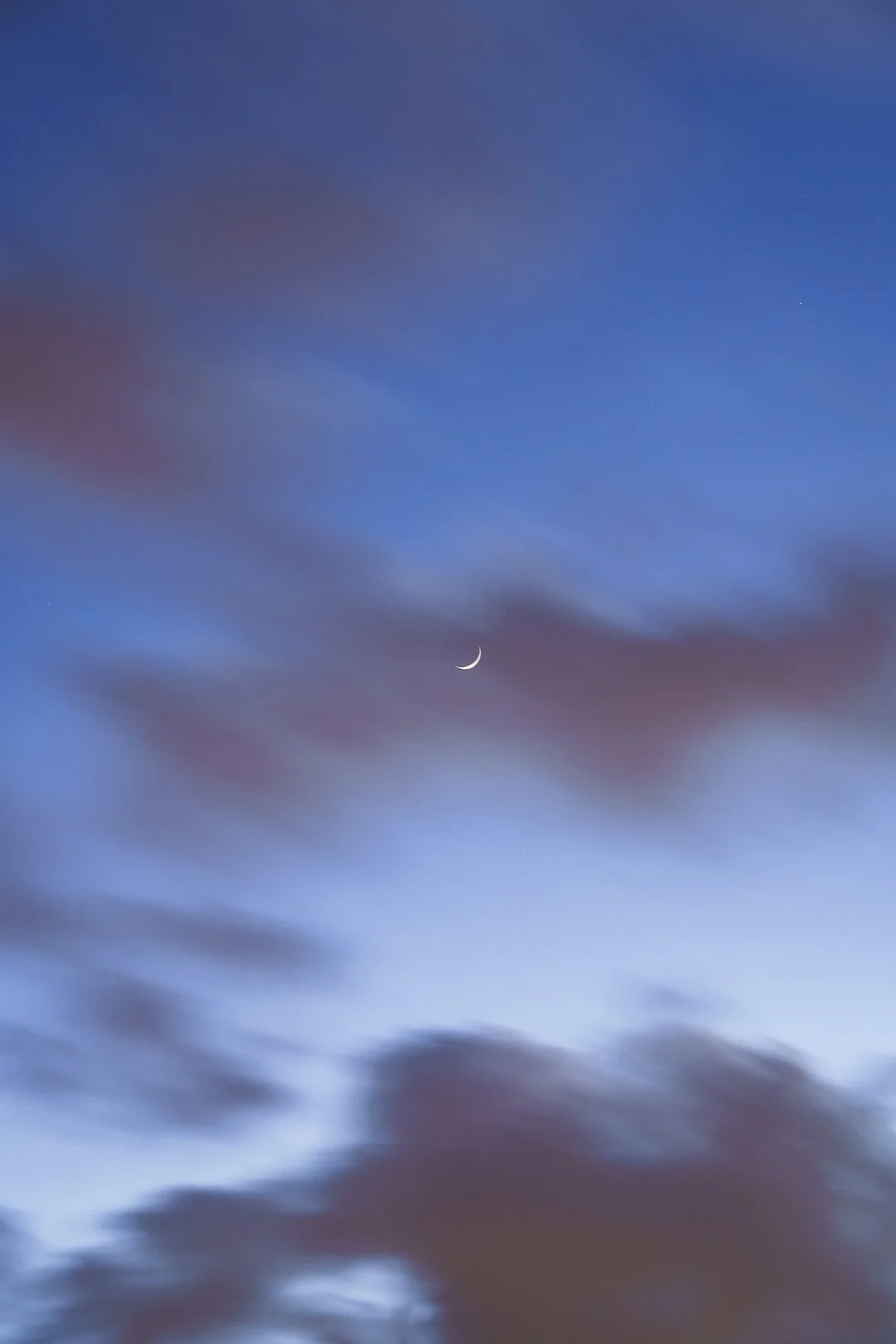
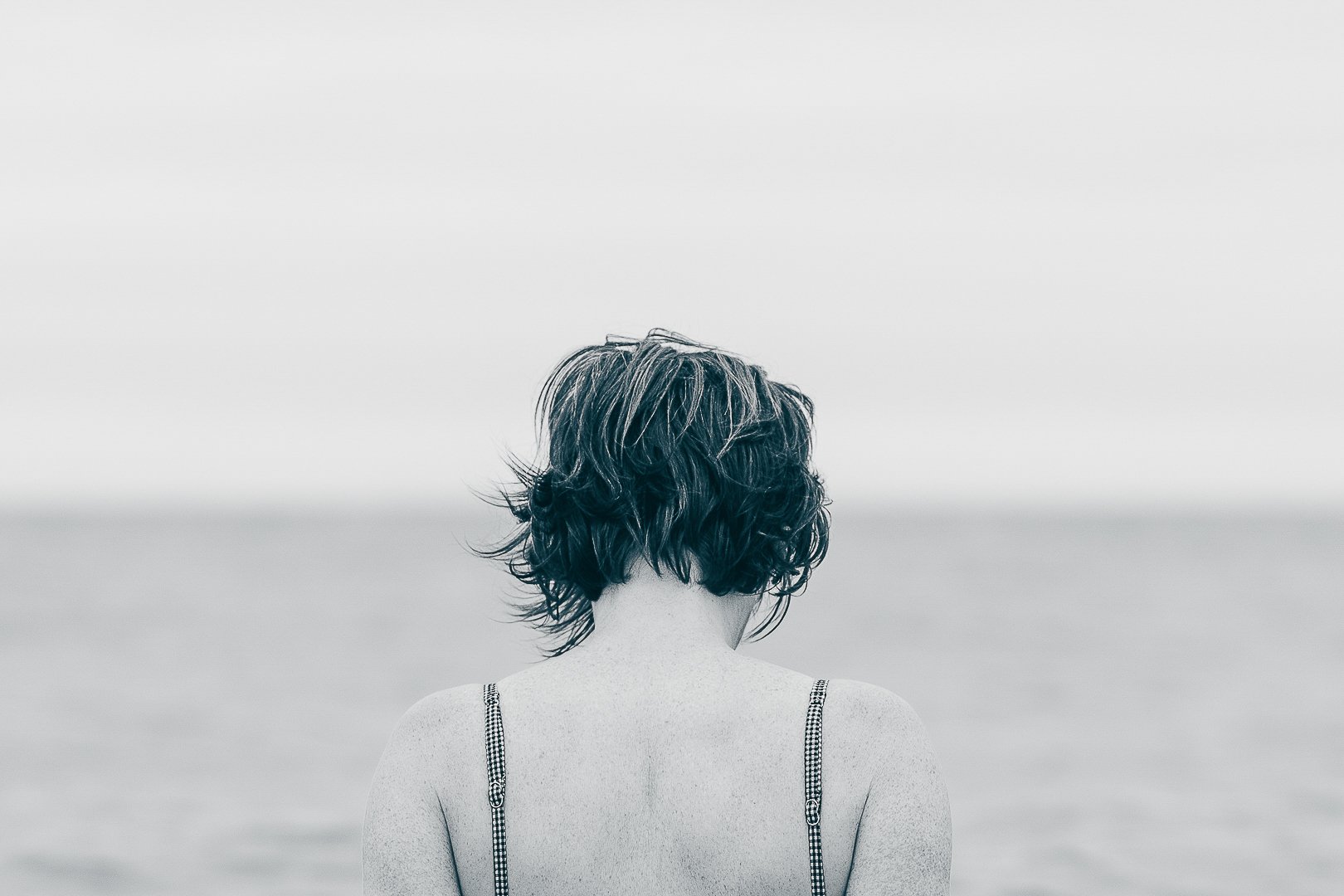
Negative space is the breathing room of an image.
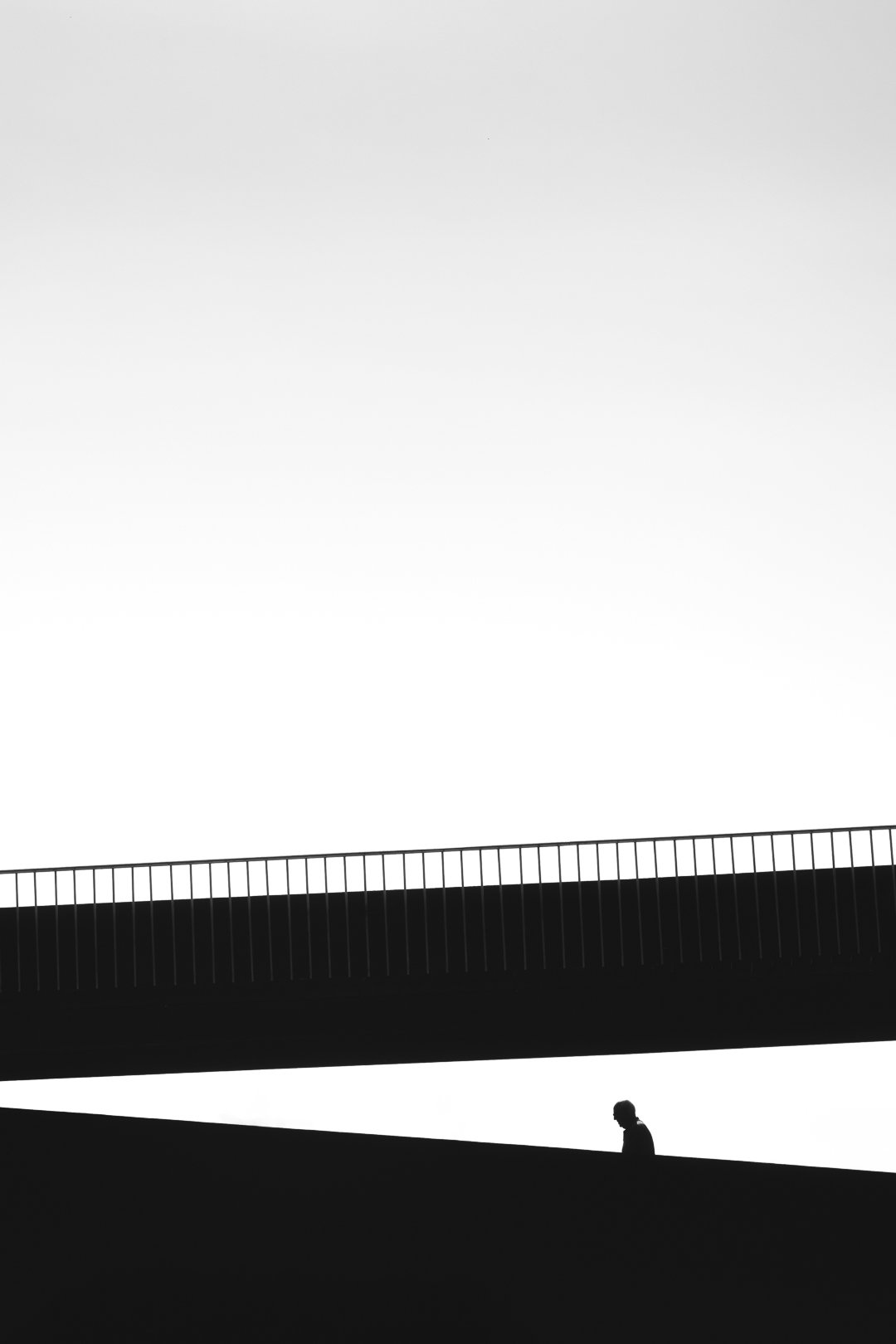
It isn’t just an empty part of the frame. It holds tension and stillness, and allows the subject to stand out. It creates balance and gives the viewer permission to slow down.
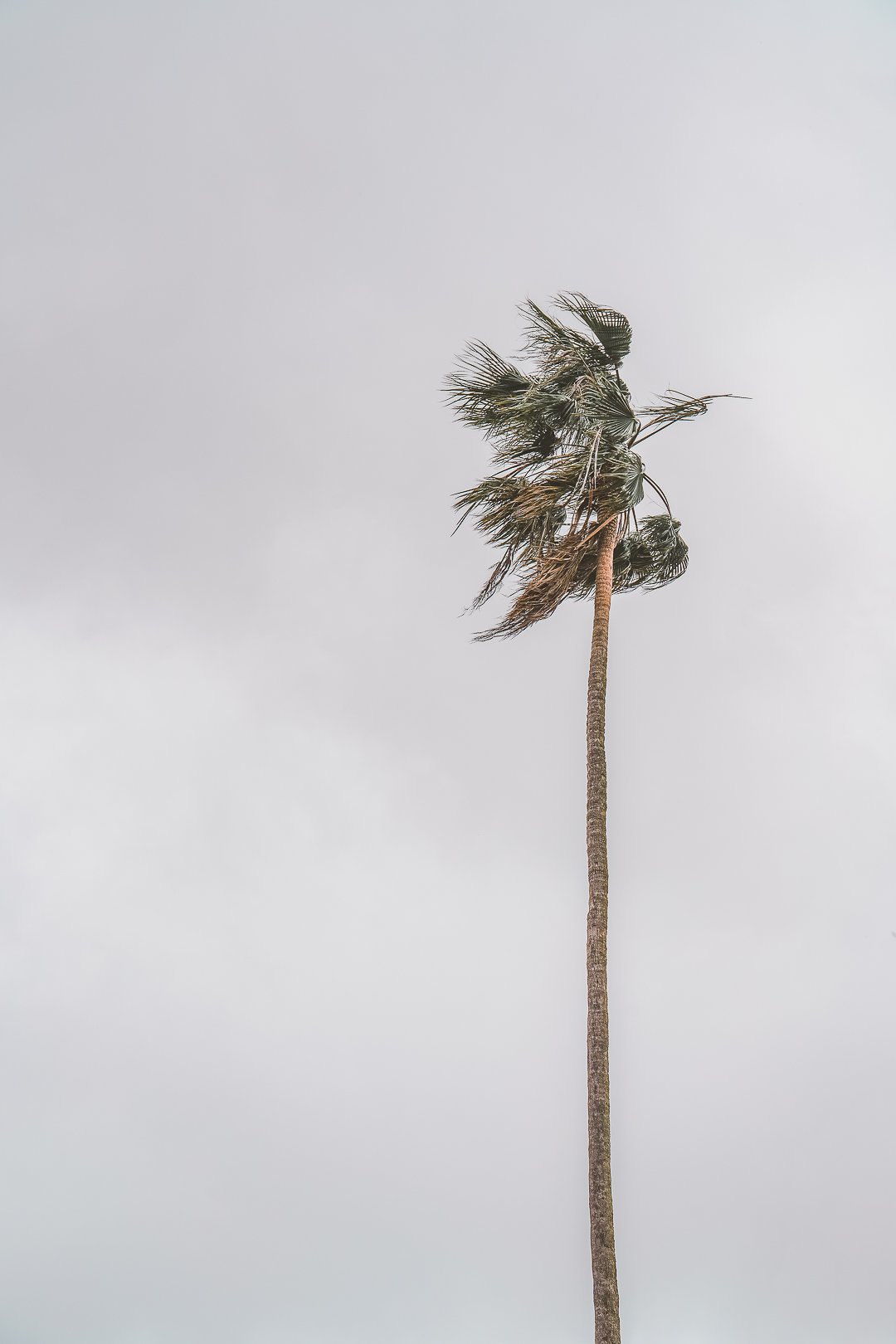
A lone tree against the sky, or a bird in fog, becomes more striking precisely because nothing competes with it.
In a world full of busy images and loud visuals, negative space is a kind of generosity.
For a more in-depth look at these techniques, read my guide on how to simplify your images.
Minimalism in different photography genres
Minimalism in the city - urban and street photography
Minimalism in urban and street photography is all about selective attention. Cities are dense by nature, full of movement and constant visual input.
A minimalist approach does not try to eliminate that complexity entirely, but it navigates it with intention.
In practice, this often comes down to simplification within chaos. Isolating a single subject against a busy background, waiting for a moment - a figure stepping into clean light, a shadow cutting through an otherwise cluttered frame, a pause in movement that reveals structure.
To find these moments, you need to stop, observe, and anticipate.
Composition plays a different role here than in more controlled environments. What works here is adjusting position, timing, and framing to remove what is unnecessary.
This restraint often results in images that feel more grounded and readable, even within visually complex environments.
Shooting minimalist images in the city is a way of working that doesn’t compete with the environment, but instead finds structure within it.
Abstract minimalism
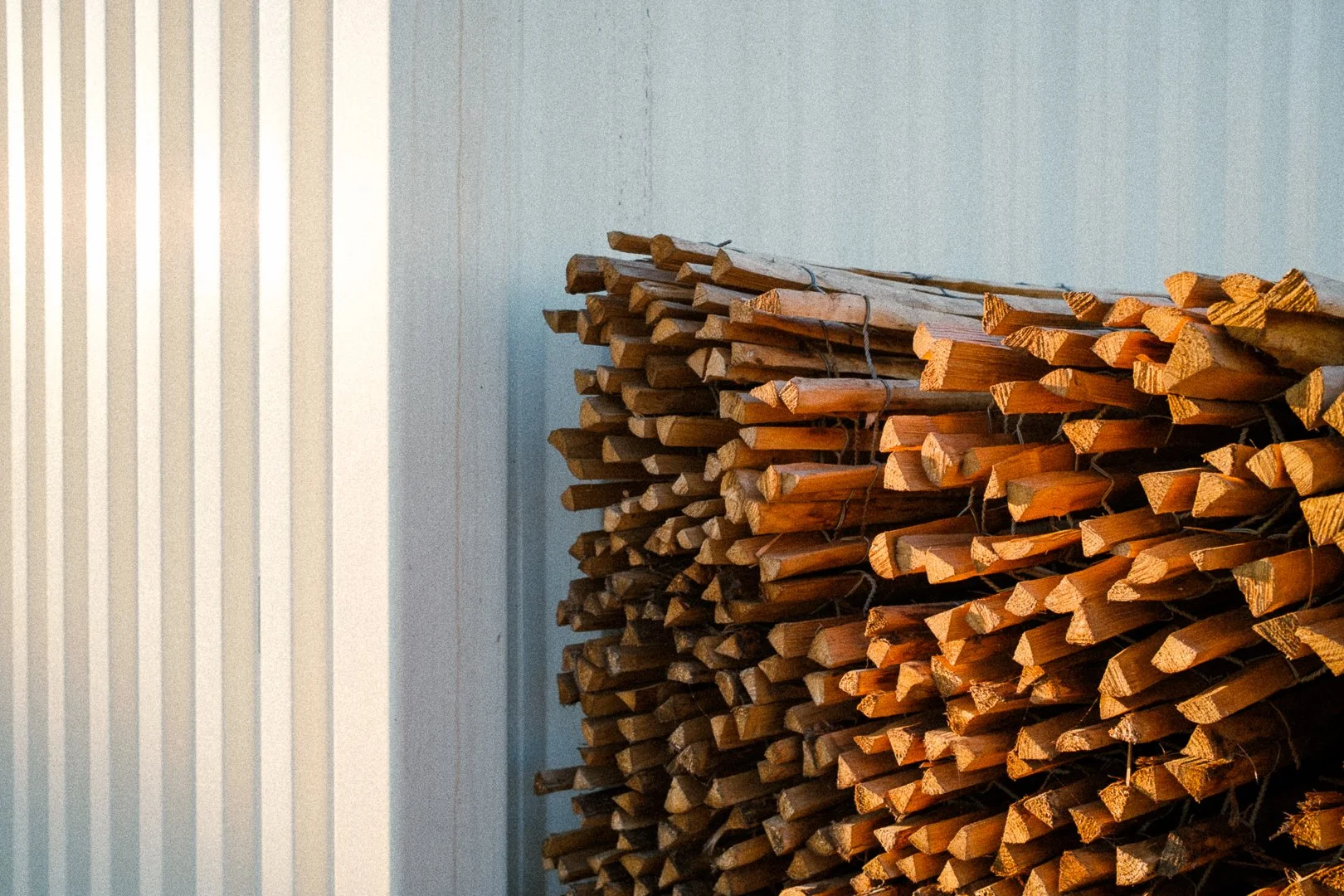
Abstract minimalism in photography moves even further away from describing the world as it is.
Instead of documenting scenes or subjects, it focuses on reducing reality to its most essential visual elements - lines, shapes, light, and color.
It is no longer about what is being photographed, but how it is seen.
The photograph operates on a more perceptual level, which requires a deliberate shift in attention and observing relationships between elements closely.
Color and light take on a more structural role. A single color field can define the entire image. A line of shadow can create tension or direction. Without narrative or recognizable context, these elements are no longer supporting the image - they are the image.
Minimalism, in this context, is not about simplifying something complex. It is about starting from almost nothing, and recognizing when it is already enough.
Minimalist landscape
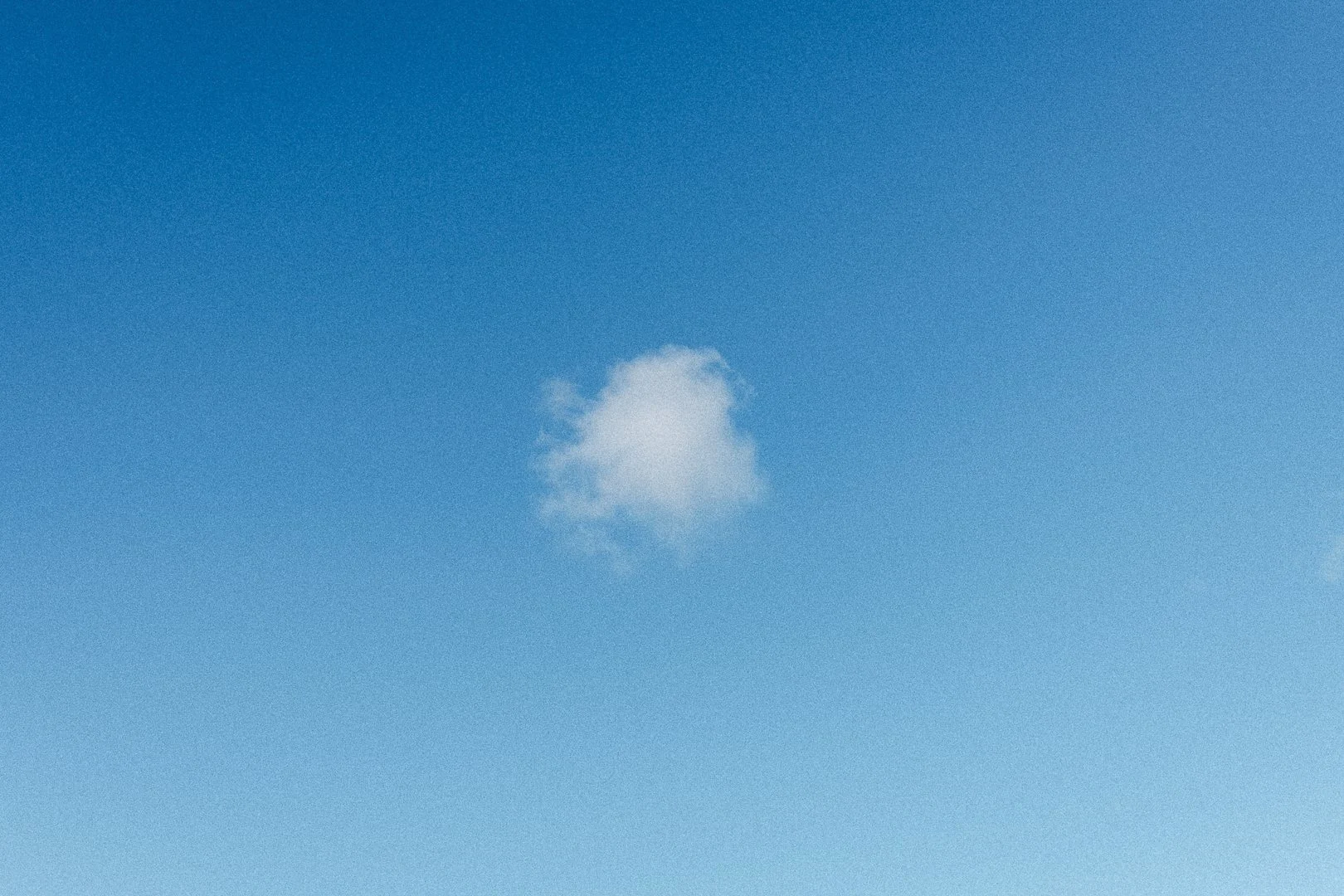
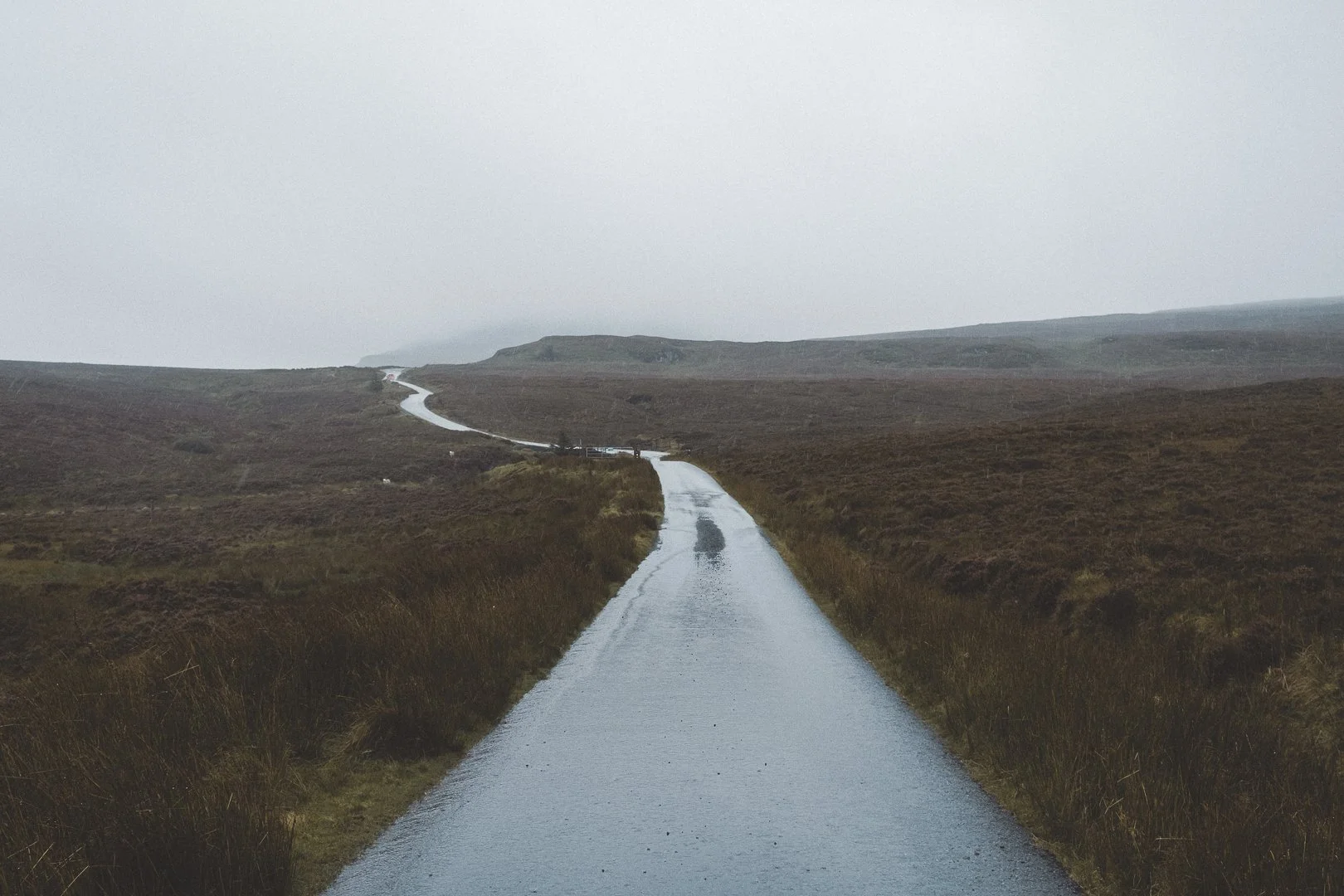
Minimalism in landscape photography often begins with the opposite of what the genre is known for. Instead of wide, detailed vistas and layered compositions, the focus shifts toward reduction - selecting only a small fragment of the scene and allowing it to stand on its own.
This usually requires a change in how you approach the landscape.
Rather than trying to capture everything that makes a place impressive, the attention narrows to what makes it coherent. A single detail. It can be a break in the clouds, a lone structure or natural form.
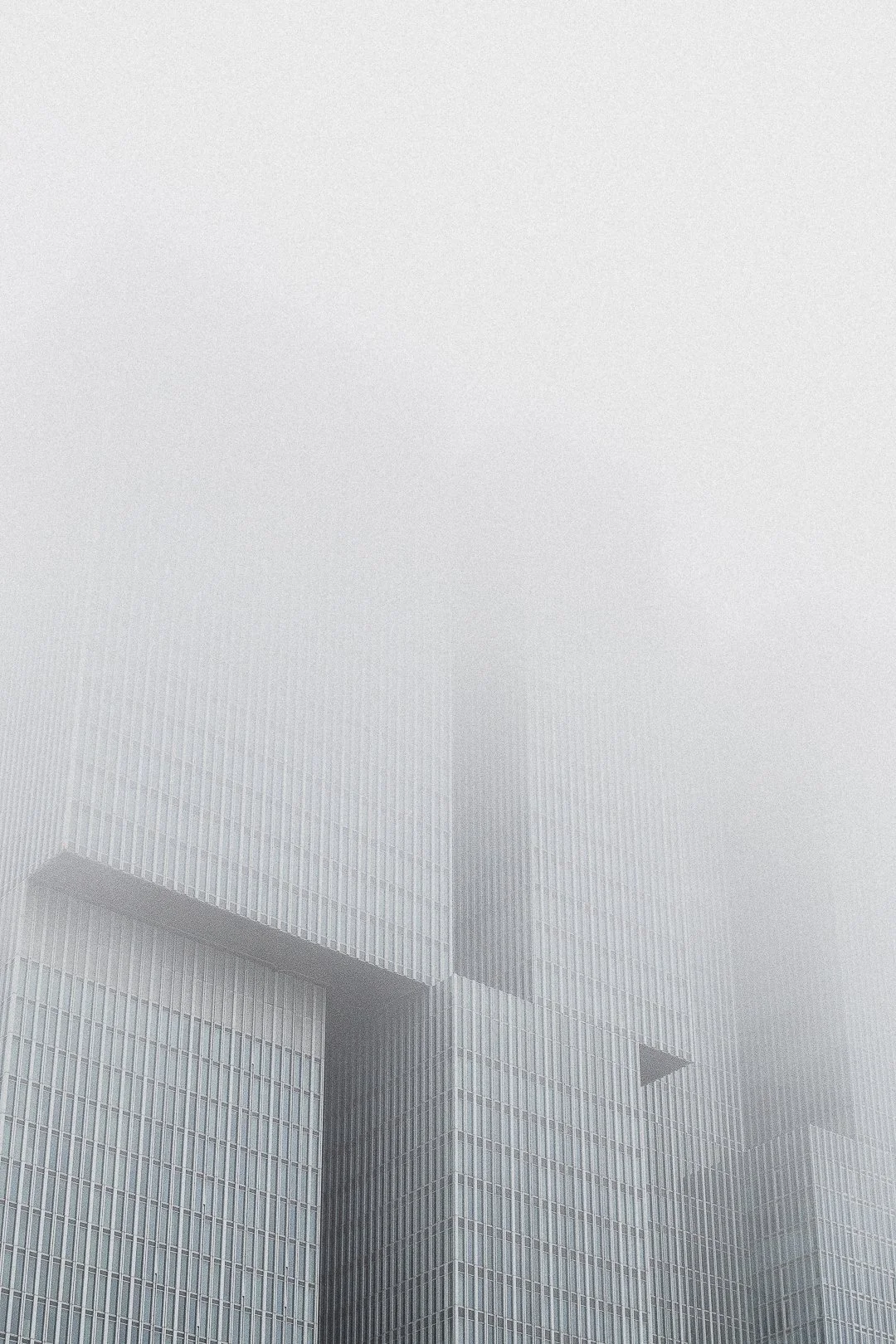
Conditions play a significant role here. Fog, flat light, or limited visibility in a minimalist context become powerful tools. They remove distractions, soften transitions, and simplify the scene.
What might seem like “nothing happening” is often exactly what allows the image to work.
Framing will be more deliberate and restrained, with less focus on dramatic perspective and more emphasis on spacing and proportion. Negative space is an active part of the composition.
Other aspects of minimalism in photography
Minimalism in photography goes far beyond formal decisions within the image.
Over time, it begins to influence the way the work is approached more broadly - from the tools being used, rhythm of shooting, to the expectations placed on the outcome.
It shows up in small, practical choices. Carrying less. Letting go of the need to constantly look for something new, and instead working with what is already known.
The process becomes more deliberate.
The same shift applies to how the work is evaluated. Not every image needs to be kept, edited, and - especially - shared. A more selective approach naturally follows - fewer photographs make it through, but those that do tend to feel more resolved.
Less is driven by impulse, more by a conscious choice.
Minimalism, in this sense, is not limited to how a photograph looks. It becomes embedded in how decisions are made throughout the entire process. A way of working that reduces excess at every stage, not to simplify the outcome, but to make it more precise.
Minimal approach to photography gear
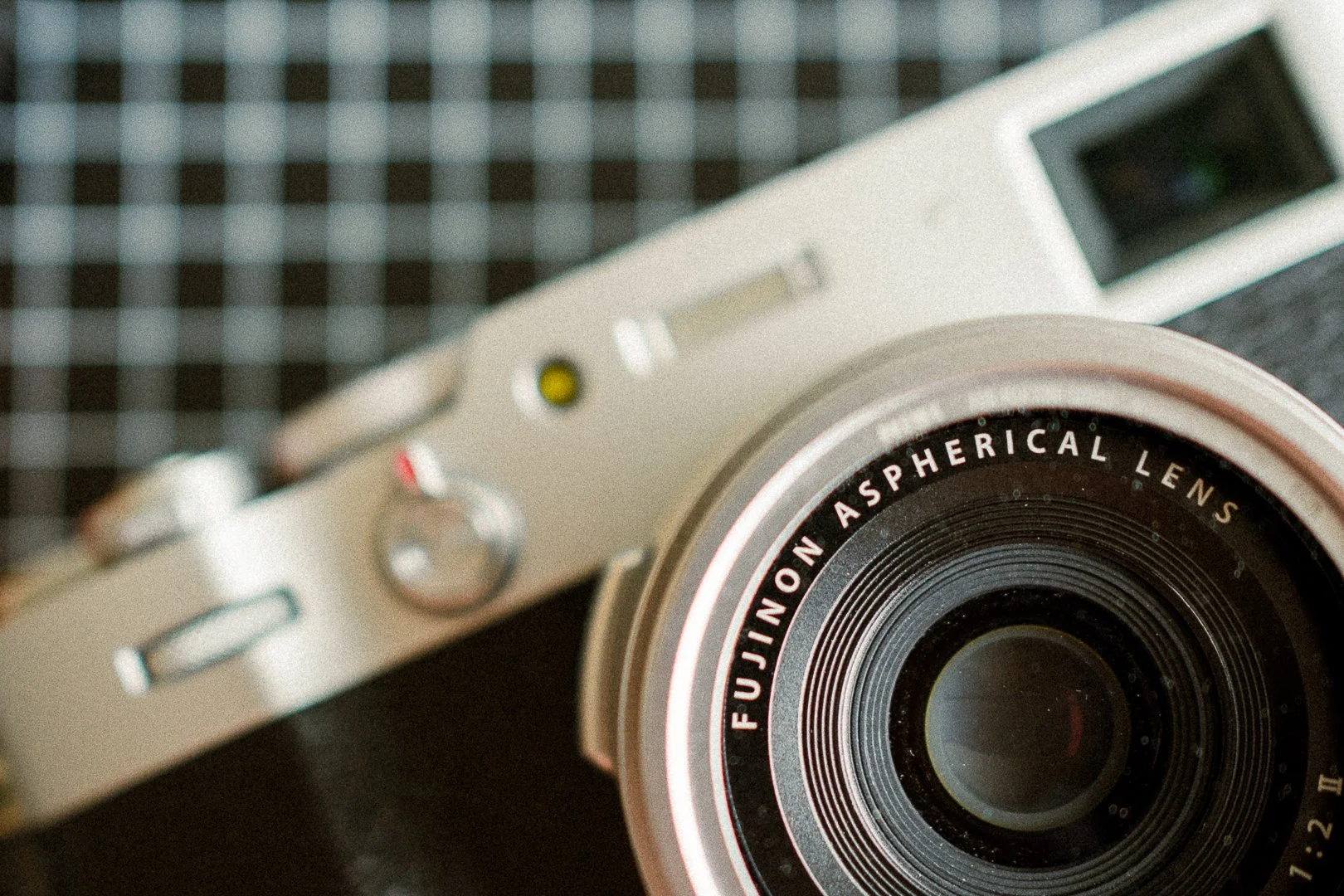
After several years of photographing across different genres, I have no doubt: gear should serve one essential purpose - it should take photos, and using it should feel good.
In my native language there is an idiom that translates roughly to “more gear than talent,” a humorous way of describing someone who tries to compensate for lack of skill with the amount of equipment they own.
At some point, as my collection of gear started to grow, I made a conscious decision that I didn’t want to fall into that trap.
It was exactly when I reduced my setup to the minimum that I started taking a larger number of photos, on a regular basis. I replaced my camera with one I immediately fell in love with. For over half a year it stayed with me at all times.
That change alone - a daily practice - very quickly helped me reach a different level in my photography. I’ve written more about how I took a challenge to shoot daily here.
At the moment on my gear shelf you’ll find only the essentials: my everyday camera with a fixed lens, a backup body with two prime lenses (used only occasionally for specific tasks), extra batteries and chargers.
This approach not only gives me physical freedom of movement, but also - paradoxically - the limitation of a single camera with a single focal length creates a huge amount of creative freedom.
It makes the entire process extremely simple, stripped of any friction.
A minimalist approach to gear also touches on an important financial aspect. There is a common myth that photography is an expensive hobby. When I started, I also believed I wouldn’t be able to take good photos without a full frame camera with a whole range of focal lengths and a set of filters. I couldn’t be more wrong.
The reality is that some of my favorite street photographs to this day were taken with my father’s old Nikon D300 from 2009 (which can now be bought for around 75 euros) paired with the cheapest prime lens (around 100 euros).
Lowering gear expectations therefore lowers the entry barrier for those whose budget does not allow for a more modern setup.
If you’re interested, you can read about my minimalist approach to photography gear in a separate article.
Local photography vs. photo trips
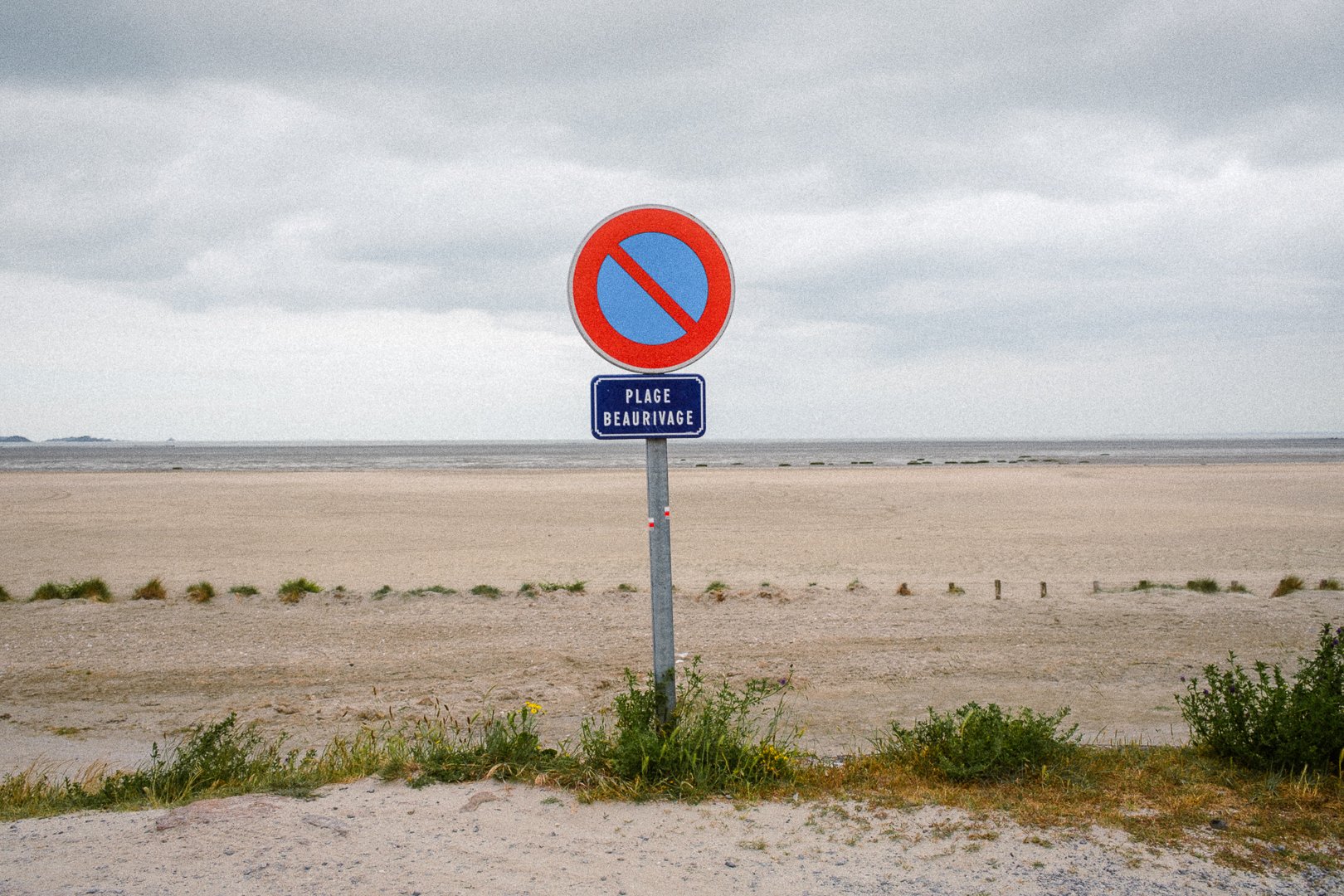
Since I was a kid, I’ve been a fan of all kinds of bodies of water. The fact that I now live on the Dutch coastline naturally shaped the direction of my photography. The sea and the shoreline gradually took the lead role, and the result of this ongoing focus is my long-term project Shore Goods.
But it wasn’t always this obvious.
Influenced by the Instagram “banger” virus, I started my photographic journey by exploring different parts of Europe, regularly going on photography trips.
These short but intense journeys definitely added to my skill set.
But did the images I brought back from these trips carry the same meaning for me as the ones I captured in my own backyard, on the Dutch coast?
No, I don’t think so.
Practicing photography locally became one of the aspects of minimalism that I consciously integrated into my process.
It allows for a more intentional and thoughtful approach to choosing locations. Unlike travel destinations, local places can be revisited repeatedly, at a slower pace, allowing you to explore their ever-changing nature and character.
Discovering new motifs within the same familiar environments can also become a source of deep satisfaction and enjoyment.
My regular beach walks have created a strong connection to this place, and that growing relationship has also changed the way I approach travel, now in a more intentional and selective way.
I treat local photography as a part of minimalist process and, in a consequence, an aspect of personal development.
At the same time, the ability to explore the same locations under different weather and light conditions gives me almost unlimited opportunities to master my favorite frames. Something that would be impossible with the occasional nature of travel photography.
Restricting my photographic “range” to a small section of the local map has, paradoxically, become a source of immense creative possibility.
A minimalist photography workflow
My photography workflow has become increasingly minimal over time. Not in the sense of doing less for the sake of it, but in removing friction between intention and execution.
When I go out, I don’t have to look for ideas. I already know the kind of images I am after. Instead of chasing novelty, my intuition relies on places and situations I’ve learned to trust.
Familiar locations, recurring light and patterns - they’re my compass.
The work starts long before I pick up the camera. It starts in choosing when to go, and just as importantly, when not to.
The same logic applies to editing. Over time, I’ve built a small set of presets and editing style that aligns with how I want my images to look like. There is no constant reinvention of style in post-processing.
The goal is consistency, not experimentation.
This reduces decision fatigue and keeps the focus on the photograph itself, not the process around it. Editing becomes a continuation of the shooting mindset, not a separate phase of rethinking.
My approach to sharing work has changed just as much.
I no longer feel the need to document everything or maintain constant visibility online.
I consume less online, and share only what feels complete - the selected images that actually represent the work.
I also avoid sharing work immediately after it’s made. Distance changes perspective.
What feels important in the moment often turns out to be unnecessary later.
Letting images sit before releasing them has become part of the workflow itself - a form of filtering that protects the quality of what eventually leaves my archive.
And often, my work only ends up on my website instead, as I reduced my social media and overall online presence to bare minimum.
Across the entire process - from shooting, to editing, to publishing - the underlying shift is the same. Less noise, fewer inputs, more control.
Minimalism here is not only aesthetic. It’s operational and preserves my energy.
Summary
Ultimately, I try to see minimalism as a form of freedom - not as restriction, but as a way of removing everything that doesn’t need to be there. It gives me more space for what actually matters - process itself.
It runs through the entire process: from the way I approach a scene, to the equipment I choose, to the shooting itself, editing, and finally how and when I decide to share the work.
The result is often less images. Fewer frames, fewer posts, fewer distractions. But the ones that remain tend to feel more intentional. More aligned with what I actually saw, and what I wanted to say at that moment.
In the end, minimalism is less about absence and more about clarity. A fuller process, with less resistance between intention and outcome.
Want to learn how subject, colour, and composition can help you create minimalist photographs? Explore it in my free guide: