
What I’ve learned from taking one photo a day for six months
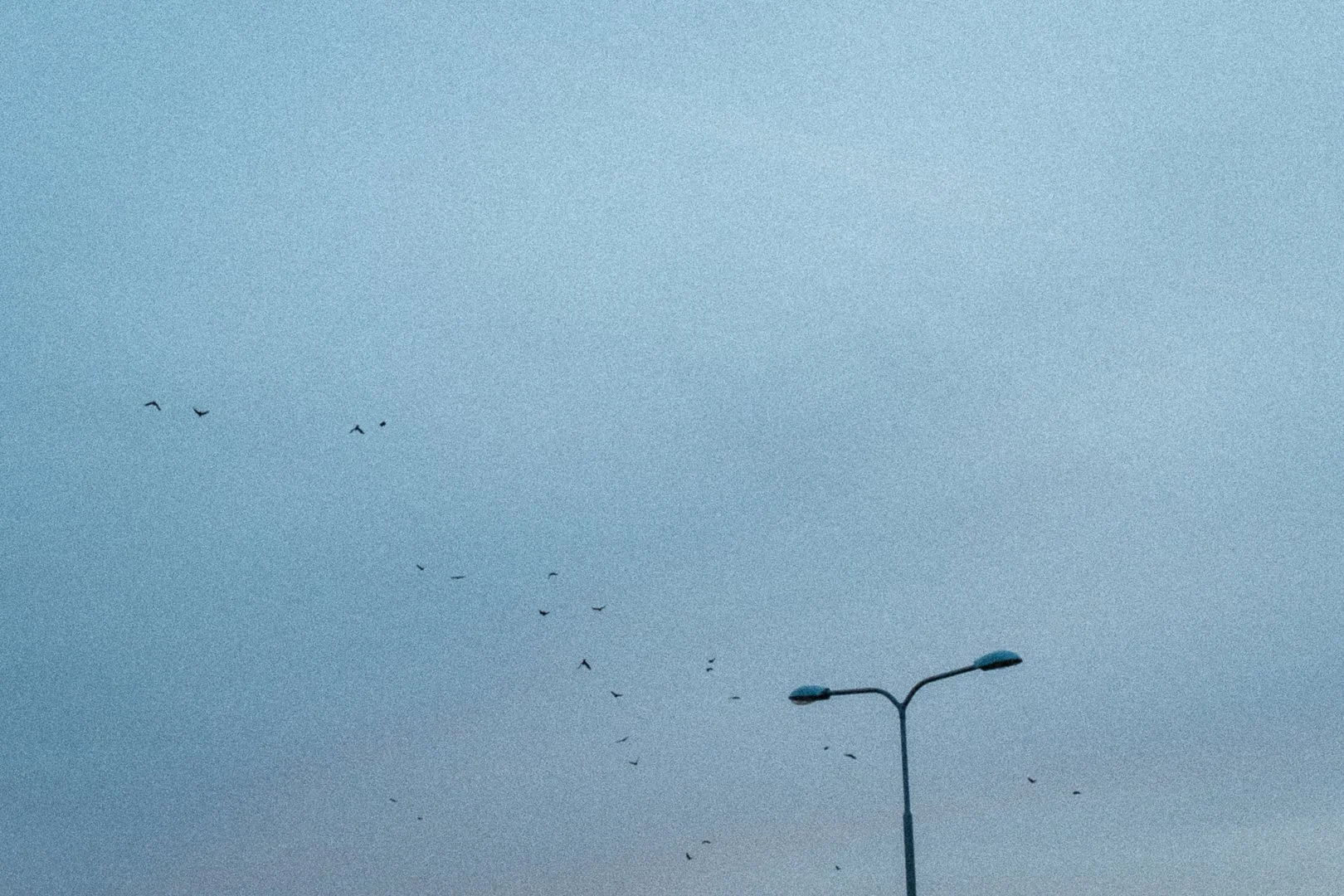
I started 2025 with a one and only resolution: to grab a camera every single day.
I wanted to dedicate this year entirely to photography. The idea was simple - I would take (and publish) at least one photo each day.
For more than half a year, I didn’t part with my camera at all.
During those six months, I took thousands of “everyday” photos - even when I had very little time. I also went out for a dedicated photo walks far more often than ever before.
It was a record-breaking half year of photographing the coast, with intense photo trips abroad and several successful portrait sessions.
I shot with a digital camera, film, and Polaroid. In all sorts of conditions - indoors, outdoors, and at night.
There were days when I literally took only one photo. But most often, I came back home with entire series.
Where did taking one photo a day brought me
After about half a year, a combination of different external factors stopped me in my tracks for couple of days, and then I gave up.
When I once again felt the urge to pick up my camera again - this time without strict rules - I realized that this six-month “innocent game” had actually been a process of pushing my own limits, one that changed my photography for good.
But in this particular case - what exactly changed, what did I notice, what were the consequences?
Disclaimer: My goal was to train my photographic muscle, not to perform at the highest level. It was supposed to be fun. Be careful with this, because as creatures often prone to competing (including with ourselves), it's easy for us to go to extremes and turn fun game into destructive contest.
From there, it's only a short step to burnout.
I learned to see in frames
Being forced to take at least one photo I could be satisfied with, pushed my brain into a different mode - one where I was constantly looking at the world in terms of frames and compositions.
After a while, I started seeing photo opportunities everywhere.
There were days when I would struggle and didn’t know what to shoot - then I would gave myself small assignments.
That’s also when some of my favorite images were made - simple captures of completely ordinary, everyday scenes.
I built solid foundations for my style
Such an intense and regular practice had an irreversible impact on the way I photograph. Quite naturally, I began to intuitively navigate toward certain subjects and scenes, while rejecting others that no longer interested me. In this way, I gained clarity about what I enjoy photographing (and how), and what I don’t.
It was around that time that I also decided to step away from most of the paid commissions.
I built the habit of regular practice
Up until then, I used to say that photography was my passion, yet there were weeks when my camera just sat untouched on the shelf. Once I took on the challenge, I carried it with me everywhere and reached for it more often than ever before.
In that practice - in scanning for frames and going through the full process of making photographs - I found a kind of meditative quality that helped me stay present in the moment.
I also realized that, just like an athlete or a musician, if I want to be good at what I do, I need discipline and to practice regularly.
I stopped looking for excuses
No light, no time, no ideas, no inspiration… - none of these should ever be a reason not to pick up my camera.
Shooting in extreme conditions (think: a small town, when you only have half an hour after work, when dusk has already fallen) raised the bar for me and became a true challenge.
From now on, no weather conditions or any other factor are grounds for an outing with a camera.
I refined and sped up my workflow
Naturally, taking and publishing photos every single day forced me to make quicker selections and edits.
Over those six months, my editing skills in Lightroom skyrocketed, and I grew to enjoy that part of the process far more than ever before.
I also started treating the entire journey as one cohesive process - from the moment I packed my camera into the bag, through pressing the shutter, to exporting the final image - and I learned to find joy in every step along the way.
I don't have to travel to take exotic photos
This belief, I bet, is shared by every beginner and intermediate photographer, especially those with a little thing for travel.
This might be used an excuse not to photograph when you’re at home. The truth is you don't have to travel to the other side of the world to capture photos that delight people... at the other end of the world. Your backyard is exotic to anyone who doesn't live there.
If you treat your surroundings like they matter, they will.
When you feel stuck
Even though I ended my challenge after six months, its impact on my photography practice has been huge.
If you ever feel like you lack structure, motivation, or inspiration to shoot - and you’d like to take your skills to another level - I can’t recommend enough trying a challenge like this.
Of course, you don’t need to be as extreme as I was. But setting yourself even a small degree of regular creative rhythm - whether in photography or any other form of creative work - will undoubtedly bring you closer to your goals.
Take a photo a day challenge
If you like the idea of photographing every day but don't always know what to photograph, I turned what I learned from my own challenge into a 100-day photography practice program.
It’s built around one small assignment a day, with 100+ examples from my own work. The idea is to keep looking, experimenting and gradually developing your own way of seeing.
Through 100 assignments, together with 100+ examples of my pictures and guidance, I show how to integrate photography into your daily routine in a painless and playful way - until it becomes second nature and starts happening on its own.