
Minimalist photography workflow - incl. editing, and online presence
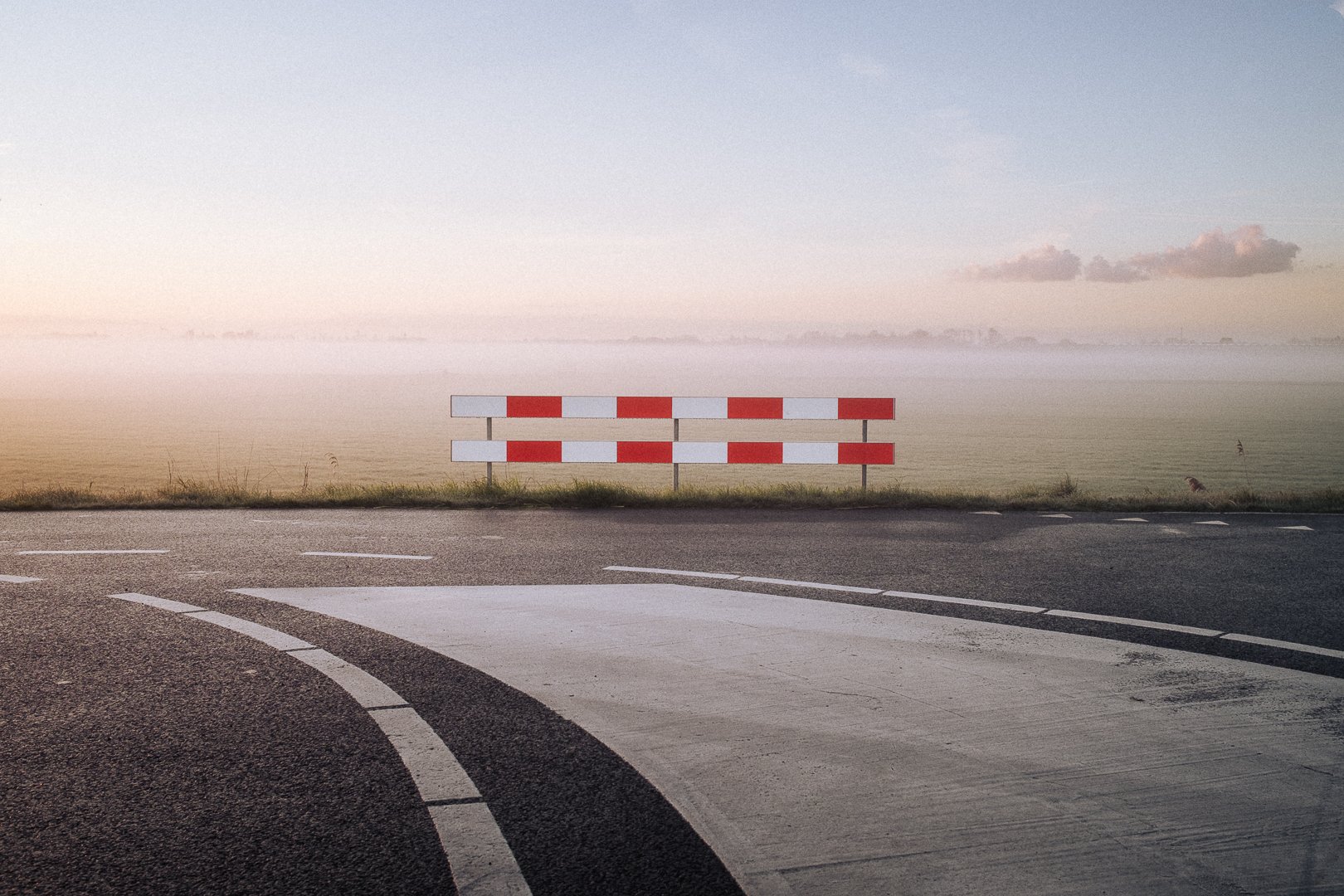
In one of the hallways of the Art Institute at the university where I studied, someone once hung a poster. Since there were many of them, I tore one down and kept it. It stayed with me for many years, moving with me from apartment to apartment, eventually ending up on the wall of my home.
I loved that thing.
It showed a half-open pistachio with the caption: “Minimal art for maximum love.”
This affection for minimalism spoke to me again, when I began to practice photography more often and more consciously.
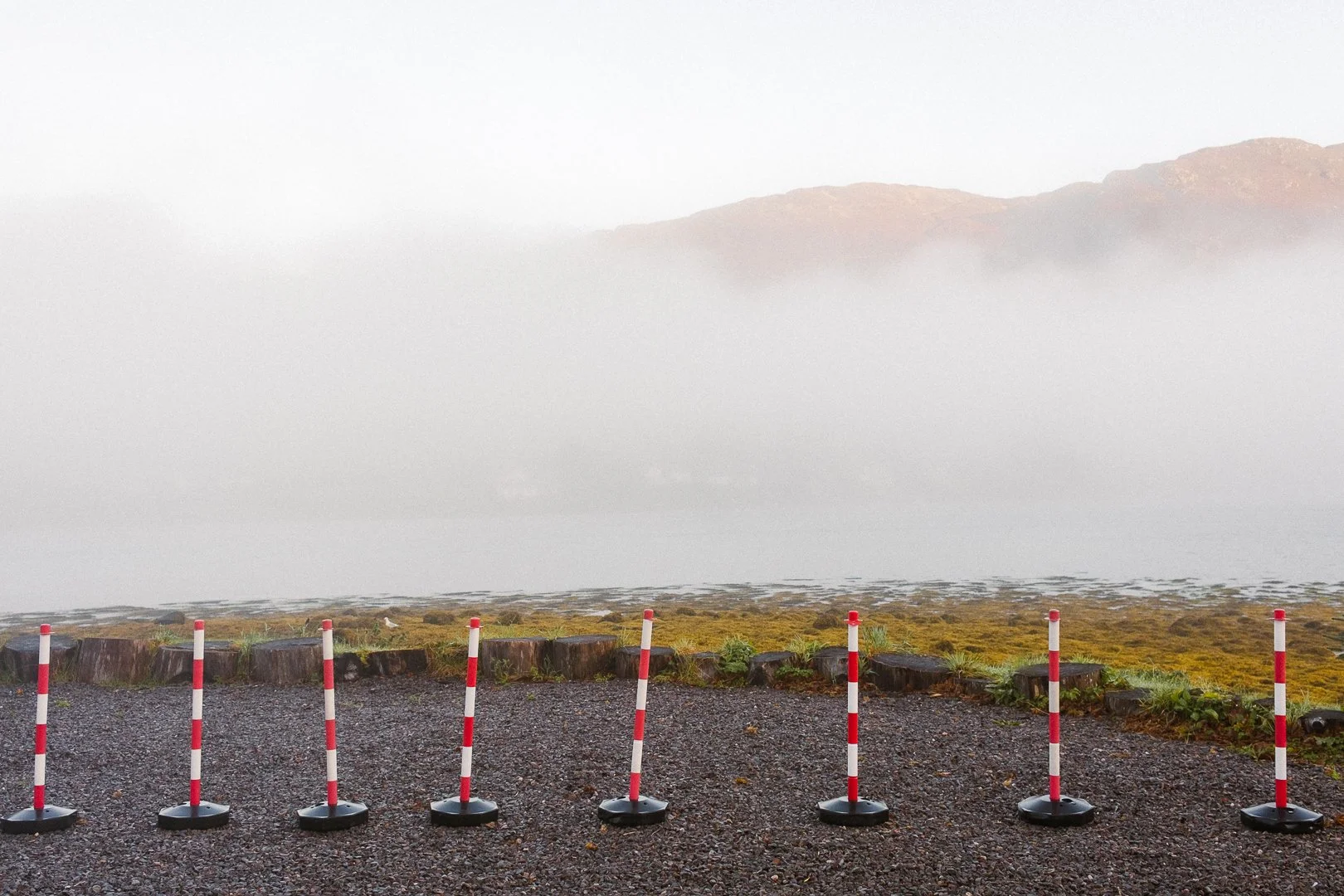
Minimal style of shooting - when listening to intuition pays off
My search for a style that would feel genuine and truly my own couldn’t have ended any other way than with a serious reevaluation of what I want - and don’t want - to include in my images.
At some point, I got tired of all the visual gimmicks I’ve tried to fit in my images.
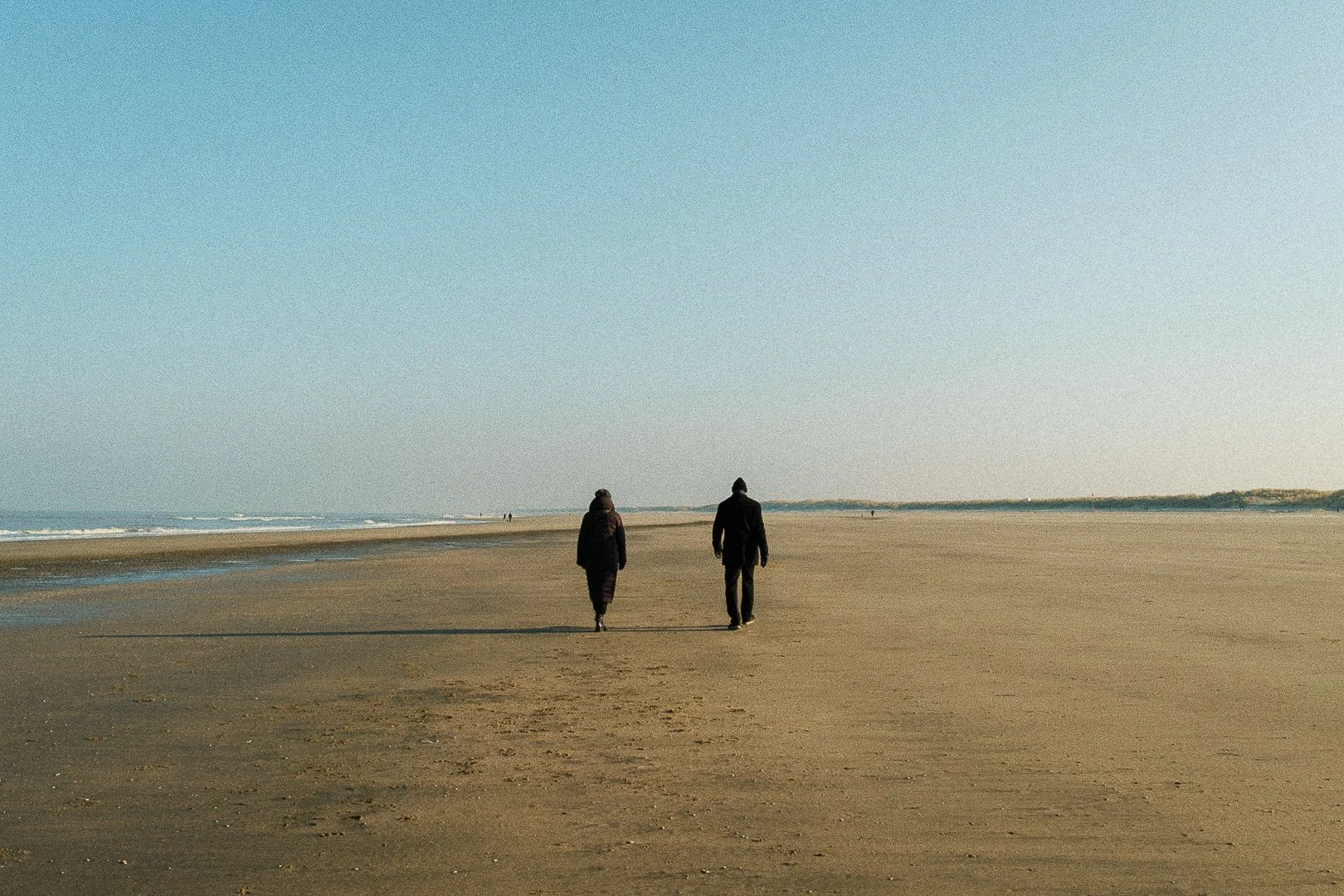
In the end, my photos come closest to my personal definition of ideal image when nothing interferes with the viewer’s perception of the subject, when the image is almost unbearably obvious and straight to the point.
This aesthetic speaks to me the most, at least for now. And although not all of my photos are strictly minimalist, I notice that striving for formal simplicity in my photography brings me the greatest satisfaction.
Minimum art for maximum storytelling.
If you’re curious how this complex approach developed over time, I break it down in my complete guide to minimalism in photography - everything I have learned.

Minimum editing for maximum art
What initially happened only the field, slowly started effecting my editing process as well.
Minimalist editing, for me, is a natural extension of what already happens at the moment of taking the photo. If the frame is thoughtful and simple, post-processing shouldn’t complicate it, but only gently enhance what is already there.
Instead of “saving” an image, editing becomes a form of refinement - a subtle adjustment of light, contrast, and color.
My editing process is largely intuitive and based on proven solutions, which over time become something like a personal visual language. Instead of recreating catchy trends, I prefer returning to simple adjustments, that allow the image to resonate without unnecessary additions.
In practice, this means limiting both tools and decisions. It often comes down to a few basic sliders, a set of my own favourite presets, a repeatable approach, and a consistent visual direction.
Over time, I’ve noticed that this approach not only speeds up the entire workflow, but also helps build consistency. The images start to “speak” to each other, forming a more unified body of work rather than a collection of individual, random frames.
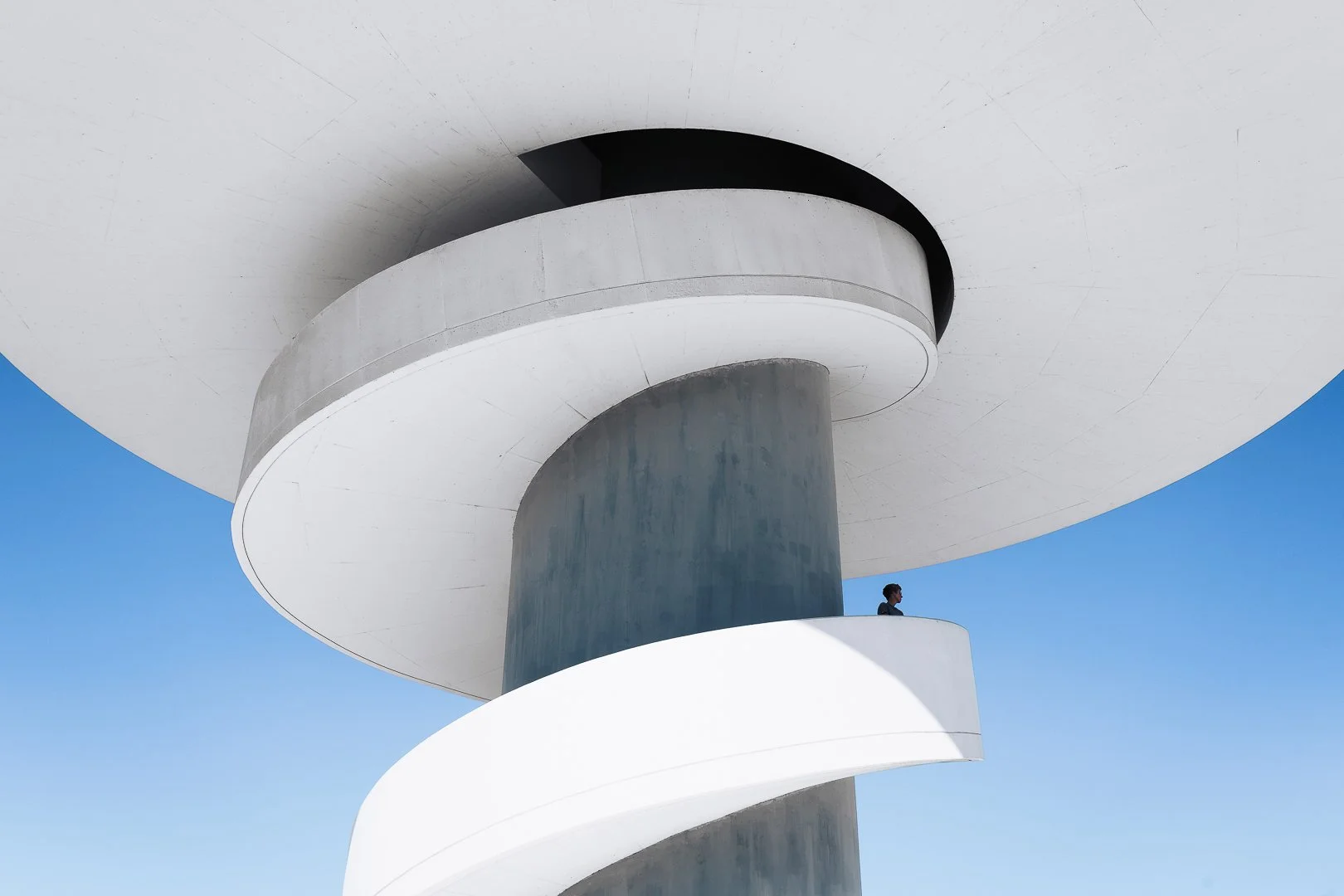
Minimalism online - less distraction, more focus
The deeper I go, the more I notice that I apply minimalism to other aspects of photography as well - those that go beyond style and gear (I wrote about my minimalist gear set up here).
Since I’ve been trying to seriously reduce my screen time lately, the form and quality of my online presence has changed as well.
First of all, it’s been already a while since I've limited the number of platforms and profiles I show up on. I deleted an account on that new photography app (the one with the red logo). After a while of struggling with a desire to post photos of the Shore Goods project on my “second” Instagram account, eventually I deactivated it.
I gave up publishing on Substack, at least for now.
What’s left is my Instagram - into which I now put a minimal amount of energy and time.
Ever since I noticed the destructive power of social media and its influence on my work, I’ve been more intentional about the content I consume.
No more scrolling, searching for “inspiration”, no more time wasting.
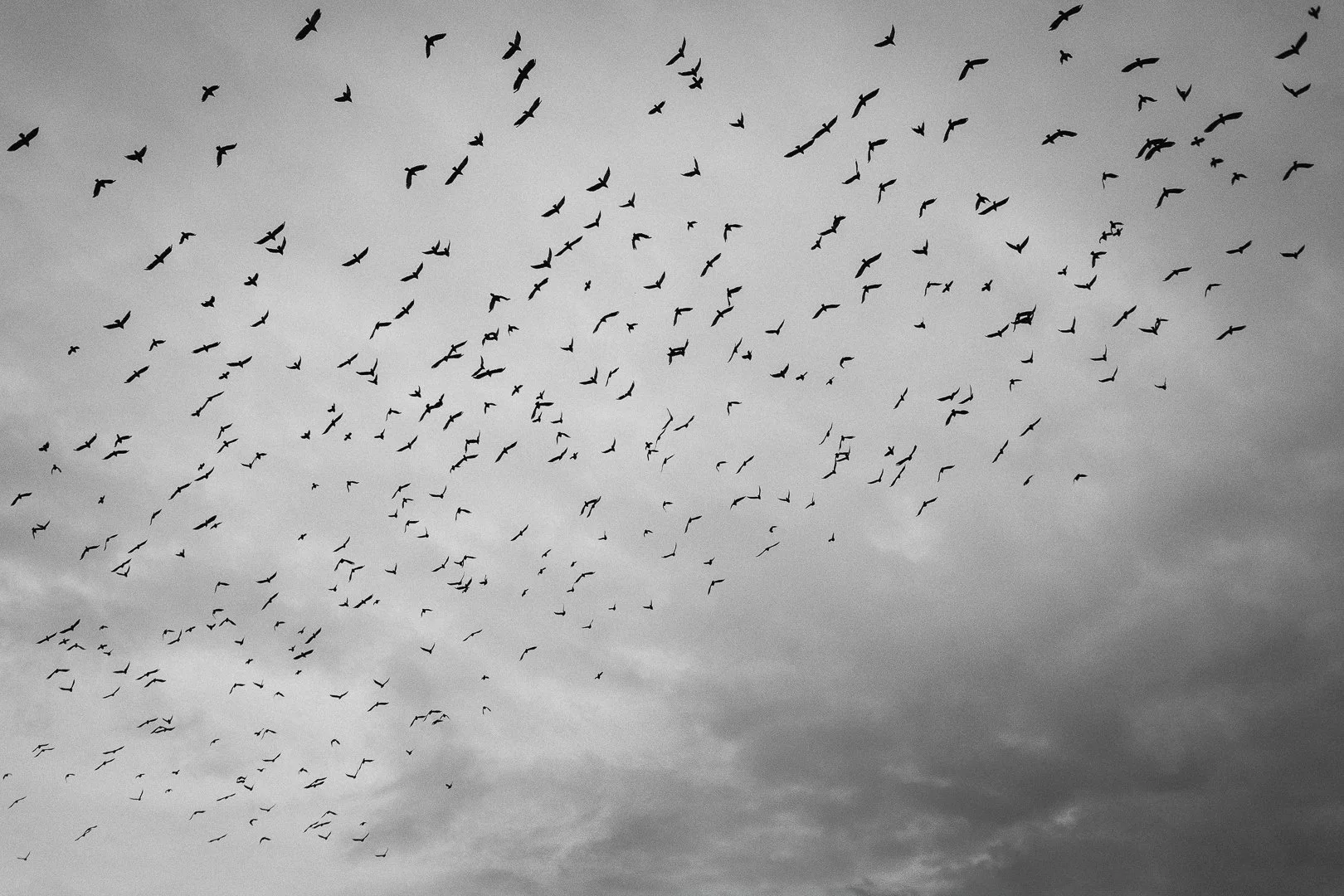
This might be the biggest shift in my photography (and personal life) I have made lately, one with biggest and nearly immediate positive consequences.
To change my relationship with my online presence, I had to first understand my purpose.
I had to realize and stick to the fact that I don’t want to share my photos for validation or applause.
I also didn’t want to compare myself and my social media metrics with other photographers.
It all comes down to the fact that I had to understand again that I take photos mainly for myself. That the whole process - to begin with that itch that makes me reach for the camera, all the way to exporting the image frm LR, often printing and cherishing it - is just as important, if not more important, than the image itself.
That’s why this website remains my main, very safe and healthy (in terms of maintaining my creative energy and personal boundaries) online space, where I share my work.
It’s something I dedicate a good deal of time, and to my satisfaction, it’s slowly growing and going the right way.
More than sharing just photos for the sake of recognition, I want to share the joy of making them, and motivate and inspire others to engage in any kind of creative work.
I want to act and do more in line with the motto I share here and there: create more than you consume.
It became a necessity if you want to function properly at the intersection of the real world and the web.
Final thoughts
In a broader sense, minimalism in photography can be seen as a form of decision-making discipline.
It encourages consistency, reduces cognitive overload, and helps build a recognizable visual language over time.
Instead of constantly chasing new tools, presets, or ideas, the focus shifts toward refinement - doing the same things, but better, and with more awareness.
Over time, it creates a kind of confidence in the process. The need for external validation slowly fades, replaced by a deeper connection to the work itself.
And perhaps most importantly, minimalism makes space - not just in the frame, but in the mind. You observe more carefully, you slow down and engage more with what’s in front of you. In that sense, it becomes not just a way of working, but a way of experiencing photography altogether.
Want to learn how subject, colour, and composition can help you create minimalist photographs? Explore it in my free guide: