
How to start photography
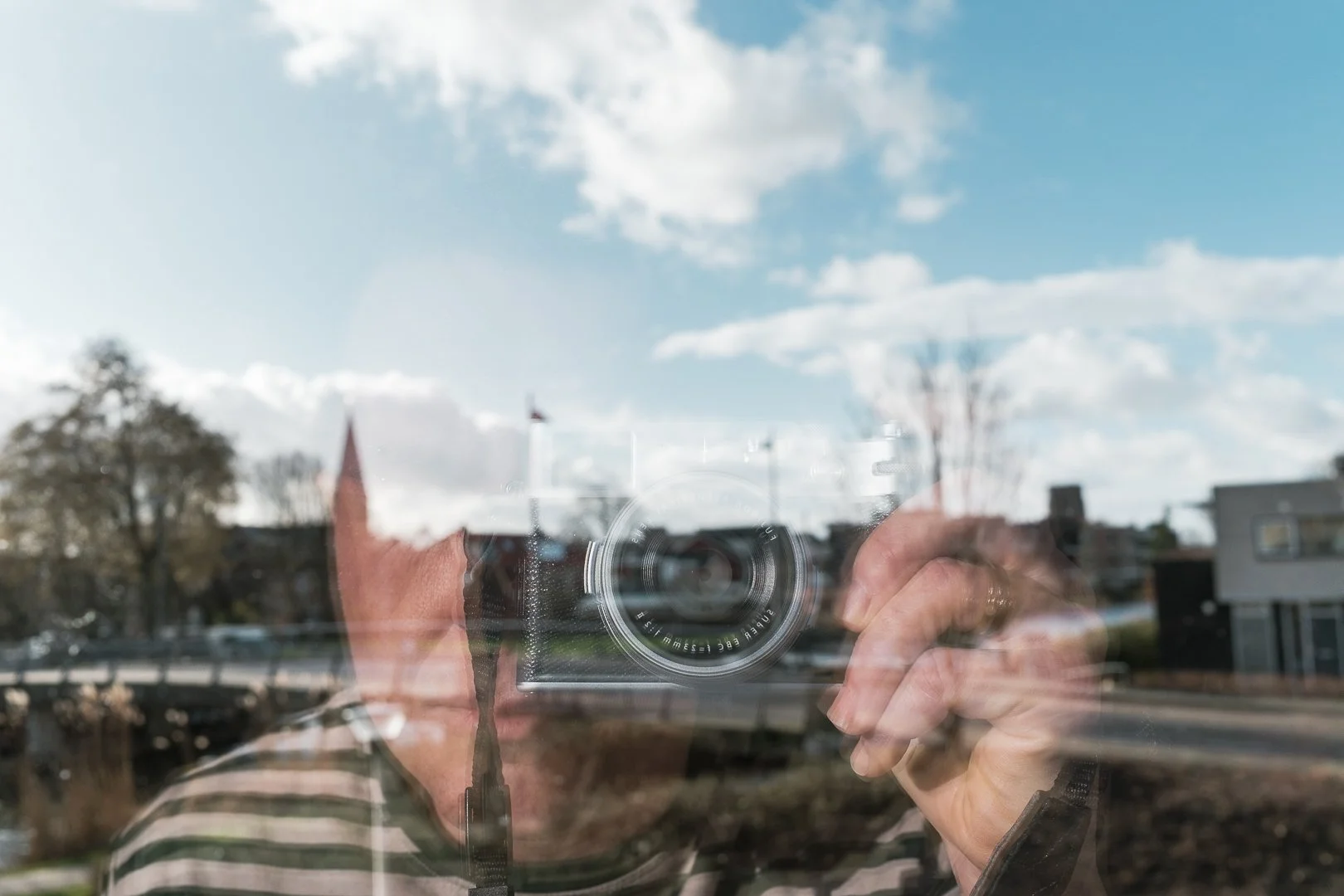
Most of the articles on my blog are aimed at people who are already engaged in photography to some point.
But I thought it might be worth addressing at least one to those who would like to start taking photos and don’t know where to begin. Here’s a short and simple guide for people like this.
how to start taking pictures and what you need to get started
Mission. Your why
You’re looking for a hobby - something you could devote your free time to. You want to learn something new, grow, expand your skills. Or maybe someone has told you that you have a good eye and you’d like to find out if that’s true.
Perfect. Photography will give you all of that, with relatively little investment (at least in the beginning).
But first, it’s worth checking whether picking up the camera is the right choice.
If you’re thinking about changing career direction and photography seems like an interesting option, the path is basically similar. First, make sure this is really something you’d like to do for a large part of the rest of your life.
Gear. Where to start
Start with what you already have: your phone.
The camera in your phone is enough to find out whether taking pictures is for you.
Use its full potential by switching the shooting mode to RAW (an unprocessed image), which will later give you more freedom in editing. Explore the possibilities of all the lenses your phone camera has, and the differences between them.
Gear for the more advanced (but still beginners)
If after some time you feel your phone is becoming limiting, look for a “real” camera (DSLR or mirrorless).
Be careful here. Don’t fall for the marketing of big brands and start with bare minimum.
Invest your hard-earned money in gear that will let you develop your skills while not eating your budget, breaking your back, or generally overwhelming you. Maybe something small, maybe second-hand, and not necessarily the newest model.
What besides the camera
If you bought a camera with a fixed lens, you basically don’t need anything else. Maybe a protection filter, neck or wrist strap. Add a memory card and you’re good to go.
If you have a camera with interchangeable lenses, you’ll need one or more lenses.
There are two ways here.
One says to get a zoom (e.g. 24–70 mm) and based on the focal length you use most often, buy a prime later.
The other says to start with a prime (a fixed-focal-length lens, e.g. 35 mm) and learn composition with it.
Your choice. I’d lean toward a prime (they’re usually the cheapest too).
What about editing
To get the most out of your photos - and above all to get to know what photography technique offers - you need editing software.
Depending on your budget, you can choose between free and paid programs (think the free Lightroom Mobile, paid Lightroom Classic on PC, PhotoScape X).
Using these programs, especially at the beginning, can give you a headache. But in reality they’re not super complicated, and enough practice will help you find your way around them.
What if it all feels too difficult
Camera settings, basics of exposure and composition, editing etc. - there’s a lot of it, and especially at the beginning it can feel quite overwhelming.
If reading your camera manual still hasn’t cleared things up, it’s worth using free and paid learning resources online and offline.
On YouTube and other platforms there’s a huge number of tutorials and specialized courses.
If you prefer learning “live,” you’ll find workshops in your area.
At this point you mainly need commitment and time (and sometimes a certain budget).
Practice makes perfect
Watching a thousand tutorials isn’t enough to understand the essence of photography and to get hooked. What you need here are hours (many hours) of practice. Sometimes committing to a photography challenge can help if you need to learn to be consistent and structured.
It’s through shooting in the field that you’ll figure everything out and turn boring theory into better and better images.
There are no doubts: at the beginning your photos will suck. But over time they’ll suck a little less, and eventually you’ll become more and more satisfied with them.
There are no shortcuts here.
I’m not exaggerating when I say that the decision to learn photography changed my life in so many ways.
It took me some time before I truly committed. The camera I got from my father sat on a shelf for a while, because every time I turned it on it gave me a headache. I didn’t understand what was what or why. Only an intensive photography course clarified most of the concepts and motivated me to go out and shoot.
Now, some three or four years later, I’m in a completely different place in life. I wouldn’t be here if I hadn’t picked up that camera one day.