
One week in La Palma - photography guide
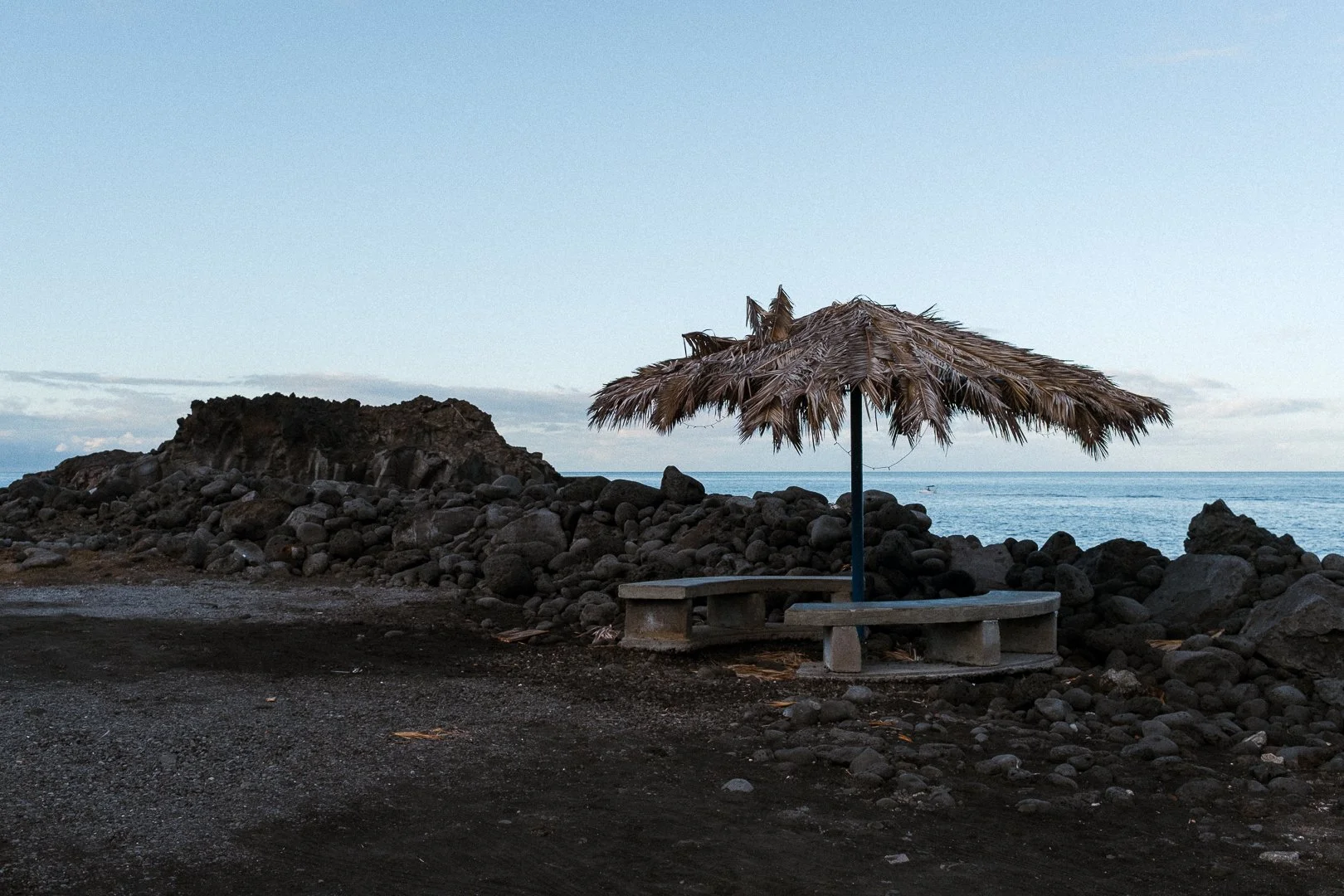
At the end of June, Lon and I spent a week on La Palma, and I was lucky enough to dedicate most of that time to photography.
The island instantly made it into my top ten photography destinations.
Shooting there was an absolute joy, and I honestly feel I came home with my best travel photographs of the year so far.
Think of this post as a recap of the trip, with a strong focus on photography. It's a personal guide to what I believe are the island's most rewarding locations, along with a few practical tips that might come in handy if you're planning a visit yourself.
One thing worth mentioning right away is that, unlike the other, more desert like and rocky Canary Islands, La Palma is remarkably green. Its fertile volcanic soil and humid climate create an environment that feels completely different from what many people expect of the Canaries.
It is also incredibly diverse. From lush, misty laurel forests and vast fields of lava (seriously, they're incredible), to picturesque towns, traditional villages, and spectacular mountain trails, there's an endless variety of landscapes to explore.
It also seems to be one of the islands least affected by mass tourism. Across the entire island, there are only a few dozen accommodation options other than holiday apartments, and just a handful of hotels. In fact, during our stay we only noticed one large hotel that really stood out - the rest were mostly small guesthouses and family-run places.
For me, that's a big plus.
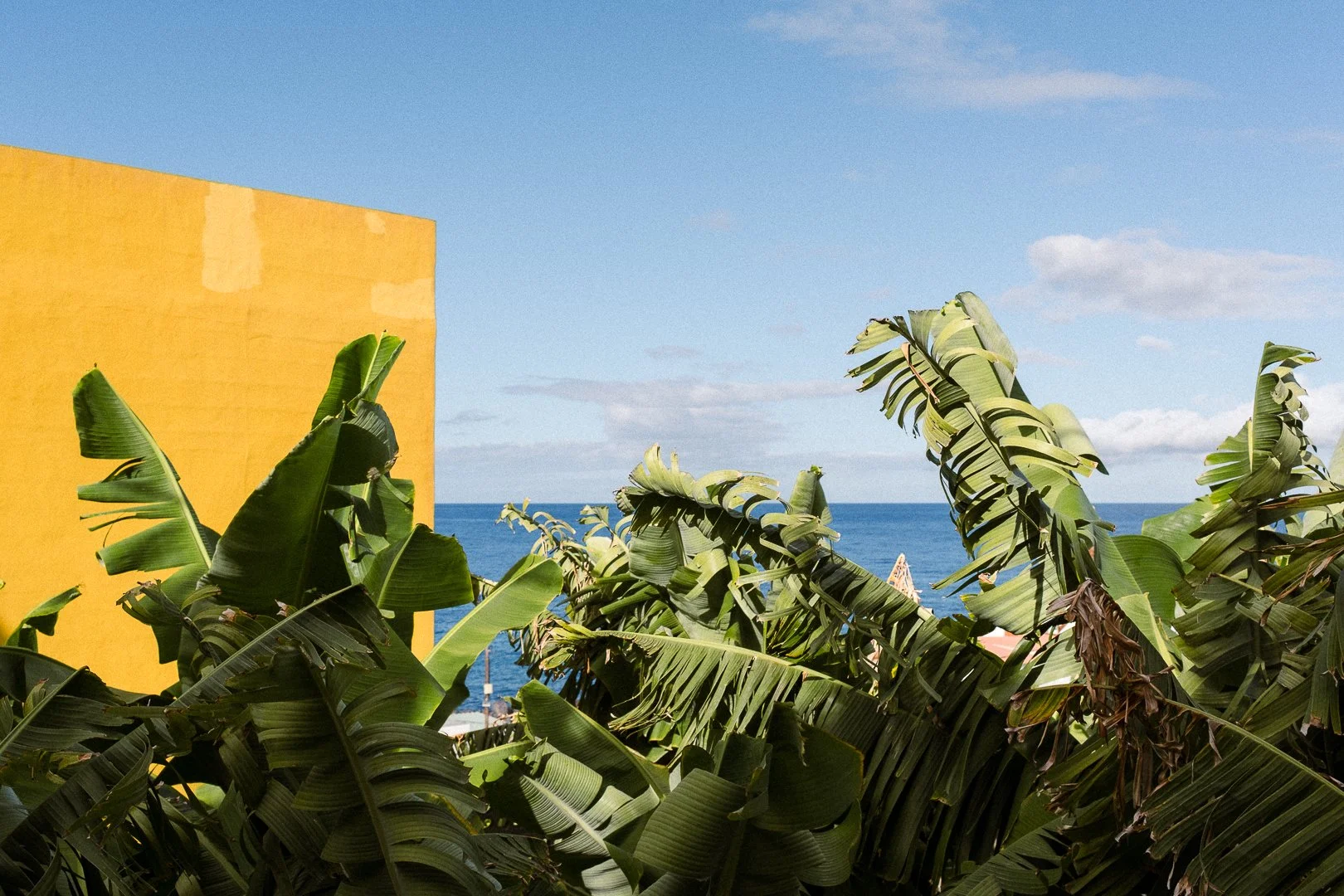
A few tips before you go to La Palma
Here are a few things I wish I'd known before visiting La Palma:
Rent a car. There is public transport on the island, but having your own car gives you the freedom to explore at your own pace.
Don't underestimate the distances. La Palma is incredibly mountainous. The roads are steep and winding, so covering a kilometer often takes twice as long as you'd expect.
Don't underestimate the roads, either. After driving all over Scotland, I thought I'd seen it all. La Palma proved me wrong. Some roads are seriously steep, so knowing how to use engine braking is a good idea.
Don't let the weather forecast fool you. Summer temperatures of around 25°C (77°F) may not sound particularly hot, but the humidity makes them feel much warmer. At the same time, the higher parts of the island can be surprisingly cool, misty, and even require an extra layer.
Book the Tajogaite volcano hike. Even if you're not usually a fan of guided tours, this one is well worth it. Access to the volcano created during the 2021 eruption is only possible with an official guide.
Make local bananas, papas arrugadas, and mojo rojo part of your daily diet. Trust me on this one.
Carry some cash. You probably won't need much, but it can come in handy, especially in smaller villages.
If you're planning to swim, choose natural pools over exposed beaches. Unless you're a very confident swimmer, I'd recommend places like La Fajana and Charco Azul instead of beaches where the Atlantic can be unpredictable. Water shoes are also a very good idea.
Slow down. La Palma is part of Spain, and life here moves at its own pace. Tranquilo isn't just a word here, it’s a real thing.
The light is incredible. At any time of day. My favourite light was, as always, early in the morning, but the higher parts of the island are often so cloudy and atmospheric that you can happily photograph all day long.
People are generally very relaxed. Walking around with a camera doesn't seem to attract much attention. That said, it's always worth being respectful of people's privacy, especially if someone clearly doesn't want to be photographed.
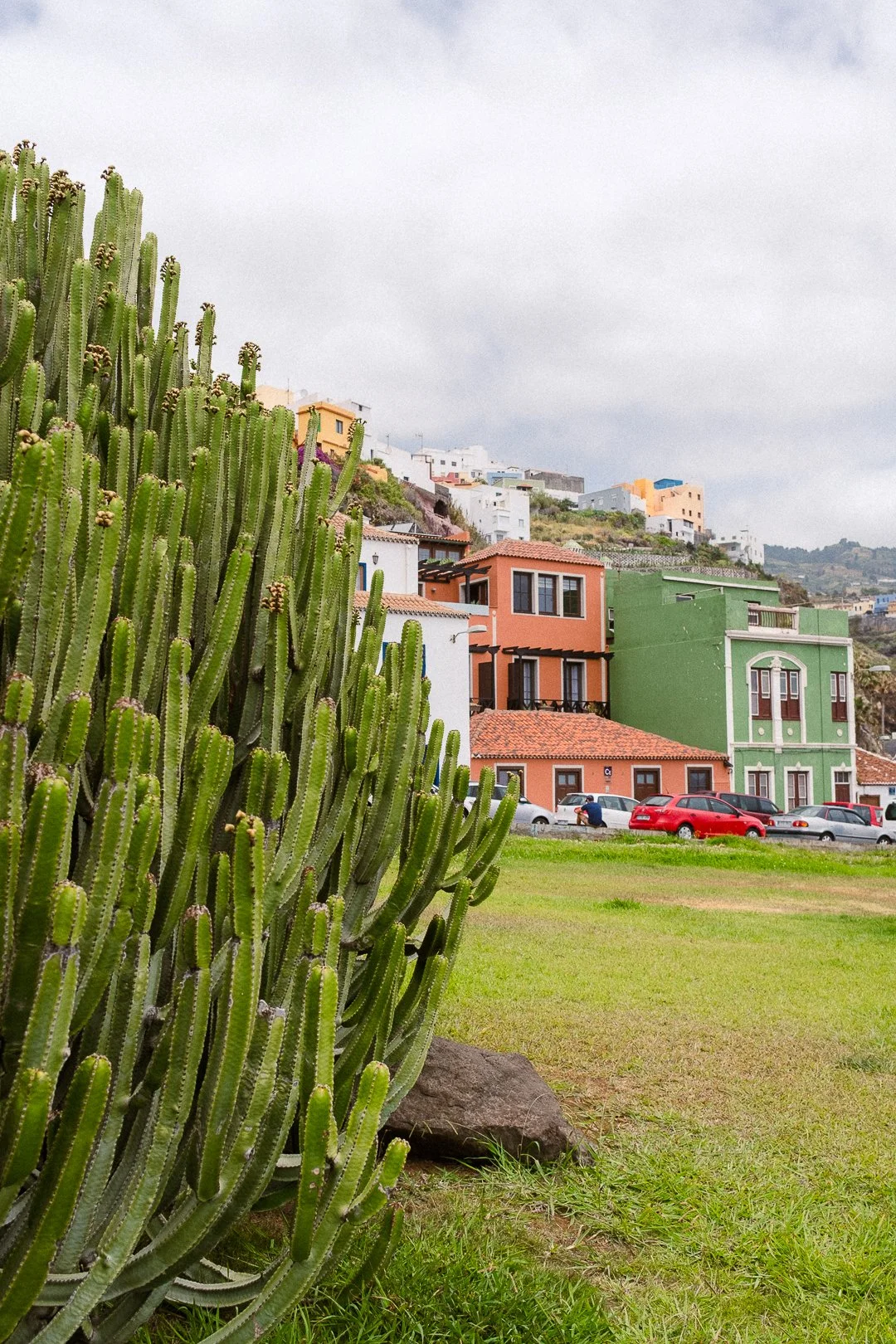
Where to stay and where to go
We stayed in La Bombilla. I knew nothing about La Palma when I booked our accommodation. But after taking a quick look around on Google street view, I had a feeling we'd made the right choice.
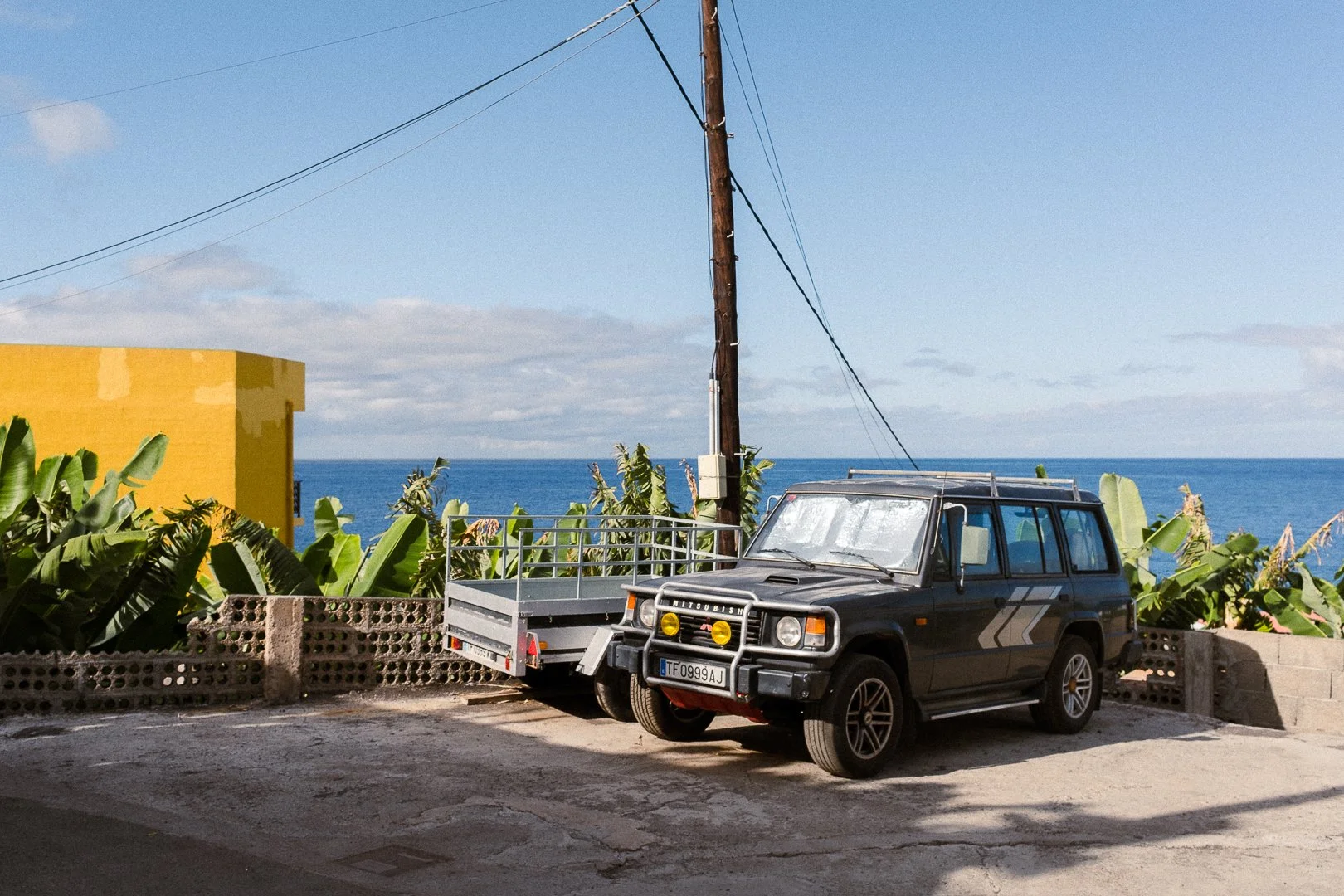
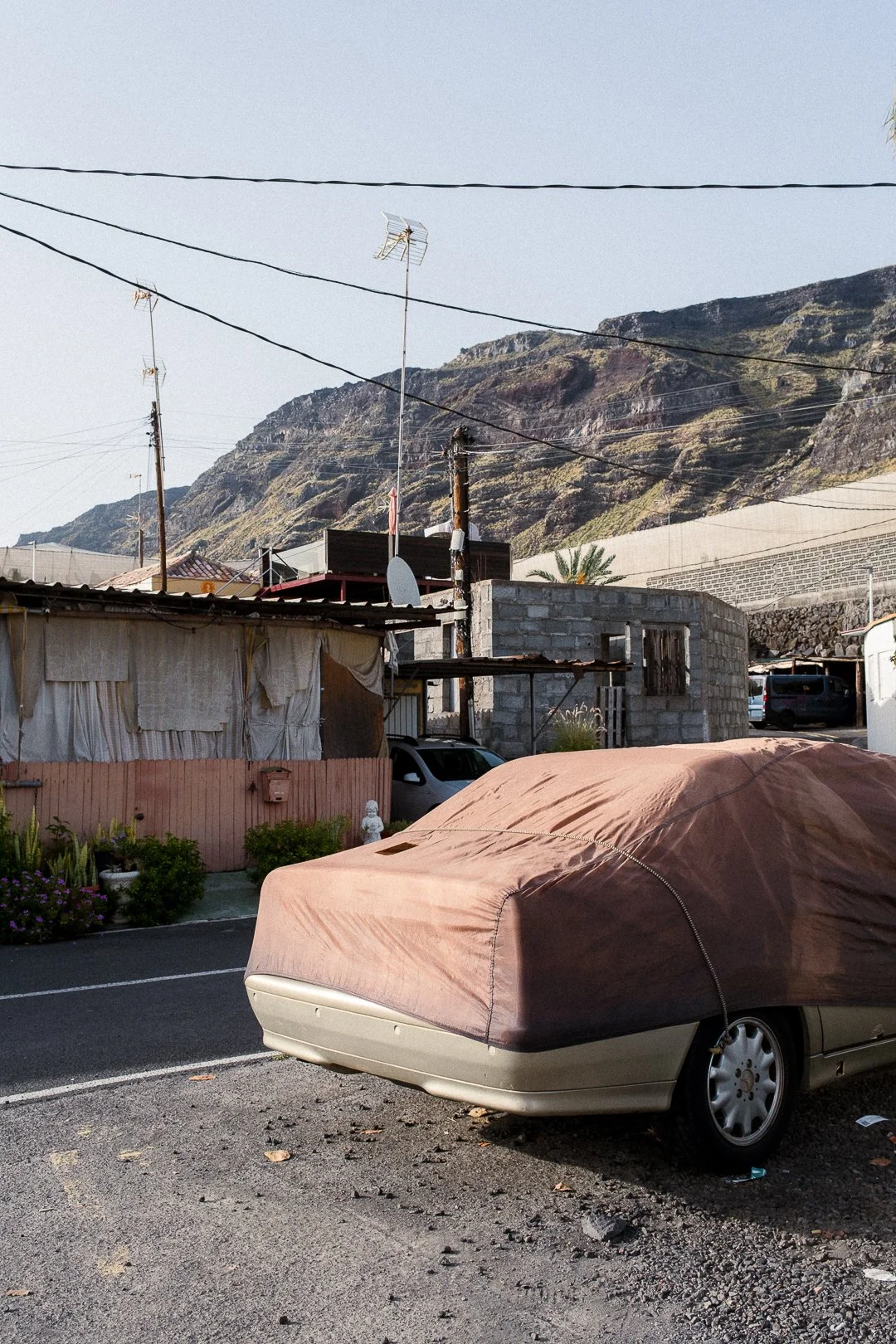
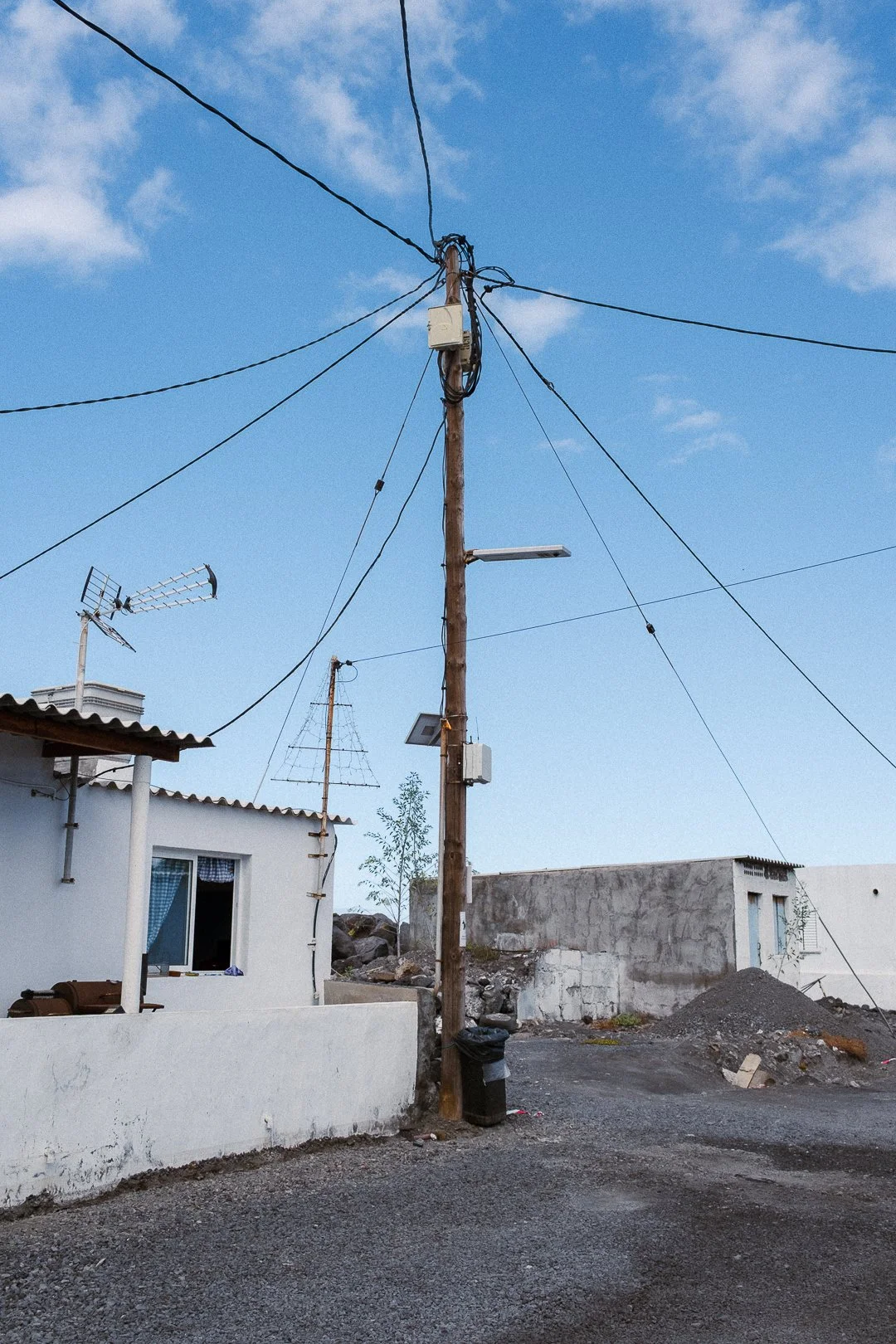
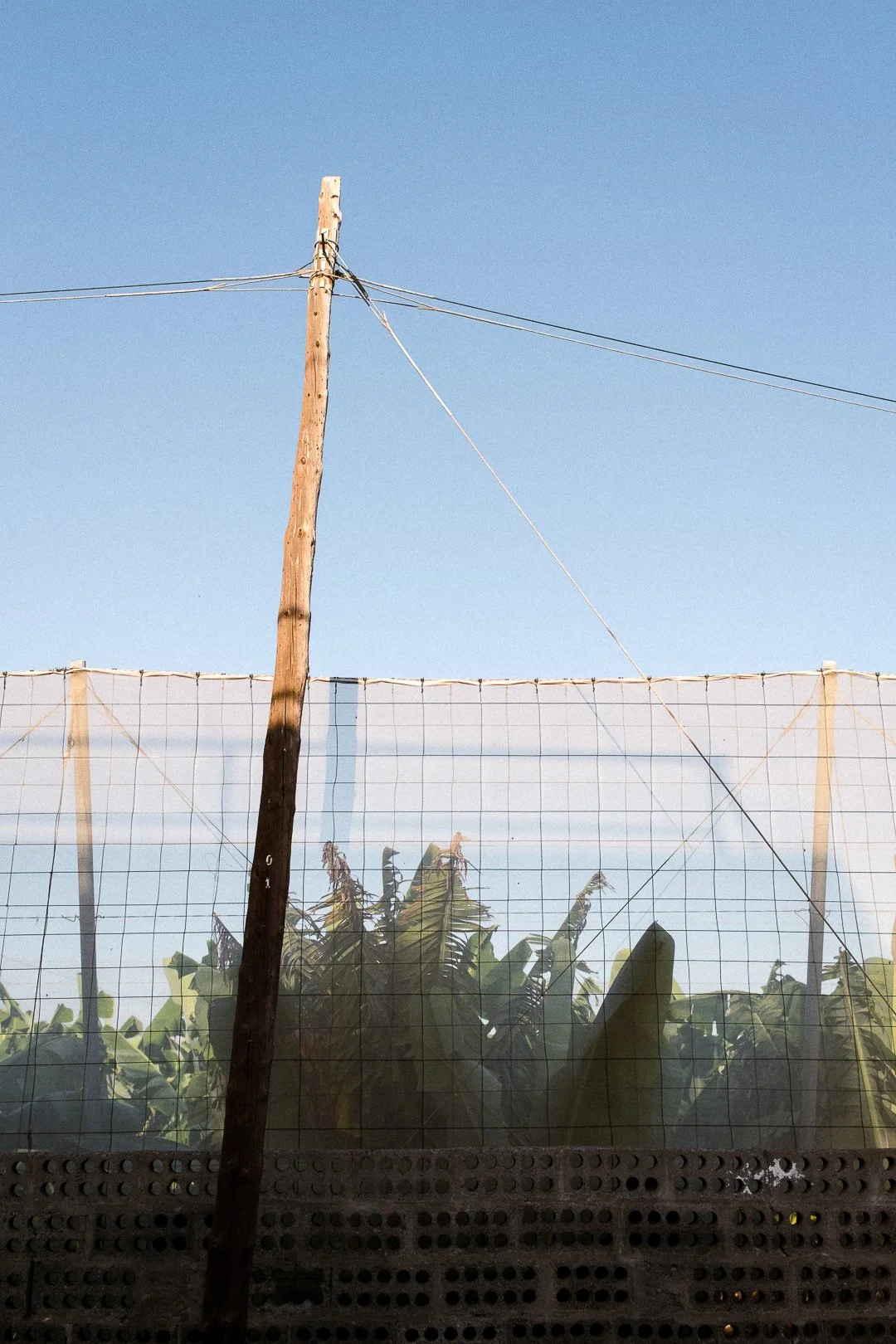
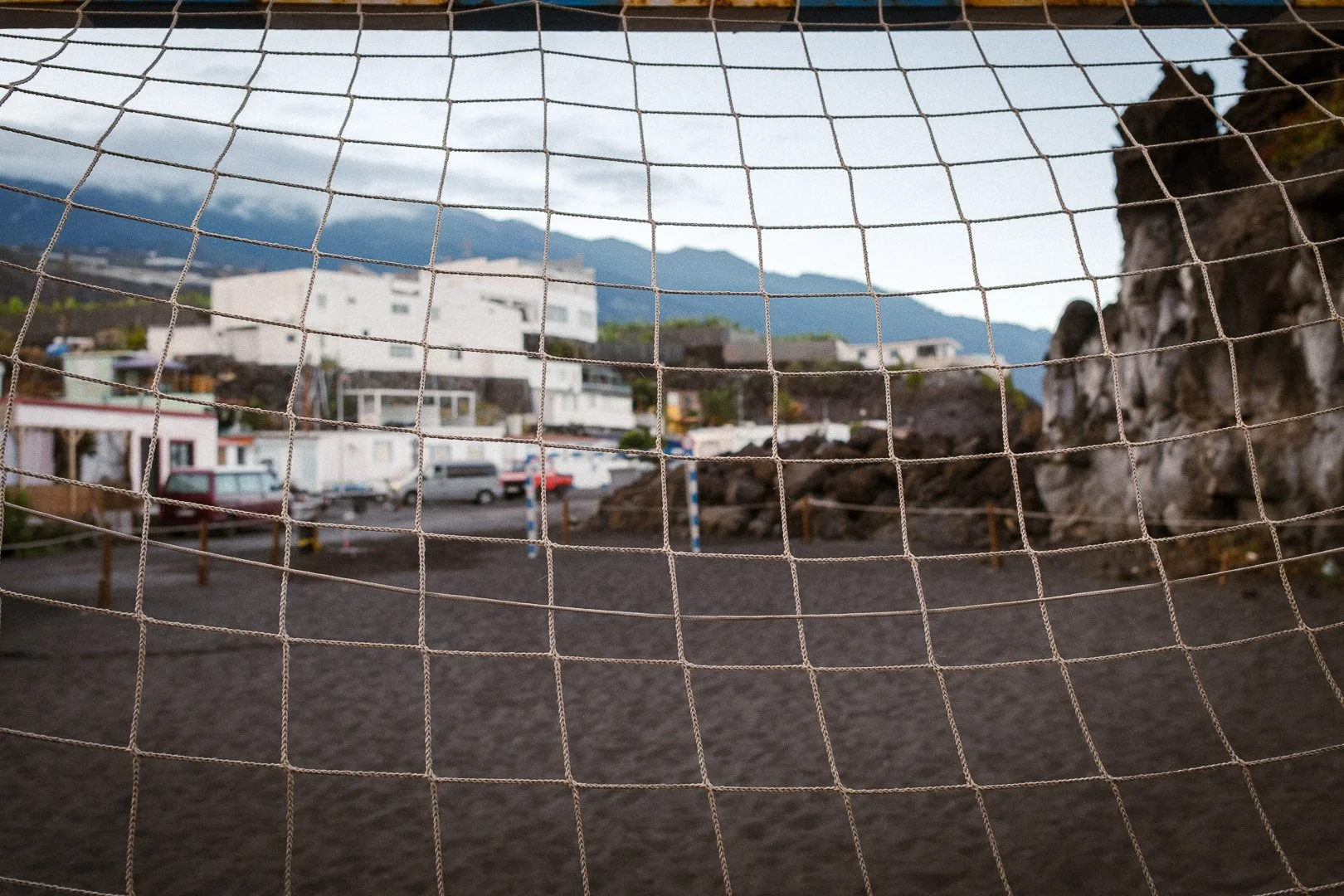
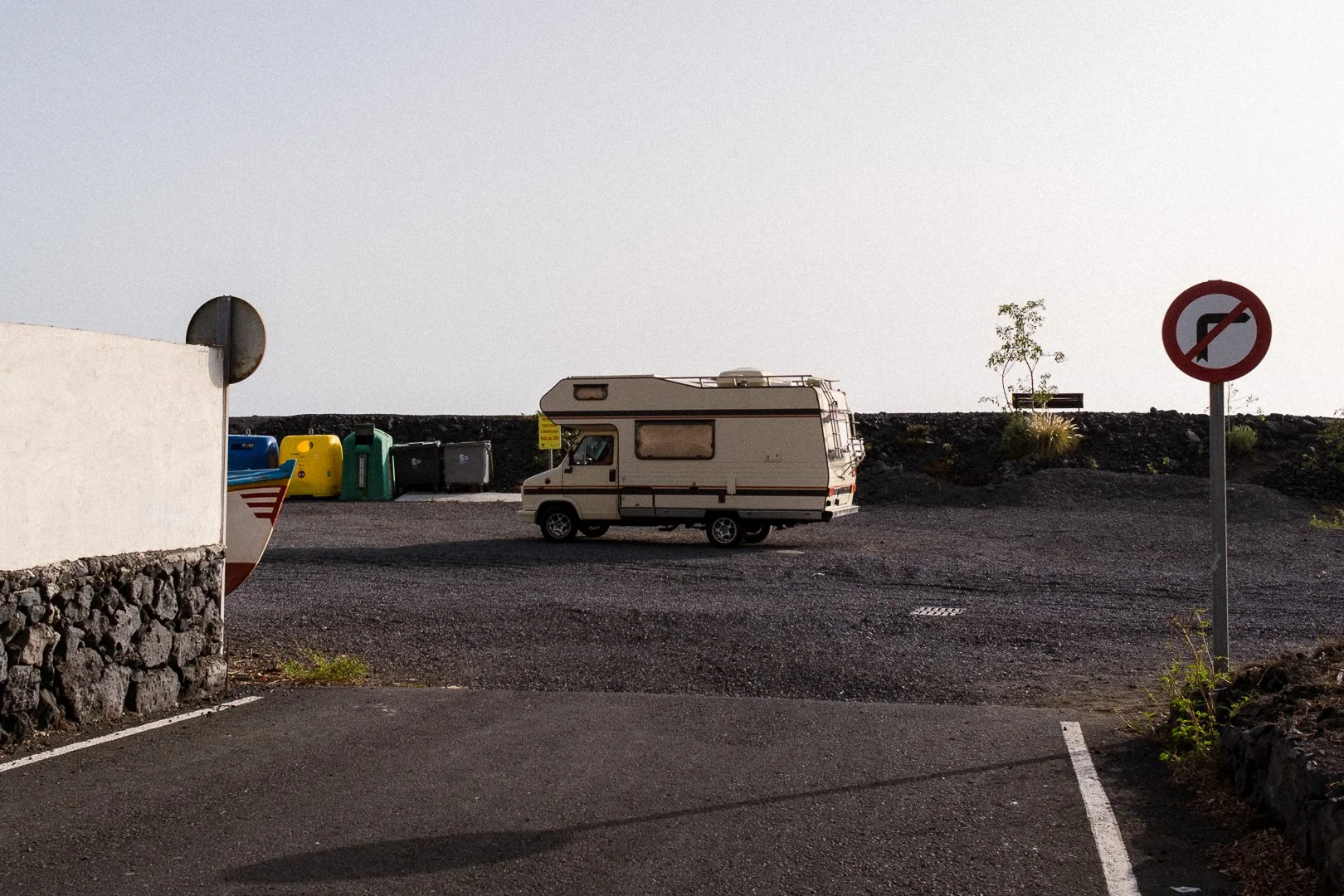
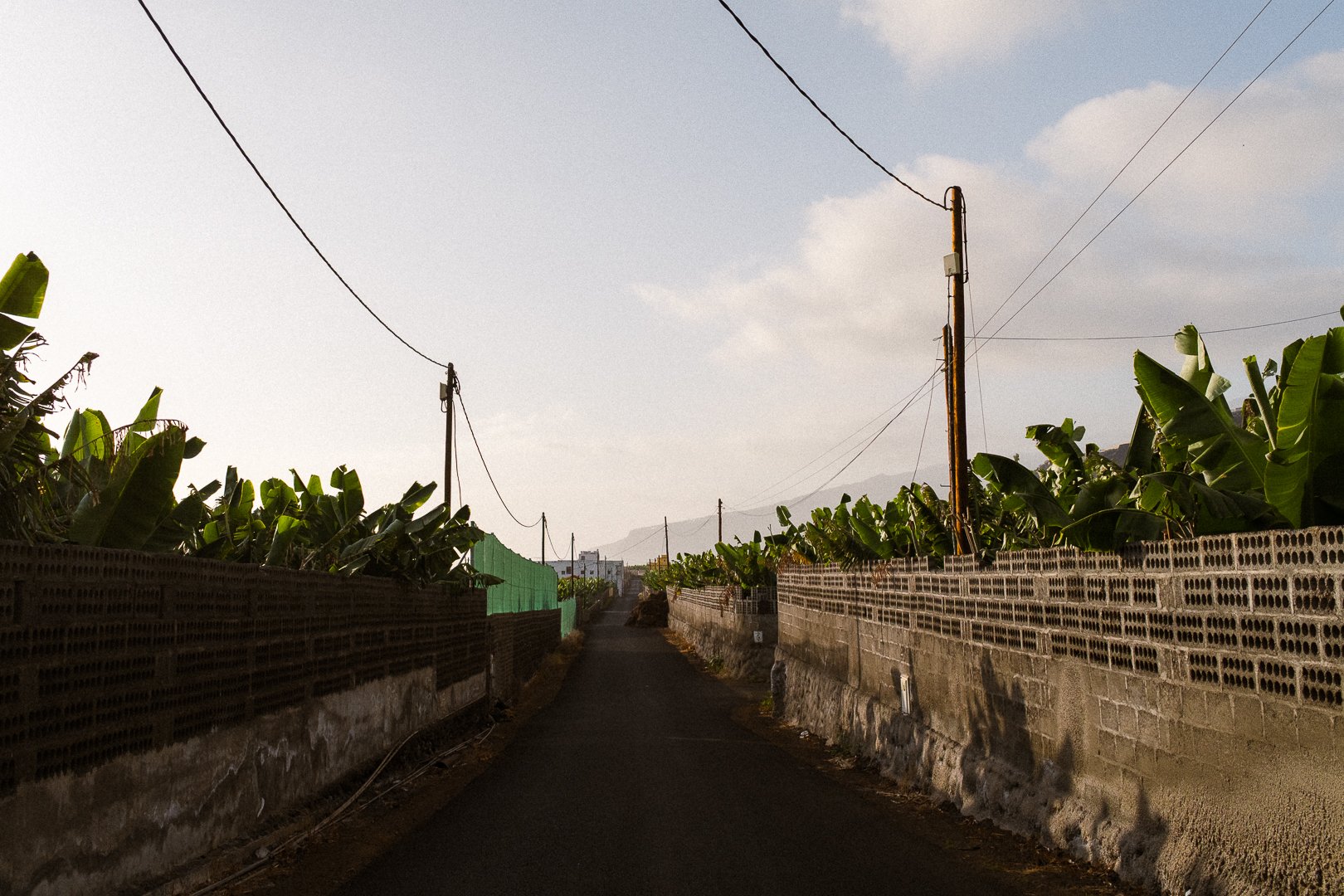
Despite being a tiny village, the photographic opportunities feel endless. The light is beautiful, and the place itself is wonderfully quirky. Picture low white houses with colourful roofs, black volcanic sand under your feet, a coastline shaped by lava flows, all surrounded by endless banana plantations. The contrasts are everywhere.
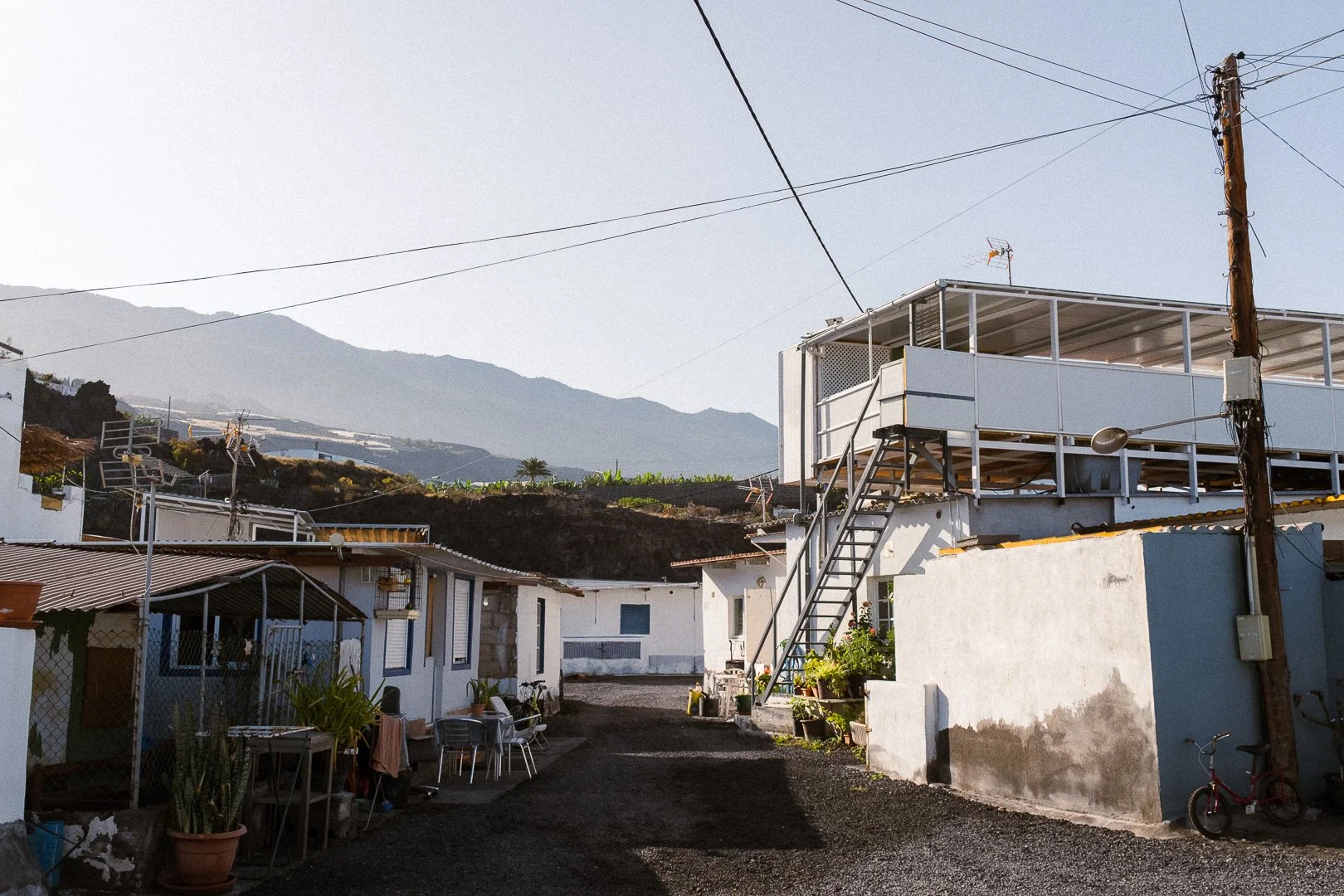
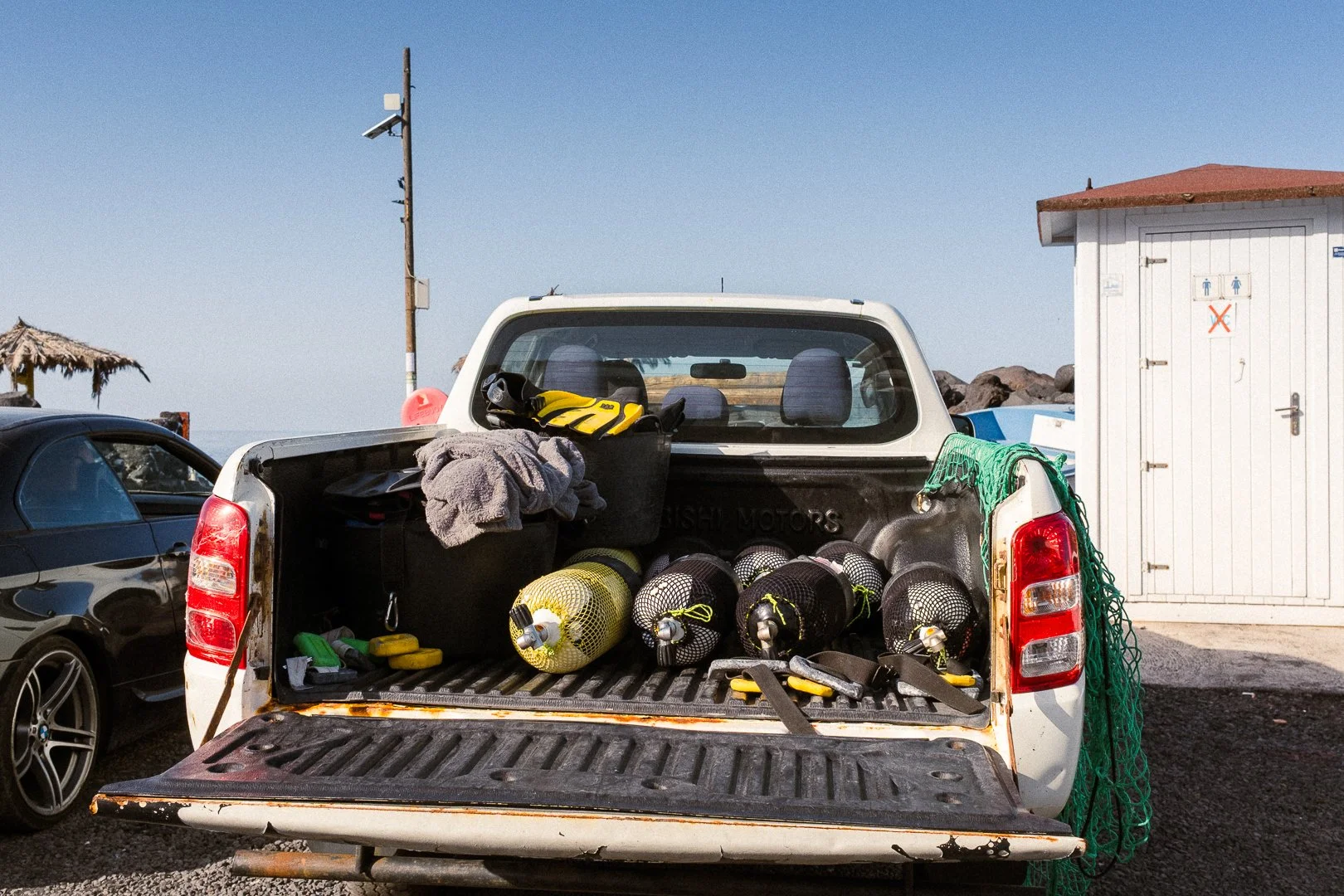
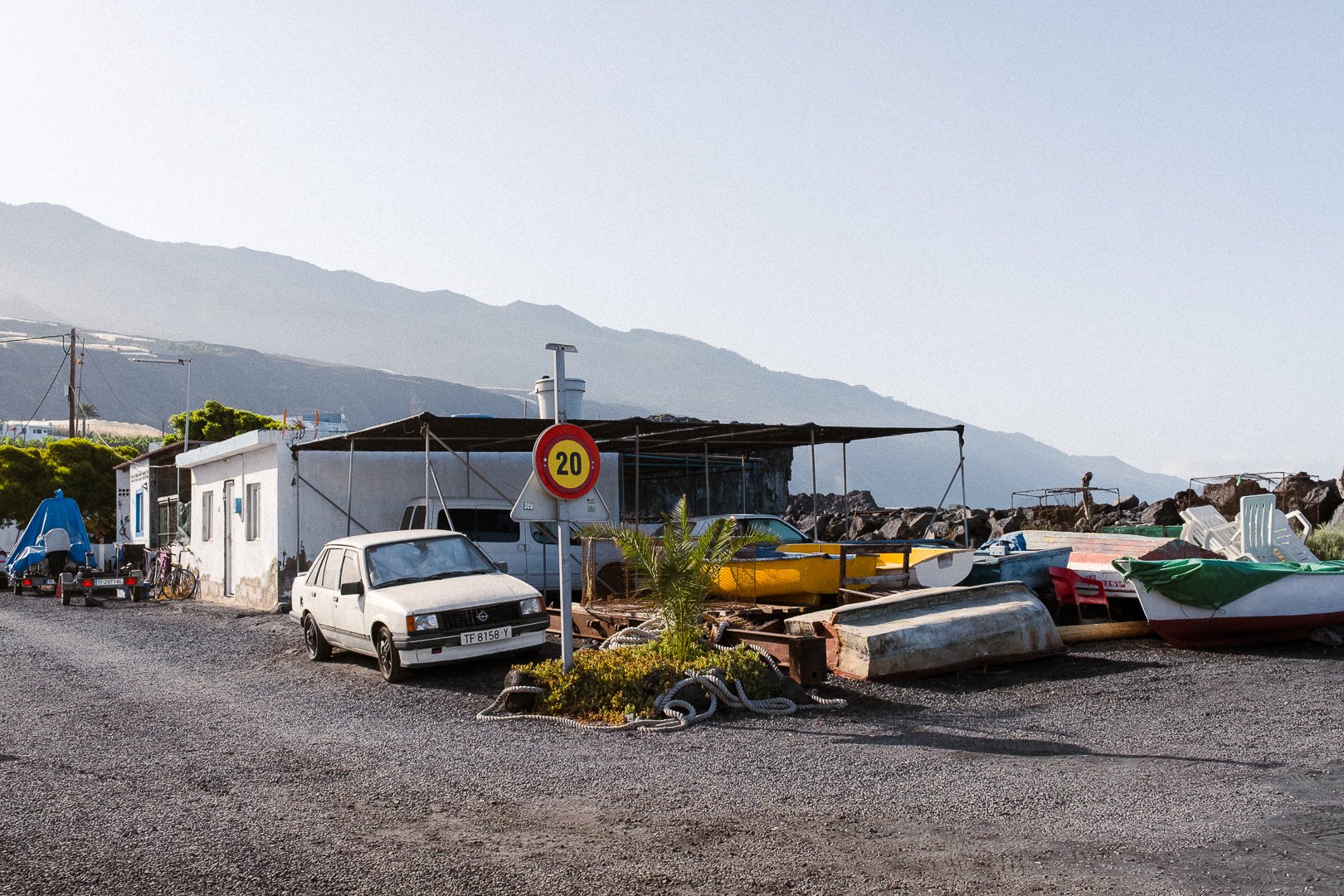
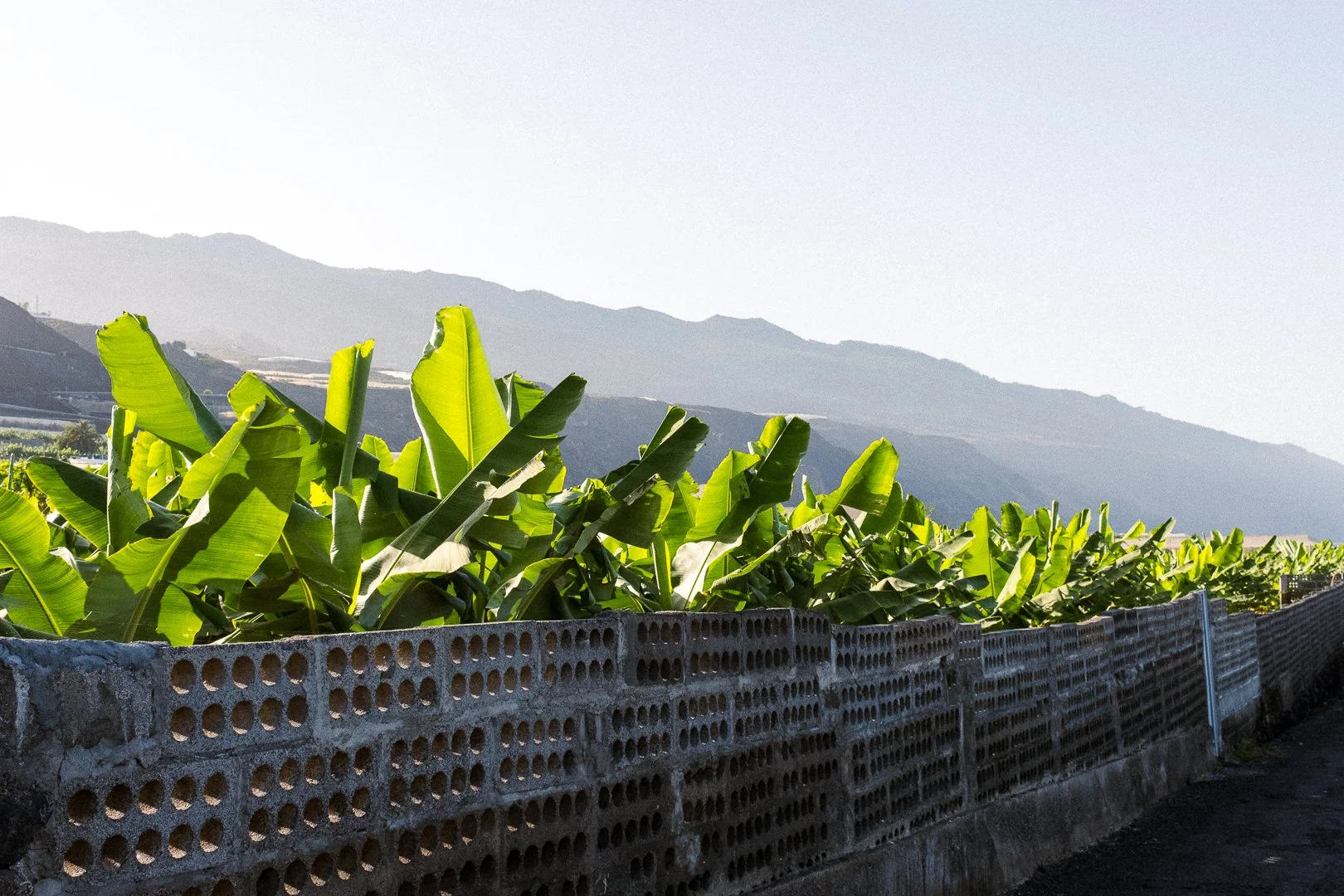
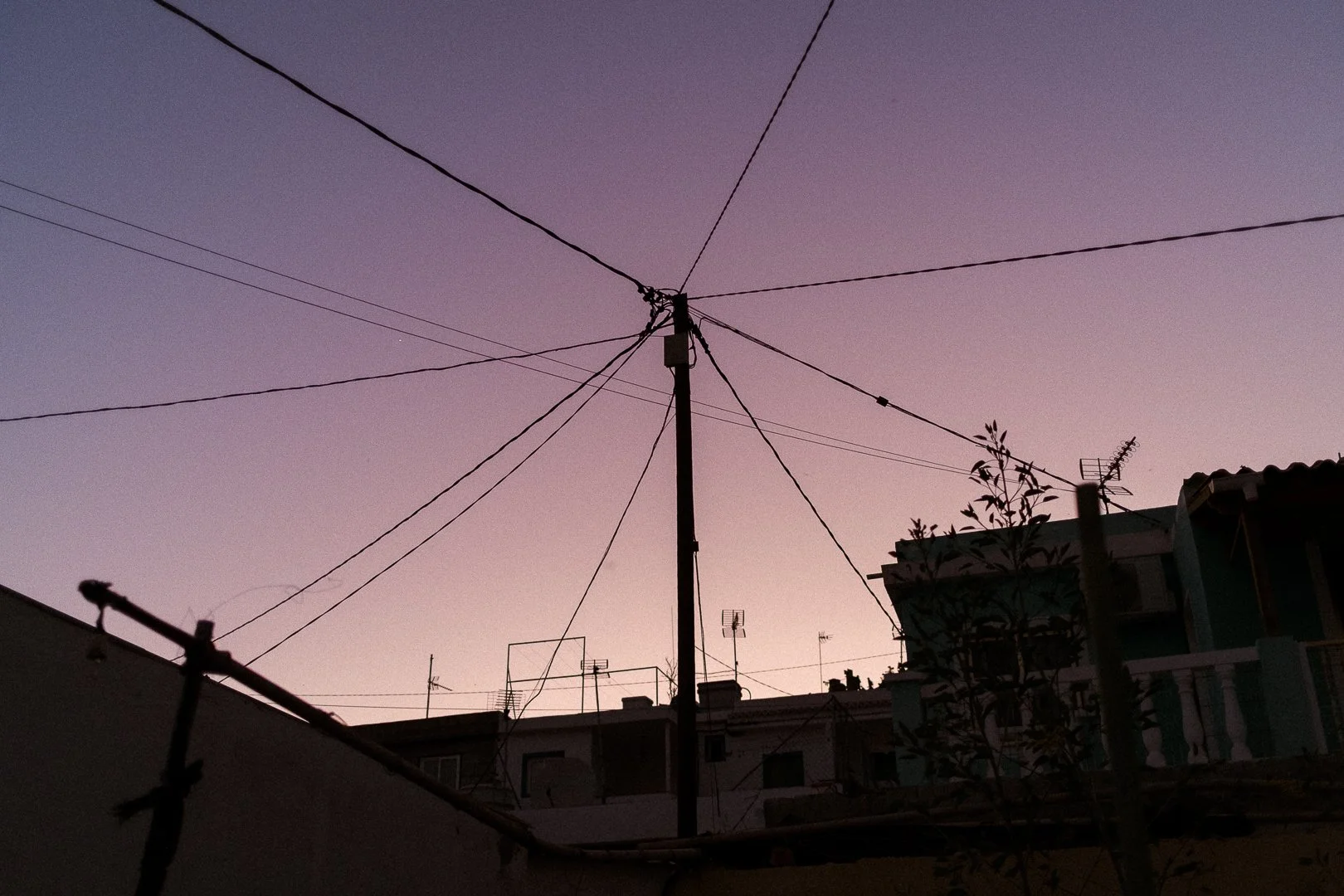
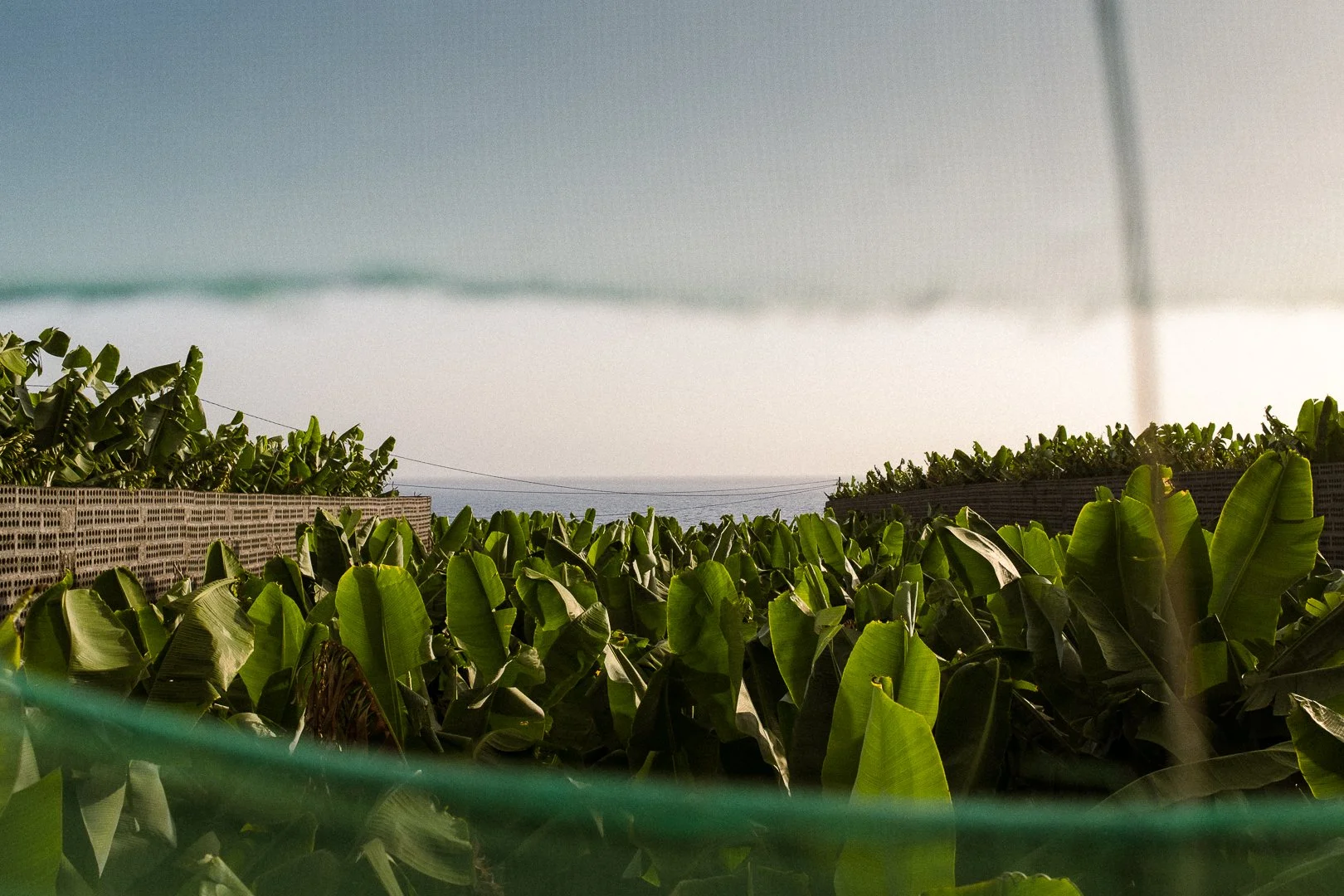
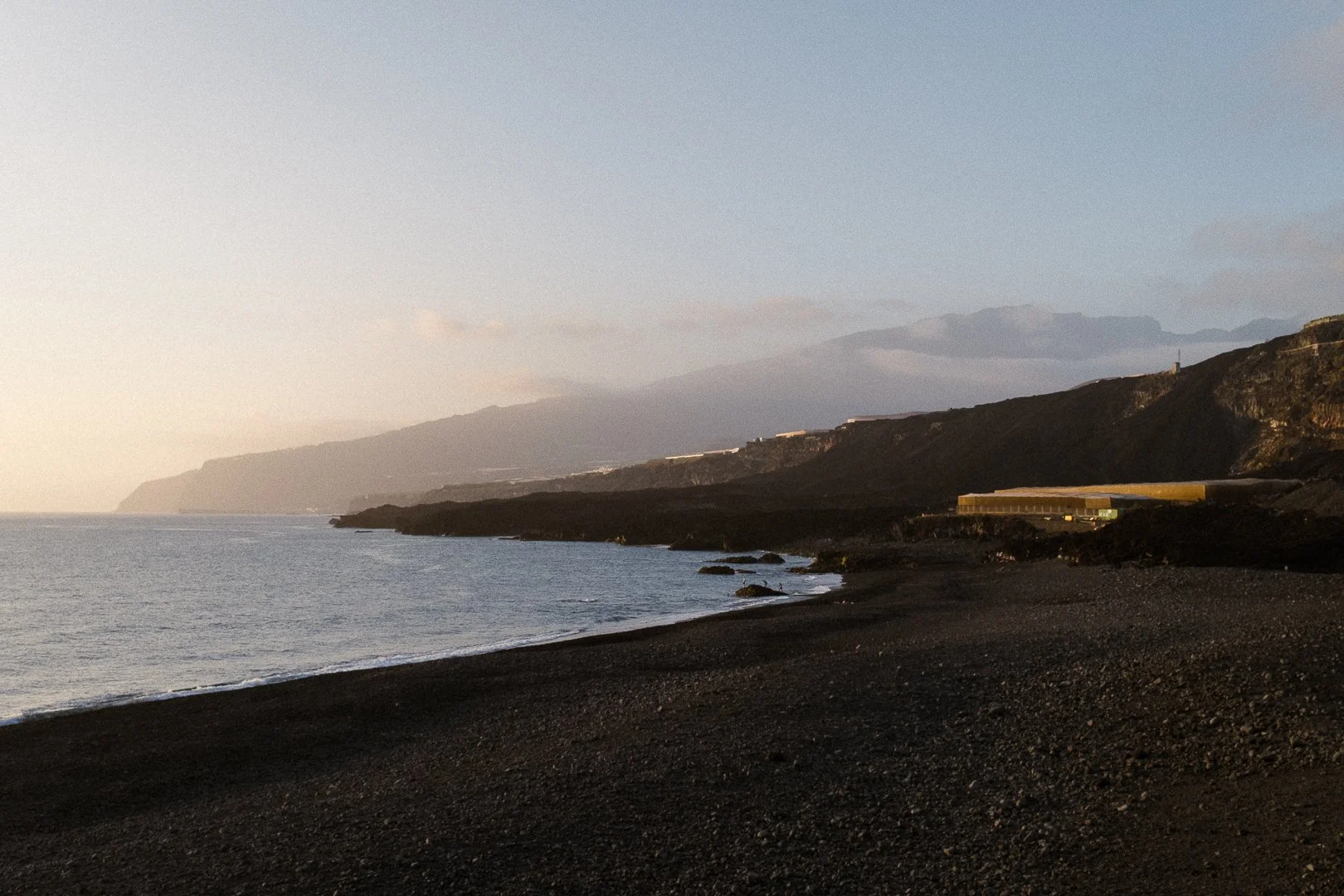
As I mentioned earlier, walking around the village with a camera didn't seem to attract anyone's attention. The locals simply went about their lives (it looks like things have largely returned to normal since the 2021 Tajogaite eruption), balancing work on the banana plantations with fishing, swimming in the Atlantic, and late-evening fish barbecues on their terraces.
La Bombilla also makes an excellent base for exploring the island.
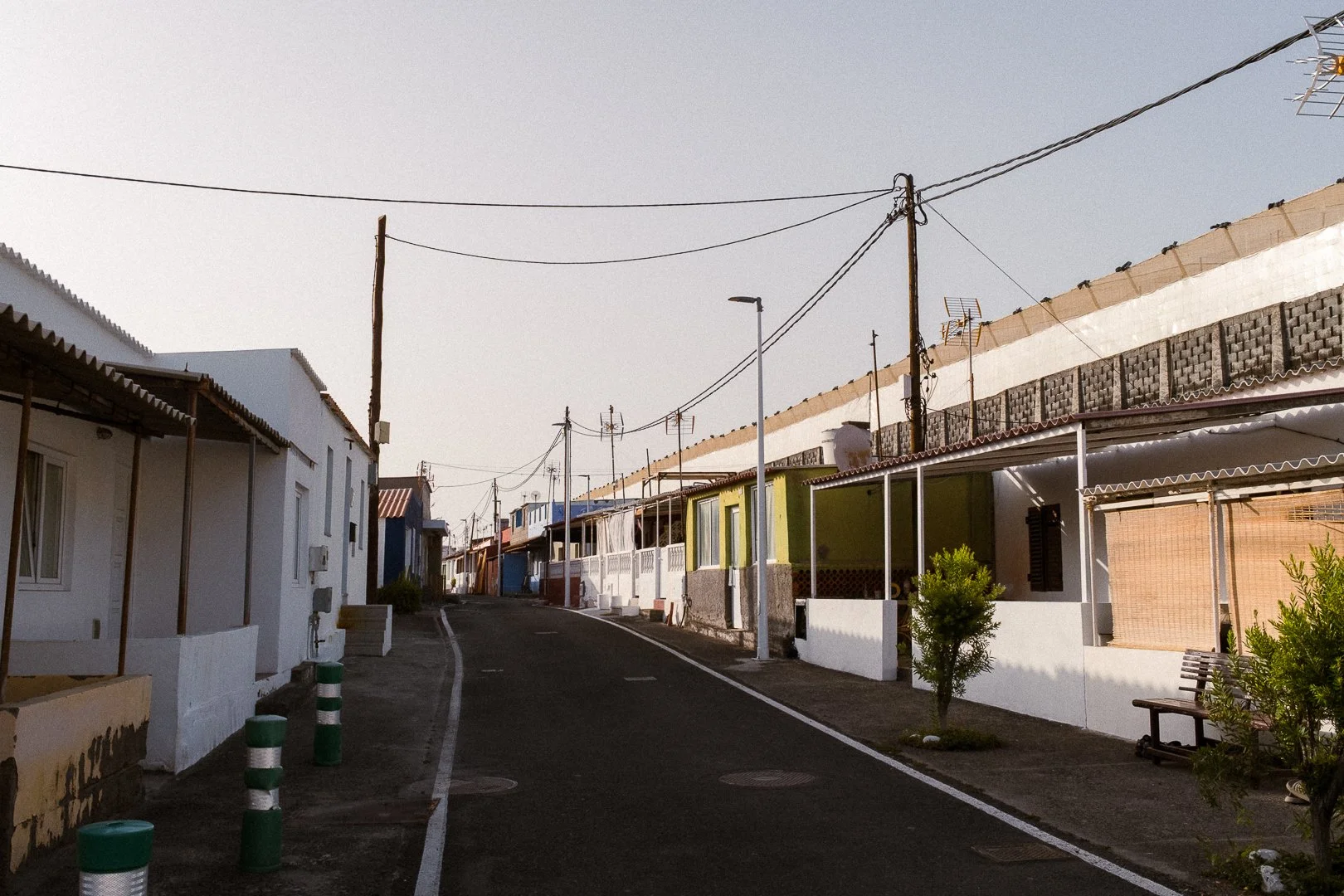
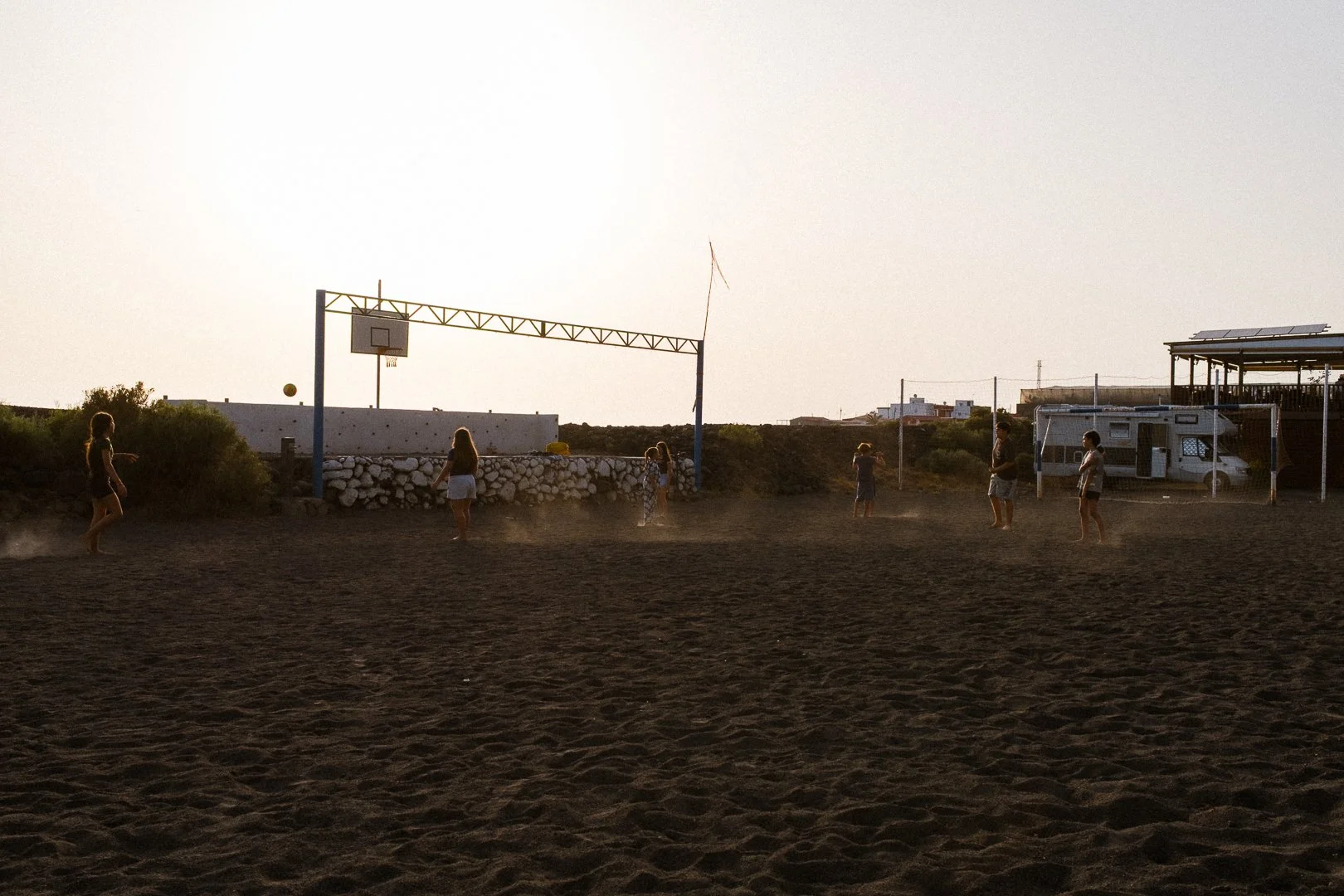
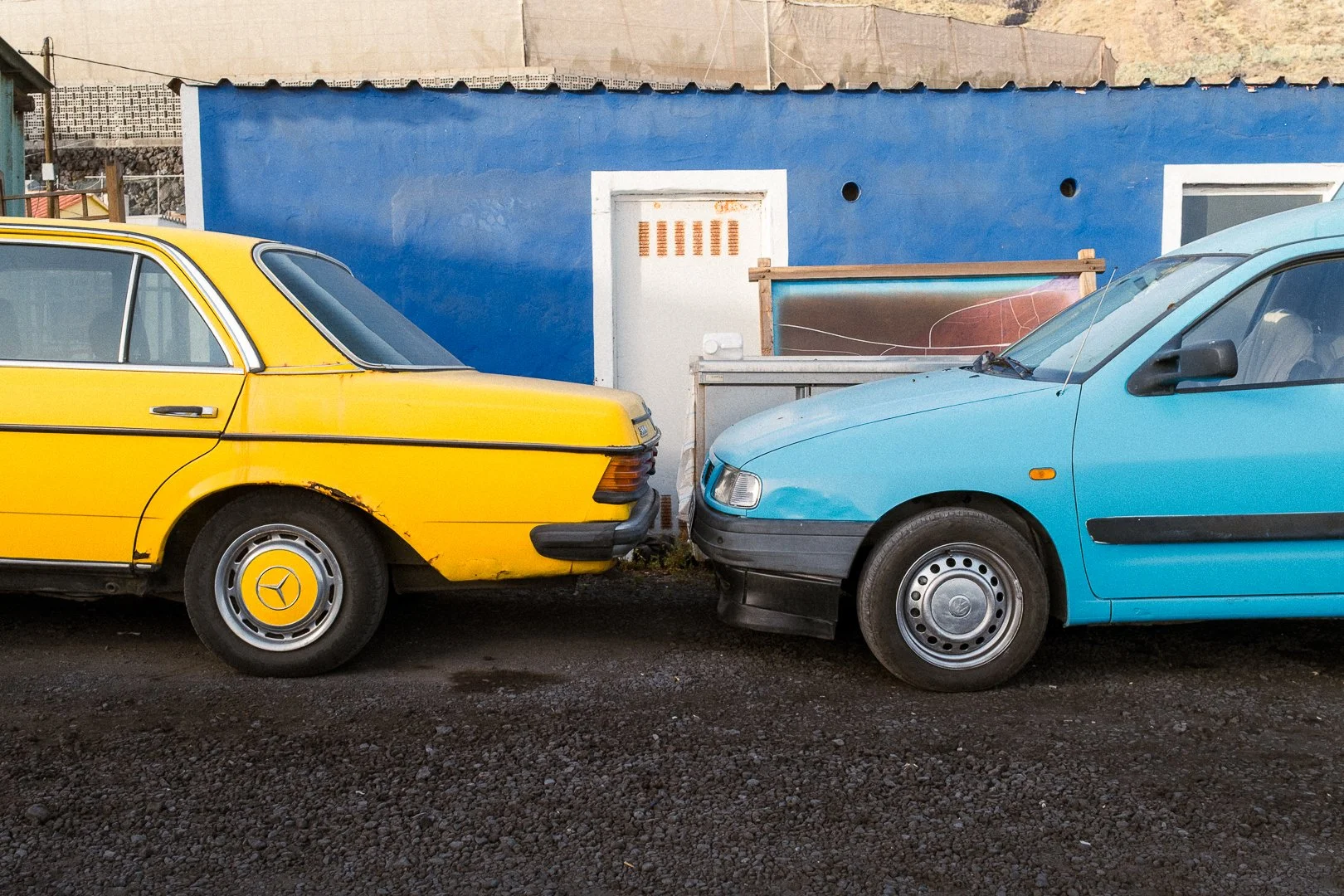
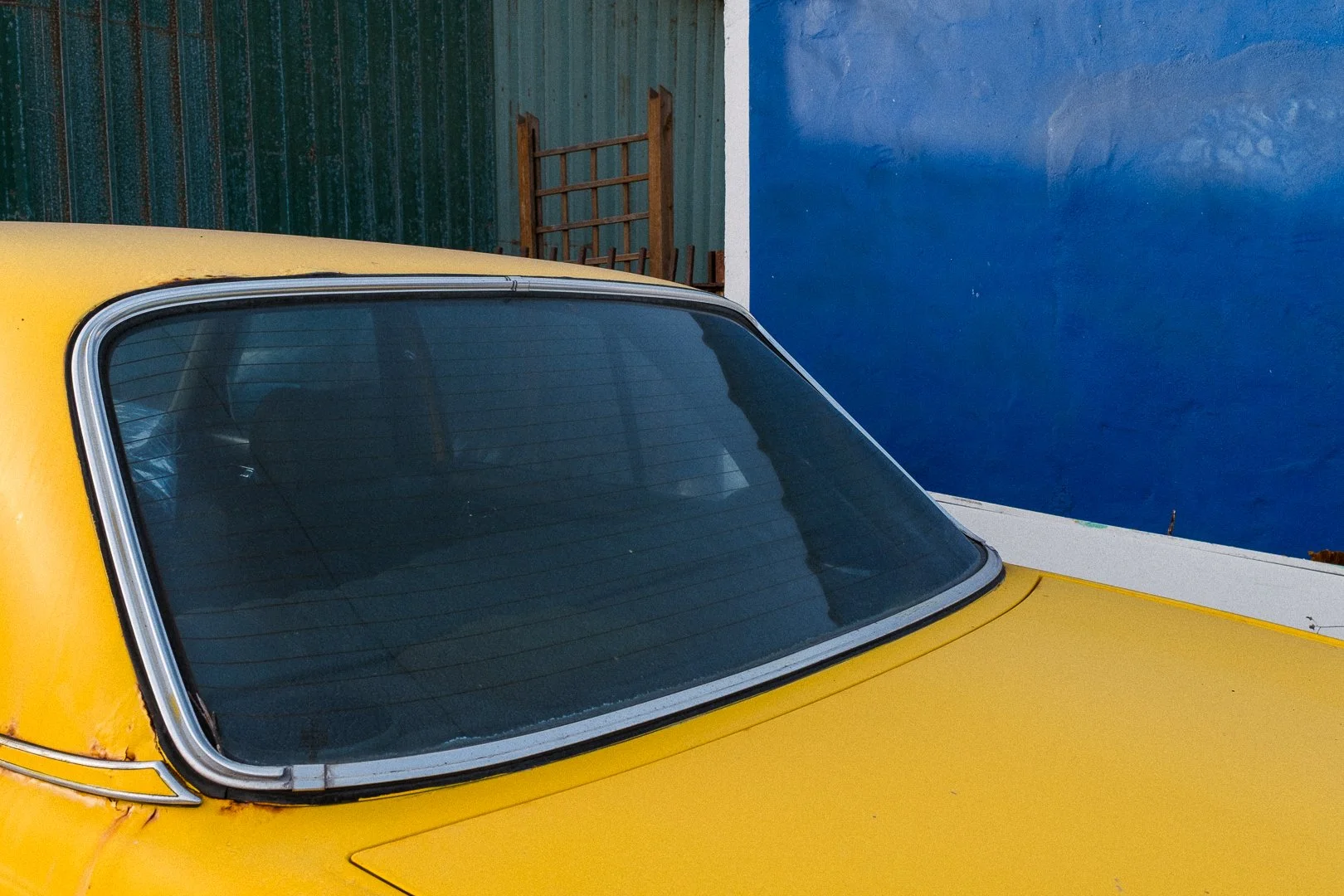
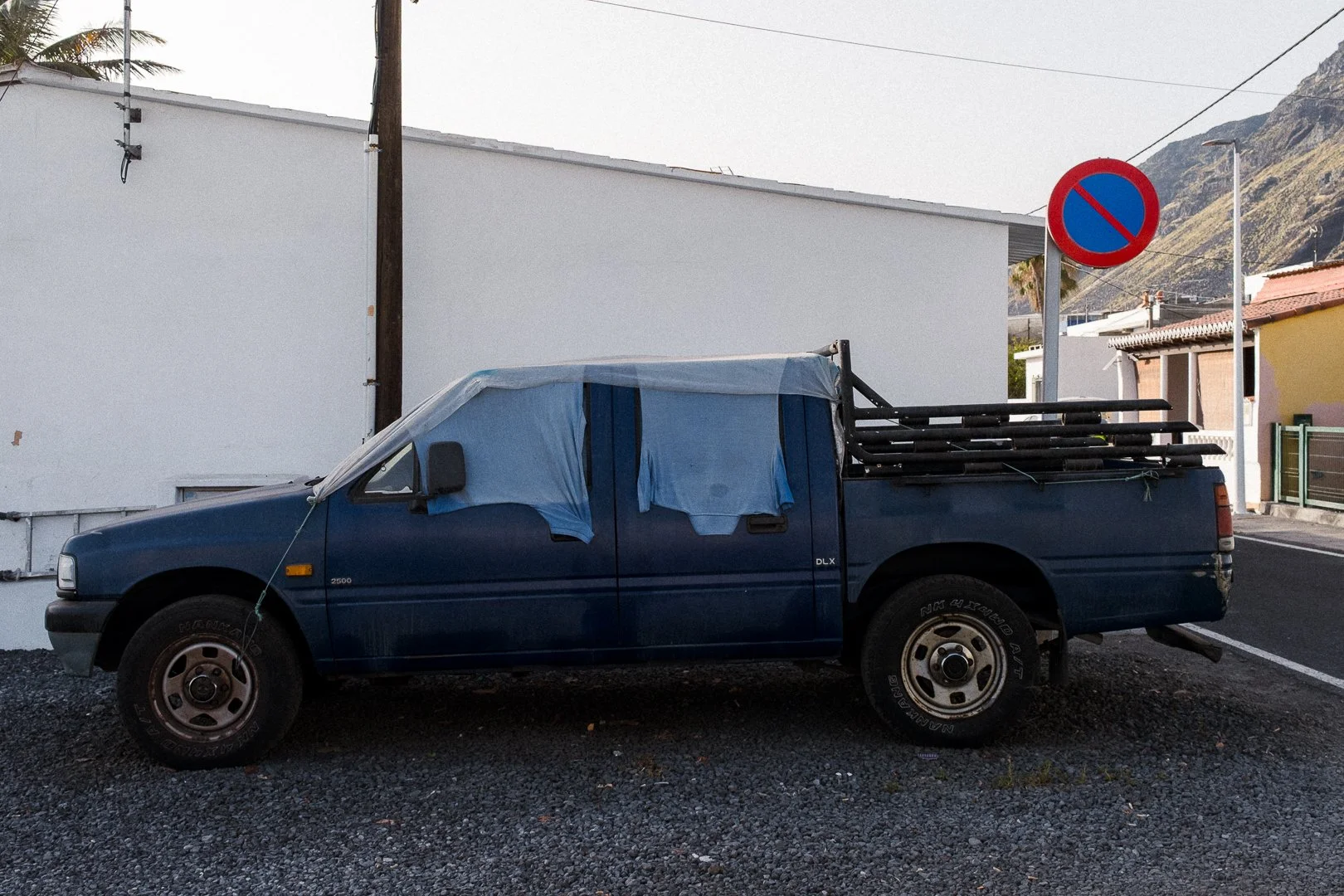
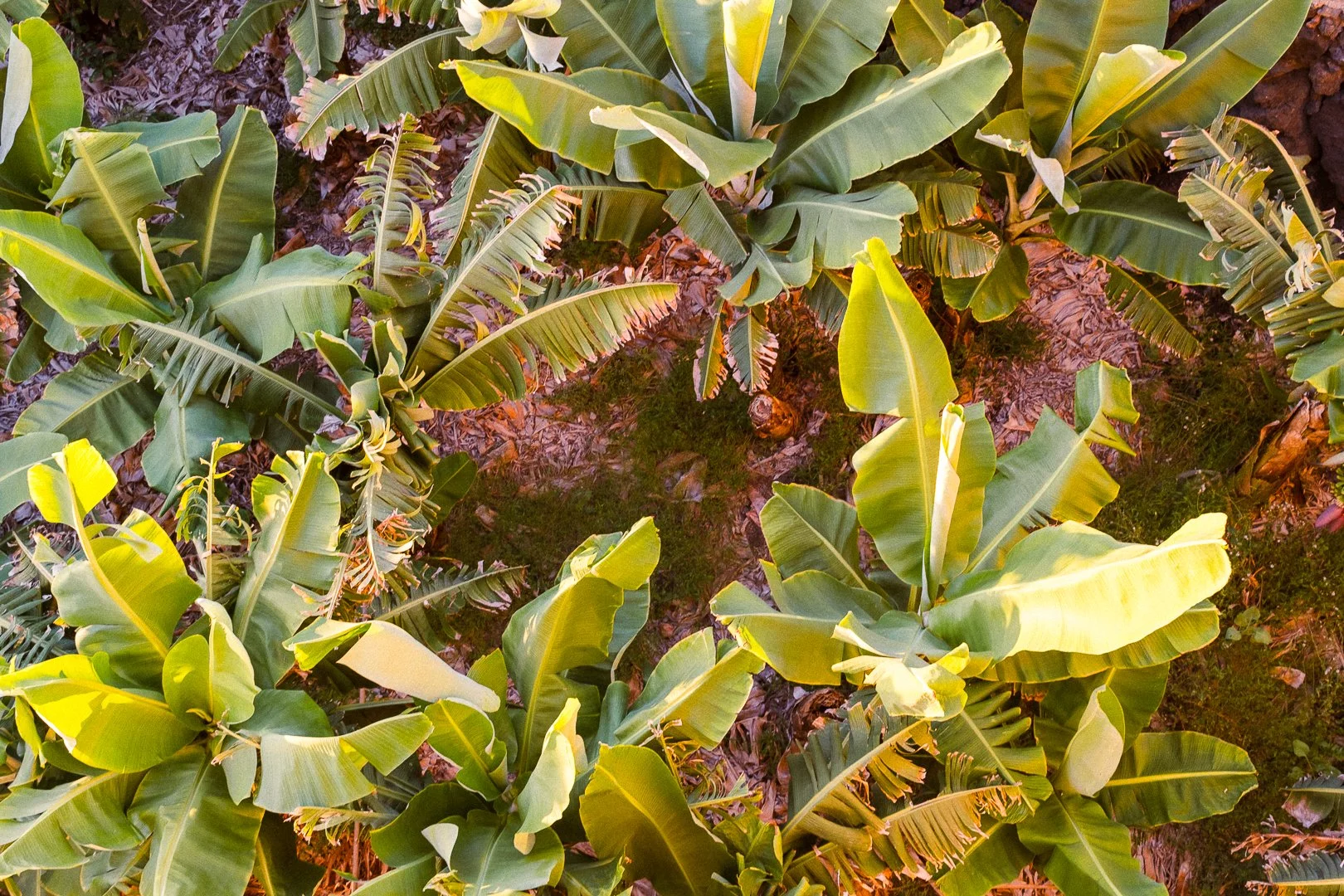
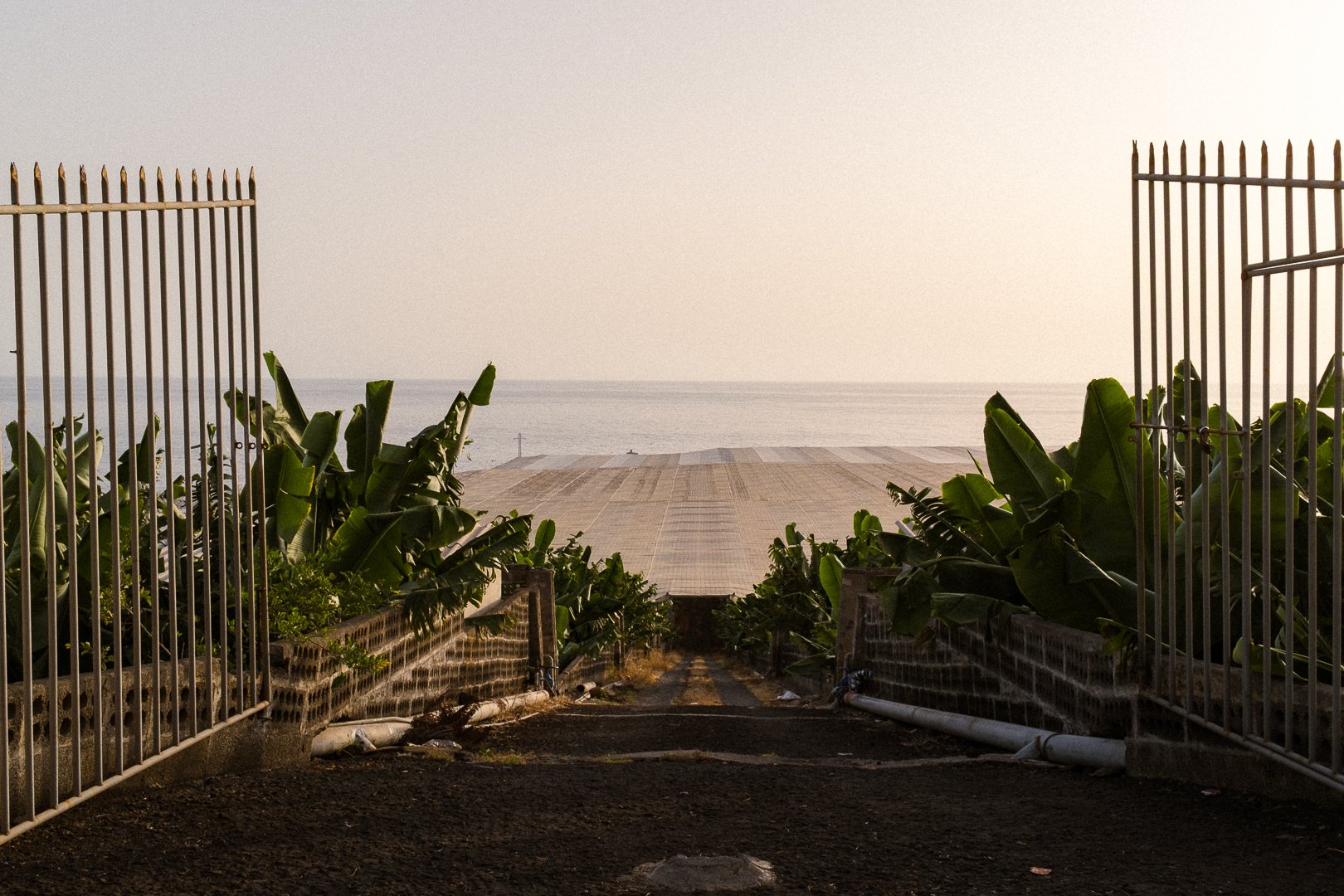
El Remo, a settlement with a very similar character, is only about fifteen minutes away. That's where we watched pods of dolphins from the shoreline.
Puerto Naos is even closer. It's the only place we visited that felt anything like a traditional seaside resort. No really our thing, but at least we found a night store where we could buy coffee and some drinks.
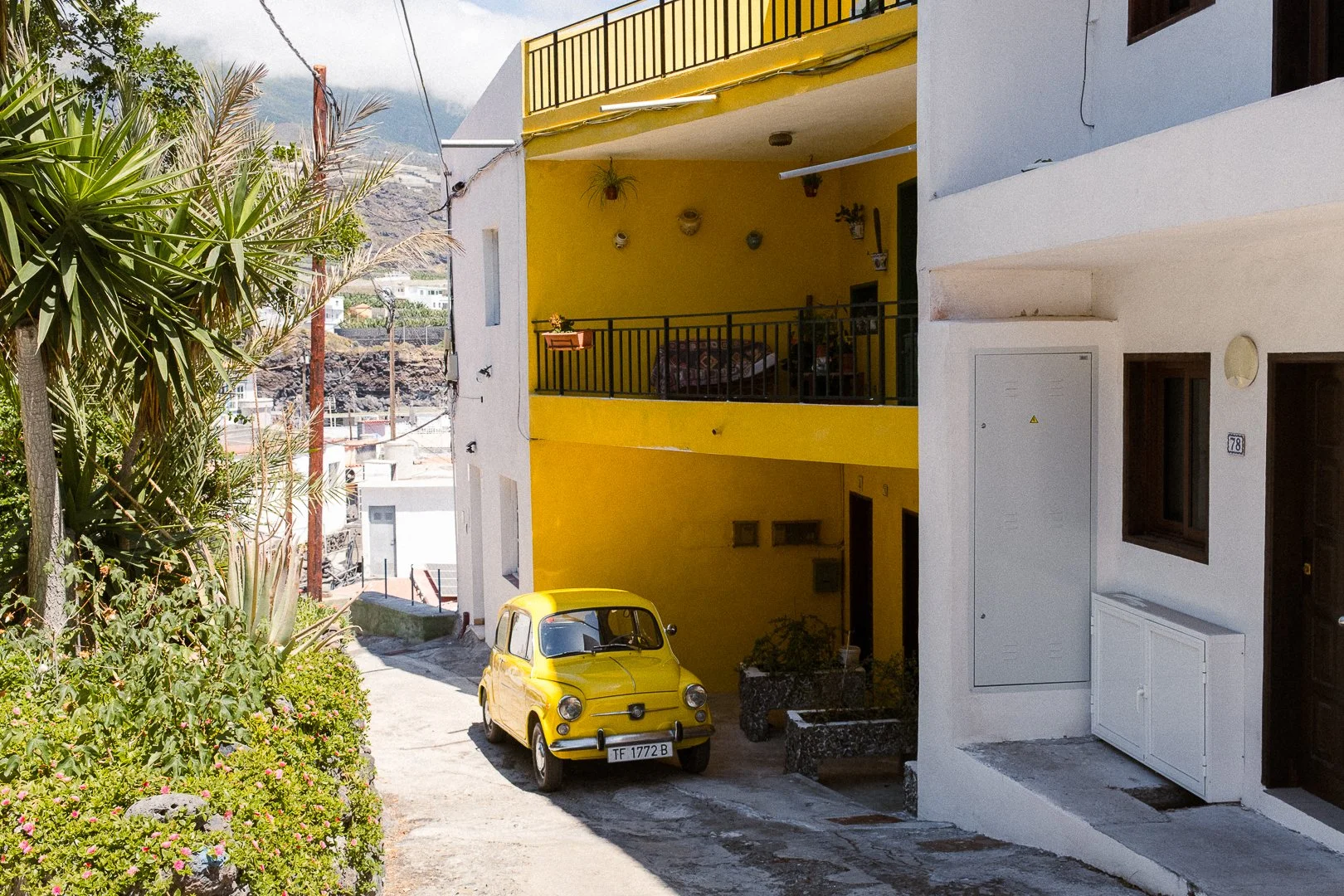
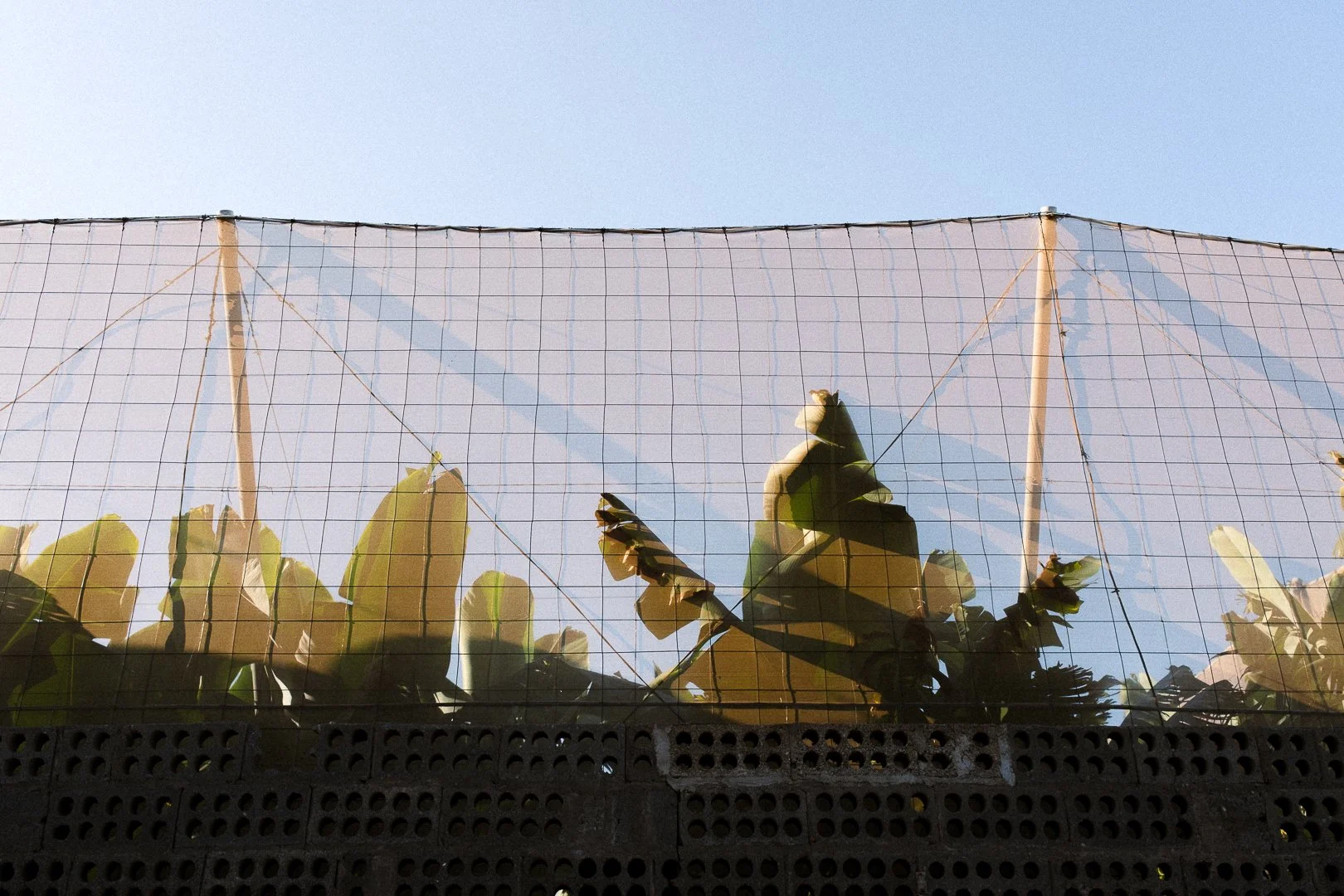
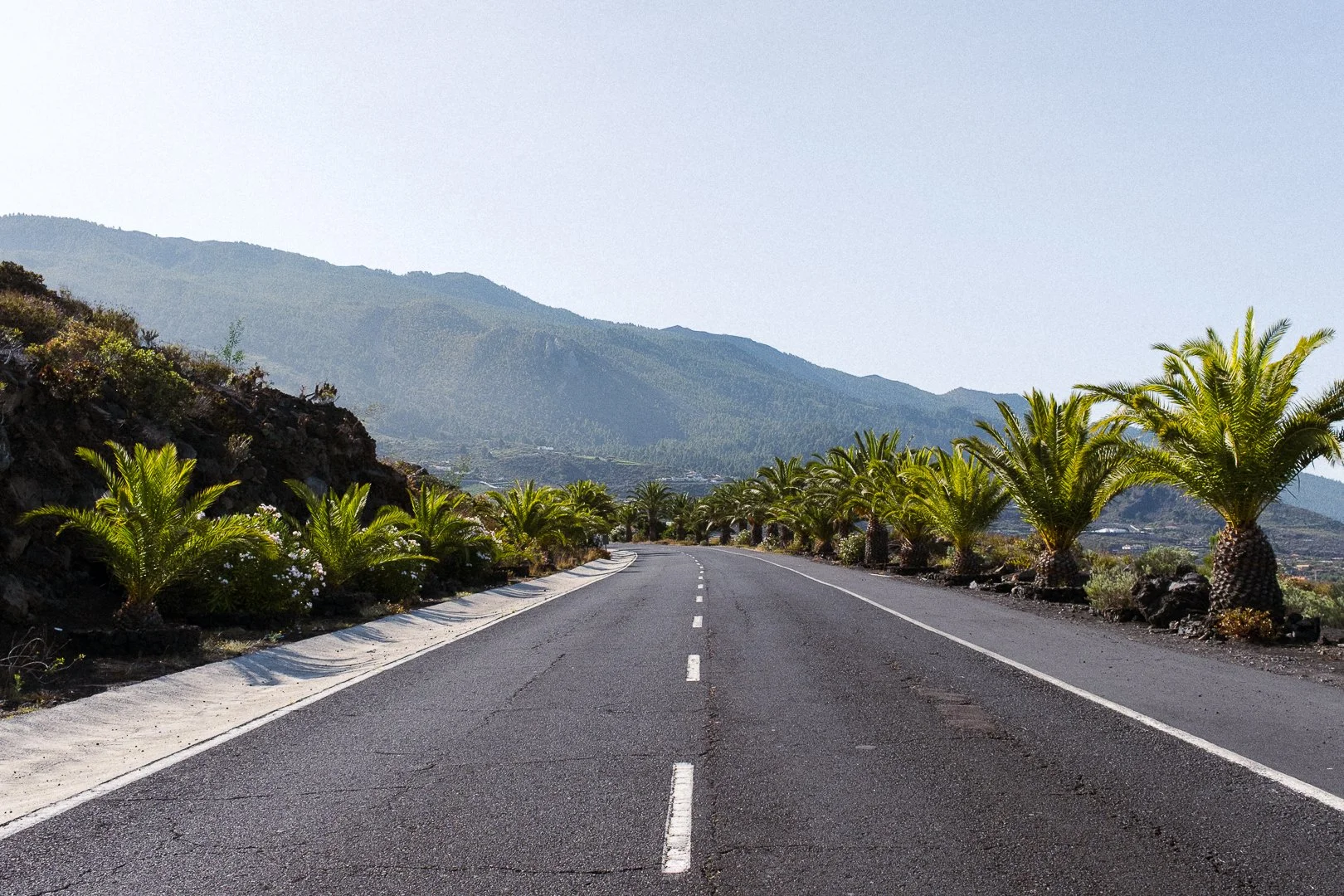
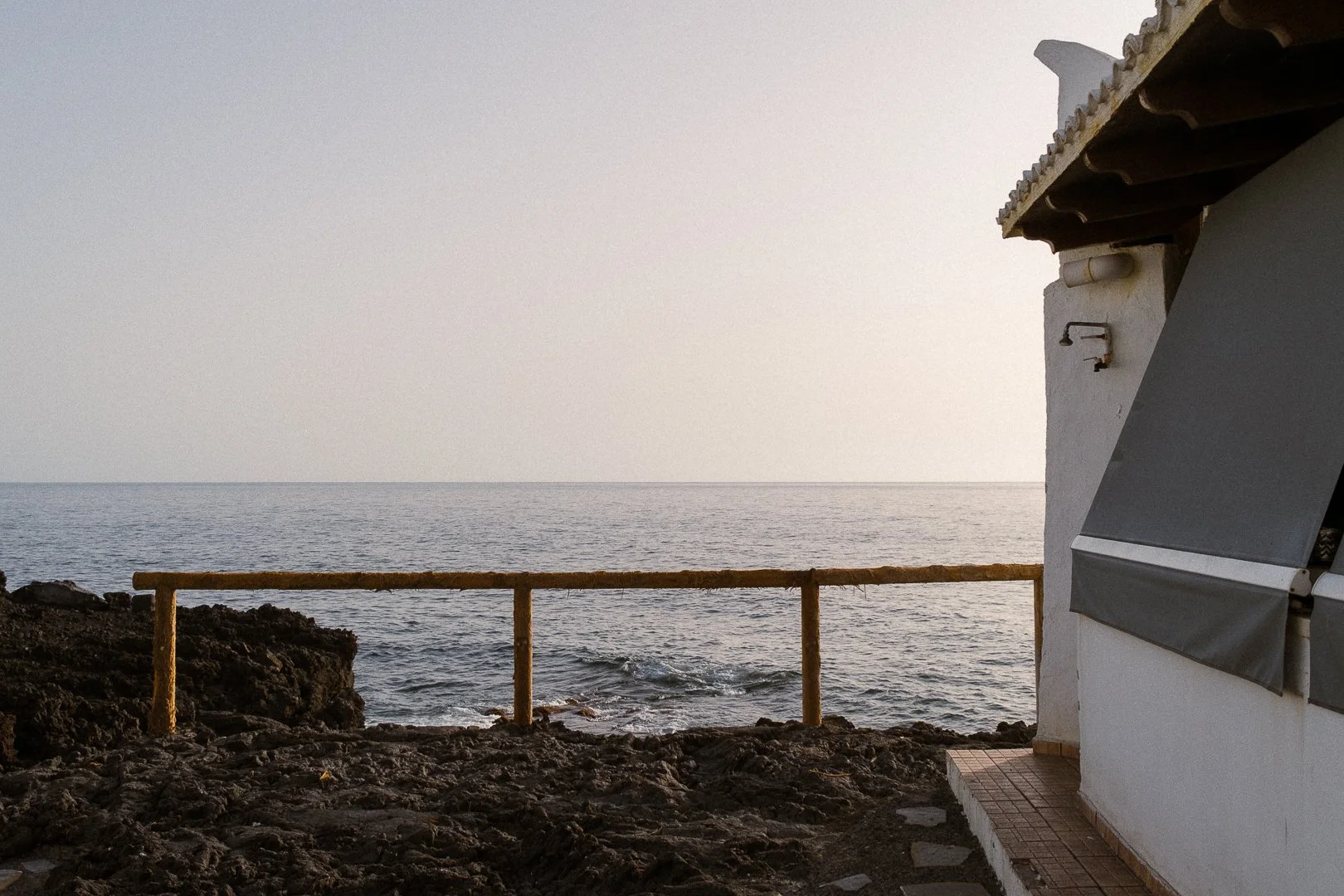
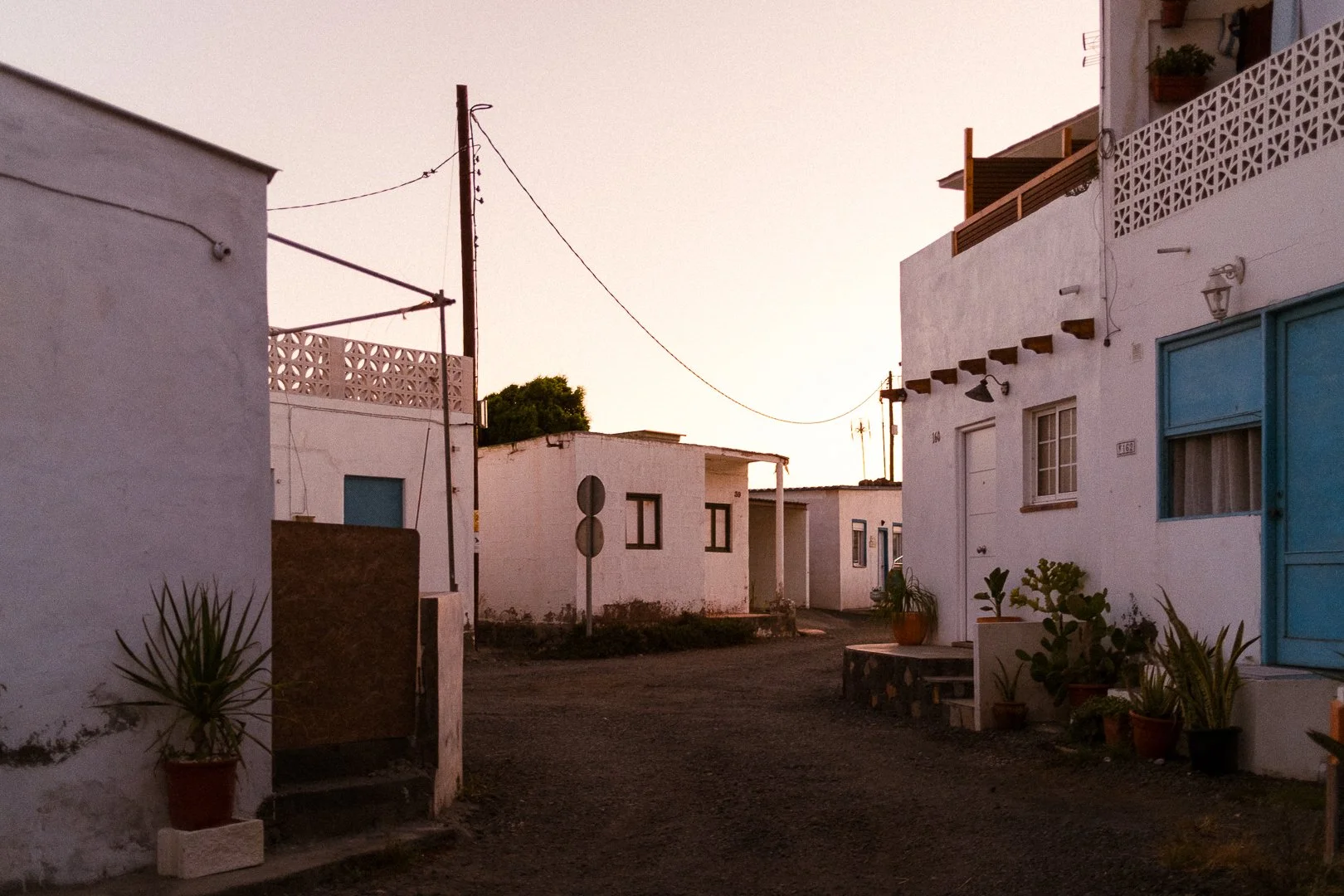
Perhaps the most fascinating - and at the same time the most tragic - thing about La Bombilla is its location at the foot of the lava delta created by the 2021 Tajogaite eruption.
From Las Manchas and El Paso all the way to the coast, the landscape is covered by surreal, seemingly endless fields of solidified lava. I'd recommend looking at satellite imagery before your visit - it really helps put the scale of the eruption into perspective.
We drove through those lava flows every single day, and I don't think it's something you ever become used to.
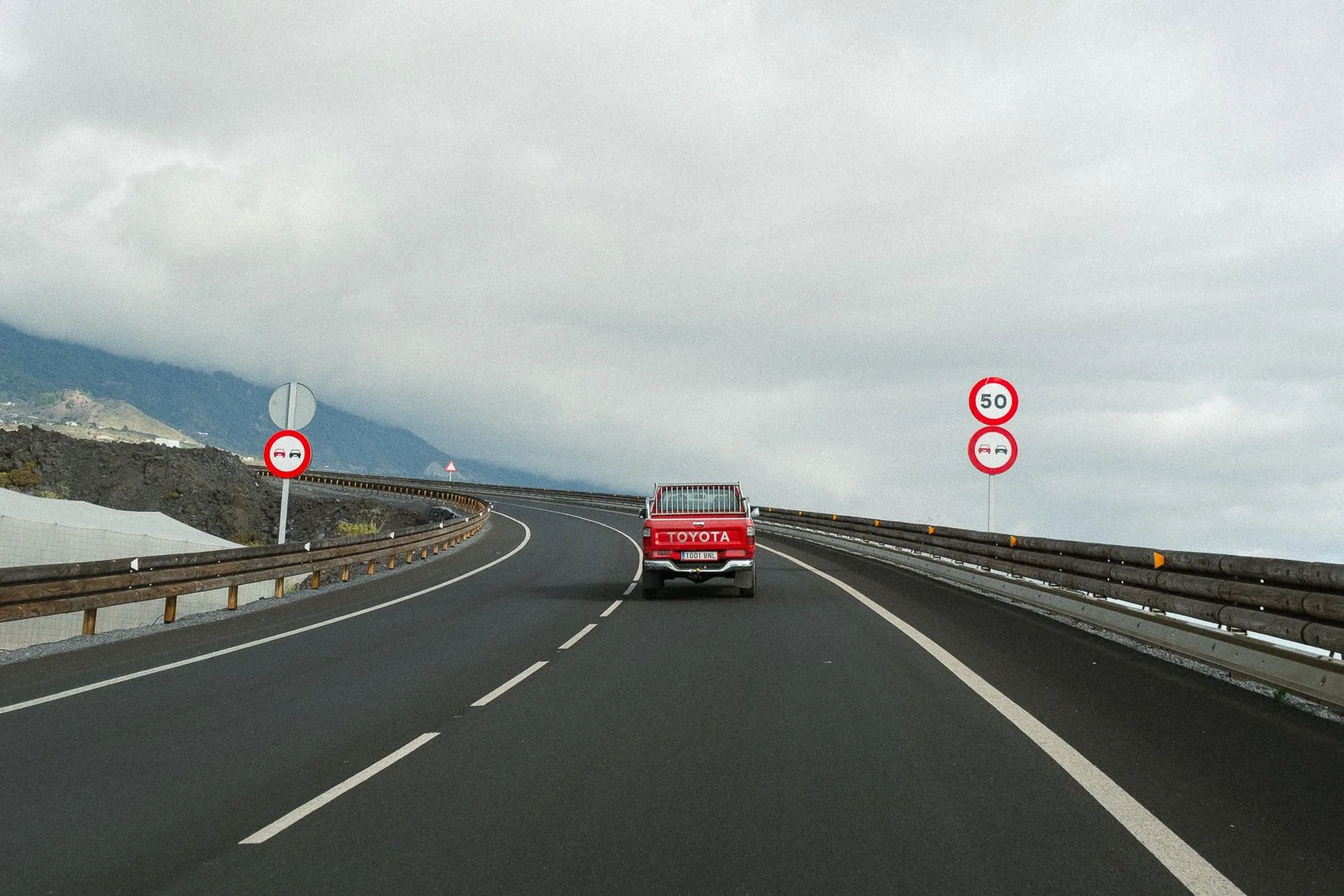
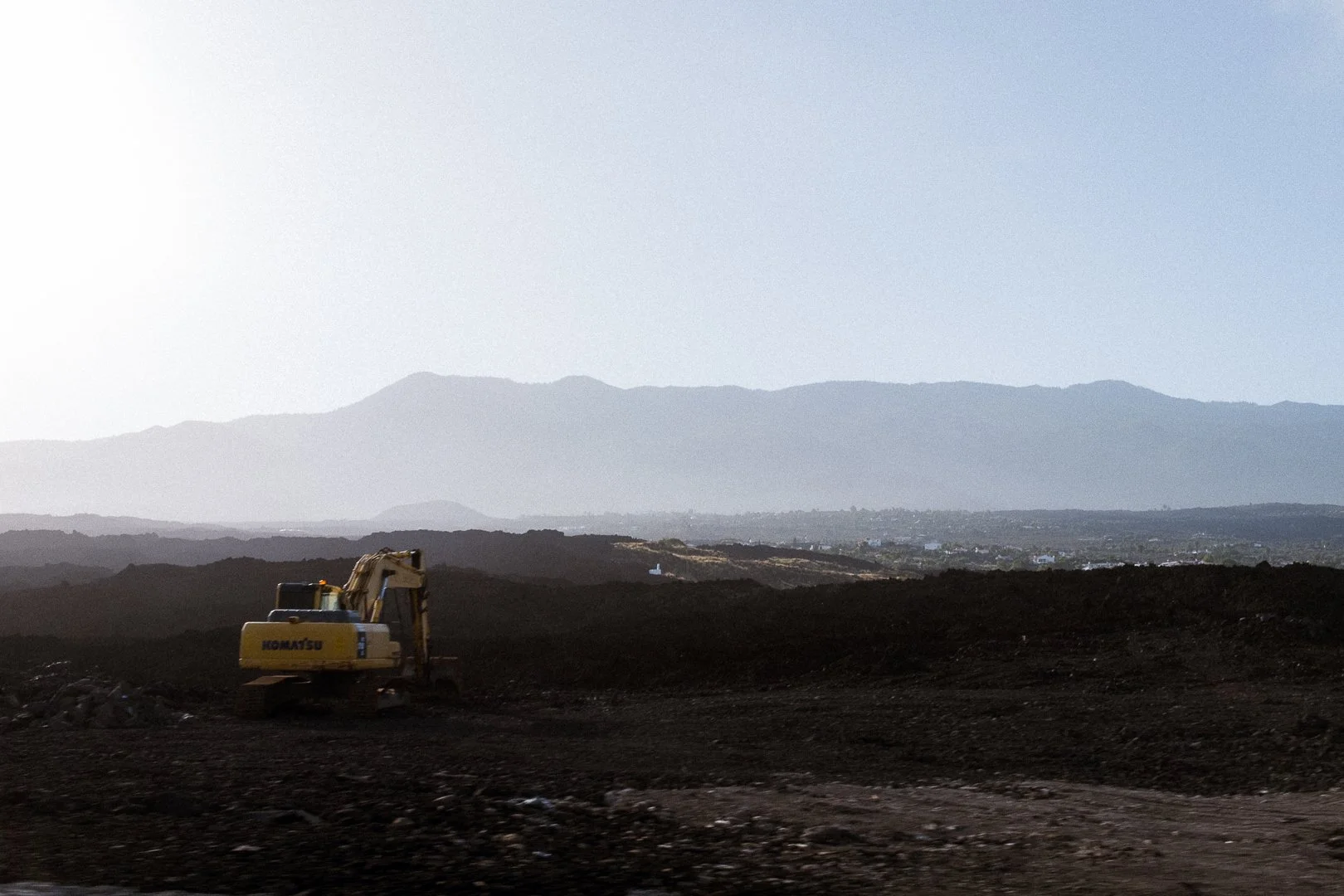
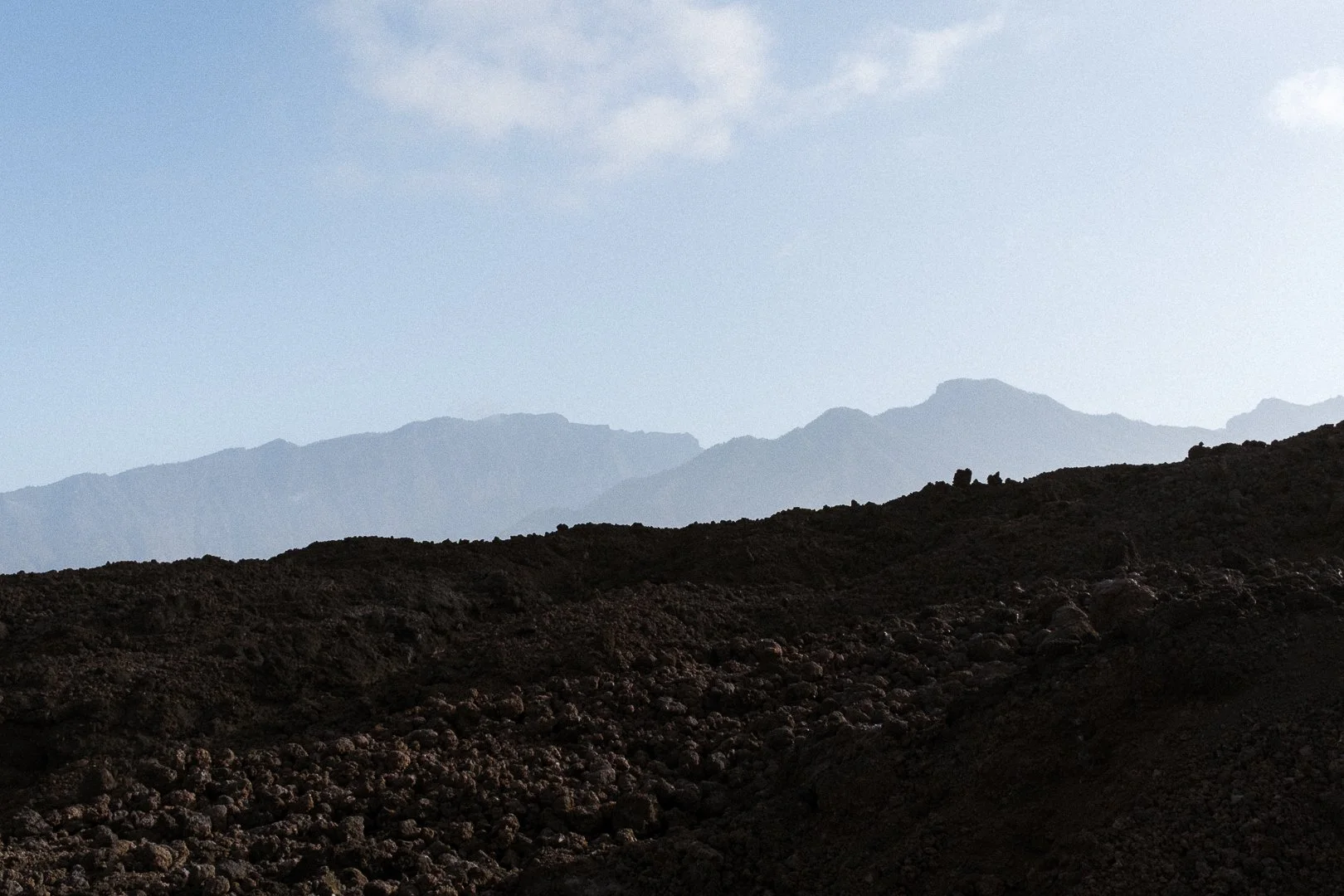
At the same time, it's an extraordinary landscape. On La Palma I feel we've learned more about geology than we did throughout our entire school education.
Photography in La Palma
If hiking and landscapes are your things, La Palma won't disappoint. The island is packed with trails, many of which offer spectacular scenery and endless opportunities for landscape photography.
As I mentioned earlier, I highly recommend joining a guided hike to Tajogaite. It's the only way to access the volcano itself and to see, up close, the destruction left behind by the eruption. It is simply unreal.
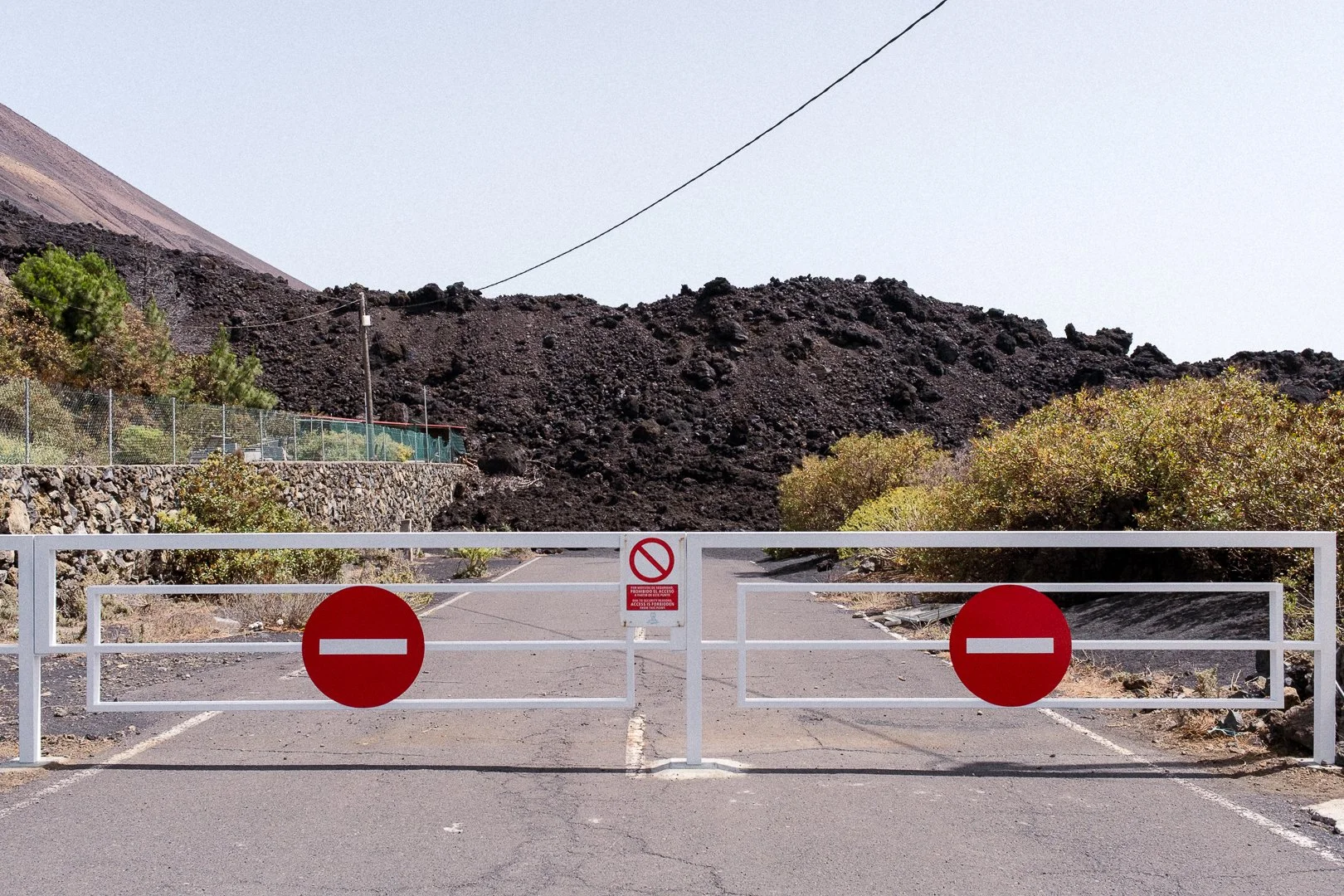
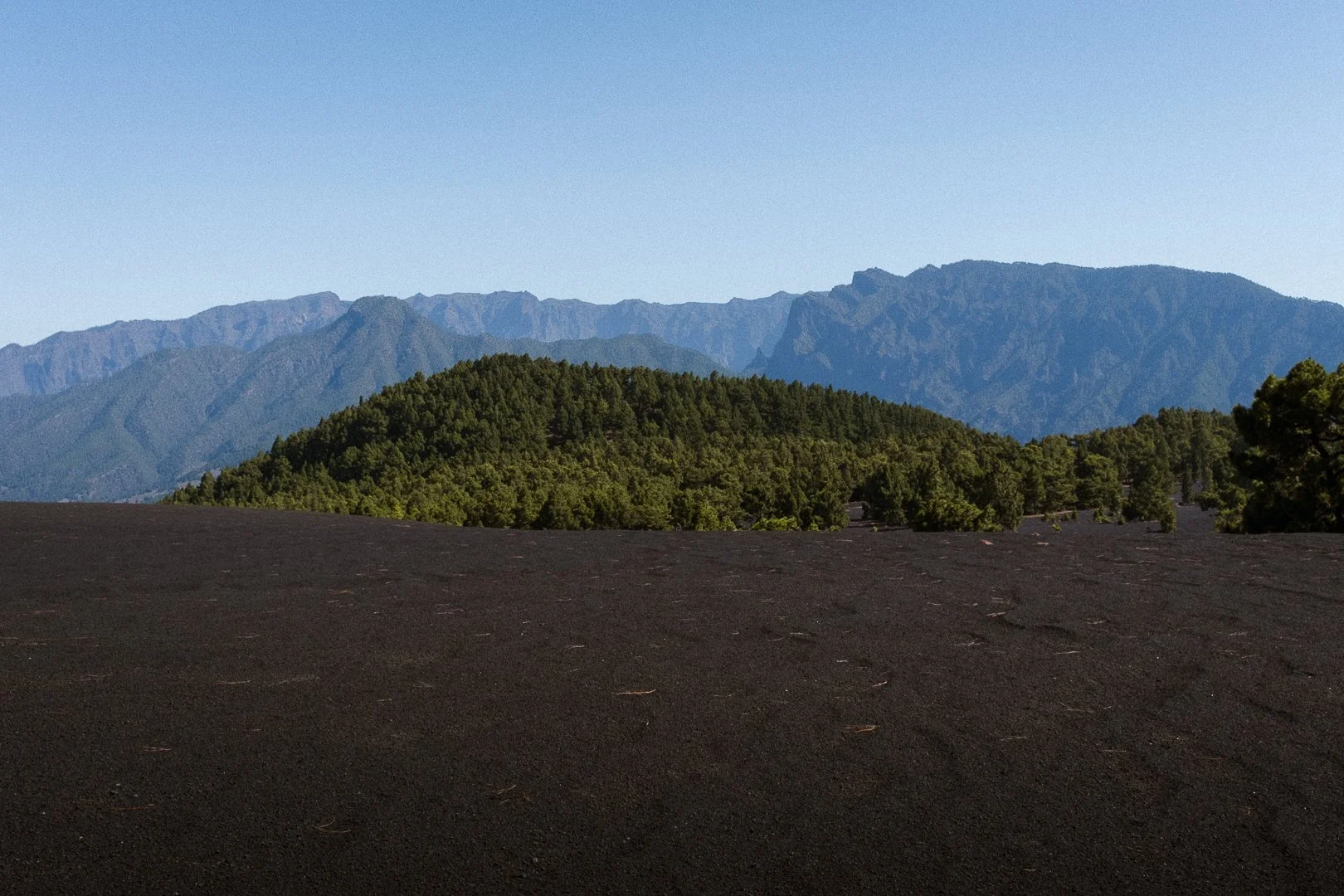
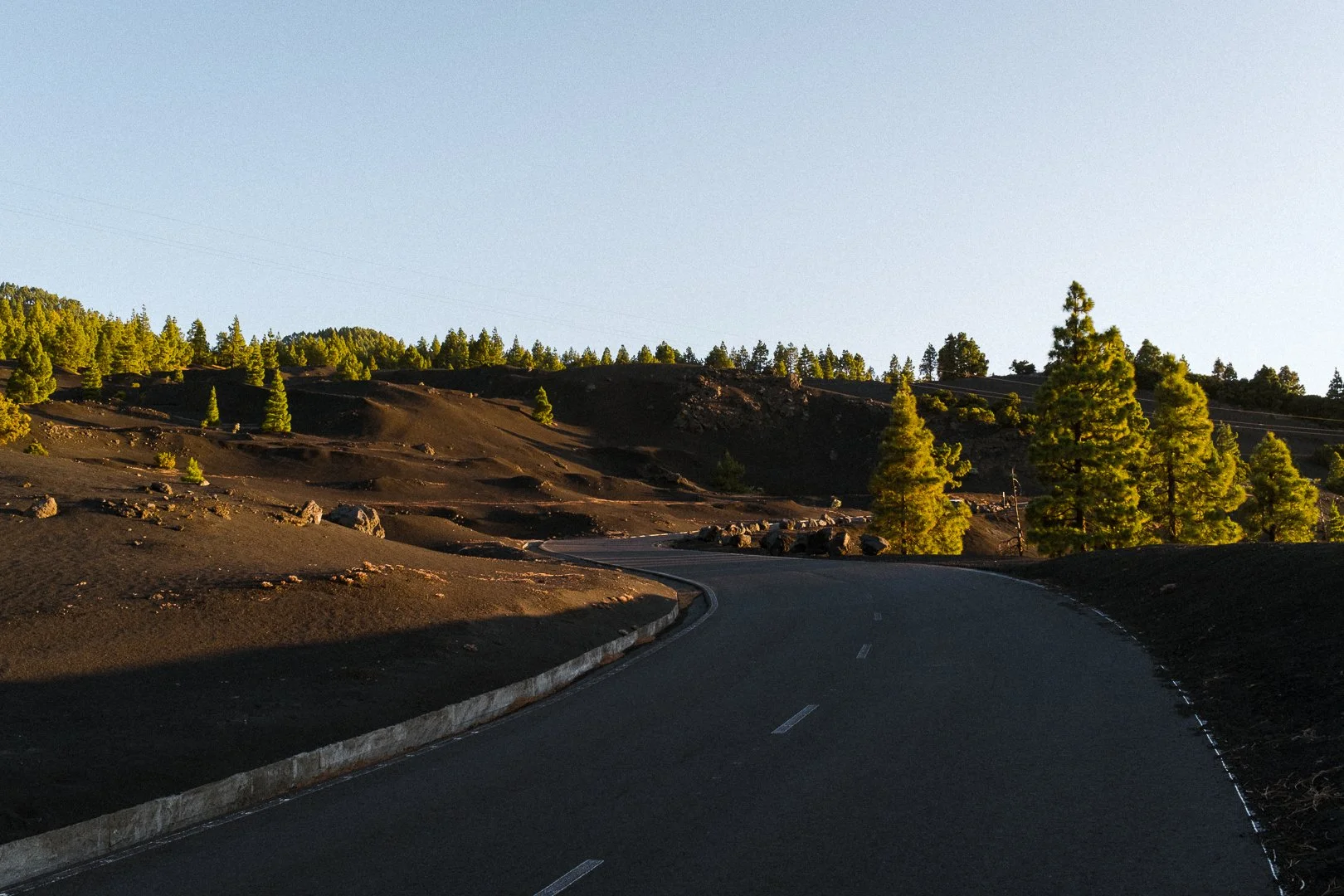
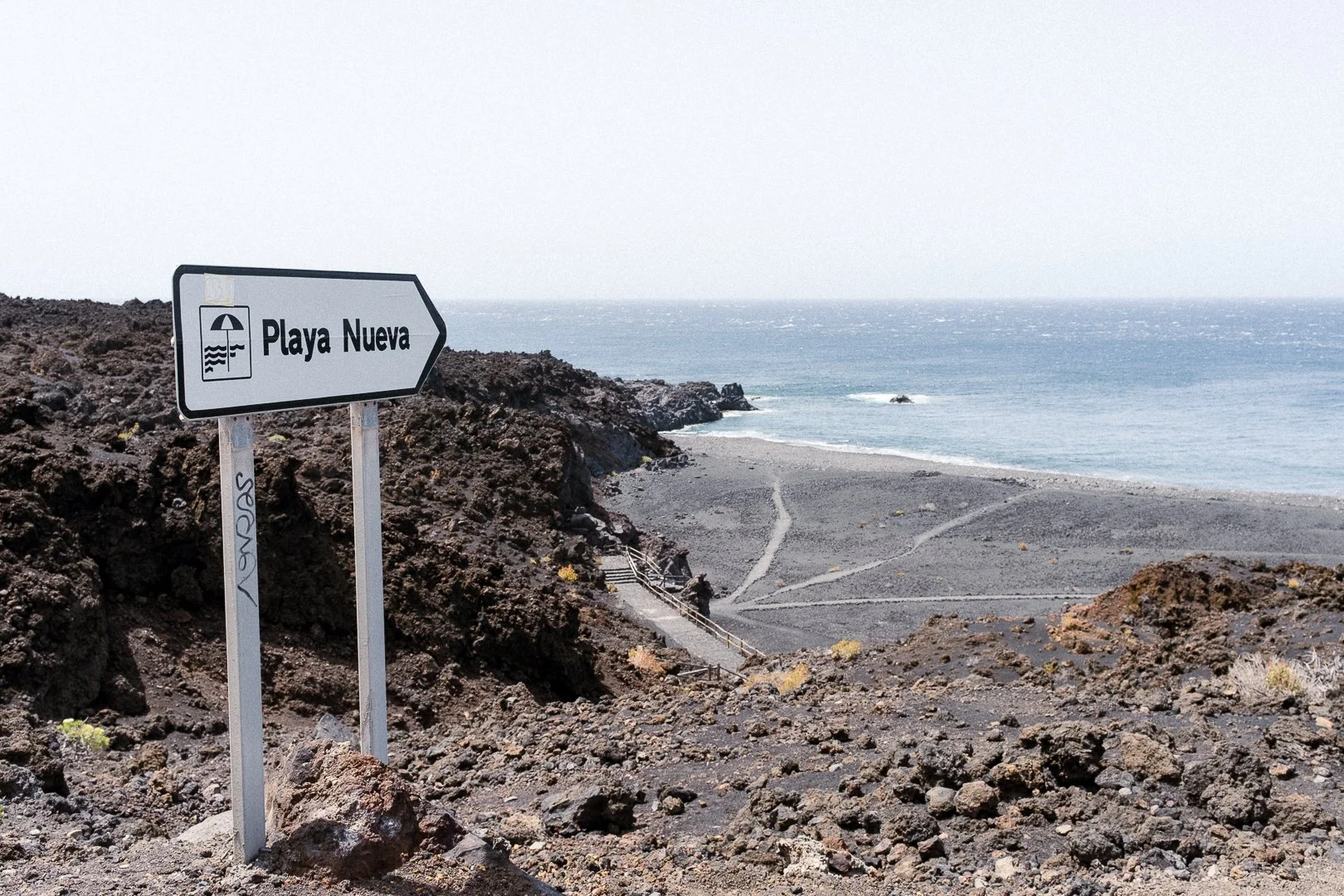
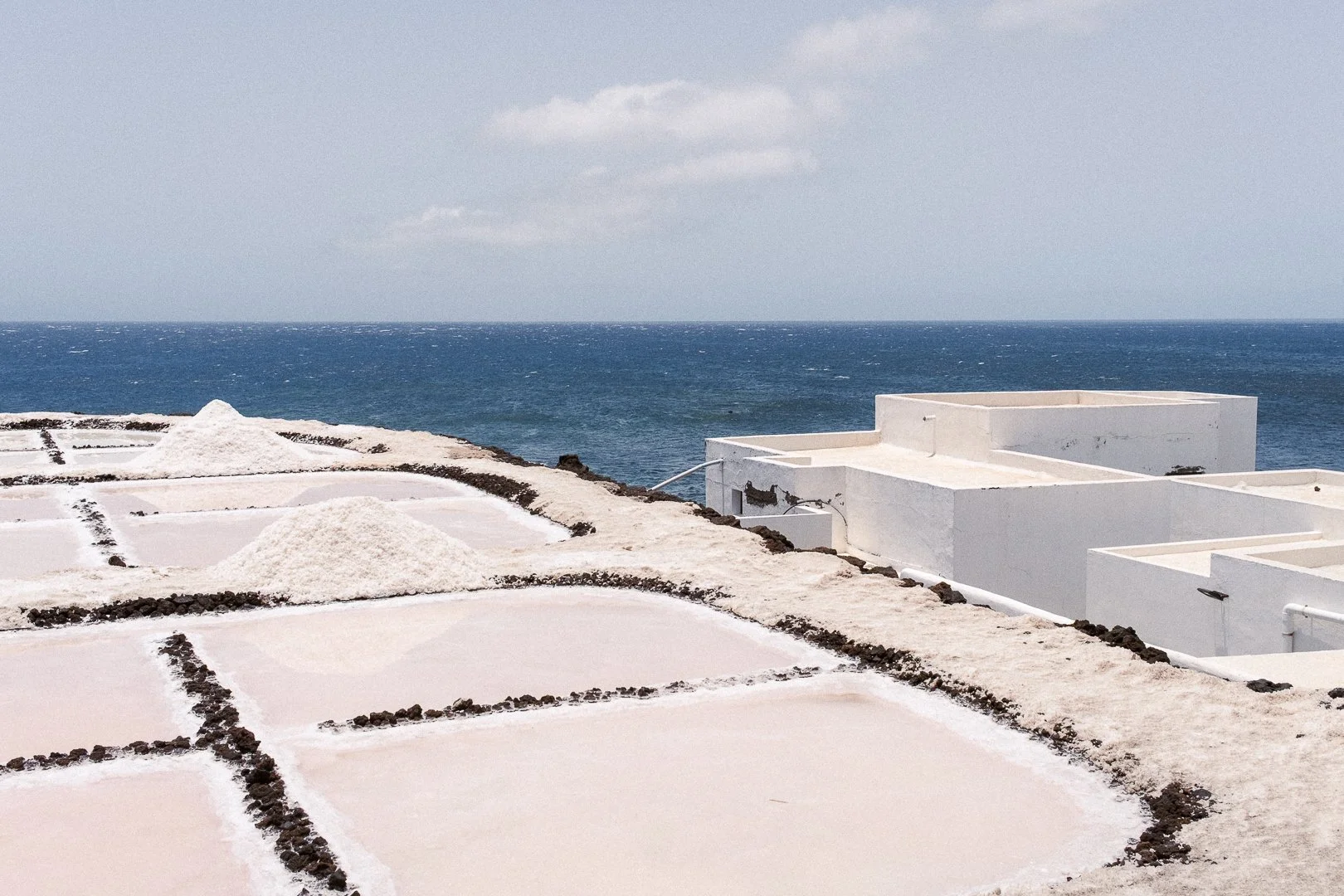
We also spent an afternoon exploring Teneguía, the volcano at the southern tip of the island that last erupted in 1971. Unlike Tajogaite, you can walk around it without joining a guided tour, and the dramatic volcanic landscape is well worth the detour. From there, it's just a short drive to the Salinas de Fuencaliente and the black-sand beach of Playa Nueva.
If you have a little extra time, stop by the tiny fishing settlement of Punta Larga, where you'll find a small beach, a row of fishermen's cottages, and a humble seaside restaurant filled with the smell of freshly fried fish.
The whole route can easily be explored in a single morning/afternoon.
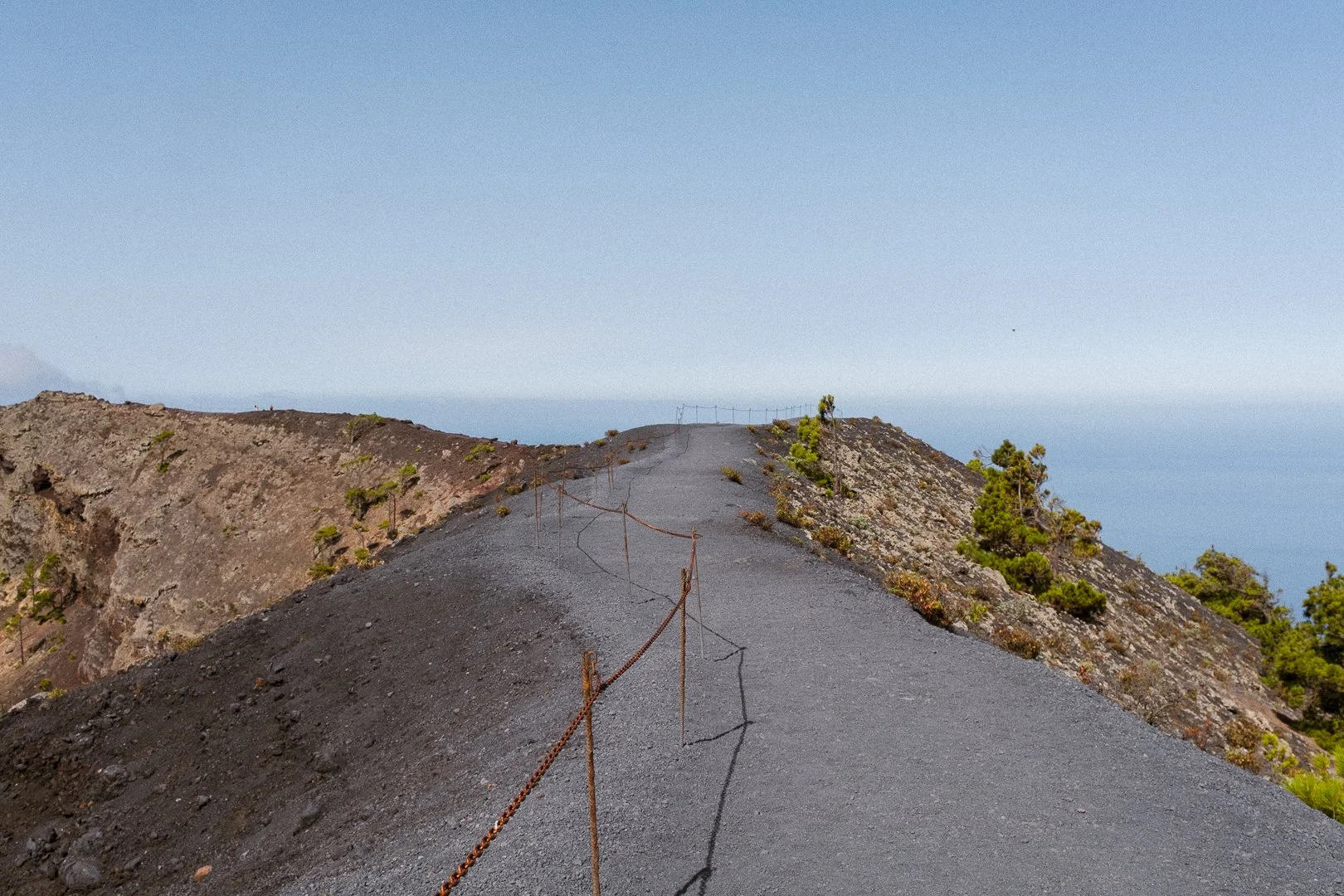
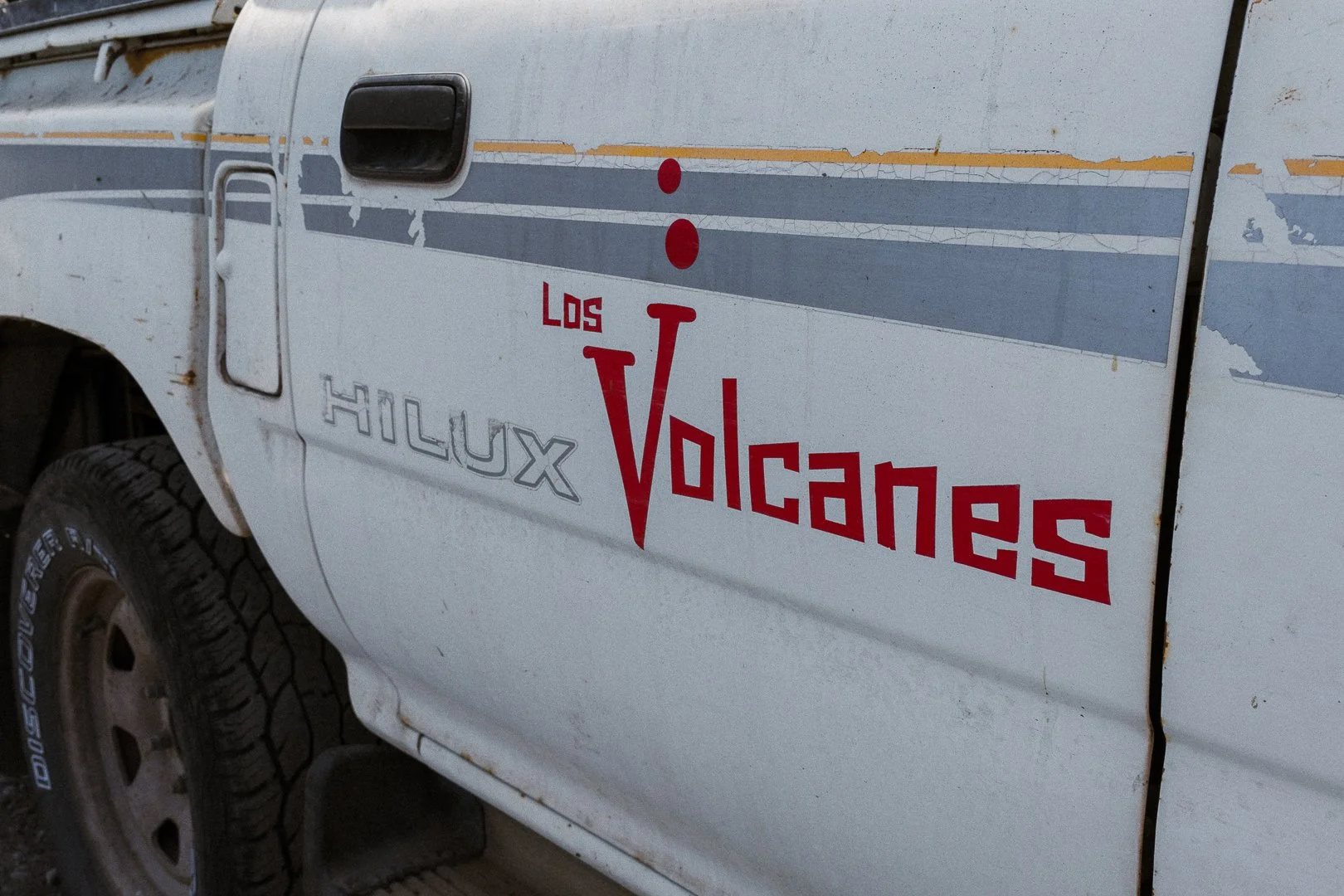
If you're looking to immerse yourself in volcanic landscapes, the Ruta de los Volcanes should keep you satisfied. Stretching for over 20 kilometres, it's one of the island's most iconic hikes.
We decided to skip it.
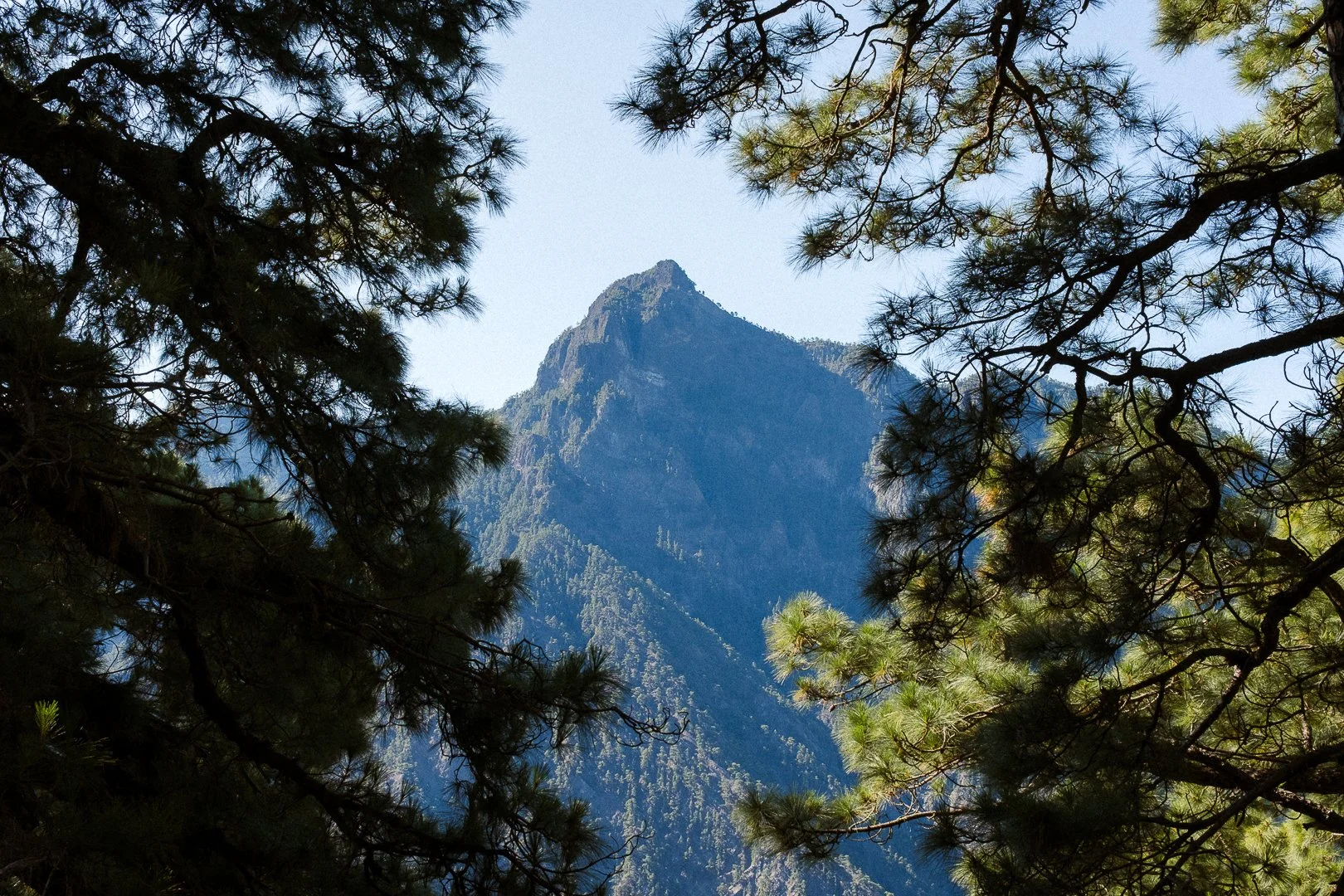
Instead, we hiked through Caldera de Taburiente, the heart of the Isla Bonita. Despite the name it isn’t a typical crater, but a massive basin formed by volcanic activity, erosion and landslides.
We started at Los Brecitos and heading towards the campsite (Zona de Acampada). Under normal circumstances, we'd probably remember it purely for the incredible scenery. Unfortunately, a section of the trail was closed because of rockfalls, forcing us to take a long detour down a brutally steep track.
In the heat, with barely any water left, it turned into the party of the year.
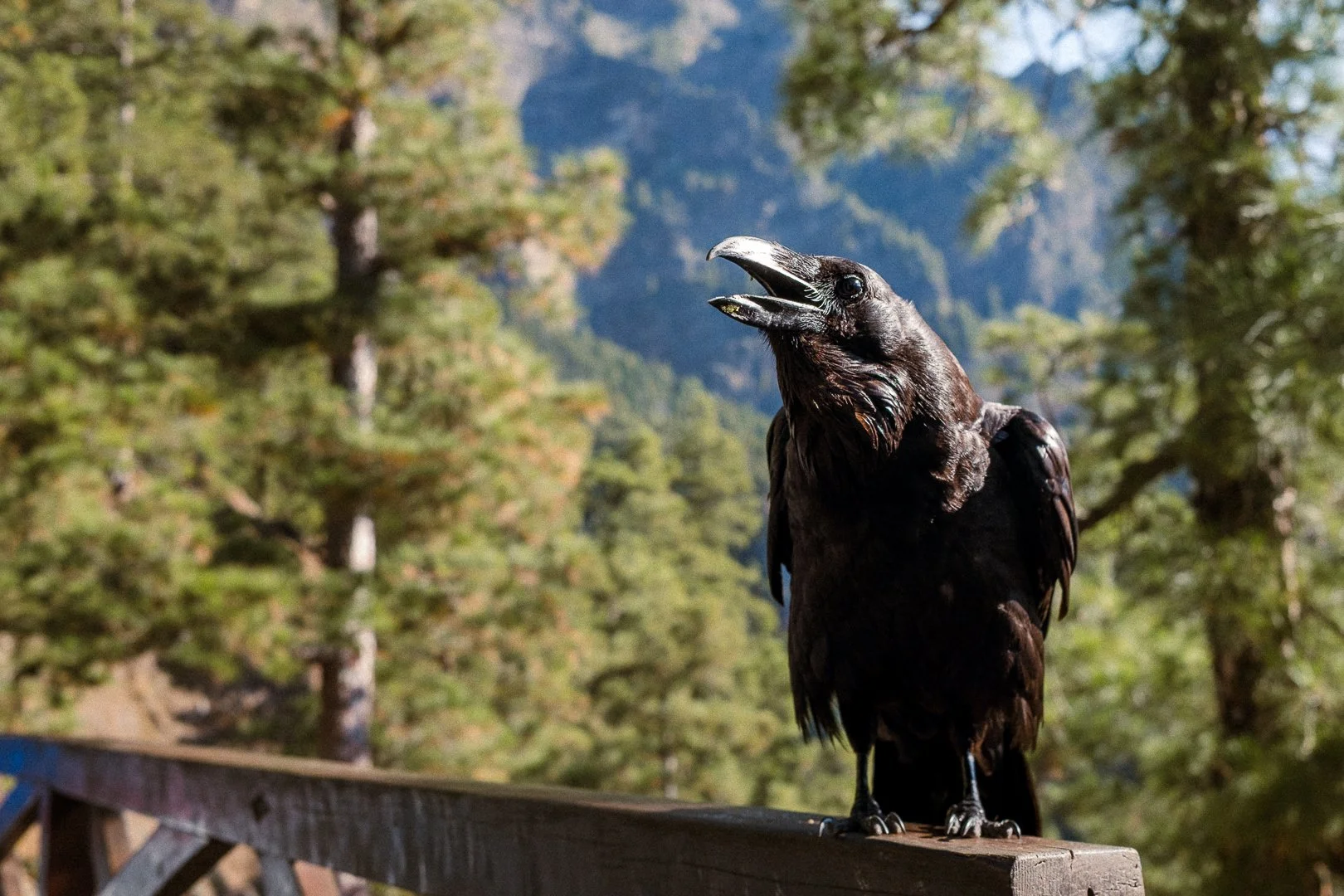
After that little adventure, we agreed to explore the rest of the island by car and take things a bit more slowly. Even then, we still walked well over 20,000 steps almost every day. I suppose that's fairly normal on La Palma, considering how far many beaches and viewpoints are from the nearest parking area, and how steep the walks usually are.
Fortunately, you can drive all the way to the island's highest point, Roque de los Muchachos. It is a long ride but worth it. From the summit, you'll be rewarded with breathtaking views across much of the island - provided it isn't hidden beneath a blanket of clouds.
Considering the temperature and humidity, I don’t know if I would be able to hike there.
The mountain top is also home to one of the world's most important astronomical observatories. Seeing the enormous telescopes up close is an impressive experience in itself.
Thanks to its strict light pollution regulations, La Palma is considered one of the best places in the world for stargazing. If you're even remotely interested in astrophotography - or simply enjoy looking up at the night sky - it's hard to imagine a better destination.
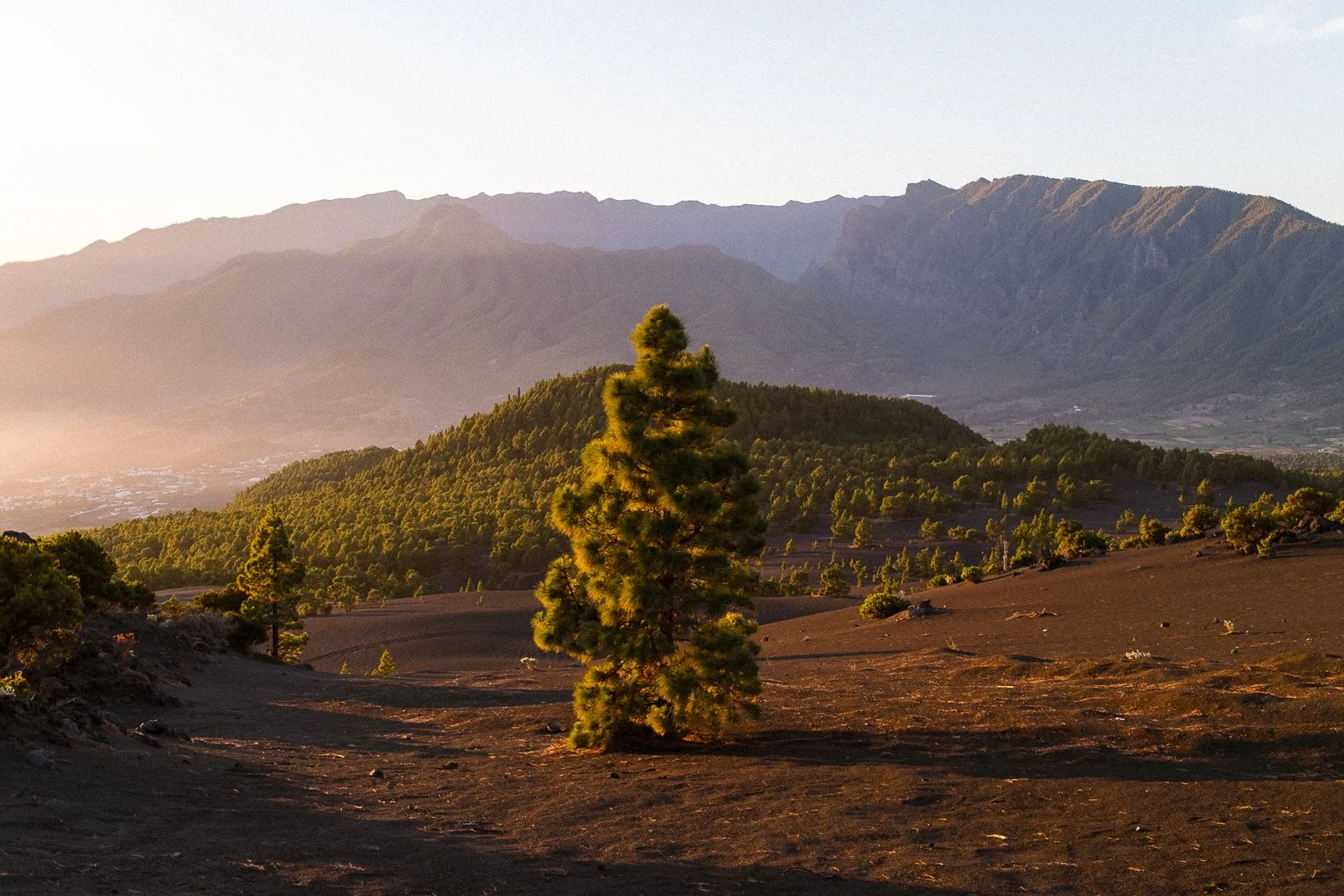
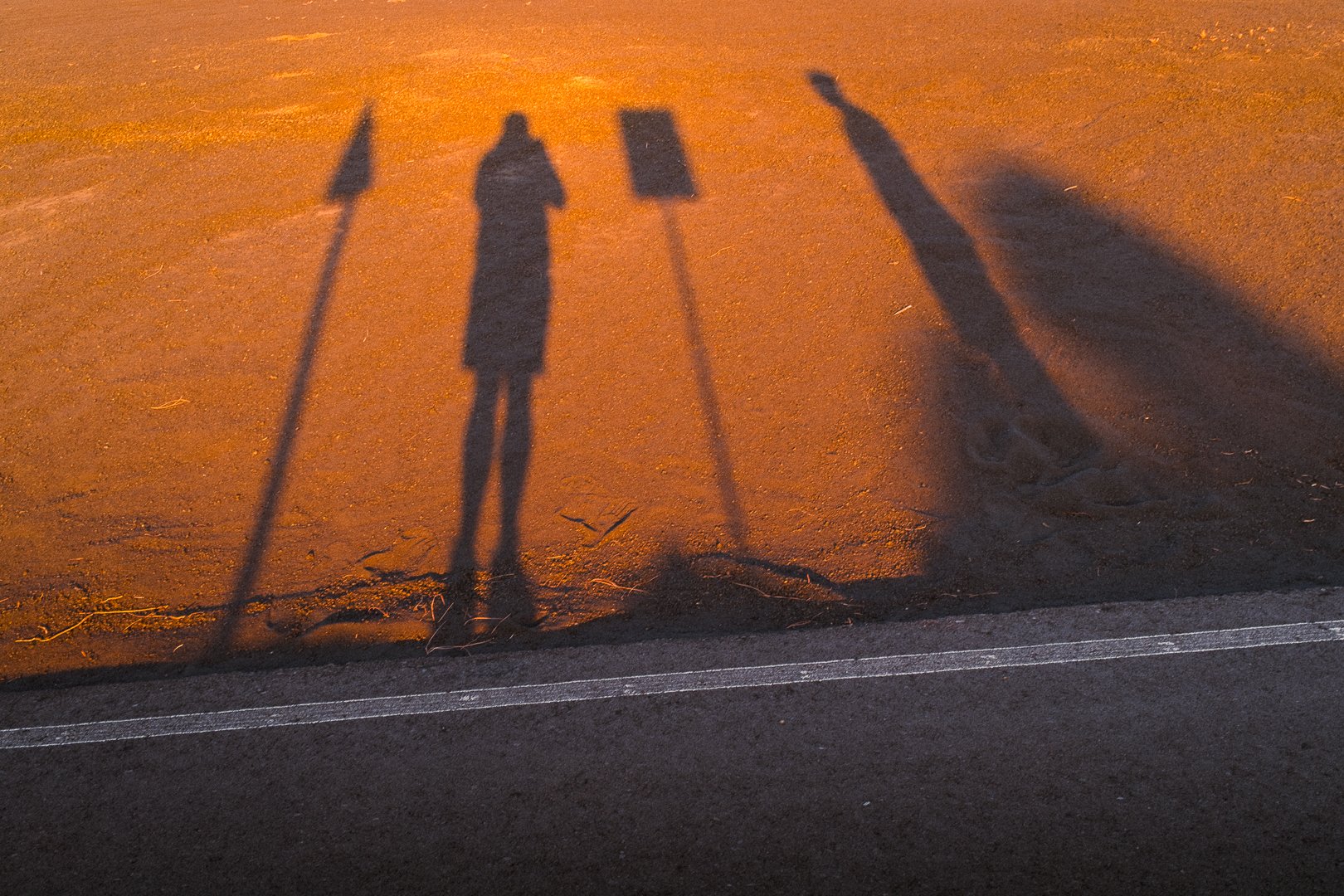
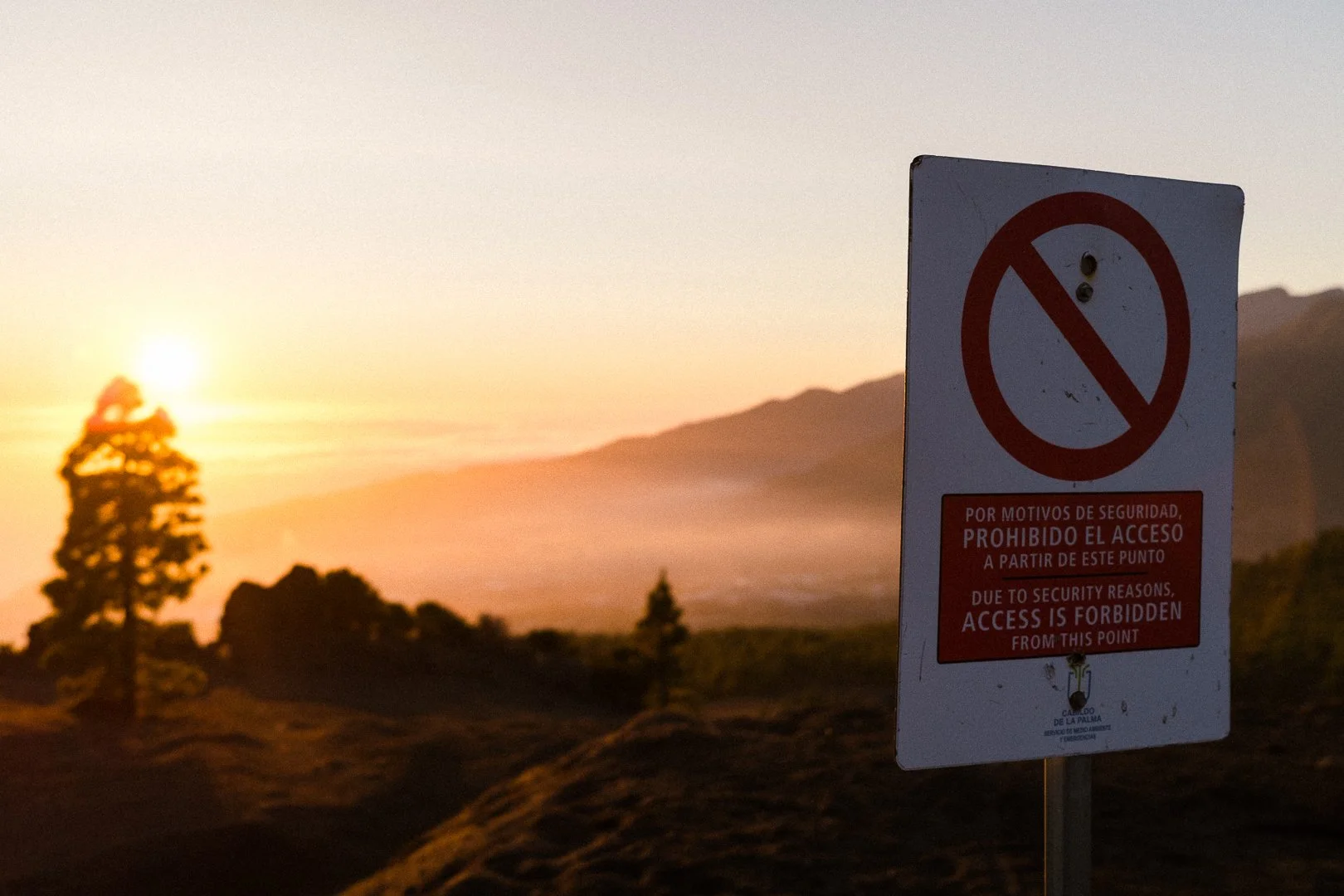
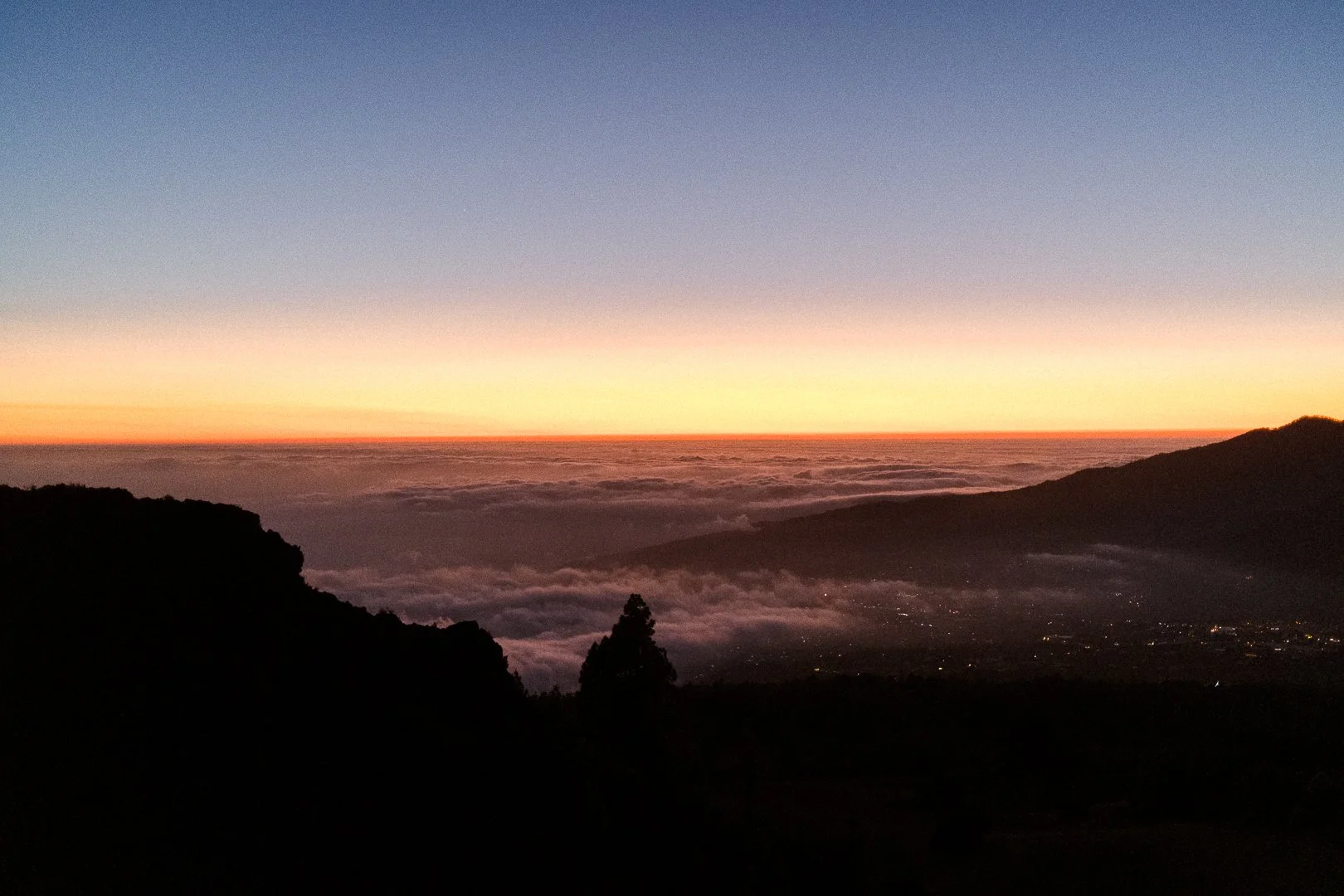
One evening, we drove up to Llano del Jable, an easily accessible viewpoint just outside El Paso.
As you climb higher, you eventually emerge above the clouds, and the view is simply breathtaking. It's worth staying until it gets dark if you want to experience La Palma's famous night sky, but the sunset alone was more than enough.
Once we were a bit done with hiking and driving, we booked a small motorboat tour along the coast. We set off from Tazacorte, heading north past through volcanic caves Cueva Bonita and Cueva Colorada, the island's famous spot Porís de Candelaria (a tiny settlement tucked beneath towering cliffs, worth seeing from the water, but I didn’t consider it interesting enough to get back with the car), and Puerto de Puntagorda. From there, we turned around and cruised back along the southern coastline towards Puerto Naos.
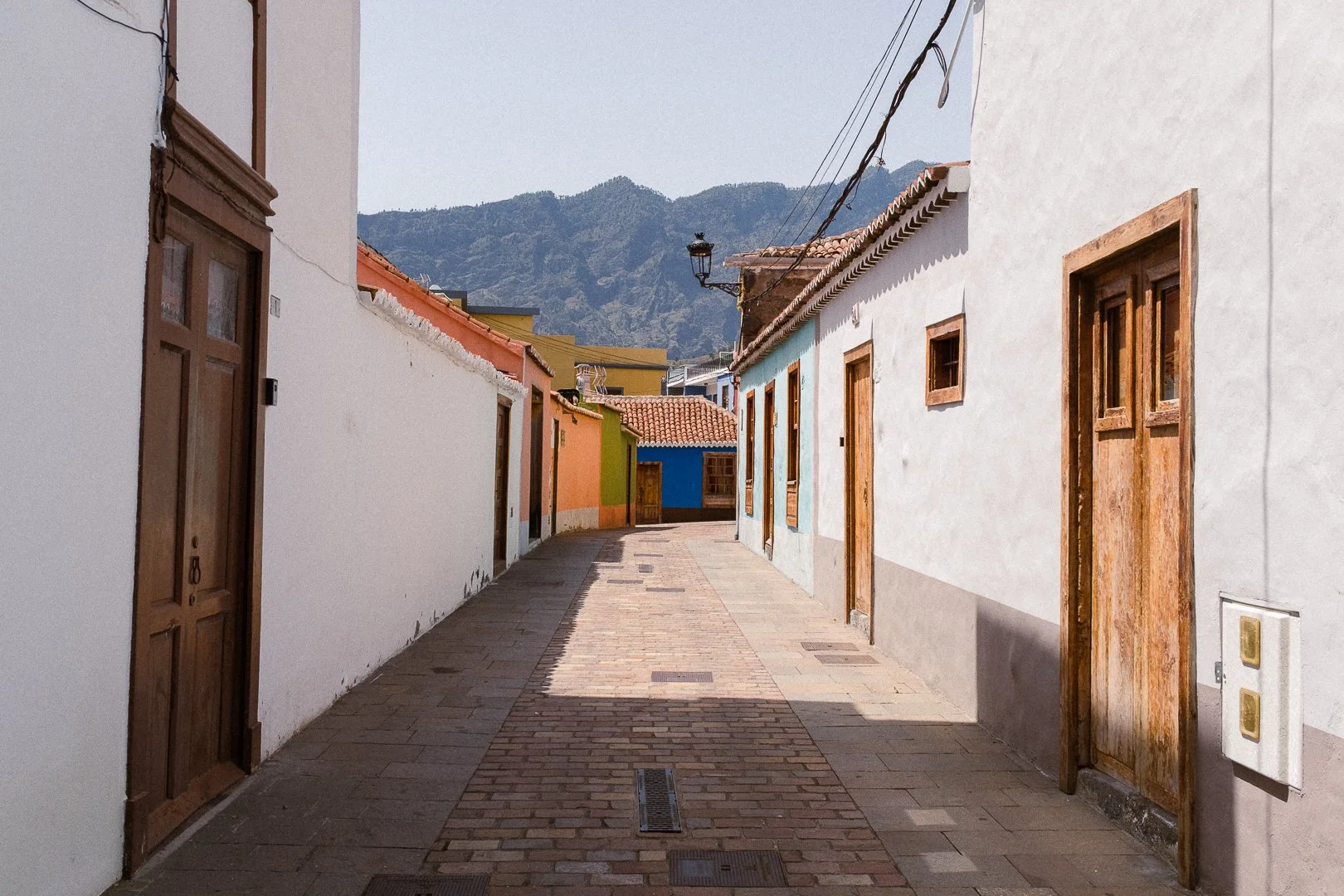
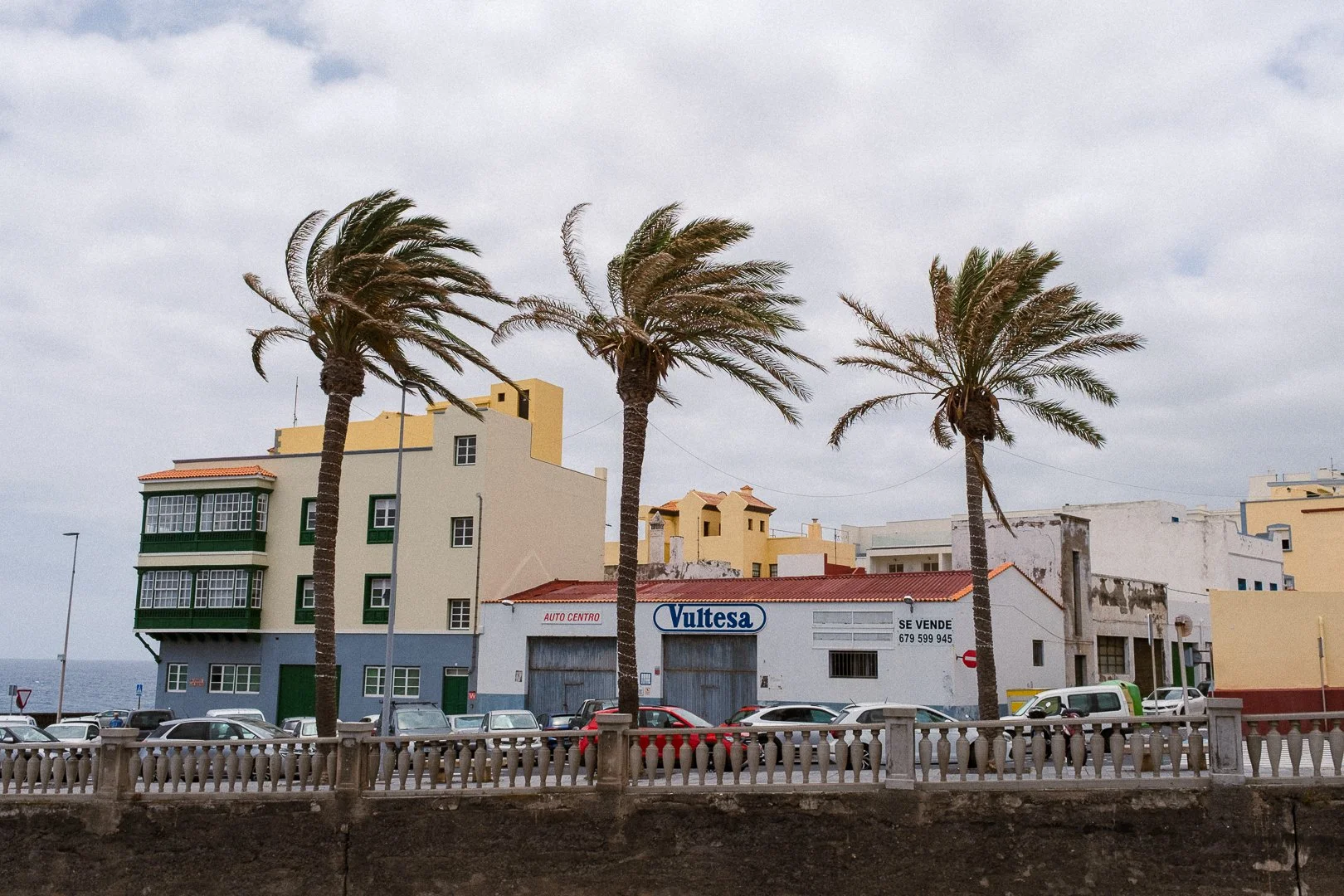
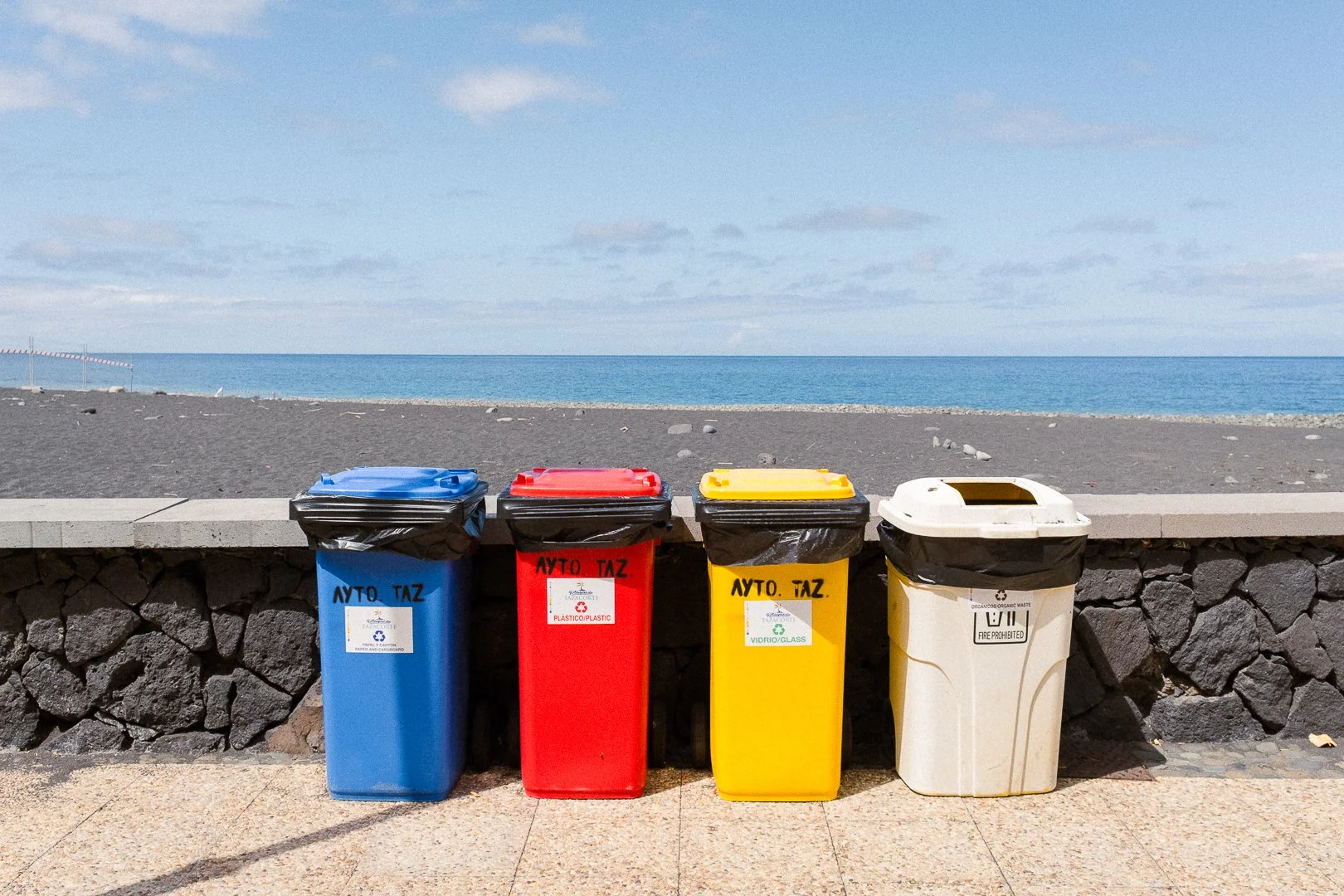
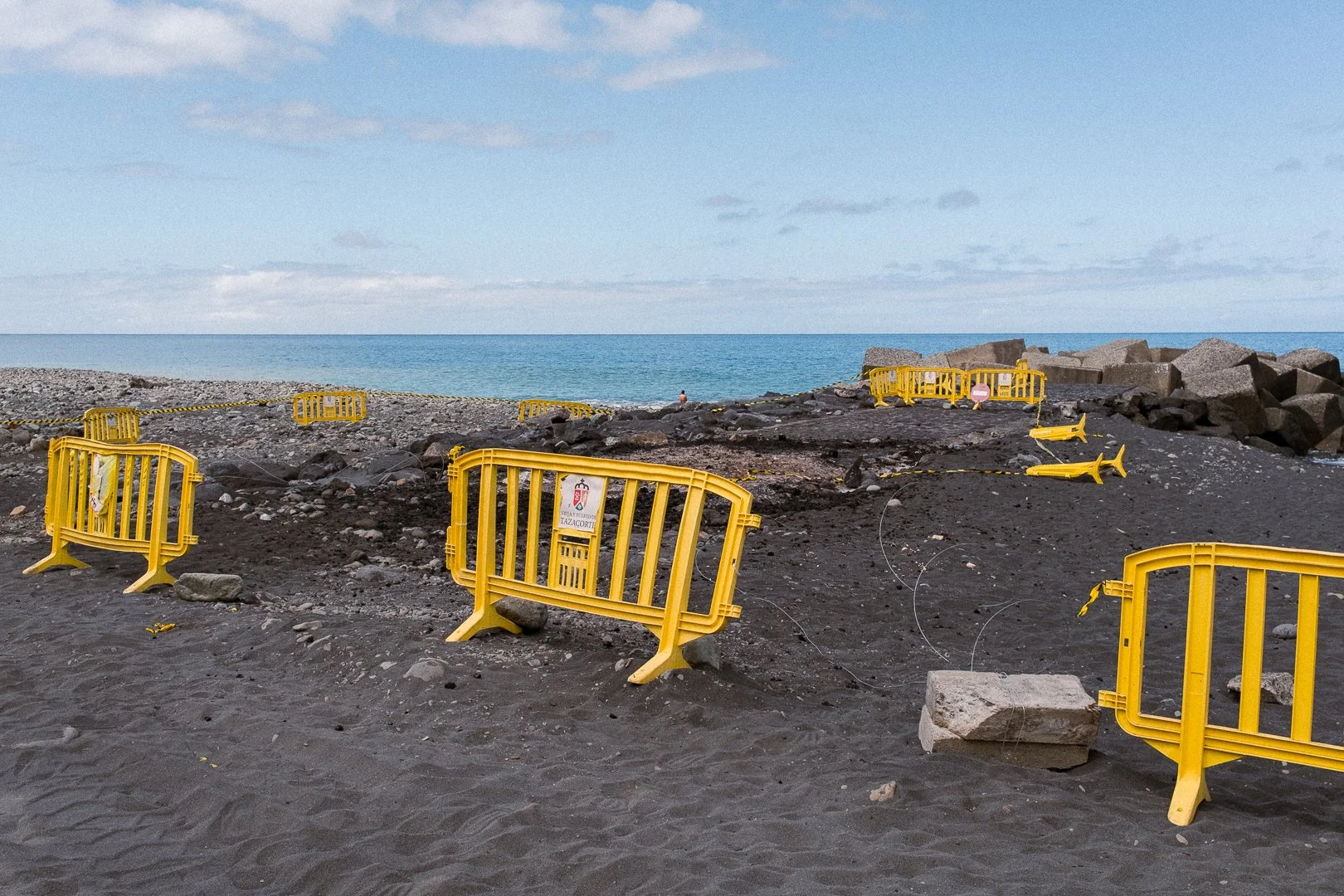
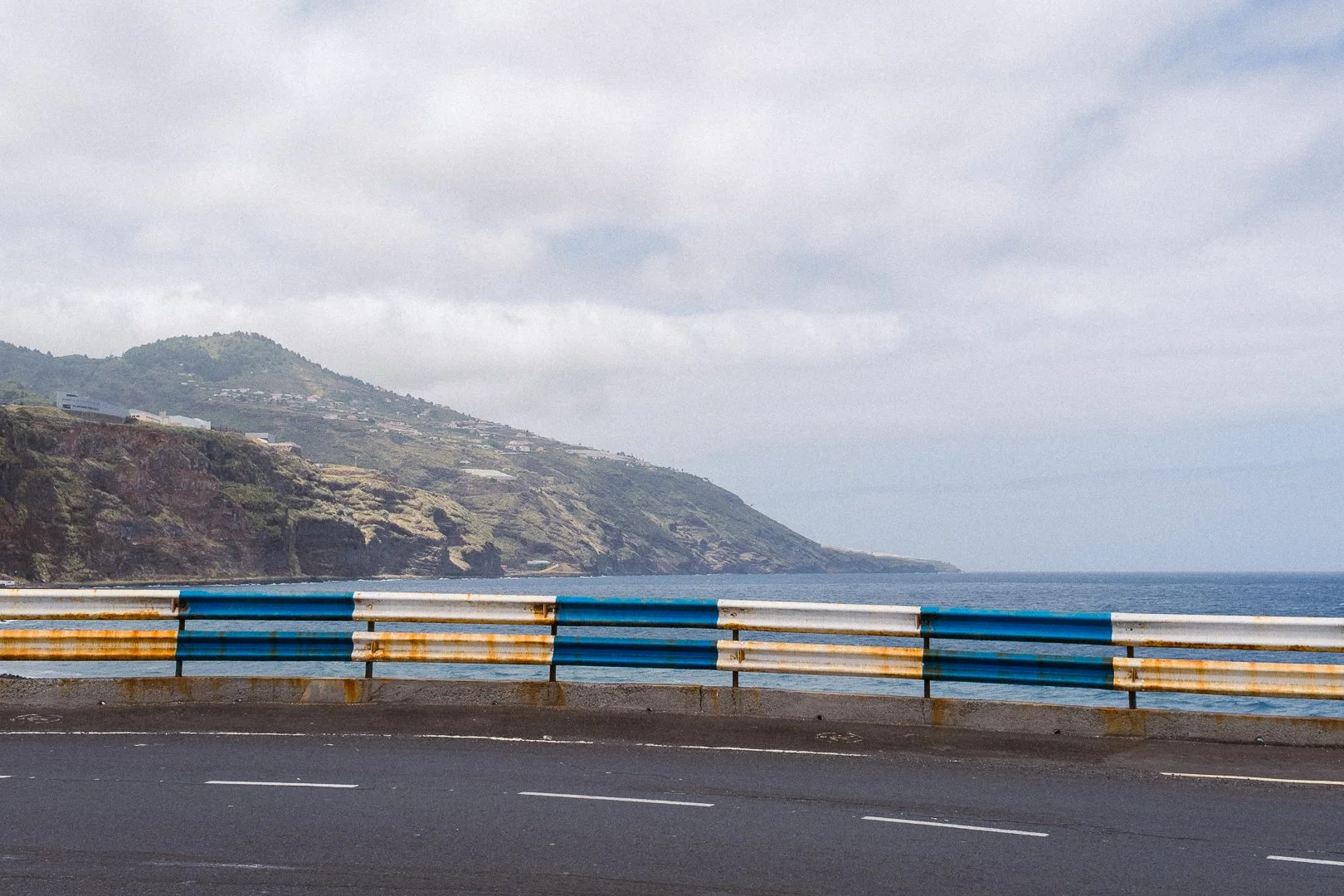
With the boat constantly rocking and the harsh midday light, it wasn't exactly a photography-focused experience, but it was absolutely worth it.
We didn't spot any dolphins, but we did see countless flying fish and an enormous sea turtle. As an added bonus, we had the chance to swim in the Atlantic and get a close-up look at the new coastline created by the 2021 lava flows.
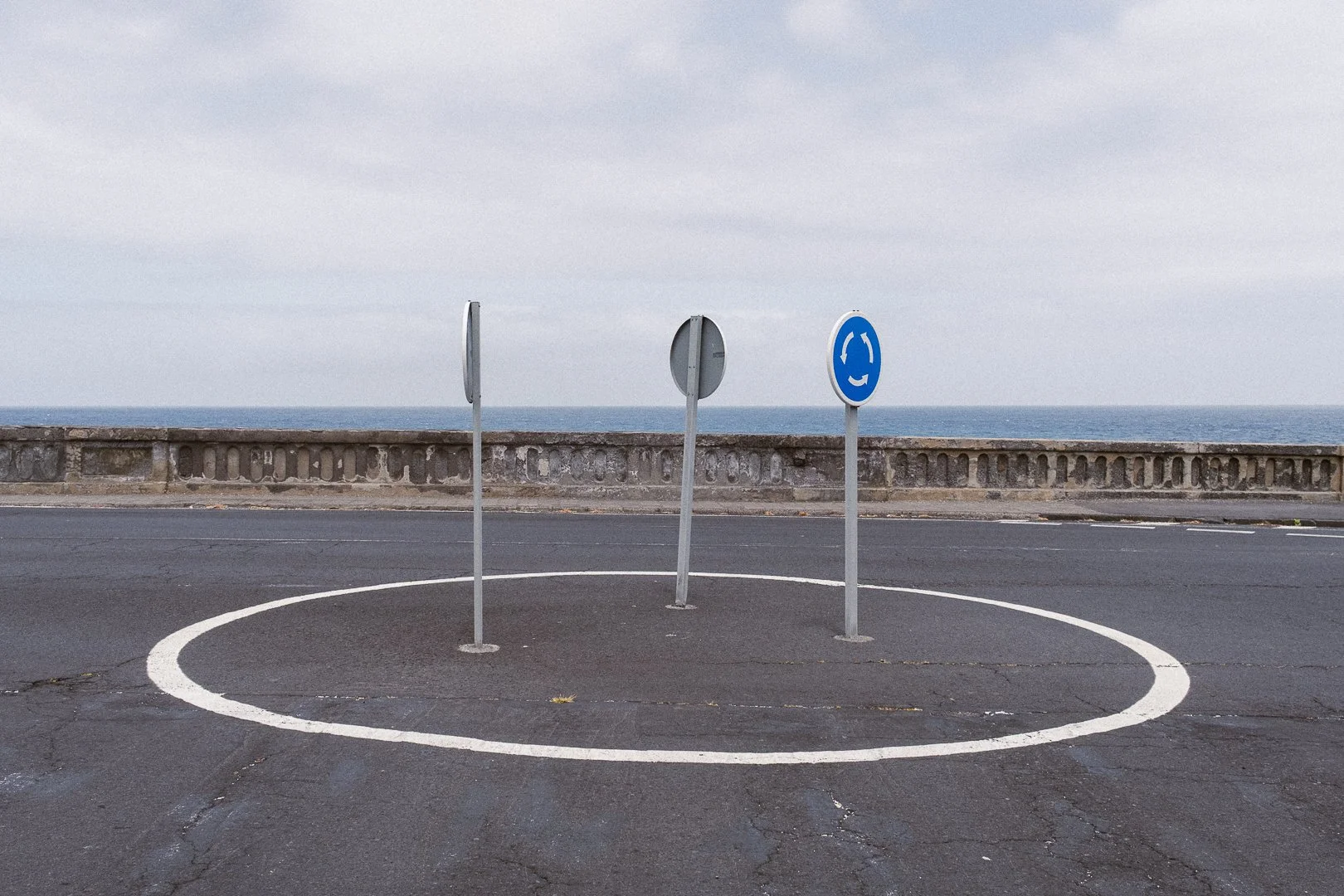
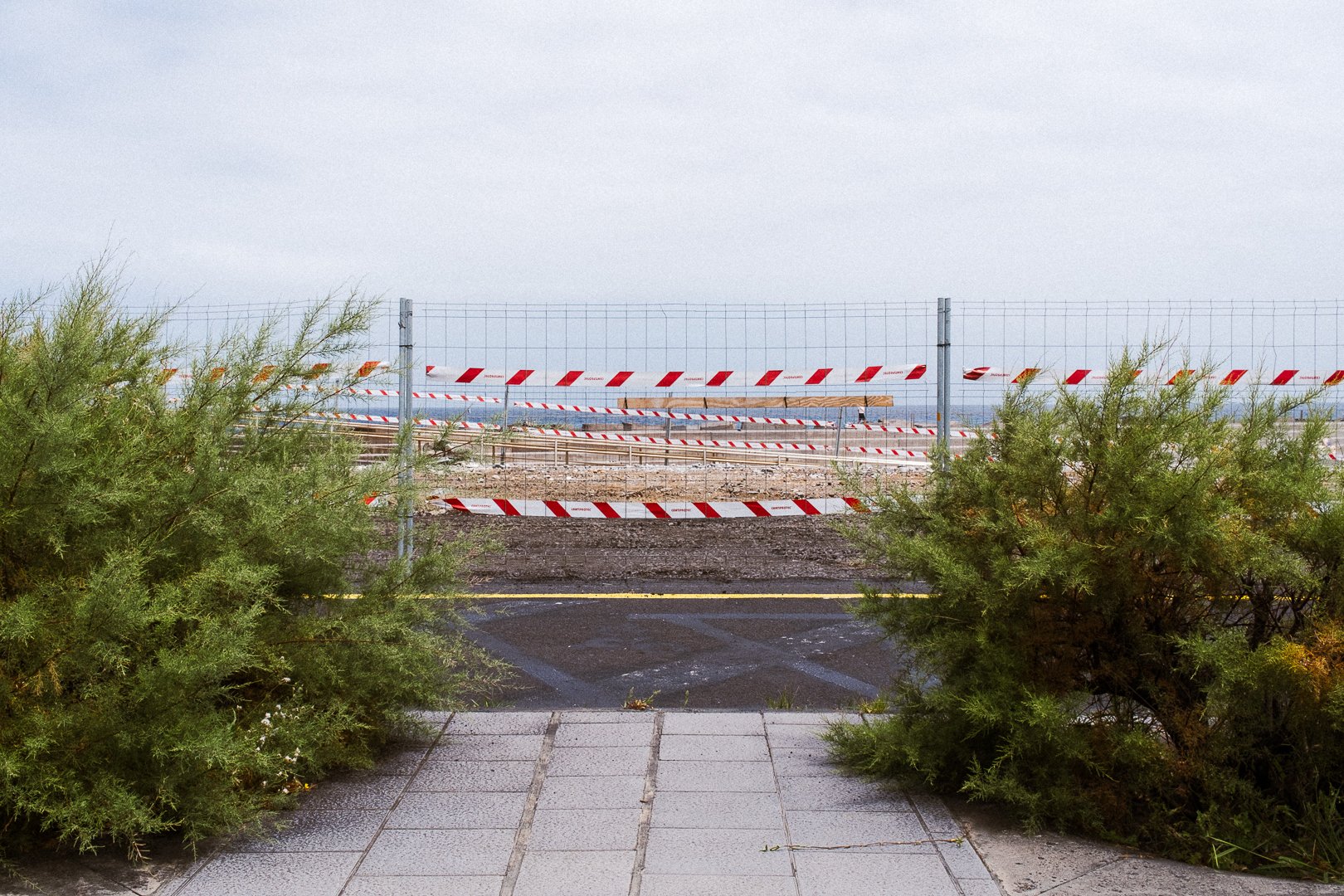
One place that slightly disappointed me during the whole stay was Santa Cruz de La Palma.
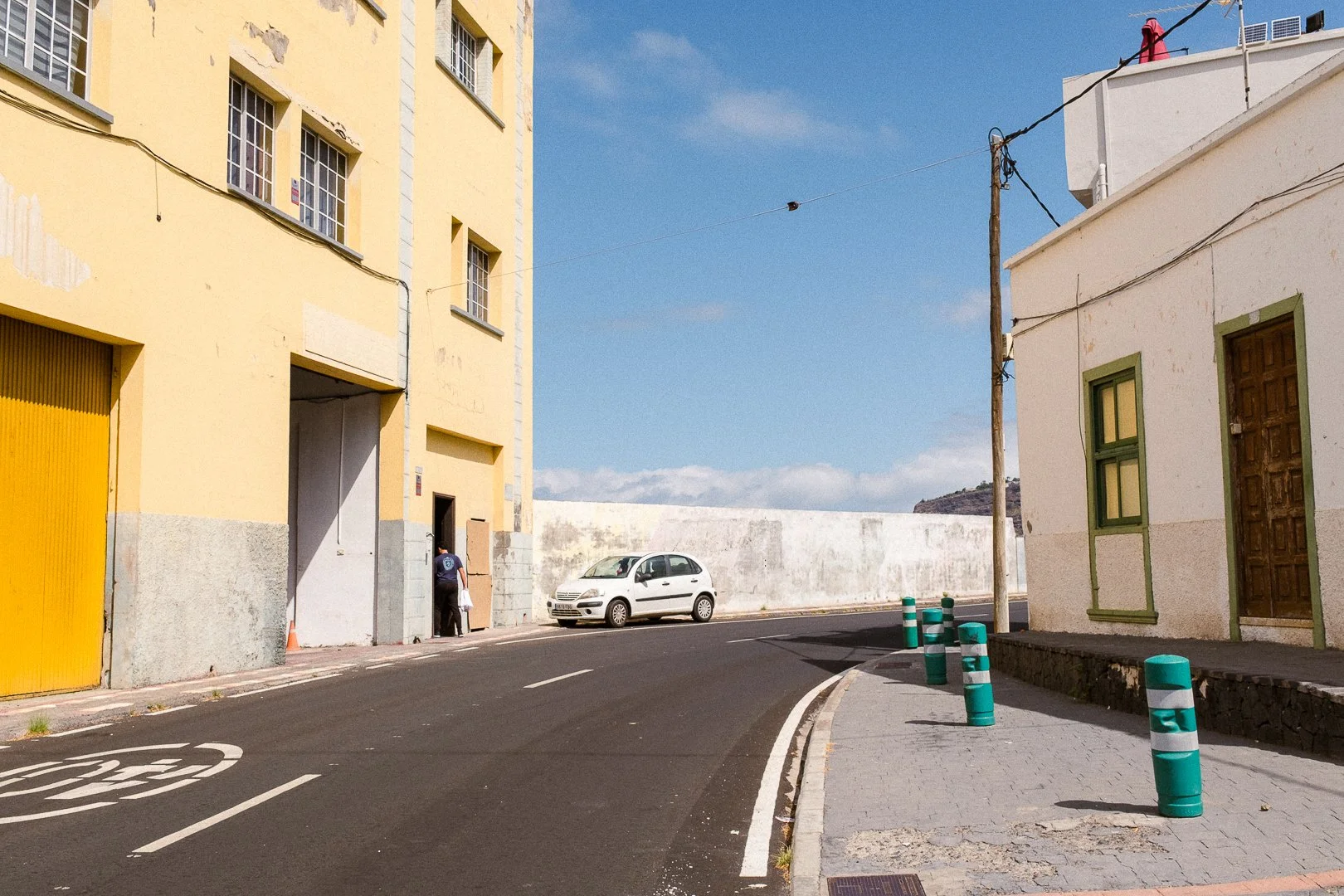
We visited it on our final day, and if it hadn't been for a handful of street images I managed to make, I would probably have considered it a little bummer. Personally, I don't think it has half the charm of El Paso or Los Llanos.
Final thoughts
La Palma as a photography destination? 10/10, especially La Bombilla and El Remo.
I’m not a real holiday resort kind of person, but it is easy to say that as a holiday destination it will do, too.
Was a week enough? Definitely, for a photo trip, I feel like a week was - at least for me - enough to drive around the island, get to know it from every angle, and photograph it from every angle too.
All photos shot with Fujifilm x 100V.
EXPLORE MORE ISLAND GUIDES FOR PHOTOGRAPHERS
→ MA-10 Mallorca - a photography guide
→ Photographing the end of the world - Svalbard
→ Scotland - an ultimate road trip guide not only for photographers