
Photography in rural Portugal - road trip Algarve
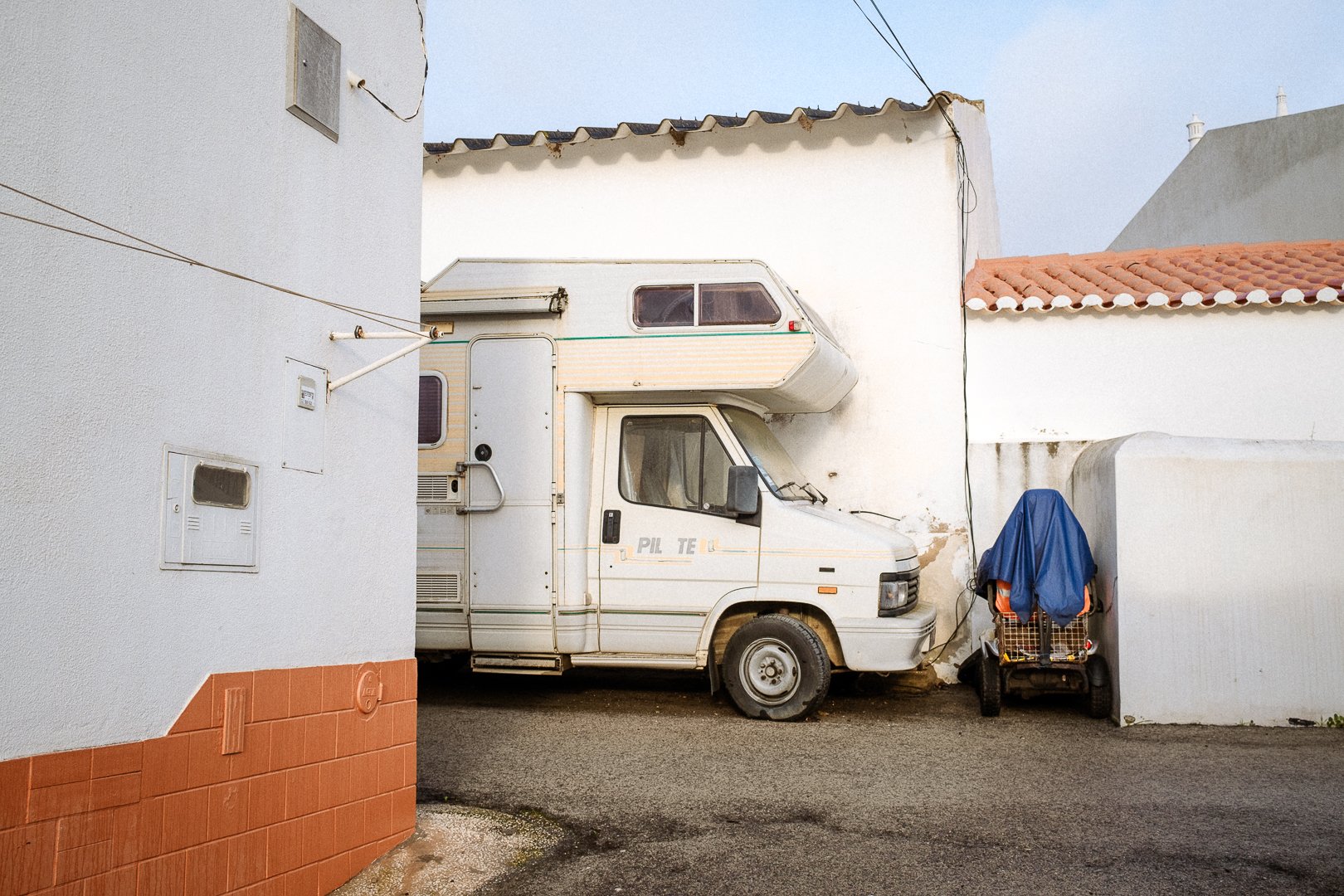
If you’re reading this blog, you’re probably heading to the Algarve and looking for inspiration.
If you’re aiming for strictly touristy places like Faro, Lagos, and Sagres - unfortunately I won’t be of much help, because I generally avoid such spots.
But if you’re interested in a trip through forgotten places - then welcome.
A good plan of not having a plan
My - as usual - short yet intense trip to southern Portugal came with a plan to have no plan.
Anyone who reads my travel blogs knows that I usually go on these short photo trips well-prepared, so I don’t waste a single moment thinking about where, when, how, or why.
This time, I just wanted to get in the car and drive around without hurry or pressure. I didn’t even book accommodation.
I was counting only on a bit of sun, because photography was the main priority. Everything else could unfold on its own.
The improvisation began right at the car rental desk at Faro airport, when I realised my phone had no internet and the car had no built-in navigation.
So first things first. In a nearby shopping mall, I bought the two most important items of the trip - a phone cable and a fresh, crunchy loaf of bread.
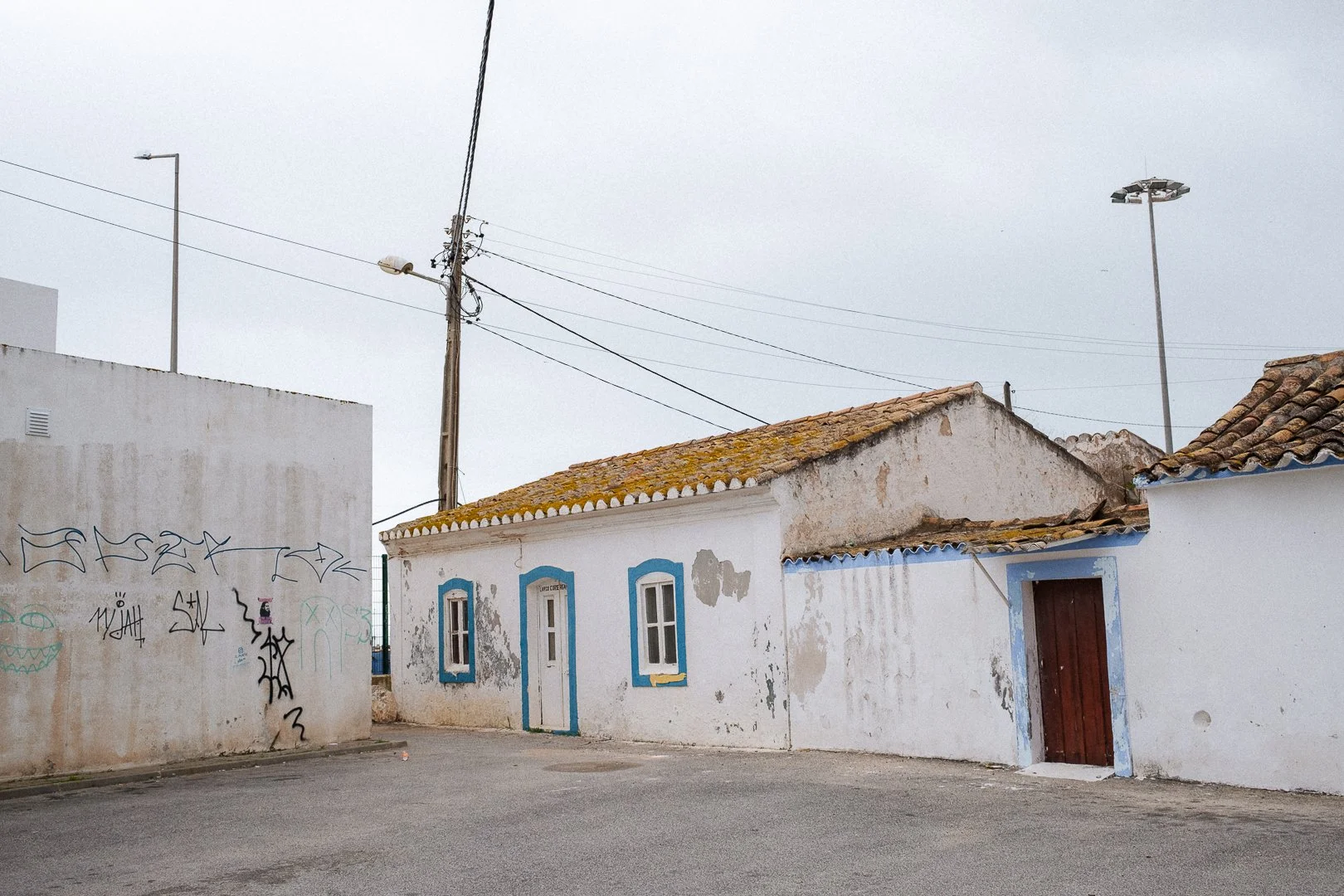
From Faro to Lagos
Logic told me to just drive straight ahead, roughly west. After a dozen kilometers I realised I was going exactly the opposite direction. So I turned around, looped around the airport a few times, and - this time following intuition - managed to escape the Faro area.
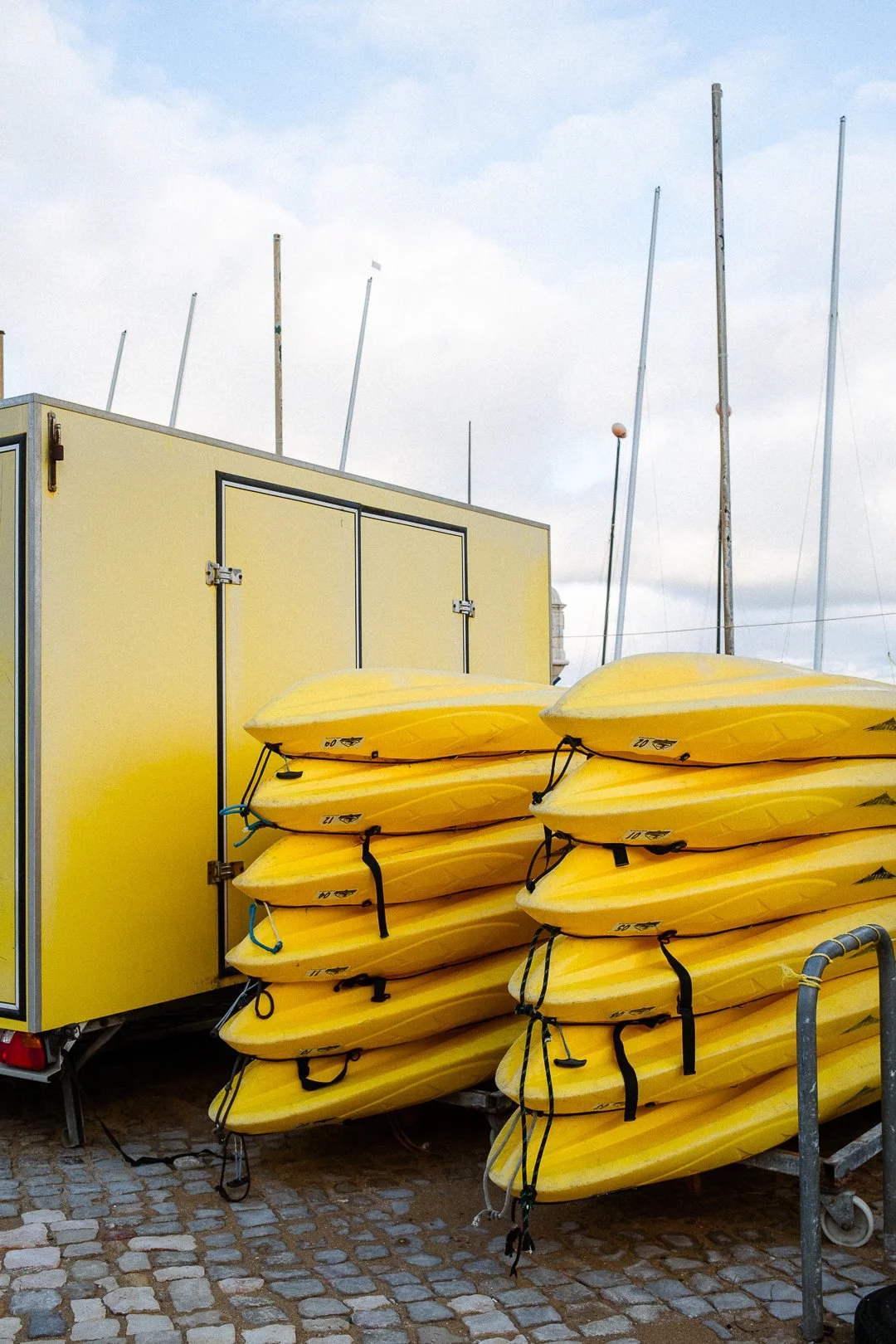
Intuition led me to the slightly sleepy town of Quarteira, and road signs led me to the port.
At that point I already knew it was going to be a good day.
I wandered slowly around the fish market, had coffee on the quiet promenade, and with the first handful of photos taken, continued further.
I bypassed Albufeira, which in my mind exists as a resort town - and I avoid those like the plague.
I only stopped in Lagoa. This small town welcomed me with open arms, working internet, and a rough plan for the rest of the day - as well as for the upcoming nights (I finally booked accommodation).
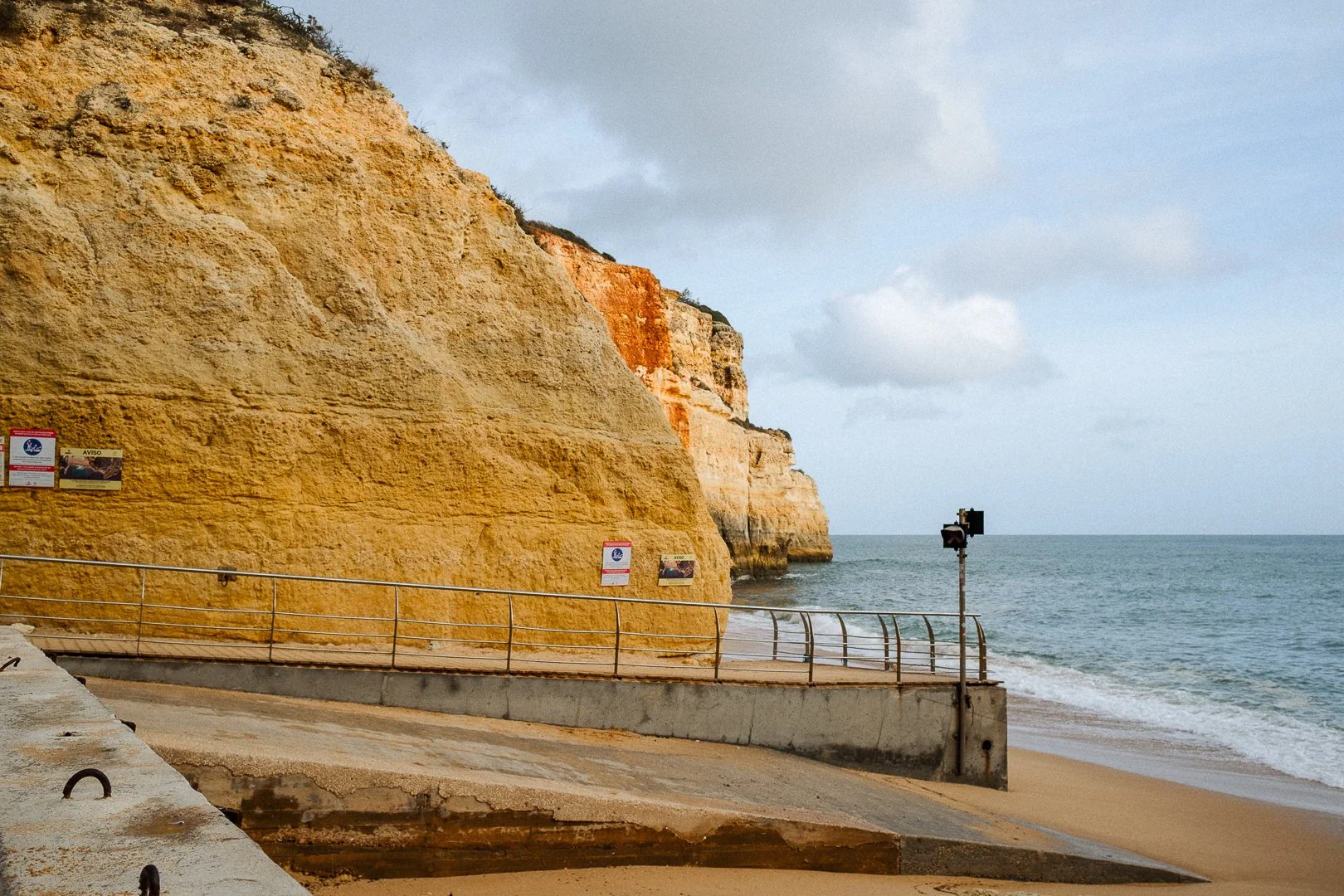
Before sunset I visited several nearby beaches, including the legendary Praia de Benagil and Praia Marinha. Low season worked in my favor - there was almost no one there. Just the way I like it.
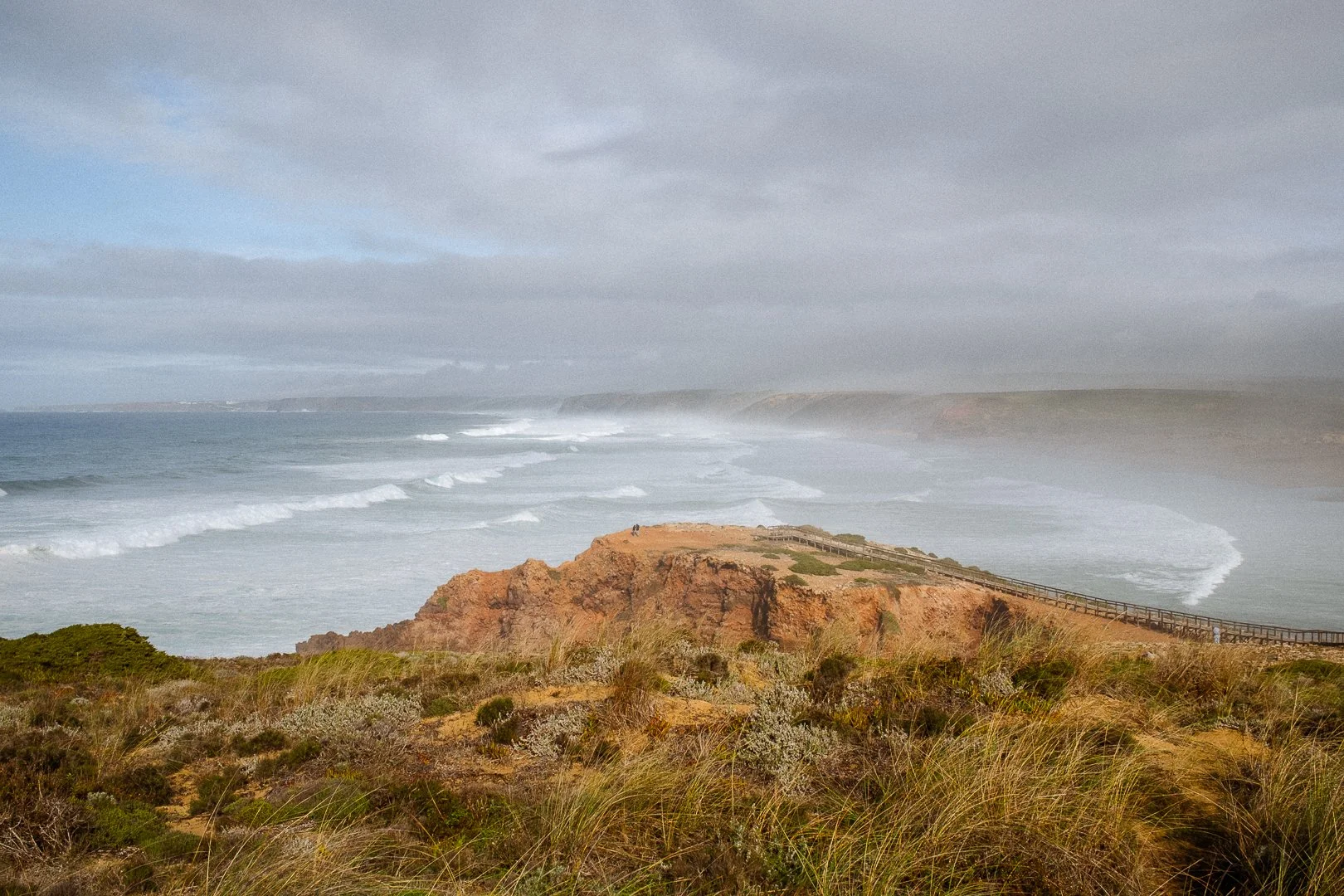
Southwest coast of Portugal
That evening I met two friendly Germans, one of whom turned out to live in the area. On his suggestion, I started the next day by entering a few locations into the navigation.
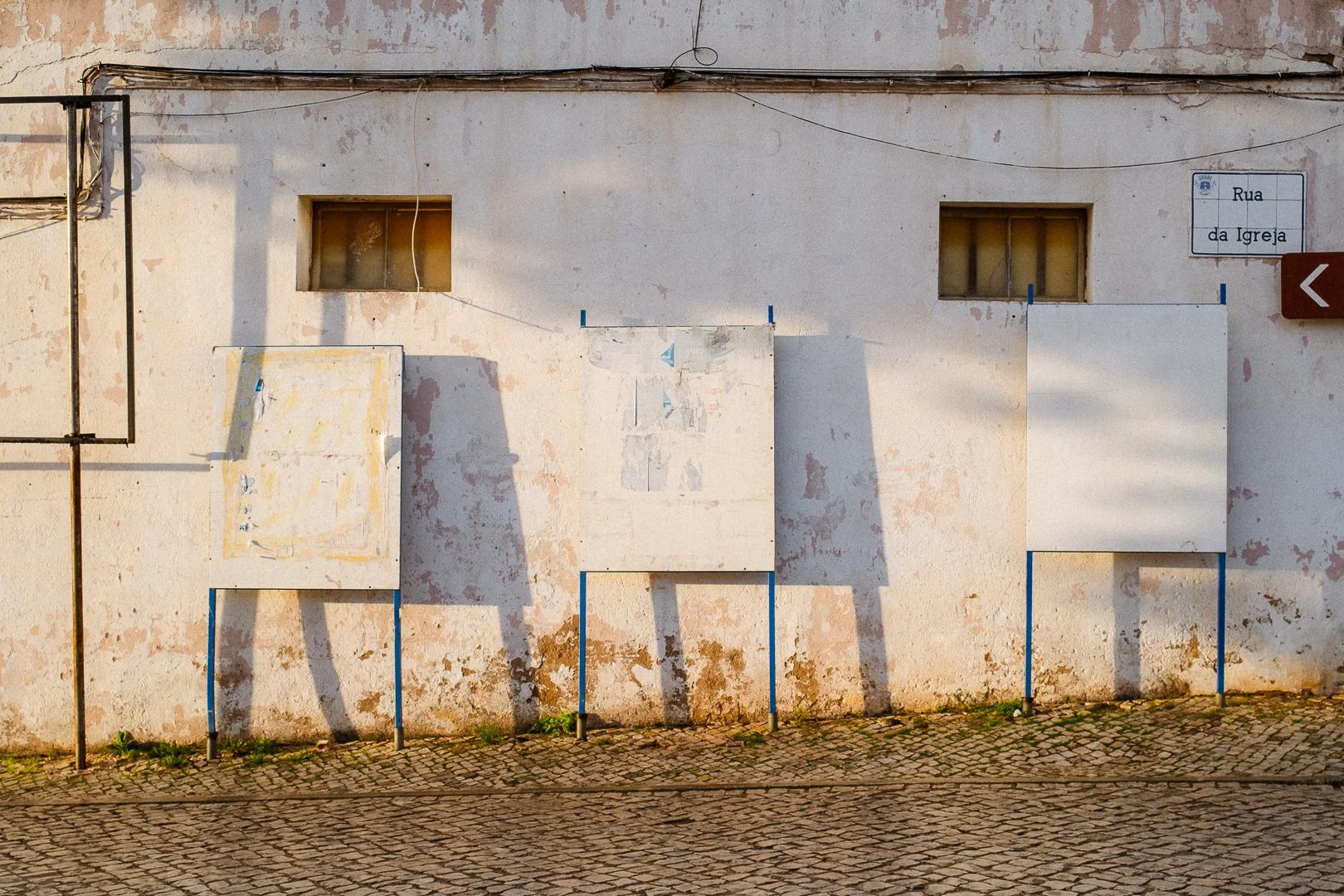
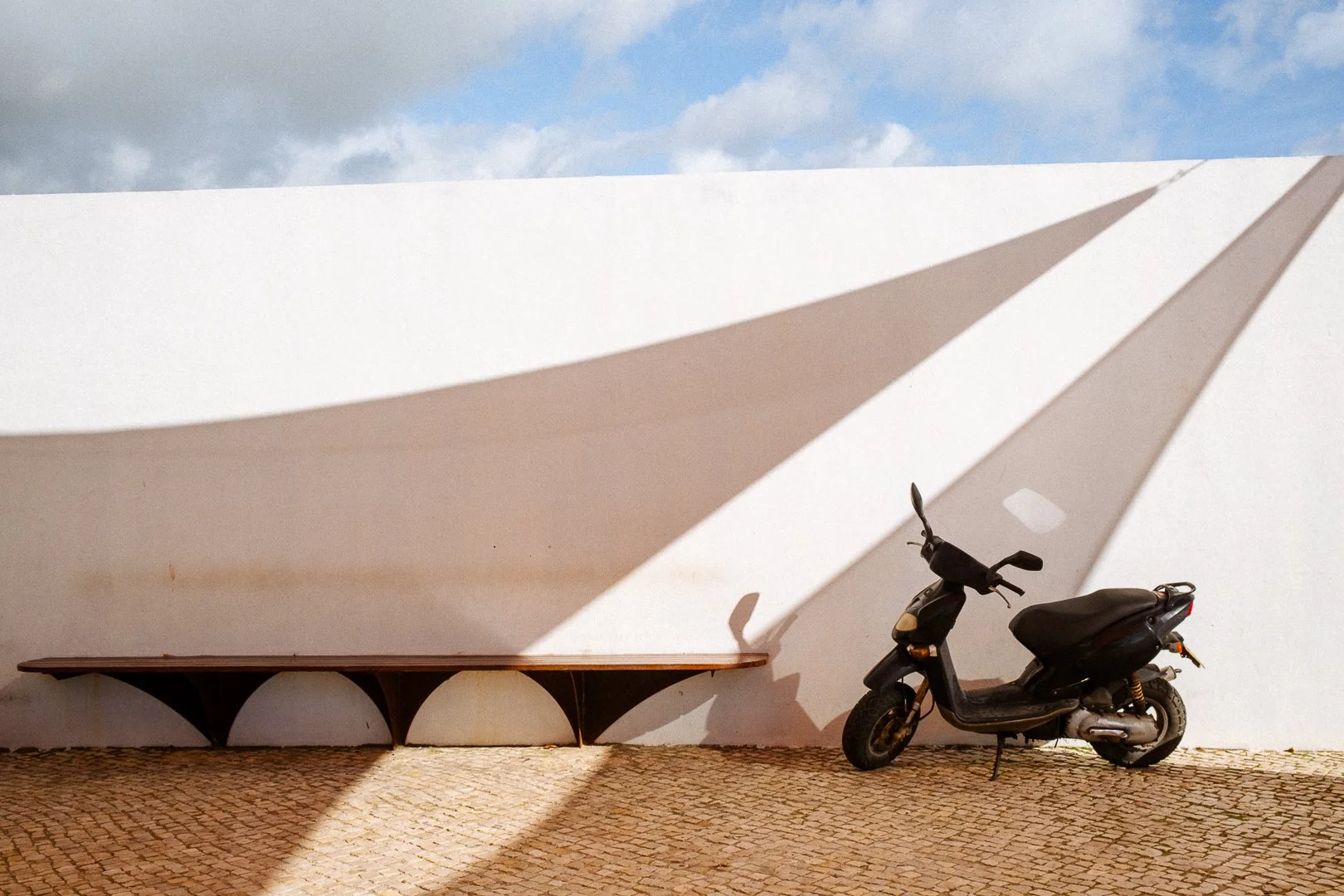
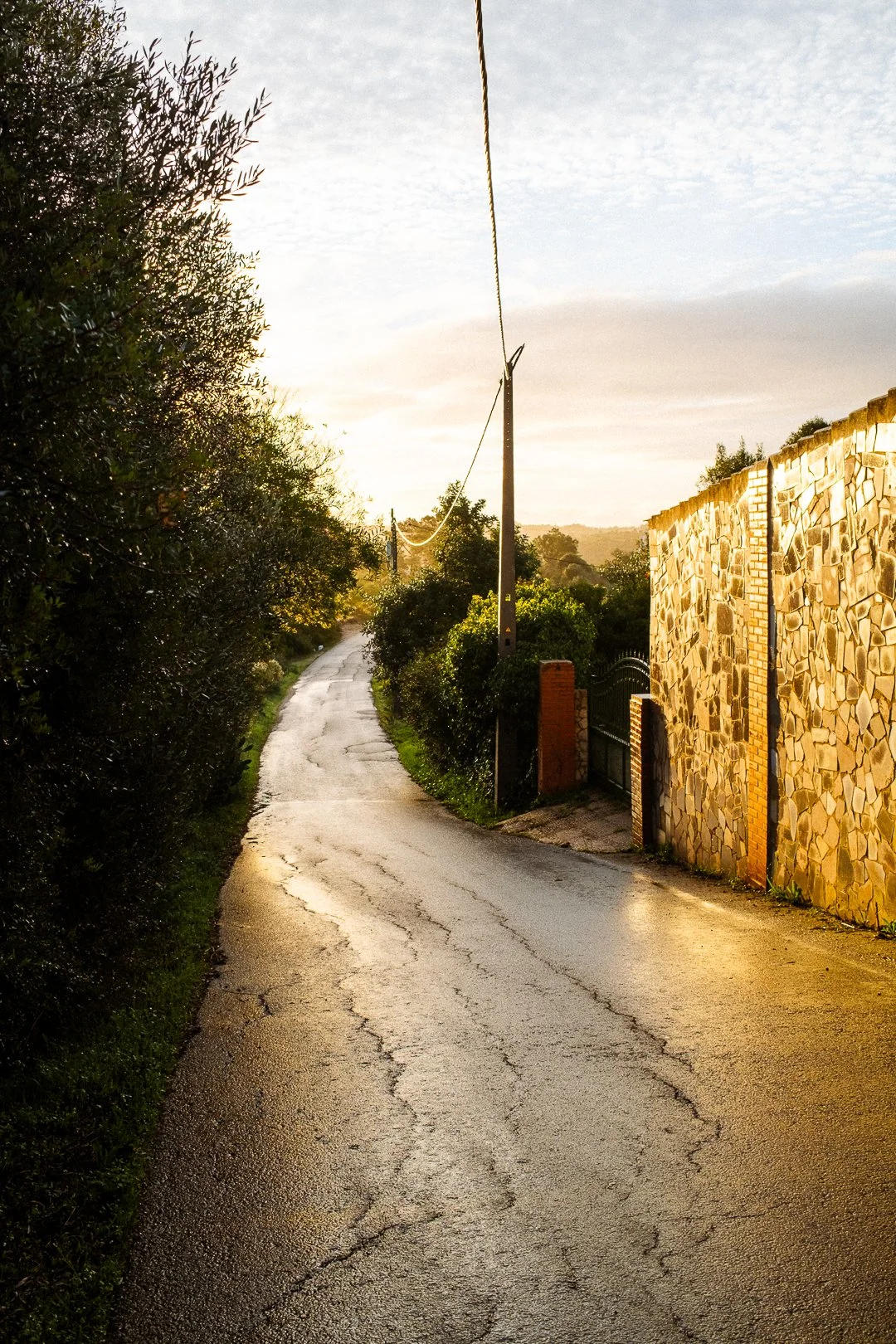
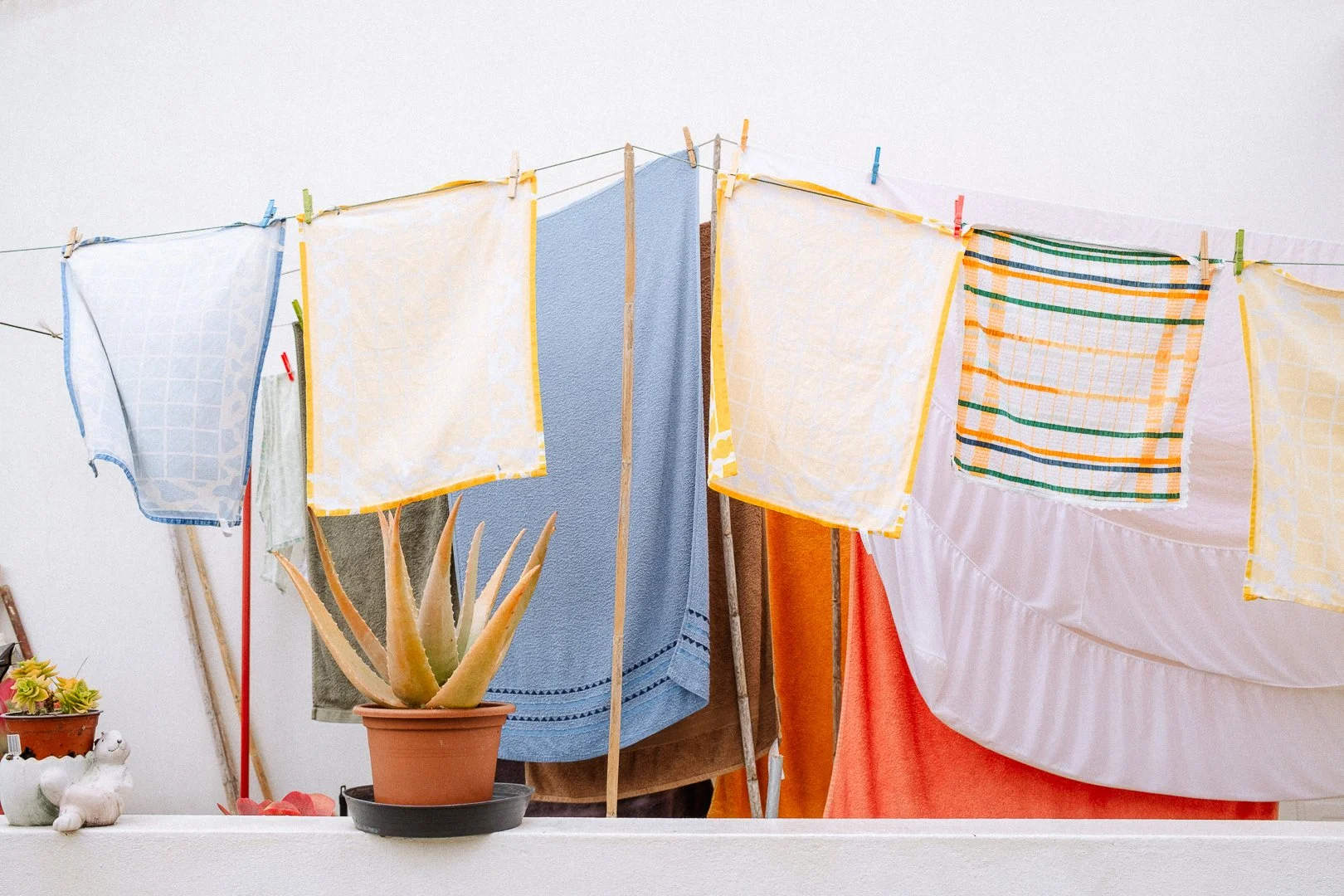
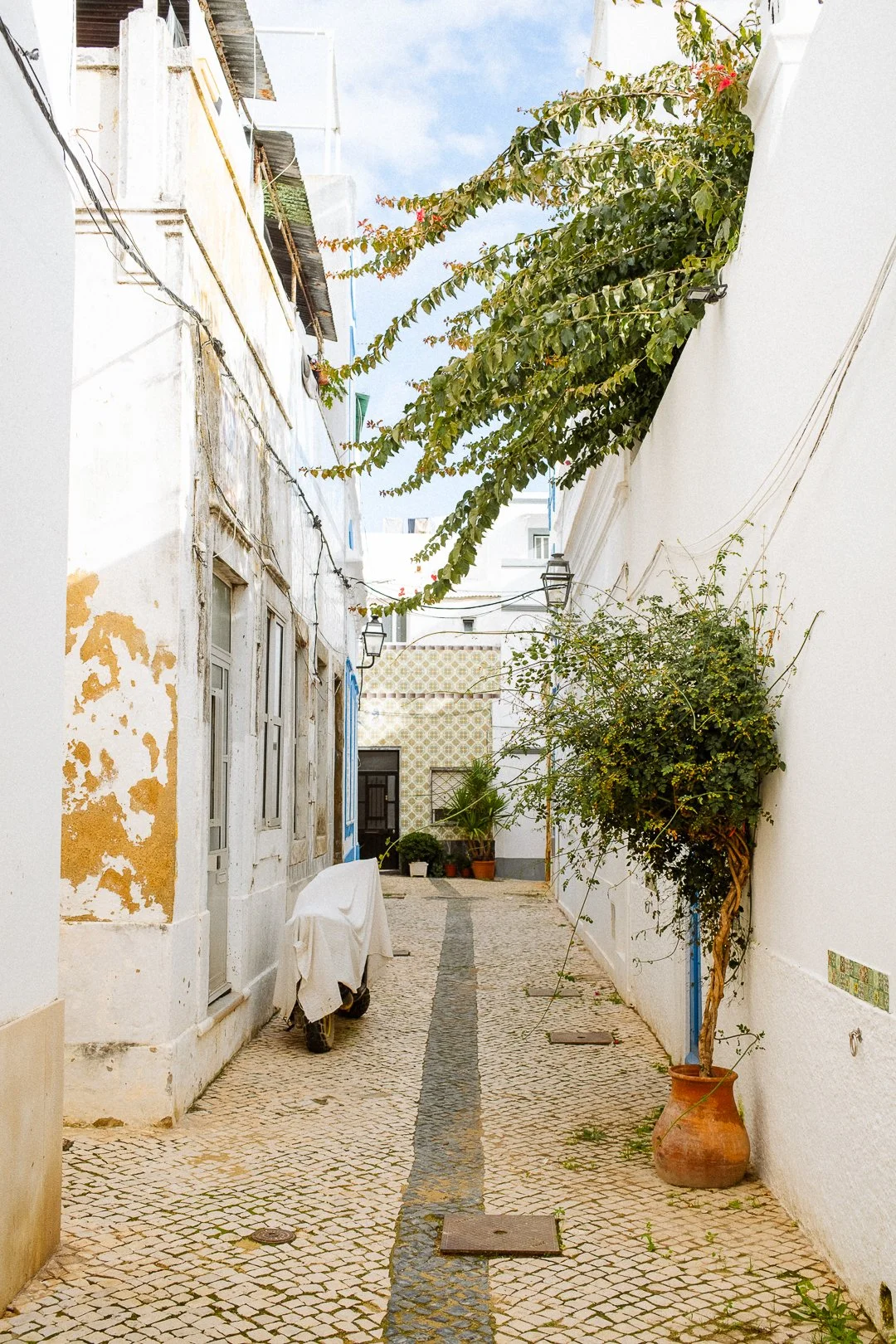
Barao de São João was the first one - and what a hit. A small village in the middle of nowhere, forgotten by God, could stand next to the metre standard in Sèvres as the perfect model of Portuguese slow living.
Here, apart from the smell of coffee mixed with local Sagres beer and the beautiful morning sun on the whitewashed buildings, nothing was happening.
Even the dogs barked at me slowly, I had an idea.
I spent a good hour or two there, then headed toward Vila do Bispo.
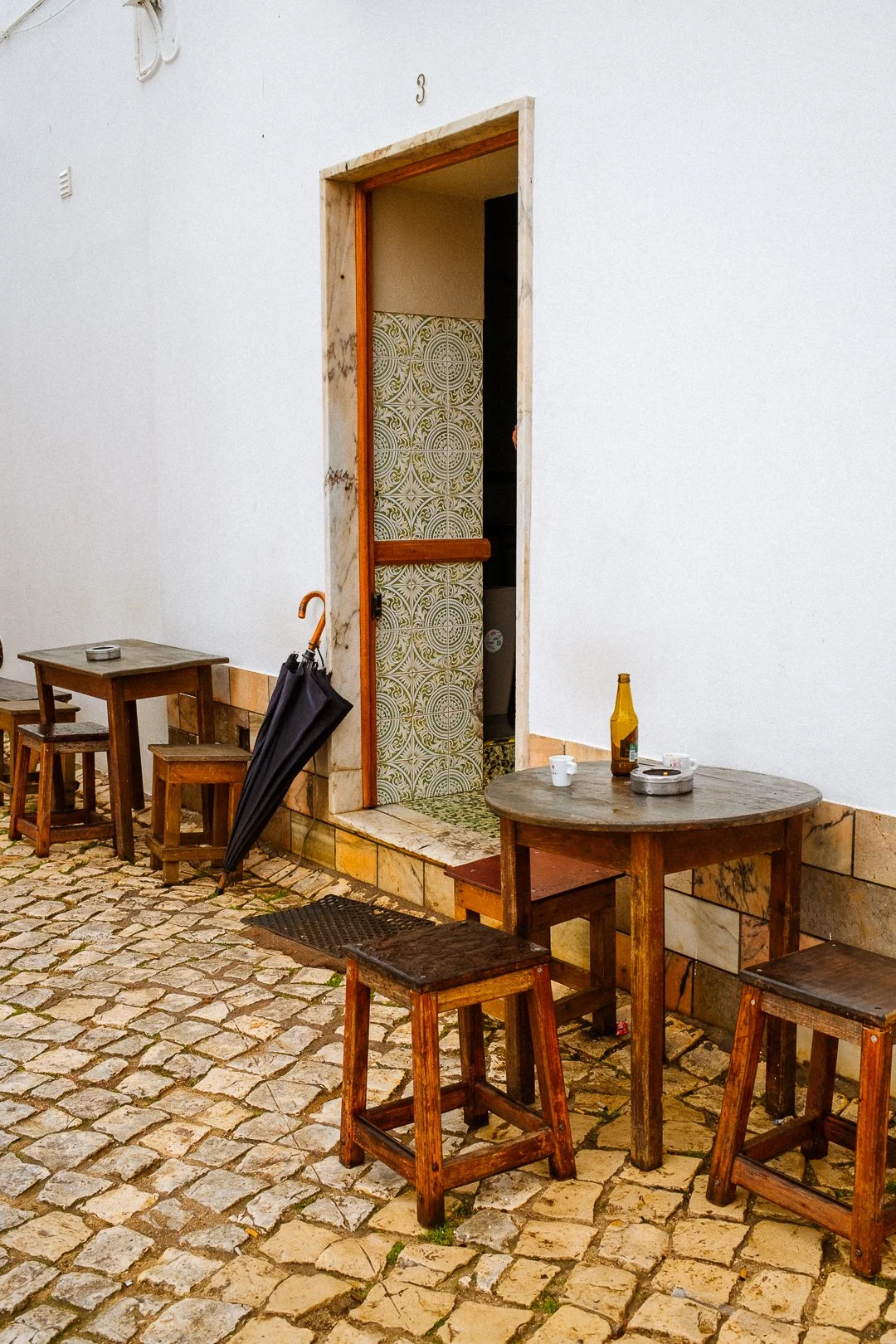
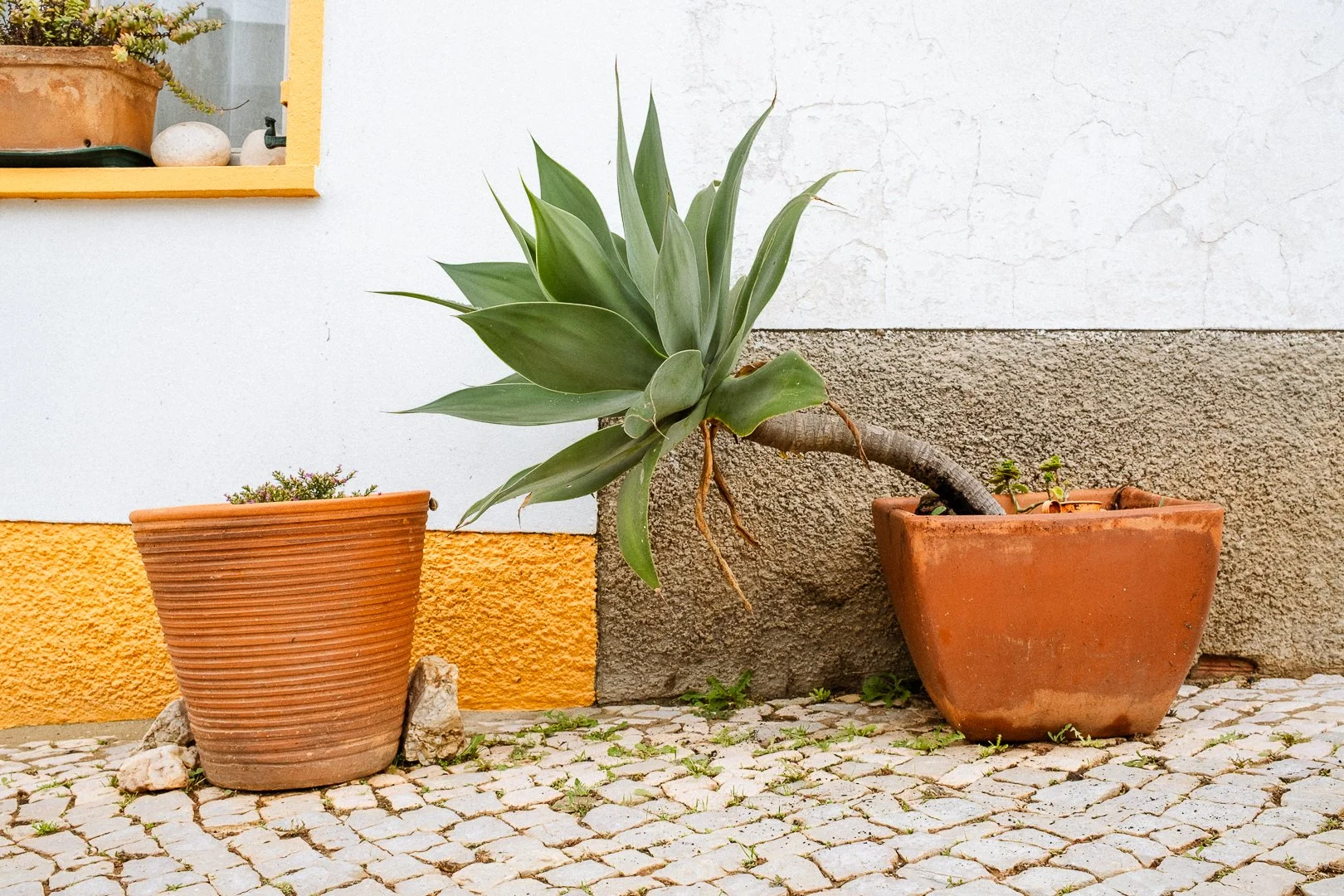
Vila do Bispo served as my gastronomic pit stop. Caffeine and gluten levels restored. I had a look around the town. Scenes similar to Barao, only now it had clouded over.
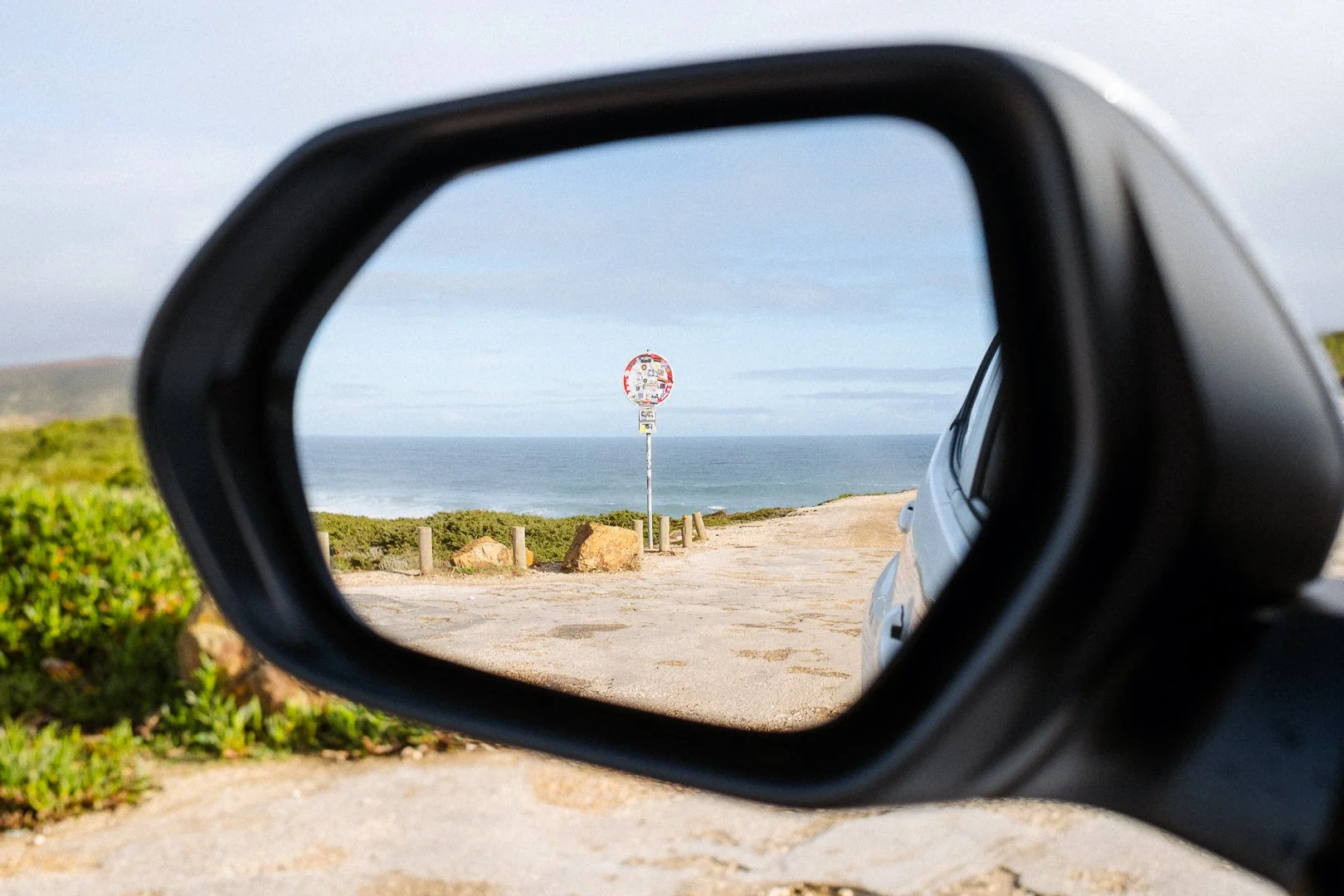
From there, I was already close to the only spot I had previously checked on Google Street View and satellite view: a tiny farm in the middle of nowhere, connected by a bumpy gravel road that, if followed, leads all the way to Cabo de São Vicente - the westernmost point of Europe.
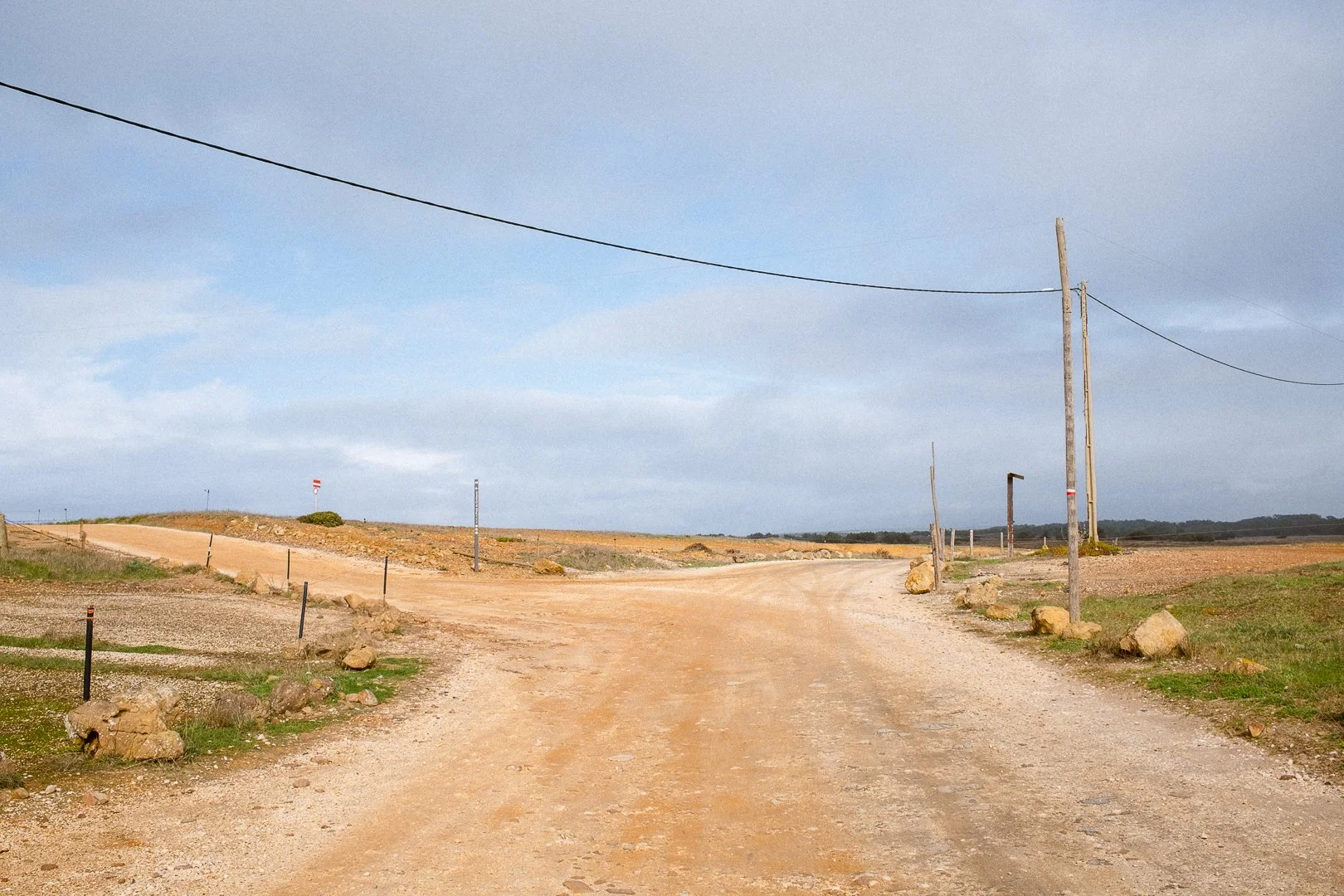
The atmosphere there felt a bit like an American movie.
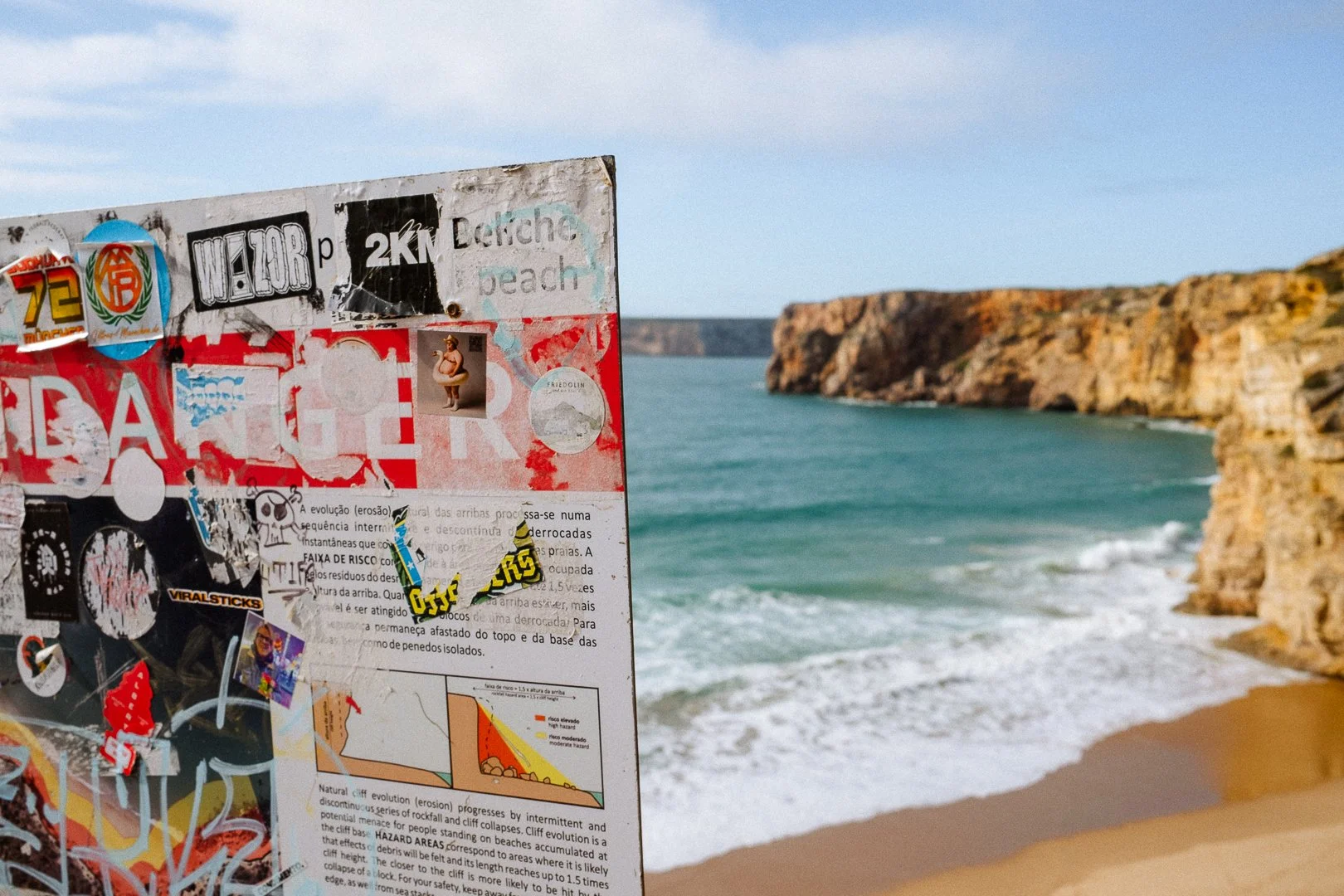
I stopped for a few pictures and then went further. Ticked São Vicente off the list which I didn’t have and quickly escaped toward the nearby Praia do Beliche to soak up some sun, sand, and rest.
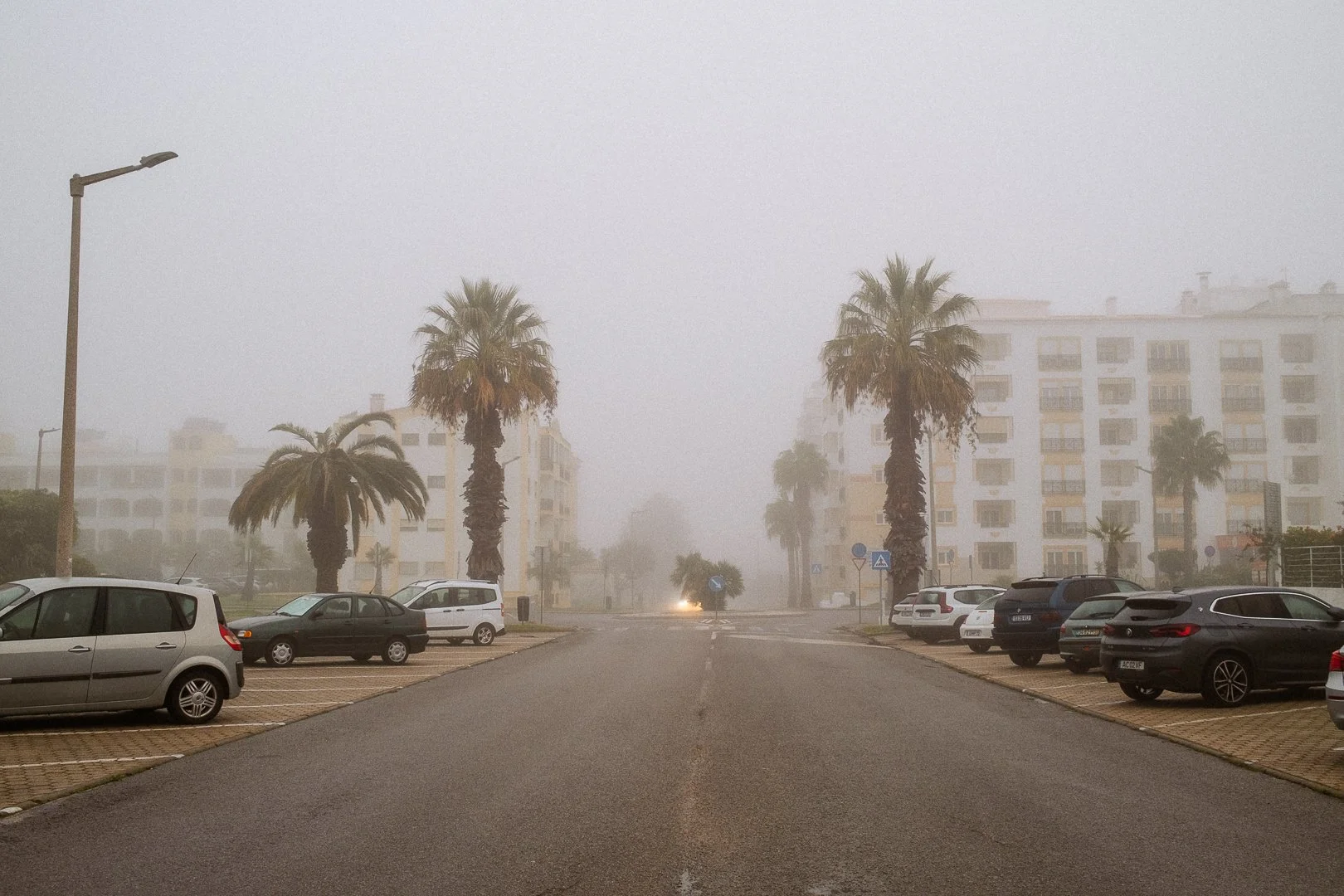
Mist filter for free
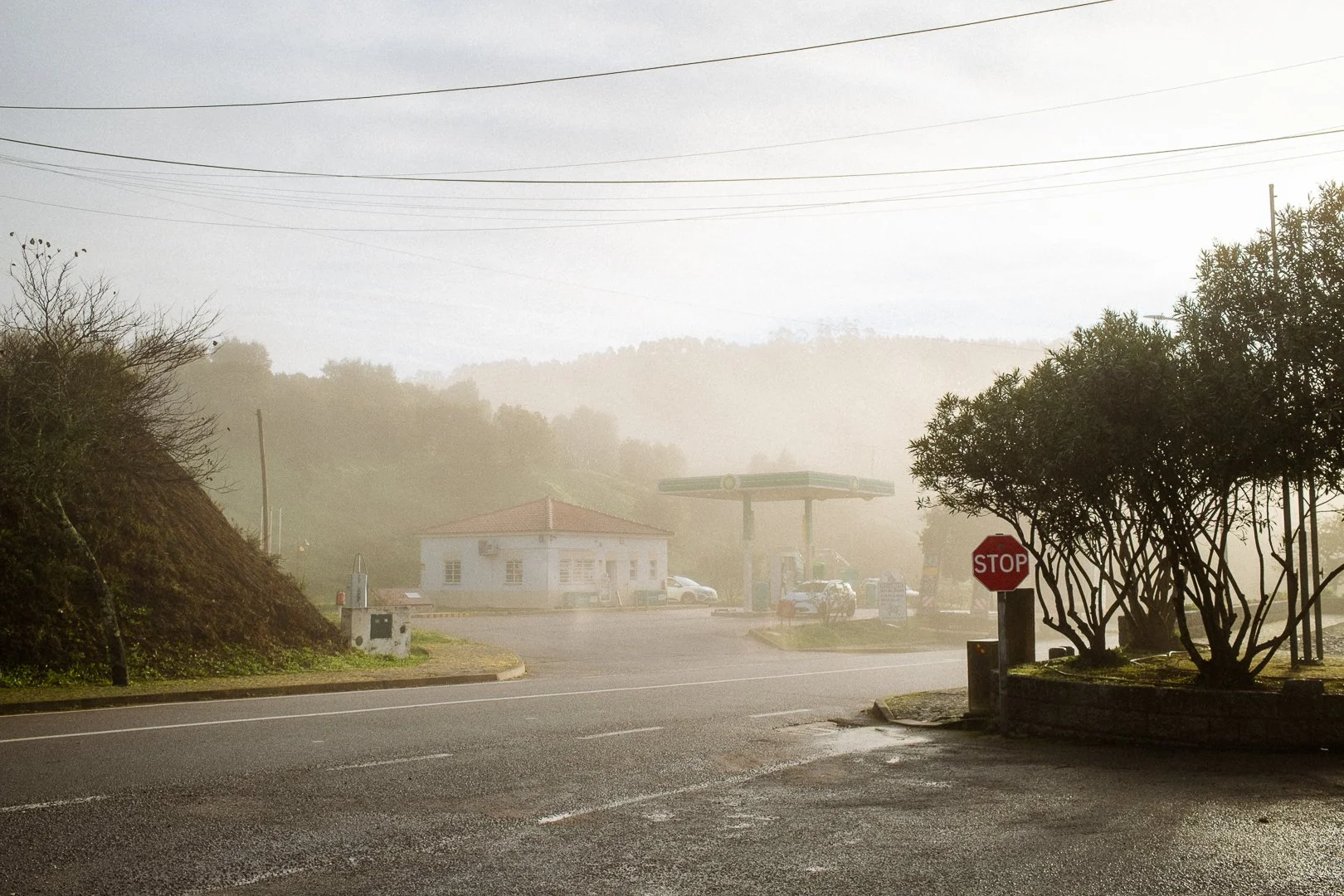
The next day I got a mist filter for free.
Lagos was wrapped in fog. I left my accommodation and town and headed north toward the Serra de Monchique mountains.
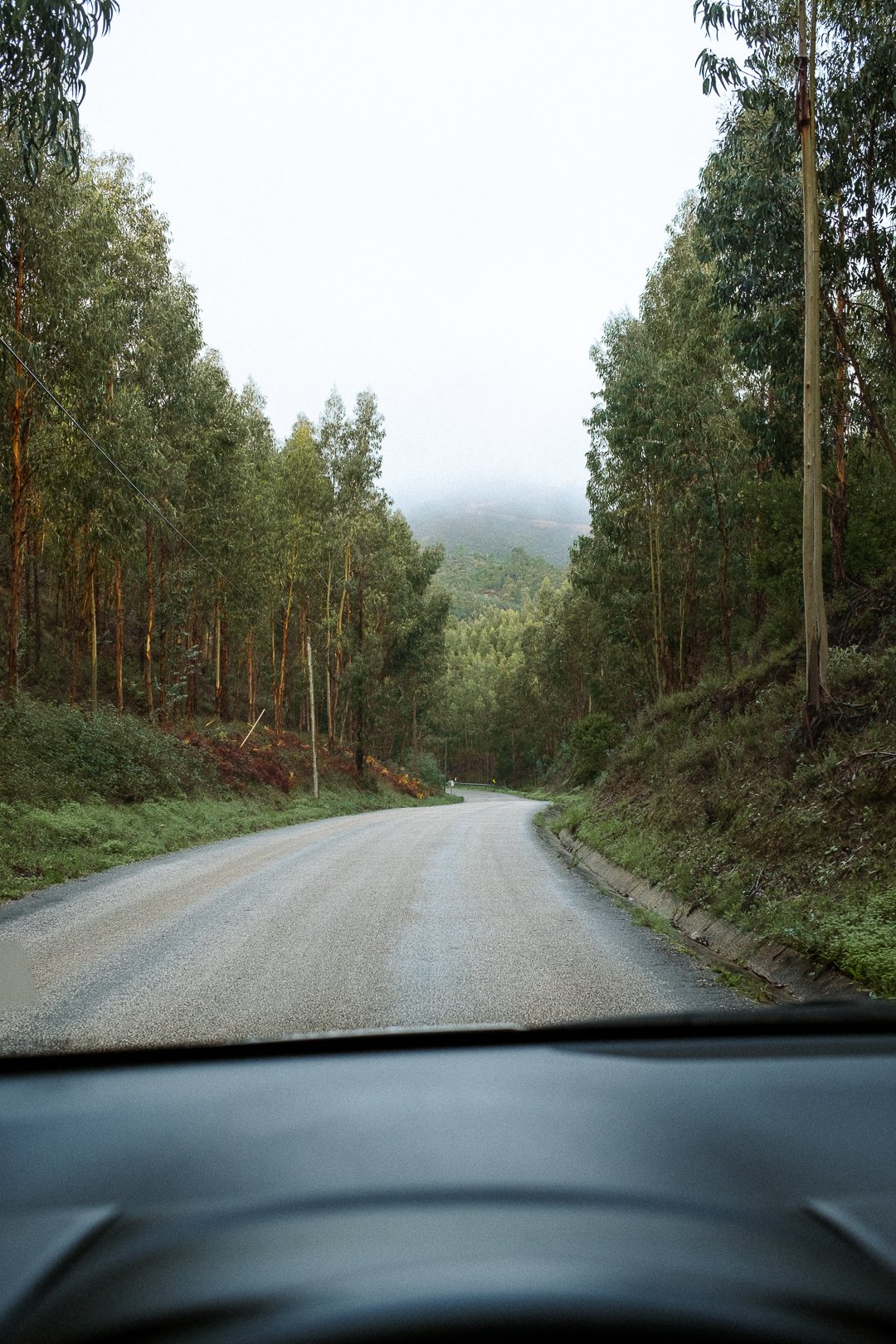
The road up was empty and completely cloudy. I kept stopping to take a moment to breathe in the warm, humid, eucalyptus-scented forest air. Bliss.
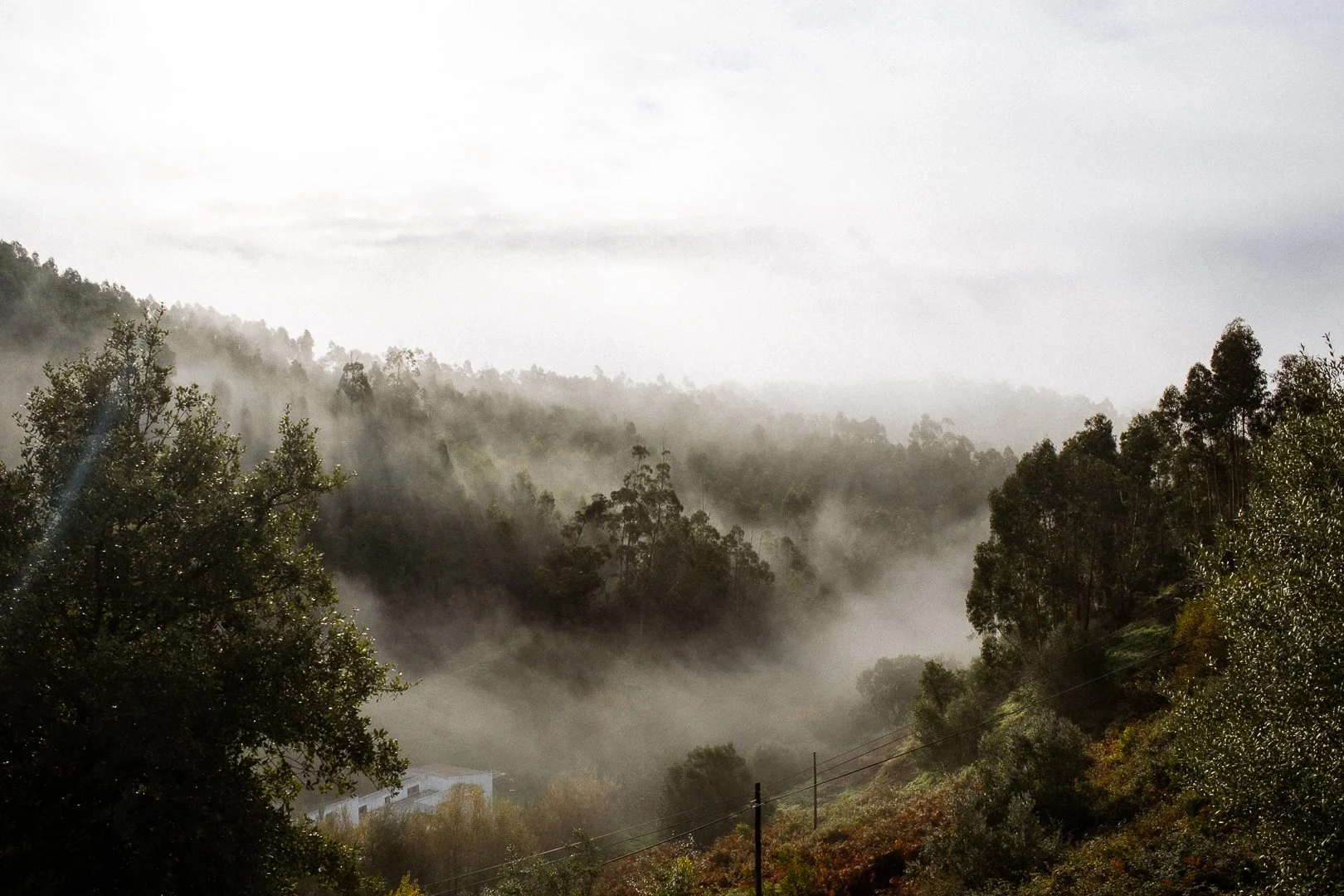
Silence, greenery, fog - I’ve never been to Madeira, but it seems to me that Serra de Monchique could easily play Madeira in a film.
As I approached Marmelete, the clouds parted for literally a moment, and soon the village was enveloped in mist again.
Monchique and Alferce greeted me with rain.
After a long walk around the last town, I checked the weather, and when I saw that Olhão had the sun I was longing for, the decision was quick.
The drive to Olhão took me too long to catch the ferry to Culatra Island at a reasonable (photography-wise) hour.
A pity - and my fault too, for not checking departure times earlier. A shame, but also a reason to return.
I wandered around Olhão instead - which somewhat made up for the bad timing - and then drove back to return the car at the airport.
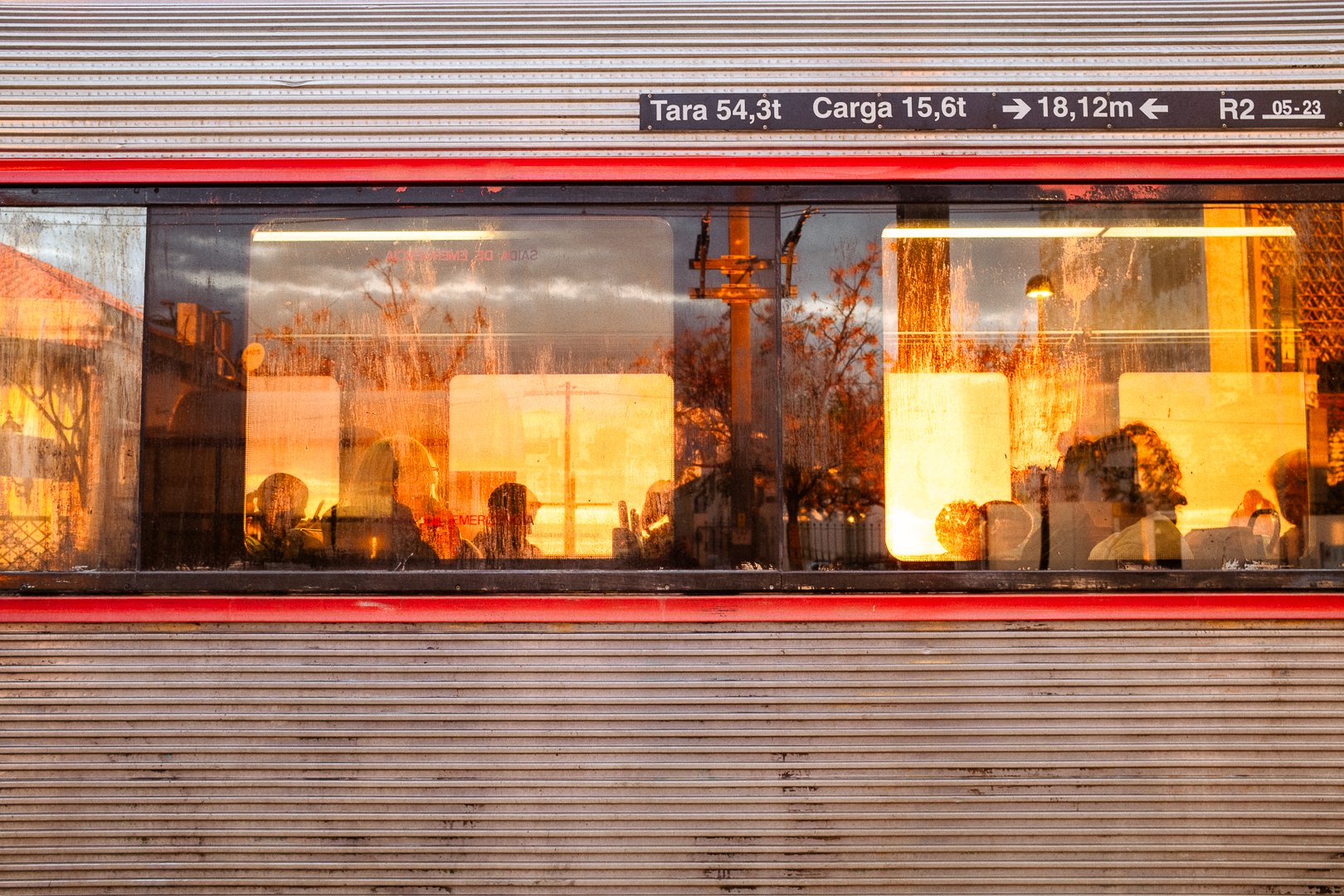
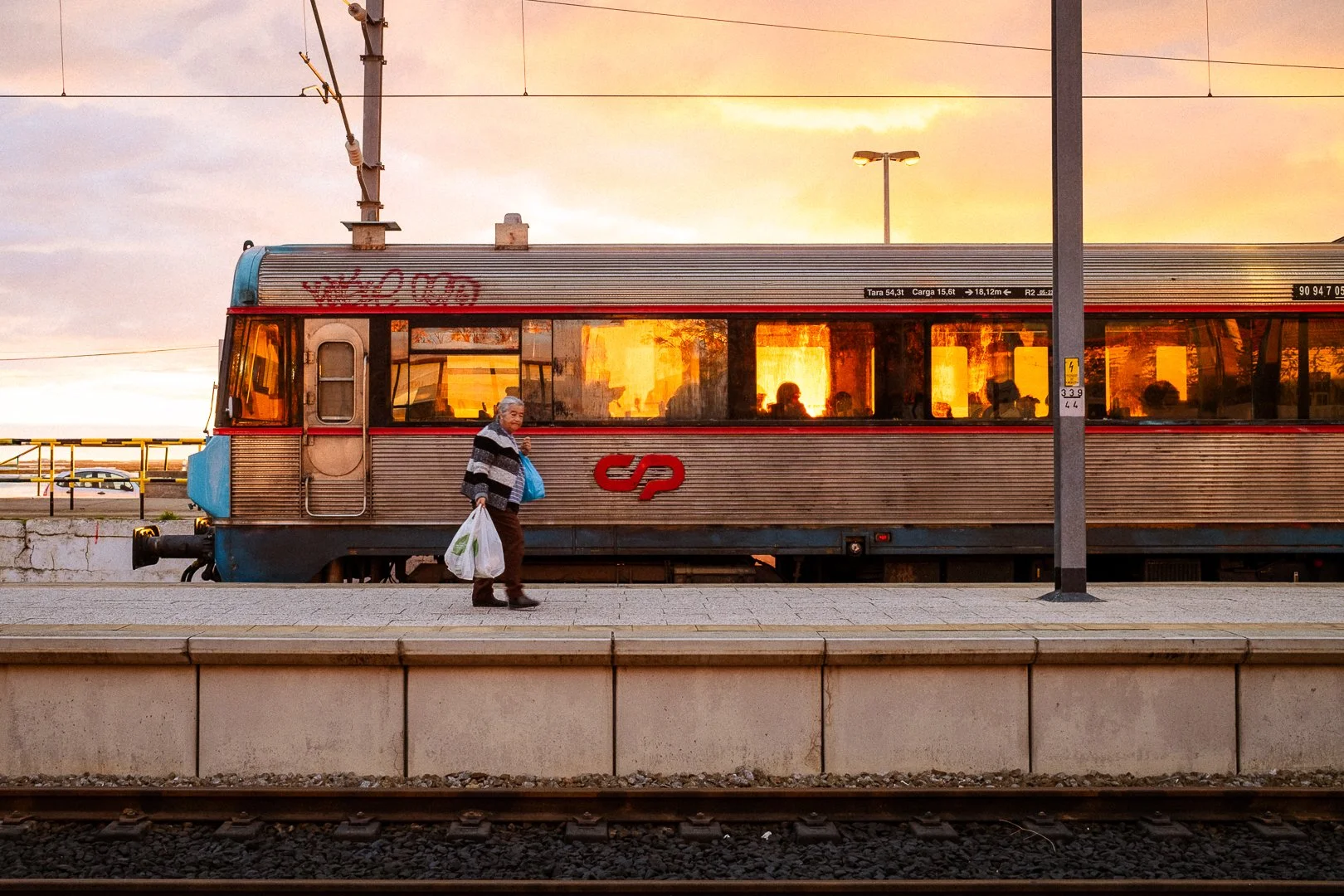
Faro was still left to tick off - perfect for the evening before my flight home. In the end, I spent the nicest light of the day photographing a train in the last rays of sun.
Turns out Faro has a beautifully located railway station.
I visited the city center only to grab vegan pastel de nata (they had them!), have a drink, and kill some time after dark.
Why Portugal
I love returning to Portugal. Photography-wise, it’s one of my favourite places in Europe.
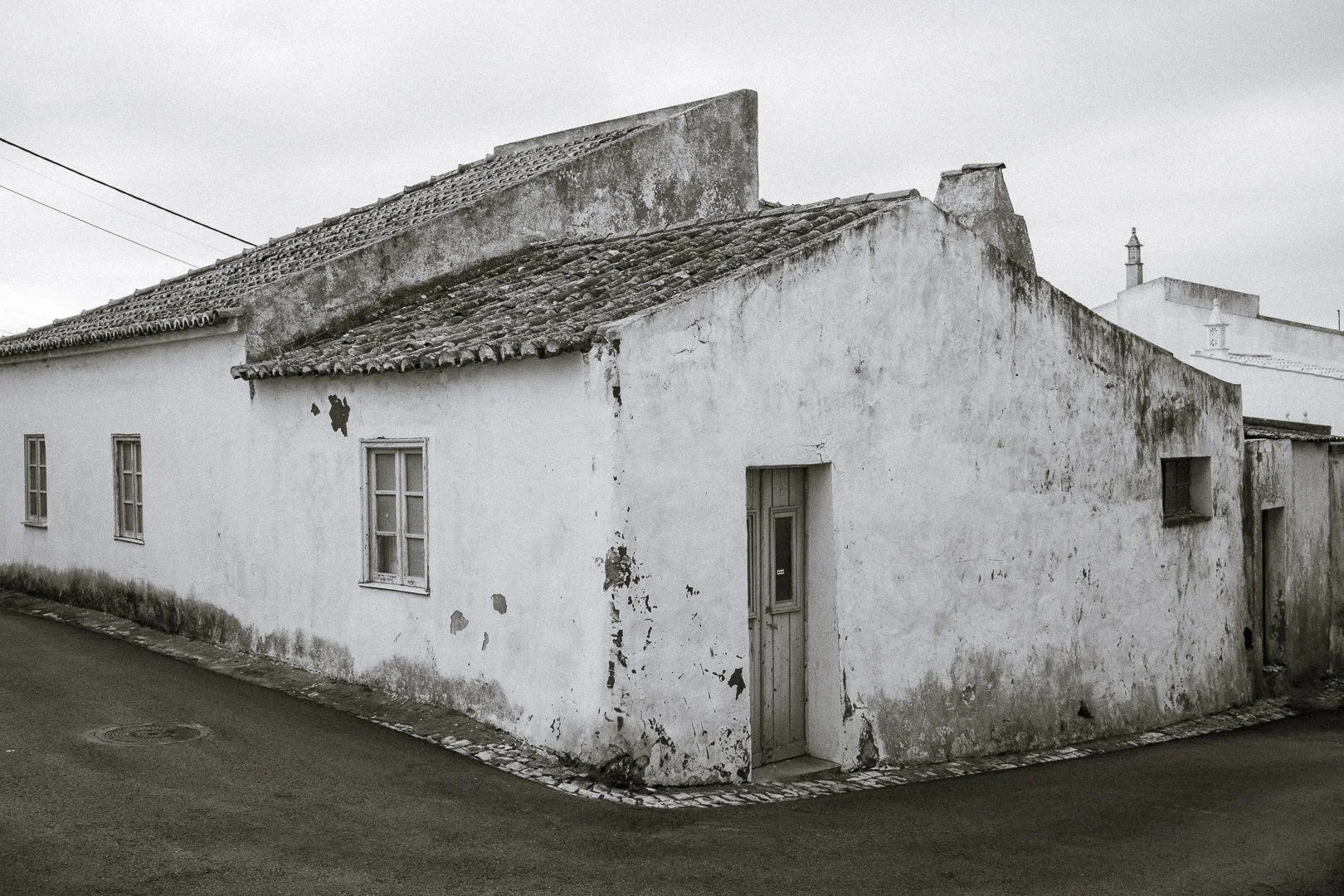
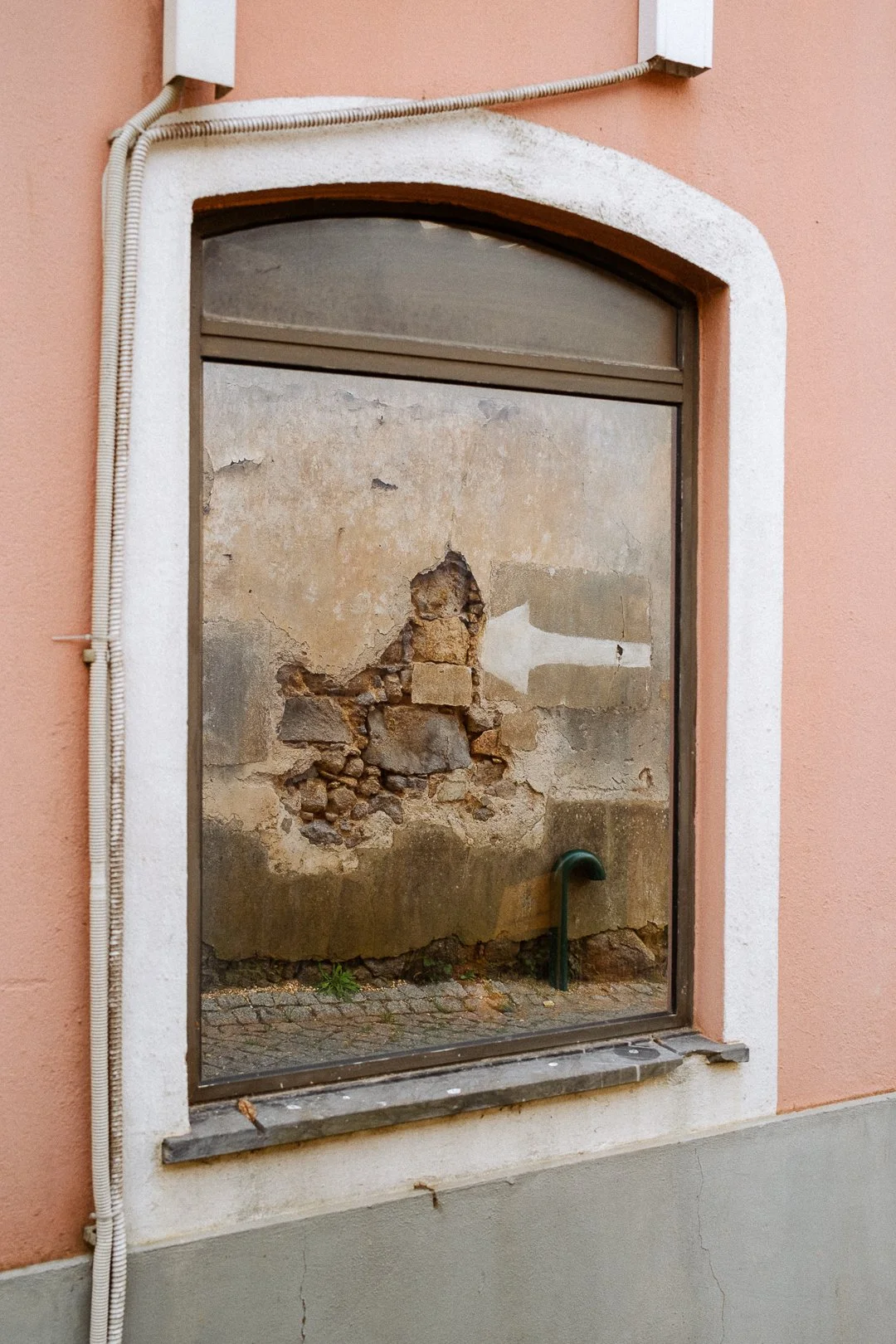
The Portuguese aesthetic matches perfectly with my love for photographing places where time has stopped and nostalgia smells of humidity, fish, and a blend of coffee and warm sweet pastry.
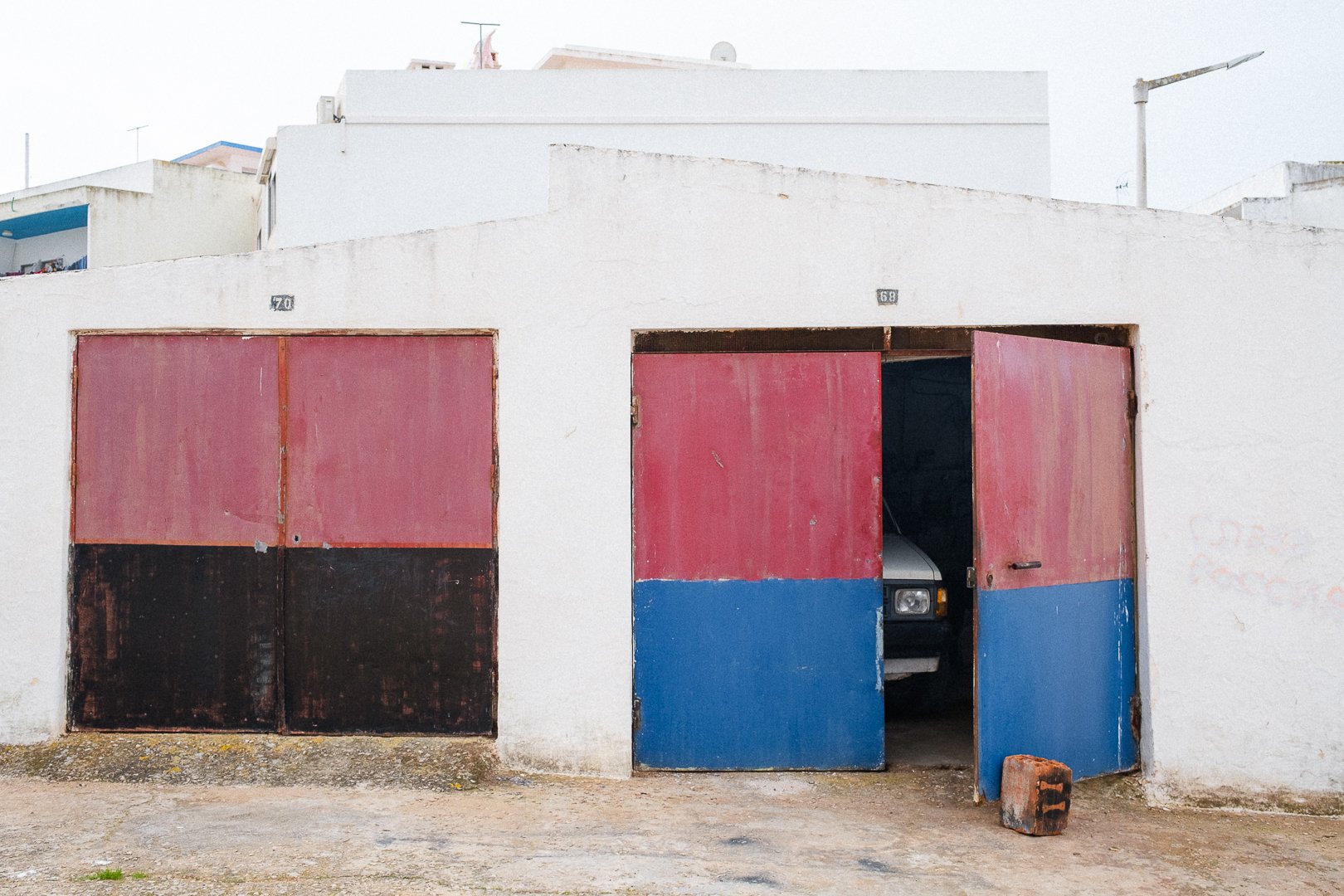
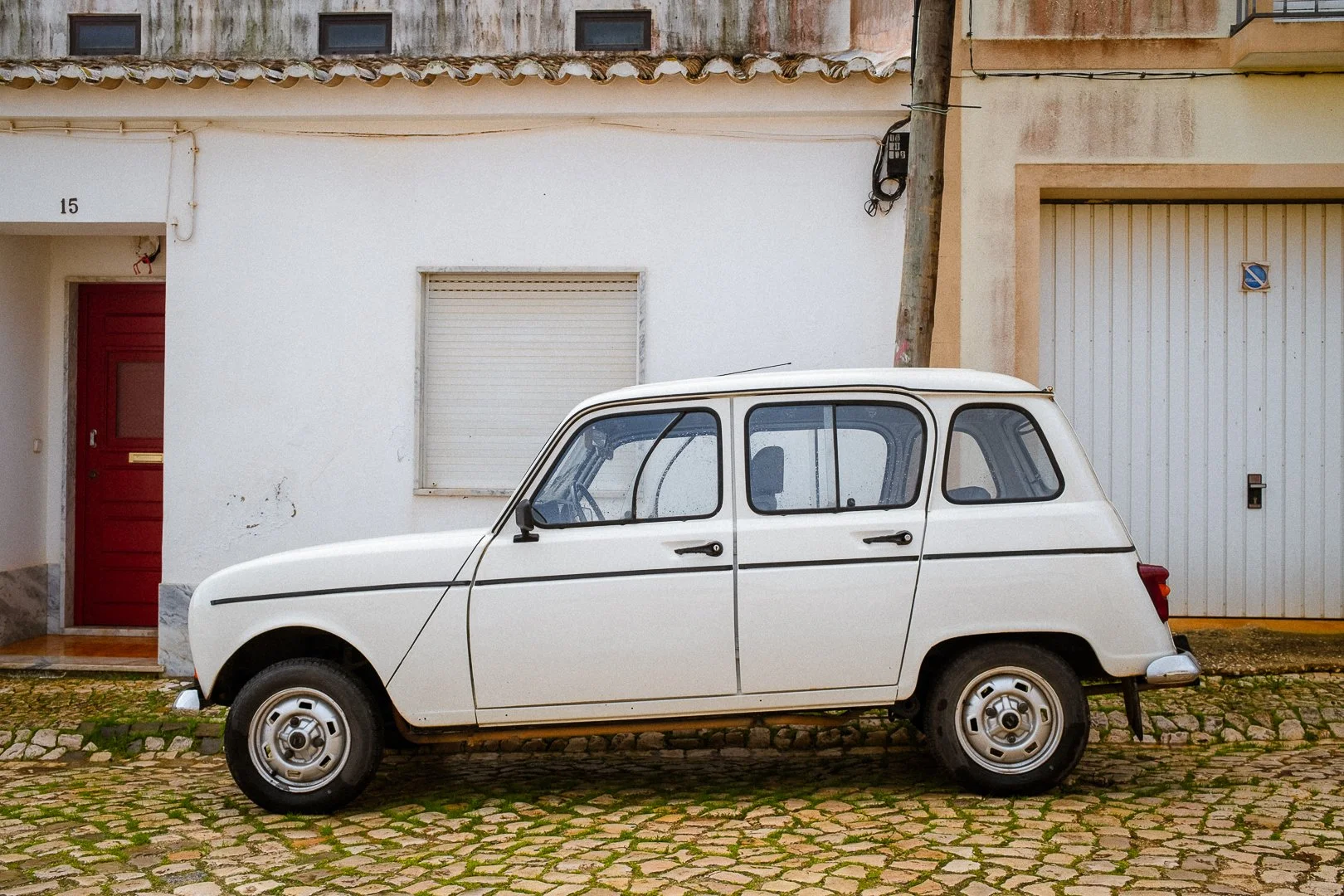
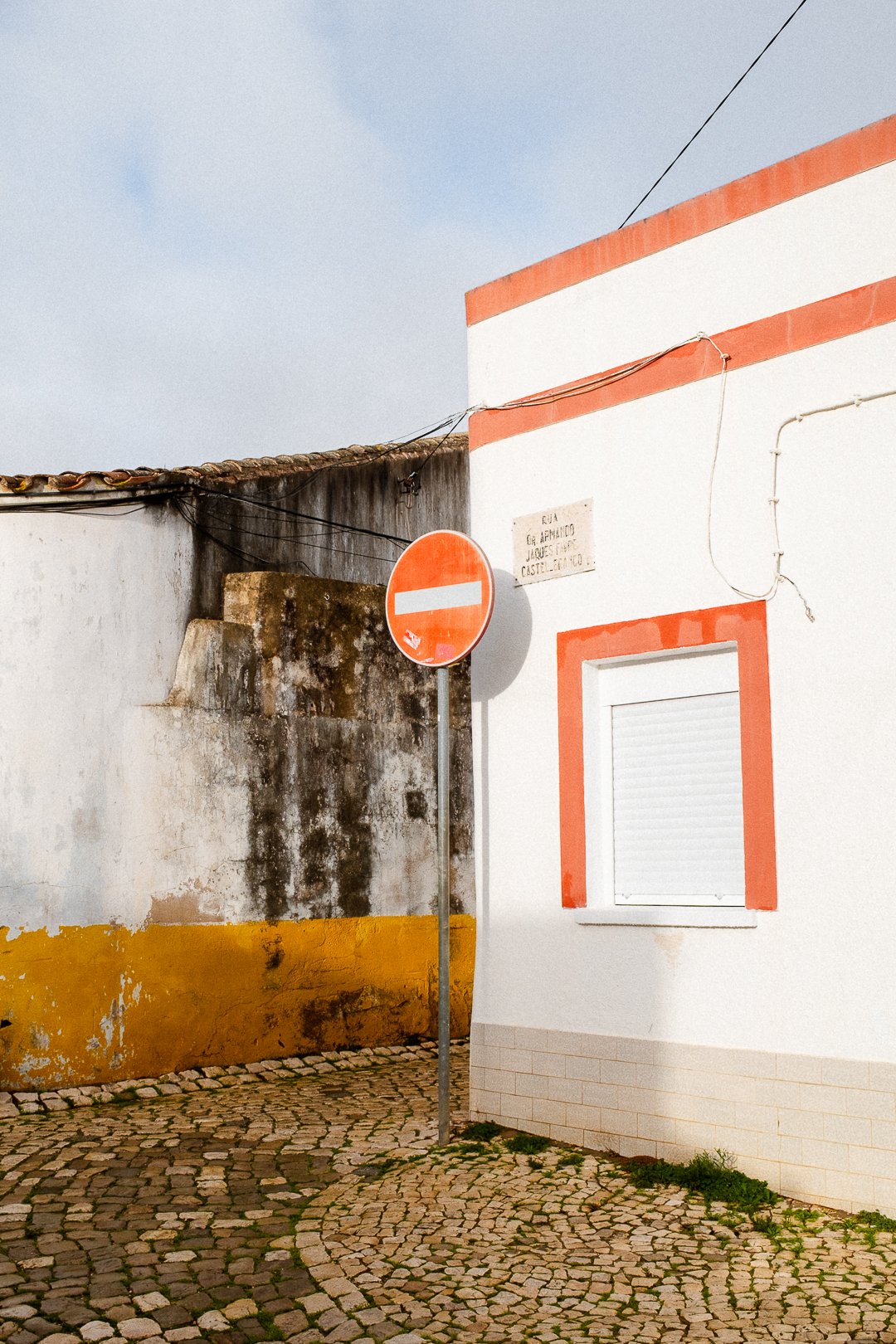
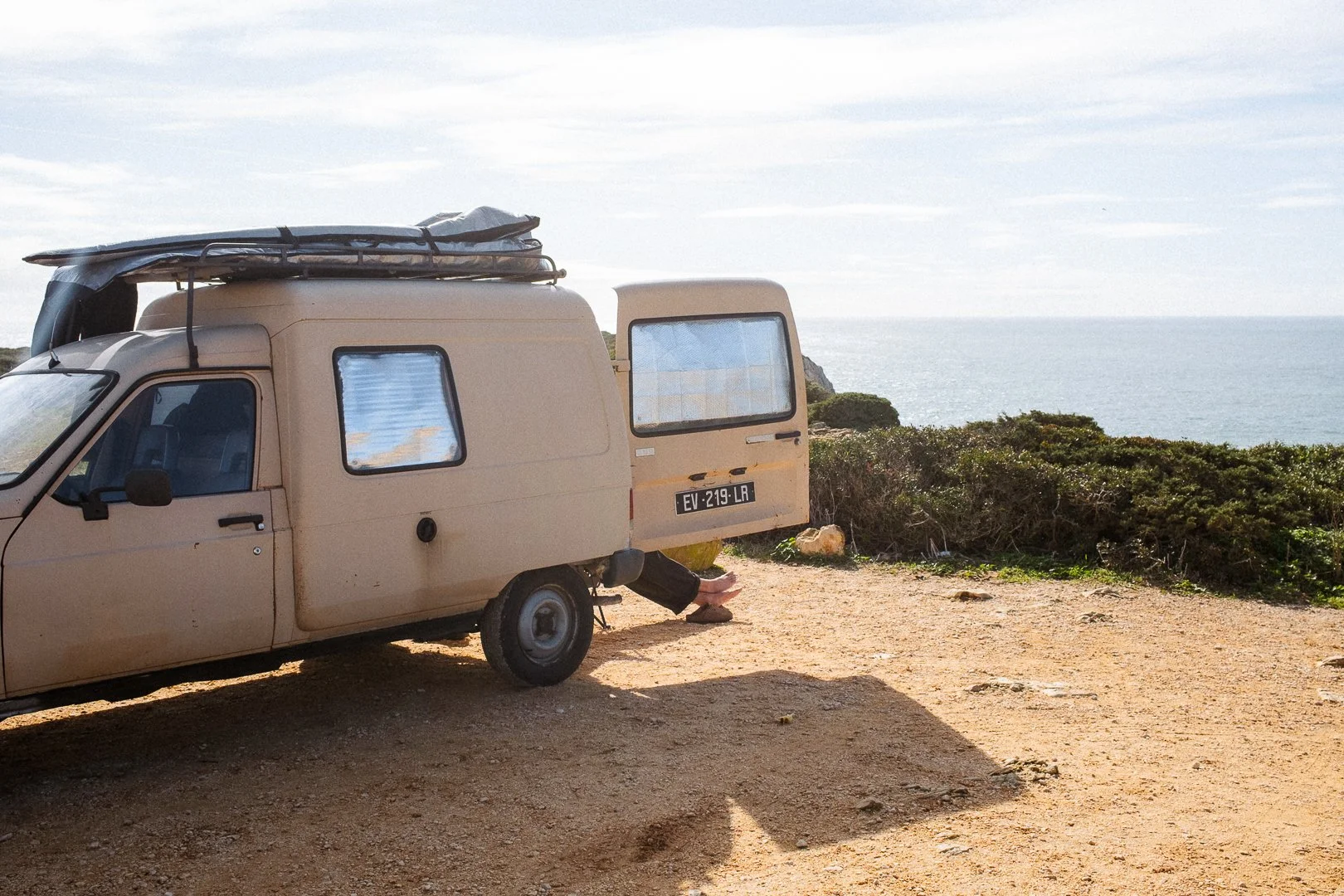
Whitewashed houses with rich color accents, old cars, friendly people. Portugal has it all.
Tips for those traveling in southern Portugal
– definitely buy bread
– reserve plenty of time to slow down
– even in December be prepared for warm sun
– make sure you have some coins to pay for parking
– if your phone doesn’t want to cooperate, your internet is very slow, change the network selection setting to manual
– if you’re vegetarian/vegan and don’t plan to cook, take a deep breath and prepare for culinary challenges
– if tourist traps aren’t your thing, avoid the cities - go to the villages
– spend your money in the countryside, buy in small shops, support local sellers
– buy more bread
– come back soon.
All pictures in this blog are made by my everyday companion Fujifilm x100V.


Continue reading
If you enjoy photographing places beyond the obvious tourist views, you might also like:
→ 3 Cities for Street Photography in Europe — three very different cities and plenty of opportunities to explore with a camera
→ How to Take Better Travel Photos — some thoughts on photographing places without collecting postcard views
→ Photography in Svalbard — a very different kind of landscape