
How to start street photography

Do you feel that street photography could be something for you? Would you like to start, but you’re not quite sure how or where to begin? Let’s break the topic down into a few parts to make your start easier.
What is Street photography
Don’t be fooled by the algorithm that led you down the YouTube rabbit hole, where the unwritten definition of street photography includes concepts such as: Leica, New York, London, reflections, candid, bokeh, and so on.
Street photography is so much more than that.
If I were to write my own definition of street photography, I’d say it’s basically any kind of photography that requires leaving the house.
Well, maybe with the exception of classic landscape photography and other types of shoots that can be carefully planned in advance.
Street photography is impossible to plan and very often ruled by chance. It relies heavily on quick reactions to situations you encounter. But not only that.
Street photography documents the life of cities and small towns, reaching much further than candid portraits or architecture.
It shows fragments of reality, and only you, as the photographer, decide what and how you want to show.
But first let’s see what you need to become a street photographer.
Gear to conquer the streets
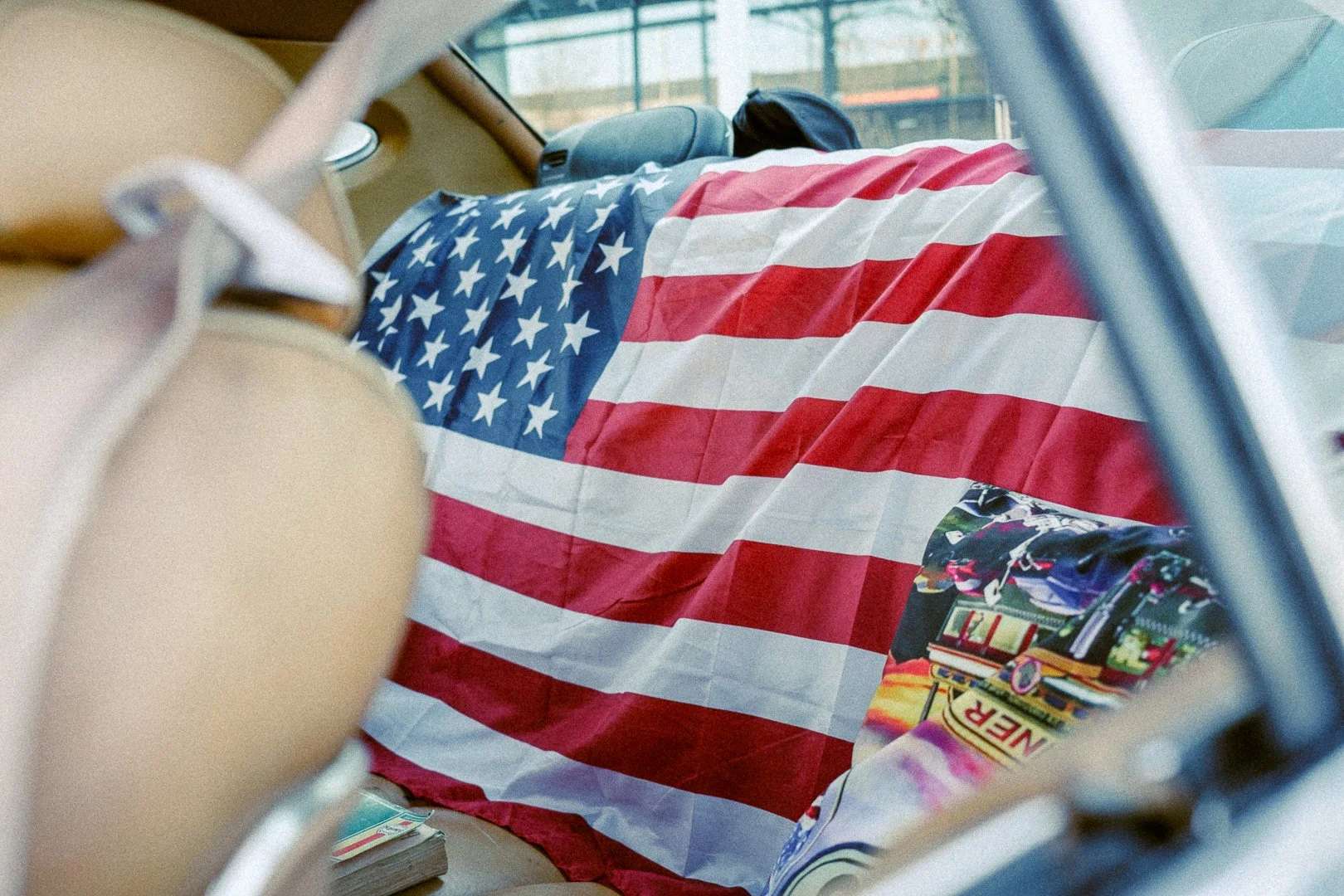
Any camera is good enough to start. But I do want to emphasize that it’s worth choosing a small one. One that doesn’t draw too much attention (you just want to do your thing and not be bothered), but also one that won’t make a few hours in the city feel like torture.
There’s no better way to get discouraged than by a broken spine from carrying a heavy backpack.
Don’t have a camera? Start with your phone. If you get into it, invest in a camera - even an old, second-hand one will do the job.
best Lenses for street photography
You might already have a favorite focal length, one you feel most confident with, or simply like the look it gives you. Use it first. Later on you might consider trying something new.
If you’re just starting out, consider something universal, between 35 and 70mm. A zoom in that (or smaller) range will do the job, and after a few walks you’ll be able to see which focal length you used most often.
Personally, I’d start with a prime lens equivalent to 35mm or 50mm on a full frame.
Locations - go local
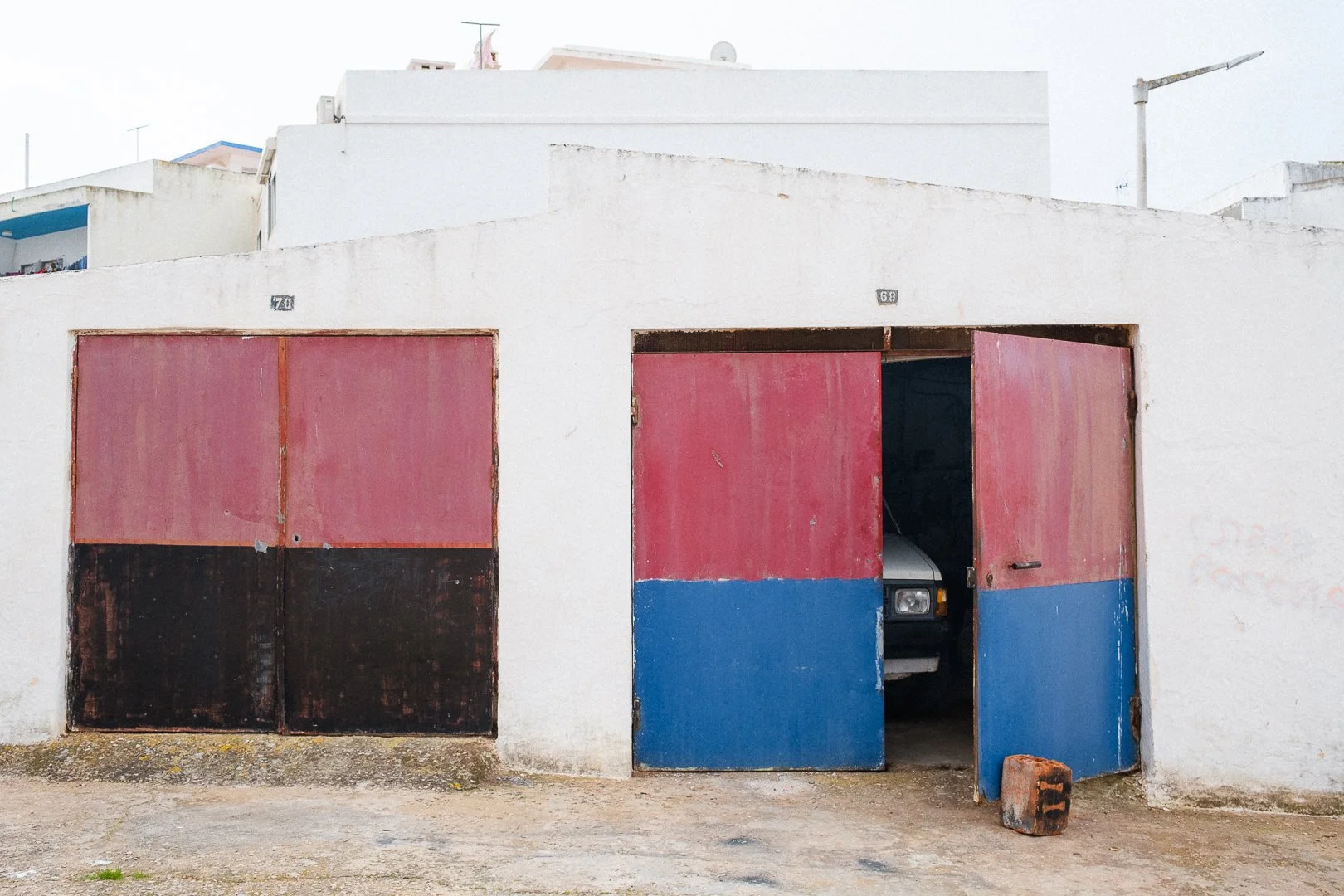
Start with your own city or the nearest one. It doesn’t have to be London, New York, or Tokyo.
In fact - it shouldn’t be any of those. You don’t need to be on the streets of a metropolis to tell compelling stories.
Start locally. Don’t be afraid that no one has heard of your town. That’s actually where your power lies if you care about original photos.
World doesn’t need more photos of Brooklyn. World needs unique photos of your neighborhood.
If no one has heard of it and no one has seen it, then for your audience it will be as exotic, as the other side of the globe is exotic for you.
Time / light - choose what you like
You’ve probably heard the concept that the best conditions for photography are around the golden hour (just after sunrise or just before sunset), but don’t let anyone convince you that it’s the only good time of day for photography.
Go out when you can.
My favorite light (on sunny days) is about two hours after sunrise and two hours before sunset. On cloudy days, time doesn’t matter much, because the light is consistent throughout the day.
Don’t forget that night is also perfect for street photography, as long as you can move around places lit by street lamps, neon signs, and other artificial light sources.
But there’s also an important rule: when you don’t have what you like, you must like what you have. Even if it’s a midday harsh light.
Camera settings for street photos
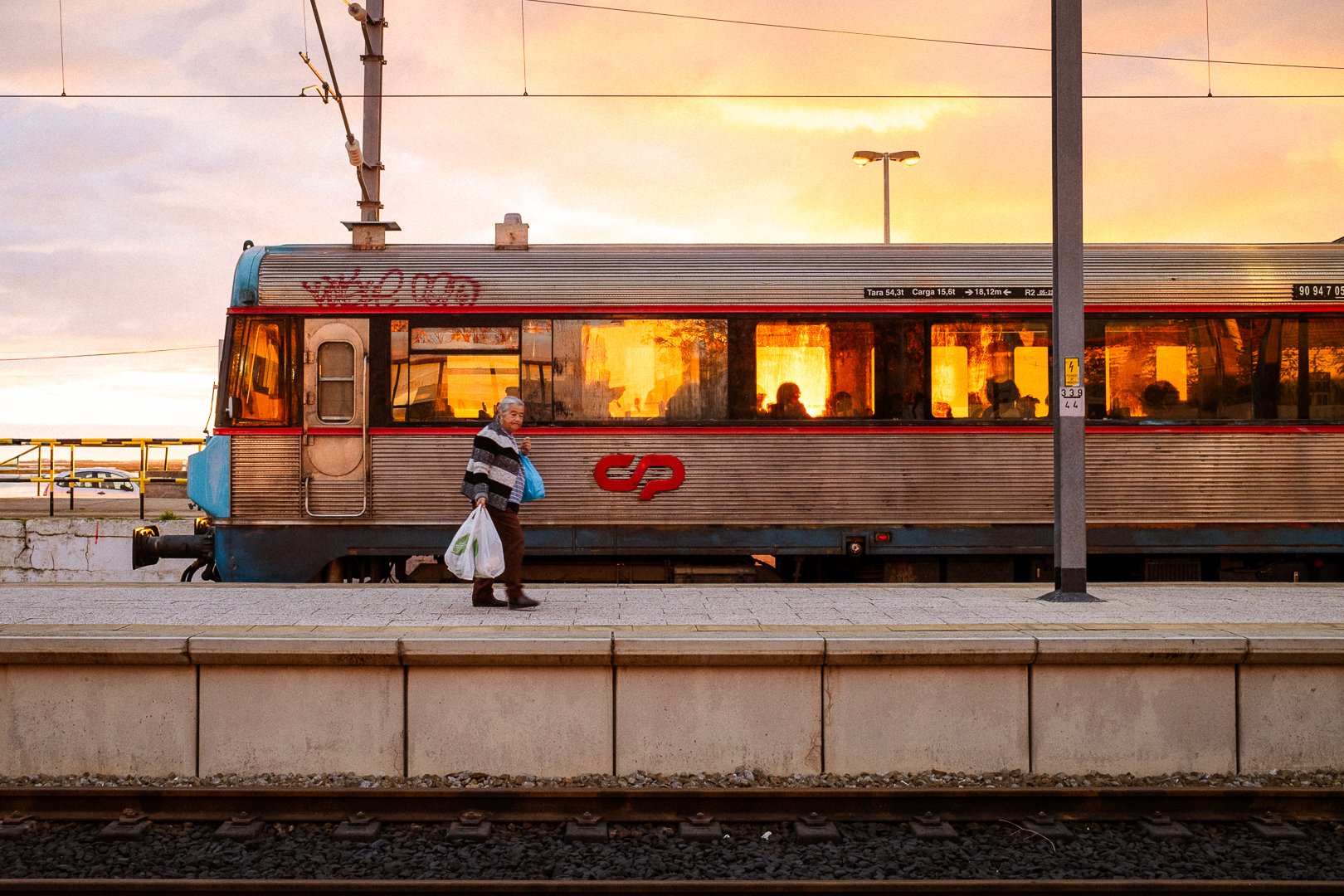
Depending on the effect you want to achieve and the lighting conditions you encounter, there are many possibilities.
I usually shoot in aperture priority, while setting ISO manually, making sure the shutter speed doesn’t get too slow.
It’s worth remembering the simple rule that says a safe shutter speed for a sharp photo is the inverse of your focal length.
So for 35mm it’s at least 1/25s (though for safety I don’t go below 1/50). For 50mm it’s 1/50 (preferably 1/100), and so on.
Going below these values risks camera motion blur and lack of sharpness.
When I want to be sure my subject is frozen, I make sure that shutter speed is fast enough (shorter than 1/250s), adjusting aperture and ISO accordingly.
I use shutter priority only in situations where I want to preserve motion in the photo. In that case, I manually set shutter speed and ISO, and let the camera choose the right aperture.
Subject - what to shoot
Portraits, architecture, light, details - all of this can be street photography.
Photos that tell stories. Photos that ask questions. Or just purely aesthetic images. It’s your choice.
In street photography you don’t have to photograph people - especially their faces. But adding a figure, or even just a human silhouette, often enriches the image.
Traces of human presence can appear in many different ways. Think of remnants left behind by people - man-made artifacts, beautiful or not, including trash.
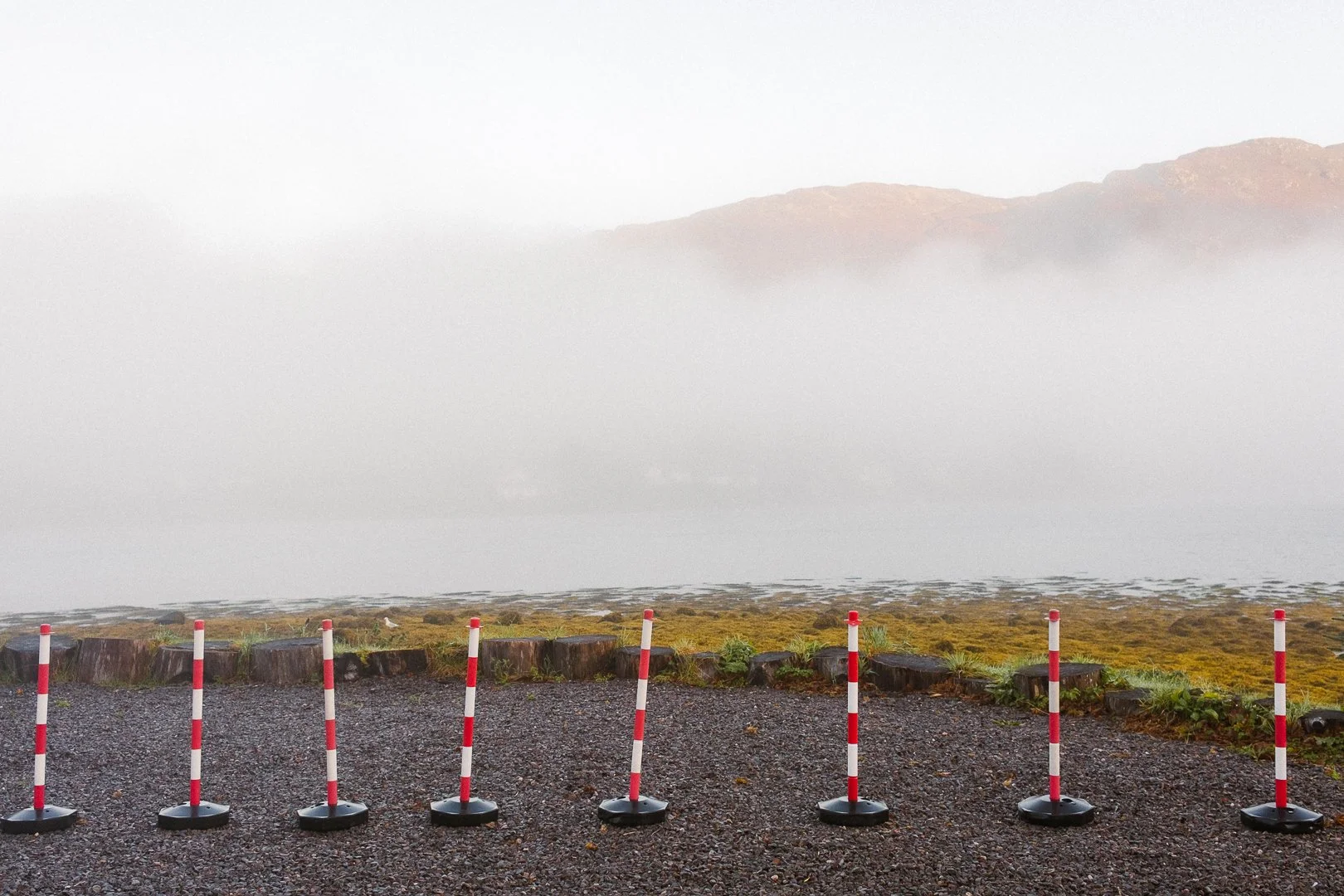
Architecture isn’t just buildings, but entire streets, and people in relation to them.
Elements of culture, such as specific types of buildings, characteristic shop windows, logos, interiors.
Even my coastal photographs within Shore Goods project - although documentary in nature - I would classify as a kind of street photography, despite the fact that they don’t take place on a classic street, but on a sandy beach.
In street photography, you set the rules of the game - because it’s your street and your game.
→ If you need inspiration, consider browsing through 20 ideas what to photograph.
Practice - the results will come
Like any form of photography, this one also requires time before it starts to bring results. Perhaps even more time than other niches.
Street photography is often ruled by chance, very often reflex and the ability to anticipate matter, and perhaps the most important aspect is the ability to observe.
Here, it’s a practice, not gear, what is the key.
So, go out there and do something that matters to you.
Continue reading
→ Best 3 cities for street photography in Europe
→ Finding inspiration close to home - everything is photographable
→ Photography self assignments - ideas to practice and improve