
What is the best light in photography

No photography exists without light. Nothing in this world exists without light - or at least nothing significant.
And you’ve probably heard someone look at a photo and say: “What a beautiful light!”
But what does that actually mean?
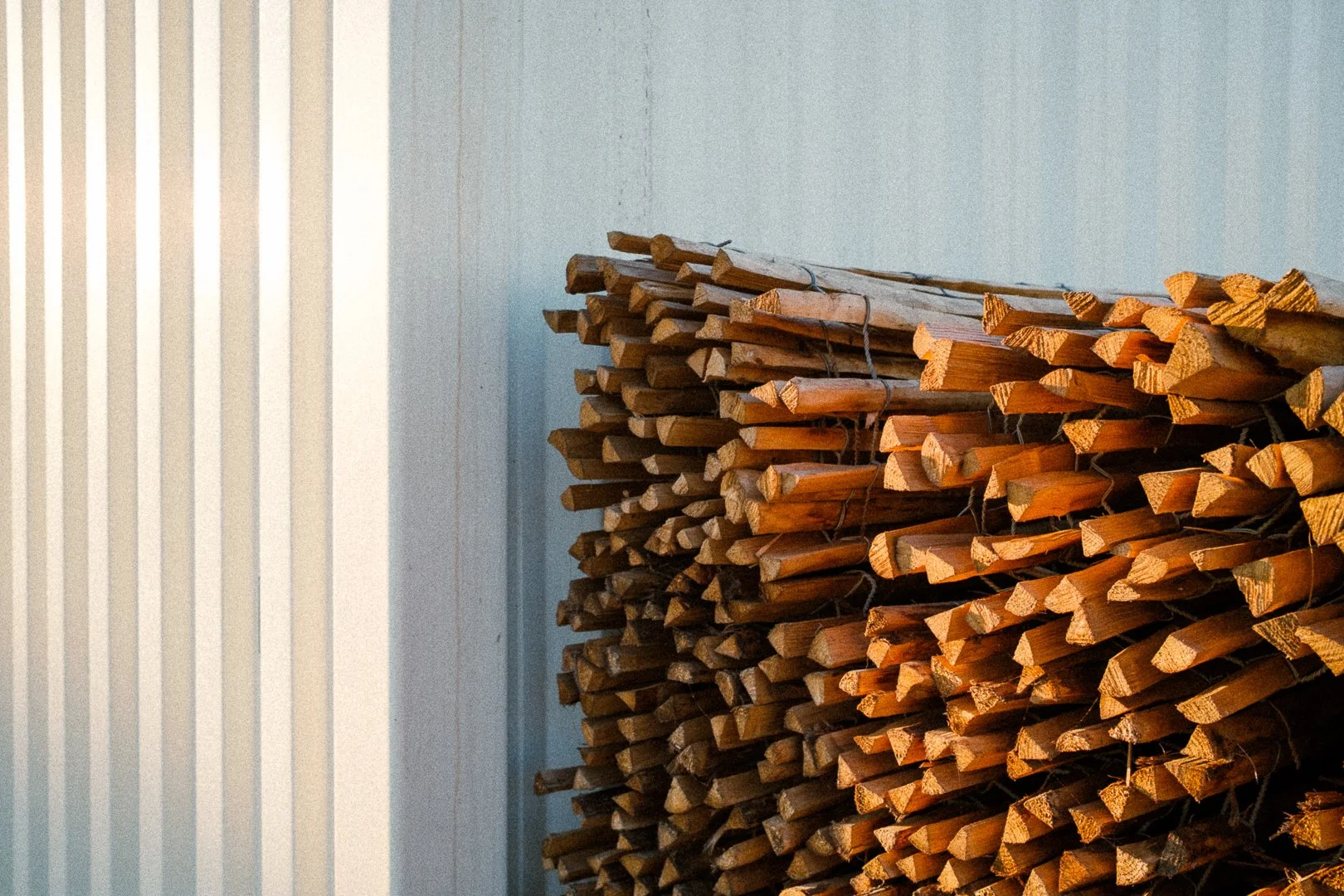
Why is light in photography so important
Light is not only the foundation that allows photography to exist, but also the key factor that determines how an image looks.
Whether it looks good at all, and - often - how long we’ll want to look at it.
Because often, the better the light, the more visually engaging the photograph.
I say: often, because the aesthetic and artistic value of an image is much more than just light itself. And the way we perceive light is a deeply personal thing.
In photography, everyone has their own favorite kind of light to work with, or to look at.
There are those who never leave the house outside the golden hour.
Those who don’t go out on cloudy days. Those who go out only when it’s cloudy.
And those who don’t go out at all - because they use studio light.
Some love shooting into the light.
Others only with the light, at a very specific angle.
And there are also photographers who don’t care about direction at all - as long as it’s bright enough.
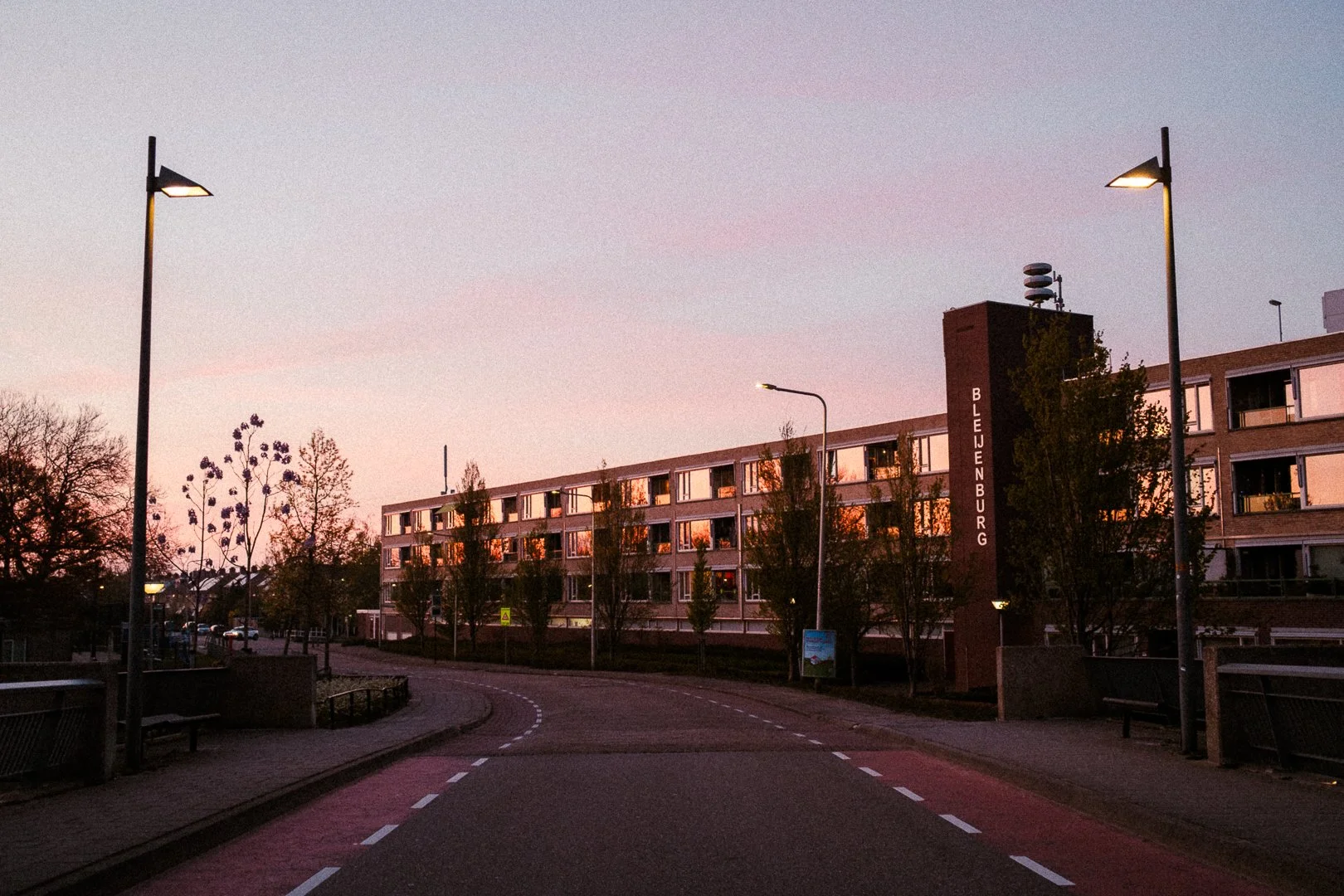
Understand the light
How do you understand the differences between various types of light and learn to work with them so that light is always on your side?
First of all, it often depends on the kind of photography you do, and on your personal preferences.
Don’t listen when someone tells you that the only good light is the golden hour. Or that you never should shoot against the light.
The golden hour might suit classic landscapes better - though even that’s not a rule.
You might end up liking the blue hour more.
Maybe you’re drawn to minimalist urban portraits, where the ideal condition is a lightly overcast sky, soft tones, no harsh shadows, but that subtle, diffused glow.
And yet, maybe what will interest you most is not the type of light, but its direction.
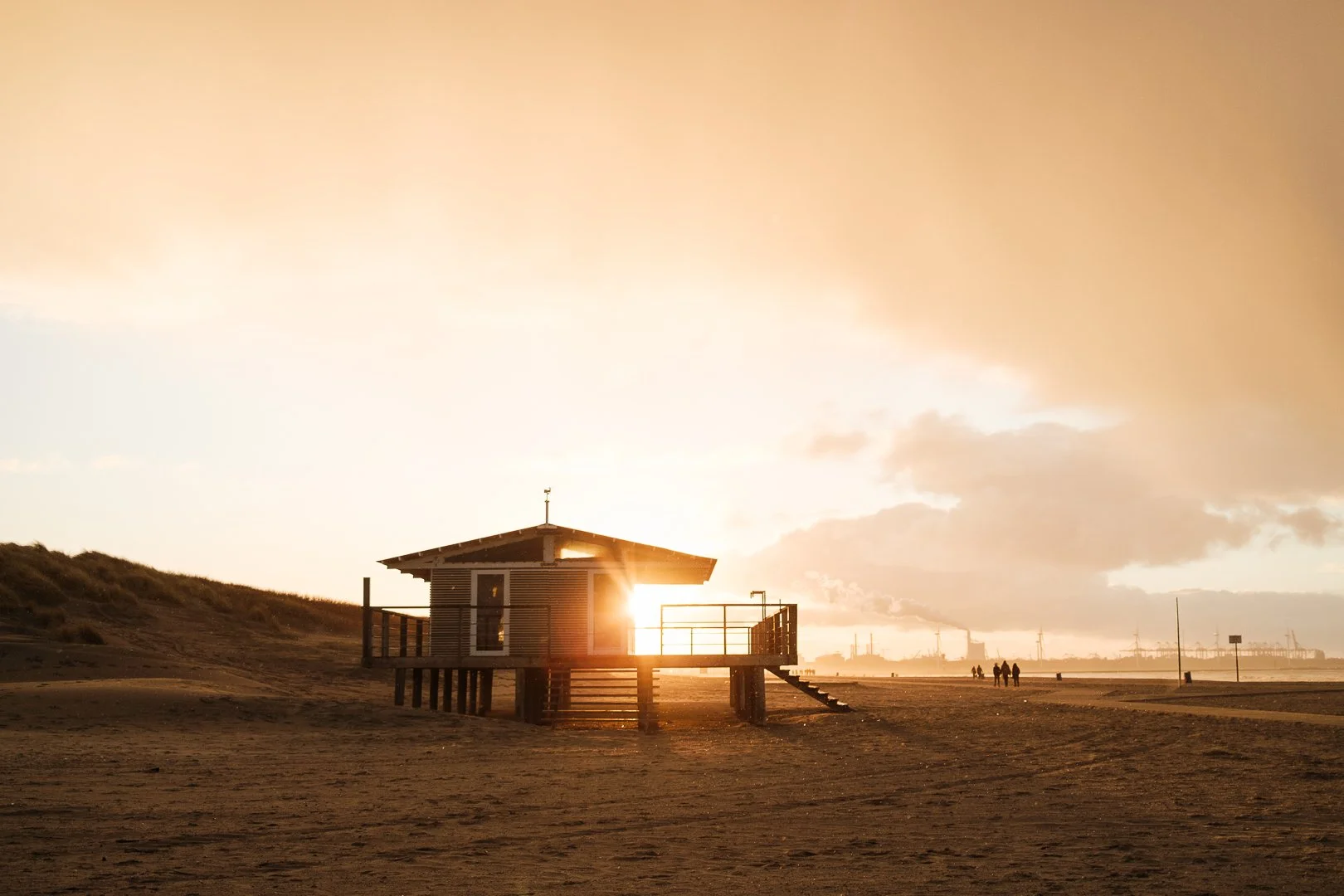
Maybe you will like that high contrast between the silhouettes and the bright background.
In street photography, you usually take what you get - whether it’s harsh midday sun or flickering fluorescent lights at night.
Over time, you might realize that precisely in those night scenes, where you have to fight for every patch of light (think street lamps, car headlights, store windows, neon signs) - you will find your favorite light sources.
And if you work, or plan to work, in a studio, even there, you’ll find your favorite setup and arrangement.
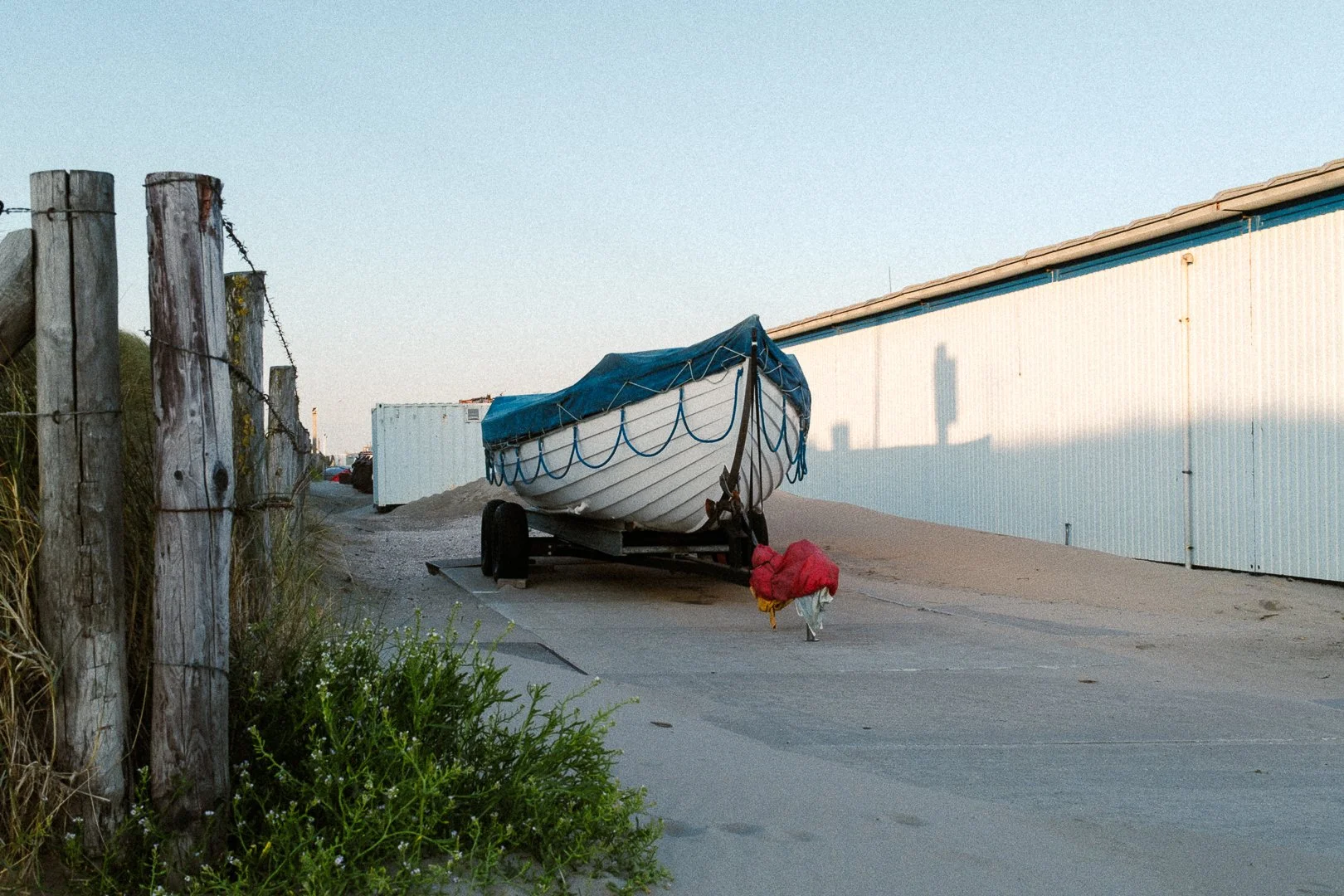
Find out what light you like
What truly matters in all of this is awareness - knowing what kind of light serves you best, what direction it should come from, and how to handle your camera’s exposure in different lighting conditions.
And for that, you need - surprise - practice.
In every possible setup and condition. Try everything and note the results.
Shoot into the light, with the light, from a 45- and 90-degree angle.
Look at natural and artificial light. Harsh, diffused, cold, warm light.
Morning light, noon light, dusk light. Light reflected off a wall, the surface of water, sand, or snow.
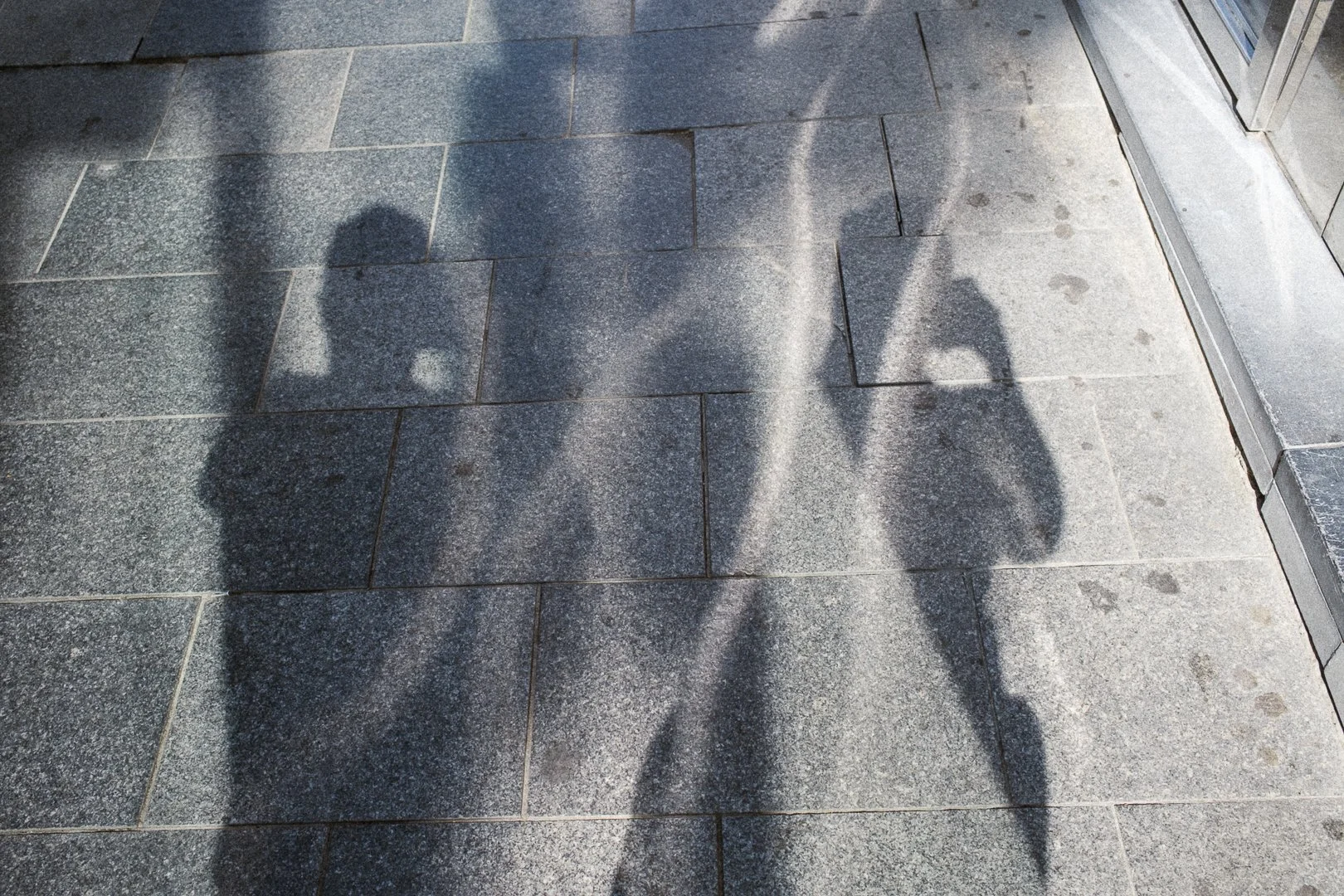
Each of them has different qualities, each worth observing closely.
With time, you start to see light where you didn’t before.
At first, it’s just “too bright” or “too dark.” Later, you start to notice its direction. Then, its color, contrast, intensity.
And eventually, you notice how light shapes emotion.
That’s why it’s not about chasing perfect light.
First learn to to see it, in every situation, at any time of day, in any place.
When you understand how it works, transforms space and affects emotion - then you will find out how can you use it to tell your story.
Too Long, Didn’t read
Why is light so important in photography?
Light is essential to photography - not just for technical exposure, but for creating mood, emotion, and visual impact.What is the best light for photography?
There’s no single “best” light; what matters is understanding different lighting conditions (golden hour, cloudy days, studio setups, etc.) and finding what works best for your style.How do you know which light is the best to shoot in?
The key is to experiment, observe, and practice in all types of light - natural and artificial, harsh and soft, warm and cool. Over time, you’ll learn to see and use light more intentionally to shape your photos and tell your story.
Photographers! I created a guide (well, a mini-course is a better word), which will help you make more compelling, clean pictures.
It includes a little bit of theory, example images and practical tips/exercises.
Do you want to start making minimalistic, clean images that stand out? That guide is for you. And yes, it’s FREE.
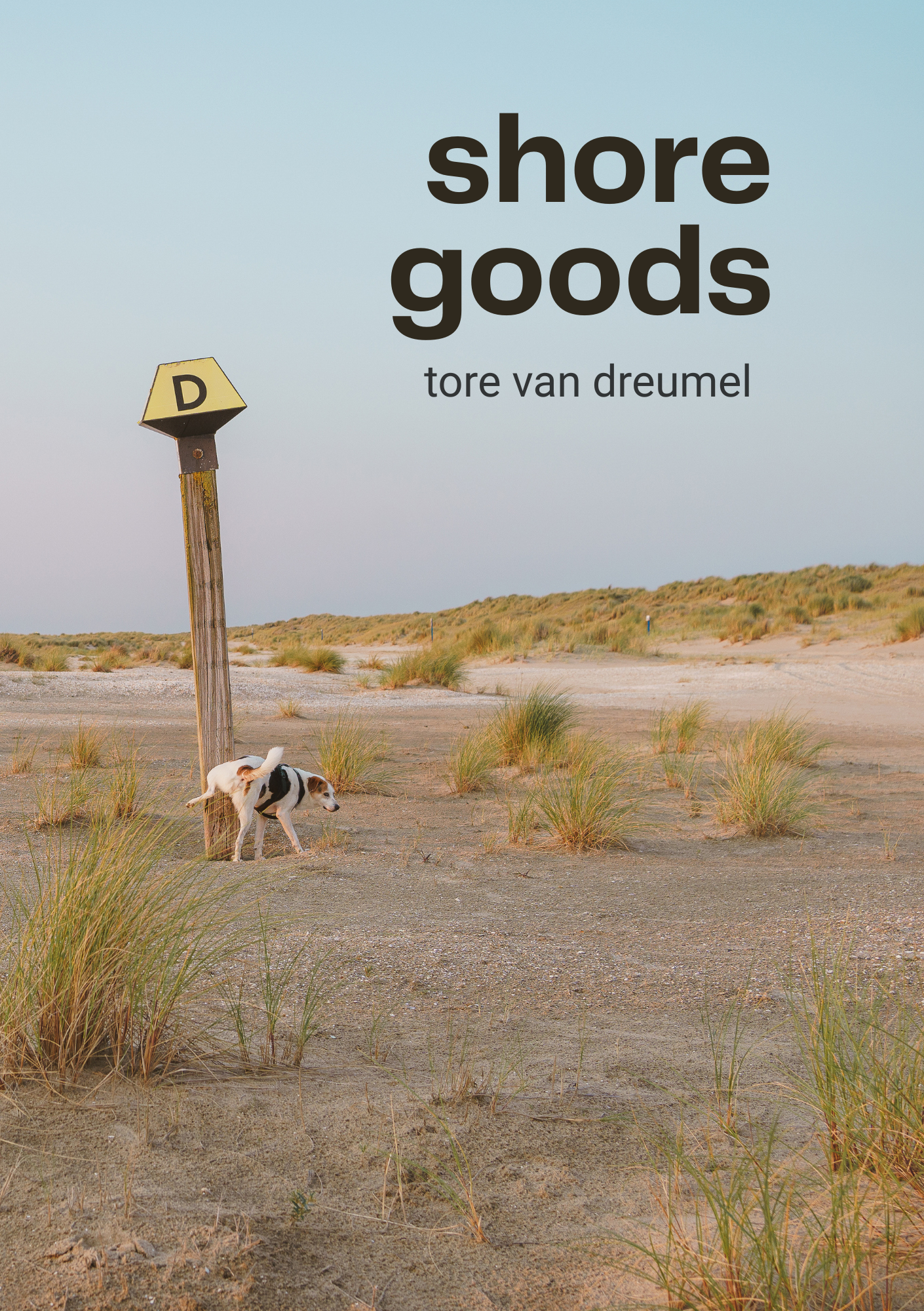

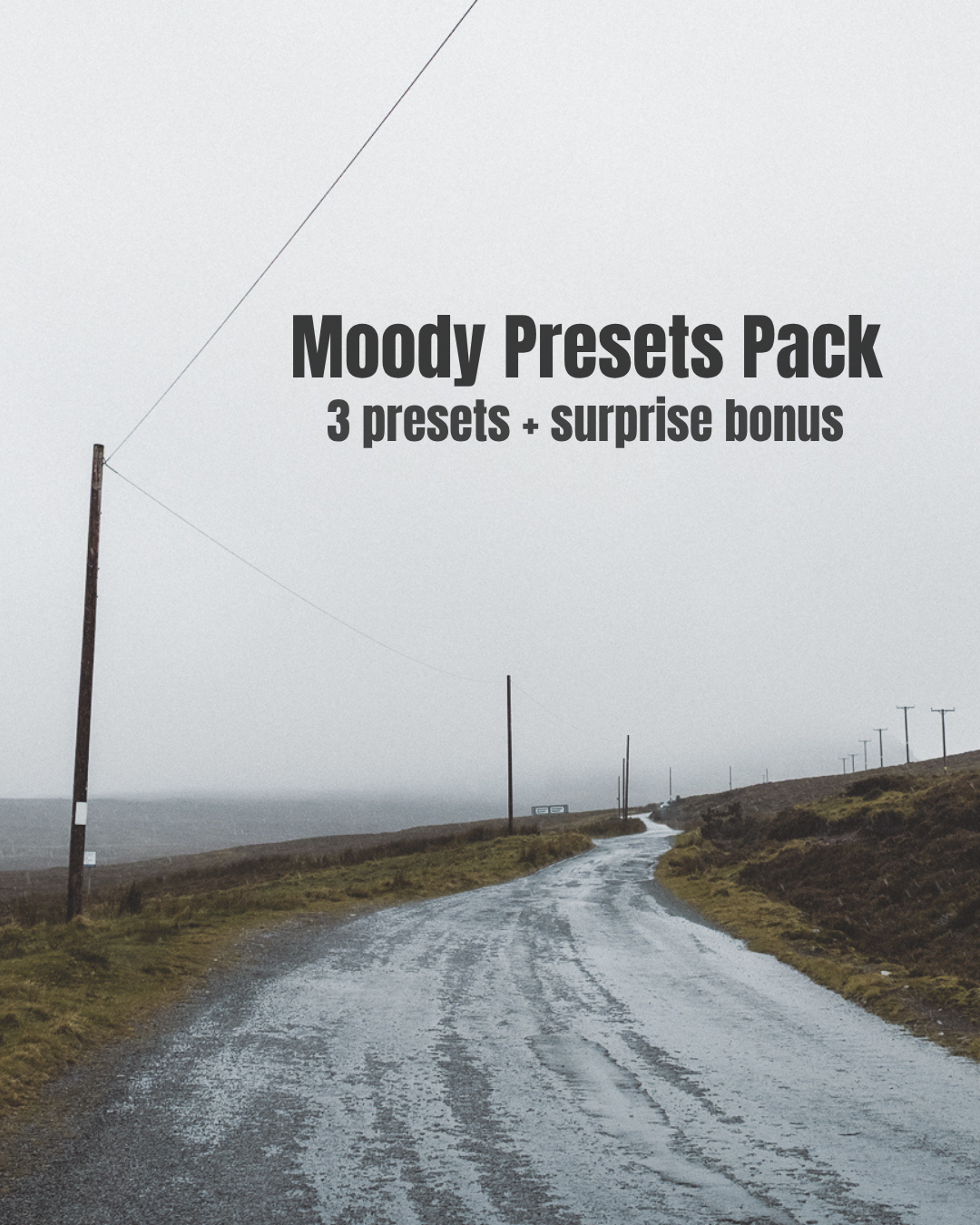
For Grainy Textures, Nostalgic Vibes, Moody Tones, Timeless Black & White, and Better Everyday Photos.
Give your photos character, atmosphere, and a touch of analog feeling with this carefully curated ultimate Preset Bundle.
Combining 12 versatile presets with 4 practical editing tools, this bundle is designed to help you create a consistent look while giving you plenty of room to experiment.
Perfect for:
film-inspired photography
moody and atmospheric images
timeless black & white photos
everyday photography & personal projects
portraits, street, travel & documentary work
creating a more consistent visual style
What’s Inside:
12 Lightroom presets (5 x grainy, 3 x moody, 2 x b&w, 2 x vintage)
4 practical editing tools
step-by-step instruction included
Works on Lightroom Desktop (paid version) & Mobile (free app).
Includes both .XMP and .DNG files for easy installation.
Plug & Play Simplicity
Whether you're new to editing or a seasoned creative, these presets are effortless to use. No technical know-how required — just one click, and your photo gets that soft, film-inspired glow.
Want to make it your own? These presets are a beautiful starting point to fine-tune color, grain, and mood.
Happy with the vibe? Leave it as is - they also work as a perfect final edit.
Why You Will Love Them:
nostalgic and cinematic, without being overly dramatic
adds warmth, depth, and timeless color grading
moody, cinematic tones in seconds
elevate your IG feed, travel blog, or portfolio
consistent aesthetic across all your photos
works with both RAW and JPEG files
Pro Tips:
adjust exposure and temperature depending on lighting
increase or decrease grain to suit your personal style
works beautifully with backlit photos, blue hour, and even cloudy light
Instant Download – Lifetime Use
Once you purchase, you’ll receive an instant download link with everything you need to start editing today.
Please note that since it is a digital product, purchases are non-refundable. However, if you experience any issues, feel free to get in touch - I’m always happy to review situations individually and help where I can.
By buying my presets you support this blog enormously. Thank you.