If you've landed here by accident, you might think that reviewing a camera released back in 2018 is a little late and makes absolutely no sense.
But if you know me a little, you'll know that I'm not chasing the latest and greatest. When buying camera gear, I have just two basic questions: will it meet my needs, and will I actually use it regularly?
That's exactly what I had in mind when I decided to buy the Fujifilm X-T3.
After several months of using the X-T3, it's time to answer some basic questions: Did my expectations turn out to be right? Was I disappointed? Did the camera do the job I bought it for? Am I happy with the photos I get from it? Do I enjoy using it? And perhaps one of the most important questions: is the Fujifilm X-T3 still worth buying in 2026?
The camera has already travelled with me to a few places, including far North, and made its way along a good part of the Dutch coastline. I also use it regularly for video, so I think it's a good time to share some thoughts.
Just to be clear, this isn't going to be a deep dive into technical details. It's more a collection of impressions and observations based on my own experience.
Why I Bought the Fujifilm X-T3: A Second Camera
I bought the X-T3 for a few reasons.
First, I was heading to Svalbard and, considering how remote a trip like that is and how unlikely I am to repeat it anytime soon, I couldn't really afford to go without a backup camera.
I also wanted that backup to have full weather sealing.
Second, I had started making videos and needed a camera specifically for that purpose. My Fujifilm X100V could theoretically have done the job, but I was starting to appreciate the flexibility of interchangeable lenses.
Of course, I couldn't have known all this when I sold my full-frame Sony A7III sometime at the beginning of the year.
Why I Chose the Fujifilm X-T3
What I did know was that I value small cameras that are comfortable to use. So when I started looking for a backup/video camera, going back to full frame wasn't even something I considered.
Besides, Fujifilm has had a special place in my heart for a while now. After two years with the X100V, I knew that, as someone somewhere between an amateur/hobbyist and a professional photographer, I wouldn't be disappointed.
In the meantime, I had a little affair with the XE-4, but we didn’t make it to the long-lasting relationship.
Video was a big part of the problem. I completely missed the fact that the XE-4 gets overheats when recording video, making it difficult to record clips longer than a few minutes at best. With my YouTube channel, that turned out to be a dealbreaker.
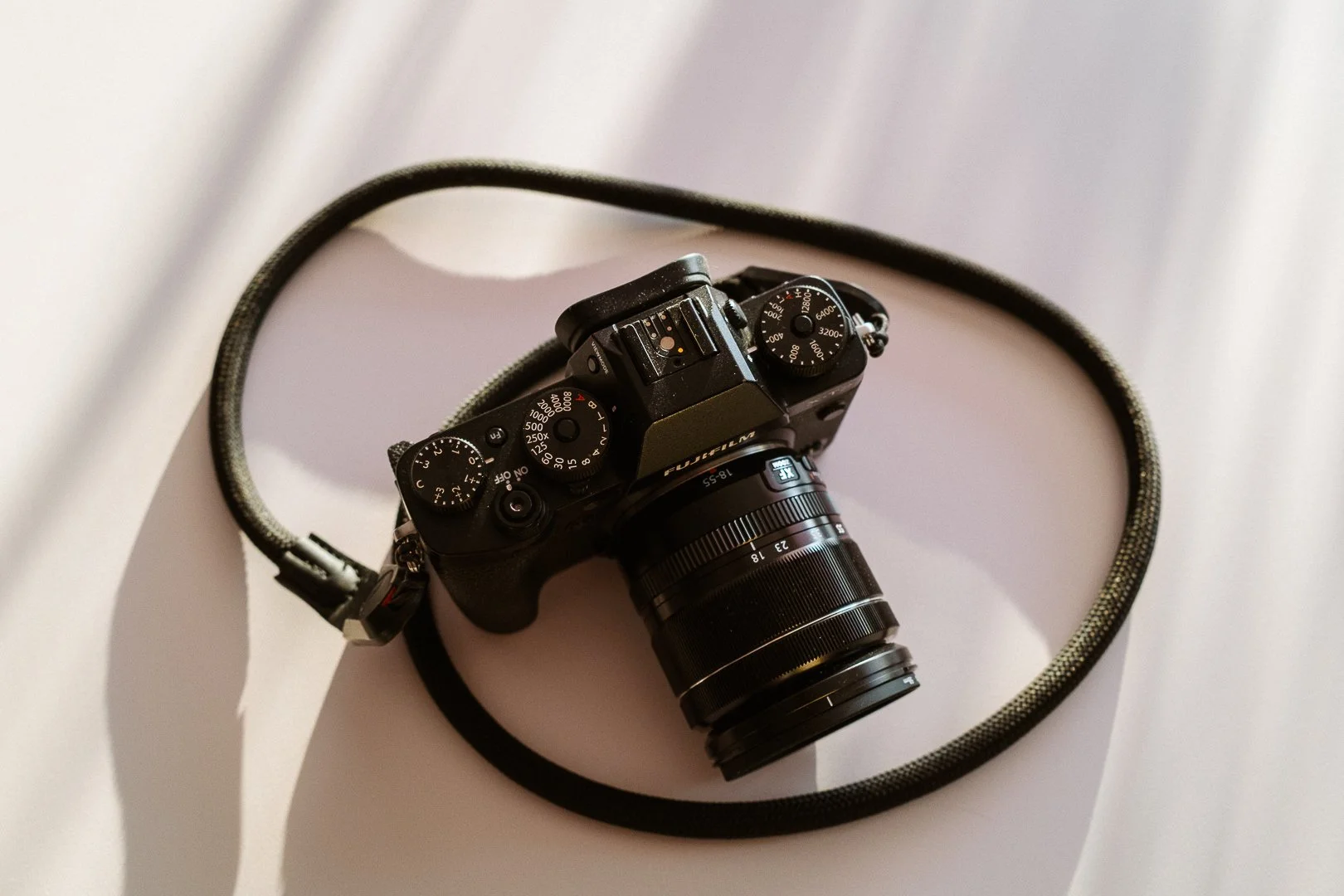
Fujifilm X-T3: Design and Handling
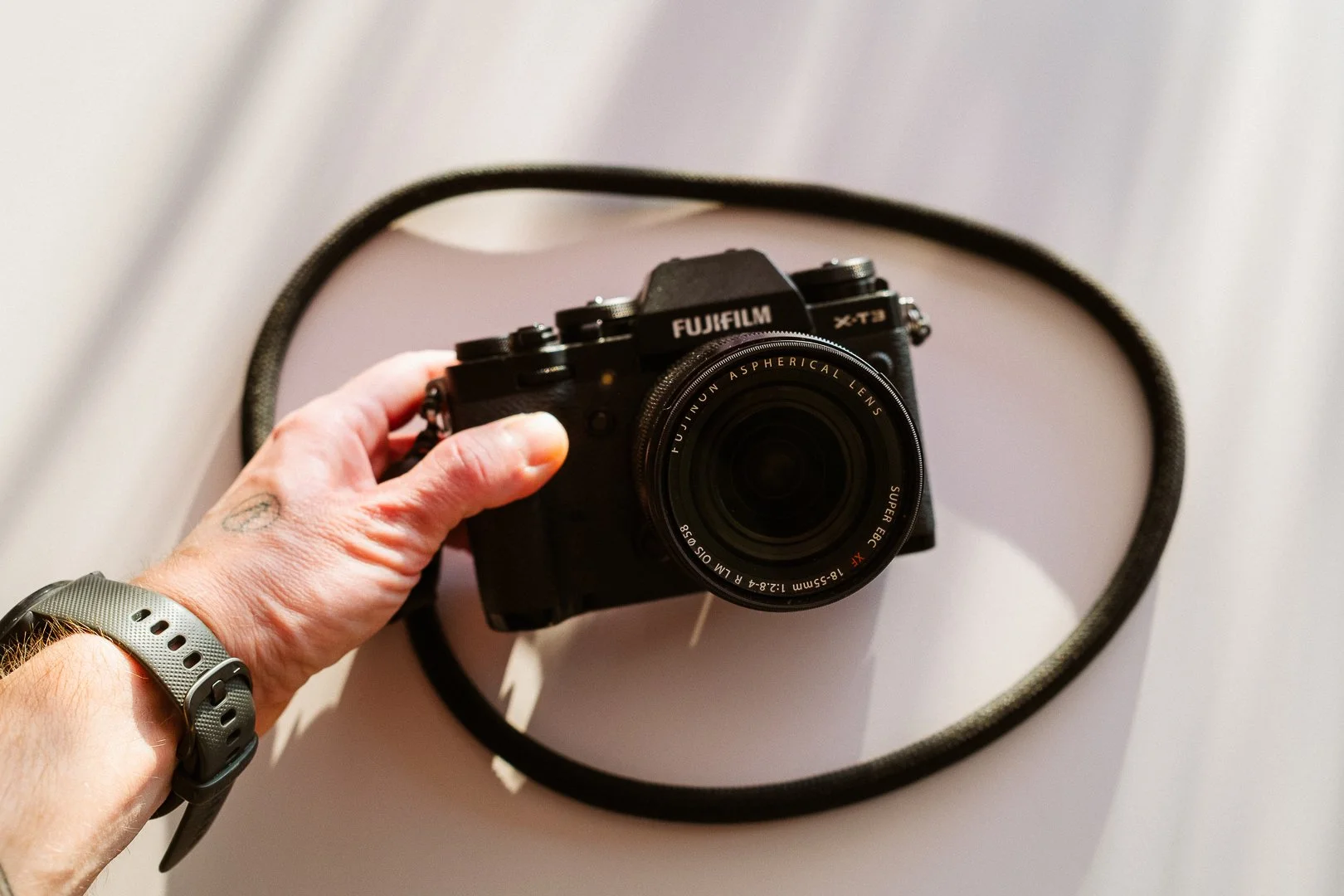
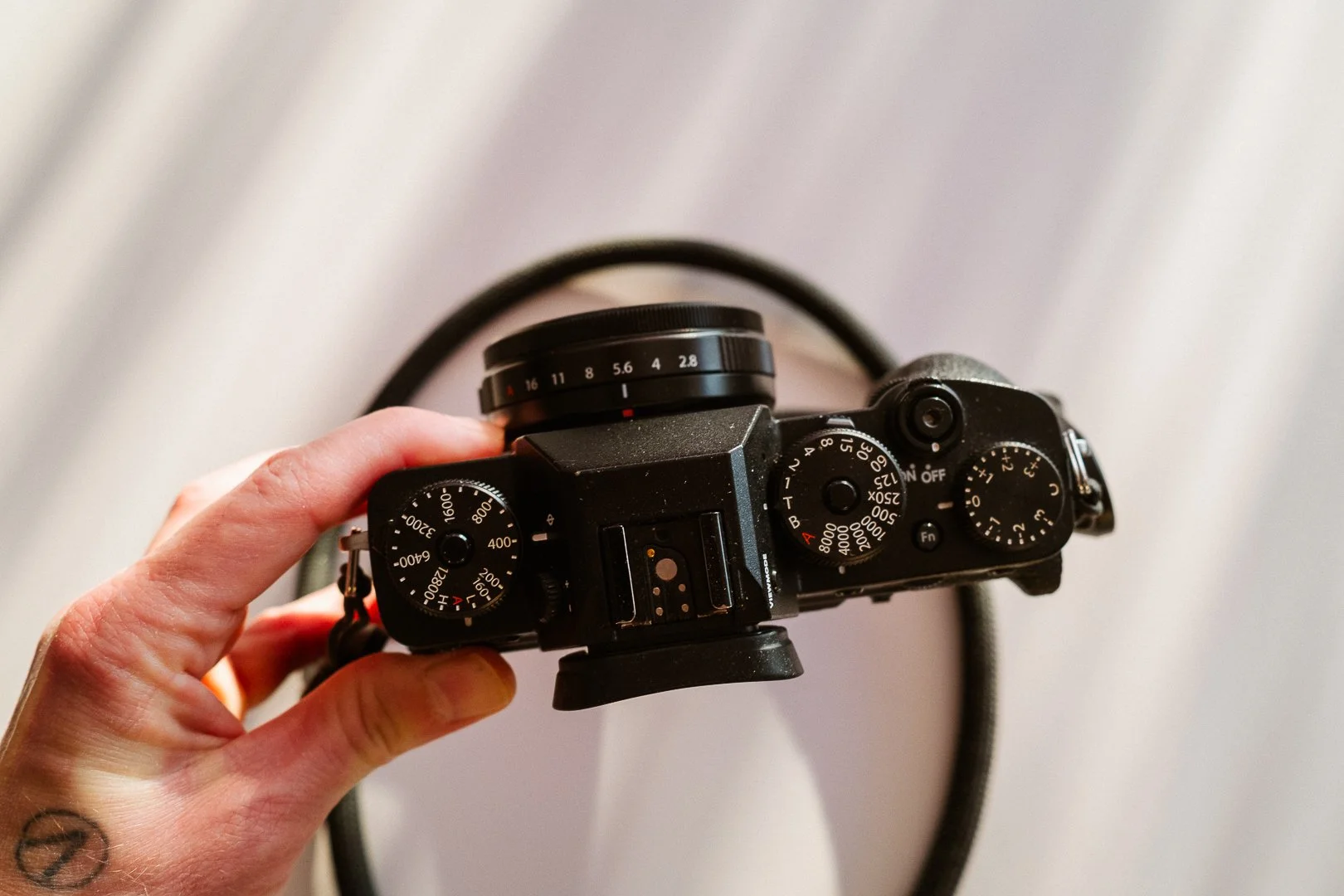
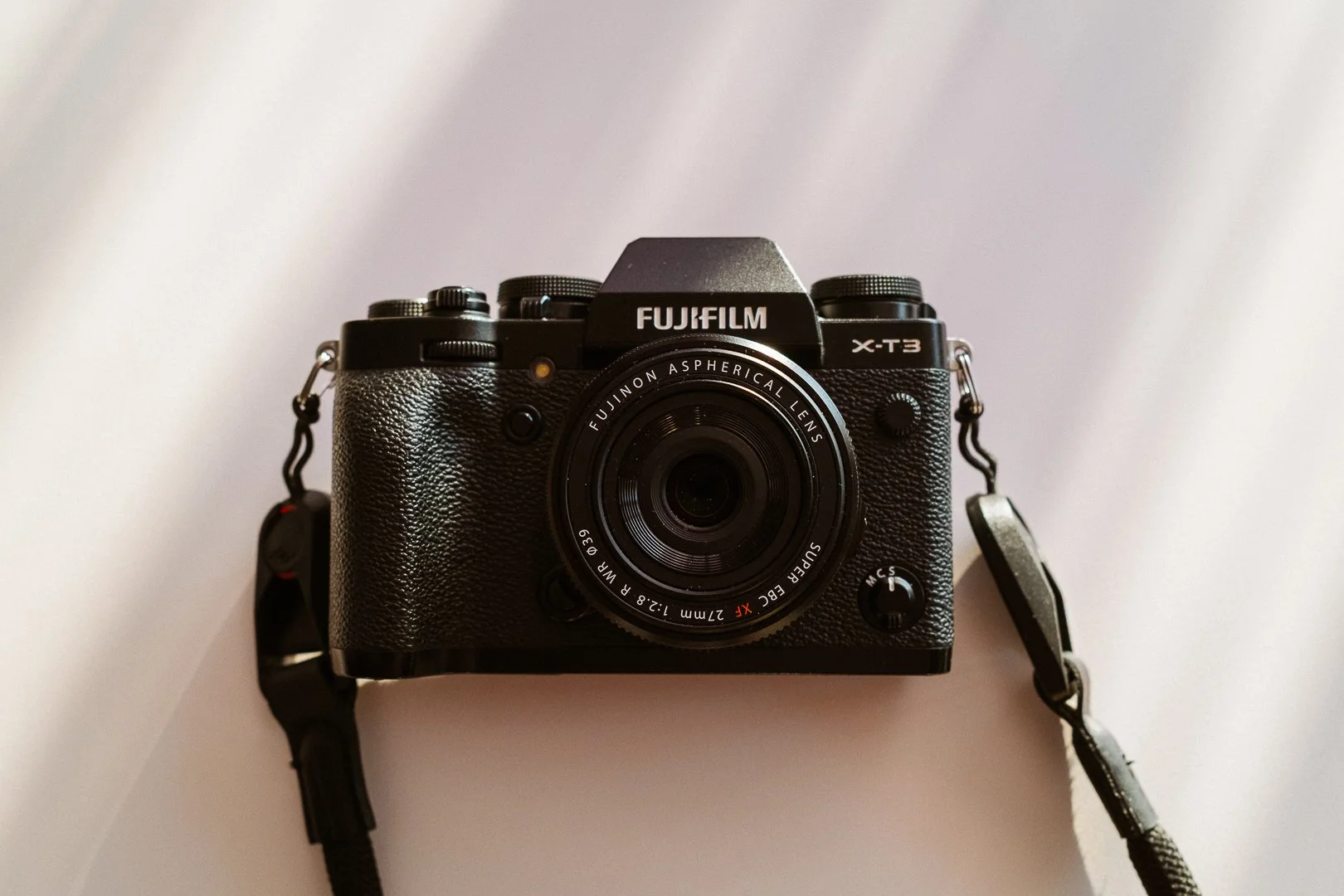
I love my X100V for its vintage looks and the fact that the most important settings are easily accessible through the physical dials on the body. The X-T3, like the other cameras in the X-T series, won me over for exactly the same reasons.
ISO and shutter speed dials on the camera body, combined with aperture ring on most of the Fujifilm lenses, create a nice, almost analogue shooting experience.
For me, this is much more important than, for example, the number of custom buttons. Especially since my approach to photography is pretty straightforward – aperture priority for the win.
The body feels solid and robust. I wouldn't say the same about the XE-4, for example. At the same time, the X-T3 feels great in the hand (especially if you have small hands like me), which is another thing I can't really say about the XE-4, mainly because it lacks a proper grip.
Another small but important detail for me, partly out of habit, is the position of the autofocus joystick. It's very similar to the one on the X100V, so my thumb doesn't have to go looking for it.
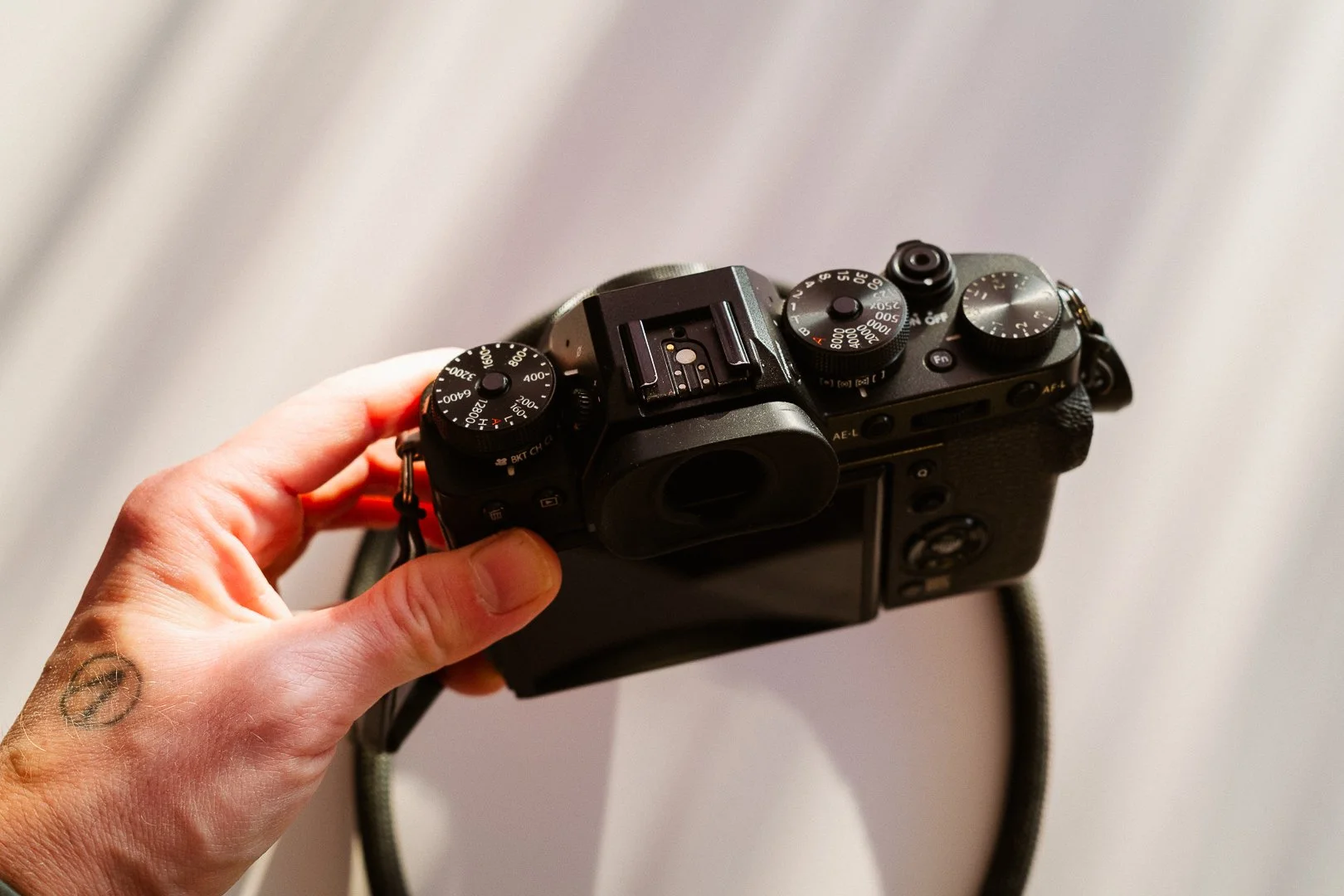
Fujifilm X-T3 vs x100V: Image Quality
Sharpness, colours, film simulations – it's all pretty much the same. Both the X-T3 and X100V use the same sensor and processor. So, theoretically, image quality should be very similar, with the small difference that interchangeable lenses on the X-T3 can have a little impact on the final image.
I haven't analysed photos in laboratory conditions, and any minor differences in colour or sharpness are completely unnoticeable to me. I'm very happy with both cameras.
I don't really use film simulations, but I absolutely understand that for some people this feature alone is a reason to buy a Fujifilm camera.
I also don't miss having in-body image stabilisation. I usually shoot in good light, rarely push ISO beyond 1600–3200 (noise is still perfectly acceptable at those values), and can generally choose shutter speeds that mean I don't need additional stabilisation.
Fujifilm X-T3 Autofocus: Is It Any Good?
You can read quite a bit about Fujifilm's autofocus and face detection issues here and there, so I knew what I was getting into.
Given the nature of my photography (I rarely photograph people), autofocus was a secondary consideration when buying the X-T3 as well. And so far, it hasn't let me down badly enough to make me rule it out for portrait photography either.
It's definitely not as good as the one in my Sony A7III, but it's still perfectly acceptable.
Fujifilm X-T3: What I Don't Like
I've managed to spot a few downsides, none of which required a particularly deep investigation:
battery – it has the same capacity as the one in my X100V. While I wouldn't mind a bigger, more efficient battery, the current one works fine for me. I have just one type of battery in my drawer (and one charger), so I don't have to think about which ones to take with me when I head out to shoot.
screen – this was almost the deciding factor that made me choose the X-T4 instead. Unfortunately, the X-T3's screen doesn't fully articulate. For photography, this doesn't really matter to me (I mostly shoot at eye level and in landscape orientation), but for video, a screen that flips out to the front would definitely be useful. In the end, I decided to rely on the native app to control the camera (and the framing) when recording video.
the app – connecting my phone to the camera is completely straightforward. However, while editing one of my YouTube videos, I discovered that there's some kind of delay in the process. At least a second, if not more, passes between pressing the record button on my phone and the camera actually starting to record. I had no idea about this, and as a result, some of my footage was pretty much useless.
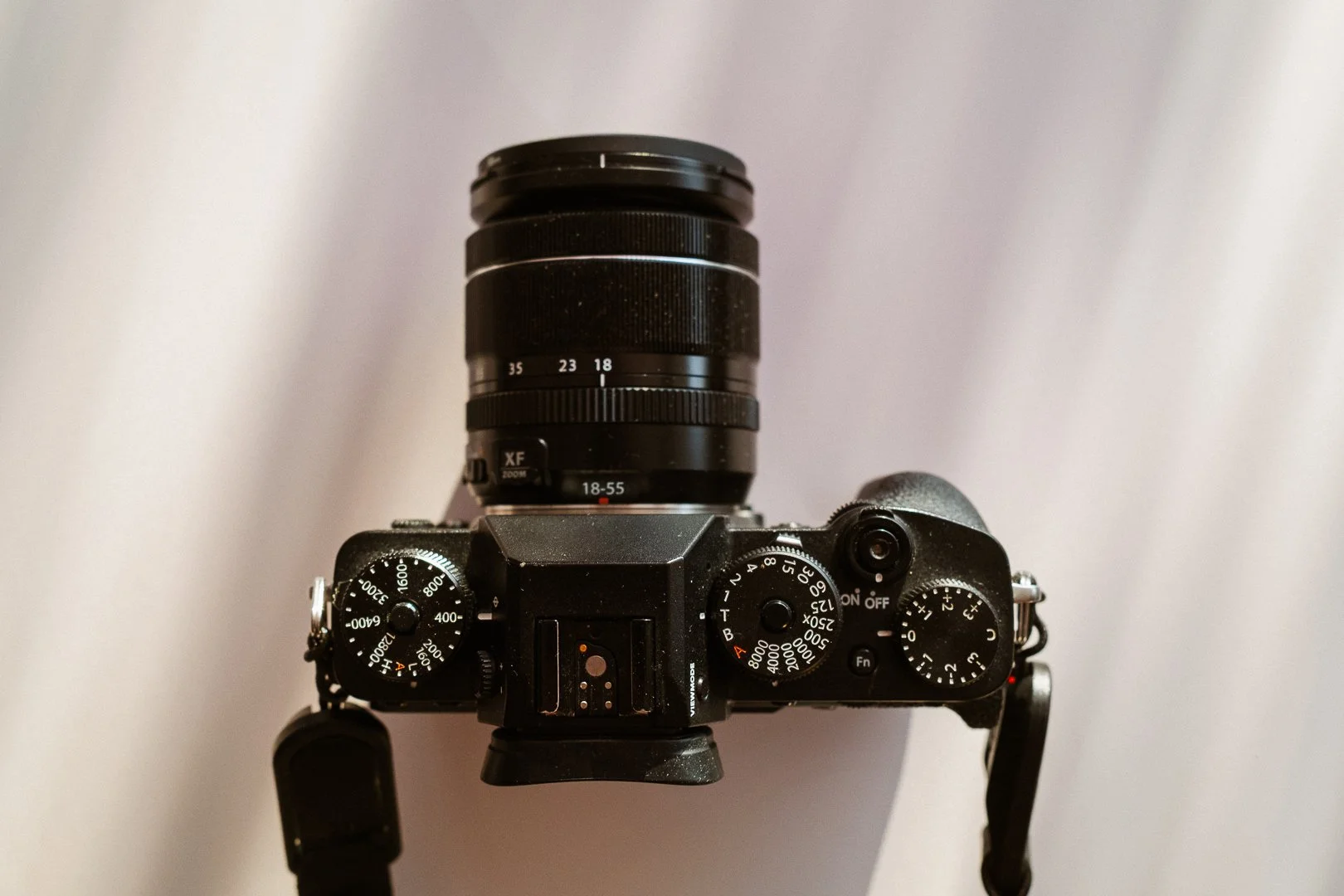
Is the Fujifilm X-T3 Still Worth Buying in 2026? Final Thoughts
I'm sure this isn't a completely objective review. I have such a soft spot for Fujifilm that it's probably hard for me to acknowledge its red flags, even if there are any.
If you've been reading my work for a while, you'll know that technical specifications matter less to me than the actual experience of using a camera. And when it comes to the X-T3, that experience is definitely a good one.
I also think I can confidently say that, despite the years that have passed since its release, this camera still gets the job done.
I've already taken some of my favourite photos of the year with it (you’ll find sample images underneath this post), and that's probably the best argument I can make.
And if anything, let this be another reminder that you really don't need the latest gear to enjoy taking photographs.
If you're thinking about buying a camera and you're not a hardcore professional, don't let the marketing people fool you. We have reached a point where a second-hand camera that is a few years old offers a level of technical performance that a decade or two ago, professional photographers could only have dreamed of.
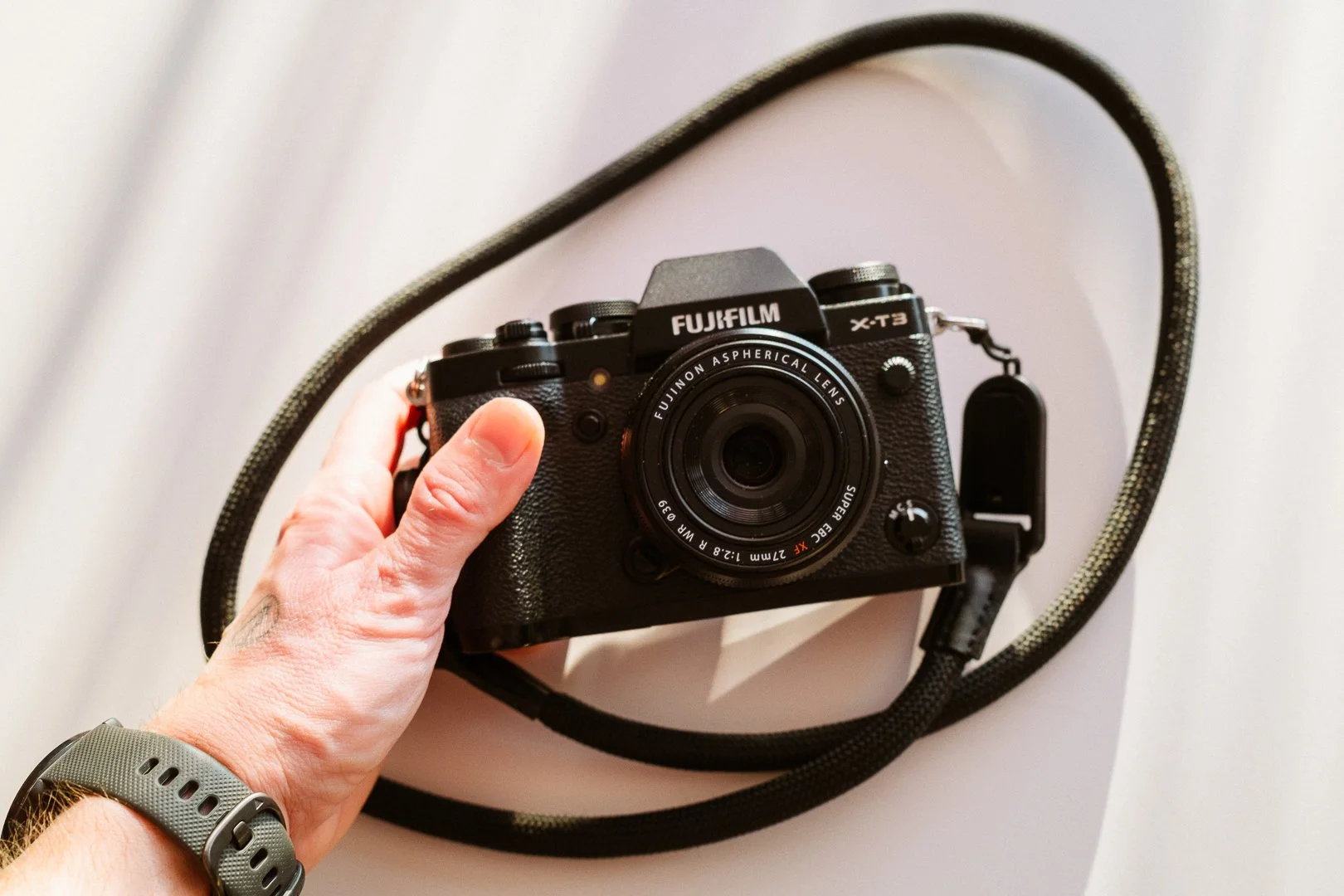
Fujifilm X-T3: FAQ
Is the Fujifilm X-T3 still worth buying in 2026?
Yes. If you don't need the latest autofocus technology, in-body image stabilisation or the newest video features, the X-T3 is still a very capable camera. It offers excellent image quality, a solid body and a comfortable shooting experience.
Is the Fujifilm X-T3 good for beginners?
Absolutely. Its physical dials make it a good camera for learning photography and understanding exposure. It also offers plenty of room to grow as your photography develops.
Does the Fujifilm X-T3 have image stabilisation?
No. The X-T3 doesn't have in-body image stabilisation (IBIS). Some Fujifilm lenses have optical image stabilisation (OIS), but this depends on the lens you use.
Is the Fujifilm X-T3 good for video?
Yes. It can record 4K video at up to 60fps and offers a good range of video features. However, the lack of IBIS and a fully articulating screen are worth considering if video is your main priority.
What is the difference between the Fujifilm X-T3 and X100V?
Both cameras use the same 26.1 MP X-Trans CMOS 4 sensor and X-Processor 4. The main difference is that the X-T3 has interchangeable lenses, while the X100V comes with a fixed 23mm f/2 lens. They also differ in body design, handling and some practical features.