
Finding photography inspiration close to home - everything is photographable
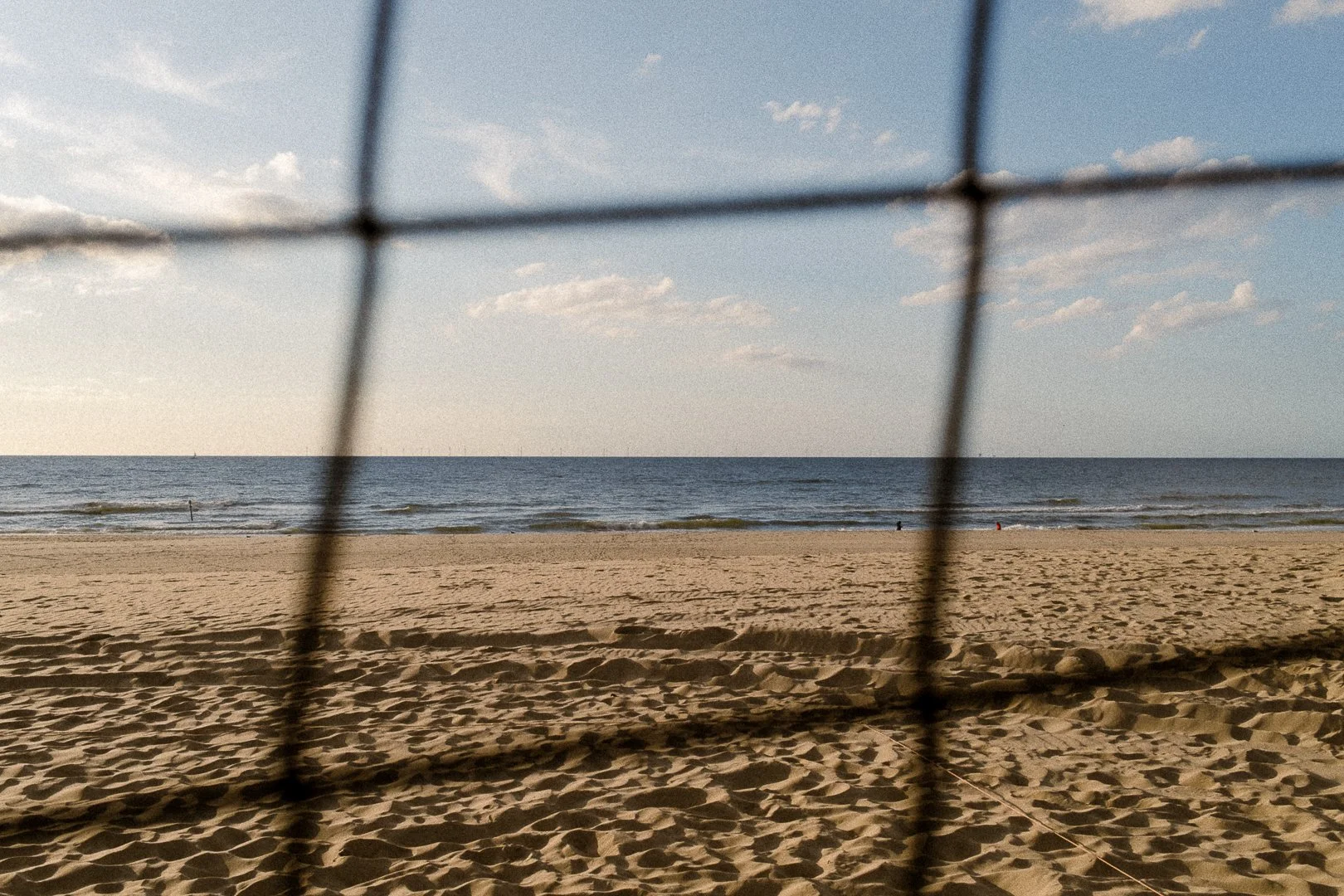
Sometimes I feel it too.
Ever since photography became my greatest passion, I’ve had this recurring urge to visit new places in search of photographic inspiration.
For a long time, I thought better photographs lived somewhere else. Somewhere further, where I hadn’t been yet.
The urge to travel vs. everyday photography
From time to time, I compulsively check the profiles and websites of photographers from the other side of the world. I spend hours “traveling” through Google Maps with my nose pressed to the screen, searching for inspiration, imagining my own photos from all those more or less exotic places.
Often it ends the same way: I check the weather forecast for tomorrow, and if it looks promising, I throw my camera into my bag. The next morning, instead of heading to the office, I go in the opposite direction.
And it’s not the airport.
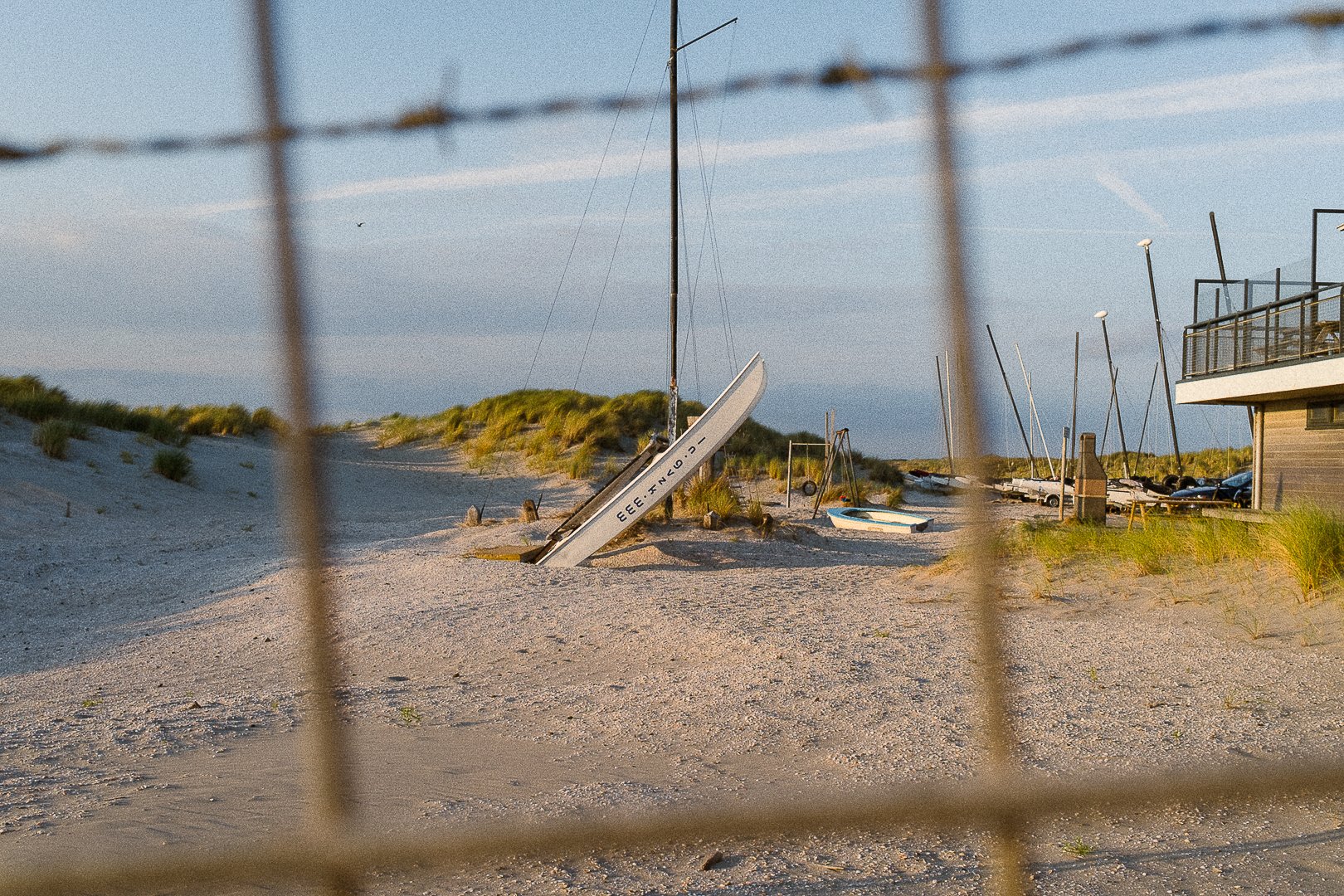
Twenty minutes later, I’m in my favourite place on earth, on the beach.
I arrive at the office around 10:00 a.m. and start my working day with a smile on my face.
Why photography close to home is a form of personal development
“To be happy at home, said Johnson, is the end of all human endeavour. As long as we are thinking only of natural values we must say that the sun looks down on nothing half so good as a household laughing together over a meal, or two friends talking over a pint of beer, or a man alone reading a book that interests him.”
There are many benefits of photographing your surroundings, but from a personal development perspective, one aspect is especially important to me.
Practicing photography in the place where you live is for me simply a way of an everyday reminder of what actually matters.
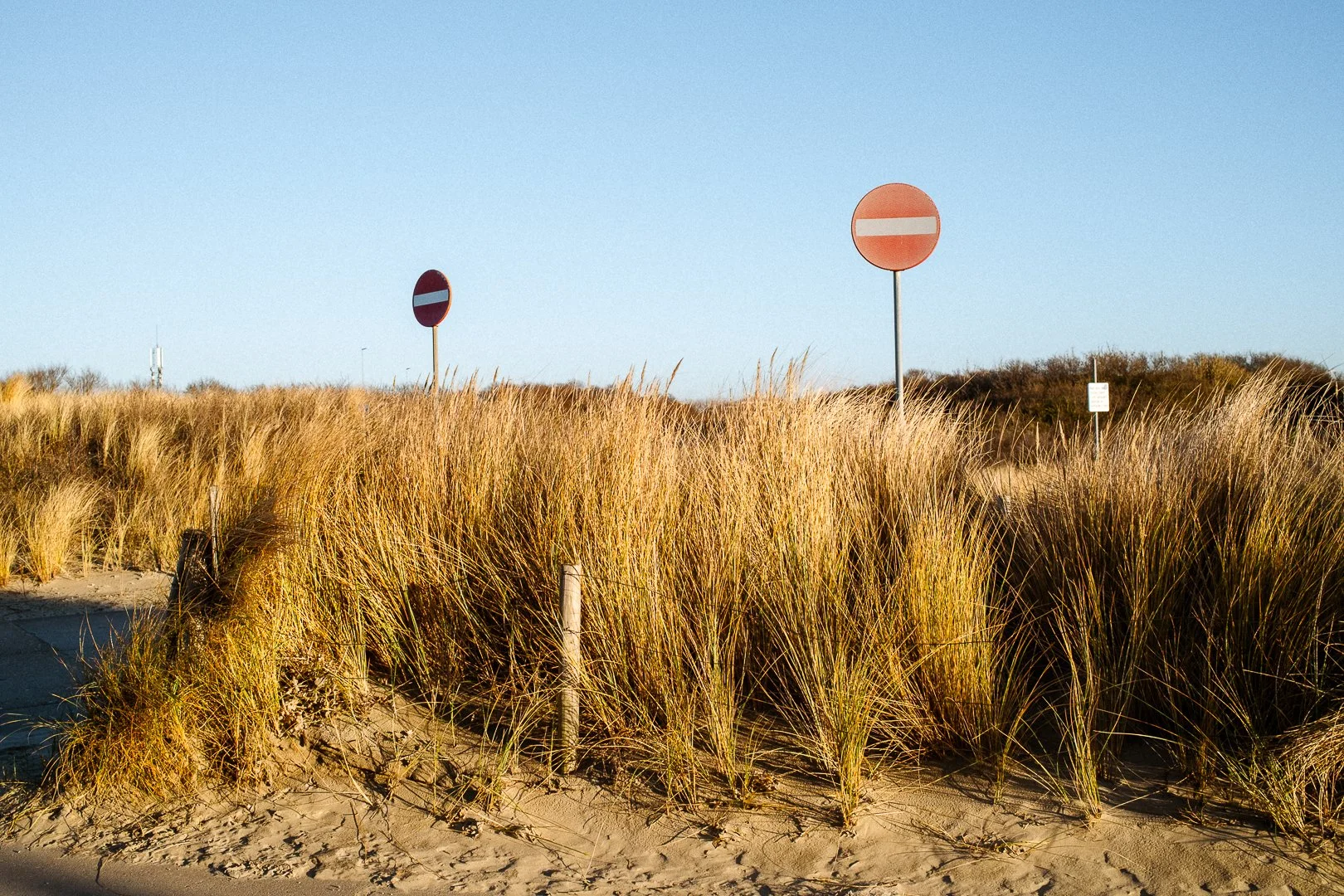
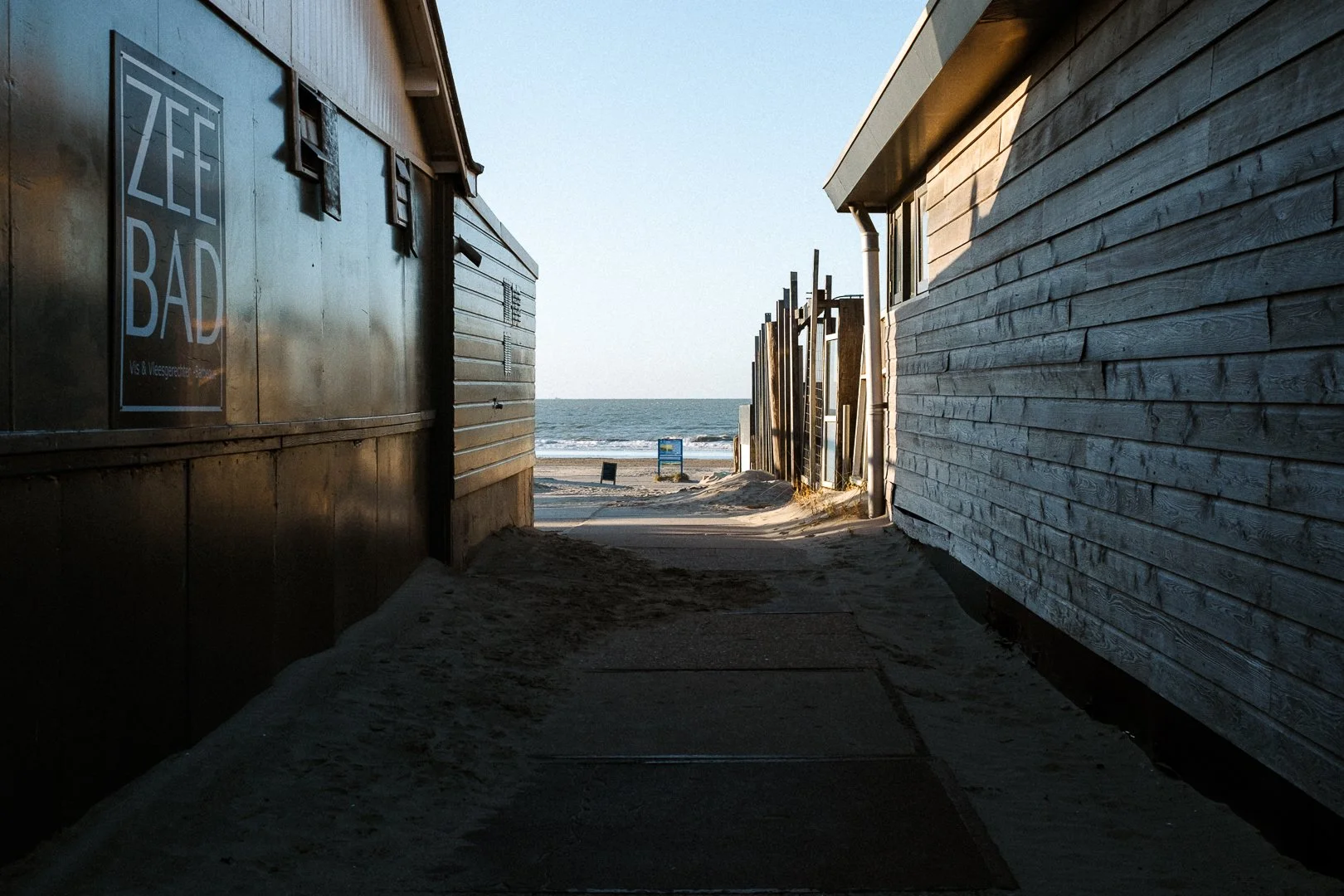
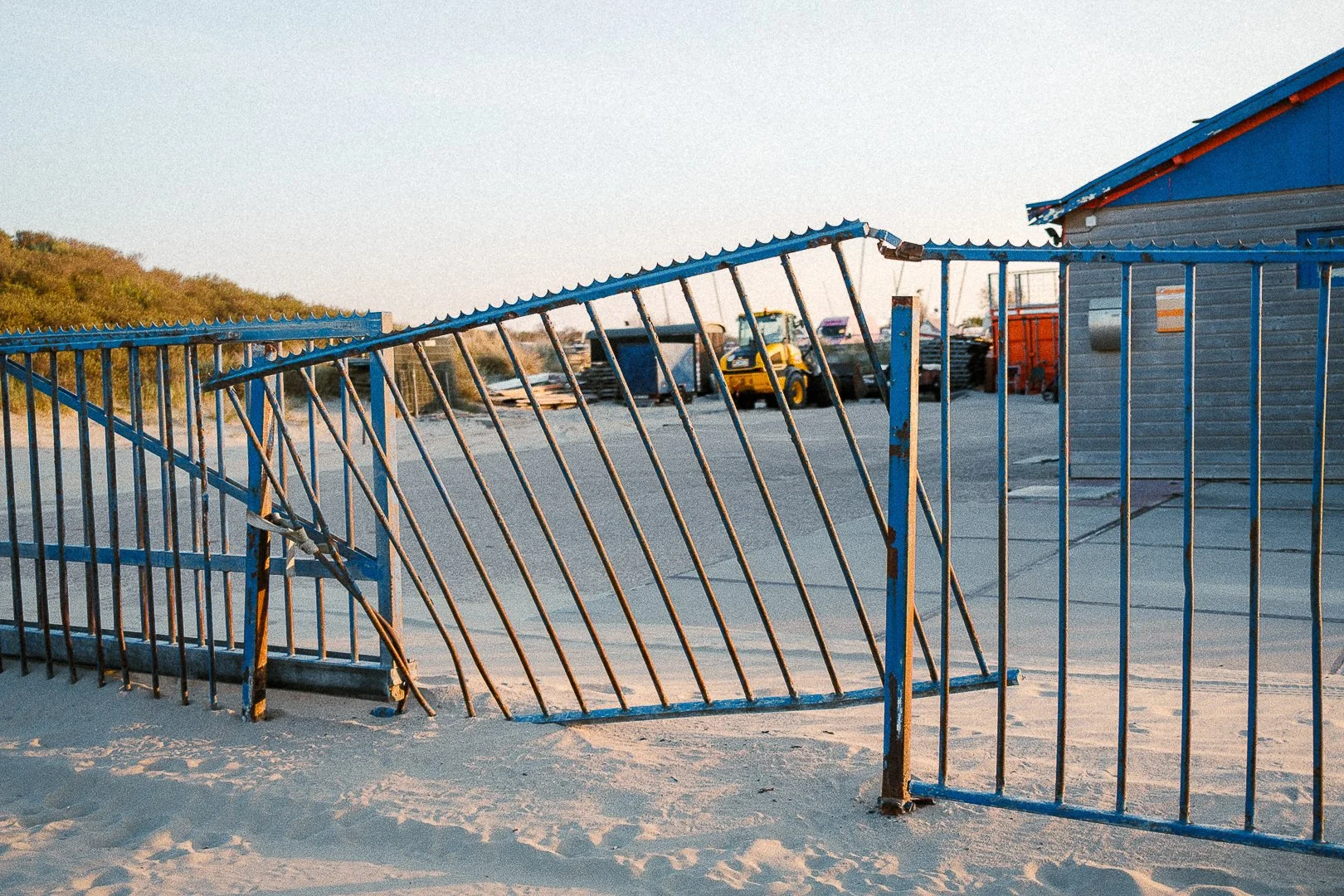
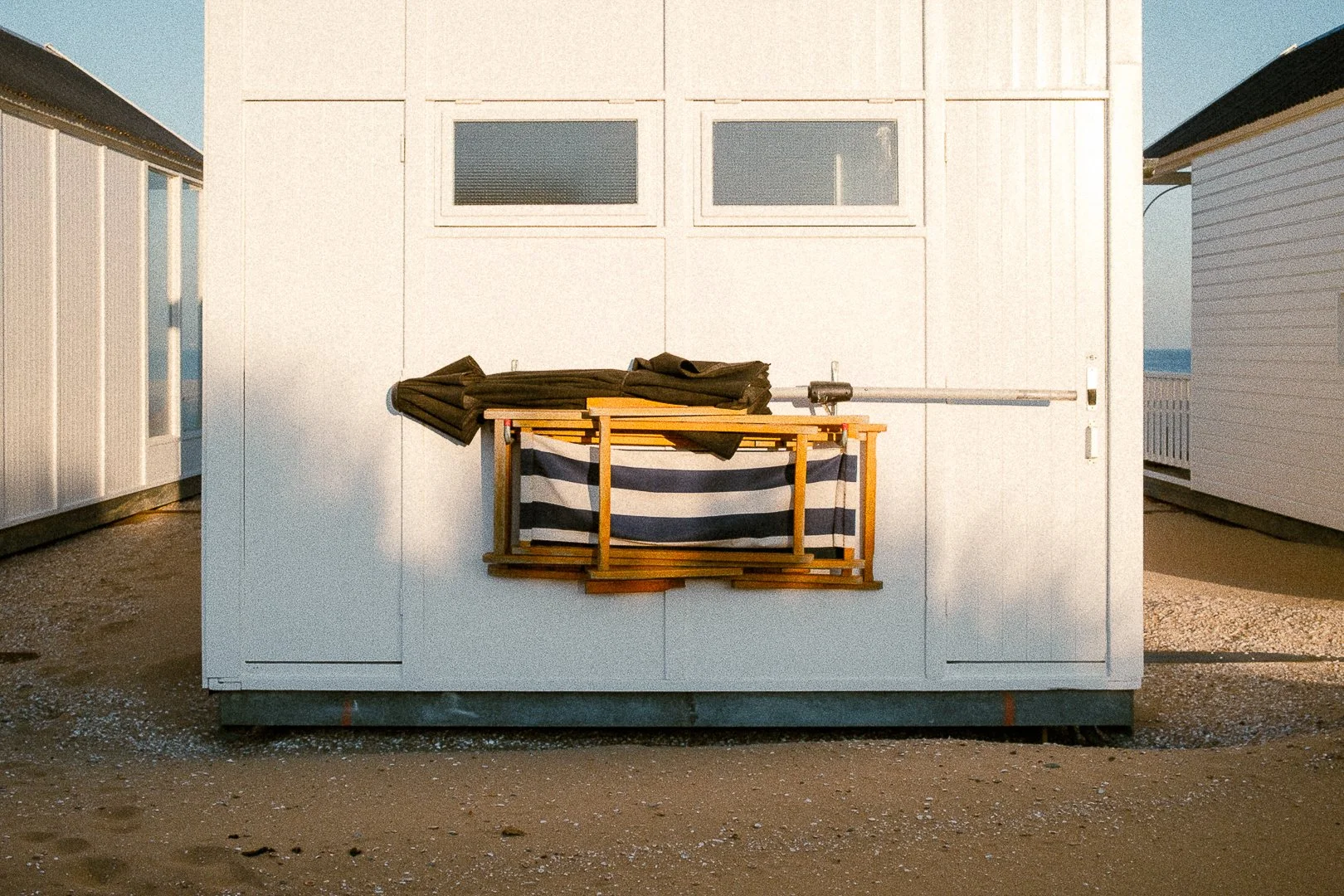
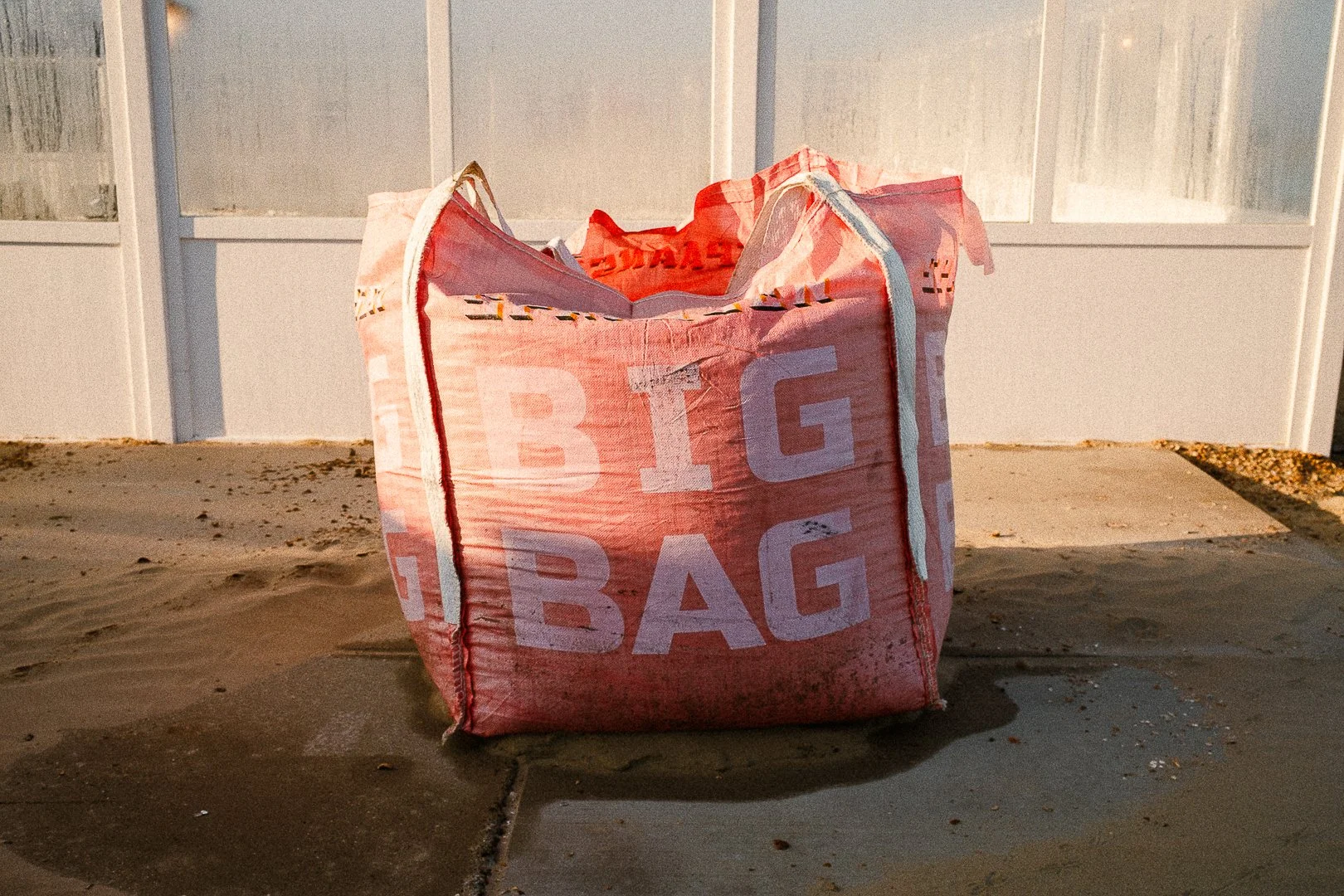
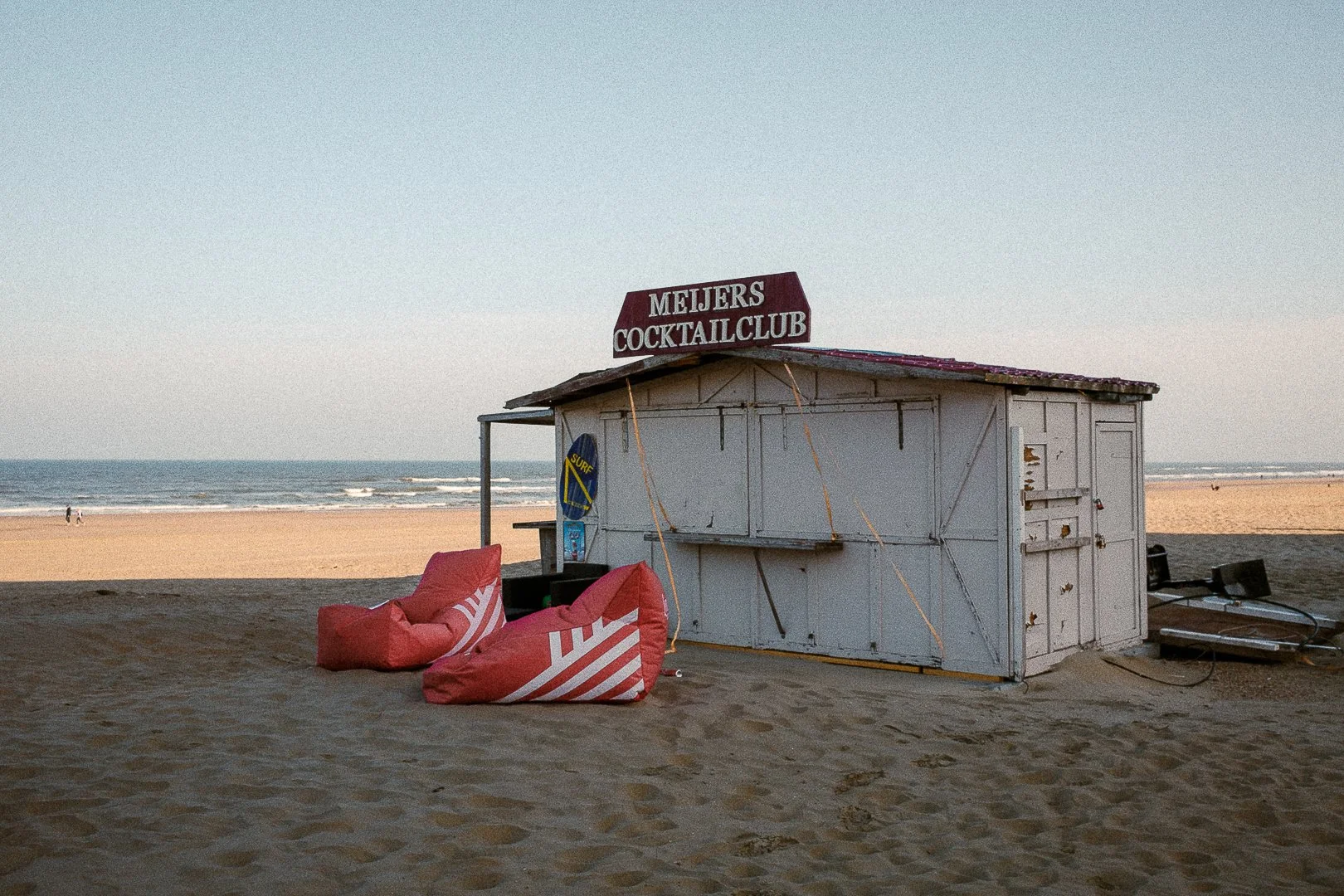
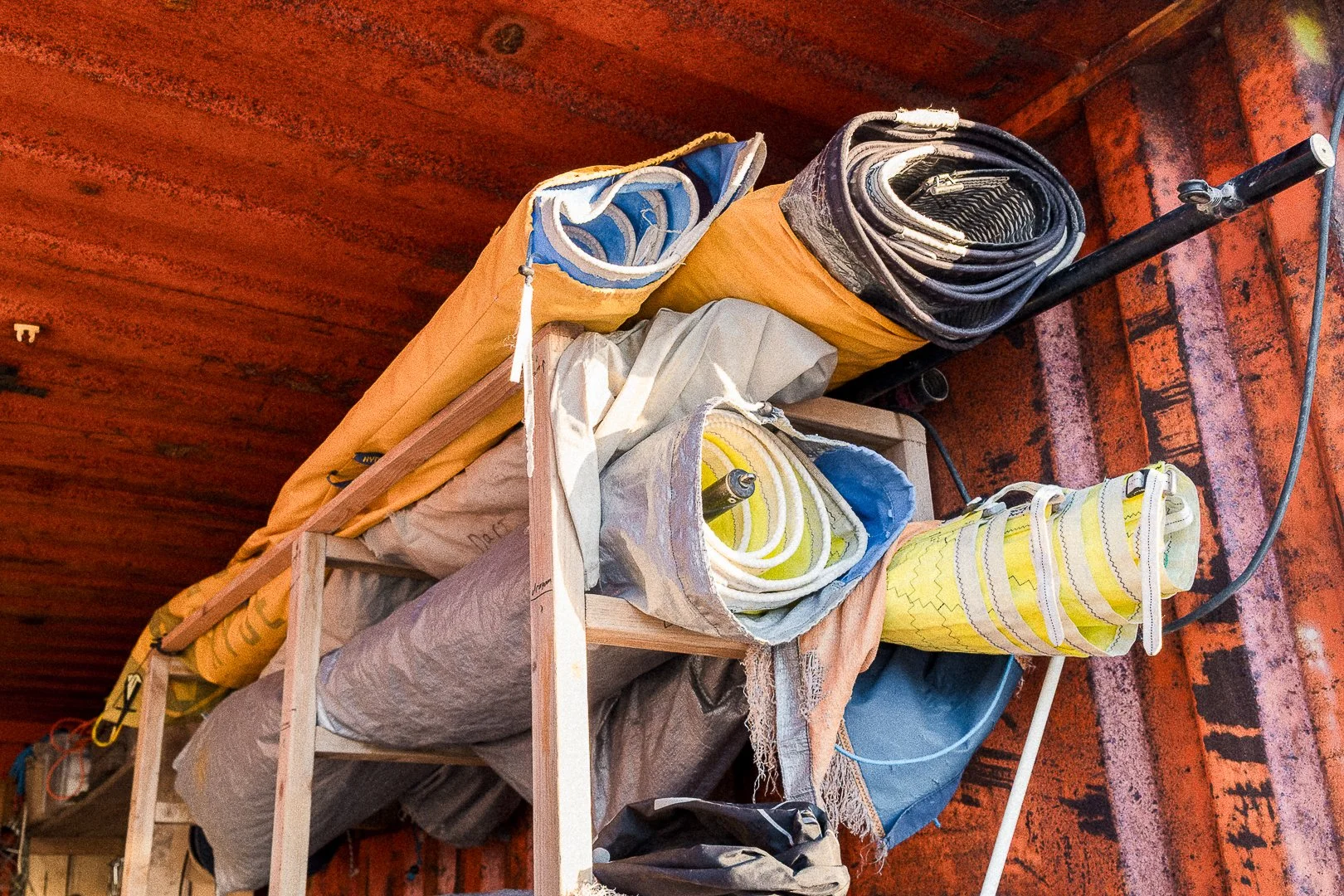
My surroundings are far from exotic. An ordinary parking lot, dunes, a path down to the beach, a few beach huts slowly coming back to life after their winter hibernation. Totally mundane things, I know them inside out.
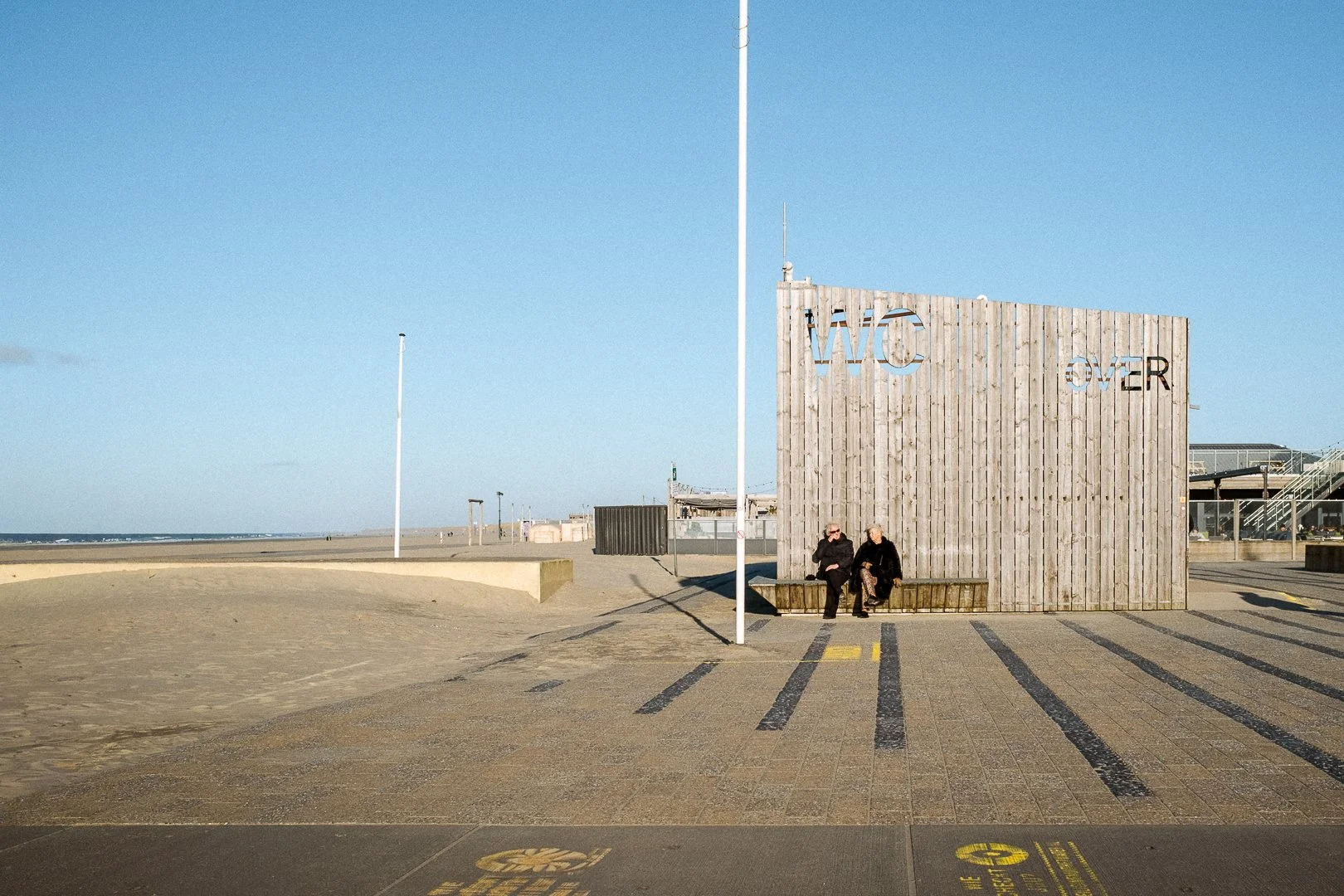
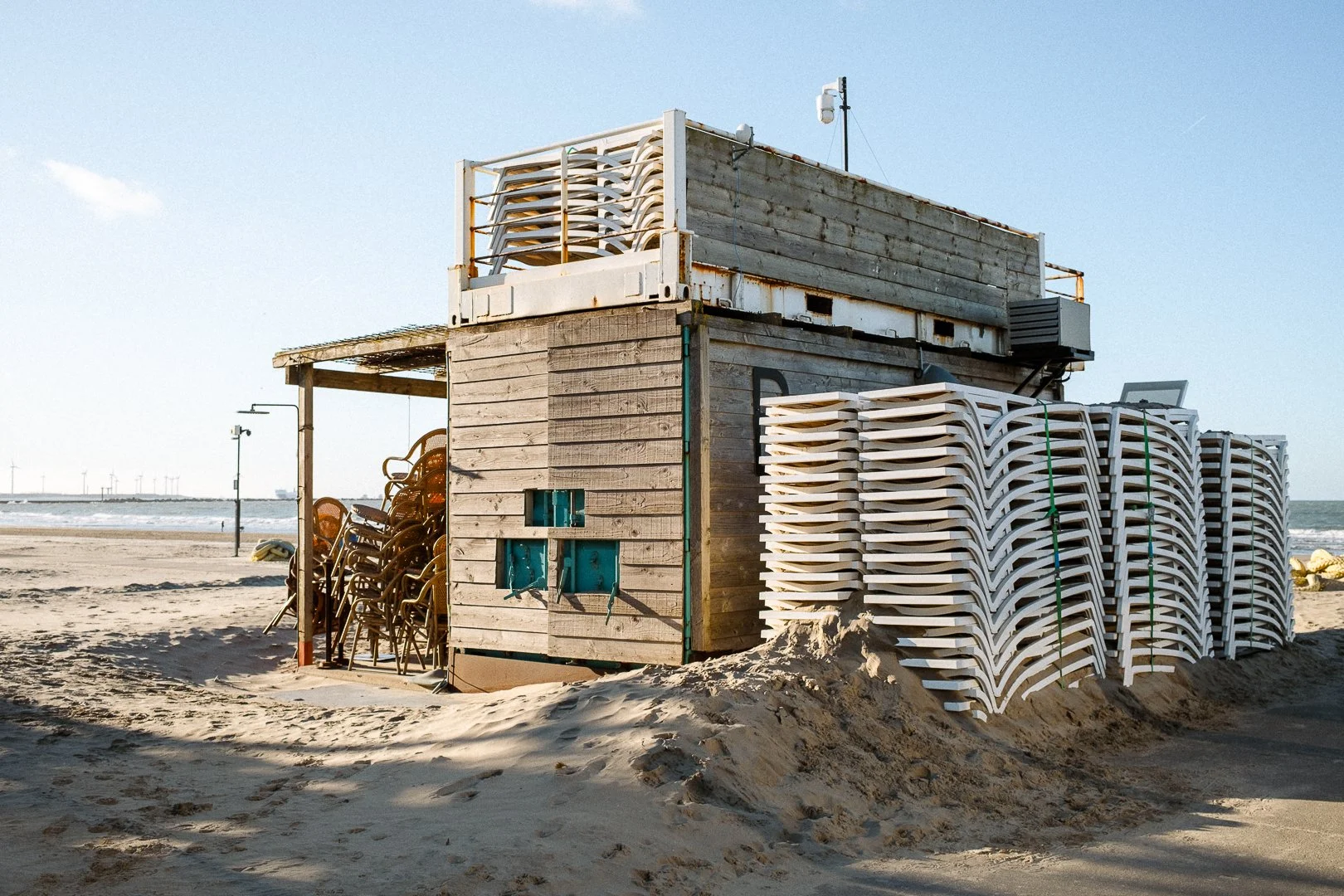
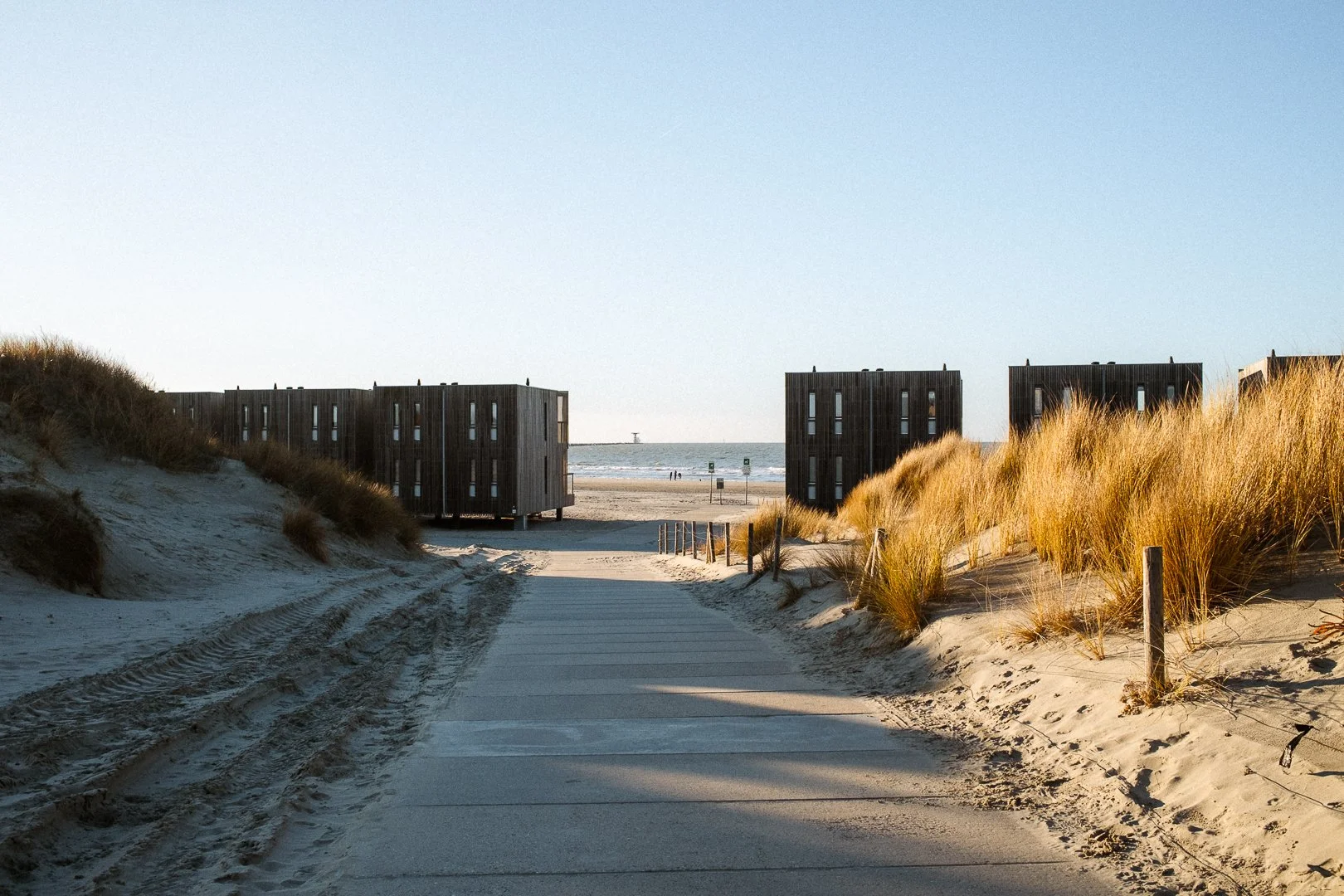
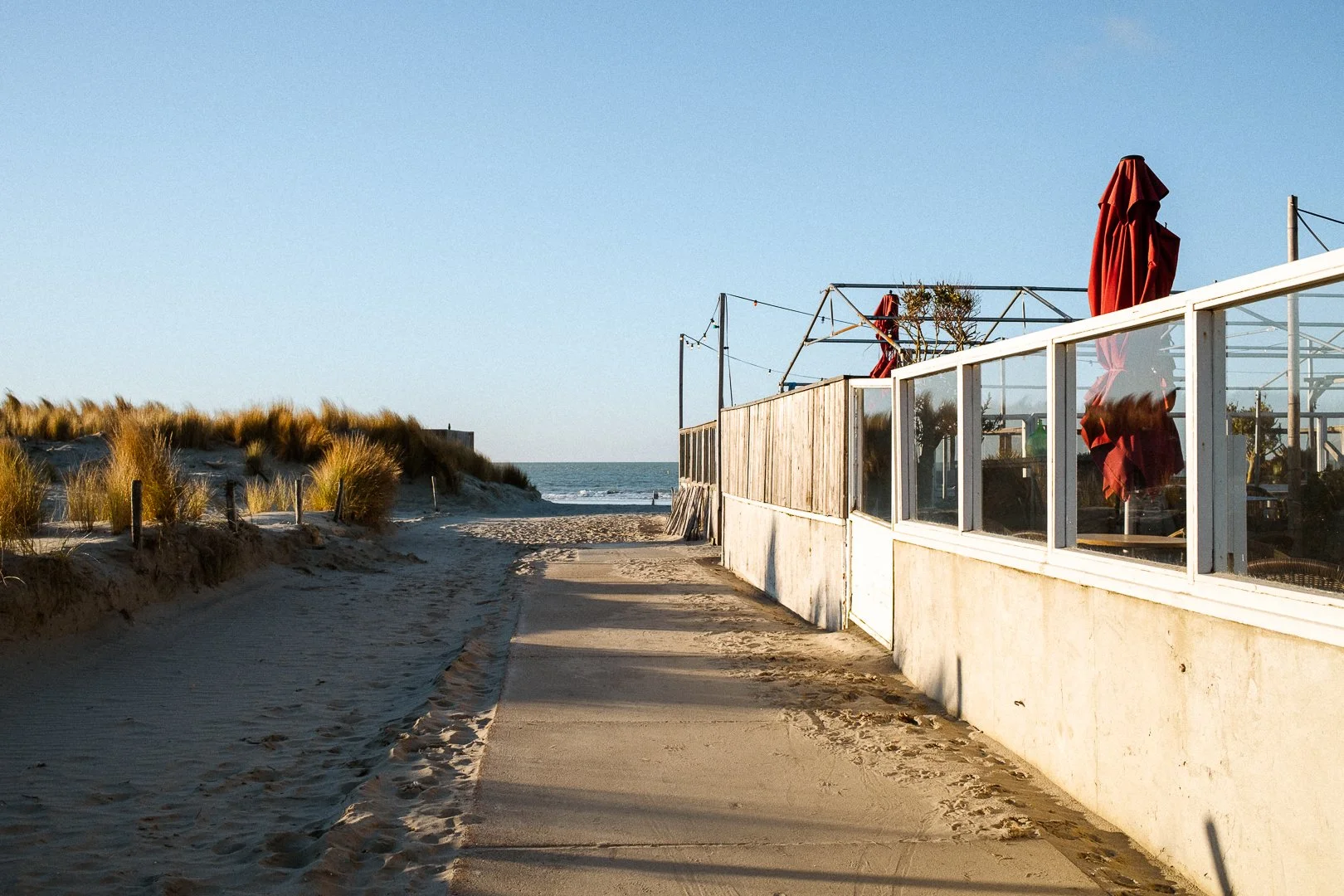
Searching for elements that match my sense of aesthetics - exploring the backs of beach huts that everyone only knows from their front facades, sea containers that in a few weeks will turn into a surfers’ villages, peeking into the windows of beach cafés in a slightly shameless way - brings me immense pleasure in rediscovering the world I (in theory) know so well.
I used to travel to find new places and photograph familiar motifs.
Now, I return to and shoot the same places to search for new motifs within them.
The camera is an excuse to look at a well-known reality from a completely different perspective - to remind myself that, with a bit of curiosity, truly anything can be aesthetic.
Everything can be photographable.
Where do you look for inspiration?
While social media might seem like an easy source of inspiration, it often drains you by fostering unhealthy comparison. There’s a better place, providing a more thoughtful and empowering way to engage with photography.
Photo books.
Scrolling through social media can often feel overwhelming and draining. The endless stream of images, along with the constant pressure to gain likes and validation, can diminish your sense of self-worth.
Instead of inspiring you, it can take your inspiration away, leaving you questioning your own abilities.
Photo books offer a different way to look at photography
There’s an inherent authority associated with book authors. When you pick up a photo book, you know you're engaging with the work of someone considered an expert in their field.
We don’t compare ourselves to experts, we draw knowledge and experience from them.
Without measuring the success of an image by how many likes and comments it gets, you can engage with the artwork on a deeper level.
On social media, on the other hand, mediocre pictures with higher engagement can make you feel worse about your own work, leading to frustration or self-doubt.
Photo books allow you to shift from feeling jealous to learning and growing as a photographer.
Not all photo books are filled with exceptional photographs, and not all authors are renowned experts. But this can work in your favor.
It encourages you to analyse and break down what works or doesn’t work in the image.
Critical thinking and self-improvement
Much like in galleries, you can – and should – be critical when looking at photo books or exhibitions. However, the key difference is that your criticism in this context is constructive.
It helps you engage with the material on a higher level, enabling you to understand the artist's choices.
The critical approach is a tool for improvement, helping you see the work as an opportunity to learn, rather than as something to compare yourself to.
In contrast to social media, where trends constantly shift and evolve, photo books are timeless.
They represent the artist’s work, created over a period of time, unaffected by the pressure to conform to fleeting trends.
Do I really need it? - this is perhaps what you want to ask.
Well, I can guarantee: if you aren’t consuming excellent quality photography, you won’t produce one neither.
Choose wisely your sources and re-use them in your favor.
Travel is inspiring - but it’s not a system to learn photography
Don’t get me wrong - traveling itself is fantastic.
It opens your eyes, broadens your horizons, is a wonderful way to spend time, and one of the best ways to spend money. Going on photo trips is a great way to grow as a photographer, but I don’t see it as the foundation of my practice anymore.
Because unless you’re a professional traveler, it only happens occasionally, and it’s hard to talk about consistent photographic practice if it’s limited solely to trips.
The playground in your backyard is the place where you experience and learn the most. It’s at your fingertips and you can go back to it whenever you want, in any lighting and weather conditions, and devote much more time to exploration.
Over time, I've realized that finding inspiration close to home is about much more than simply discovering new subjects to photograph. It's about building a relationship with a place and learning to appreciate my theoretically boring and ordinary neigborhood.
I explored how photographing your surroundings can shape your visual language and become the foundation for meaningful long-term work in this article.
I’ll say it again: your local surroundings will matter when you give them the meaning.
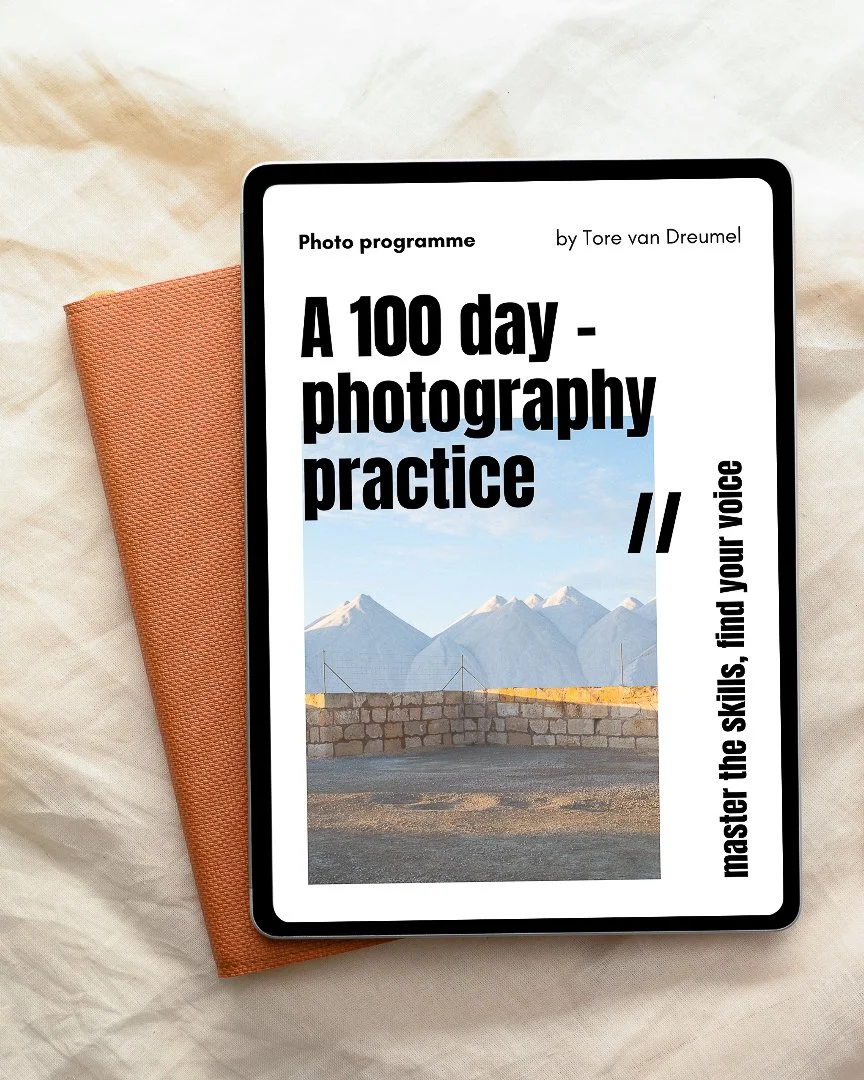


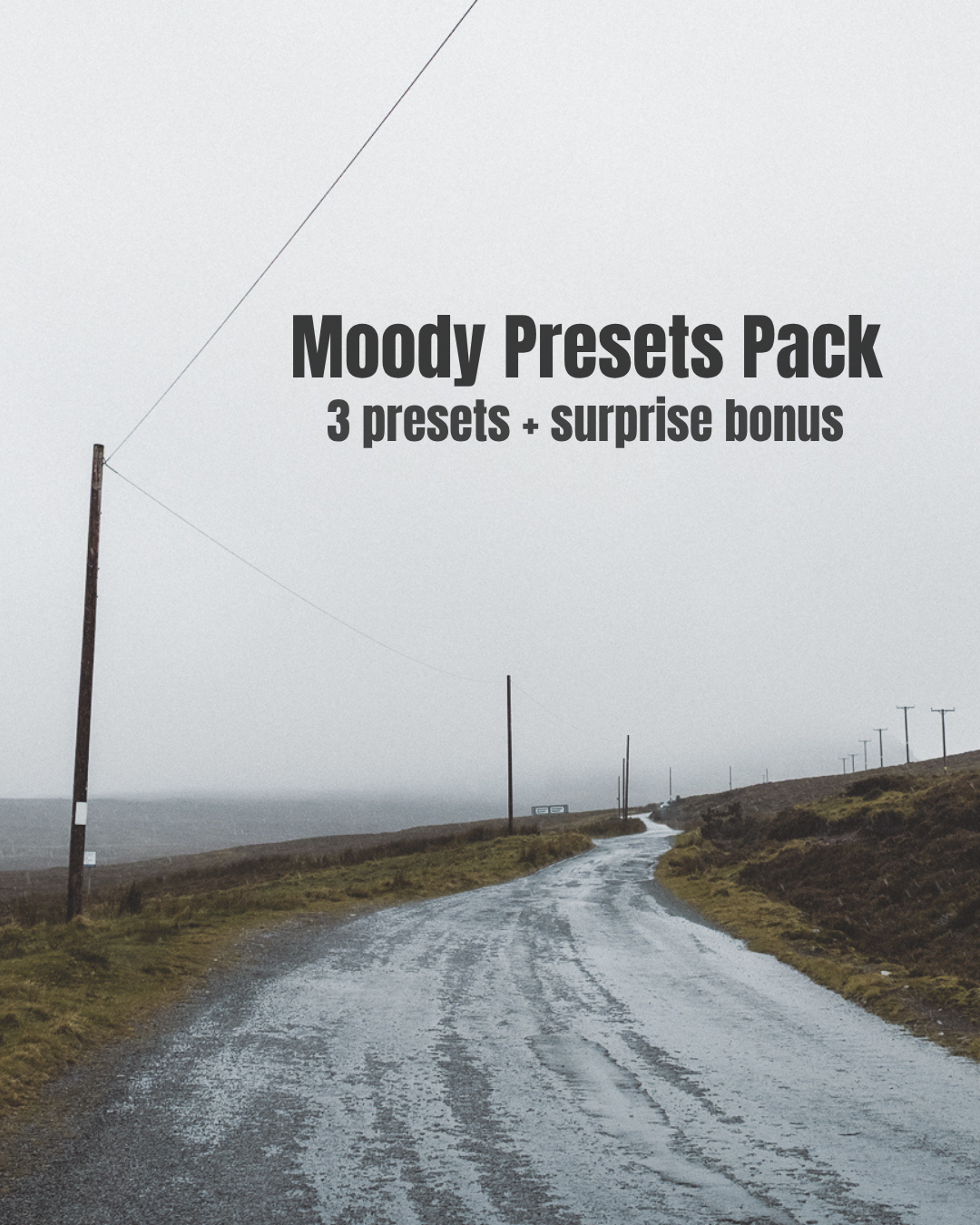
For Grainy Textures, Nostalgic Vibes, Moody Tones, Timeless Black & White, and Better Everyday Photos.
Give your photos character, atmosphere, and a touch of analog feeling with this carefully curated ultimate Preset Bundle.
Combining 12 versatile presets with 4 practical editing tools, this bundle is designed to help you create a consistent look while giving you plenty of room to experiment.
Perfect for:
film-inspired photography
moody and atmospheric images
timeless black & white photos
everyday photography & personal projects
portraits, street, travel & documentary work
creating a more consistent visual style
What’s Inside:
12 Lightroom presets (5 x grainy, 3 x moody, 2 x b&w, 2 x vintage)
4 practical editing tools
step-by-step instruction included
Works on Lightroom Desktop (paid version) & Mobile (free app).
Includes both .XMP and .DNG files for easy installation.
Plug & Play Simplicity
Whether you're new to editing or a seasoned creative, these presets are effortless to use. No technical know-how required — just one click, and your photo gets that soft, film-inspired glow.
Want to make it your own? These presets are a beautiful starting point to fine-tune color, grain, and mood.
Happy with the vibe? Leave it as is - they also work as a perfect final edit.
Why You Will Love Them:
nostalgic and cinematic, without being overly dramatic
adds warmth, depth, and timeless color grading
moody, cinematic tones in seconds
elevate your IG feed, travel blog, or portfolio
consistent aesthetic across all your photos
works with both RAW and JPEG files
Pro Tips:
adjust exposure and temperature depending on lighting
increase or decrease grain to suit your personal style
works beautifully with backlit photos, blue hour, and even cloudy light
Instant Download – Lifetime Use
Once you purchase, you’ll receive an instant download link with everything you need to start editing today.
Please note that since it is a digital product, purchases are non-refundable. However, if you experience any issues, feel free to get in touch - I’m always happy to review situations individually and help where I can.
By buying my presets you support this blog enormously. Thank you.