
How to overcome a creative rut as a photographer

Struggling with feeling stuck, not knowing which direction to go, and so on — it’s a feeling I know very well.
It comes and goes, especially when you haven’t yet reached a certain level of clarity about your own work, or when you start doubting too much and overthinking.
It comes unexpectedly and suddenly things stop flowing.
It can literally paralyze you sometimes, making you unable to do the work, no matter how badly you want to. And most often, the harder you try to get rid of it, the more difficult it gets.
You end up going in circles on the hamster wheel, frustration reaches dangerous levels, and you feel burned out.
The good news is that this happens to anyone at any stage of their journey, whether it is photography or any other form of art.
Over the last few years, I’ve developed my own ways of getting out of this deep black hole.

Look for inspiration outside photography
Photography books, exhibitions, work of established photographers, all forms of visual art. Also film and theatre. Music.
But it’s important here that quality matters, not quantity.
When I’m not going out to shoot, I look at photographs at home. I browse through photo books, watch YouTube, and explore the portfolios of photographers I know.
I watch films, listen to music, go to the theatre, and read.
I do all the things I don’t have time for when the weather calls me outside. Especially the things that inspire me and fuel my hunger to create.
Instead of getting frustrated, I recharge and store all my ideas in my head - or in a notebook.

Try something new
Novelty triggers curiosity and hunger for more.
When I get stuck, I go out and play with various techniques: long exposures, panning, details.
Even if you don’t want to commit to anything beyond what you usually shoot, try new things.
Not only will you learn new skills, but more importantly, it will broaden your perspective and put your mind into an open state, making it easier to attract fresh ideas.
And those ideas? You can bring them back into your usual work.
Trying something new is fun, especially when there’s no pressure or high expectations involved.
And fun is the reason you’re doing this in the first place, right?

Give yourself a photography assignment
When I feel out of rhythm, mini-assignments come into play.
They give me direction and purpose to go out again.
You can pick any colour, subject, or visual pattern as the main theme of your photo walk. You can also challenge yourself by taking a picture a day for a week or a month.
After a few days, you’ll start seeing things differently. Your unconscious mind will begin searching for these subjects and patterns everywhere, turning them into new opportunities for great photos.
Such self-assignments are not only a great way to sharpen your eye, but they’re also fun.
Constraints are also a power that fuels creativity.
Plus, having a purpose will give you the motivation to go out and shoot.

5 mini photo assignments to get you moving again
Feel free to approach these in whatever way suits you best: day after day, week after week, or weekend after weekend. Complete them in any order you like.
The whole idea is to make the return to routine as painless as possible.
There are no shortcuts here. The work still needs to be done. But it can - and should - be enjoyable.
That’s why these assignments can be treated like a game.
1. Photograph a specific mood
Go out with a specific mood in mind - calm, joy, nostalgia - and photograph only what matches it.
2. Choose a random word
Choose a random word or phrase from a book or newspaper and interpret it visually.
3. Look for contradictions
Take one or more photos using juxtaposition, where elements exist in contradiction to each other.
Nature vs. civilisation. Calm vs. chaos. Old vs. new.
4. Limit yourself to 24 frames
Go out with your digital camera and imagine you’re shooting film.
You have only 24 frames. Use them wisely.
5. Choose one colour
Choose one colour and photograph scenes containing that colour throughout the day.

Start a photography project
Short-term self-assignments can get you moving, but a longer project can give that movement a purpose.
It’s basically like doing client work, but for free. And for yourself.
What starts as a simple, fun challenge - finding a purpose in creating - can eventually turn into something unexpected, like a full body of work on a specific topic.
You choose the topic. I’d say don’t overcomplicate it. Pick something accessible.
Simply start documenting the life around you.
Do you live on the coast? Go to the beach.
Do you live in a big city? Maybe street portraits?
Work on a series of pet portraits, if you love animals.
Think about what excites you the most and where you feel most comfortable.
That’s how lifelong projects begin.
If you don’t have an idea (or have too many) and don’t know where to start, I made a simple Project Starter Kit. It’s free and it will give you some hints about how, where and why you should start your own photo project.

Look through your own archives
Don’t you have that thing where, when someone talks about food, suddenly you’re hungry?
When I go through my own photos, I not only get that hunger to shoot again, but I also rediscover subjects that caught my attention years ago, yet I didn’t have enough skill back then to photograph them the way I wanted.
Looking through your own archive can bring back the desire to photograph.
Sometimes you simply need to look at what you’ve already done.
Look at other photographers’ work — but offline
Check out other photographers’ work, but do it offline.
Especially when you feel lost or unmotivated, it’s important to seek out great work without letting yourself sink into self-doubt.
That’s exactly what happens when mindlessly scrolling Instagram.
If, while scrolling your feed, you conclude that photographers all over the world are doing nothing but producing great work, and instead of feeling inspired you get frustrated - then it’s time to turn Instagram off.
On an unconscious level, we associate books with expertise. They carry a sense of authority, offering inspiration and education rather than comparison.
You can still question an artist’s skill or approach, but you’re far less likely to question your own.

Get bored
Have you noticed how the amount of content you consume keeps increasing, while the amount of content you create slowly decreases?
If so, it’s a sign to put aside everything that steals your attention and get a little bored.
Boredom is the best medicine for lack of inspiration.
Sometimes you need to stop consuming so much.
Remove the audience
Make something for the sake of making.
Without sharing it on social media or on a website.
You’ll see that when the pressure of being judged disappears, suddenly creating anything becomes much easier and more enjoyable.
Even though we choose art consciously, driven by a need to create, to express our sensitivity and identity, the subconscious plays tricks on us, pushing us to produce, publish, and constantly raise the bar.
A perfect recipe for burnout.
To break this self-destructive cycle, it helps to hit pause and take a closer look at yourself.
Try approaching the creative process like a child would - playfully, for the sheer joy of making, a pleasant way of spending free time.
Without big - or any - expectations.

Travel, big or small
For me, travel works best.
Short and intense photo trips where I spend almost the whole day exploring a place and photographing really help me get out of a rut.
They don’t have to be journeys to the end of the world.
Sometimes it’s enough to get on a bus or a train and go to another town.
Novelty triggers curiosity and hunger for more.
A change of place can be enough to refresh how you see.
Network with other photographers
I’m no expert in this - I’m an introvert who likes to do things solo.
But if you enjoy gathering and sharing your passion with others, you definitely should, especially when you’re lacking motivation and inspiration.
You can exchange ideas and experiences.
The exchange of thoughts and experiences with other creatives really helped me understand the essence of the problem and get my joy of making back.

Sometimes, rest
Sometimes the best solution is the simplest one.
Rest from the camera, from photography.
More sleep, more movement, more activities different from your usual routine.
You can’t go full speed all year round. It’s not only impossible, it’s unhealthy.
Sometimes it’s worth taking a break to get some fresh air and start again - sometimes even from scratch.
You know those moments when the best ideas come to you when you least expect them - in the shower, in bed before falling asleep, while driving?
That is a state worth getting yourself into as often as possible.

Don’t get stuck
A lack of inspiration can happen to anyone at any stage of their journey, whether it is photography or any other form of art.
Of course, sometimes it’s worth taking a break to get some fresh air and start again - sometimes even from scratch.
However, the important thing is not to get stuck.
The longer you stay in stagnation, the harder it is to get out of it.
Photography habits don’t return overnight. They rebuild slowly, frame by frame.
A short walk, a small idea, a simple assignment - that’s often all it takes to get the rhythm back.

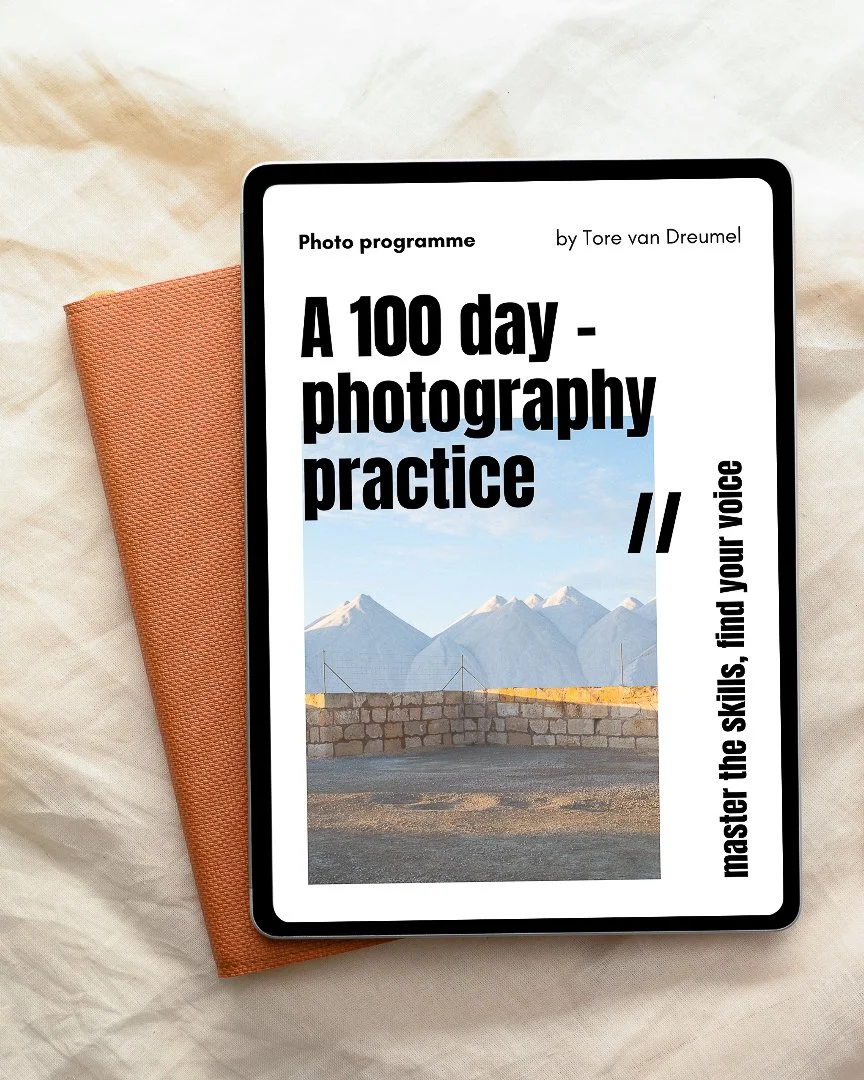
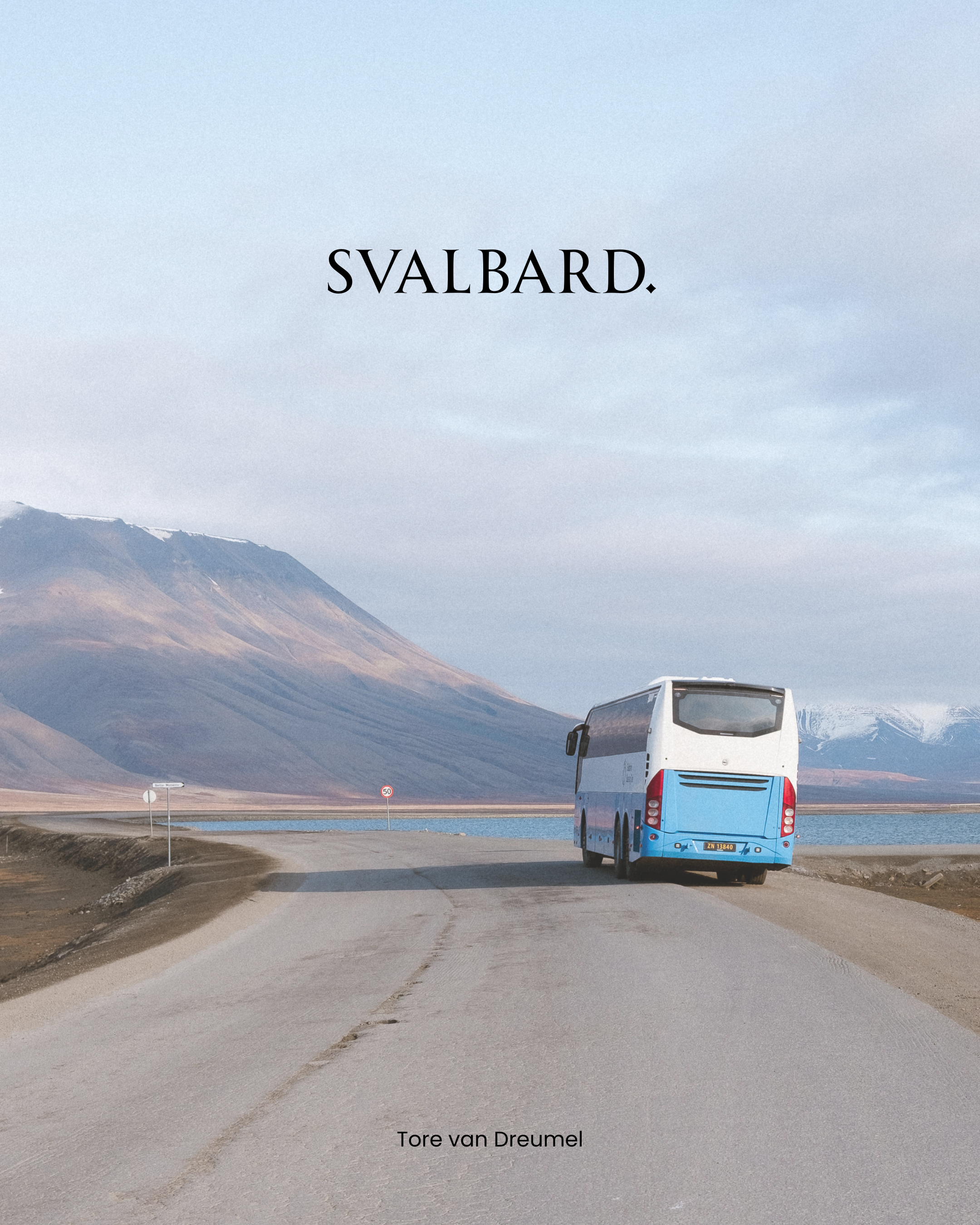
For Grainy Textures, Nostalgic Vibes, Moody Tones, Timeless Black & White, and Better Everyday Photos.
Give your photos character, atmosphere, and a touch of analog feeling with this carefully curated ultimate Preset Bundle.
Combining 12 versatile presets with 4 practical editing tools, this bundle is designed to help you create a consistent look while giving you plenty of room to experiment.
Perfect for:
film-inspired photography
moody and atmospheric images
timeless black & white photos
everyday photography & personal projects
portraits, street, travel & documentary work
creating a more consistent visual style
What’s Inside:
12 Lightroom presets (5 x grainy, 3 x moody, 2 x b&w, 2 x vintage)
4 practical editing tools
step-by-step instruction included
Works on Lightroom Desktop (paid version) & Mobile (free app).
Includes both .XMP and .DNG files for easy installation.
Plug & Play Simplicity
Whether you're new to editing or a seasoned creative, these presets are effortless to use. No technical know-how required — just one click, and your photo gets that soft, film-inspired glow.
Want to make it your own? These presets are a beautiful starting point to fine-tune color, grain, and mood.
Happy with the vibe? Leave it as is - they also work as a perfect final edit.
Why You Will Love Them:
nostalgic and cinematic, without being overly dramatic
adds warmth, depth, and timeless color grading
moody, cinematic tones in seconds
elevate your IG feed, travel blog, or portfolio
consistent aesthetic across all your photos
works with both RAW and JPEG files
Pro Tips:
adjust exposure and temperature depending on lighting
increase or decrease grain to suit your personal style
works beautifully with backlit photos, blue hour, and even cloudy light
Instant Download – Lifetime Use
Once you purchase, you’ll receive an instant download link with everything you need to start editing today.
Please note that since it is a digital product, purchases are non-refundable. However, if you experience any issues, feel free to get in touch - I’m always happy to review situations individually and help where I can.
By buying my presets you support this blog enormously. Thank you.