

I have the feelling that France and its potential are underestimated, especially by people – like me – who come from Eastern Europe. It’s a bit too far to drive to, and air connections usually end in Paris. That’s why, in the minds of many, the map of France consists of just a few points: Paris, the French Riviera and Alps. The rest is a blank spot.
I myself wasn’t aware that for several years I’ve been living just a stone’s throw away from one of the most beautiful coastlines I’ve ever seen – the Opal Coast.
I believe it was in 2021, when we travelled through Normandy in a rental van, ending in Étretat, that I realized how much I missed. This year, we decided - this time with our own car - to continue toward Brittany, starting from Le Havre and aiming to end in Brest.
Life had other plans, though, as our aging dog decided things would go differently. To ensure this gentleman’s comfort, we slowed down the pace and shortened the trip a bit.
If you’re looking for useful information and tips about where to go, what to see, and how to do it in Brittany – especially if you're traveling by car or camper – read on below.
Trouville-sur-Mer


We started in the town neighboring Le Havre – Trouville-sur-Mer. Our first overnight stop was at the cliffside campsite Le Chant des Oiseaux. Sea views from our living room included in the price of sleep. Priceless.
From there, it was about 50 meters down a staircase to the beach. Another 15-minute walk took us to the town and its beach. During that walk, I already knew exactly why I had come here. France in a nutshell.
Le Mont Saint Michel

The next day, something nudged us – since we were so close and it was on our way, maybe it was worth checking out Brittany’s iconic landmark – Le Mont Saint Michel.
We drove there, left the car in one of the dozen (!) parking lots, and even though at that point our intuition wasn’t whispering but yelling at us to turn back, we started walking toward the monastery. Guess what. We didn’t even make it all the way. It was way too busy.
Cancale


Our search for quieter places ended in Cancale. That’s where Brittany truly began for us.
Overnight stop: Camping Municipal Pointe du Grouin.
This campsite, located on the Pointe du Grouin headland, is a perfect base for a short walk around the headland (wow) or a longer hike along the cliffside paths to the nearby town (wow!). In the evening, we strolled to the beach — hike was 10/10.
Cap Frehel
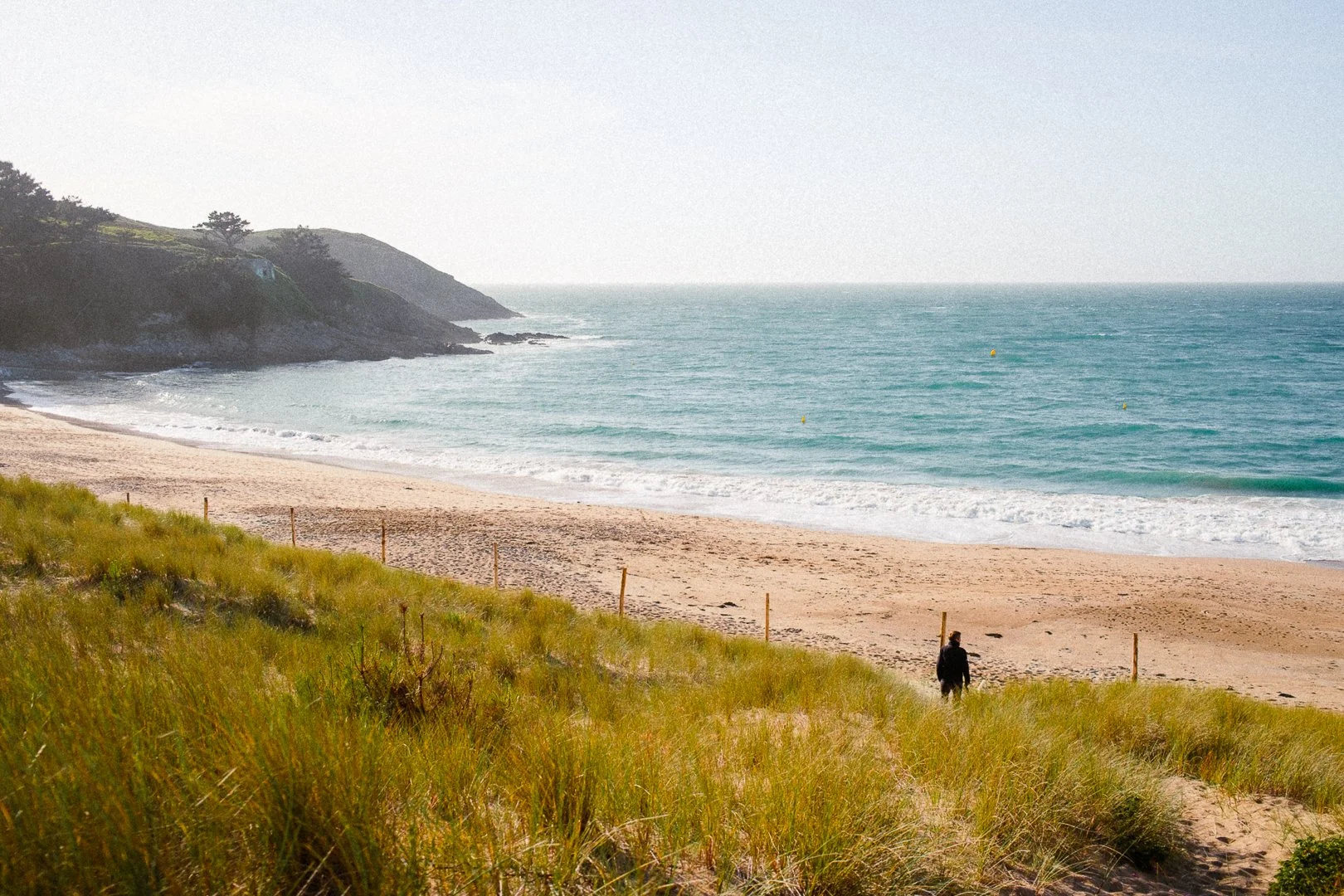

The next day after about 1.5 hours of driving we reached Cap Fréhel. This was the best overnight stop of the whole trip – a vast campsite located right on the dunes of the peninsula. There was unlimited space for all kinds of campers and mobile homes.
Since it was windy and sunny, we chose a spot not directly on the waterfront, which turned out to be an excellent decision. We had a plenty of space and enough privacy.
We stayed here for two days. We lazed around, took walks along the vast beaches and cliffs, indulged in fresh baguettes, and drank lots of delicious coffee. A perfect place to practice the art of doing nothing.
Perros-Guirec


Next stop: Perros-Guirec. We came here to see the famous (though we didn’t yet realize how famous) Pink Granite Coast. It’s definitely a beautiful and worthwhile sight – just not at this time of year or not at this time of day (or just not for us). Busy spot. I regret we didn’t go for a hike early in the morning.
The town itself isn’t particularly charming, but the beach (at least until it disappears under the tide) and the seaside promenade definitely are.
It was also here that we decided the crowds and the heat weren’t doing us – and especially our dog – any favors. So we made the decision to head back toward Normandy.
Le Treport


We had been here before, during our first road trip through Normandy, and we knew exactly why we were coming back.
Overnight stop: Camping International du Golf. It’s not a fancy place – and that’s exactly why we like it. The campsite is set in an old park next to the Hôtel du Golf, but it’s definitely for people with strong legs.
Le Tréport doesn’t mess around – it’s steep everywhere and always uphill.
For those not in the mood for an alpine-style climb, there’s a cable car (Funicular) that takes you up to the top of the beautiful granite cliffs.
The cliffs, by the way, are quite an interesting situation. The town is nestled right at their base. It feels like a miniature model town overshadowed by giant monoliths towering above it. Magnificent.
Mers-les-Bains


This time, we stayed in Le Tréport for two days. On the second day, we walked down to Mers-les-Bains, known for its colorful houses lined up along the promenade. Quite a charming sight.
And then there was the moment when the weather suddenly shifted and a thick fog/cloud rolled in, completely hiding the cliffs — that was pretty surreal.
Summary - Bretagne for photographers

My camera (Fujifilm x100V) was with me the entire time. Even though this was meant to be a family trip, I didn’t put it down for a second.
French coast is all about colors, details and nostalgy. My ideal combination for interesting photos. I want to go back anytime.
To wrap up:
fuel in France is cheaper than, say, in the Netherlands — a plus
some motorway tolls are expensive — a minus
add a generous amount to your overall budget for baguettes (like a lot)
campsites are relatively cheap and well-equipped; some even offer fresh bread delivery service (see previous point)
if you’re vegan, bring your own food; the French understand vegetarianism, but it seems like veganism hasn’t really entered their language
if you’ve ever heard unfair stereotypes about the French — that they’re closed-off, unfriendly, or don’t speak English — you’ll change your mind.




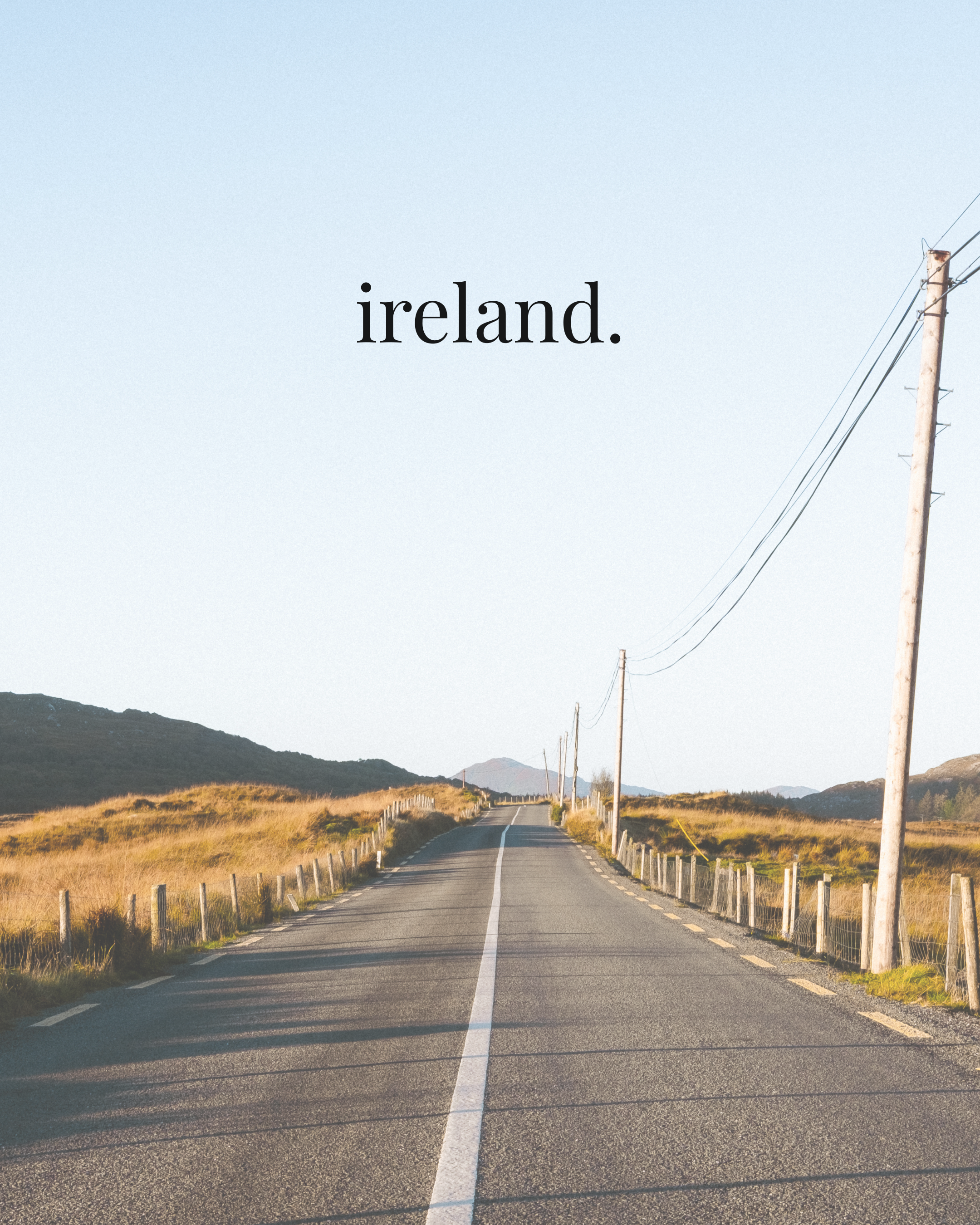
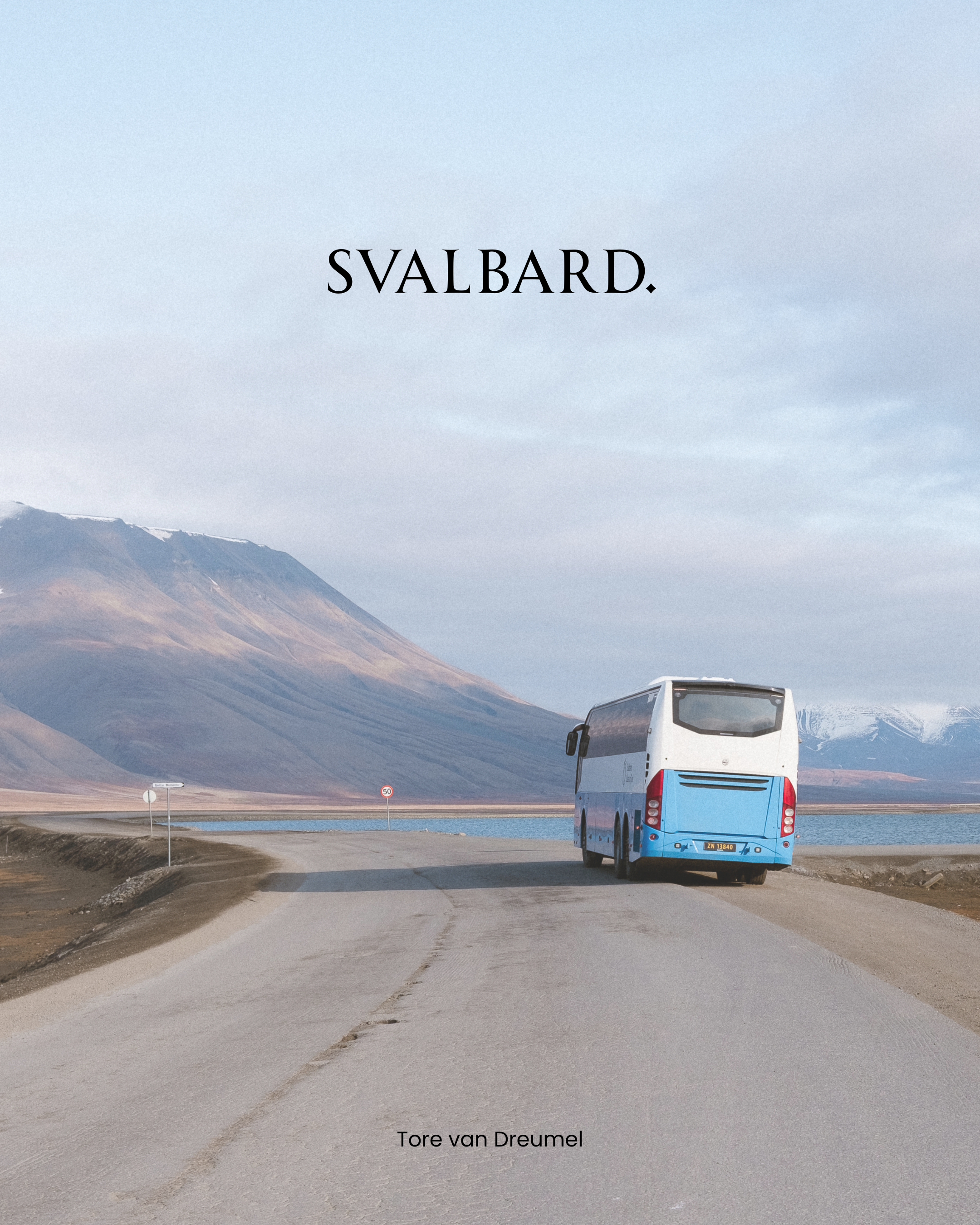
A structured 100-day photography programme designed to help you see more, notice more, and photograph more consistently.
Through 100 thoughtfully crafted prompts, examples, and guidance, this programme builds your visual awareness, technical confidence, and personal style — at your own pace.
For beginners and intermediate photographers who want to move past creative blocks and develop a lasting photographic habit.
This programme includes:
100 photography prompts across 4 creative categories
100+ selected example images from the author
practical guidance for selected tasks
lifetime access (PDF download)
This programme is for you if:
you feel creatively stuck
you want to build a photography habit
you want to develop your visual style
you want structure without pressure, at your own pace.
Technical details:
Format: PDF
Pages: 106
Language: English
Instant download (PC and mobile phone).
FAQ:
Is it suitable for beginners?
Yes. The programme is designed for beginner and intermediate photographers. Tasks focus on seeing, awareness, and visual exploration rather than technical difficulty.
What camera do I need?
Any camera is fine — DSLR, mirrorless, compact, or smartphone. The programme develops your eye and visual thinking, and it’s not about gear.
How much time I need?
Most tasks can be done in 15–30 minutes. Some may naturally expand if you want to explore further, but the intention is to make practice possible even on busy days.
Are there instructions or just prompts?
The programme includes prompts, guiding context, and more than 100 example photos to help you approach the tasks.
Is it a course?
No, it’s a structured creative practice programme. There are no lessons or technical lectures. Instead, you build skill through doing and observing.
Instant access after purchase.
No subscription. One-time purchase.
Please note that since it is a digital product, purchases are non-refundable. However, if you experience any issues, feel free to get in touch — I’m always happy to review situations individually and help where I can.
The file may not be reproduced, shared, distributed, or resold, whether unchanged or adapted.
By buying this programme you support this blog enormously. Thank you.