
How I Fly With Film: Avoiding X-Ray and CT Scanners at Airports
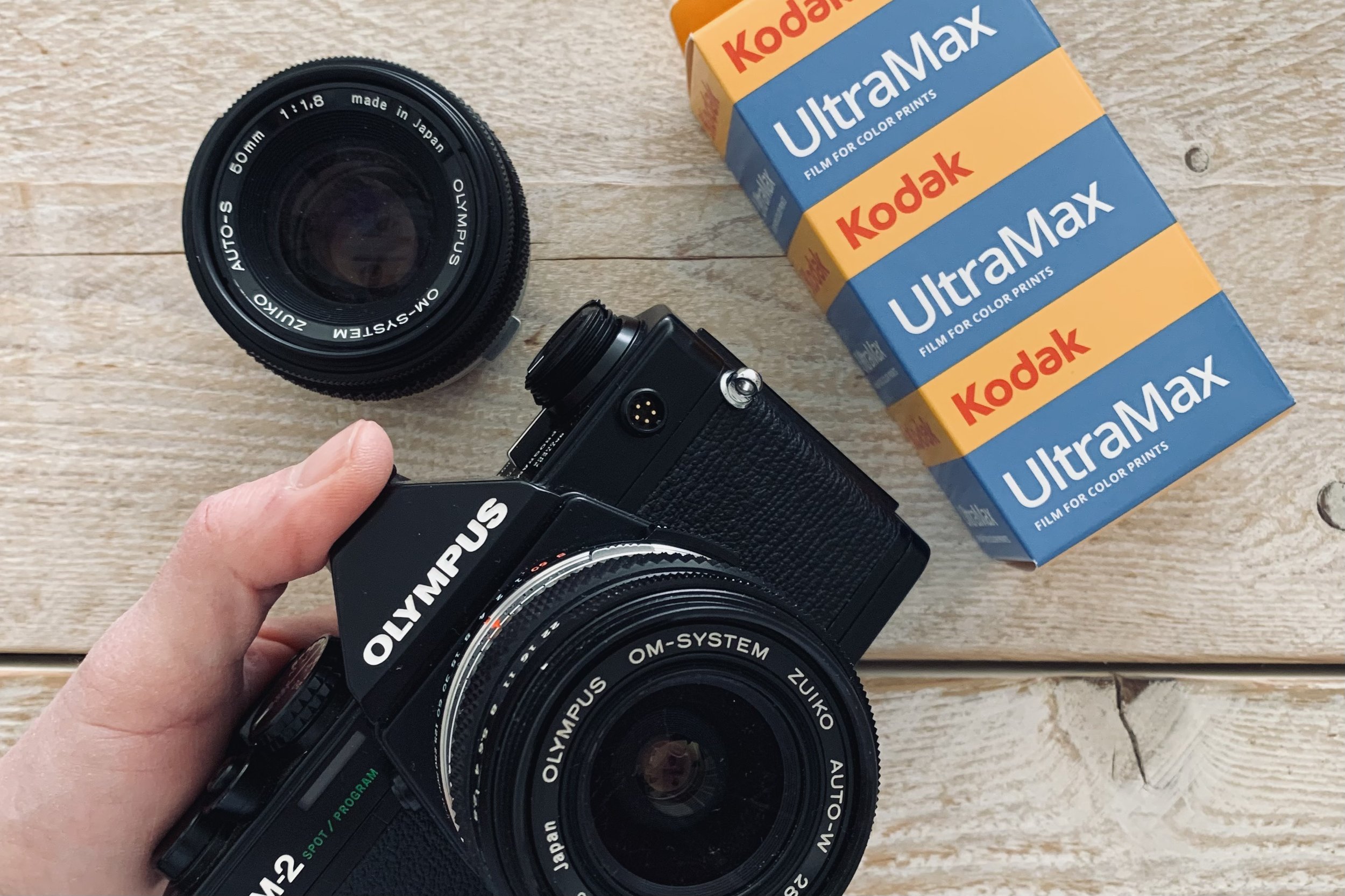
I recently got myself an analog camera - Olympus OM-2. When it comes to film photography, I’m a total beginner, and I ran into a small challenge right from the start. As I was preparing for my flight to Mallorca, I had to figure out how to get my film rolls through airport security without having them damaged by X-ray or CT scanners.
Disclaimer: I am not an expert on this topic, and the content of this post reflects my personal experience travelling with film from Amsterdam to Mallorca, so treat it only as potential suggestions and guidelines, rather than definitive airport security advice.
Can Airport X-Ray Scanners Damage Film?
I had never travelled with film before, so I had no idea what to expect. I started researching, asking other photographers for advice, and eventually contacted the airports directly.
This is what happened.
Since I had no experience with this, I decided to ask for advice on Instagram. Responses to my question about avoiding airport scans, were all over the place.
They ranged from "No worries, the film will be fine”, to "Just ask them not to scan it", all the way to "Better don’t take it with you as it’s not going to work out."
I decided to take the middle ground and go with my own approach: better safe than sorry.
These were my first rolls of film, even before I had seen a single photo from my new camera. If the pictures turned out overexposed or somehow damaged, I wouldn’t even know whether it was due to my camera settings or the airport scans.

How I avoided x-ray and CT-scans at security checks
I gathered all the advice, did some research on forums, read blogs and watched some YouTube videos.
In the end, at both Amsterdam Schiphol Airport and Palma de Mallorca, my film rolls were not scanned, and the security staff treated me kindly and with understanding.
I followed these steps:
I emailed the airport security center with a short introduction and asked whether a manual film inspection was possible. A few hours later, I received a response from airport security stating that I should request an alternative hand check for my camera and film during screening
I packed my film in a separate transparent ziplock bag, removing a carton package, so it was immediately recognizable and I kept it in my carry-on luggage
I kept the email on hand in case any security staff refused my request (I had read online that this sometimes happens)
when the security officer saw my film, they immediately let me through without scanning it, informing me that they would swab the bag to test for explosive materials
the test was conducted, turned out negative, and I was free to go.
What happened On the return flight
A similar situation happened in Palma on the way back.
Before the flight, I checked the airport’s website and found information suggesting that traditional X-ray scanners were used for security. Based on what I had read about X-rays and film, I wasn’t as concerned and decided not to contact airport security in advance.
Then I got to the security checkpoint.
It turned out they were using a CT scanner.
Unlike traditional carry-on X-ray scanners, CT scanners are considered a much bigger risk for unprocessed film. That was not exactly what I wanted to discover while standing in the security queue.
Fortunately, I had already finished the roll in my camera that morning and had unloaded it.
When the security officer saw my film, they let me through without scanning it. They swabbed the rolls for explosives, the test came back negative, and I was on my way to the gate.
REALITY CHECK
Airport security isn’t always as accommodating as it was in my case. The internet is full of stories about ruined film rolls containing the results of days (or even weeks) of work, intimidating talks with security agents and other frustrating experiences.
Standard carry-on X-ray scanners are generally less of a concern for unprocessed film than CT scanners, but X-ray exposure can still accumulate, particularly with repeated scans and more sensitive films.
I’ve learned from fellow photographers that one or even multiple X-ray scans don’t always leave visible marks on photos. Sometimes, the effects are subtle - slightly lower contrast or desaturated colors, especially on more light-sensitive films.
Never put film in checked luggage
One more thing: never pack unprocessed film in checked luggage.
Whatever you do, don’t put unprocessed film in your checked baggage. Film manufacturers warn that checked baggage may be exposed to much stronger X-ray or CT equipment than carry-on luggage. Kodak specifically recommends keeping unprocessed film out of checked baggage.

What if security won’t hand check your film?
That’s not ideal. Actually that sucks.
But if you email the airport security center a few days before your flight and keep their response handy, it might help. If security refuses a hand check, politely ask to speak with a supervisor and show them the email.
Being prepared can make all the difference.
You can also inform your lab that the film went through an X-ray scan - they should know how to handle it. For example The Darkroom website has examples of films that have been X-rayed multiple times, and the results are still good.
Can You Develop Film Before Flying Home?
If the situation allows, you can drop your rolls at the local film lab before flying back home. Whether you choose a local developer or ship it to your favourite lab is up to you, but again, I can’t say for sure how likely it is for international shipments to be X-rayed.
Some photographers suggest using protective bags, but since I haven’t personally tried them, I can’t comment on their effectiveness.
What I Would Do Now
If I were flying with film again, I would keep it simple:
keep all film in my carry-on luggage
put it in a separate, clearly visible bag
check what type of scanner the airport uses
contact the airport in advance if CT scanners are involved.
ask for a hand inspection at security
keep the airport’s reply on my phone
allow some extra time for the security check
And most importantly, I wouldn’t panic if things don’t go exactly according to plan. A standard X-ray scan doesn’t automatically mean your film is ruined, although repeated exposure and CT scanning are worth avoiding.
Good luck!